














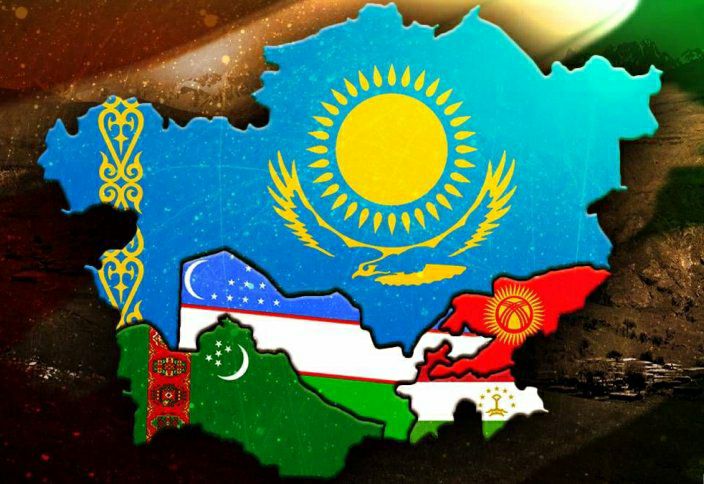
Due to the sanctions imposed on Russia as a result of the war in Ukraine, not only Russia itself but also the Central Asian countries whose economies are closely tied to Russia have been deeply affected. Trade restrictions, the situation of migrant workers, and the disruption of energy and trade routes are among the most significant impacts of the war on the region.
For the Central Asian countries, Russia is a major trading partner. In terms of imports, Russia ranks first for Kazakhstan, Kyrgyzstan, and Tajikistan; second after China for Uzbekistan; and second after Türkiye for Turkmenistan. Looking at exports, Russia ranks third among the main export destinations for Kazakhstan, Kyrgyzstan, Uzbekistan, and Turkmenistan, while it ranks eighth for Tajikistan.[1]
The suspension of trade in grains and basic foodstuffs such as wheat and sugar between Russia and Central Asia due to the war has led to a series of negative consequences. Russia and Ukraine are among the world’s leading wheat-exporting countries.[2] Following Russia’s announcement in March this year that it would temporarily halt grain exports, it was estimated that the disruption in wheat trade could affect 25% of the global grain market.[3] Kazakhstan, which imports wheat from Russia, processes it, and exports flour, also suspended its wheat and flour exports, significantly affecting other Central Asian countries. Tajikistan imports 94% of its wheat from Kazakhstan, while Kyrgyzstan imports 40%.[4] Uzbekistan also meets 35% of its wheat consumption needs through imports from Kazakhstan.[5]
It is widely noted that poor households in Central Asia—who spend a large share of their income on food—will be the most affected by the food price inflation caused by disruptions in trade.[6] The severity of the situation is reflected in Tajikistan’s President Emomali Rahmon instructing citizens to stockpile food for two years.[7] It has also been reported that the Tajik government, facing a risk of default, will send a delegation to the United States to negotiate an IMF loan.[8]
Another challenge faced by the Central Asian countries concerns a potential decline in remittances from Russia. The flow of remittances sent home by migrant workers employed in Russia plays a significant role in the economies of Central Asian states. In addition to the impact of the depreciation of the ruble on remittances, it is also expected that the volume of remittances will decrease as Russian companies downsize or shut down, leading to job losses among migrant workers. Remittances account for more than one-quarter of Tajikistan’s Gross National Income (GNI)[9] and for 33.2% of Kyrgyzstan’s GNI.[10] Hence, Kyrgyzstan and Tajikistan are likely to be the countries most affected by a decline in remittances from Russia.
Another challenge for the Central Asian countries is that their trade routes to the West pass through Russia. For Kazakhstan, whose largest export item is oil, nearly two-thirds of its oil supply is transported via Russian ports.[11] So far, no sanctions have been imposed on Kazakh oil transported through the “Caspian Pipeline Consortium,” which connects oil extracted in western Kazakhstan to Russia and onwards to the port of Novorossiysk. However, considering that Russia also holds shares in the consortium, there is a possibility that the situation may change in the future.[12] Kazakhstan has been engaged in negotiations with the United States to avoid being affected by sanctions against Russia.[13] In its search for alternative trade routes, Kazakhstan announced that an agreement had been reached to ship cargo via Latvia.[14] Increasing the effectiveness of the “Middle Corridor,” which runs from the Caspian Sea through the Caucasus and then through Türkiye to Europe, is also on the agenda.
Another issue concerns the outflow of migrants from Russia—especially those working in the information technology sector. Various sources report that more than 70,000 IT workers have left Russia.[15] Armenia, which allows Russian citizens to enter without a visa, has become one of the primary destinations for these migrants.[16] Georgia and Türkiye are also among the most preferred countries. The founders of Russian companies relocating abroad have stated that if they remained in Russia, their firms would be compelled to operate solely within the domestic market.[17] Central Asian countries have also emerged as destinations. Uzbek officials have reported that since the beginning of the year, around 3,000 foreign IT specialists have moved to Uzbekistan.[18] The Central Asian governments seek to turn this situation into an opportunity by attracting Russia’s skilled labor and “brain drain.” Uzbekistan has announced that it will simplify procedures for foreign investors in the IT sector,[19] and similar measures are being prepared in Kyrgyzstan as well.[20]
While the relocation of Russian companies and the inflow of skilled labor offer opportunities for the Central Asian countries, this development has also raised certain security concerns—particularly for Kazakhstan. Reports indicate a significant increase in the number of Russian citizens applying for residence permits in Kazakhstan.[21] Some analysts have even posed the question of whether Kazakhstan—given its long shared border with Russia and the concentration of ethnic Russians in its northern regions—could become “Russia’s Next Ukraine.”[22] Although Kazakhstan received Russian support through the Collective Security Treaty Organization (CSTO) during the January events, it has recently signaled a desire to distance itself from Moscow. The announcement that there would be no military parade in Nur-Sultan on 7 and 9 May this year for Victory Day—considered one of the most important holidays in the Soviet period—has been interpreted as an indicator of this shift.
High food prices, declining remittances, and disruptions in trade could lead to an increase and deepening of poverty in the region in 2022. In an increasingly interconnected global economy, it is possible to argue that sanctions imposed on Russia may affect global stability to a greater extent than initially anticipated.
[1] Trademap, https://www.trademap.org/
[2] Marina Leiva, “What impact will the Ukraine invasion have on wheat prices?”, Investment Monitor, February 25, 2022, https://www.investmentmonitor.ai/special-focus/ukraine-crisis/ukraine-wheat-invasion-agriculture-russia
[3] “Russia-Ukraine conflict to affect 25% of global grain market”, China Daily, April 10, 2022, https://www.chinadailyhk.com/article/267160
[4] Farangis Najibullah, “Central Asian Neighbors To Feel The Pain As Kazakhstan Suspends Wheat, Flour Exports”, RFE/RL, April 14, 2022, https://www.rferl.org/a/kazakhstan-suspends-wheat-exports-neighbors-pain/31803803.html
[5] Ibid.
[6] “Monthly Price Monitoring for Food Security in the Kyrgyz Republic”, ReliefWeb, March 11, 2022, https://reliefweb.int/report/kyrgyzstan/monthly-price-monitoring-food-security-kyrgyz-republic-issue-51-11-march-2022-enru
[7] Maximilian Hess, “Facing food crisis, Tajikistan returns to Washington with begging bowl”, bne IntelliNews, April 20, 2022, https://www.bne.eu/perspectives-facing-food-crisis-tajikistan-returns-to-washington-with-begging-bowl-241908/
[8] Ibid.
[9] Ibid.
[10] “Investment in sustainable infrastructure in the Kyrgyz Republic”, OECDiLibrary, https://www.oecd-ilibrary.org/sites/8b30e9f8-en/index.html?itemId=/content/component/8b30e9f8-en
[11] Stephen Beard, “Central Asia suffers collateral economic damage from Russia’s war in Ukraine”, MarketPlace, March 22, 2022, https://www.marketplace.org/2022/03/22/central-asia-suffers-collateral-economic-damage-from-russias-war-in-ukraine/
[12] Bruce Pannier, “Understanding Central Asia’s Cautious Approach to Russia’s Invasion of Ukraine”, Foreign Policy Research Institute, March 25, 2022, https://www.fpri.org/article/2022/03/understanding-central-asias-cautious-approach-to-russias-invasion-of-ukraine/
[13] “Kazakistan, Rusya'ya yönelik yaptırımlardan etkilenmemek için ABD ile görüşüyor”, TRT Avaz, 11 Nisan 2022, https://www.trtavaz.com.tr/haber/tur/avrasyadan/kazakistan-rusyaya-yonelik-yaptirimlardan-etkilenmemek-icin-abd-ile-gorusuyor/62540d7801a30a39a04e00ca
[14] Almaz Kumenov, “Kazakhstan redirecting import-export from Russia to Latvia”, EurasiaNet, March 4, 2022, https://eurasianet.org/kazakhstan-redirecting-import-export-from-russia-to-latvia
[15] Sergei Gretsky, “Central Asia and Russia Sanctions: Threats and Opportunities”, Eurasia Daily Monitor, Volume: 19 Issue: 50.
[16] Cade Metz and Adam Satariano, “Russian Tech Industry Faces ‘Brain Drain’ as Workers Flee”, The New York Times, April 13, 2022, https://www.nytimes.com/2022/04/13/technology/russia-tech-workers.html
[17] Ibid.
[18] “3,000 foreign IT specialists have come to Uzbekistan since the beginning of the year”, Asia-Plus, April 15, 2022, https://asiaplustj.info/en/news/centralasia/20220415/3000-foreign-it-specialists-have-come-to-uzbekistan-since-the-beginning-of-the-year
[19] Ibid.
[20] Ayzirek Imanaliyeva, “Kyrgyzstan joins the list of countries favored by Russia’s emigres”, Eurasianet, March 18, 2022 https://eurasianet.org/kyrgyzstan-joins-the-list-of-countries-favored-by-russias-emigres
[21] “Kazakistan'da oturma izni almak isteyen Rusya vatandaşlarının sayısı arttı”, TRT Avaz, 13 Nisan 2022, https://www.trtavaz.com.tr/haber/tur/avrasyadan/kazakistanda-oturma-izni-almak-isteyen-rusya-vatandaslarinin-sayisi-artti/62569ff301a30a1240d83d7a
[22] James M. Dorsey, “Kazakhstan Might Turn Out to Be Russia’s Next Ukraine”, InDepthNews, January 7, 2022, https://www.indepthnews.net/index.php/the-world/central-asia/4995-kazakhstan-might-turn-out-to-be-russia-s-next-ukraine
© 2009-2025 Center for Eurasian Studies (AVİM) All Rights Reserved
No comments yet.
-
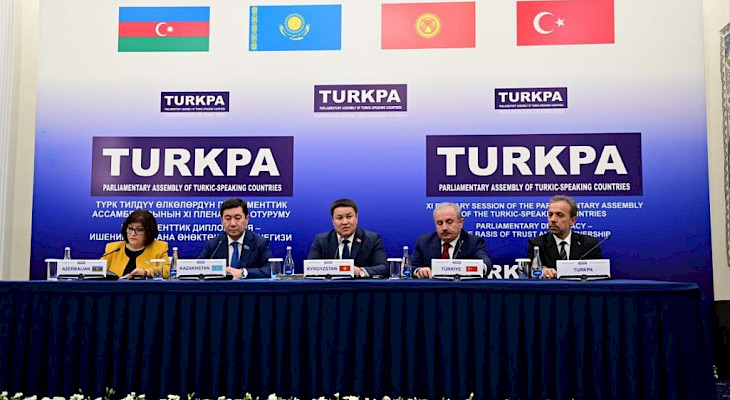 11TH PLENARY SESSION OF THE PARLIAMENTARY ASSEMBLY OF TURKIC COUNTRIES
Gülperi GÜNGÖR 25.07.2022 -
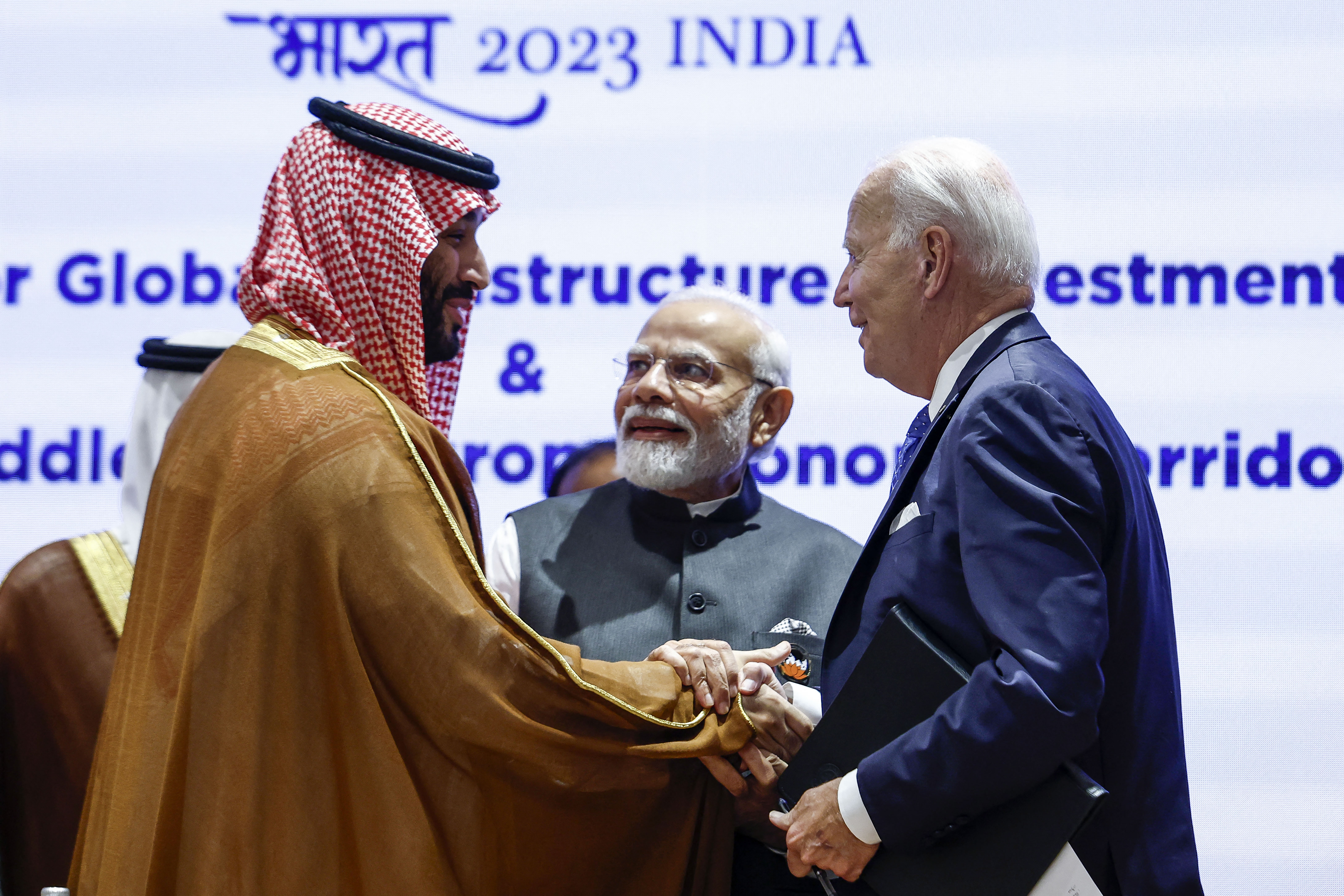 INDIA–MIDDLE EAST–EUROPE ECONOMIC CORRIDOR (IMEC)
Gülperi GÜNGÖR 04.10.2023 -
 24TH MEETING OF THE COUNCIL OF HEADS OF STATE OF THE SHANGHAI COOPERATION ORGANIZATION
Gülperi GÜNGÖR 09.08.2024 -
THE IMPACT OF THE RUSSIA-UKRAINE WAR ON CENTRAL ASIAN COUNTRIES
Gülperi GÜNGÖR 27.04.2022 -
 THE FIFTH CONSULTATIVE MEETING OF HEADS OF STATE OF CENTRAL ASIA
Gülperi GÜNGÖR 29.09.2023
-
FRANCE-TURKEY: PERPETUAL CRISIS (II)
Ömer Engin LÜTEM 20.12.2011 -
 PROTESTS AGAINST THE “SOCIAL PARASITE TAX” IN BELARUS
Turgut Kerem TUNCEL 24.03.2017 -
 PASHINYAN AND MNATSAKANYAN’S DISCREPANCIES REGARDING RELATIONS WITH TURKEY
Berfin Mahide ERTEKİN 02.10.2019 -
 PASHINYAN'S ONE-SIDED VIEW OF THE PEACE PROCESS
Tuğçe TECİMER - Selenay Erva YALÇIN 16.05.2025 -
 NSU CASE COVERED UP AND LEGALLY CLOSED: IS IT POSSIBLE TO AVOID SOCIAL AND POLITICAL REPERCUSSIONS?
Teoman Ertuğrul TULUN 20.12.2021
-
25.01.2016
THE ARMENIAN QUESTION - BASIC KNOWLEDGE AND DOCUMENTATION -
12.06.2024
THE TRUTH WILL OUT -
27.03.2023
RADİKAL ERMENİ UNSURLARCA GERÇEKLEŞTİRİLEN MEZALİMLER VE VANDALİZM -
17.03.2023
PATRIOTISM PERVERTED -
23.02.2023
MEN ARE LIKE THAT -
03.02.2023
BAKÜ-TİFLİS-CEYHAN BORU HATTININ YAŞANAN TARİHİ -
16.12.2022
INTERNATIONAL SCHOLARS ON THE EVENTS OF 1915 -
07.12.2022
FAKE PHOTOS AND THE ARMENIAN PROPAGANDA -
07.12.2022
ERMENİ PROPAGANDASI VE SAHTE RESİMLER -
01.01.2022
A Letter From Japan - Strategically Mum: The Silence of the Armenians -
01.01.2022
Japonya'dan Bir Mektup - Stratejik Suskunluk: Ermenilerin Sessizliği -
03.06.2020
Anastas Mikoyan: Confessions of an Armenian Bolshevik -
08.04.2020
Sovyet Sonrası Ukrayna’da Devlet, Toplum ve Siyaset - Değişen Dinamikler, Dönüşen Kimlikler -
12.06.2018
Ermeni Sorunuyla İlgili İngiliz Belgeleri (1912-1923) - British Documents on Armenian Question (1912-1923) -
02.12.2016
Turkish-Russian Academics: A Historical Study on the Caucasus -
01.07.2016
Gürcistan'daki Müslüman Topluluklar: Azınlık Hakları, Kimlik, Siyaset -
10.03.2016
Armenian Diaspora: Diaspora, State and the Imagination of the Republic of Armenia -
24.01.2016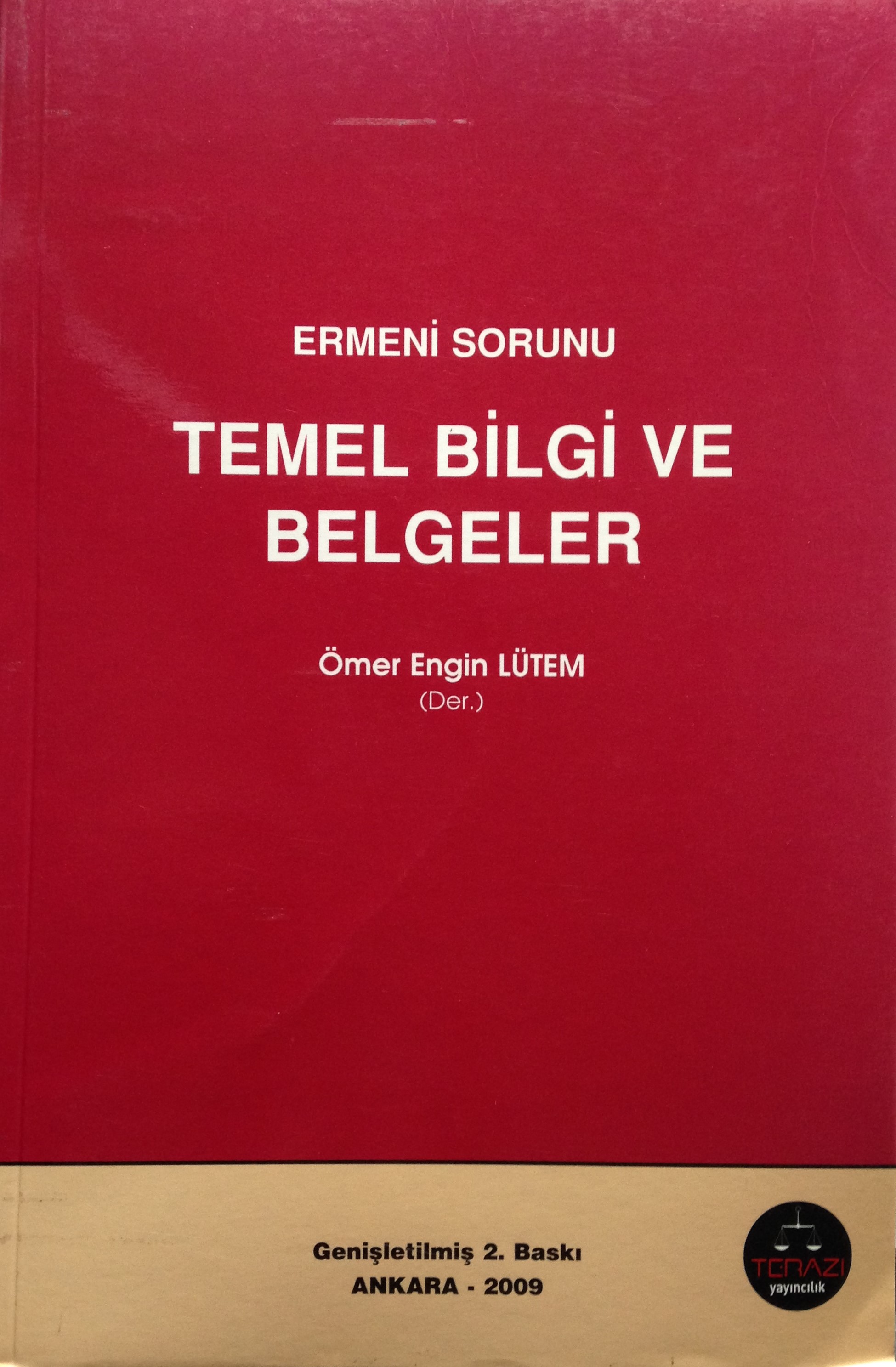
ERMENİ SORUNU - TEMEL BİLGİ VE BELGELER (2. BASKI)
-
AVİM Conference Hall 24.01.2023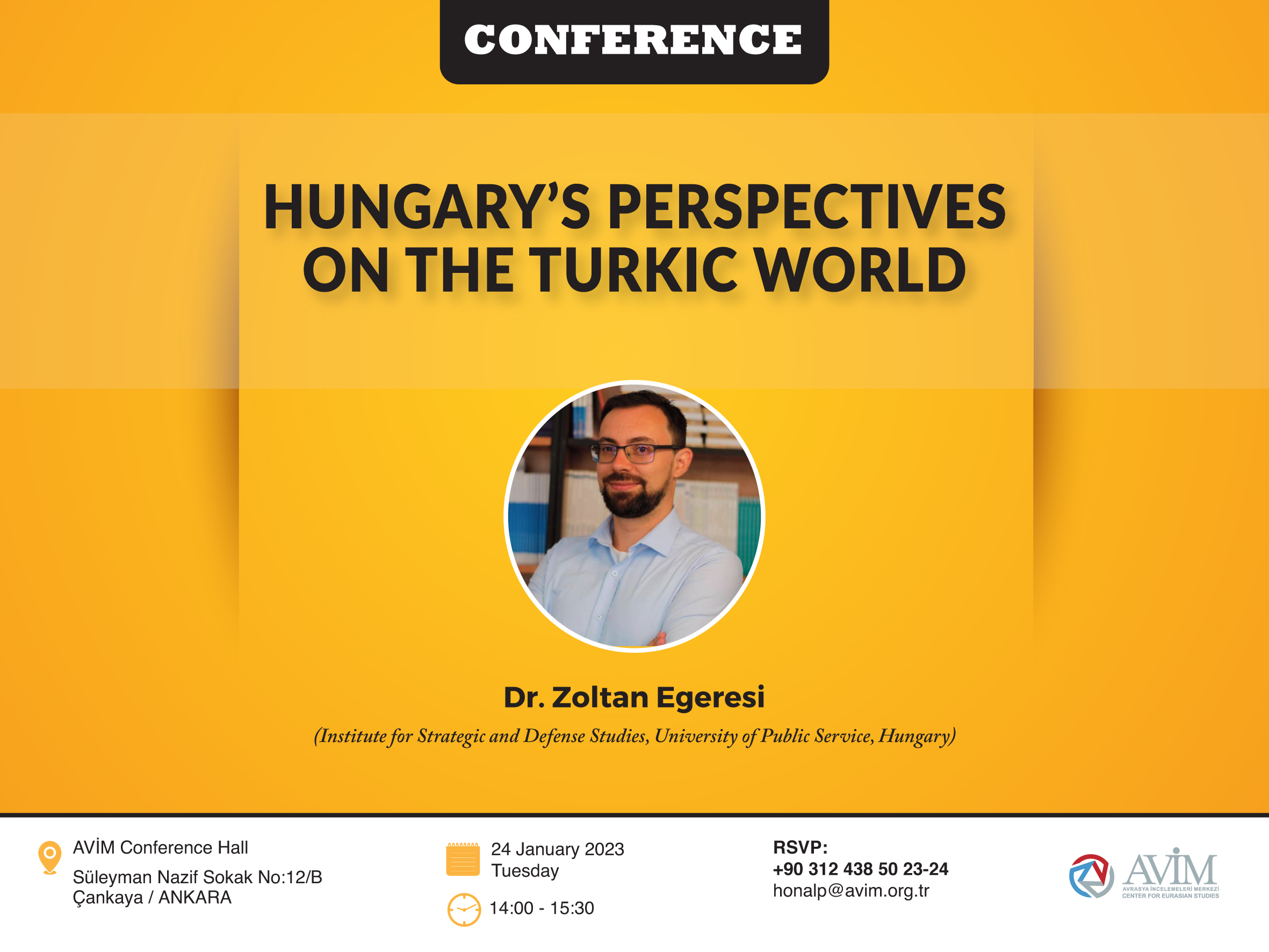
CONFERENCE TITLED “HUNGARY’S PERSPECTIVES ON THE TURKIC WORLD"