














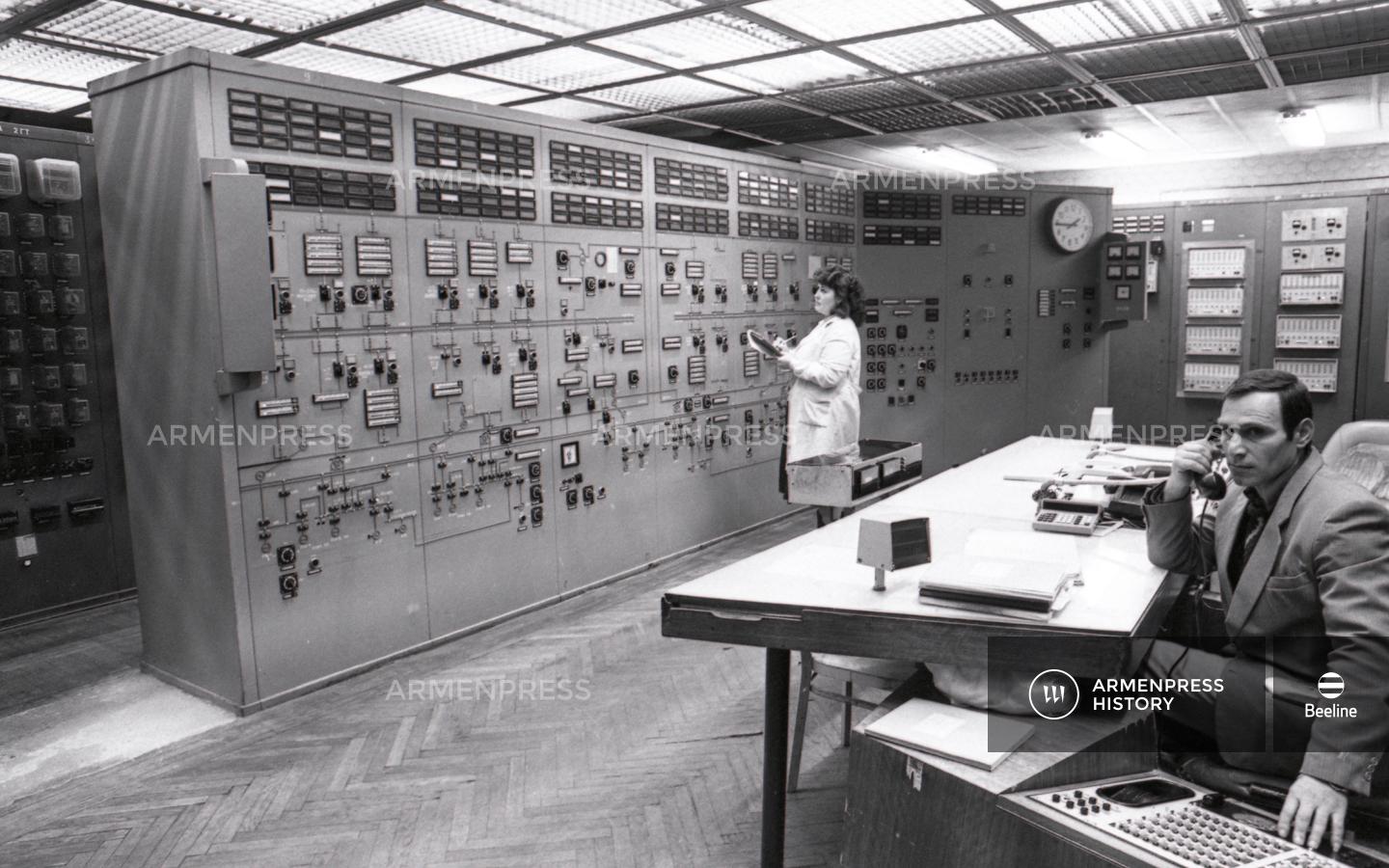
Located 16 kilometers from the Turkish border, the Metsamor Nuclear Power Plant frequently comes to the forefront of both Turkish and international media due to both the current and potential dangers it poses. Due to its location, the plant is positioned in a way that could affect several countries, creating concern for all countries in the region.
It is inevitable that nuclear power plants that do not comply with international standards will cause concern. It would not be unreasonable to assume that alleviating such concerns and ensuring that these facilities meet nuclear safety standards falls under the responsibility of the International Atomic Energy Agency (IAEA), which is regarded as a reliable global institution. However, IAEA Director General Rafael Grossi made a statement on 5 December 2023, regarding the Metsamor Nuclear Power Plant, asserting that “the Metsamor Nuclear Power Plant is safe enough to continue operating in the coming years.” Referring to Türkiye’s calls for the plant’s closure, he added that “countries having ‘certain issues’ with their neighbors around the world tend to file such complaints to the IAEA,” thereby politicizing what constitutes a regional threat.[1] Such a politically charged statement in the face of a serious danger has made it necessary to recall the potential risks posed by the Metsamor Nuclear Power Plant.
Why Is the Metsamor Nuclear Power Plant Dangerous?
The first reactor of the Metsamor Nuclear Power Plant was built in 1976 during the Soviet Union era. Following the damage it sustained in the 1988 Spitak Earthquake and considering the potential risks, the rational decision was made to shut down the plant for a period of time. After the dissolution of the Soviet Union, the economic difficulties that emerged led to a severe energy crisis in Armenia, and in order to meet the country’s energy needs, it was decided in 1993 to recommission the second reactor of the plant. After repairs, Metsamor was connected to the power grid in 1995.[2]
Built six years after the Chernobyl Nuclear Power Plant, Metsamor is one of the oldest nuclear power plants in the world. Despite various maintenance efforts to extend its lifespan, the system has now become outdated and poses a threat not only to Armenia but to all countries in the region. The plant lacks a containment structure that prevents the potential spread of hazardous or harmful substances, and for this reason alone it constitutes a significant threat to the health of people living in the surrounding area.[3]
The Aras River is used to meet the cooling water needs of the plant. If the water level of the Aras River decreases, the cooling system may become inoperative, which could lead to serious danger. In addition, the discharge of wastewater used in cooling the reactor into the Aras River means that, in the event of a leak, all countries bordering the Caspian Sea -where the river ultimately flows- as well as the ecosystem, could be affected by radioactive waste.[4]
The recent February 6 earthquake that hit Türkiye and Syria has once again reminded us of how destructive earthquakes can be. Considering that Metsamor is located on the Ağrı Mountain fault line, a potential earthquake could cause a regional disaster.
As can be seen, the dangers posed by the Metsamor Nuclear Power Plant are a direct threat not only to Armenia but also to regional countries such as Türkiye, Azerbaijan, and Iran. Türkiye has repeatedly warned Armenia about the dangers of the plant, but these warnings have been ignored for both economic and political reasons.
The danger posed by the Metsamor Nuclear Power Plant is a regional and ecological issue that goes beyond all political considerations. Like many countries in the region, Türkiye feels the threat posed by Metsamor very closely. For this reason, Grossi's non-technical statement, which is far from reassuring for the countries in the region, does not correspond with the responsible conduct expected of the IAEA. Meeting regional country’s expectations depends on ensuring that the plant is rigorously inspected for compliance with nuclear safety standards and that the necessary steps are taken to ensure safety of the region.
*Picture: ArmenPress History - https://history.armenpress.am/photos/5168- հայկական-ատոմային-էլեկտրակայան.html
[1] “Armenia’s Metsamor Nuclear Power Plant Safe Enough to Continue Operating: IAEA Chief”, MassisPost, December 5, 2023, https://massispost.com/2023/12/armenias-mertsamor-nuclear-power-plant-safe-enough-to-continue-operating-iaea-chief/.
[2] “Հայկական Ատոմային Էլեկտրակայան”, Armeniannpp, http://armeniannpp.am/hy/about-us/history.html (accessed December 10, 2023)
[3] “En tehlikeli Nükleer Yanıbaşımızda”, NTV, March 15, 2011, https://www.ntv.com.tr/turkiye/en-tehlikeli-nukleer-yanibasimizda,OzbQ16fkp0S1l4gW5hZ1HQ
[4] Esme Özdaşlı, “Kafkasya’nın Çernobil’i Metsamor Nükleer Santrali”, KARAM, 2016, http://www.karamdergisi.com/Makaleler/1284530378_03.Esme%20%C3%96ZDA%C5%9ELI.pdf
© 2009-2025 Center for Eurasian Studies (AVİM) All Rights Reserved
No comments yet.
-
 AGOS' CHANGING EDITORIAL POLICY
Tuğçe TECİMER 08.01.2025 -
 ELECTION YEAR TENSION: LOBBIES AND BROKEN PROMISES IN THE USA
Tuğçe TECİMER 12.09.2024 -
 THE EUROPEAN UNION’S CONNECTIVITY STRATEGY AND TÜRKİYE
Tuğçe TECİMER 28.07.2026 -
 THE ARMENIANS IN SYRIA AND THE NUBAR OZANIAN BRIGADE AFTER THE REGIME CHANGE
Tuğçe TECİMER 05.02.2025 -
 ANOTHER INSTANCE OF THE LEMKIN INSTITUTE'S DESTRUCTIVE CONDUCT
Tuğçe TECİMER 12.01.2026
-
 PASHINYAN’S SHIFTING STATEMENTS
Tuğçe TECİMER - Selenay Erva YALÇIN 14.05.2025 -
 TÜRKİYE'S EVOLVING ROLE AS A EURASIAN NEXUS: A BALANCED PERSPECTIVE
Teoman Ertuğrul TULUN 04.07.2024 -
 THE ARMENIAN PATRIARCHATE OF ISTANBUL HAVE MADE THE CORRECT OBSERVATIONS WITH REGARD TO THE ARMENIAN ISSUE
Gülsüm Gizem ÖZYOL 26.08.2016 -
 AN ASSESSMENT OF 2015 FOR ARMENIA
Ömer Engin LÜTEM 03.01.2016 -
 THE UKRAINE-RUSSIA WAR AND THE BLACK SEA SECURITY
Turgut Kerem TUNCEL 30.05.2023
-
25.01.2016
THE ARMENIAN QUESTION - BASIC KNOWLEDGE AND DOCUMENTATION -
12.06.2024
THE TRUTH WILL OUT -
27.03.2023
RADİKAL ERMENİ UNSURLARCA GERÇEKLEŞTİRİLEN MEZALİMLER VE VANDALİZM -
17.03.2023
PATRIOTISM PERVERTED -
23.02.2023
MEN ARE LIKE THAT -
03.02.2023
BAKÜ-TİFLİS-CEYHAN BORU HATTININ YAŞANAN TARİHİ -
16.12.2022
INTERNATIONAL SCHOLARS ON THE EVENTS OF 1915 -
07.12.2022
FAKE PHOTOS AND THE ARMENIAN PROPAGANDA -
07.12.2022
ERMENİ PROPAGANDASI VE SAHTE RESİMLER -
01.01.2022
A Letter From Japan - Strategically Mum: The Silence of the Armenians -
01.01.2022
Japonya'dan Bir Mektup - Stratejik Suskunluk: Ermenilerin Sessizliği -
03.06.2020
Anastas Mikoyan: Confessions of an Armenian Bolshevik -
08.04.2020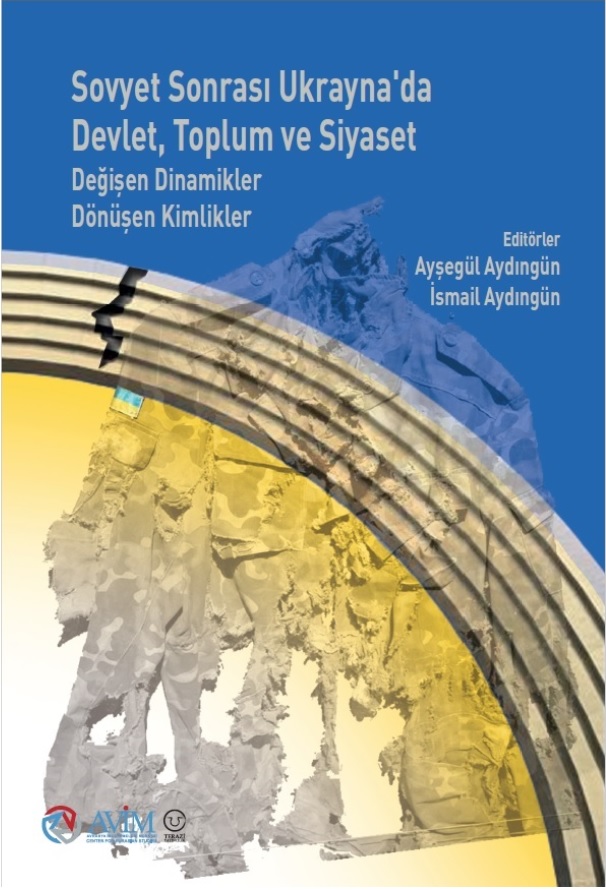
Sovyet Sonrası Ukrayna’da Devlet, Toplum ve Siyaset - Değişen Dinamikler, Dönüşen Kimlikler -
12.06.2018
Ermeni Sorunuyla İlgili İngiliz Belgeleri (1912-1923) - British Documents on Armenian Question (1912-1923) -
02.12.2016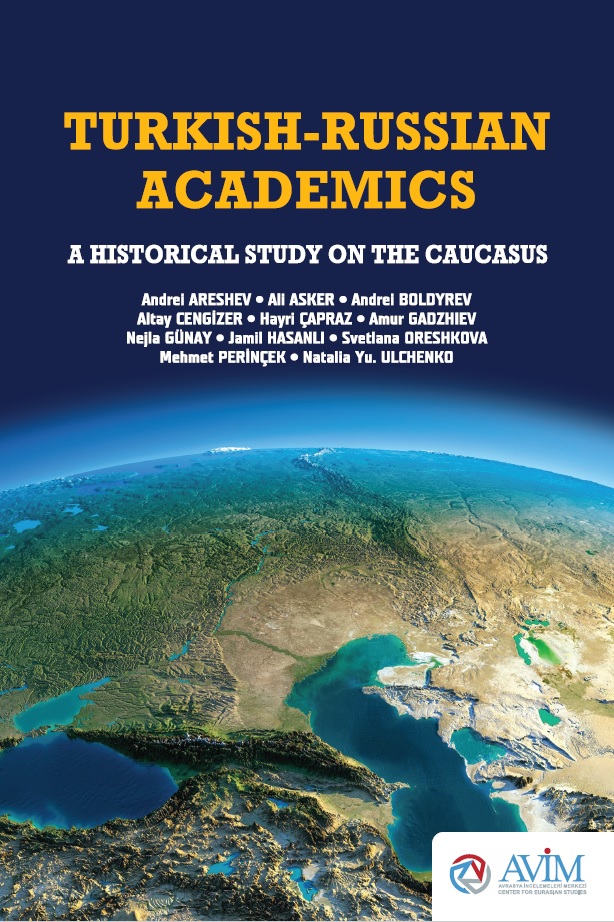
Turkish-Russian Academics: A Historical Study on the Caucasus -
01.07.2016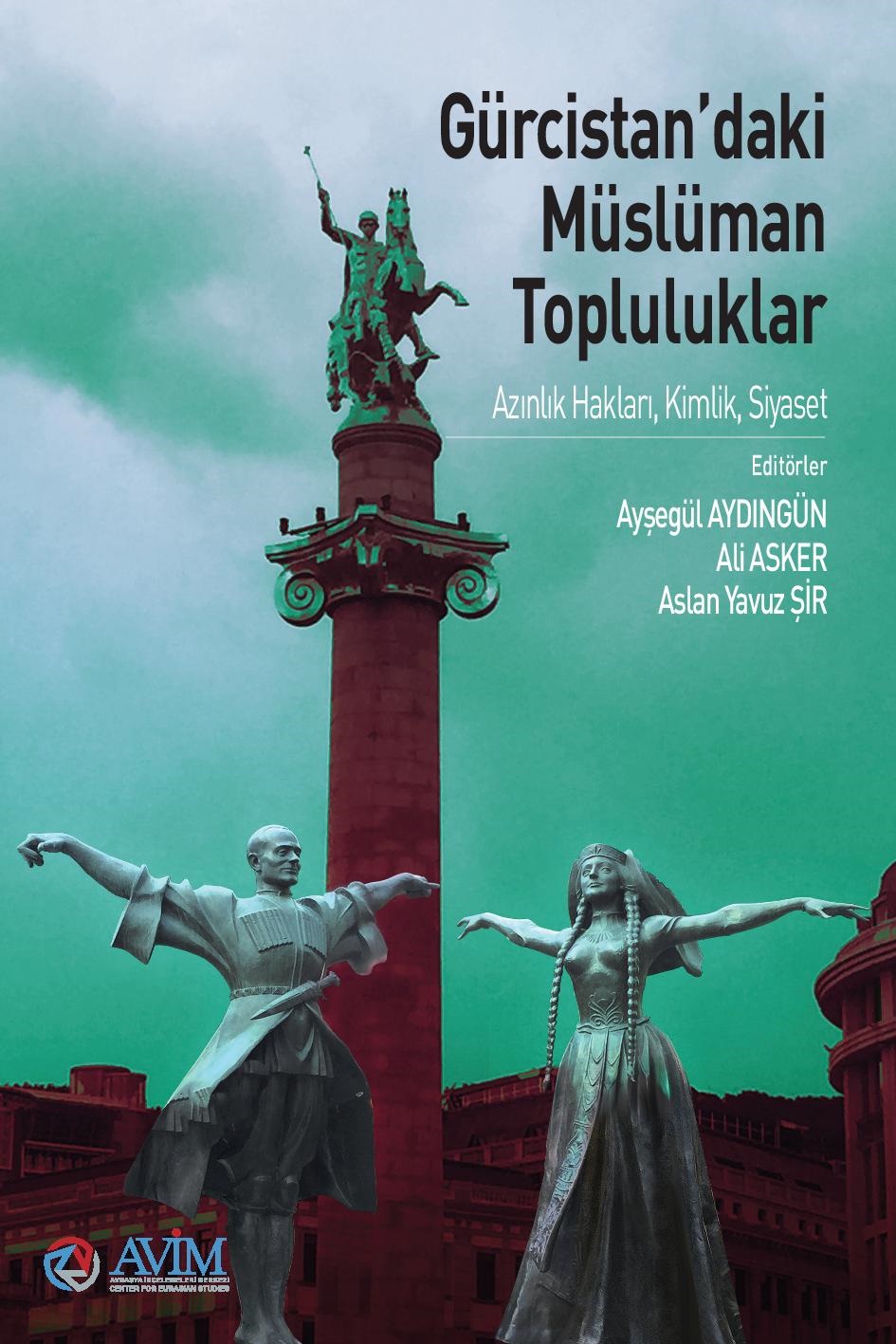
Gürcistan'daki Müslüman Topluluklar: Azınlık Hakları, Kimlik, Siyaset -
10.03.2016
Armenian Diaspora: Diaspora, State and the Imagination of the Republic of Armenia -
24.01.2016
ERMENİ SORUNU - TEMEL BİLGİ VE BELGELER (2. BASKI)

-
AVİM Conference Hall 24.01.2023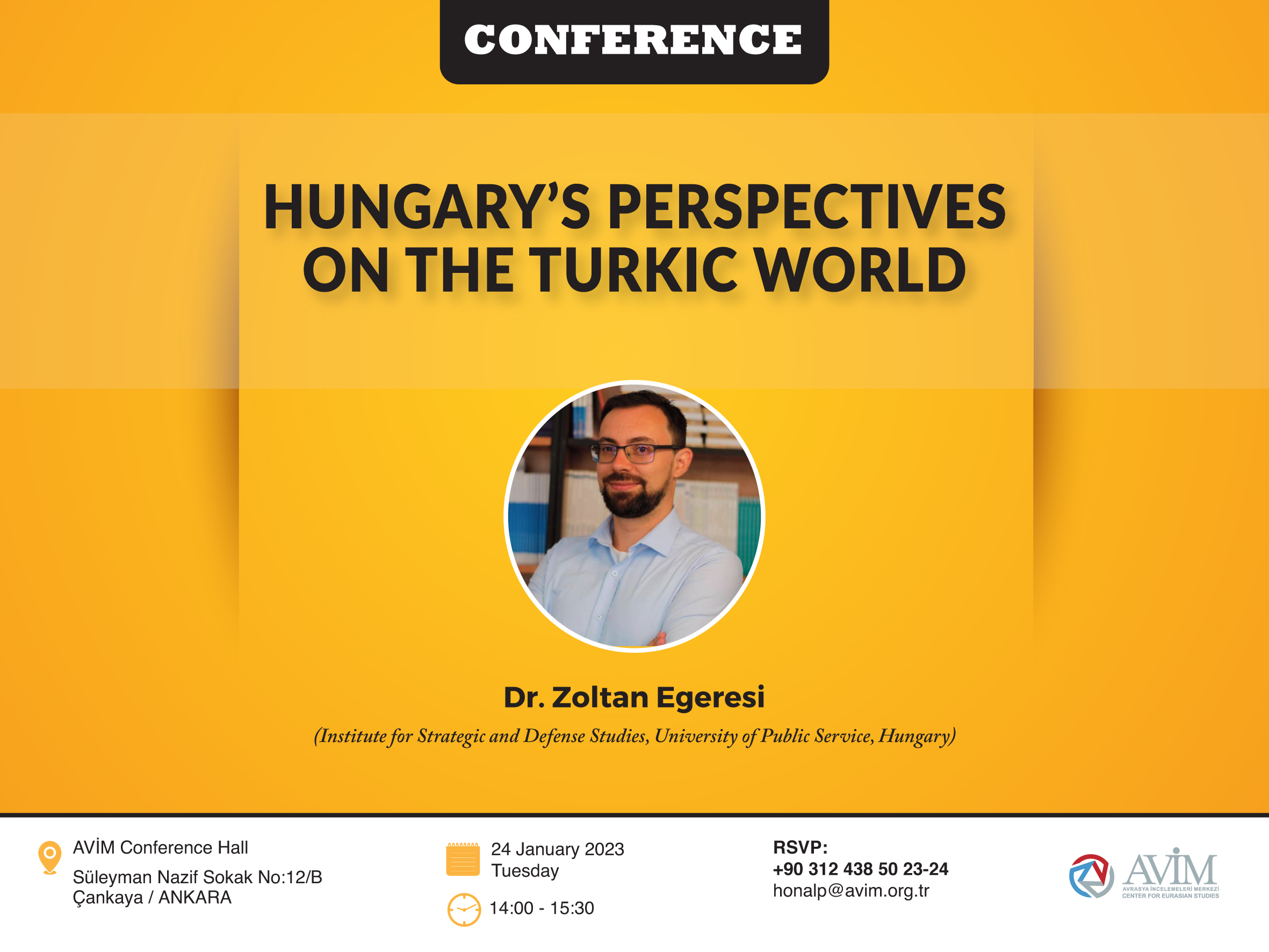
CONFERENCE TITLED “HUNGARY’S PERSPECTIVES ON THE TURKIC WORLD"