














Following Armenia's consecutive defeats in Karabakh under the leadership of Armenian Prime Minister Nikol Pashinyan, opposition to the Pashinyan administration has intensified both within Armenia and among the Diaspora. These opponents not only openly express their discontent with Pashinyan’s government but also repeatedly emphasize the need to take action to change the administration through undemocratic means.
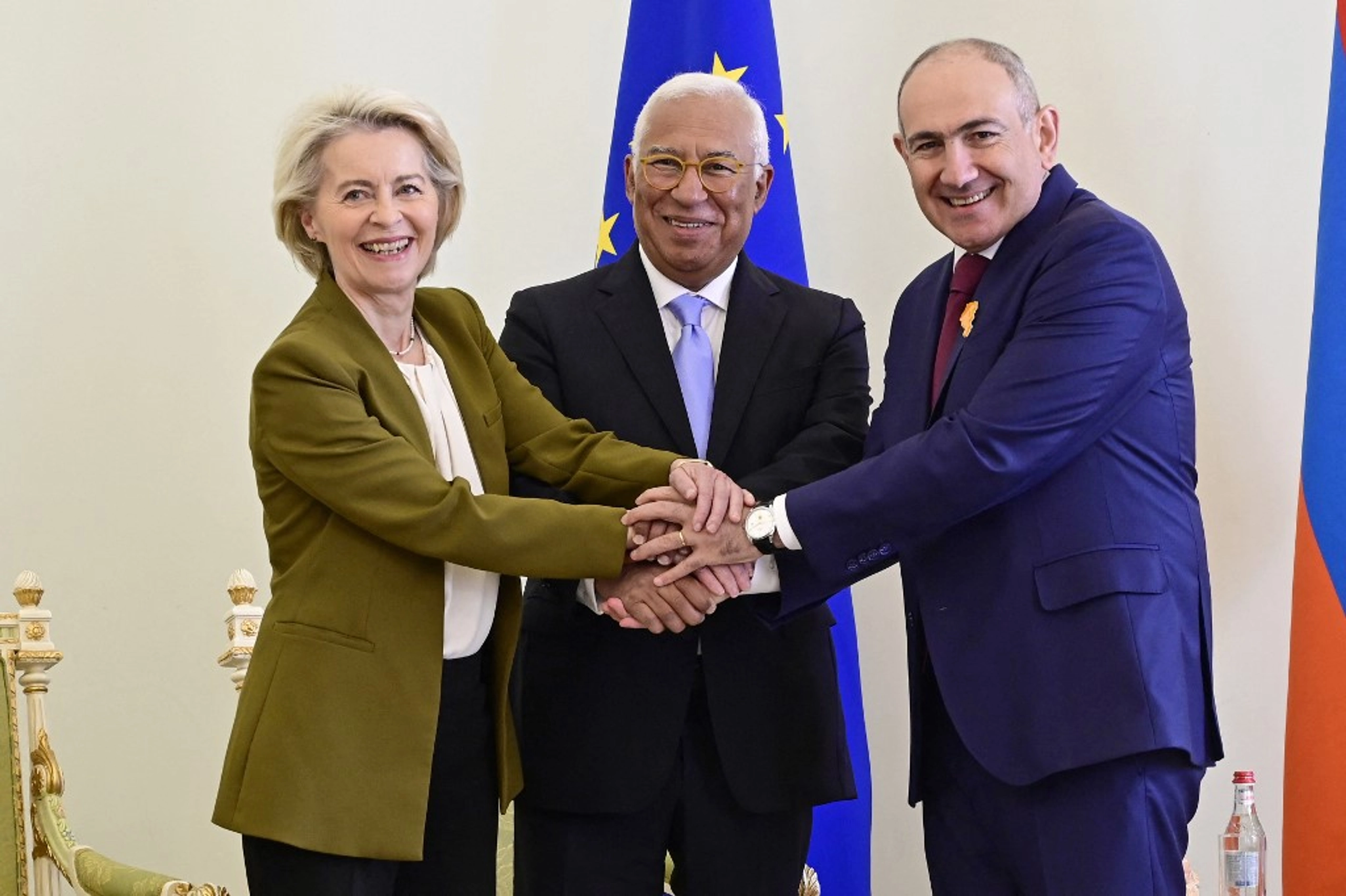
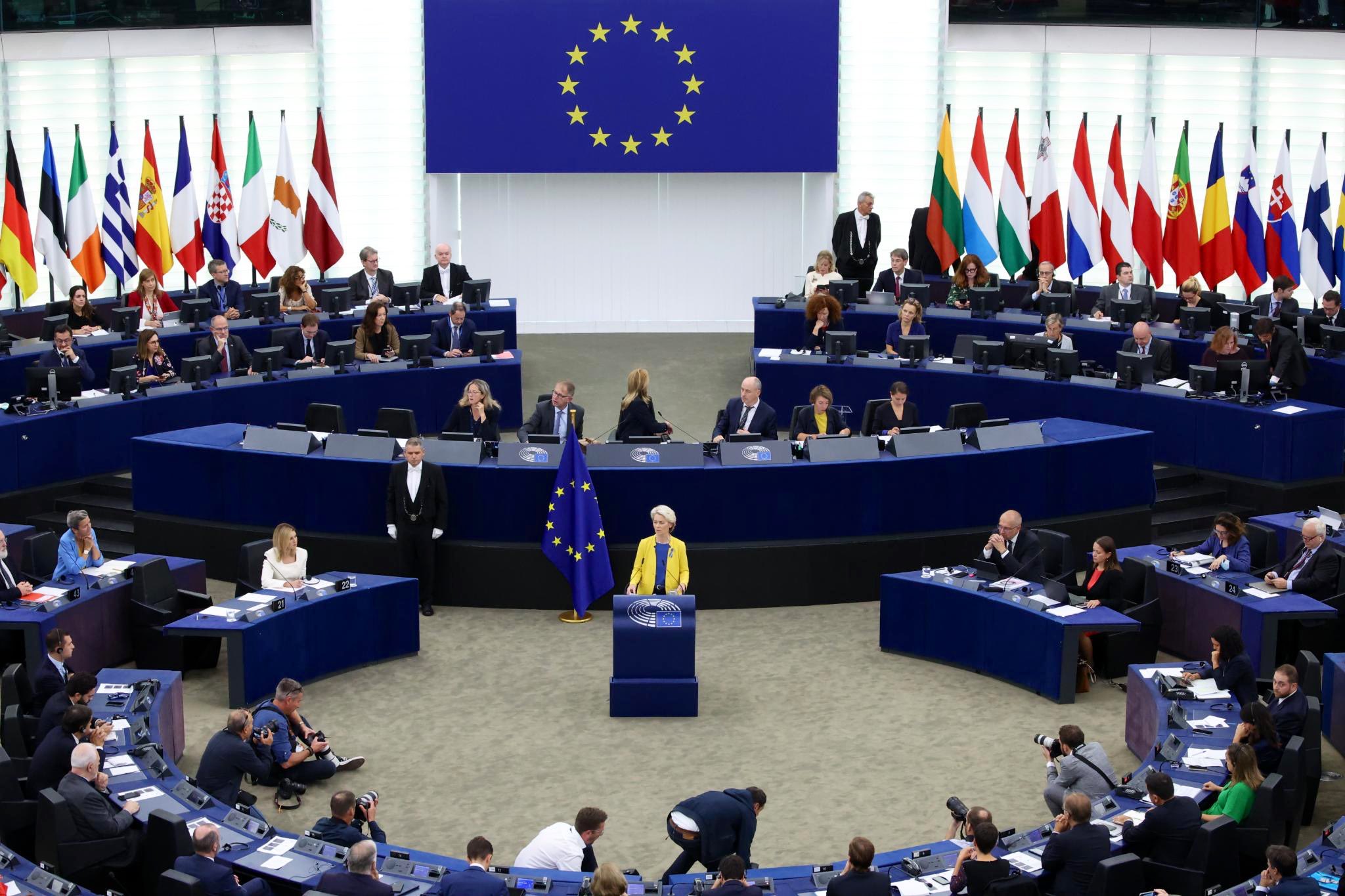
Aware of the opposition against him, Pashinyan focused particularly on the issue of “democracy” in his speech at the European Parliament on Tuesday, 17 October. In summary, Pashinyan stated that democracy is undergoing a difficult period both in Armenia and across the world, but that Armenia had managed to maintain its sovereignty thanks to democracy. He claimed that the Collective Security Treaty Organization had abandoned Armenia, but that the Armenian people had defended democracy and did not allow provocations to succeed. Stating that “for the first time in the history of the Republic of Armenia, elections became a means of overcoming an internal crisis,” Pashinyan argued that the inaction of Armenia’s allies and the public calls by his opponents to overthrow the democratic government are providing an opportunity for those who seek to destroy Armenia’s democracy.[1]
Pashinyan’s speech at the European Parliament resonated widely in both Armenia’s and the Diaspora’s press. Some commentators, who argue that Pashinyan is responsible for Armenia’s defeats, claimed that his continued hold on power despite these defeats is incompatible with democracy and asserted that his speech contradicted his actions.[2]
The term democracy, derived from the Greek words demos (people) and kratos (power), essentially expresses “the power of the people” and is a form of government based on the will of the people.[3] Therefore, Pashinyan’s continuation in power through elections despite the defeats Armenia has faced is not a sign of the lack of democracy, but rather an indication that he remains a legitimate leader who is still supported and trusted by the people. One of the clearest examples of this is the 2021 elections held after the 2020 Karabakh War, which ended in Armenia’s defeat, in which Pashinyan’s government won more than half of the votes.[4]
In a 2023 survey conducted by the International Republican Institute, Armenians were asked who they trusted the most among political figures, which resulted in Pashinyan coming first with 13% of the votes.[5] The fact that Pashinyan topped the trust poll with a 13%, which may seem low at first glance, shows that the issue is not Pashinyan remaining in power, but rather the absence of a second figure whom the Armenian public finds trustworthy.
It is natural for individuals to withdraw their support, refrain from voting, criticize, or even campaign against leaders they previously supported when the leaders in question fail. However, accusing “elected” leaders they view as unsuccessful of being dictators, above all, calls into question the credibility of those making such accusations. Despite internal and external opposition, Nikol Pashinyan continues to be Armenia's elected leader with a majority of votes. Nevertheless, the intense criticism of his style of governance, even if excessive, indicates that Armenia is still far from its claim of being a beacon of democracy.
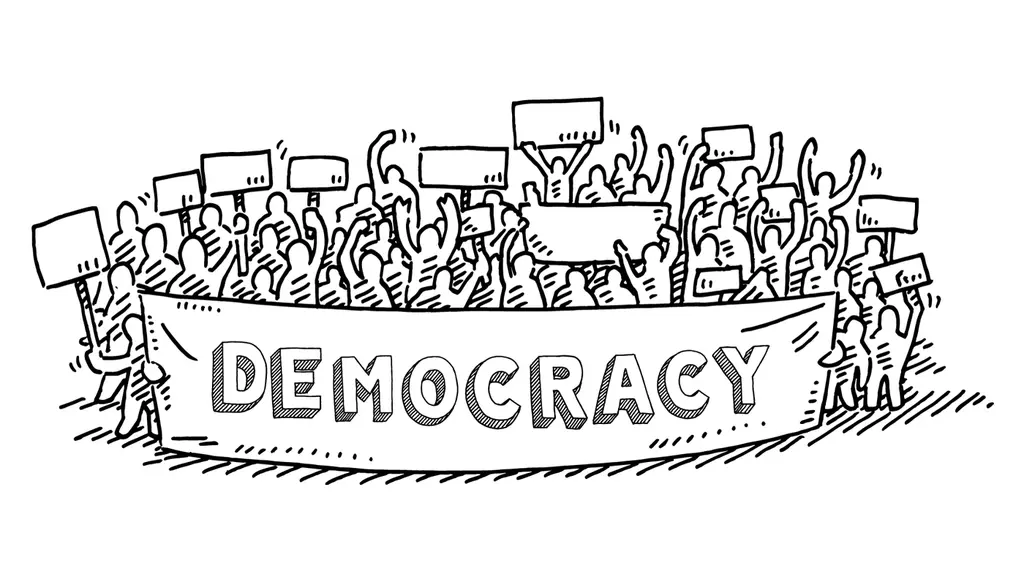
*Picture: United States Studies Center - https://www.ussc.edu.au/the-debate-papers-is-american-democracy-in-peril
[1] “Հայաստանը Պարզապես Կաթվածահար Կլիներ, Կկորցներ Իր Անկախություն Ու Ինքնիշխանությունը, Եթե Չլիներ Ժողովրդավար. ՀՀ Վարչապետ”, Armtimes, October 17, 2023, https://armtimes.com/hy/article/271619.
[2] Harut Sassounian, “Pashinyan boasts about Armenia’s fake democracy at European Parliament”, The Armenian Weekly, October 24, 2023, https://armenianweekly.com/2023/10/24/pashinyan-boasts-about-armenias-fake-democracy-at-european-parliament/#:~:text=Pashinyan%20listens%20to%20no%20one,if%20it%20were%20not%20democratic.%E2%80%9D
[3] “Democracy”, Counsil of Europe, October 30, 2023, https://www.coe.int/en/web/compass/democracy.
[4] “Նիկոլ Փաշինյանն առաջարկեց` «գողացվածը վերադարձնել», «վերջ տալ հայհոյախոսությանը»”, Azatutyun, June 21, 2021, https://www.azatutyun.am/a/31319112.html.
[5] Joshua Kucera, “Even After Multiple Defeats, Pashinian Remains Armenia's Teflon Prime Minister”, Radio Free Europe, October 23, 2023, https://www.rferl.org/a/armenia-pashinian-karabakh-teflon/32650597.html.
© 2009-2025 Center for Eurasian Studies (AVİM) All Rights Reserved
No comments yet.
-
 THE EUROPEAN UNION’S CONNECTIVITY STRATEGY AND TÜRKİYE
Tuğçe TECİMER 28.07.2026 -
 AGOS’S CHANGING EDITORIAL POLICY - 2
Tuğçe TECİMER 06.05.2025 -
 AN OBSTACLE TO THE AZERBAIJAN-ARMENIA PEACE AGREEMENT: CONSTITUTIONAL AMENDMENTS
Tuğçe TECİMER 13.09.2024 -
 THE ISSUE OF MINE MAPS
Tuğçe TECİMER 21.02.2024 -
 POLITICIZATION OF THE CONCEPT OF GENOCIDE AND LEMKIN’S LEGACY
Tuğçe TECİMER 20.08.2026
-
 ISRAEL BOMBS SYRIAN POSTS OVER GOLAN ATTACK ON ITS TROOPS
Hande Apakan 18.03.2014 -
CONFIDENCE BUILDING MEASURES IN ASIA
Alev KILIÇ 29.03.2013 -
 A DECEITFUL ATTEMPT TO TARNISH ATATÜRK’S LEGACY AT PRINCETON UNIVERSITY
AVİM 09.10.2025 -
 THE PRESIDENT OF THE EUROPEAN COMMISSION VON DER LEYEN CONFIRMED THE DISCRIMINATION AGAINST TÜRKİYE ONCE AGAIN
Hazel ÇAĞAN ELBİR 27.09.2022 -
 POPE FRANCIS IN AZERBAIJAN
Teoman Ertuğrul TULUN 14.10.2016
-
25.01.2016
THE ARMENIAN QUESTION - BASIC KNOWLEDGE AND DOCUMENTATION -
12.06.2024
THE TRUTH WILL OUT -
27.03.2023
RADİKAL ERMENİ UNSURLARCA GERÇEKLEŞTİRİLEN MEZALİMLER VE VANDALİZM -
17.03.2023
PATRIOTISM PERVERTED -
23.02.2023
MEN ARE LIKE THAT -
03.02.2023
BAKÜ-TİFLİS-CEYHAN BORU HATTININ YAŞANAN TARİHİ -
16.12.2022
INTERNATIONAL SCHOLARS ON THE EVENTS OF 1915 -
07.12.2022
FAKE PHOTOS AND THE ARMENIAN PROPAGANDA -
07.12.2022
ERMENİ PROPAGANDASI VE SAHTE RESİMLER -
01.01.2022
A Letter From Japan - Strategically Mum: The Silence of the Armenians -
01.01.2022
Japonya'dan Bir Mektup - Stratejik Suskunluk: Ermenilerin Sessizliği -
03.06.2020
Anastas Mikoyan: Confessions of an Armenian Bolshevik -
08.04.2020
Sovyet Sonrası Ukrayna’da Devlet, Toplum ve Siyaset - Değişen Dinamikler, Dönüşen Kimlikler -
12.06.2018
Ermeni Sorunuyla İlgili İngiliz Belgeleri (1912-1923) - British Documents on Armenian Question (1912-1923) -
02.12.2016
Turkish-Russian Academics: A Historical Study on the Caucasus -
01.07.2016
Gürcistan'daki Müslüman Topluluklar: Azınlık Hakları, Kimlik, Siyaset -
10.03.2016
Armenian Diaspora: Diaspora, State and the Imagination of the Republic of Armenia -
24.01.2016
ERMENİ SORUNU - TEMEL BİLGİ VE BELGELER (2. BASKI)
-
AVİM Conference Hall 24.01.2023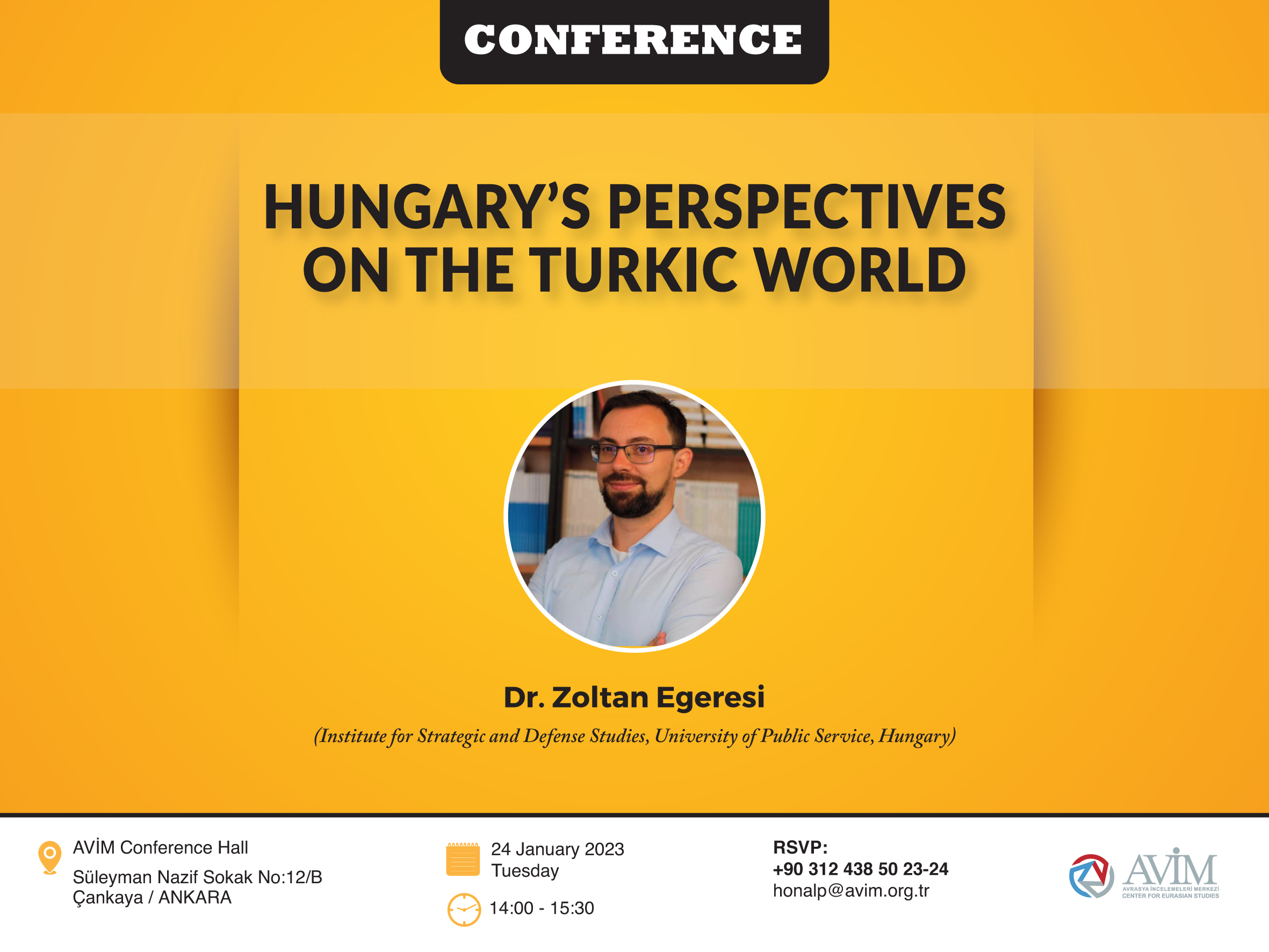
CONFERENCE TITLED “HUNGARY’S PERSPECTIVES ON THE TURKIC WORLD"