














From Bosnia’s crisis to Balkan fragmentation
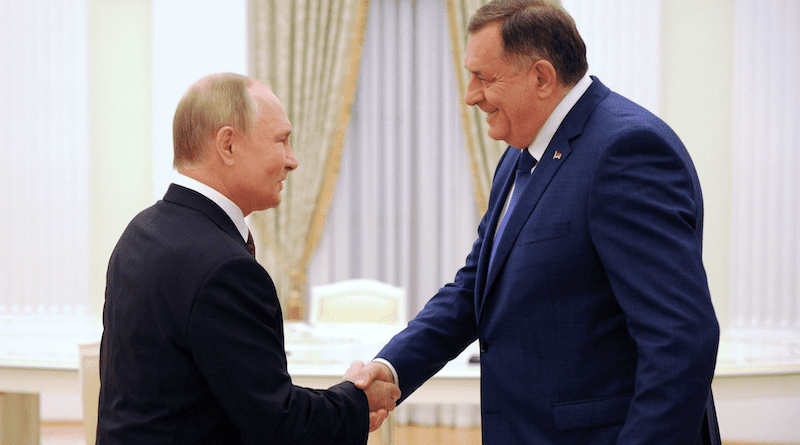
Recent developments around the leadership of Republika Srpska, including its intensified secessionist rhetoric and high-profile external contacts, have once again propelled Bosnia and Herzegovina to the forefront of regional security debates. These moves are frequently treated as a narrowly defined constitutional dispute within a single post-conflict state, to be managed through incremental sanctions or diplomatic pressure. This commentary starts from a different premise: it asks how secessionist pressures in Bosnia intersect with the broader ways in which Europe has conceptualised and organised the Balkans over the past three decades. It argues that the current crisis is inseparable from a longer-standing pattern of divisive labels, fragmented integration tracks, and semi-peripheral statuses that weaken regional coherence and leave Bosnia in a structurally vulnerable grey zone.[1]
Dayton framework, secessionism, and external actors
The Dayton Peace Agreement ended the Bosnian war in 1995 by creating a highly decentralized but formally unified state composed of two entities, the Federation of Bosnia and Herzegovina and Republika Srpska, under an ethnically based power‑sharing constitutional framework that entrenched ethnic power‑sharing at all levels. Within this framework, Republika Srpska enjoys extensive autonomy but remains legally bound to the sovereignty and territorial integrity of Bosnia and Herzegovina, with no explicit right to secede. Over the past decade, however, its leadership has repeatedly used secessionist rhetoric, vetoes, and institutional obstruction to challenge central institutions, while deepening political and symbolic alignment with external patrons, most notably Russia. These moves exploit ambiguities and veto points in the post-Dayton order, as well as Bosnia’s incomplete progress toward EU and NATO integration, turning constitutional safeguards and integration conditionality into levers for continued leverage and destabilization.[2]
Divisive policies and the “Western Balkans” construct
Building on this post‑Dayton context, external approaches to the region are often perceived as reinforcing fragmentation rather than overcoming it. The entrenched use of the “Western Balkans” label, along with differentiated integration roadmaps and ad hoc groupings, tends to separate a handful of states from the wider Balkan whole and to frame them as a semi‑peripheral appendage to the European project. In conceptual terms, this vocabulary weakens the idea of the Balkans as a coherent historical and political space, replacing it with a set of loosely managed sub‑regions. For Bosnia and Herzegovina, this has translated into a prolonged grey zone: a country that is repeatedly affirmed as a partner and candidate, yet whose integration advances in fits and starts, leaving it structurally exposed to external pressure, internal secessionist leverage, and chronic institutional fragility.[3]
Bosnia’s stalled integration and secessionist leverage
Against this backdrop, Bosnia’s internal design and external trajectory together create a particularly fertile environment for secessionist leverage. The consociational, ethnicity‑based power‑sharing system entrenched by Dayton guarantees representation but also provides multiple institutional choke points through which secession‑minded elites in key entities can block decision‑making or hollow out state competencies. When this is combined with slow, conditional, and often reversible progress toward EU and other forms of integration, obstruction becomes a low‑cost strategy: it rarely leads to decisive sanctions, yet it keeps Bosnia in a grey zone that external actors can exploit. As long as political arrangements reward delay and brinkmanship, and integration incentives remain distant or ambiguous, calls for partition or de facto separation will recur as effective tools of pressure rather than as marginal or self-defeating tactics.[4]
A Balkan-wide integration approach
Against this cumulative background, responding to Bosnia’s crisis requires moving beyond episodic sanctions and reactive crisis management toward a regionally coherent strategy. Such an approach would treat the Balkans as a political whole rather than as a set of segmented sub‑regions, and would prioritise institutional arrangements that reinforce Bosnia and Herzegovina’s sovereignty and functionality while offering a credible, time‑bound path toward deeper integration. Instead of normalising permanent interim formulas and open‑ended “transition” statuses, European and international actors should aim to close the grey zone that enables secessionist brinkmanship. Abandoning fragmenting labels and double standards, and fostering regional cooperation explicitly on a Balkan basis, would help undercut both partitionist agendas and the room for manoeuvre enjoyed by external powers seeking to instrumentalise Bosnia’s institutional vulnerabilities.[5]
Resisting partition, restoring regional coherence
Taken together, these dynamics show that secessionist projects in Bosnia and Herzegovina are not merely the product of local political opportunism, but are closely linked to broader conceptual and institutional fragmentation in the Balkans. A policy environment that tolerates ambiguous labels, semi‑peripheral statuses, and permanent transitional arrangements inadvertently sustains the grey zone in which threats of partition and de facto separation can thrive. Safeguarding peace and legal order, therefore, requires more than defending Dayton on paper: it calls for resisting partitionist narratives, closing the space for secessionist blackmail by clarifying Bosnia’s integration horizon, and re‑anchoring external engagement in a coherent understanding of the Balkans as an integrated region rather than a loose collection of sub‑segments.
*Picture: Eurasiareview
[1] IFIMES Editorial Theme, “Full Title of the Article,” Name of Website or Publication, January 24, 2026, accessed February 16, 2026, https://www.eurasiareview.com/24012026-security-and-geopolitical-crisis-in-bosnia-and-herzegovina-russian-influence-secessionist-policies-of-republika-srpska-and-international-responses-analysis/
[2]“General Framework Agreement for Peace in Bosnia and Herzegovina (Dayton Peace Agreement),” Peace Agreements Database, November 21, 1995, accessed February 16, 2026, https://www.peaceagreements.org/agreements/389/ ; Maya Ivanova, “Bosnia and Herzegovina’s Bid to Enter NATO: Prospect or Mirage?,” The Defence Horizon Journal (TDHJ), [April 21, 2025], accessed February 16, 2026, https://tdhj.org/blog/post/bosnia-herzegovinas-nato/
[3] Simon Sweeney And Seb Bytyci, “The Western Balkans And The EU: A New Era Of Enlargement Amid Geopolitical Shifts?,” The UK In A Changing Europe, February 9, 2025, Accessed February 16, 2026, Https://Ukandeu.Ac.Uk/The-Western-Balkans-And-The-Eu-A-New-Era-Of-Enlargement-Amid-Geopolitical-Shifts/ ; Teoman Ertuğrul Tulun, “THE EU'S ENLARGEMENT PARADOX: POLITICS OVER PRINCIPLES?,” Center For Eurasian Studies (AVİM), Analysis, August 6, 2024,No: 2024/2, Accessed February 16, 2026, https://avim.org.tr/en/Analiz/THE-EU-S-ENLARGEMENT-PARADOX-POLITICS-OVER-PRINCIPLES
[4] Teoman Ertuğrul Tulun, “Bosnia and Herzegovina Faces the Existential Threat of Separatism,” Center for Eurasian Studies (AVİM), analysis, November 7, 2021,No: 2021/28, accessed February 16, 2026, https://avim.org.tr/en/Analiz/BOSNIA-AND-HERZEGOVINA-FACES-THE-EXISTENTIAL-THREAT-OF-SEPARATISM , doi: 10.31219/osf.io/vazbh ; Paulina Wankiewicz-Kłoczko, Bosnia and Herzegovina’s European Integration at an Impasse,” OSW Commentary, July 24, 2025, accessed February 16, 2026, https://www.osw.waw.pl/en/publikacje/analyses/2025-07-25/bosnia-and-herzegovinas-european-integration-impasse
[5] Teoman Ertuğrul Tulun, “Slovenian Document on Dismemberment of Bosnia‑Herzegovina Confirms the Necessity of Continuing the PIC–OHR–Bonn Powers,” Center for Eurasian Studies (AVİM), analysis, October 15, 2025, accessed February 16, 2026, No:2021/18, https://avim.org.tr/en/Analiz/SLOVENIAN-DOCUMENT-ON-DISMEMBERMENT-OF-BOSNIA-HERZEGOVINA-CONFIRMS-THE-NECESSITY-OF-CONTINUING-THE-PIC-OHR-BONN-POWERS, doi: 10.31219/osf.io/xpwhb ; Stormy-Annika Mildner, Tina Bories, and Avi Shapiro, Aspen Institute Germany, Structural Change in the Western Balkans, report, 2023, accessed February 16, 2026, https://www.aspeninstitute.de/wp-content/uploads/Structural-Change-in-the-Western-Balkans.pdf
© 2009-2025 Center for Eurasian Studies (AVİM) All Rights Reserved
No comments yet.
-
 AN EXEMPLARY FIGURE IN DIPLOMACY AND HISTORY: IN MEMORY OF RETIRED AMBASSADOR BİLAL ŞİMŞİR
Teoman Ertuğrul TULUN 10.05.2024 -
 THE REPUBLIC OF KAZAKHSTAN: INITIATOR OF THE ORGANIZATION OF TURKIC STATES
Teoman Ertuğrul TULUN 06.01.2022 -
 THE SHATTERING OF REGIONAL ANCHOR FOR STABILITY: THE PASSING OF KING BHUMIBOL ADULYADEJ
Teoman Ertuğrul TULUN 28.11.2016 -
 EU’S NEW CENTRAL ASIA STRATEGY AND NOTION OF CONSTRUCTIVE EURASIANISM
Teoman Ertuğrul TULUN 16.07.2019 -
 URGENT NEED TO STRENGTHEN THE EFFECTIVE IMPLEMENTATION OF THE BIOLOGICAL WEAPONS CONVENTION
Teoman Ertuğrul TULUN 16.04.2020
-
 RUSSIA’S REACTION AGAINST GREECE'S HOSTILE BEHAVIORS AND VIOLATIONS OF THE DEMILITARIZATION PROVISIONS OF THE 1947 PARIS TREATY
Teoman Ertuğrul TULUN 29.12.2022 -
 HISTORICAL MEMORY, LEGAL PRECISION, AND SELECTIVE NARRATIVES: GREECE’S 14 SEPTEMBER DECLARATION
Teoman Ertuğrul TULUN 15.09.2026 -
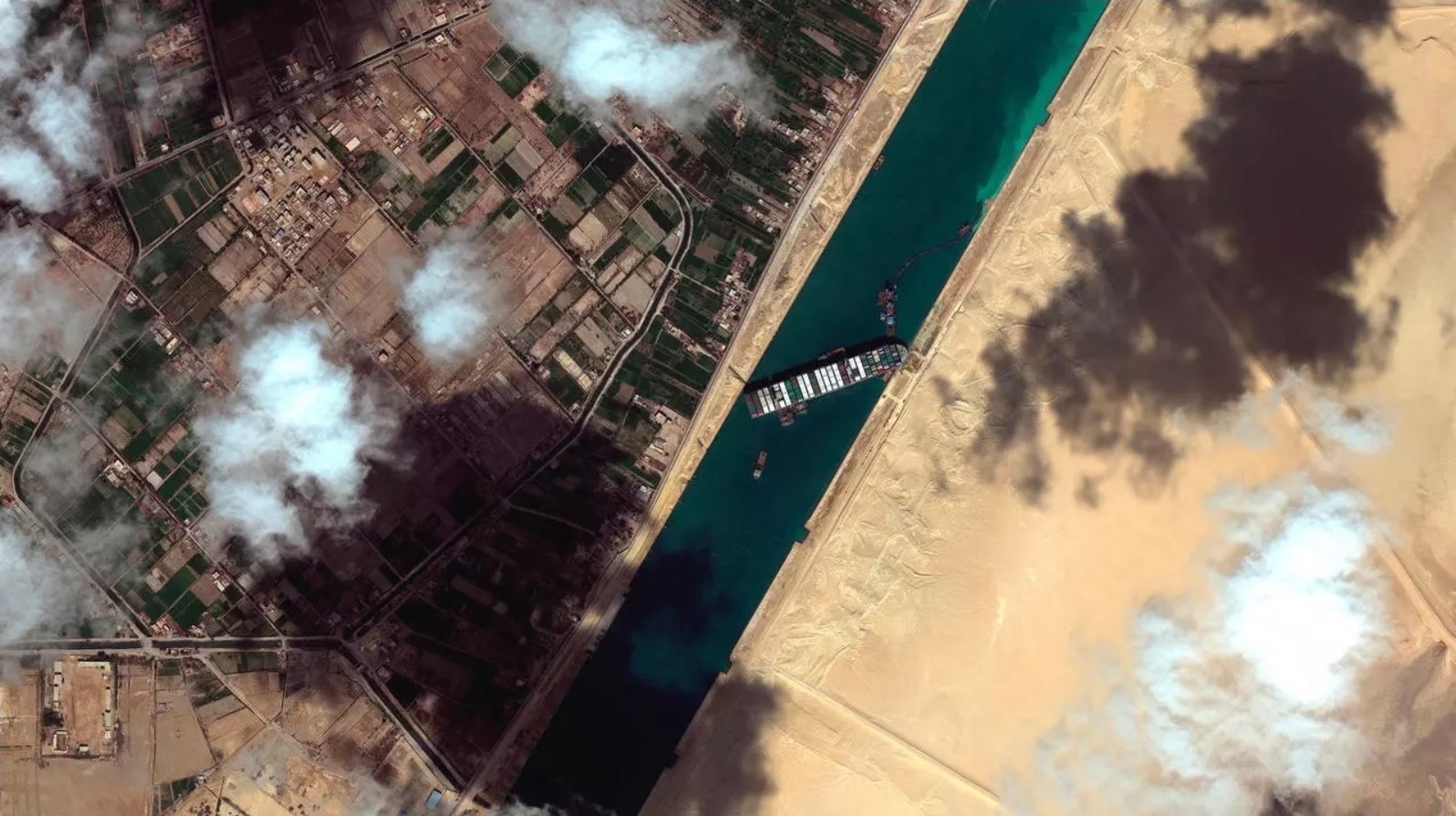 THE CHINA-IRAN AGREEMENT AND DISCUSSIONS ON ALTERNATIVE ROUTES TO THE SUEZ CANAL
Şevval Beste GÖKÇELİK 20.04.2021 -
 THE SILENCING OF ACADEMIC FREEDOM AND RESEARCH
AVİM 17.06.2026 -
 TURKISH-ARMENIAN CONTROVERSY CONTINUES TO BE INSTRUMENTAL FOR THE CHURCH TO INCITE RELIGIOUS AND ETHNIC ANIMOSITY
Mehmet Oğuzhan TULUN 21.06.2015
-
25.01.2016
THE ARMENIAN QUESTION - BASIC KNOWLEDGE AND DOCUMENTATION -
12.06.2024
THE TRUTH WILL OUT -
27.03.2023
RADİKAL ERMENİ UNSURLARCA GERÇEKLEŞTİRİLEN MEZALİMLER VE VANDALİZM -
17.03.2023
PATRIOTISM PERVERTED -
23.02.2023
MEN ARE LIKE THAT -
03.02.2023
BAKÜ-TİFLİS-CEYHAN BORU HATTININ YAŞANAN TARİHİ -
16.12.2022
INTERNATIONAL SCHOLARS ON THE EVENTS OF 1915 -
07.12.2022
FAKE PHOTOS AND THE ARMENIAN PROPAGANDA -
07.12.2022
ERMENİ PROPAGANDASI VE SAHTE RESİMLER -
01.01.2022
A Letter From Japan - Strategically Mum: The Silence of the Armenians -
01.01.2022
Japonya'dan Bir Mektup - Stratejik Suskunluk: Ermenilerin Sessizliği -
03.06.2020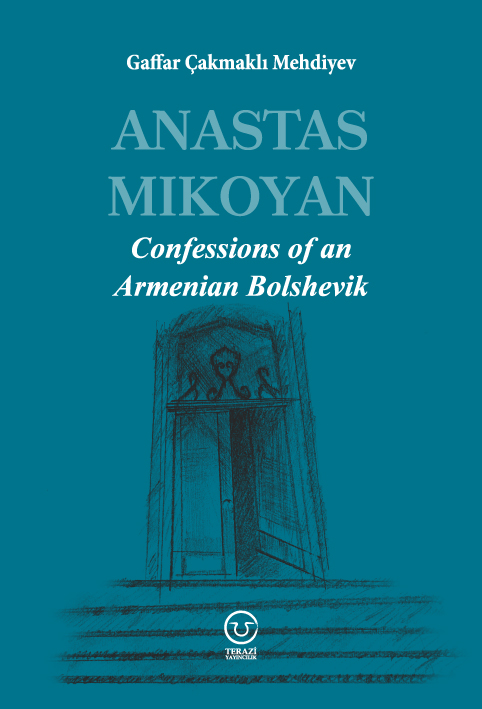
Anastas Mikoyan: Confessions of an Armenian Bolshevik -
08.04.2020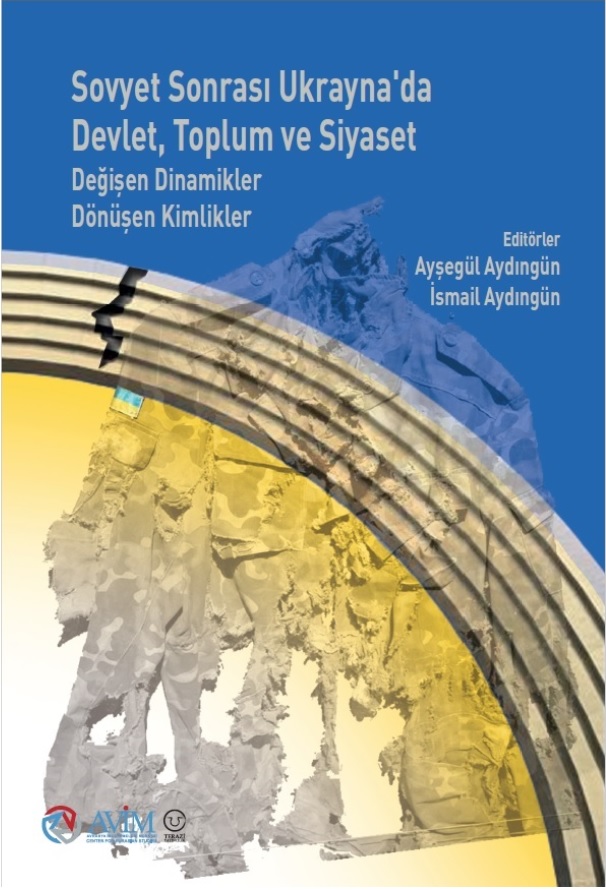
Sovyet Sonrası Ukrayna’da Devlet, Toplum ve Siyaset - Değişen Dinamikler, Dönüşen Kimlikler -
12.06.2018
Ermeni Sorunuyla İlgili İngiliz Belgeleri (1912-1923) - British Documents on Armenian Question (1912-1923) -
02.12.2016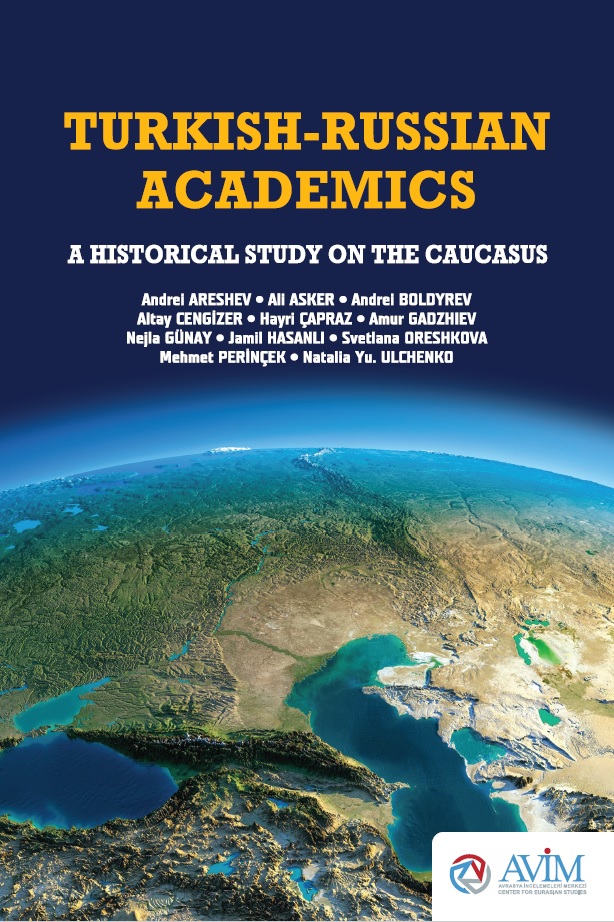
Turkish-Russian Academics: A Historical Study on the Caucasus -
01.07.2016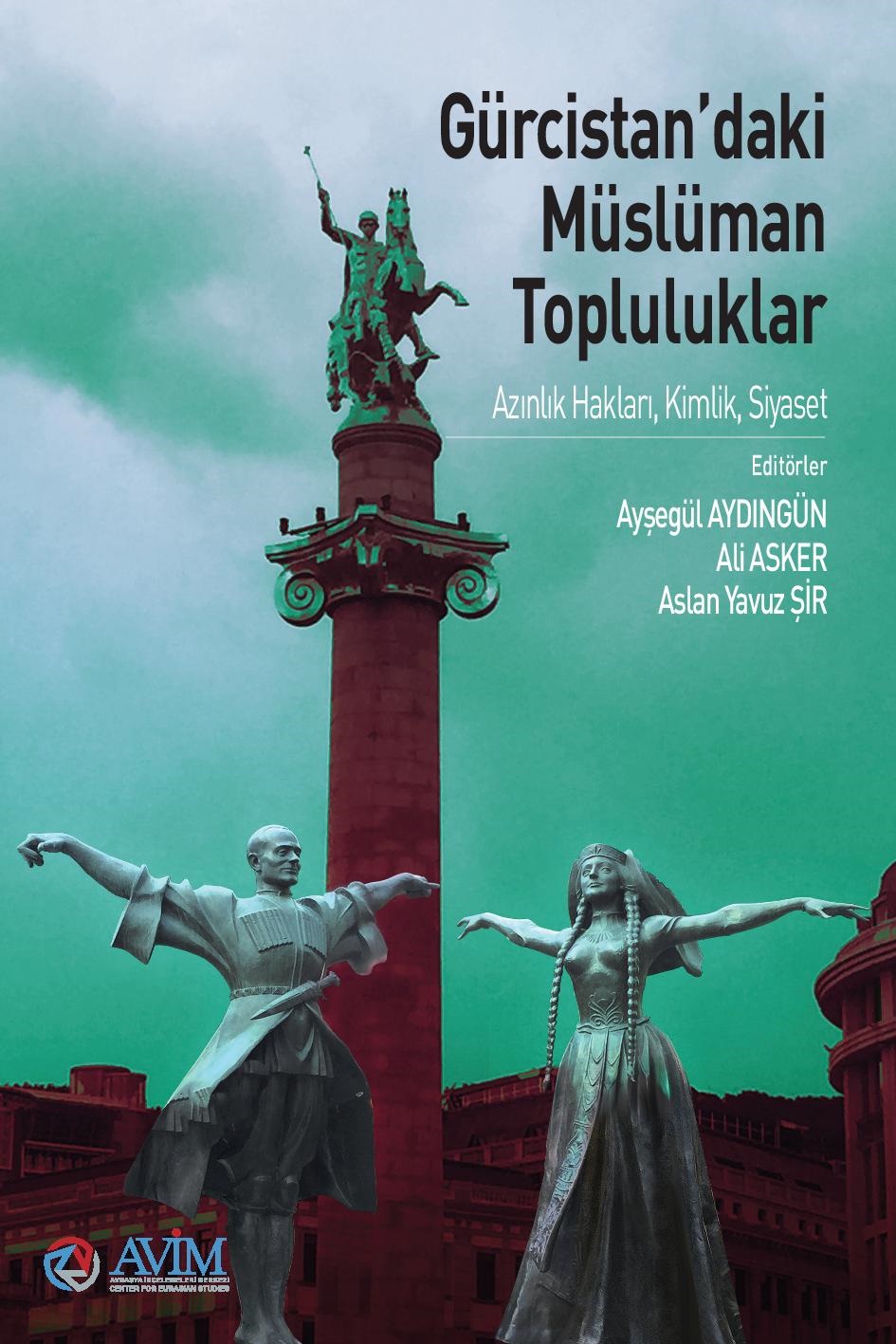
Gürcistan'daki Müslüman Topluluklar: Azınlık Hakları, Kimlik, Siyaset -
10.03.2016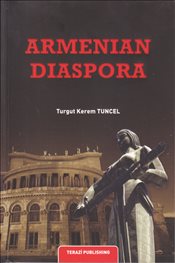
Armenian Diaspora: Diaspora, State and the Imagination of the Republic of Armenia -
24.01.2016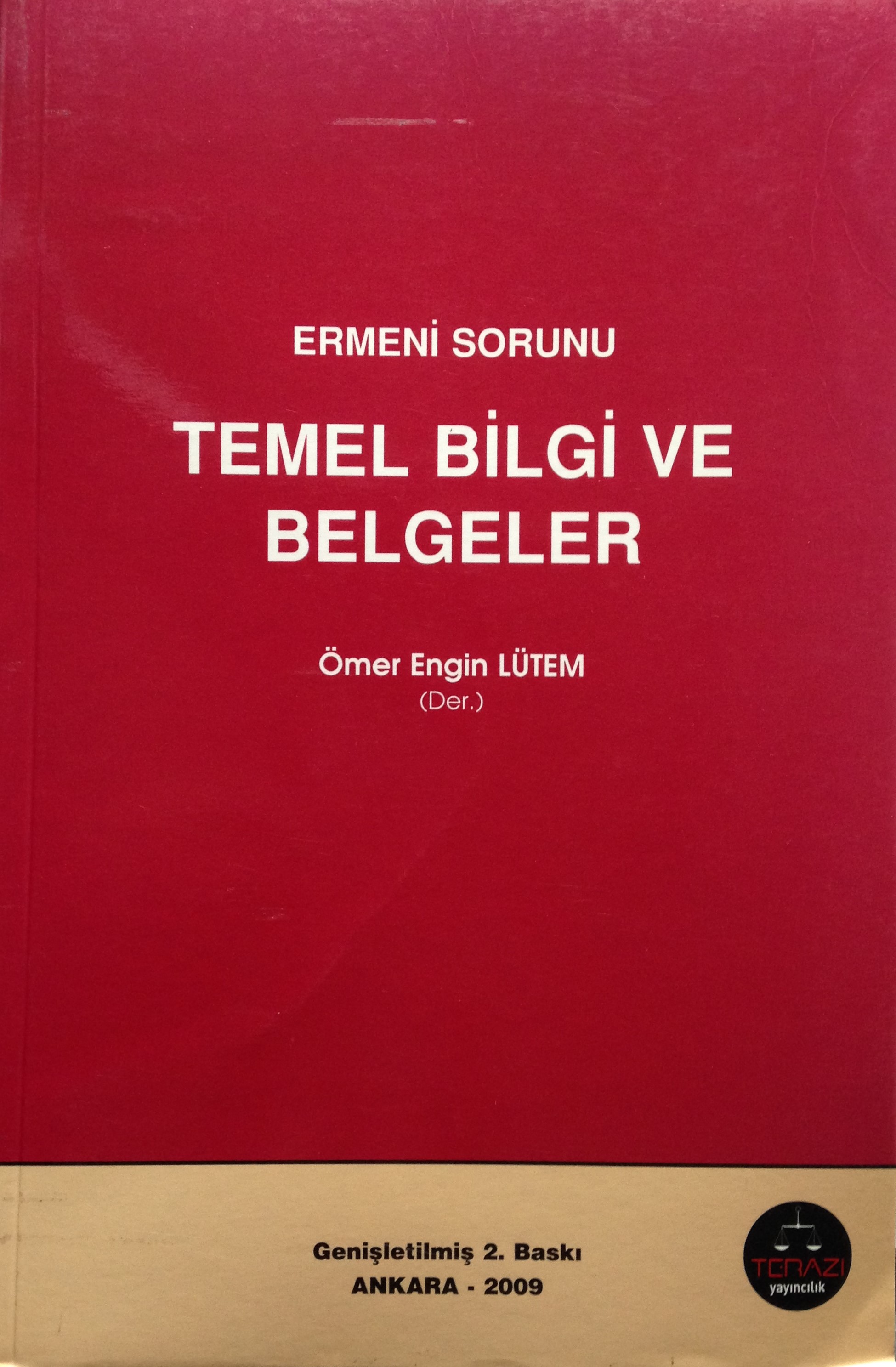
ERMENİ SORUNU - TEMEL BİLGİ VE BELGELER (2. BASKI)
-
AVİM Conference Hall 24.01.2023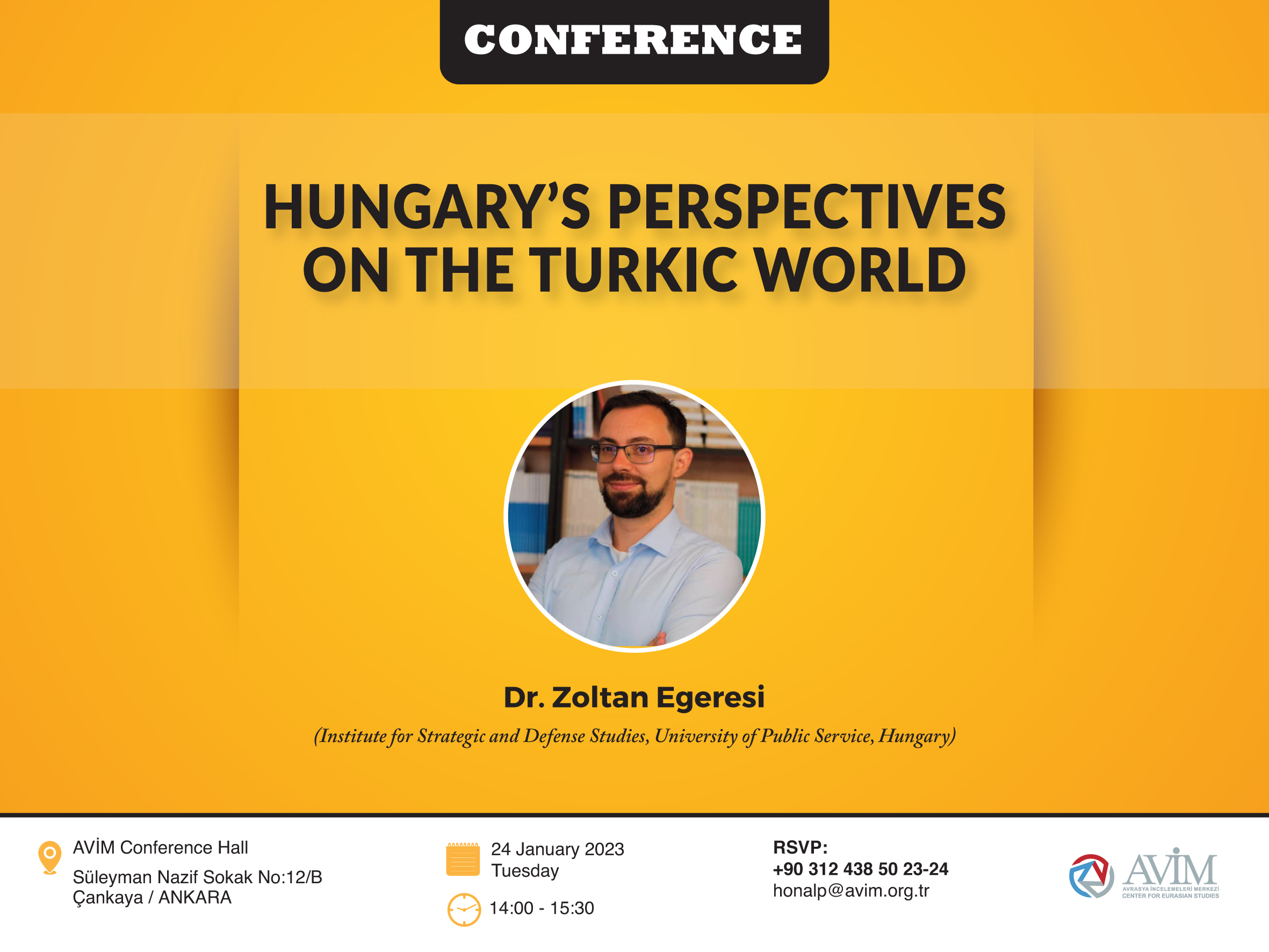
CONFERENCE TITLED “HUNGARY’S PERSPECTIVES ON THE TURKIC WORLD"