

















29 April 2016
By Anakhanum Hidayatova - Trend
The status quo in Azerbaijan's Nagorno-Karabakh that existed before the recent escalation in Armenia-Azerbaijan Nagorno-Karabakh conflict no longer exists, Amanda Paul, analyst at the European Policy Centre (EPC), told Trend Apr. 29.
On the night of Apr. 2, 2016, all the frontier positions of Azerbaijan were subjected to heavy fire from the Armenian side, which used large-caliber weapons, mortars and grenade launchers. The armed clashes resulted in deaths and injuries among the Azerbaijani population. Azerbaijan responded with a counter-attack, which led to liberation of several strategic heights and settlements.
"Azerbaijan had its first victory since the 1994 ceasefire agreement was signed and the psychological impact of this should not be underestimated," said Paul.
The expert noted that the new situation under the new "ceasefire" that Russia negotiated on Apr. 5 remains very precarious with ongoing skirmishes with a real danger of a resumption of hostilities.
Military operations were stopped on the line of contact between Azerbaijani and Armenian armies on Apr. 5 at 12:00 (UTC/GMT + 4 hours) with the consent of the sides, Azerbaijan's Defense Ministry earlier said. Ignoring the agreement, the Armenian side again started violating the ceasefire.
There is an urgent need to return to peace negotiations to avoid a further escalation of violence, added Paul.
"The international community needs to be more committed and creative in terms of its efforts to push for a solution of the conflict including rallying the leaderships of Azerbaijan and Armenia," she said.
Paul went on to add that this means more than simply saying they support the good work of the OSCE Minsk Group and the three co-chairs.
"More meetings of the full Minsk Group would be useful and more focus from other international actors because so far Russia is running the show, taking charge of everything including coming-up with new initiatives to solve the conflict," said the expert.
She also noted that the most recent set of ideas of the Russian Foreign Minister Sergey Lavrov reflects the strategic importance of the region to Russia and the investment that Moscow is making into it both in terms of hard and soft power.
Moscow certainly does not want to see a full scale war in its backyard, said Paul adding that by continuing to sell arms to each side Russia is fueling the conflict in order to manage the situation.
Russia wants to demonstrate that it is the only actor that is able to handle the leaderships of Armenia and Azerbaijan and prevent a full war, according to Paul.
"By doing this Moscow hopes to minimize the influence of other international actors," said the expert adding that despite the undeniable influence that Russia has, Moscow's ability to prevent or end a fully blow war is far from certain.
Furthermore, allowing Russia to dominate the process is not in the interests of the region or the peoples of Azerbaijan or Armenia, noted Paul.
The international community needs to step up in this issue, she added.
The expert thinks that the US could play an important role in resolving the conflict, but the country is currently so preoccupied with the forthcoming presidential elections and developments in Syria.
The conflict between the two South Caucasus countries began in 1988 when Armenia made territorial claims against Azerbaijan. As a result of the ensuing war, in 1992 Armenian armed forces occupied 20 percent of Azerbaijan, including the Nagorno-Karabakh region and seven surrounding districts. The 1994 ceasefire agreement was followed by peace negotiations.
Armenia has not yet implemented four UN Security Council resolutions on withdrawal of its armed forces from the Nagorno-Karabakh and the surrounding districts.
No comments yet.
- INTERNATIONAL COMMUNITY NEEDS TO BE MORE COMMITTED TO KARABAKH CONFLICT’S SOLUTION – EXPERT The Caucasus and Turkish-Armenian Relations 29.04.2016
- AFGHANISTAN OUTRAGED ABOUT TALIBAN'S PAKISTAN VISIT Asia - Pacific 29.04.2016
- COALITION IN-FIGHTING THREATENS THE WAR AGAINST ISIS IN IRAQ Iraq 29.04.2016
- VATICAN FINANCES: SHARP INCREASE IN SUSPICIOUS ACTIVITY REPORTS Europe - EU 29.04.2016
- SWEDEN EXTENDS BORDER CONTROLS UNTIL NOVEMBER Europe - EU 29.04.2016
-
25.01.2016
THE ARMENIAN QUESTION - BASIC KNOWLEDGE AND DOCUMENTATION -
12.06.2024
THE TRUTH WILL OUT -
27.03.2023
RADİKAL ERMENİ UNSURLARCA GERÇEKLEŞTİRİLEN MEZALİMLER VE VANDALİZM -
17.03.2023
PATRIOTISM PERVERTED -
23.02.2023
MEN ARE LIKE THAT -
03.02.2023
BAKÜ-TİFLİS-CEYHAN BORU HATTININ YAŞANAN TARİHİ -
16.12.2022
INTERNATIONAL SCHOLARS ON THE EVENTS OF 1915 -
07.12.2022
FAKE PHOTOS AND THE ARMENIAN PROPAGANDA -
07.12.2022
ERMENİ PROPAGANDASI VE SAHTE RESİMLER -
01.01.2022
A Letter From Japan - Strategically Mum: The Silence of the Armenians -
01.01.2022
Japonya'dan Bir Mektup - Stratejik Suskunluk: Ermenilerin Sessizliği -
03.06.2020
Anastas Mikoyan: Confessions of an Armenian Bolshevik -
08.04.2020
Sovyet Sonrası Ukrayna’da Devlet, Toplum ve Siyaset - Değişen Dinamikler, Dönüşen Kimlikler -
12.06.2018
Ermeni Sorunuyla İlgili İngiliz Belgeleri (1912-1923) - British Documents on Armenian Question (1912-1923) -
02.12.2016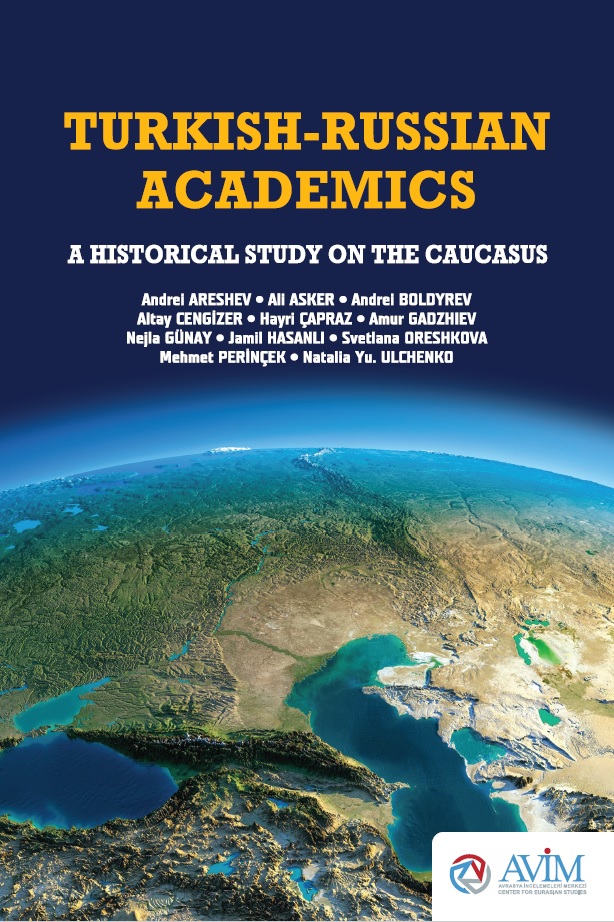
Turkish-Russian Academics: A Historical Study on the Caucasus -
01.07.2016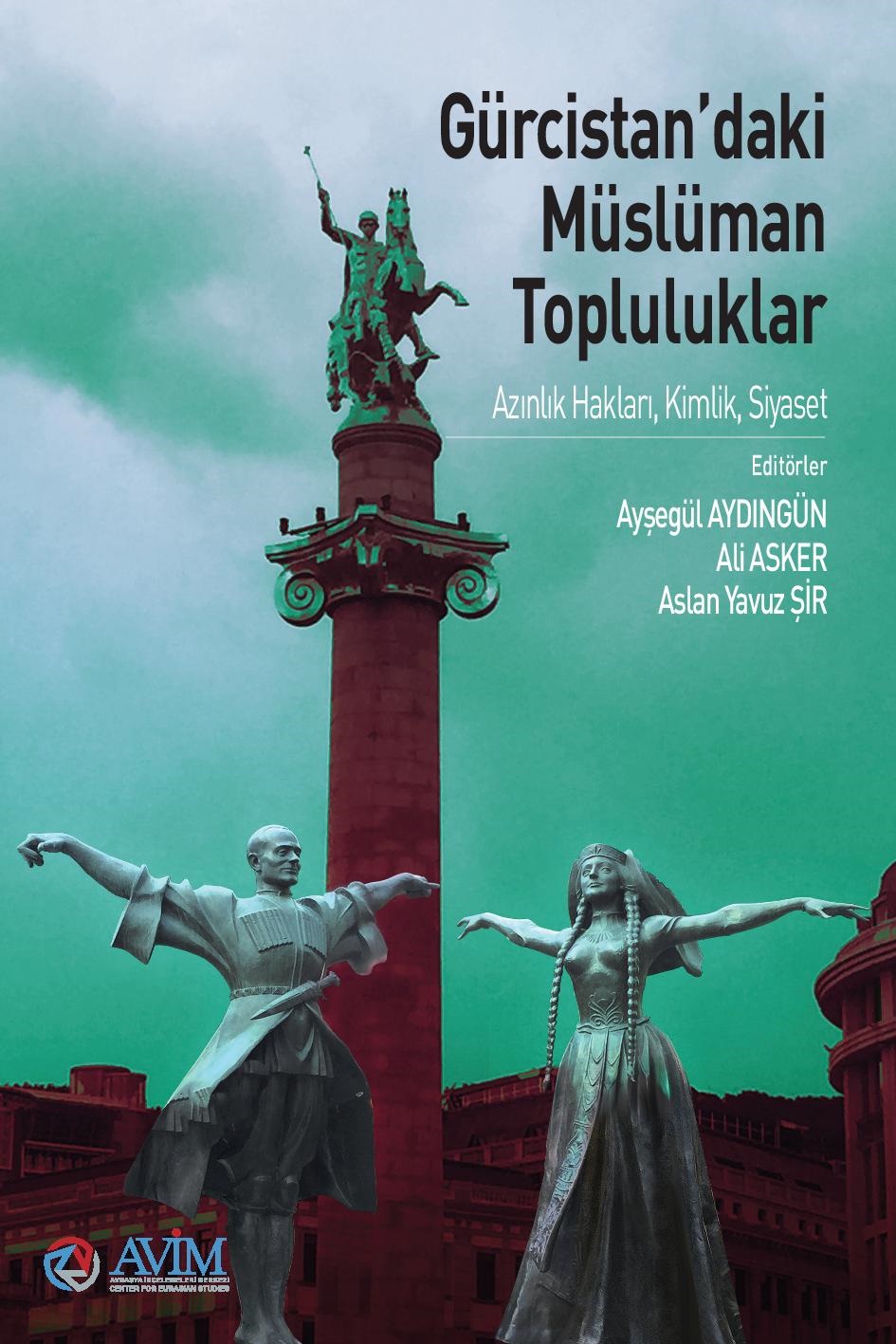
Gürcistan'daki Müslüman Topluluklar: Azınlık Hakları, Kimlik, Siyaset -
10.03.2016
Armenian Diaspora: Diaspora, State and the Imagination of the Republic of Armenia -
24.01.2016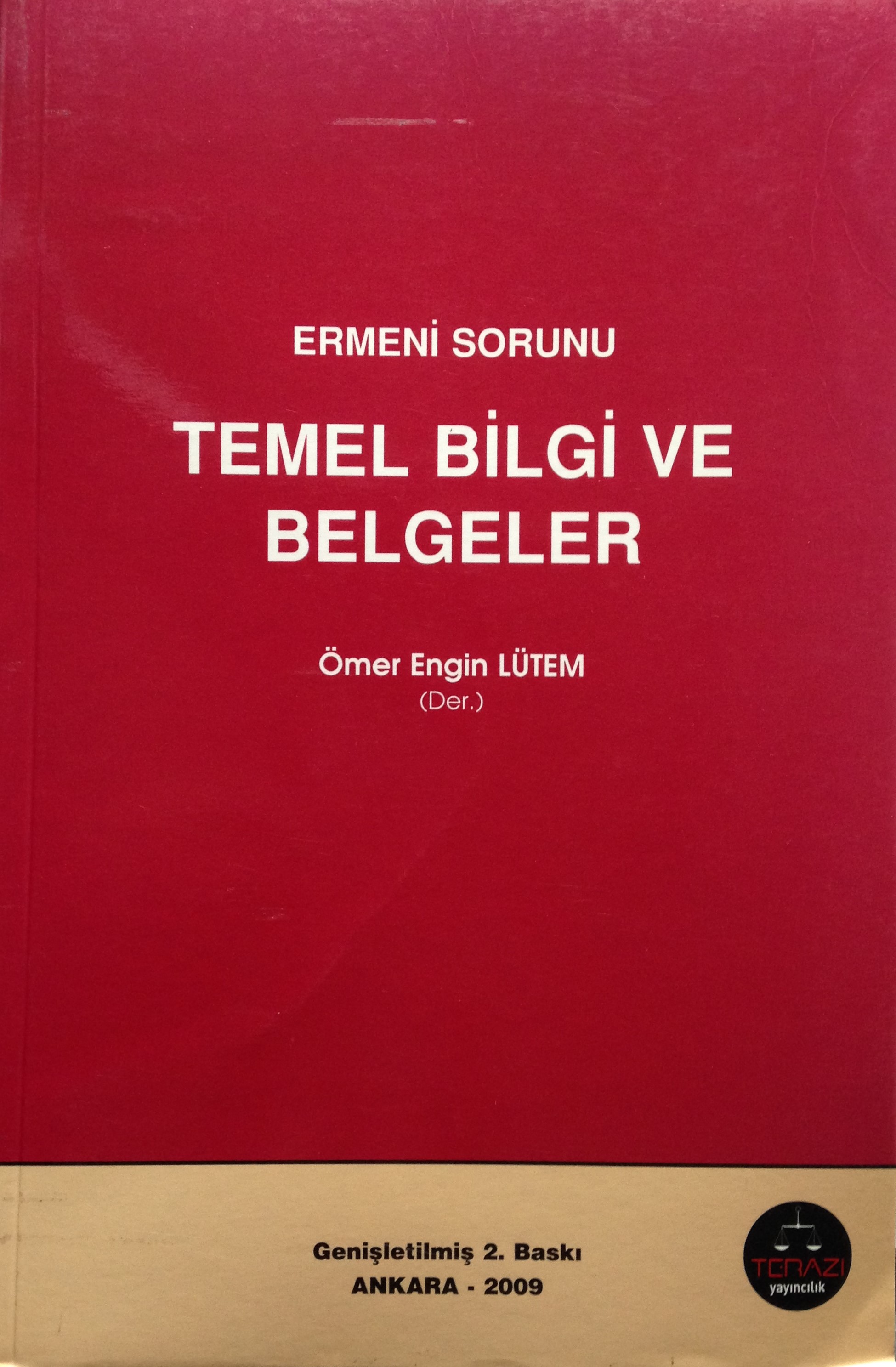
ERMENİ SORUNU - TEMEL BİLGİ VE BELGELER (2. BASKI)
-
AVİM Conference Hall 24.01.2023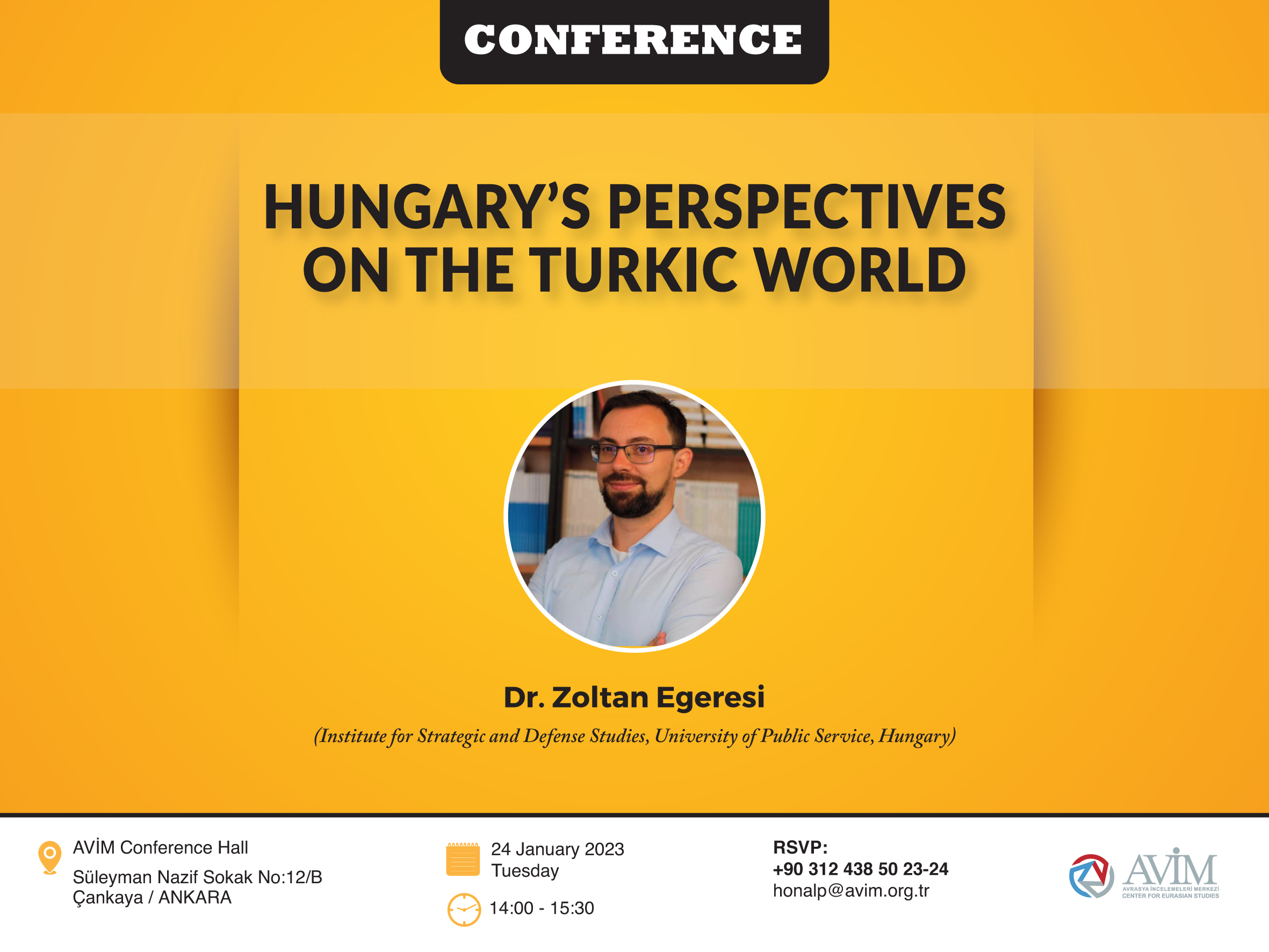
CONFERENCE TITLED “HUNGARY’S PERSPECTIVES ON THE TURKIC WORLD"