
















29.04.2016
EurActiv
The Swedish government is planning to prolong the ID checks it is currently carrying out on the border with Denmark until November, government sources confirmed yesterday (28 April).
EU citizens who want to holiday in Sweden and travel through Denmark this summer will have to bring their passports for the first time in two decades.
Like other Schengen members such as Germany, Austria, Norway, Denmark and France, over the past six months, Sweden has reintroduced temporary border controls due to the refugee crisis.
But the Swedes went a step further than other countries by also clearing the pathway for authorities to set up ID controls as well. They believe this measure would deter even more refugees from travelling to Sweden.
A new law, which entered into force on 4 January this year, initially said that these ID checks could only apply for six months at a time with a two-week break before another six months of controls could potentially start.
This meant that the ID controls would effectively have to end on 4 July.
But the government now wants the ID controls to continue throughout the summer and close this two-week ’gap’.
The Swedish Migration Agency estimated that by re-opening the borders for 14 days, as many as 8,000 asylum seekers would cross the Øresund Bridge, which links Sweden and Denmark, and enter Sweden during this period.
Mats Pertoft, a spokesperson from the Environment Party, which is part of the centre-left government coalition together with the Social Democrats, said the two-week break was an initial safety measure, but no longer necessary.
”When both the police and the Migration Agency believe that this measure can cause an uncontrolled flow of refugees, we decided to listen. We hope that we can put a new law in place before the summer,” Pertoft told Swedish broadcaster SVT.
As Sweden has put the responsibility for the ID checks on Danish transport carriers on the Danish side of the Øresund bridge and in Elsinore, the new law will be costly for Sweden’s Scandinavian neighbour. The public railway operator in Denmark, DSB, claims these ID controls cost one million Danish crowns per day (€144,000).
Sweden has accepted the highest number of asylum seekers per capita of any country in the EU during the ongoing refugee crisis. In 2015, 163,000 people sought asylum in the small Scandinavian country of around nine million people.
For this year, Sweden expects to receive between 60,000 to 100,000 asylum seekers, though the estimates should be looked at with caution.
Sweden’s Migration Agency believes that the number of refugees and migrants arriving in Sweden will depend on how many borders in the Balkan countries will remain closed and whether or not the EU’s migration plan with Turkey will be a success.
“We have previously witnessed that from April and onwards, we start to receive more asylum seekers, and then it escalates over the summer and culminates during the autumn. But we think that the change in the weather and other small things won’t matter as much when all these new challenges have been put in place and work on different levels,” the Migration Agency’s Mark Ribbenvik told the news agency TT.
BACKGROUND
The 26-country Schengen area — allowing passport-free travel from Iceland to Greece — has come under threat over the past year as a series of countries have reintroduced border controls to stem the flow of migrants through the bloc.
More than 1.25 million people claimed asylum in the EU last year, more than double the previous year, with 363,000 of those fleeing the civil war in Syria.
The European Commission has said that re-establishing border controls in the Schengen area could cost between five billion and €18 billion a year, equivalent to 0.05% to 0.13% of the bloc’s economic output.
No comments yet.
- BELGIUM GIVES EVERYONE RADIATION PROTECTION PILLS Europe - EU 29.04.2016
- THE DAILY CALLER: ARMENIA BECOMING INCREASINGLY FAILED STATE, BEREFT OF SOVEREIGNTY, INDEPENDENCE The Caucasus and Turkish-Armenian Relations 29.04.2016
- POPE FRANCIS DECREES THE MARTYRDOM OF 38 MARTYRS OF THE ALBANIAN CATHOLIC CHURCH The Balkans 29.04.2016
- PRO-NAZI NOSTALGIA FLOURISHES UNDER NEW CROATIA GOVERNMENT Europe - EU 29.04.2016
- MIGRANT CRISIS: UN'S BAN KI-MOON CONDEMNS EU MIGRANT CURBS Europe - EU 29.04.2016
-
25.01.2016
THE ARMENIAN QUESTION - BASIC KNOWLEDGE AND DOCUMENTATION -
12.06.2024
THE TRUTH WILL OUT -
27.03.2023
RADİKAL ERMENİ UNSURLARCA GERÇEKLEŞTİRİLEN MEZALİMLER VE VANDALİZM -
17.03.2023
PATRIOTISM PERVERTED -
23.02.2023
MEN ARE LIKE THAT -
03.02.2023
BAKÜ-TİFLİS-CEYHAN BORU HATTININ YAŞANAN TARİHİ -
16.12.2022
INTERNATIONAL SCHOLARS ON THE EVENTS OF 1915 -
07.12.2022
FAKE PHOTOS AND THE ARMENIAN PROPAGANDA -
07.12.2022
ERMENİ PROPAGANDASI VE SAHTE RESİMLER -
01.01.2022
A Letter From Japan - Strategically Mum: The Silence of the Armenians -
01.01.2022
Japonya'dan Bir Mektup - Stratejik Suskunluk: Ermenilerin Sessizliği -
03.06.2020
Anastas Mikoyan: Confessions of an Armenian Bolshevik -
08.04.2020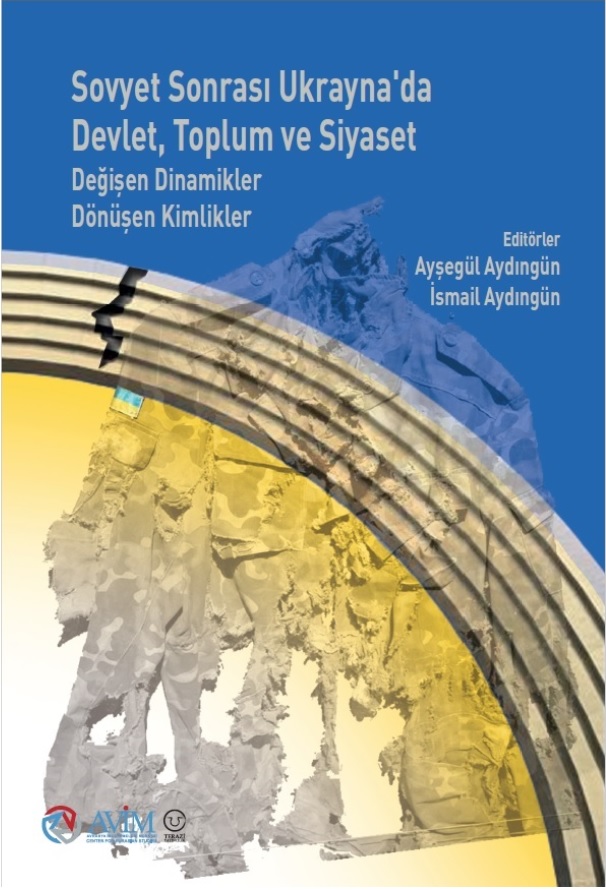
Sovyet Sonrası Ukrayna’da Devlet, Toplum ve Siyaset - Değişen Dinamikler, Dönüşen Kimlikler -
12.06.2018
Ermeni Sorunuyla İlgili İngiliz Belgeleri (1912-1923) - British Documents on Armenian Question (1912-1923) -
02.12.2016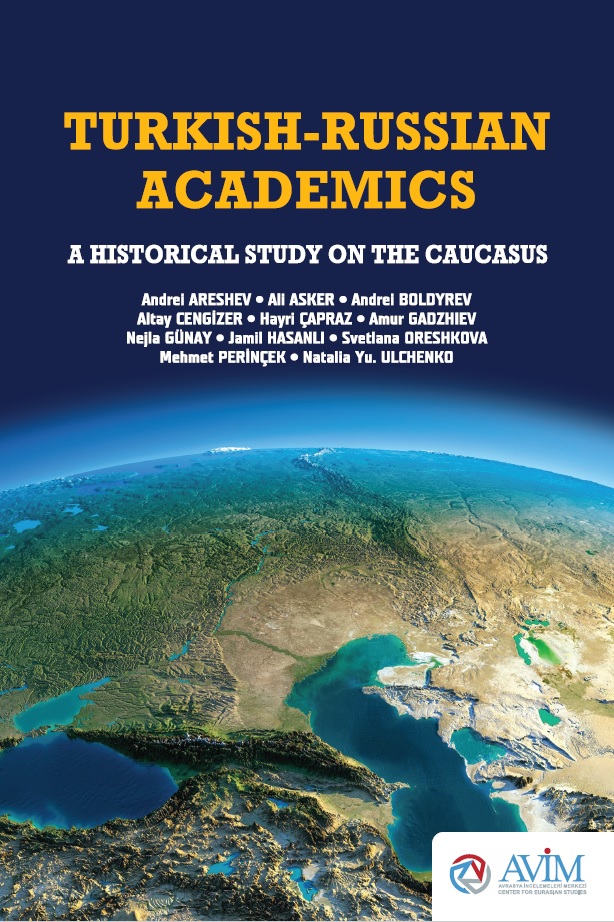
Turkish-Russian Academics: A Historical Study on the Caucasus -
01.07.2016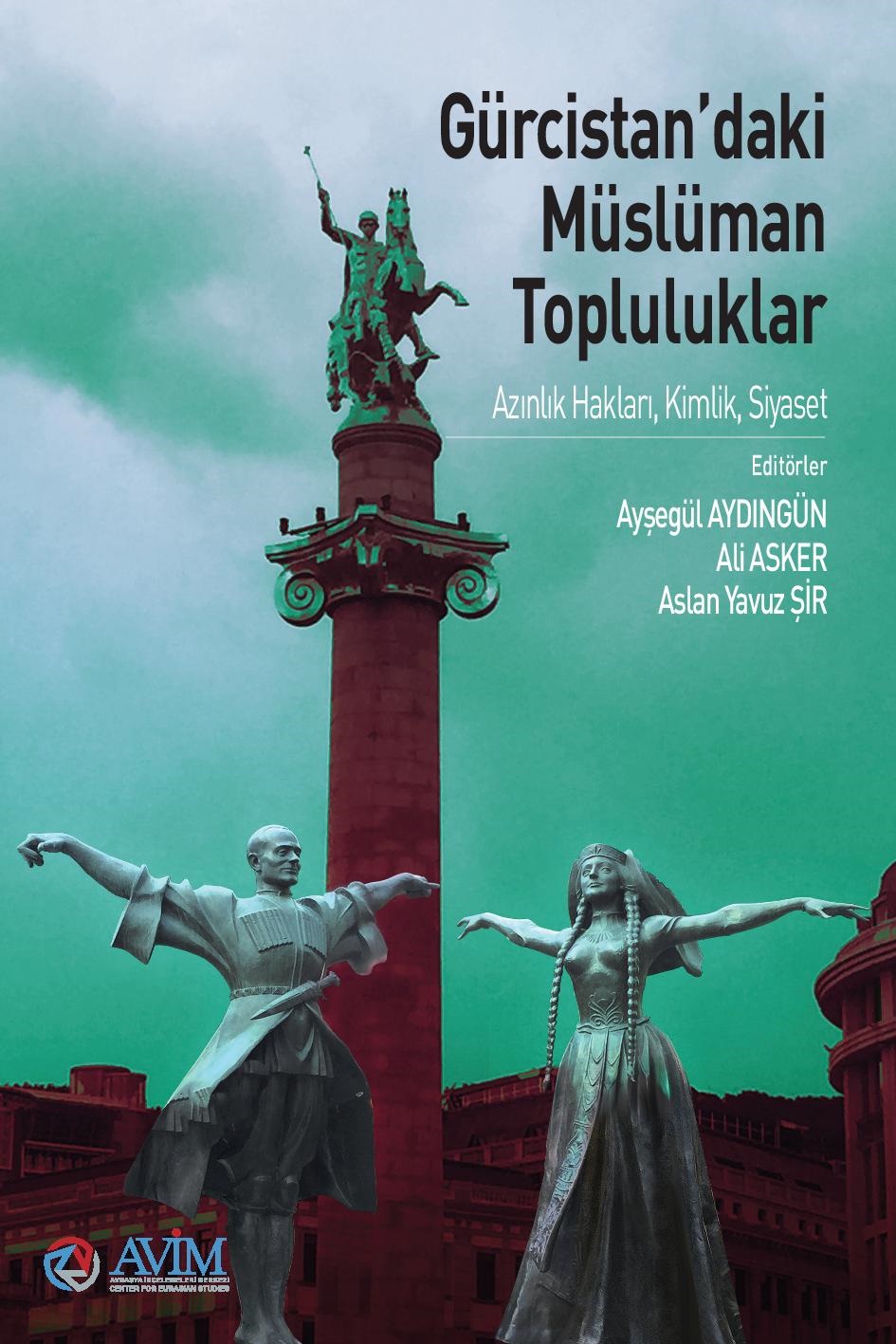
Gürcistan'daki Müslüman Topluluklar: Azınlık Hakları, Kimlik, Siyaset -
10.03.2016
Armenian Diaspora: Diaspora, State and the Imagination of the Republic of Armenia -
24.01.2016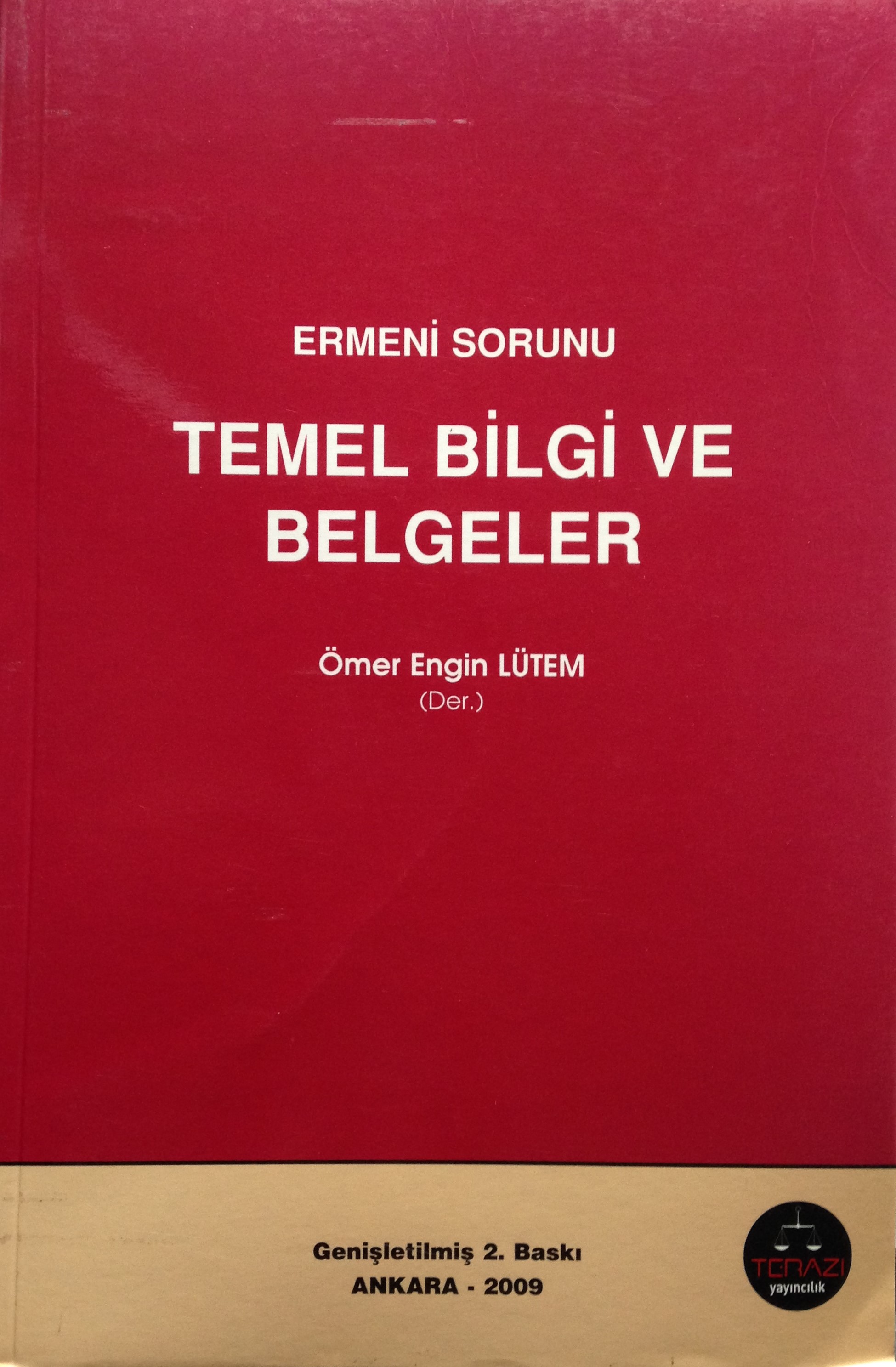
ERMENİ SORUNU - TEMEL BİLGİ VE BELGELER (2. BASKI)
-
AVİM Conference Hall 24.01.2023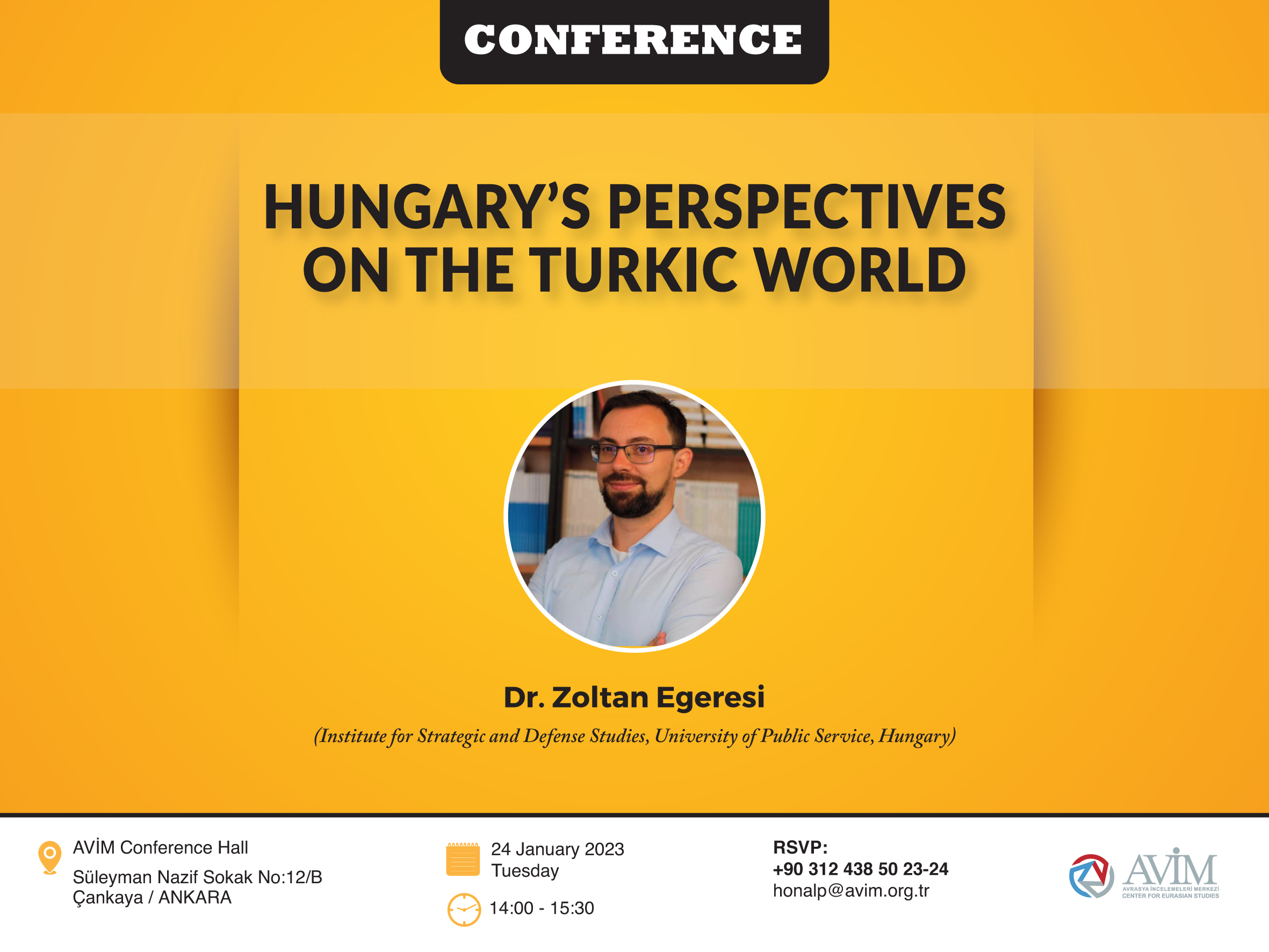
CONFERENCE TITLED “HUNGARY’S PERSPECTIVES ON THE TURKIC WORLD"