

















VOA News, 29 April 2016
Afghanistan has criticized Pakistan for allowing a Taliban delegation to visit the neighboring country, saying “a terrorist organization” should not have been been allowed to undertake such activities.
The objection came a day after the Islamist insurgency confirmed a three-member Taliban delegation traveled to Islamabad from its Qatar-based political office for talks with Pakistani officials on “border-related issues” and “problems” facing Afghan refugees in the country.
While addressing a news conference in Kabul on Thursday, presidential spokesman Shah Huseen Murtazawe,demanded Pakistan deal with the government in Afghanistan on these and other bilateral issues.
“The Taliban’s trip to Pakistan is highly questionable. A terrorist group has no right to visit any country,” Murtazawe said.
He went on to assert that Pakistani authorities cannot discuss with a “terrorist group” issues like border disputes and problems facing Afghan refugees in Pakistan, saying the Afghan government strongly opposes such discussions.
“In fact, Afghans have been forced to leave their country because of the violence and crimes (the) Taliban inflicted on them,” the spokesman said, referring to nearly 3 million Afghans living in the neighboring country as refugees or economic migrants.
The Taliban delegation arrived in Islamabad earlier this week, but Pakistani officials have neither denied nor confirmed it categorically.
“I do not have any information on any such visit,” Pakistan’s foreign secretary, Aizaz Ahmad Chaudhry, said Wednesday when asked about the presence of Taliban negotiators.
Diplomatic sources, however, have confirmed to VOA the Taliban delegation is in Pakistan on a mission to hold “exploratory discussions” with local authorities on possible peace talks with the Afghan government, although the Taliban said resumption of Afghan peace talks was not on the agenda of the meetings in Islamabad.
Ghani faces pressure
Afghan President Ashraf Ghani has been under growing pressure at home to abandon his policy of seeking peace talks with the Taliban since the April 19 Taliban bomb-and-gun attack in Kabul that killed nearly 70 people and wounded around 350 others.
The pressure prompted Ghani to condemn Taliban insurgents as terrorists responsible for murdering innocent Afghans. The president used to refer to the insurgency as political opposition in his bid to encourage the Taliban to come to the negotiating table for a peaceful settlement of the Afghan conflict.
In a further hardening of Kabul’s stance with regard to the insurgency, presidential spokesman Murtazawe also said President Ghani was expected Thursday to sign a list of “terrorists” sentenced to death so they could be executed and a strong message would be sent to those waging war against the state.
After the Kabul attack, the Afghan government accused Islamabad of not taking action against Taliban and militants linked to the Haqqani network who it says used Pakistani soil for plotting the assault and other insurgent violence in Afghanistan.
Foreign Secretary Chaudhry, however, dismissed the allegations, saying Pakistan condemns all forms of terrorism and has taken all necessary actions against all groups that were operating on its territory.
“Pakistan does not make any distinction between any terrorists...We will continue our endeavor in fighting terrorism and rooting it out of our country,” Chaudhry said.
He added that Islamabad will continue its efforts to arrange peace talks between the Afghan government and the Taliban.
East Horizon Airlines’ owner, Fahim Hashimy, called the decision by the authority to ground his fleet because of safety concerns unreasonable; he said it was almost impossible to lease or buy new aircraft while the country remained under a ban from European Union airspace. He also said the planes’ manufacturer, Antonov State Co. of Ukraine, had certified the aircraft as safe to operate.
A spokesman for Antonov confirmed the aircraft were in satisfactory condition and said they were safe to fly until May 8. Mr. Hashimy, currently, is negotiating the purchase of a Chinese-made turboprop plane from the Philippines.
The billions of dollars that flowed into Afghanistan after the U.S.-led invasion in 2001 has slowed, following the drawdown of coalition troops. The government acknowledges a drop in demand for air travel among aid workers and contractors is weighing on carriers, though it declined to provide specific figures.
LOWLIGHTS OF AFGHANISTAN’S AVIATION INDUSTRY
2016: Safi Airways is asked to repay $16 million in back taxes including landing fees. Another airline, Kam Air, is asked to repay $14 million.
2015: East Horizon flights are grounded after Afghan officials deem the company’s aircraft too old to fly.
2013: U.S. military bans Kam Air from receiving its contracts, alleging it smuggled bulk quantities of opium on civilian flights to Tajikistan. (Source: U.S. Army)
2010: A Pamir Airways flight crashes near Kabul, killing all 44 people on board. The airline is no longer in operation.
2010: All Afghan airlines are banned from flying to Europe. (Source: European Union officials)
2005: A Kam Air Boeing 737 crashes near Kabul’s international airport, killing all 104 people aboard.
Sources: Afghanistan government and airlines officials, unless noted.
Domestic air travel has offered a lifeline to areas that militant insurgencies have made too dangerous to travel by road. More than 1.1 million passengers passed through Afghanistan’s four international airports last year, according to ACAA, with direct flights to the United Arab Emirates, Turkey, Saudi Arabia and several neighboring countries that connect the landlocked country to other parts of the world.
The more than $30 million tax bill is coming due at the same time as increasing foreign competition. Afghanistan in 2013 signed an open-skies agreement with the U.A.E., and many passengers chose to switch to foreign competitors such as Emirates Airline and FlyDubai.
Mr. Safi of Safi Airways said it is difficult to compete with airlines that have broader access to international markets and offer low prices. “The open-skies agreement signed in Afghanistan is a killer for Afghan airlines and the economy,” Mr. Safi said, adding that the loss of the lucrative Kabul-Frankfurt route had cost him $40 million.
Citing safety deficiencies on several carriers and in the country’s system for overseeing its civil aviation, the EU in 2010 banned all Afghan airlines from its airspace, another blow to companies hoping to secure new routes and win the confidence of international banks and potential investors.
Over the past decade, several private businesspeople had seized the opportunity to set up their own airlines. The state airline, Ariana Afghan Airlines Co., had lost most of its fleet to a lack of investment, in addition to rockets and bombs during years of war. But upstart airlines also shrugged off government calls to pay certain government taxes, such as passenger and landing duties, according to the airport authority.
The ACAA itself is working on a plan to be removed from the EU blacklist and is hoping to present its case soon, said Mohammad Qasim Wafayezada, the ACAA’s deputy director general on policy and planning. He added that the government had tried to support domestic airlines in the past by offering tax breaks such as exemptions from parking and landing fees, but these could no longer be extended because the government was under pressure to raise taxes.
“Because of poor investment, when political support declined, the airlines have declined as well,” Mr. Wafayezada said.
Many Afghans want the airlines to keep flying because they are a lifeline to areas that are too dangerous to reach by road. In Ghor and Badghis provinces, for example, residents have campaigned for East Horizon Airlines to resume operations—despite the questions arising over the safety of its aircraft.
The ACAA says that allowing airlines to flout tax and safety rules isn’t an option and companies should consider mergers to survive.
“Because of the problems these airlines have between themselves, we haven’t been able to bring them together,” the ACAA’s Mr. Wafayezada said. “The current and future situation of civil aviation of Afghanistan is not really a bright one.”
No comments yet.
- RUSSIA'S ECONOMIC BATTLES EXPOSE TURMOIL Asia - Pacific 29.04.2016
- THE NEW ORGANIZATION OF THE JUDICIARY SYSTEM IN ALBANIA The Balkans 29.04.2016
- EUROZONE FINANCE MINISTERS TO HOLD MAY 9 MEETING ON GREECE The Balkans 29.04.2016
- AZERBAIJANI FM EXPECTED TO MEET WITH OSCE MG CO-CHAIRS IN BRUSSELS The Caucasus and Turkish-Armenian Relations 29.04.2016
- ITALY AND AUSTRIA REACH DEAL TO KEEP BRENNER MOVING Europe - EU 29.04.2016
-
25.01.2016
THE ARMENIAN QUESTION - BASIC KNOWLEDGE AND DOCUMENTATION -
12.06.2024
THE TRUTH WILL OUT -
27.03.2023
RADİKAL ERMENİ UNSURLARCA GERÇEKLEŞTİRİLEN MEZALİMLER VE VANDALİZM -
17.03.2023
PATRIOTISM PERVERTED -
23.02.2023
MEN ARE LIKE THAT -
03.02.2023
BAKÜ-TİFLİS-CEYHAN BORU HATTININ YAŞANAN TARİHİ -
16.12.2022
INTERNATIONAL SCHOLARS ON THE EVENTS OF 1915 -
07.12.2022
FAKE PHOTOS AND THE ARMENIAN PROPAGANDA -
07.12.2022
ERMENİ PROPAGANDASI VE SAHTE RESİMLER -
01.01.2022
A Letter From Japan - Strategically Mum: The Silence of the Armenians -
01.01.2022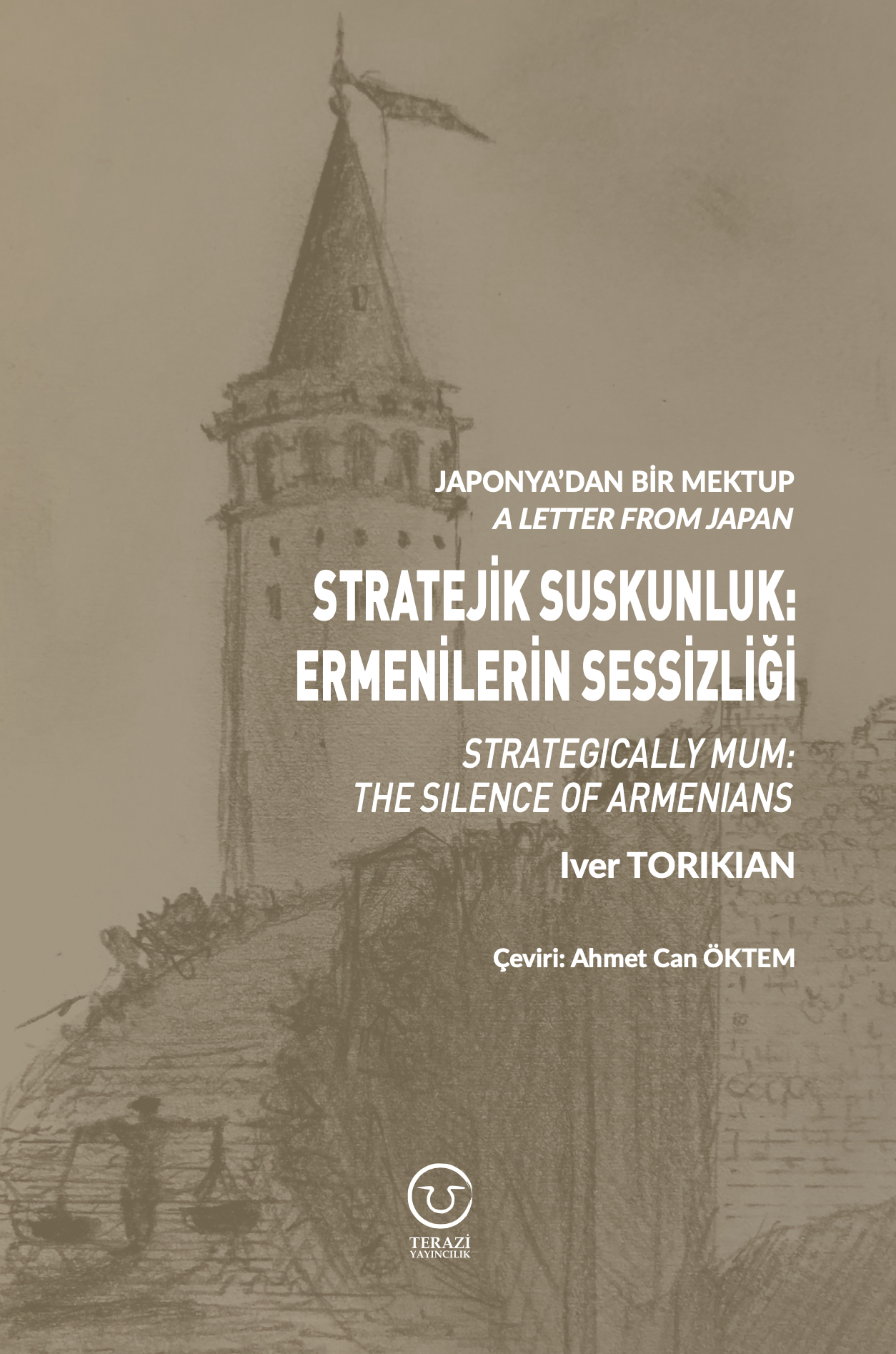
Japonya'dan Bir Mektup - Stratejik Suskunluk: Ermenilerin Sessizliği -
03.06.2020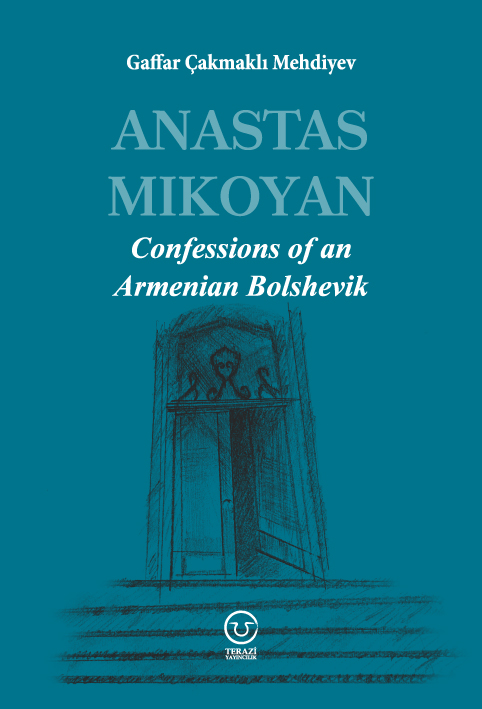
Anastas Mikoyan: Confessions of an Armenian Bolshevik -
08.04.2020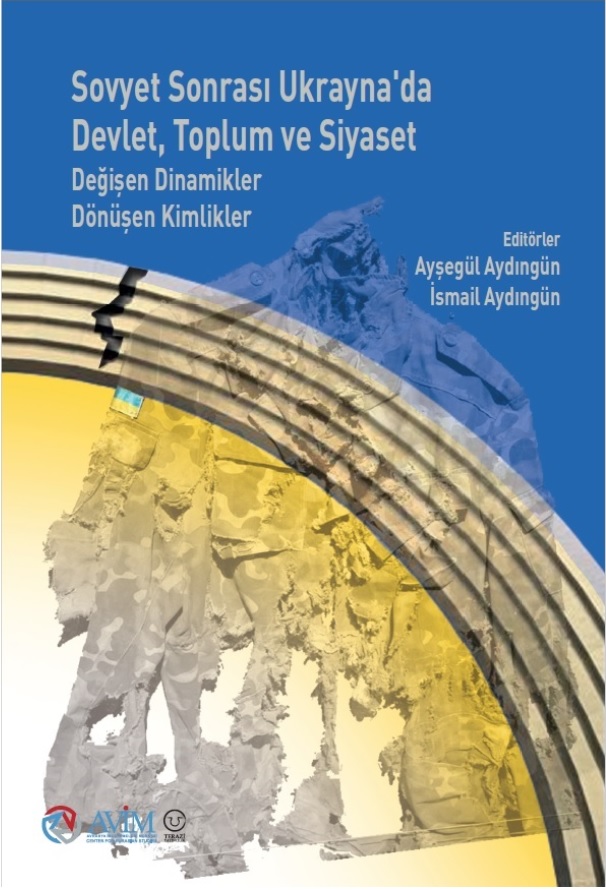
Sovyet Sonrası Ukrayna’da Devlet, Toplum ve Siyaset - Değişen Dinamikler, Dönüşen Kimlikler -
12.06.2018
Ermeni Sorunuyla İlgili İngiliz Belgeleri (1912-1923) - British Documents on Armenian Question (1912-1923) -
02.12.2016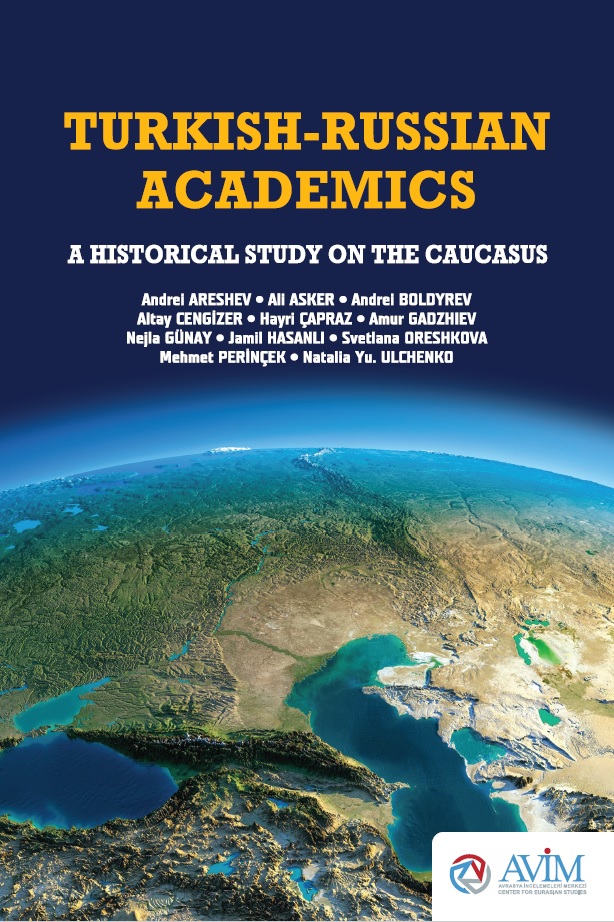
Turkish-Russian Academics: A Historical Study on the Caucasus -
01.07.2016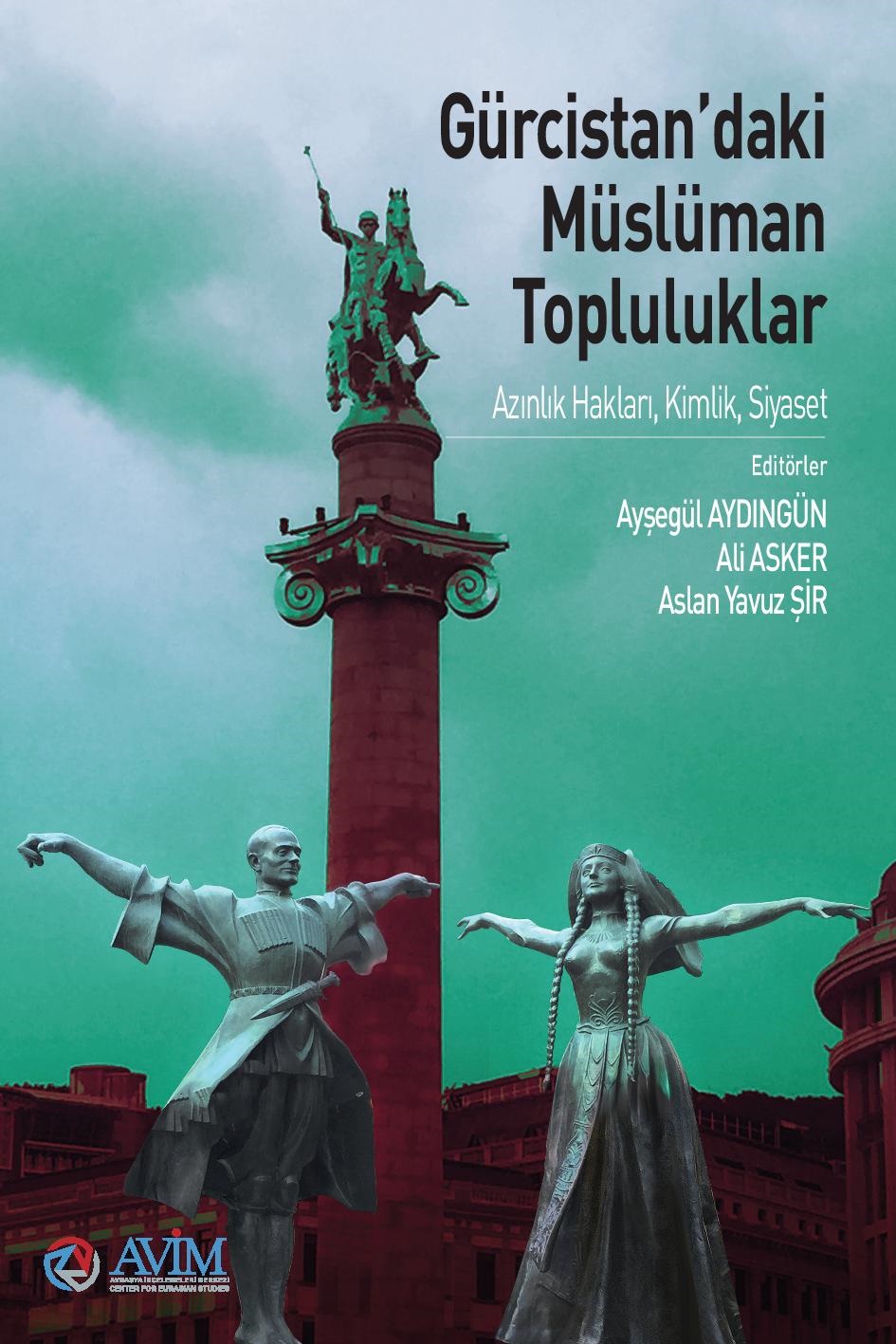
Gürcistan'daki Müslüman Topluluklar: Azınlık Hakları, Kimlik, Siyaset -
10.03.2016
Armenian Diaspora: Diaspora, State and the Imagination of the Republic of Armenia -
24.01.2016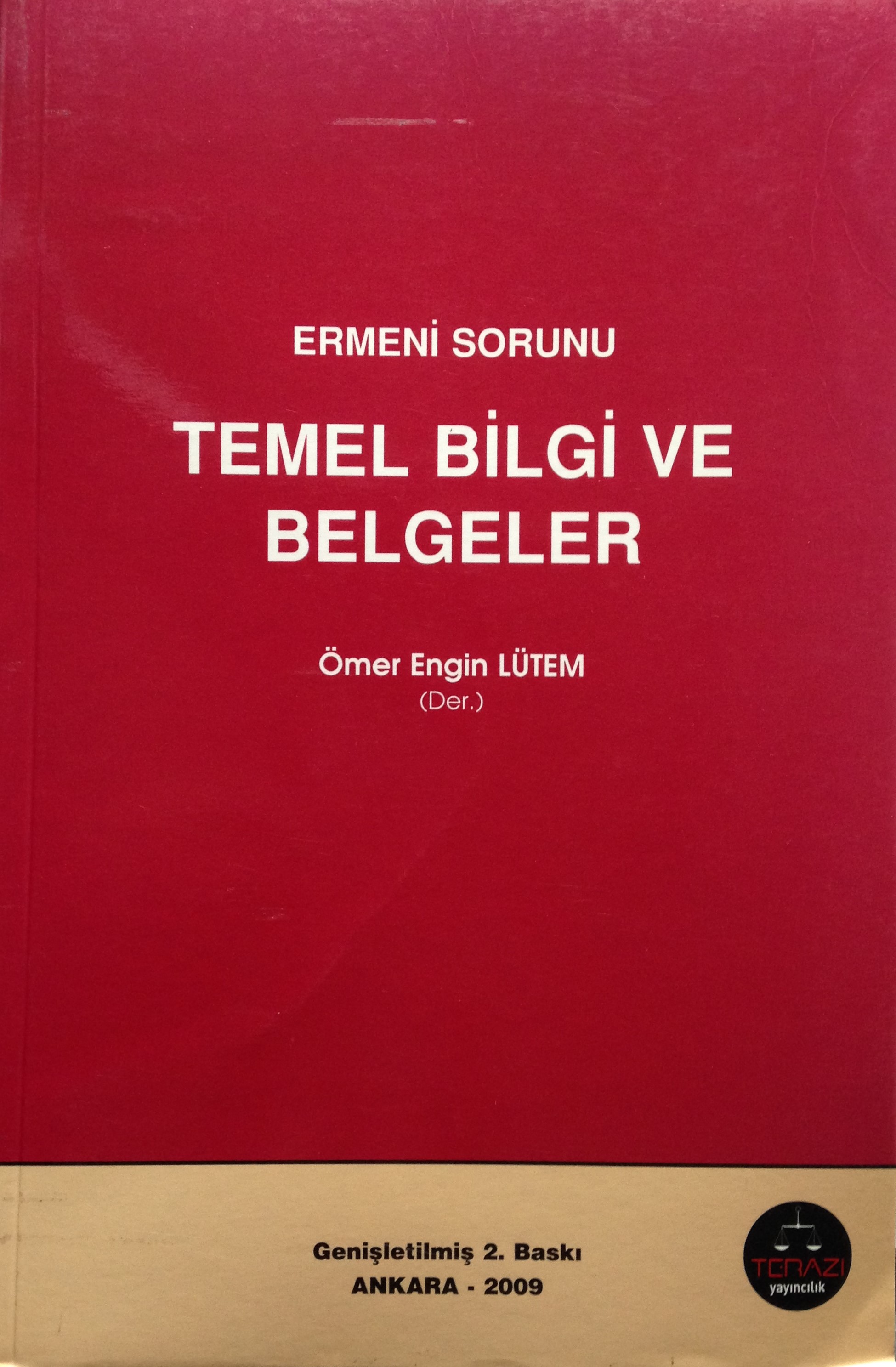
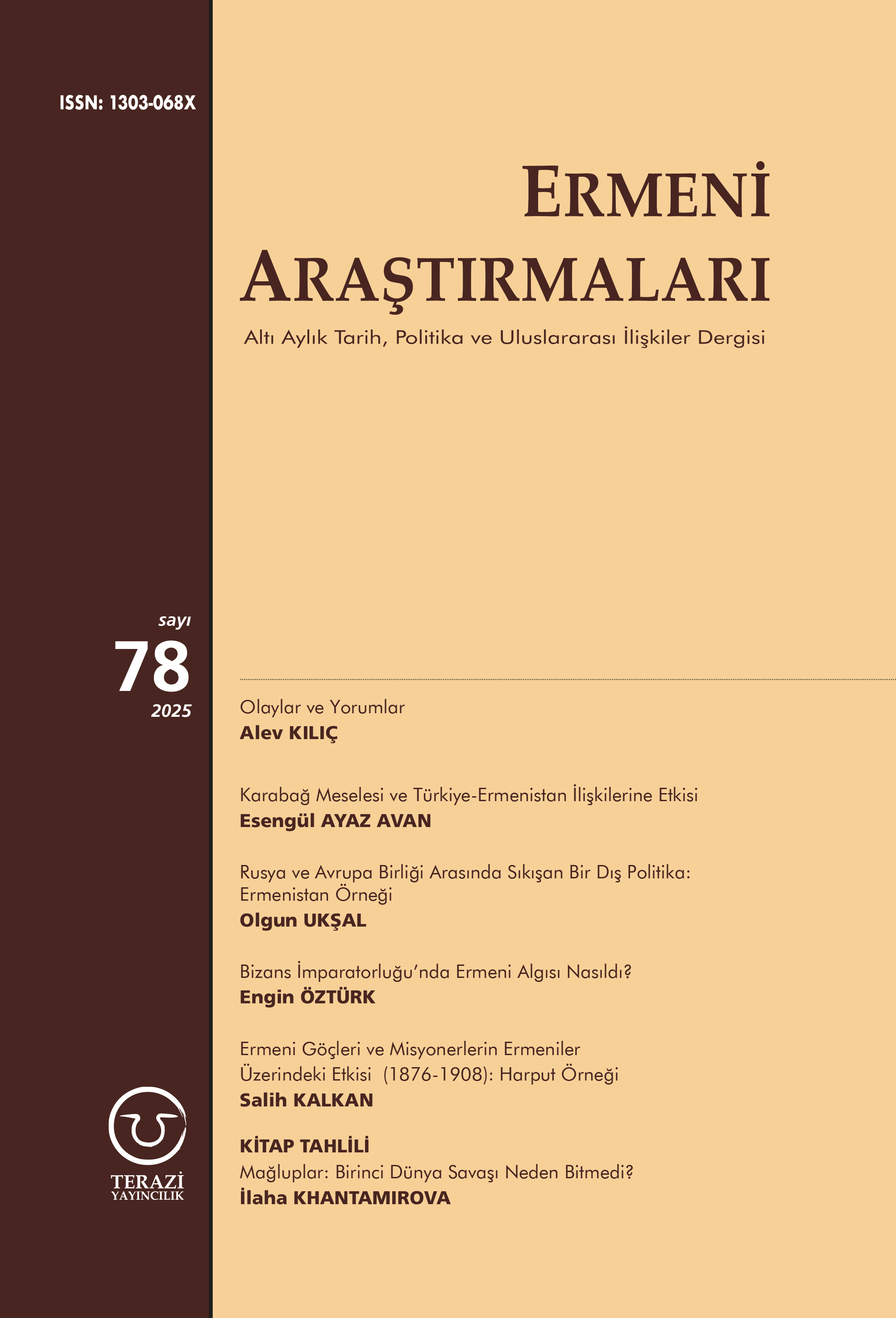
ERMENİ SORUNU - TEMEL BİLGİ VE BELGELER (2. BASKI)
-
AVİM Conference Hall 24.01.2023
CONFERENCE TITLED “HUNGARY’S PERSPECTIVES ON THE TURKIC WORLD"