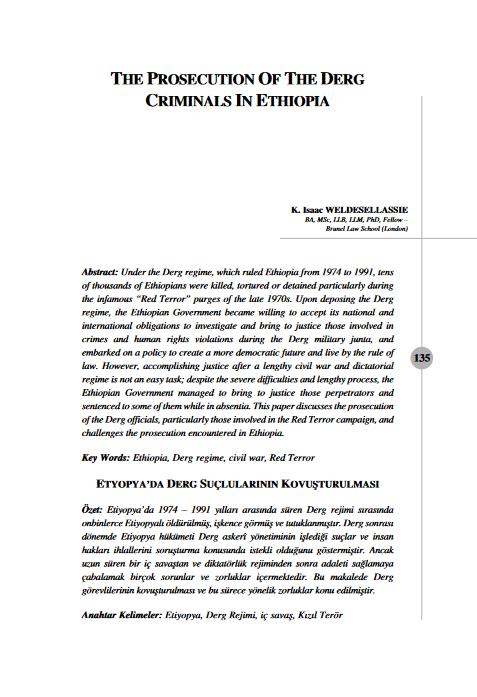


















US News, 28 April 2016
It was just another skirmish in an historically violent part of Iraq that, aside from the few dozen fighters who died, would not normally raise concerns far beyond the township's borders.
But the recent confrontation in the northern Iraqi city of Tuz Khurmatu signals a significantly larger problem facing a central government in Baghdad already on shaky footing as it tries to hold together a political and military coalition it desperately needs to defeat the Islamic State group threat.
Hostilities broke out over the weekend between two groups considered critical components of the ground war. Troops from the predominantly Shiite Muslim militias – known as the popular mobilization units or PMUs – reportedly attacked the home of an officer with the Kurdish fighting force known as the peshmerga, according to media reports. The militiamen claimed they were retaliating against an unprovoked peshmerga attack.
The Mosul Challenge
Fighting escalated into Sunday as peshmerga troops launched mortars and Shiite militias lit two of the Kurdish unit's tanks on fire. Iraq's ambassador to the U.S. described the incidents as unfortunate and in an area "where longstanding fault lines exist."
An uneasy truce took hold Wednesday, but concern remains.
The rival forces provide the backbone to an Iraqi army that has proved less than capable in battle so far, and their continued clashes come on the eve of the U.S.-led coalition's biggest challenge to date: the liberation of the Iraqi city of Mosul. Dysfunction among this disparate collection of ground fighters could prove catastrophic to the fragile coalition Washington needs to beat back the extremists.
Both the peshmerga and the Shiite militias, known locally as Hashd al-Shaabi, believe the other is only contributing to the coalition to advance its own territorial gains and ensure a prominent place at the negotiating table once a victorious Iraq determines how to rebuild.
The sectarian tensions were one reason why Vice President Joe Biden made a surprise visit Thursday to Iraq, where he urged local leaders to find some resolution to ongoing political discord in Baghdad that has been further exacerbated by the low oil prices that are crippling the country's economy.
In remarks to staff at the U.S. Embassy, Biden, who has previously advocated for establishing within Iraq three autonomous regions along ethnic lines, lamented the conflict that exists within Iraq's modern borders where Americans now try to help broker peace.
"They're places where, because of history, we've drawn artificial lines, creating artificial states, made up of totally distinct ethnic, religious cultural groups and said, 'Have at it. Live together,'" he said.
As news of his visit broke, Defense Secretary Ash Carter was testifying before Congress, where he said the shared commitment that led to successfully eliminating the Islamic State group's direct threat against Baghdad has given way to political discord among increasingly ambitious national leaders.
"In some instances, ethno-sectarian competition has increased, creating an added burden and distraction for Prime Minister [Haider] Abadi's government before the task of defeating ISIL is complete," Carter said, using an alternative name for the Islamic State group.
Indeed, the ground forces the U.S. has helped organize to fend off the extremists has now reached some of the internal borders of Iraq's historic ethnic enclaves and is spurring fighting among these groups, like what continues to take place in Tuz Khurmatu. That town sits at the intersection of regions traditionally held by Kurds, Shiites and Sunnis as well as minority sects like Turkmen and has been a hot spot for tensions like those that erupted last weekend.
In this Wednesday, March 9, 2016 photo, Iraqi Defense Minister Khaled al-Obeidi's convoy tours a front line in the fight against Islamic State group militants in the Samarra desert, on the border between Anbar and Salahuddin provinces, Iraq.
Iraqi Officials: Battle for Mosul Has Begun
Powerful players throughout the country have used the fight to address what they see as broader fundamental concerns often aired on the national stage, where leaders accuse one another of deceitful motives, sometimes at the behest of international backers like Turkey or Iran.
"They want to take over the land," a senior Iraqi official who works closely with the Shiite militias says about the Kurdish forces. "They don't care about helping the PMU the way they're supposed to. … They act to show the world they can flex their muscle and get people out of there."
"The bottom line is this," he says. "The Kurds have their own agenda, and historically speaking, we as the government of Iraq know for sure – know for a fact – that a lot of the food supplies and weapons [to the Islamic State group] come through Kirkuk and Irbil. Everybody knows this, but people don't talk about it."
The Kurdish government has responded to the violence by calling for peace and negotiations, but underlies all statements with the condition that the peshmerga remain a principal force for security in the region.
"The events of recent days in the town of Tuzkhormato are a source of concern for us. It's very unfortunate that a number of peshmerga and civilians have been martyred and wounded," Kurdistan Region President Masoud Barzani said in a statement on Tuesday. "I call on the Kurdistan Region officials and peshmerga commanders to engage with those leaders of Popular Mobilization Units who are against this sedition … to restore peace and communal harmony in the area."
He added, "The peshmerga forces must defend the people of the area and prevent any aggression on the people of Tuzkhormatu."
In a statement to U.S. News, the Kurdistan Regional Government's office in D.C. said a new agreement would turn security of the city over to local police and security forces. The KRG, however, would continue to provide security to the population of that and any other town under Kurdish control "as long as they are needed," the statement said.
The representative office declined to comment on allegations the Kurdish moves in Tuz Khurmatu were designed as a land grab ahead of ultimately trying to secede from Iraq, as some officials in Baghdad continue to claim.
But the skirmish in Tuz Khurmatu heightens a more general fear about the ground forces the U.S. has mashed together as the only way to defeat the Islamic State group: The Iraqi army is too inexperienced and disorganized to take on the task themselves; the peshmerga is reluctant to operate far outside of its own territory or for anything beyond the defense of its fellow Kurds; and the PMUs – to which the central government has recruited Sunni Muslims, but remains overwhelmingly Shiite – seek to ensure that the country's Shiite majority remains in power and holds sway over a contiguous Iraq, including lucrative oil fields like those in Kurdish-controlled Kirkuk.
Both of these irregular forces are considered essential to supporting the regular Iraqi army as it – at least nominally – leads the ground war against the Islamic State group. In practice, however, they are beholden to regional leaders.
How the U.S. Lost the Kurds
These concerns date back to the U.S. occupation of Iraq, even before.
"The widespread fear was some flashpoint along the border would lead to fighting. A fair fraction [of U.S. troops] deployed there to discourage that," says Stephen Biddle, a former senior adviser to Iraq War generals Stanley McChrystal and David Petraeus who now serves as a senior fellow for defense policy at the Council on Foreign Relations. "So it's not surprising at all that there could be violence between Shiite and Kurds in that part of the country."
Others say the situation in Tuz Khurmatu is more insecure than most.
"This is a very divided, violent, uncontrolled urban environment, even by Iraqi standards," says Michael Knights with the Washington Institute for Near East Policy. This level of violence combined with the mixing bowl of various ethnicities provides an opportunity for the leaders of these sects to project their own agendas that is too tempting to resist, he says, even if they have no control over events.
"What this all adds up to is there are local actors, very muscular local actors, who are doing things national-level politicians could not turn on or off, regardless of if they want to," Knights says. "This is a bottom-up driven crisis. It's local mafiosi fighting with each other, and they just happen to have extensions up through national political party politicians."
The fighting in Tuz Khurmatu may not necessarily portend what will happen elsewhere in the coming months. Mosul, for example, is a mostly Sunni Muslim city, so the predominantly Shiite militias have said they will prohibit themselves from entering as so-called liberators, likely to avoid being slaughtered themselves.
It does, however, represent the kind of post-conflict jockeying that national politicians already have their eyes on. Shiite militia leaders, for example, and their Iranian backers have indicated they would have to play some role in liberating Mosul if the peshmerga is also involved.
Kurdistan's Barzani, too, has indicated he wants to carve a permanent role for Turkey in negotiations to ensure that any Sunni Muslim leadership in Mosul after its liberation would be pro-Ankara.
That is, of course, assuming an ultimate victory in Mosul.
No comments yet.
- RUSSIA-UKRAINE CONFLICT: FIGHTING SPIKES AS UNITY OVER EUROPEAN ECONOMIC SANCTIONS BEGINS TO FRAY Asia - Pacific 29.04.2016
- RIGHT-WING PARTIES IN EUROPE Europe - EU 29.04.2016
- BELGIUM GIVES EVERYONE RADIATION PROTECTION PILLS Europe - EU 29.04.2016
- RUSSIA’S FOREIGN MINISTER WARNS SWEDEN OFF NATO Asia - Pacific 29.04.2016
- VATICAN FINANCES: SHARP INCREASE IN SUSPICIOUS ACTIVITY REPORTS Europe - EU 29.04.2016
-
25.01.2016
THE ARMENIAN QUESTION - BASIC KNOWLEDGE AND DOCUMENTATION -
12.06.2024
THE TRUTH WILL OUT -
27.03.2023
RADİKAL ERMENİ UNSURLARCA GERÇEKLEŞTİRİLEN MEZALİMLER VE VANDALİZM -
17.03.2023
PATRIOTISM PERVERTED -
23.02.2023
MEN ARE LIKE THAT -
03.02.2023
BAKÜ-TİFLİS-CEYHAN BORU HATTININ YAŞANAN TARİHİ -
16.12.2022
INTERNATIONAL SCHOLARS ON THE EVENTS OF 1915 -
07.12.2022
FAKE PHOTOS AND THE ARMENIAN PROPAGANDA -
07.12.2022
ERMENİ PROPAGANDASI VE SAHTE RESİMLER -
01.01.2022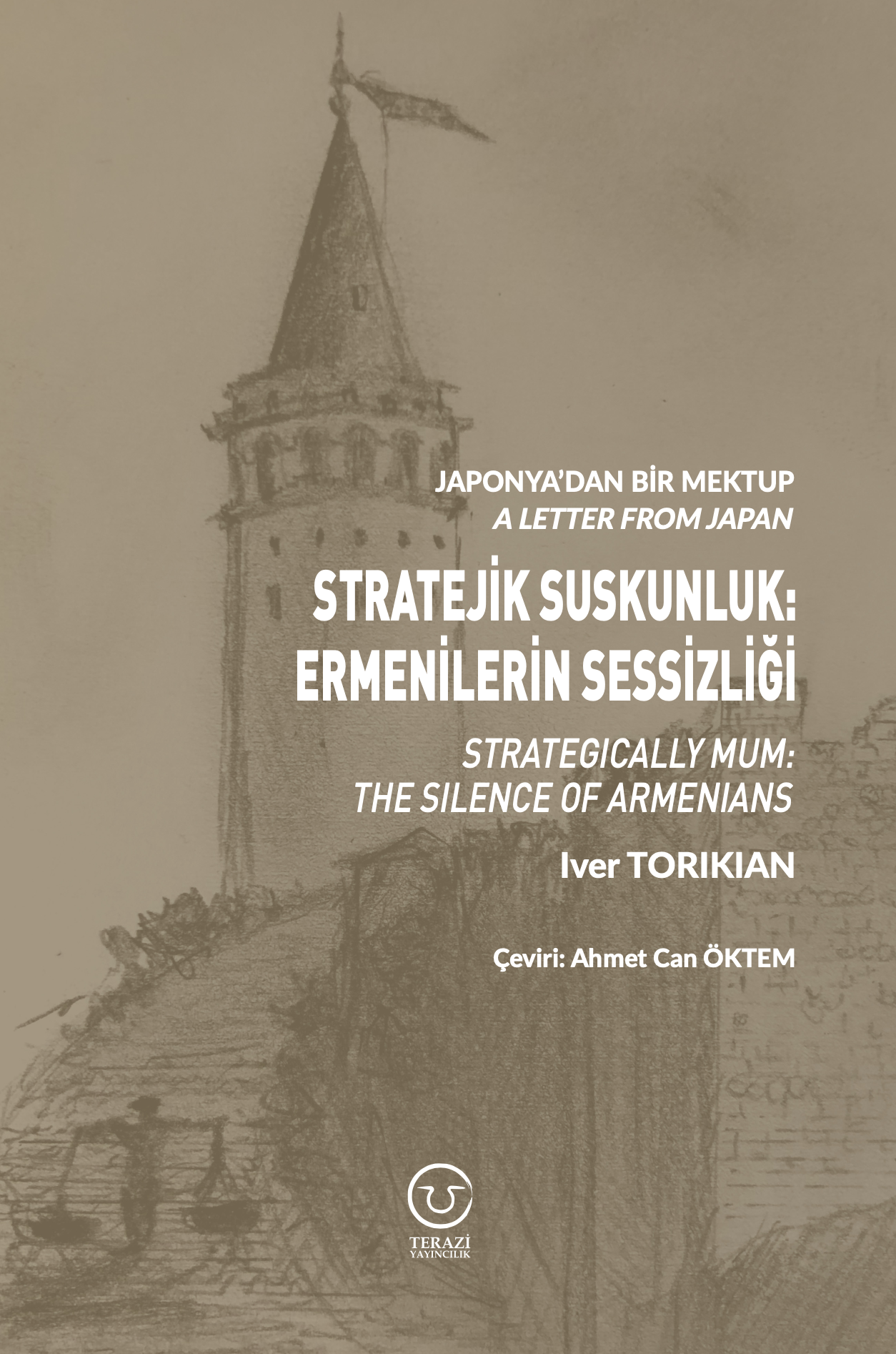
A Letter From Japan - Strategically Mum: The Silence of the Armenians -
01.01.2022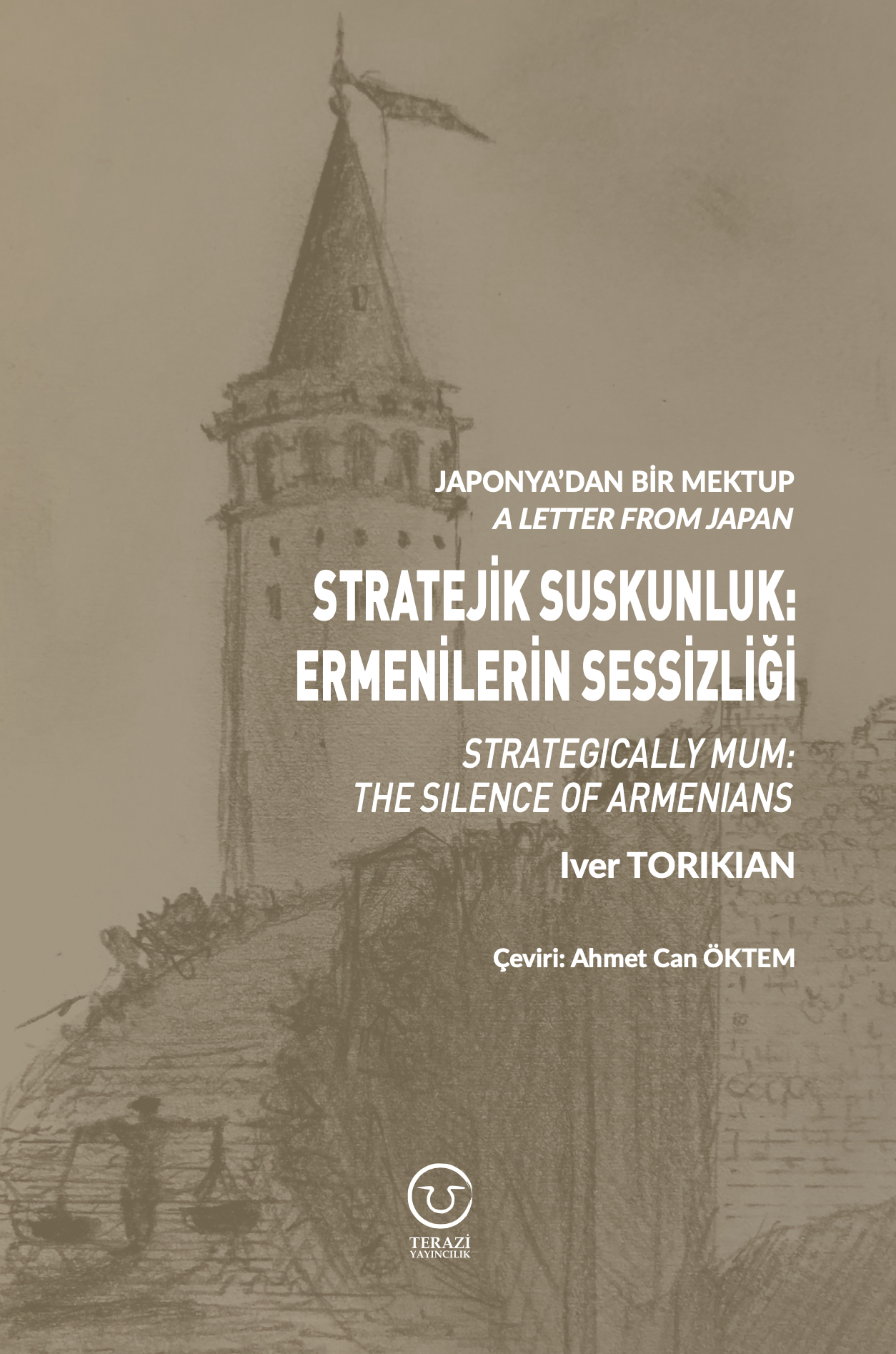
Japonya'dan Bir Mektup - Stratejik Suskunluk: Ermenilerin Sessizliği -
03.06.2020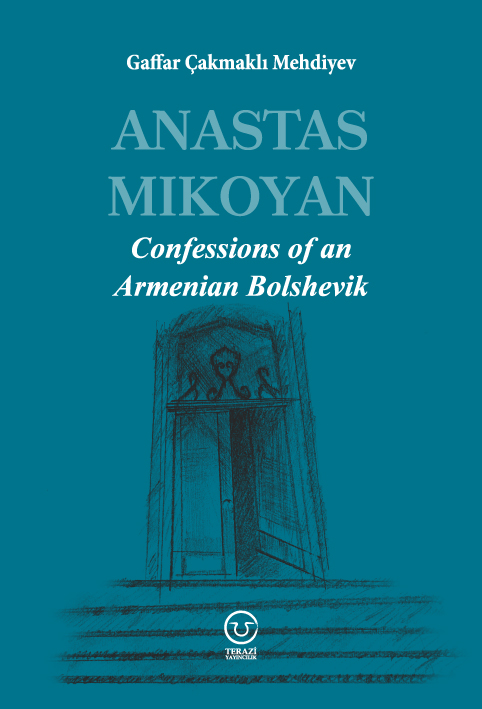
Anastas Mikoyan: Confessions of an Armenian Bolshevik -
08.04.2020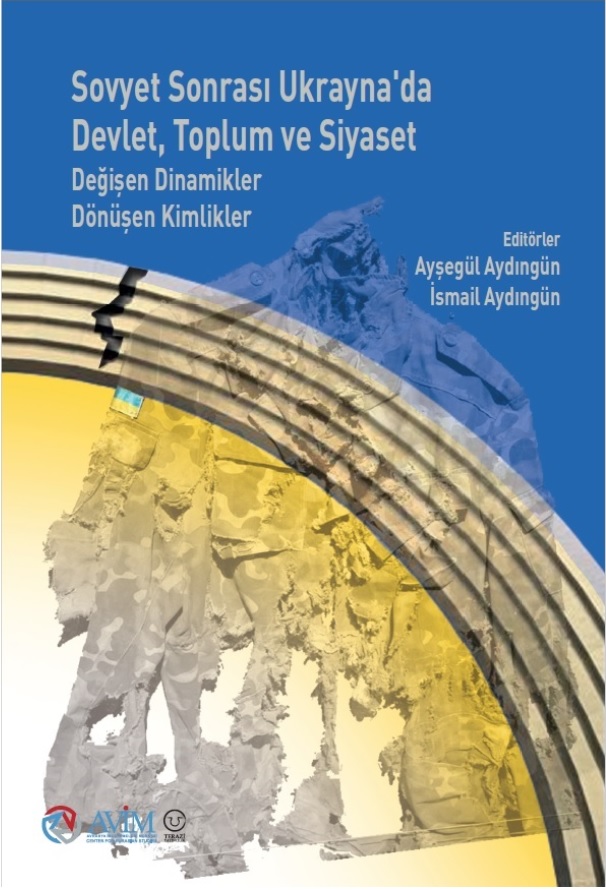
Sovyet Sonrası Ukrayna’da Devlet, Toplum ve Siyaset - Değişen Dinamikler, Dönüşen Kimlikler -
12.06.2018
Ermeni Sorunuyla İlgili İngiliz Belgeleri (1912-1923) - British Documents on Armenian Question (1912-1923) -
02.12.2016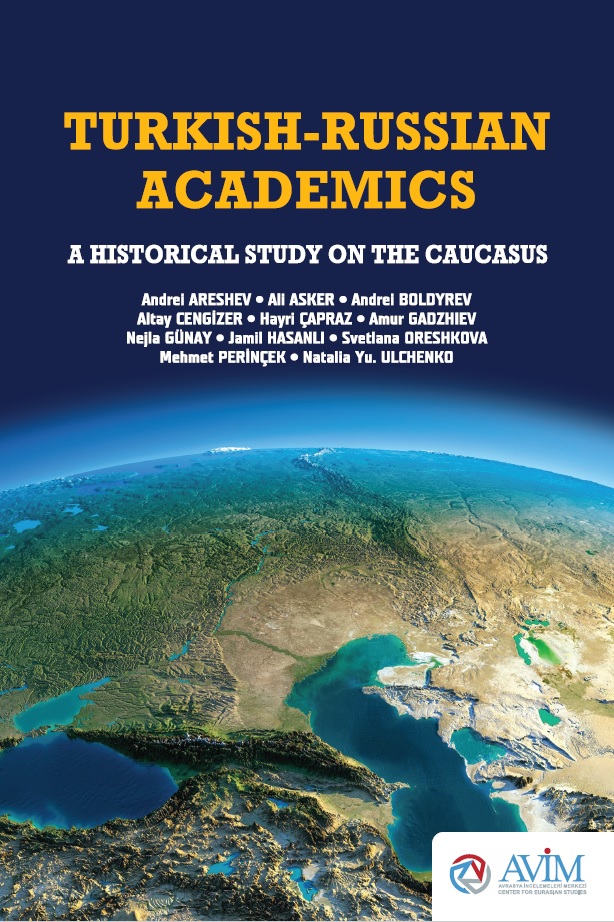
Turkish-Russian Academics: A Historical Study on the Caucasus -
01.07.2016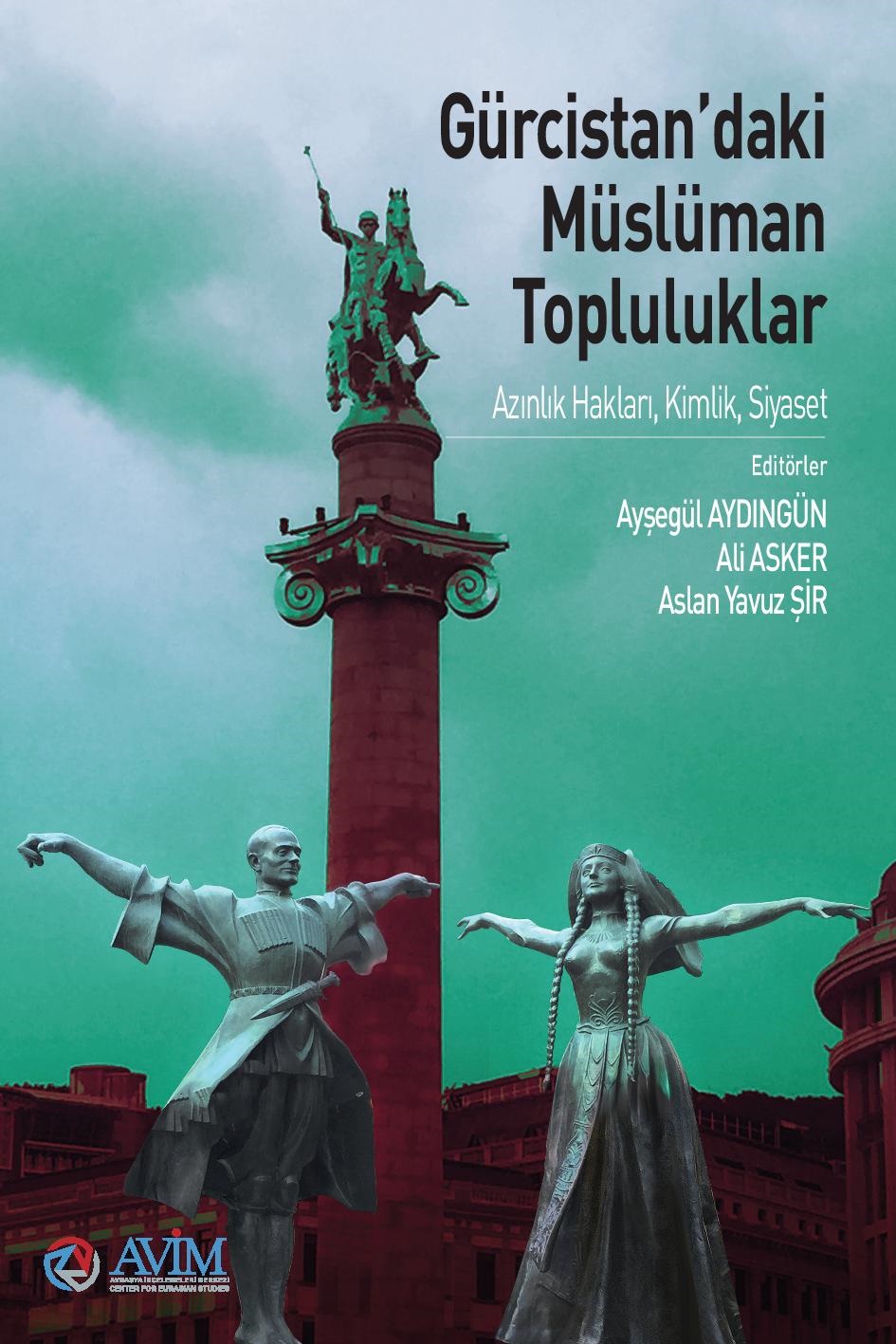
Gürcistan'daki Müslüman Topluluklar: Azınlık Hakları, Kimlik, Siyaset -
10.03.2016
Armenian Diaspora: Diaspora, State and the Imagination of the Republic of Armenia -
24.01.2016
ERMENİ SORUNU - TEMEL BİLGİ VE BELGELER (2. BASKI)
-
AVİM Conference Hall 24.01.2023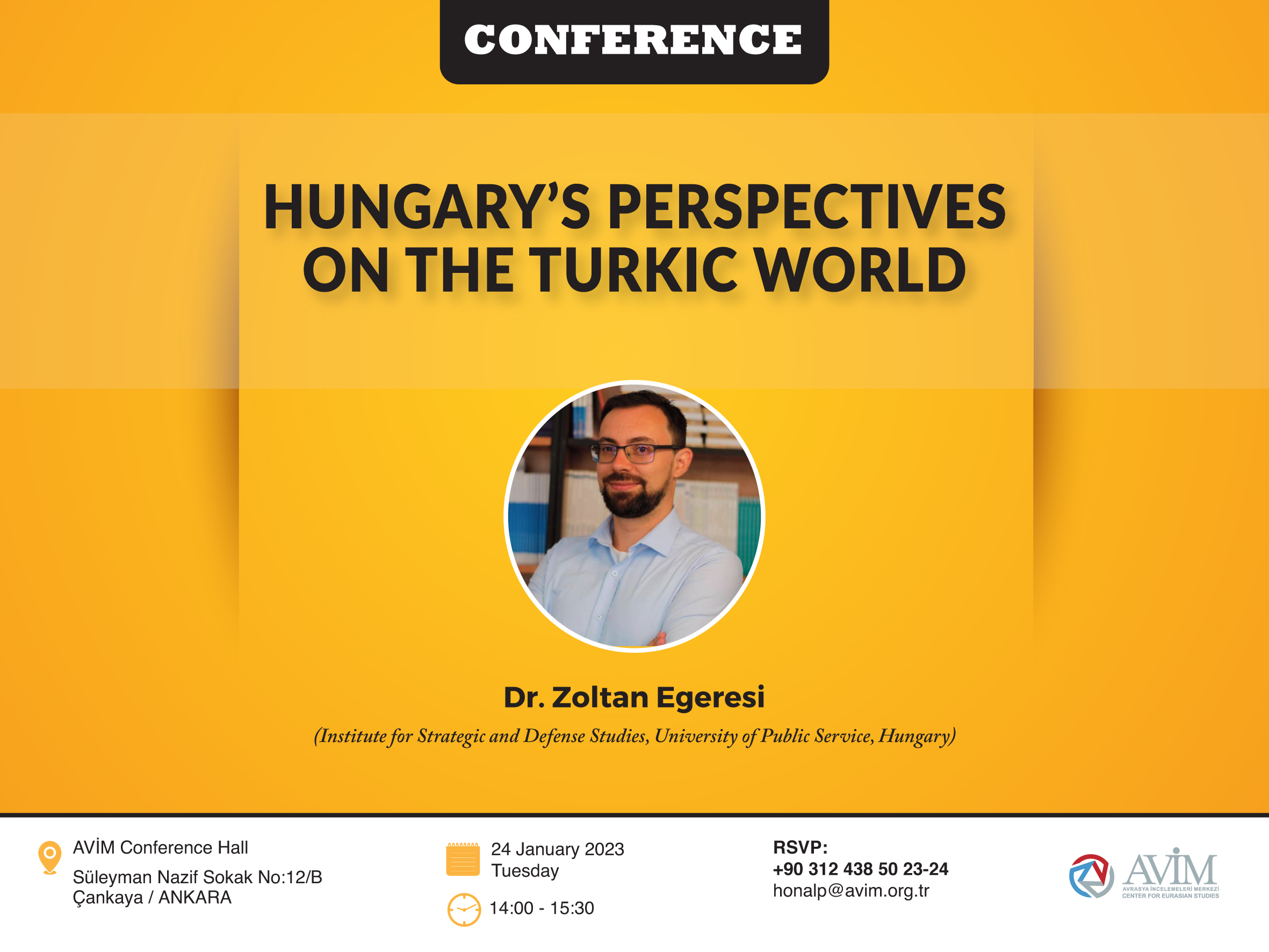
CONFERENCE TITLED “HUNGARY’S PERSPECTIVES ON THE TURKIC WORLD"