This is the English translation of a Turkish language article that was originally published by AVİM on 18 February 2026.
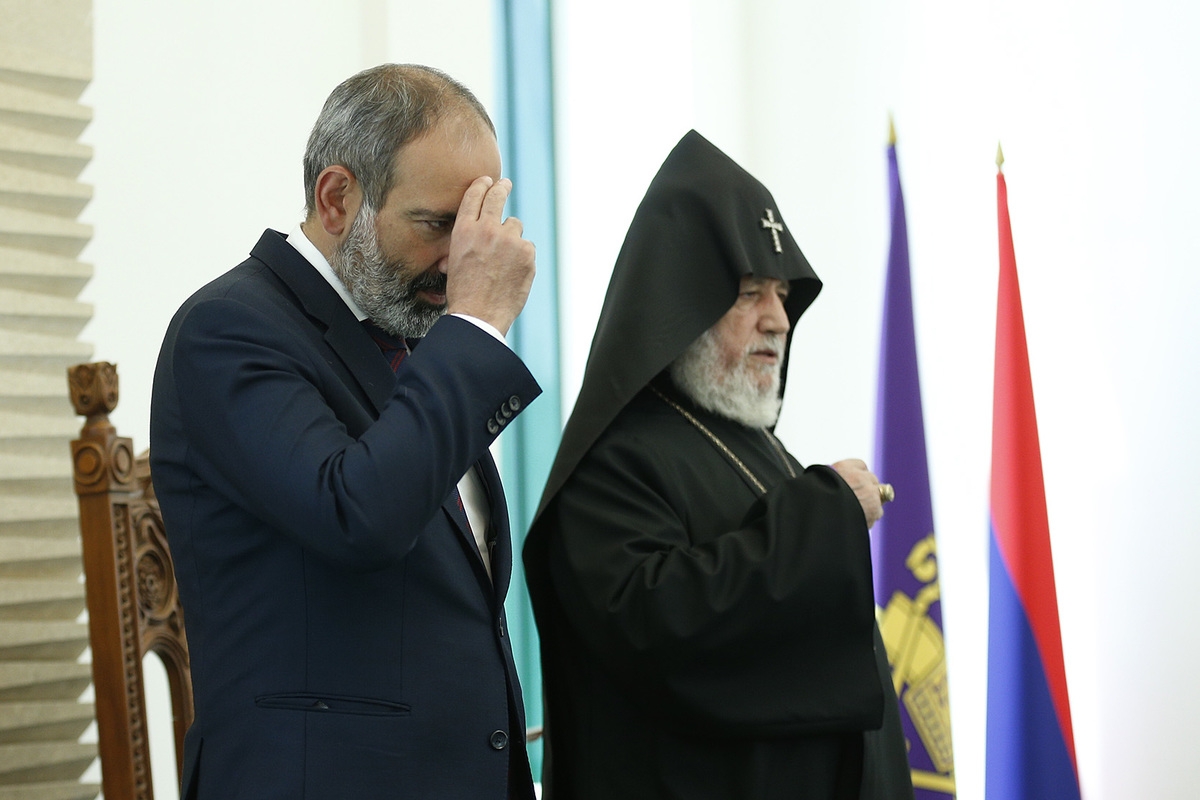
In recent times, as the tension in Armenia between the Nikol Pashinyan government and the Church administration in Etchmiadzin remains ongoing, the Church administration’s overtly political behavior that violates the Church’s traditional role as a religious institution is drawing ever more negative reactions. It is becoming increasingly clear that this tension, which began with Bagrat Galstanian’s rather unpeaceful protest attempts that were initially attempted to be portrayed as the Church’s struggle for freedom, is shifting further away from the promised goal with each passing day.
As is known, the Church administration and opposition have both sided against the Pashinyan government. As we have examined on numerous occasions, the actions of the clergy within the Church administration, which are incongruent with their mission descriptions and the Armenian Constitution, have been instigated by anti-peace factions that profit off of the conflict, and attempts have been made to present them under the guise of a religious struggle. Although the protests have not yet reached the desired scale, the strong support from the Armenian Diaspora figures was evident from the outset. Recently, however, it has been observed that this powerful support from the Diaspora has begun to diminish.
Criticism within the Diaspora of the Church leadership’s oppositional stance has paved the way for certain differences of opinion. For example, Greg Sarkissian, President of the Zoryan Institute and a prominent figure in the Diaspora, issued a statement expressing his view that the Church administration’s appearance of being intertwined with politics and its departure from its religious duties is contrary to the requirements of the modern age.[1] This statement not only marked the first instance of individuals and institutions (whose views carry weight within the Diaspora) siding with Pashinyan in the current tension between the Church administration in Armenia and Pashinyan, but, as observed, it has also paved the way for similar divergences of opinion. A similar stance was most recently articulated by a Diaspora representative in France who is associated with militant and extremist views.[2]
The political stance adopted by the Church administration (which even figures in the Diaspora who have consistently expressed their opposition to the Pashinyan government find incomprehensible) is attempting to create an unofficial duality within the Armenian state. The issue of the Church’s adoption of a political identity (which has no place in the current church laws in Armenia or the relevant sections of the Constitution, and furthermore is harshly rejected) has created a peculiar situation for the Church that even its greatest supporters question and disprove. Meanwhile, the Church administration, despite the deepening of these disagreements and the fact that even its strongest supporters find Pashinyan to be justified, is complicit in the provocations of international institutions and organizations that thrive on the chaos, and continues to maintain its political stance.
The fact that the Church’s influence in Armenia serves as a unifying force, and that clergy have a duty (at least within the Armenian context) to contribute to this unity, are key reasons why the Diaspora has criticized the Church administration in the current conflict. In addition to the risk of creating divisions within the state, the Church’s use of its influence (which holds a significant place in terms of social identity) for political purposes has significantly altered the perspective of factions opposing Pashinyan regarding the issue. However, as previously stated, the Church administration is attempting to acquire support regarding the conflict through international institutions and organizations or third-party states. Attempts to involve international actors in a matter so closely tied to Armenia’s internal affairs, along with explicit calls for intervention that effectively seek to undermine Armenia’s sovereignty, constitute another major cause of the ideological divisions within the Diaspora.
Consequently, the Church administration has adopted a political stance opposing Pashinyan in Armenia and has acted in the hope that this stance would be endorsed by its usual supporters. However, this stance, which the Church administration currently holds and which is beginning to be seen as crossing boundaries even from the Diaspora’s perspective and as conflicting with the Church’s traditional mission, is leading to a gradual loss of support for the Church. This status, which has caused divisions within the Diaspora that is known for its opposition to Pashinyan, and involves seeking support from third-party states in a manner that conflicts with sovereignty, appears to be one of the final steps in the process by which the Church administration is losing its legitimacy.
*Picture: Eurasianet
© 2009-2025 Center for Eurasian Studies (AVİM) All Rights Reserved
















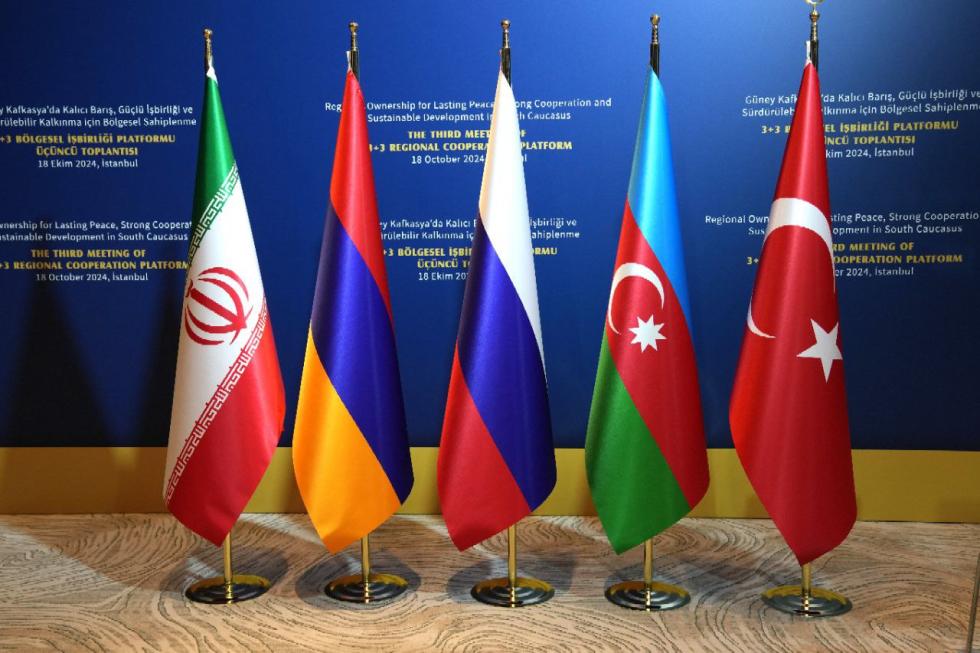 SHIFTING REGIONAL DYNAMICS AND THE 3+3 PLATFORM
 GERMANY'S CONTRADICTORY STANCE ON THE GAZA ISSUE
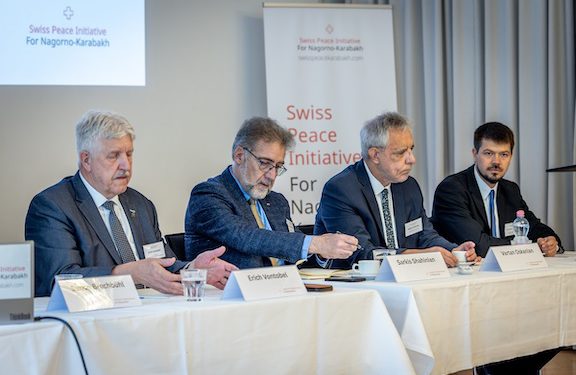
 SWITZERLAND'S BIASED STANCE AND ITS HARMFUL EFFECTS ON PEACE EFFORTS
 SWITZERLAND'S BIASED STANCE AND ITS HARMFUL EFFECTS ON PEACE EFFORTS - 2
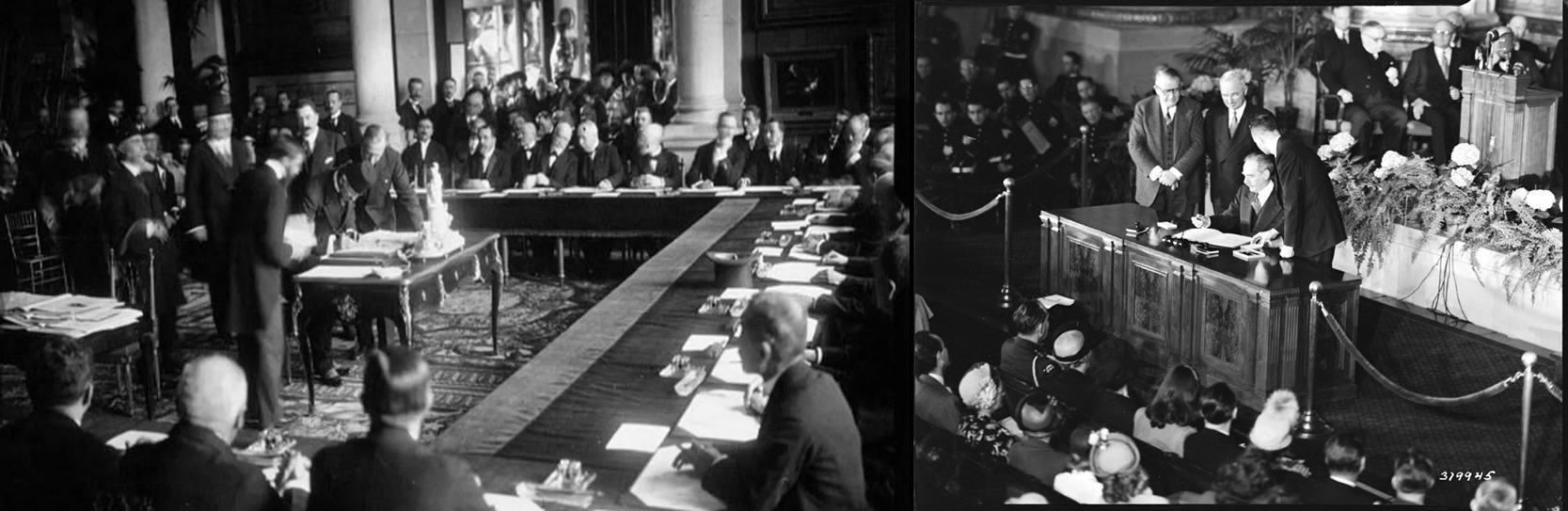 TÜRKİYE IS THE GUARDIAN OF THE MONTREUX CONVENTION REGARDING THE REGIME OF THE STRAITS AND THE BACKBONE OF SECURITY AND STABILITY IN THE BLACK SEA
 DEVELOPMENTS IN POST-2020 KARABAKH WAR ARMENIA AND THEIR IMPLICATIONS - III: PRESIDENT A. SARKISSIAN: A WISE MAN OR AN OPPORTUNIST?
 ARCHITECTS OF DENIAL: THE LATEST CINEMATOGRAPHIC EFFORTS OF THE ARMENIAN LOBBY
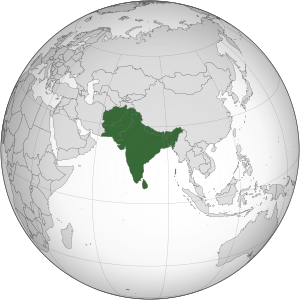 SOUTH ASIA: THE FIELD OF NEW ALLIANCES AND NEW CONFLICTS
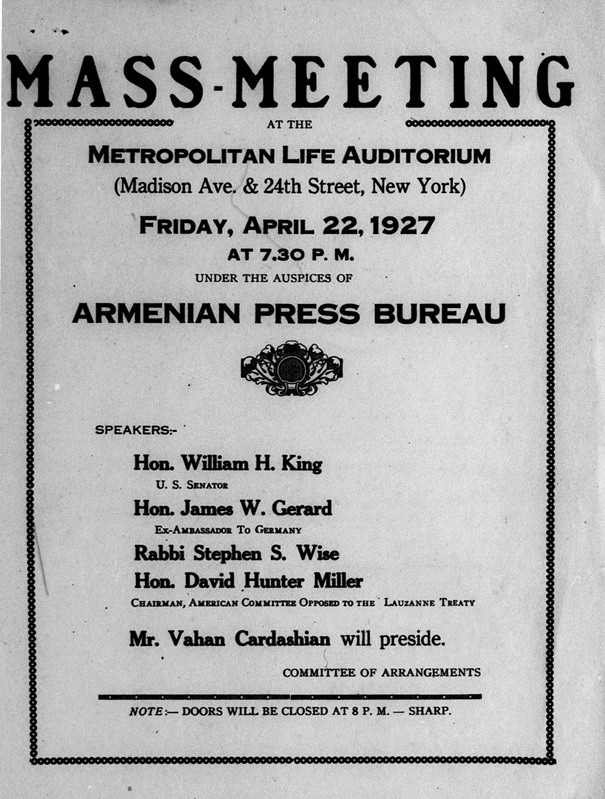 VAHAN CARDASHIAN AND THE CRUSADE TO SABOTAGE TURKISH-AMERICAN RELATIONS