
















Reuters, 04 Dec 2016
Uzbekistan's prime minister and interim president, Shavkat Mirziyoyev, looked likely to win a presidential election on Sunday by a landslide and become the second leader of Central Asia's most populous nation since independence.
Yet the biggest challenge may still lie ahead for the 59-year-old former communist apparatchik - establishing the same level of authority as his all-powerful predecessor, Islam Karimov, in whose shadow Mirziyoyev spent more than a decade.
Karimov, who ran the resource-rich former Soviet republic of 32 million people with an iron fist since 1989, died from a stroke in September, aged 78.
Mirziyoyev, cabinet head since 2003, swiftly emerged as Karimov's most likely successor after the speaker of the upper chamber Senate stepped aside for him. Under the constitution, the speaker would normally assume the role of interim head of state.
The size of Mirziyoyev's election victory, whether he secures a realistic 65-70 percent of the vote or a Karimov-style 90-plus percent, will indicate how much authority he has to reform the political and economic systems, said Kazakhstan-based Central Asia analyst Alexander Knyazev.
"The outcome will show whether the state apparatus is ready for changes," he said.
Polling stations opened at 6 a.m. (0100 GMT) and 55.8 percent of Uzbekistan's more than 20 million eligible voters had already cast their ballots by 1 p.m., the Central Election Commission said, well above the minimum 33 percent threshold set by law.
Polls close at 8 p.m. (1500 GMT), with preliminary results expected later in the day.
Mirziyoyev did not speak to reporters when he went to cast his vote with his family at a polling station in Tashkent.
Despite pledging continuity, Mirziyoyev has announced plans for economic reforms, including a liberalization of the tightly controlled foreign exchange market, and has acted to ease strains in relations with neighboring Central Asian countries.
"We are seeing many positive changes in our life, we hope for even more positive changes in our country," said Temur Samiev, a pensioner, as he voted in Tashkent.
Diplomats say Mirziyoyev is also expected to move Uzbekistan closer to Russia, its Soviet-era overlord.
An engineer by training, Mirziyoyev began ascending the Communist Party career ladder in the 1980s, becoming a member of Uzbekistan's legislature by the time the Soviet Union collapsed in 1991.
According to a 2009 United States embassy cable published by Wikileaks, Karimov regarded Mirziyoyev as "unprofessional" and planned to replace him eventually, although not immediately.
POWER SHARING
According to another embassy cable, sent in 2008, Mirziyoyev had instructed state media to never show him on TV for fear of making Karimov jealous. Karimov was retaining Mirziyoyev as cabinet head because of his loyalty to Karimov's family, the same cable said.
Diplomatic and business sources have told Reuters that Mirziyoyev has been able to secure support for his presidential bid from Uzbekistan's powerful informal clans by agreeing to share power with two other political heavyweights, Deputy Prime Minister Rustam Azimov and security chief Rustam Inoyatov.
Some analysts, however, say this arrangement may only delay the fight for ultimate power within the political elite, which may destabilize the Muslim nation, which borders Afghanistan.
The United States, Russia and China all watch developments in Uzbekistan closely and are concerned about its stability because it is a major exporter of natural gas and cotton. At least two million Uzbeks work abroad, mostly in Russia.
Tashkent fought an Islamist insurgency in the 1990s and thousands of Uzbeks are believed to have joined Islamic State militants fighting in Syria and Iraq.
Running against Mirziyoyev in Sunday's election are Khatamjon Ketmonov, Narimon Umarov and Sarvar Otamuratov, the nominees of three parties in parliament which present themselves as the opposition but have always toed the official line.
No comments yet.
- A SPECIAL RELATIONSHIP: MERKEL AND HOLLANDE Europe - EU 05.12.2016
- MAY’S BREXIT PLANS FACE BRITISH SUPREME COURT TEST Europe - EU 05.12.2016
- FORMER AND CURRENT FOREIGN MINISTERS COMMENT ON HACKING ATTACKS The Balkans 05.12.2016
-
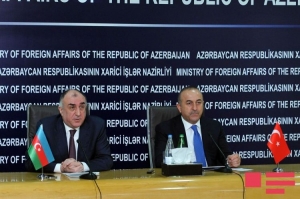 AZERBAIJANI, TURKISH, TURKMEN ENERGY MINISTERS TO MEET EARLY 2017
The Caucasus and Turkish-Armenian Relations
05.12.2016
AZERBAIJANI, TURKISH, TURKMEN ENERGY MINISTERS TO MEET EARLY 2017
The Caucasus and Turkish-Armenian Relations
05.12.2016
- LATVIA FACES HYBRID THREAT AS EU, NATO BOOST DEFENSES Europe - EU 05.12.2016
-
25.01.2016
THE ARMENIAN QUESTION - BASIC KNOWLEDGE AND DOCUMENTATION -
12.06.2024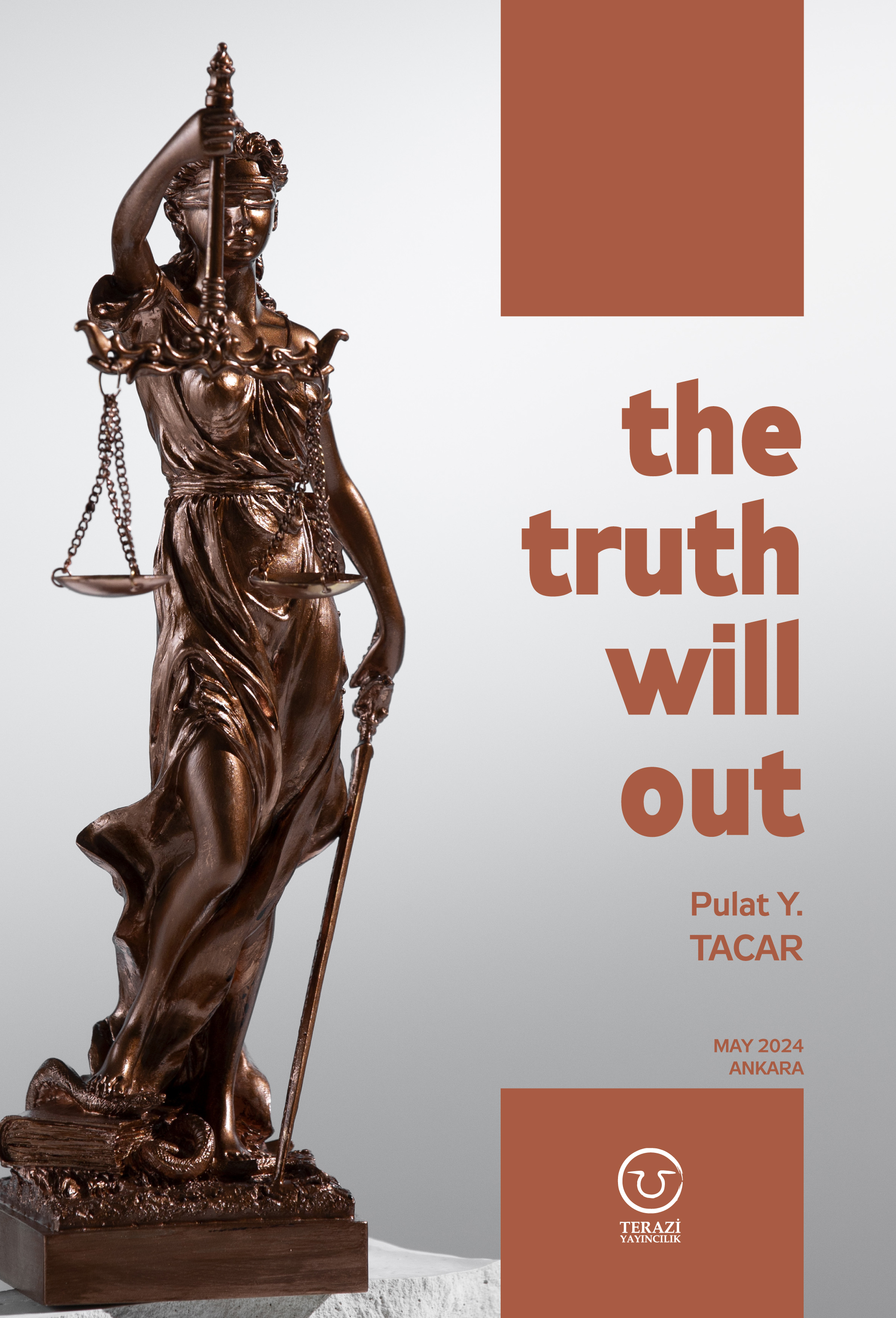
THE TRUTH WILL OUT -
27.03.2023
RADİKAL ERMENİ UNSURLARCA GERÇEKLEŞTİRİLEN MEZALİMLER VE VANDALİZM -
17.03.2023
PATRIOTISM PERVERTED -
23.02.2023
MEN ARE LIKE THAT -
03.02.2023
BAKÜ-TİFLİS-CEYHAN BORU HATTININ YAŞANAN TARİHİ -
16.12.2022
INTERNATIONAL SCHOLARS ON THE EVENTS OF 1915 -
07.12.2022
FAKE PHOTOS AND THE ARMENIAN PROPAGANDA -
07.12.2022
ERMENİ PROPAGANDASI VE SAHTE RESİMLER -
01.01.2022
A Letter From Japan - Strategically Mum: The Silence of the Armenians -
01.01.2022
Japonya'dan Bir Mektup - Stratejik Suskunluk: Ermenilerin Sessizliği -
03.06.2020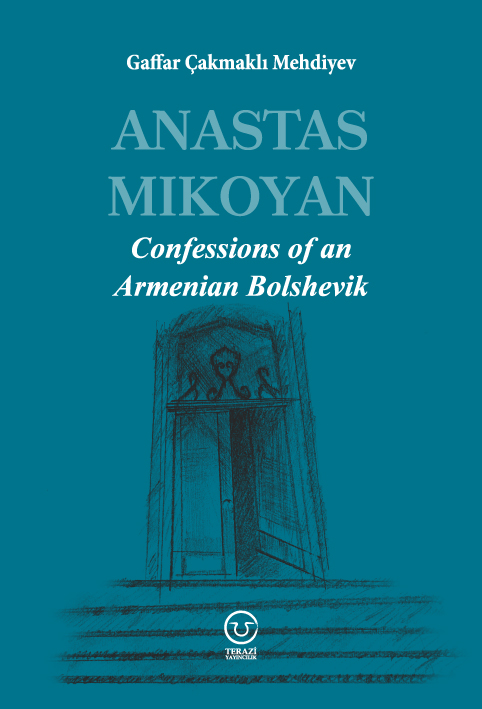
Anastas Mikoyan: Confessions of an Armenian Bolshevik -
08.04.2020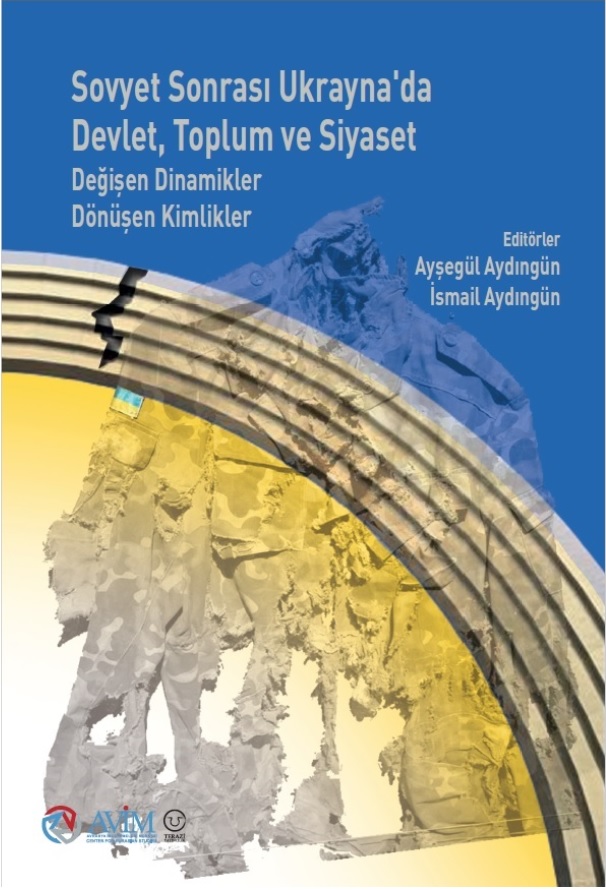
Sovyet Sonrası Ukrayna’da Devlet, Toplum ve Siyaset - Değişen Dinamikler, Dönüşen Kimlikler -
12.06.2018
Ermeni Sorunuyla İlgili İngiliz Belgeleri (1912-1923) - British Documents on Armenian Question (1912-1923) -
02.12.2016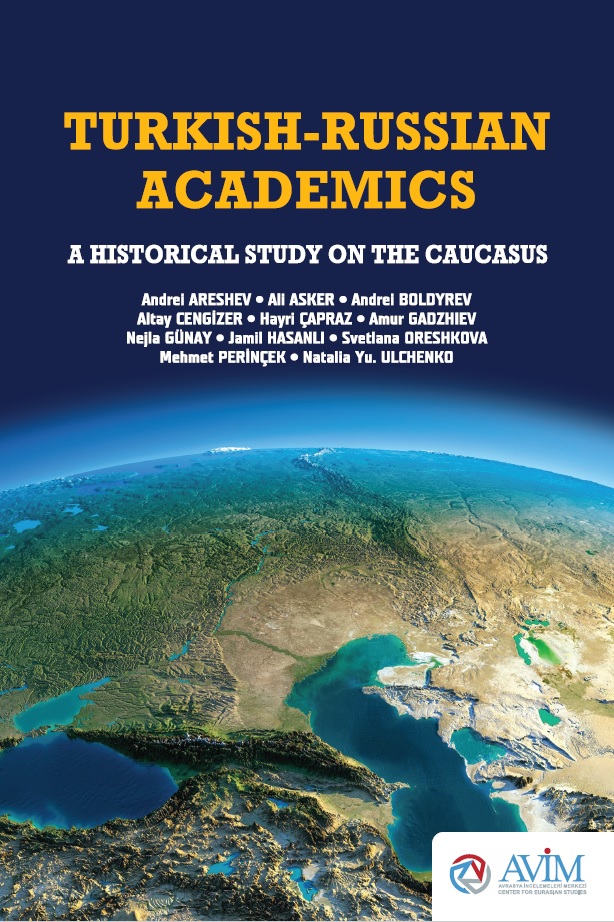
Turkish-Russian Academics: A Historical Study on the Caucasus -
01.07.2016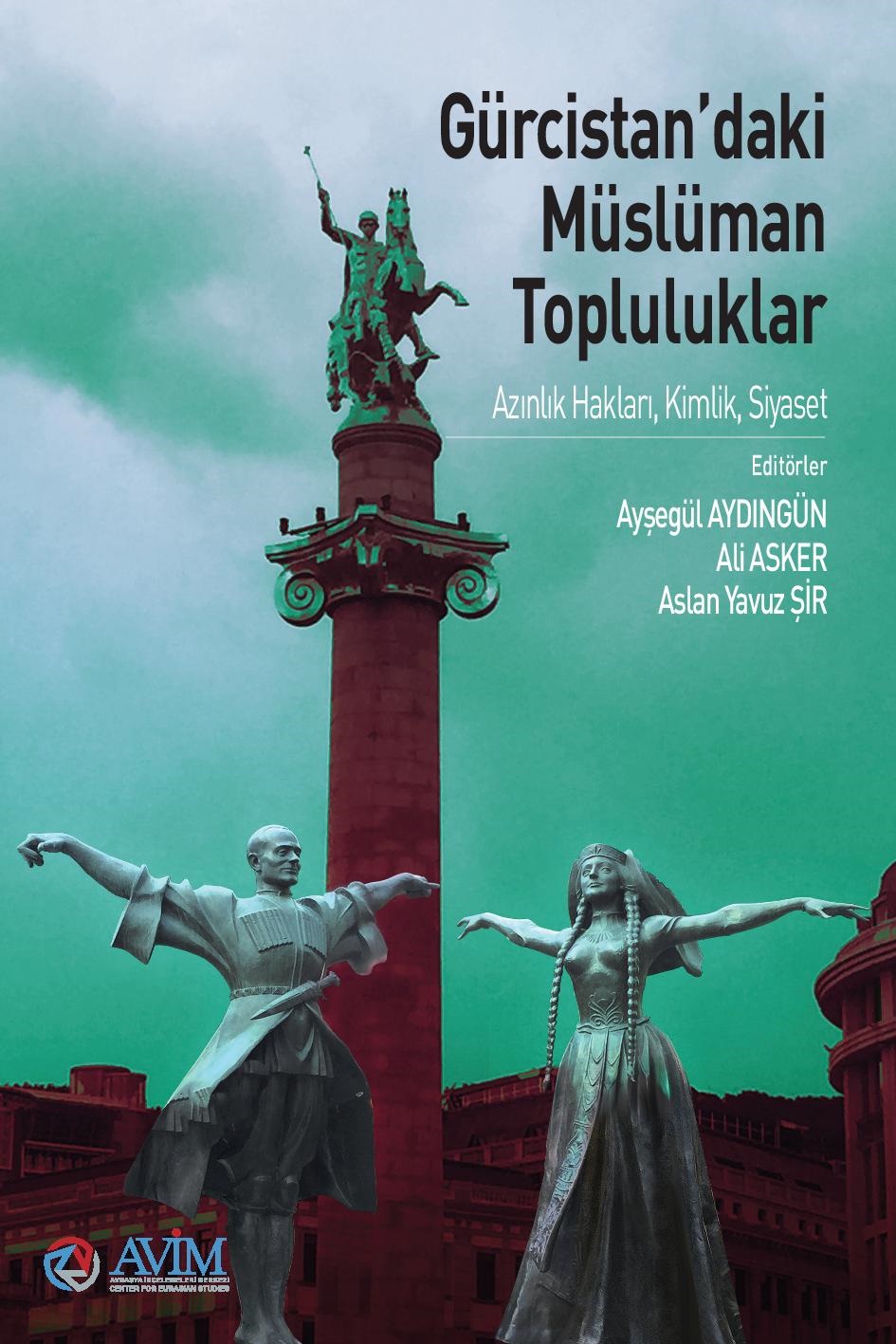
Gürcistan'daki Müslüman Topluluklar: Azınlık Hakları, Kimlik, Siyaset -
10.03.2016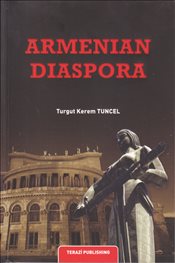
Armenian Diaspora: Diaspora, State and the Imagination of the Republic of Armenia -
24.01.2016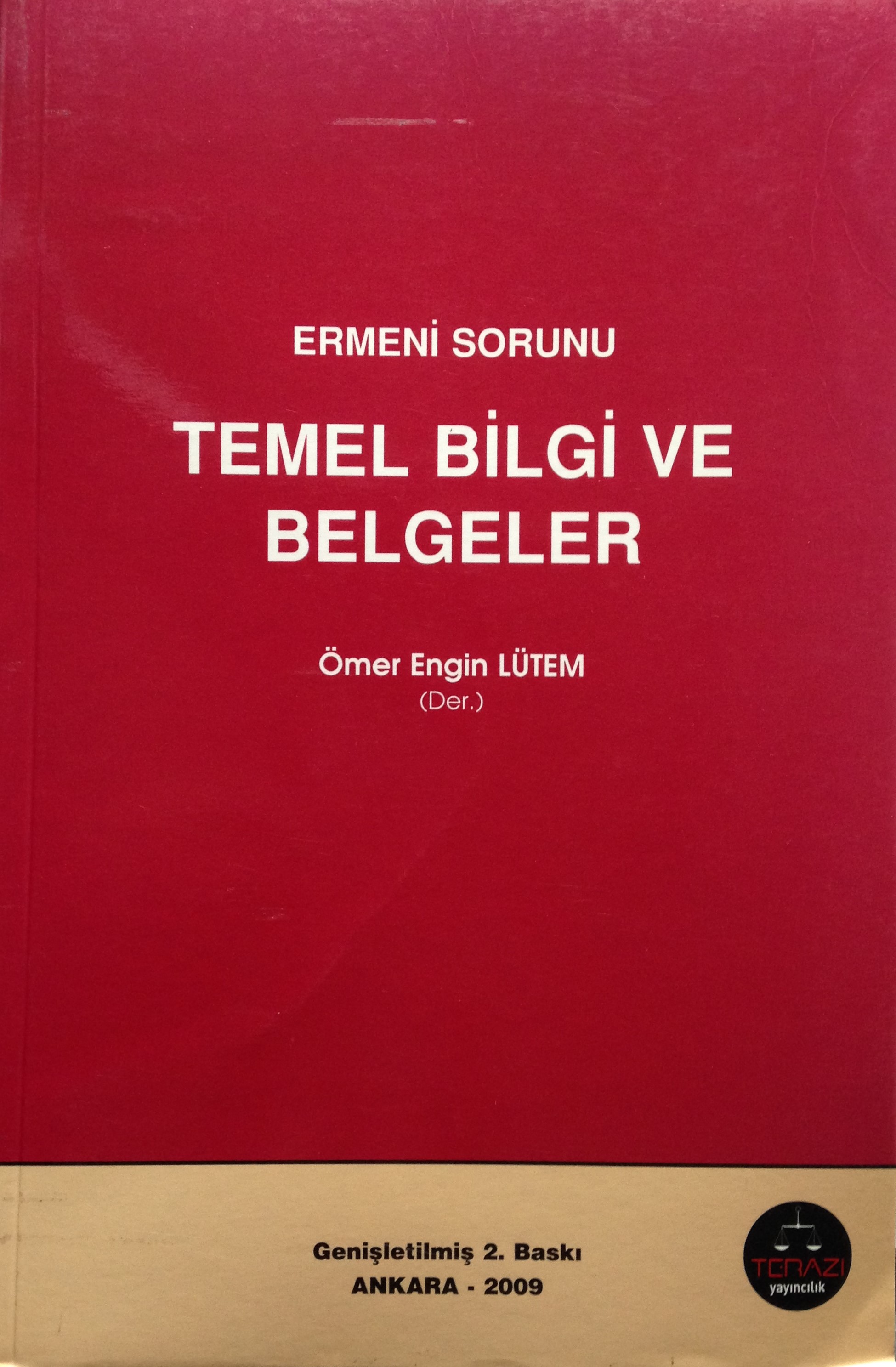
ERMENİ SORUNU - TEMEL BİLGİ VE BELGELER (2. BASKI)
-
AVİM Conference Hall 24.01.2023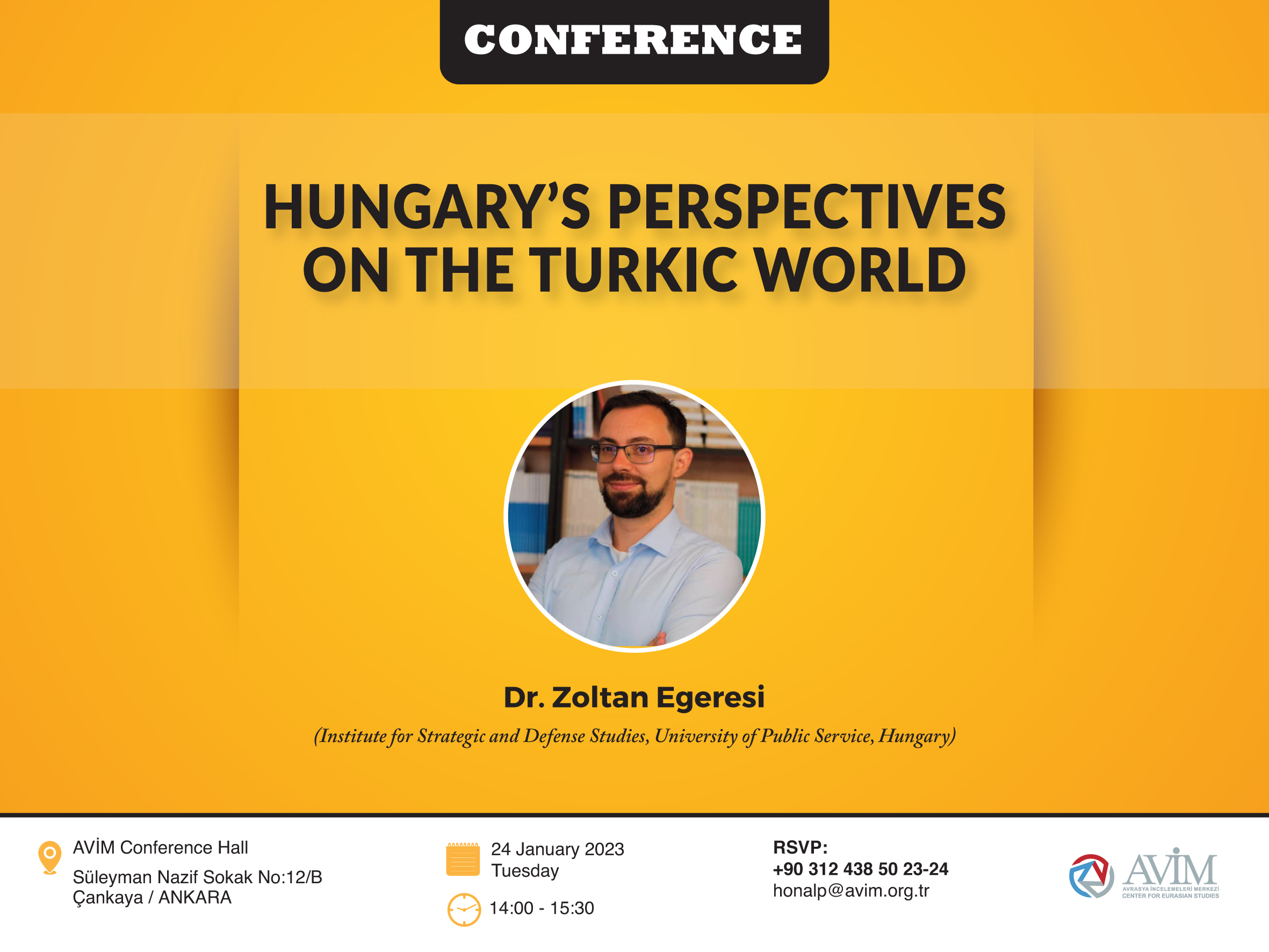
CONFERENCE TITLED “HUNGARY’S PERSPECTIVES ON THE TURKIC WORLD"