

















Eurasianet, September 27, 2016
There is no area of public life in Uzbekistan that can remain untouched by cotton.
With the end of September approaching, the harvesting season is in full swing and all available hands are being enlisted to the cause: teachers, students, doctors, scientists and conscripts.
And on Friday, imams all across the country used prayer day sermons to urge parishioners to go out into the fields as well. The imam at a mosque in the Kashakadarya region, Bobohon Abdurahimov, said the Muslim Board of Uzbekistan distributed specific instructions on appeals to get the faithful to participate in the gathering of raw cotton.
“We explain to the faithful … that the gathering of cotton is a major state-level concern. Cotton is our national pride, that is why need an all-nation khashar (voluntary collective works drive) — a joint effort for the good of society. Muslims will please God if they help the state and farmers,” Abdurahimov told EurasiaNet.org.
At the largest mosques in Tashkent, worshippers can contribute to the harvest by providing donations, which are then used to provide for some of the cotton-pickers’ needs.
Asked if the sermons have any impact, Abdurahimov said that different people respond in different ways. Some limit themselves to making financial donations to help the cause, while others send one of their relatives to the fields. And then there are some very passive Muslims who take no heed whatsoever, he said.
According to Uzbekistan’s constitution, religious institutions are separate from the state, but in reality, the activities of faith organizations are strictly monitored and directed by security organs.
In other cotton-related news, Uzbekistan’s Labor Ministry on September 26 issued a statement about the prohibition on the use of forced and child labor during the harvest.
The statement opened with the declaration that Uzbekistan became a member of the International Labor Organization (ILO) in 1992 and that ratification of that membership entailed restrictions on which categories of citizens could work in the cotton fields.
The Labor Ministry claimed it is also enforcing its rules and offered the example of an instance when inspectors in the Samarkand region prevented college students from being used to pick the crop.
And on September 22, interim President Shavkat Mirziyoyev signed a revised labor protection law that takes into account recommendations issued by the ILO. The revisions should affect the safety regulations for women, minors, retirement-age people and disabled people in the workplace.
This concerted ILO charm offensive is indubitably disingenuous to a fairly great extent. Independent activists report that press-ganging students and government workers remains the norm rather than a rare exception to be discovered by zealous state inspectors.
Still, it shows that Tashkent is feeling the pressure of numerous international campaigns and the scrutiny of the ILO, among others, into the level of state-managed intimidation that accompanies the annual cotton harvest.
An ILO mission in 2013 was limited to checking for evidence of child labor, which activists acknowledge that Tashkent has now all but eradicated.
But the emerging concern has been that the burden is now shifting to adults.
Last year, the ILO deployed a monitoring team to examine the country’s cotton harvest for adult forced labor for the first time. Unsurprisingly, they found evidence of what they were seeking for.
“The organized recruitment of adults to pick cotton is widespread,” last year’s ILO mission found. While many “seem to be willing recruits and see the harvest as an opportunity,” in other cases “certain indicators of forced labor have been observed.”
No comments yet.
- KOSOVO’S ARMY IS STILL BEING BLOCKED BY POLITICAL DECISIONS The Balkans 28.09.2016
-
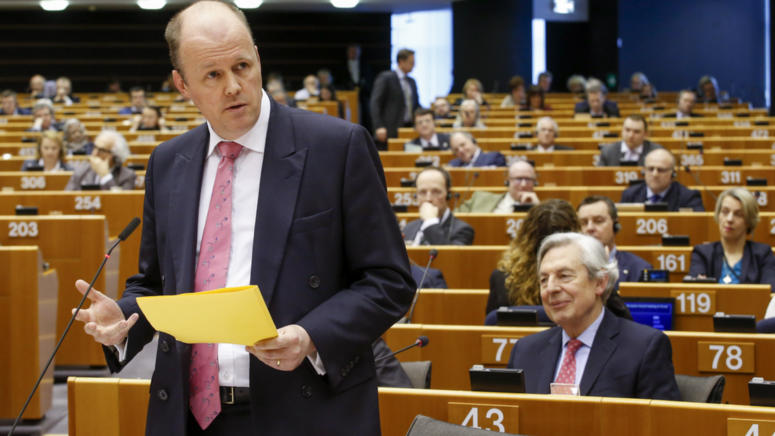 EUROSCEPTIC MEPS FLOAT ANTI-SCHULZ AMENDMENT
Europe - EU
28.09.2016
EUROSCEPTIC MEPS FLOAT ANTI-SCHULZ AMENDMENT
Europe - EU
28.09.2016
- MORE THAN 800 ATTACKS ON GERMAN POLITICIANS SO FAR THIS YEAR Europe - EU 28.09.2016
- THE BRIEF FROM BRUSSELS: EU SPLIT ON DEFENCE Europe - EU 28.09.2016
- IRAQ TO 'MAKE GREAT EFFORTS' TO SEE OIL PRICES GROW Iraq 28.09.2016
-
25.01.2016
THE ARMENIAN QUESTION - BASIC KNOWLEDGE AND DOCUMENTATION -
12.06.2024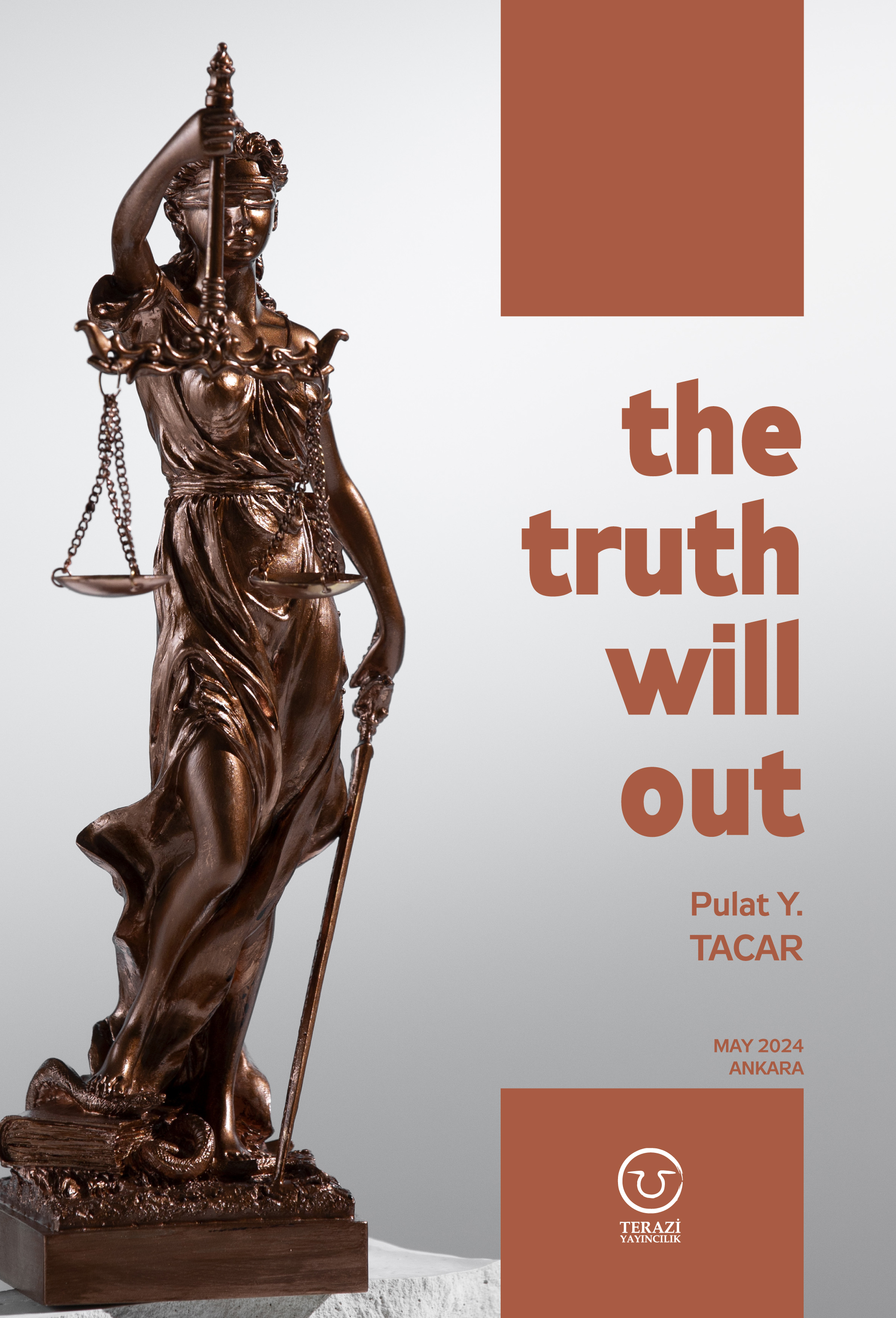
THE TRUTH WILL OUT -
27.03.2023
RADİKAL ERMENİ UNSURLARCA GERÇEKLEŞTİRİLEN MEZALİMLER VE VANDALİZM -
17.03.2023
PATRIOTISM PERVERTED -
23.02.2023
MEN ARE LIKE THAT -
03.02.2023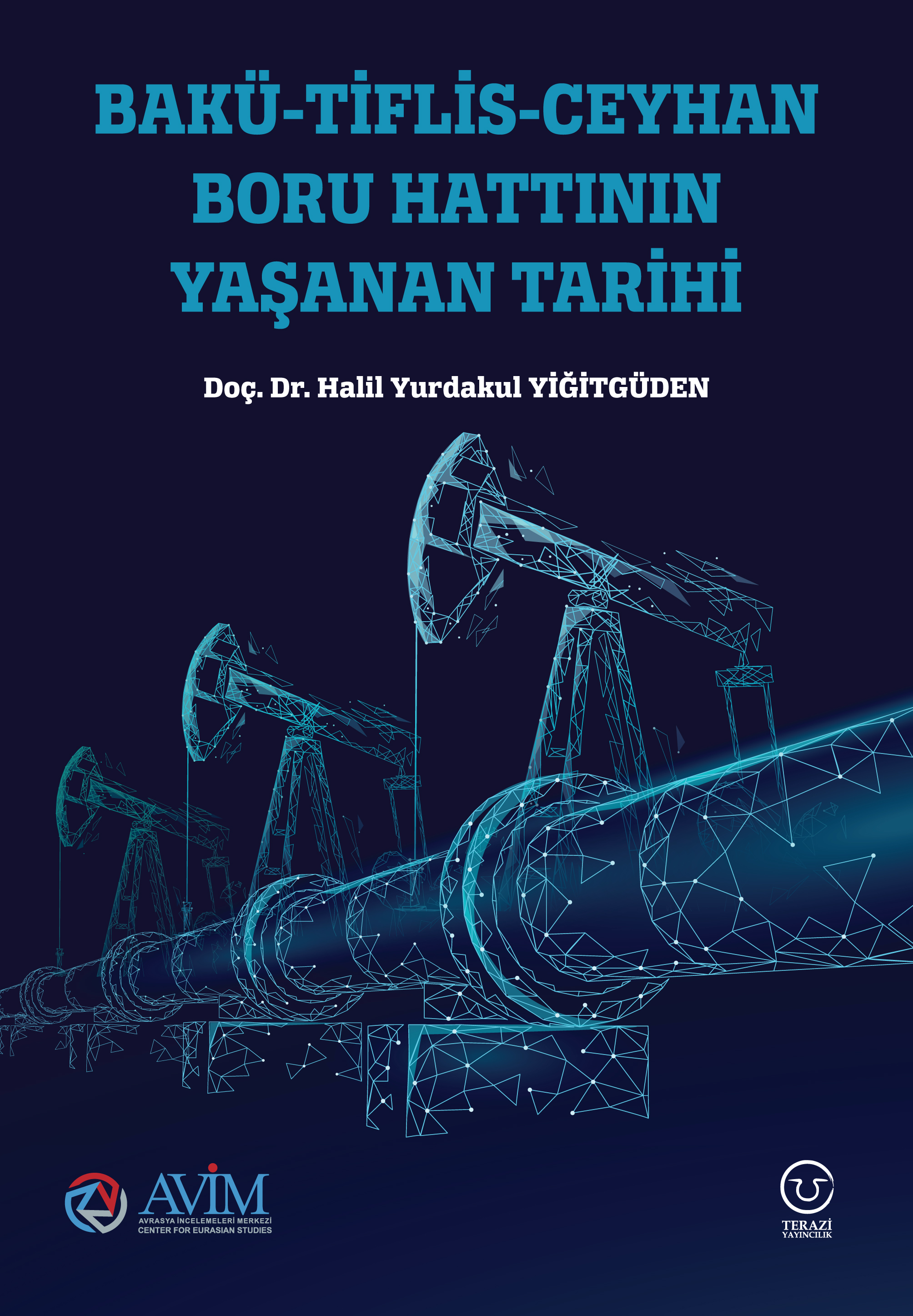
BAKÜ-TİFLİS-CEYHAN BORU HATTININ YAŞANAN TARİHİ -
16.12.2022
INTERNATIONAL SCHOLARS ON THE EVENTS OF 1915 -
07.12.2022
FAKE PHOTOS AND THE ARMENIAN PROPAGANDA -
07.12.2022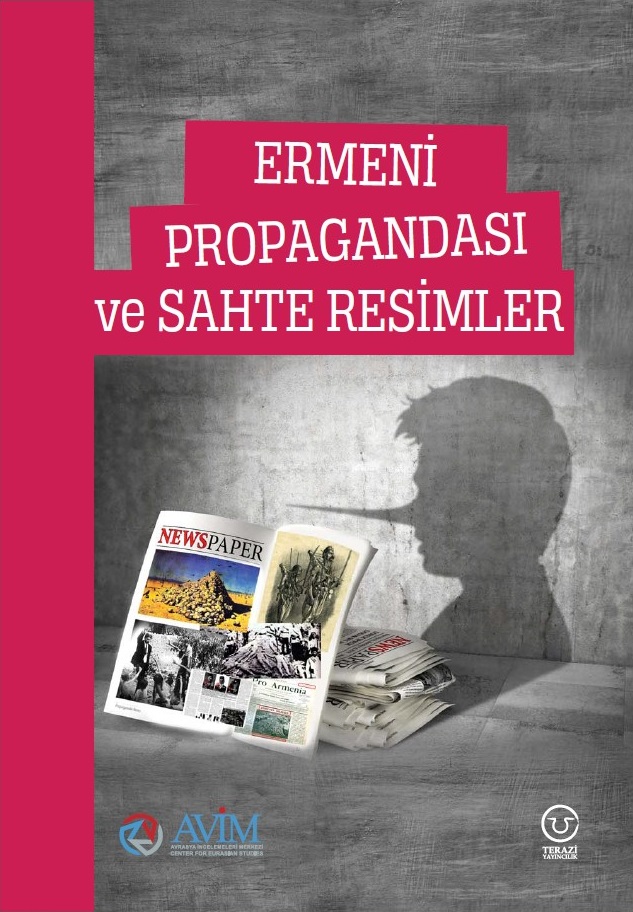
ERMENİ PROPAGANDASI VE SAHTE RESİMLER -
01.01.2022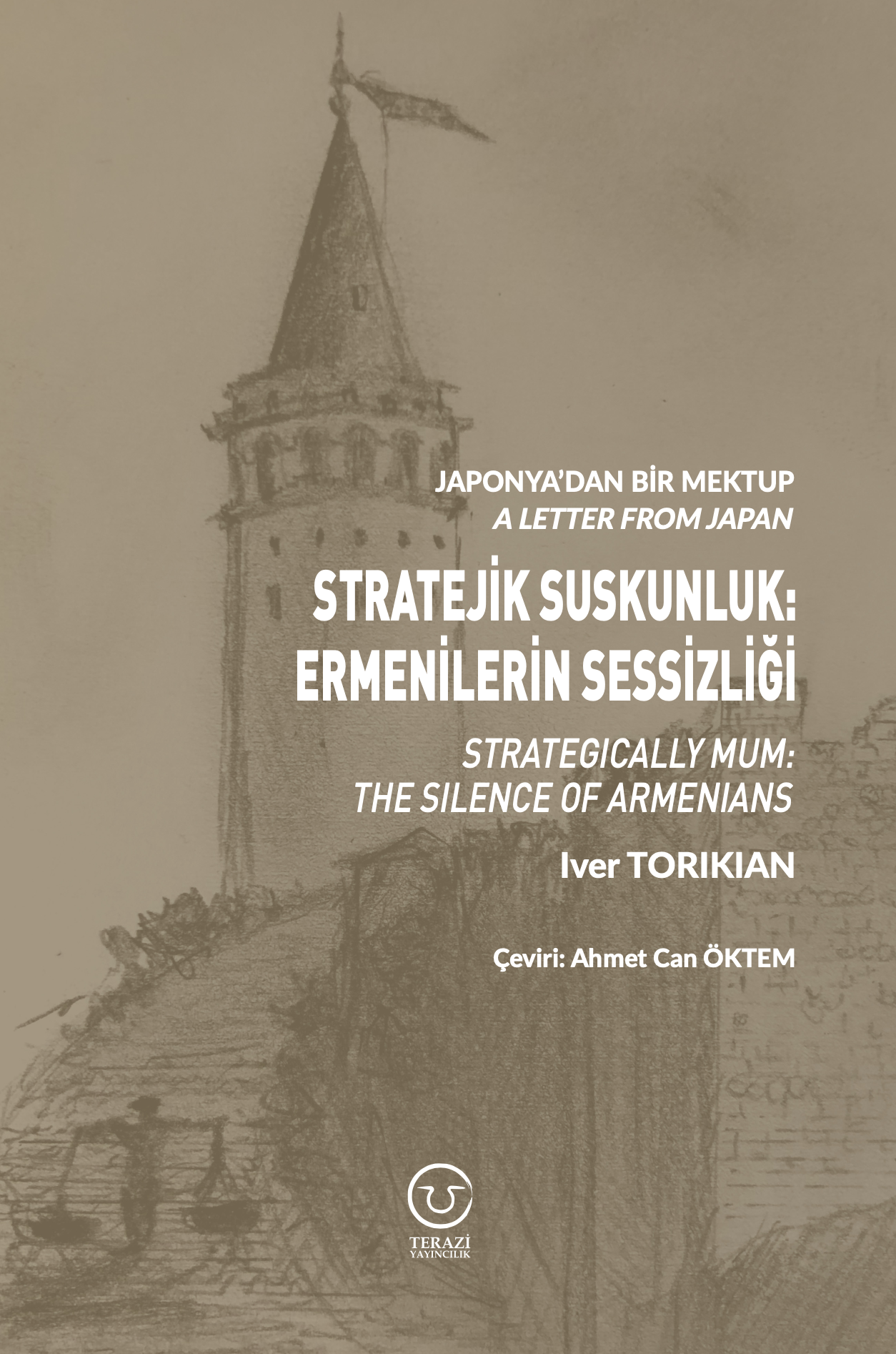
A Letter From Japan - Strategically Mum: The Silence of the Armenians -
01.01.2022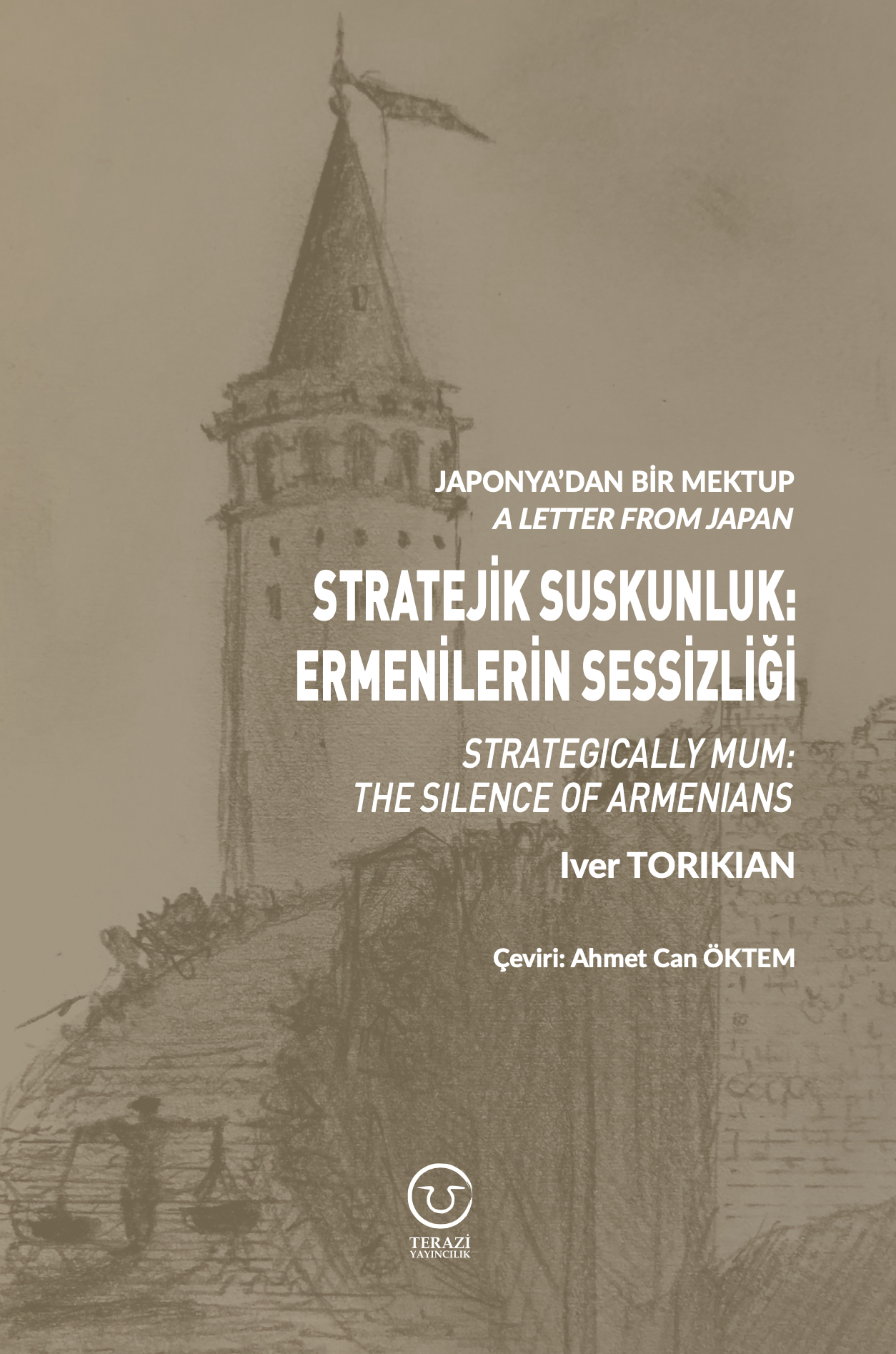
Japonya'dan Bir Mektup - Stratejik Suskunluk: Ermenilerin Sessizliği -
03.06.2020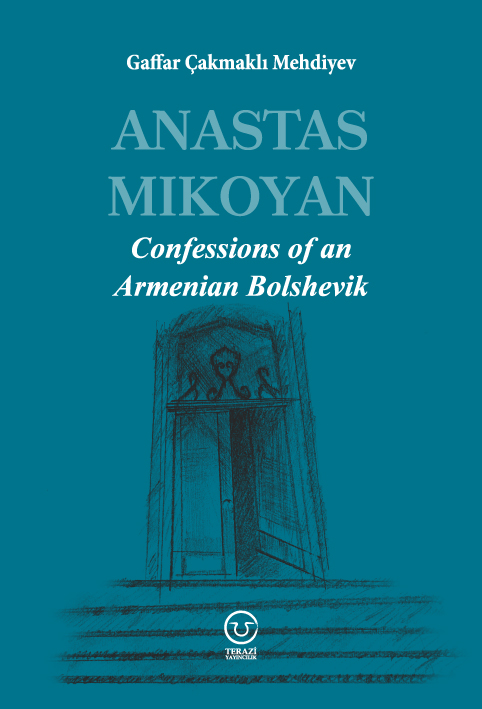
Anastas Mikoyan: Confessions of an Armenian Bolshevik -
08.04.2020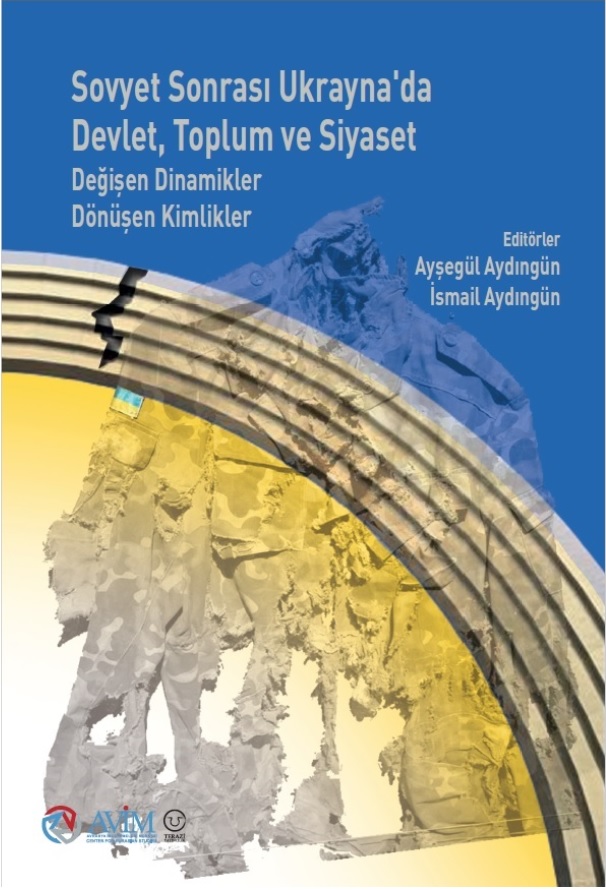
Sovyet Sonrası Ukrayna’da Devlet, Toplum ve Siyaset - Değişen Dinamikler, Dönüşen Kimlikler -
12.06.2018
Ermeni Sorunuyla İlgili İngiliz Belgeleri (1912-1923) - British Documents on Armenian Question (1912-1923) -
02.12.2016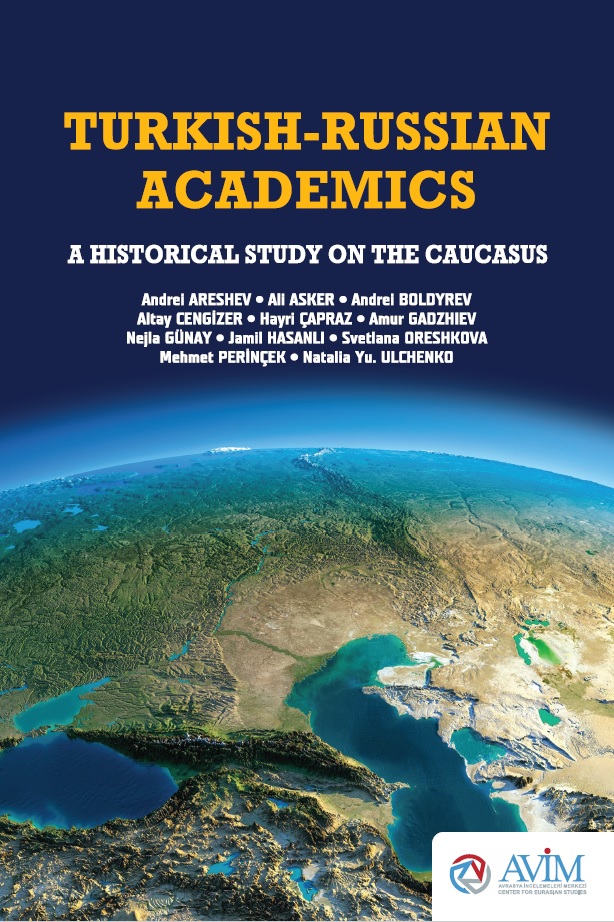
Turkish-Russian Academics: A Historical Study on the Caucasus -
01.07.2016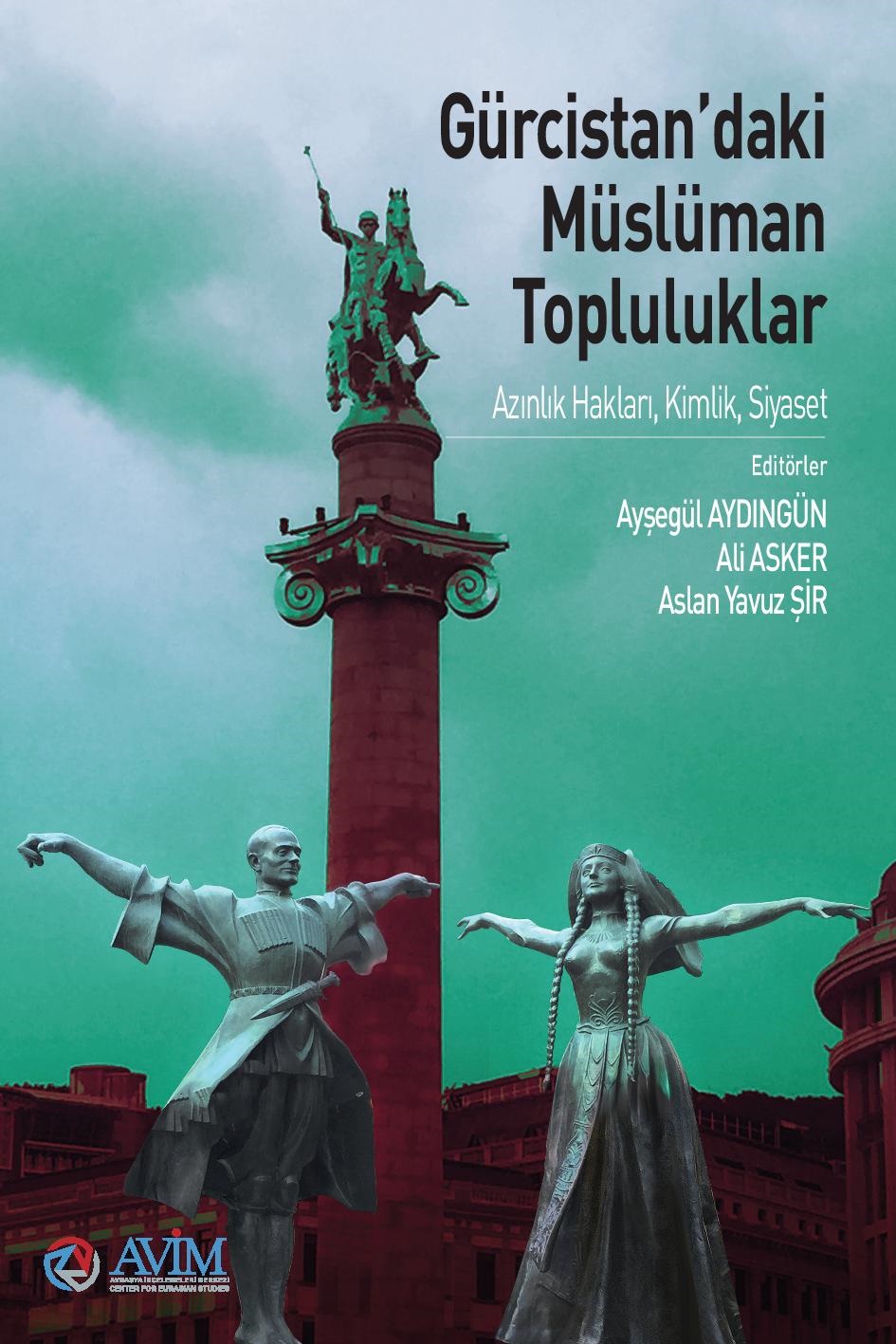
Gürcistan'daki Müslüman Topluluklar: Azınlık Hakları, Kimlik, Siyaset -
10.03.2016
Armenian Diaspora: Diaspora, State and the Imagination of the Republic of Armenia -
24.01.2016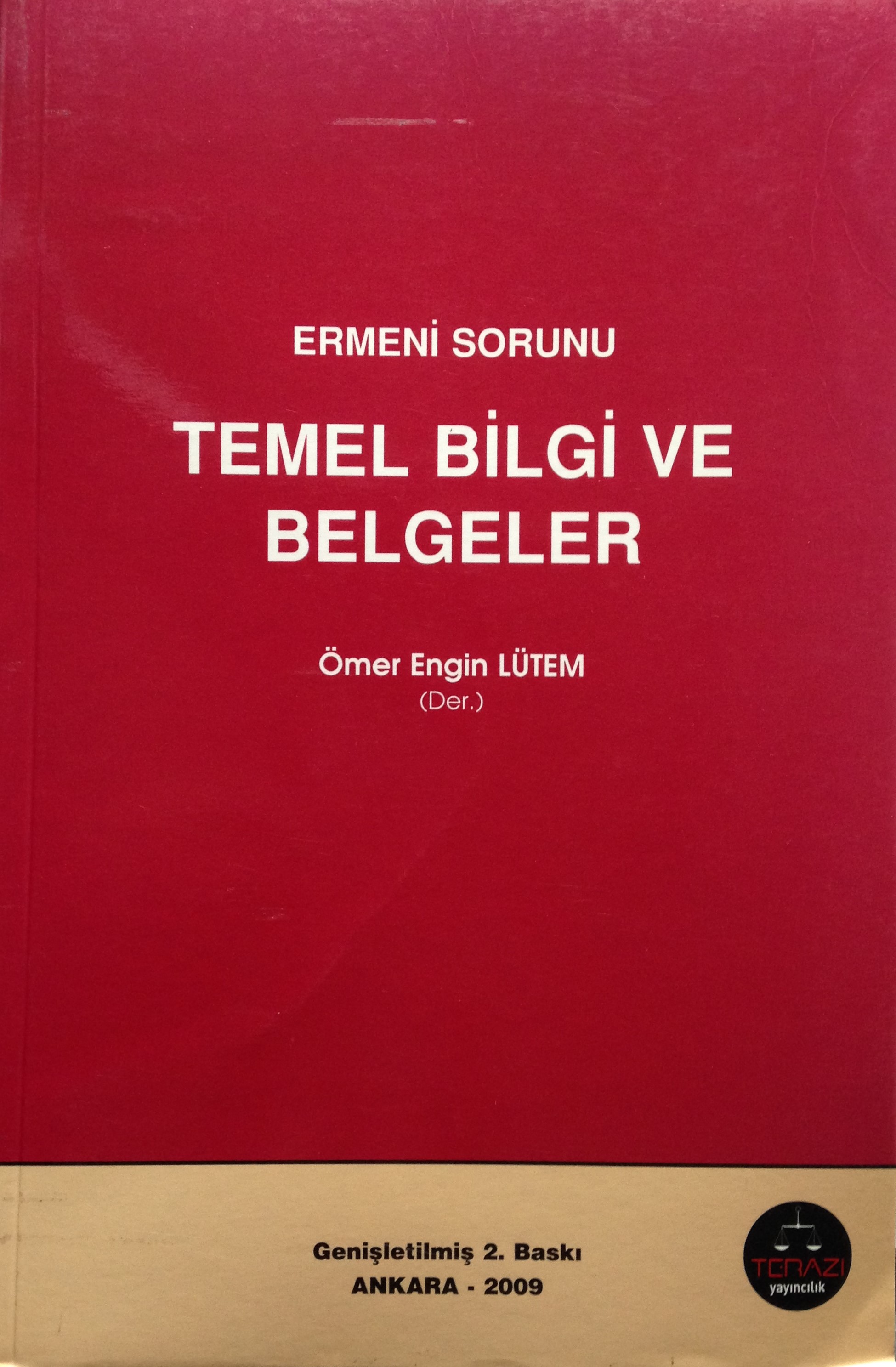
ERMENİ SORUNU - TEMEL BİLGİ VE BELGELER (2. BASKI)


-
AVİM Conference Hall 24.01.2023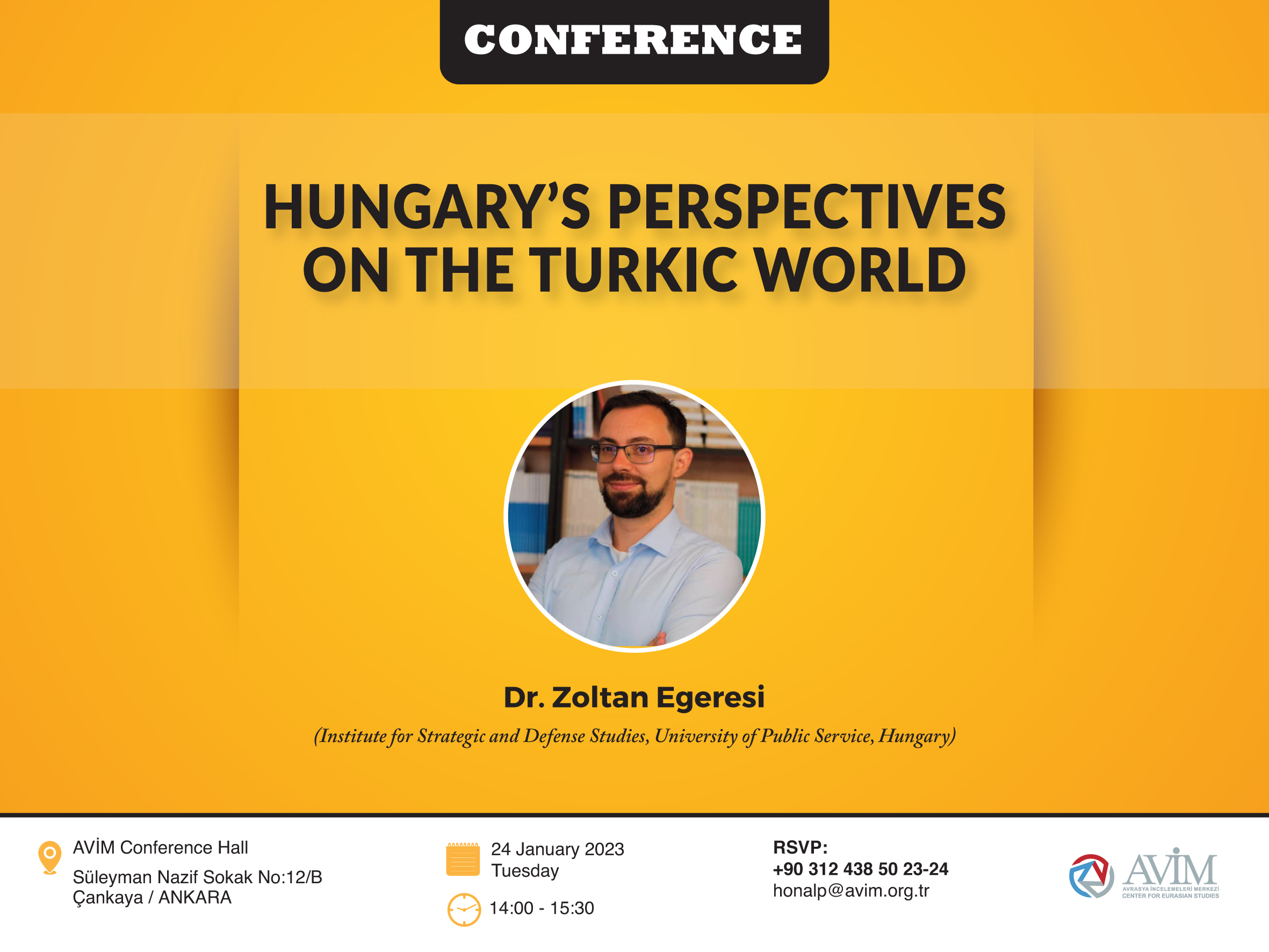
CONFERENCE TITLED “HUNGARY’S PERSPECTIVES ON THE TURKIC WORLD"