

















4 November 2014
Trend
The politicization of tourism by Armenia and using this sphere for political purposes is unacceptable and this shows that Armenia pursues the policy of annexation of Azerbaijan’s occupied territories, acting spokesperson of Azerbaijani Foreign Ministry Hikmet Hajiyev told Trend on Nov.4.
He was commenting on the Armenian media reports, which claimed that a stand dedicated to Nagorno-Karabakh is operating as part of Armenian pavilion at the World Travel Market exhibition in London.
However, the event's organizer Reed Exhibitions company said on Nov.3 that the separatist regime in Nagorno-Karabakh will in no case be represented at World Travel Market exhibition. The message came as a reply to the letter of Azerbaijani embassy in UK.
Hikmet Hajiyev said that Armenia, under various pretexts, tries to justify its failure by trying to present the separatist Nagorno-Karabakh regime and the so-called Karabakh Tourism Development Agency with a separate stand at international tourism exhibitions.
"The participation of the Nagorno-Karabakh regime created in Azerbaijan’s occupied territories at the international tourism exhibition in Italy’s Rimini was prevented,” he added.
Hajiyev said that by resorting to another provocative action and by creating a stand in the pavilion of Tourism Department of Armenia’s Economy Ministry, Armenian side tries to present this as presentation of tourism sphere of the Nagorno-Karabakh regime.
The conflict between the two South Caucasus countries began in 1988 when Armenia made territorial claims against Azerbaijan. As a result of the ensuing war, in 1992 Armenian armed forces occupied 20 percent of Azerbaijan, including the Nagorno-Karabakh region and seven surrounding districts.
The two countries signed a ceasefire agreement in 1994. The co-chairs of the OSCE Minsk Group, Russia, France and the US are currently holding peace negotiations.
Armenia has not yet implemented the UN Security Council's four resolutions on the liberation of the Nagorno-Karabakh and the surrounding regions.
…………..
NAGORNO-KARABAKH CONFLICT HARMS STABILITY OF REGION AND EUROPE
4 November 2014
Trend
The Nagorno-Karabakh conflict harms the stability of the region, as well as Europe, UK Minister of State for Europe David Lidington was quoted by "Novosti-Armenia" agency as saying at a joint press-conference with Armenian Foreign Minister Edward Nalbandian in Yerevan Nov. 3.
"The Nagorno-Karabakh conflict remains a source of concern for the United Kingdom," Lidington said
He said Great Britain attaches great importance to the efforts of the OSCE Minsk Group co-chairing countries in searching for a political solution to the Nagorno-Karabakh conflict.
"The international community must double assistance to the OSCE Minsk Group co-chairmen to stop the human tragedy of the conflict, which has been lasting for a very long time,” the minister said. “We want progress in the mediators’ actions."
The conflict between the two South Caucasus countries began in 1988 when Armenia made territorial claims against Azerbaijan. As a result of the ensuing war, in 1992 Armenian armed forces occupied 20 percent of Azerbaijan, including the Nagorno-Karabakh region and seven surrounding districts.
Armenia and Azerbaijan signed a ceasefire agreement in 1994. The co-chairs of the OSCE Minsk Group, Russia, France and the U.S. are currently holding peace negotiations. Armenia has not yet implemented four U.N. Security Council resolutions on the liberation of the Nagorno-Karabakh and the surrounding regions.
No comments yet.
- POLITICIZATION OF TOURISM BY ARMENIA UNACCEPTABLE The Caucasus and Turkish-Armenian Relations 04.11.2014
- IRAK SEEKS CLOSER SECURITY COOPERATION WITH IRAN Iraq 04.11.2014
- GREEKS SEEK STABILITY AHEAD OF PRESIDENTIAL ELECTION The Balkans 04.11.2014
- RUSSIA SNUBS NUCLEAR SECURITY MEETING Asia - Pacific 04.11.2014
- UK SUPPORTS NORMALIZATION OF ARMENIAN-TURKISH RELATIONS The Caucasus and Turkish-Armenian Relations 04.11.2014
-
25.01.2016
THE ARMENIAN QUESTION - BASIC KNOWLEDGE AND DOCUMENTATION -
12.06.2024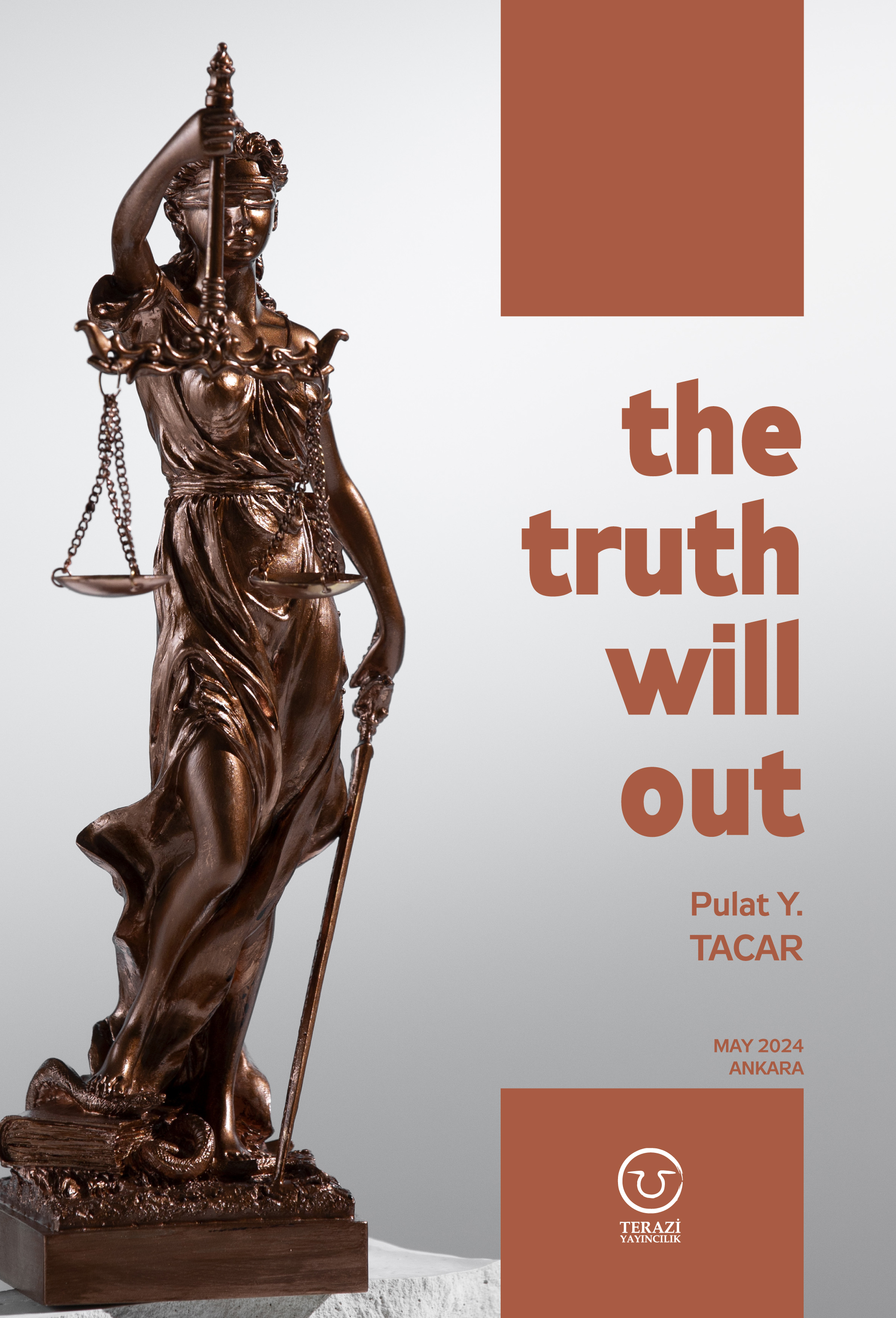
THE TRUTH WILL OUT -
27.03.2023
RADİKAL ERMENİ UNSURLARCA GERÇEKLEŞTİRİLEN MEZALİMLER VE VANDALİZM -
17.03.2023
PATRIOTISM PERVERTED -
23.02.2023
MEN ARE LIKE THAT -
03.02.2023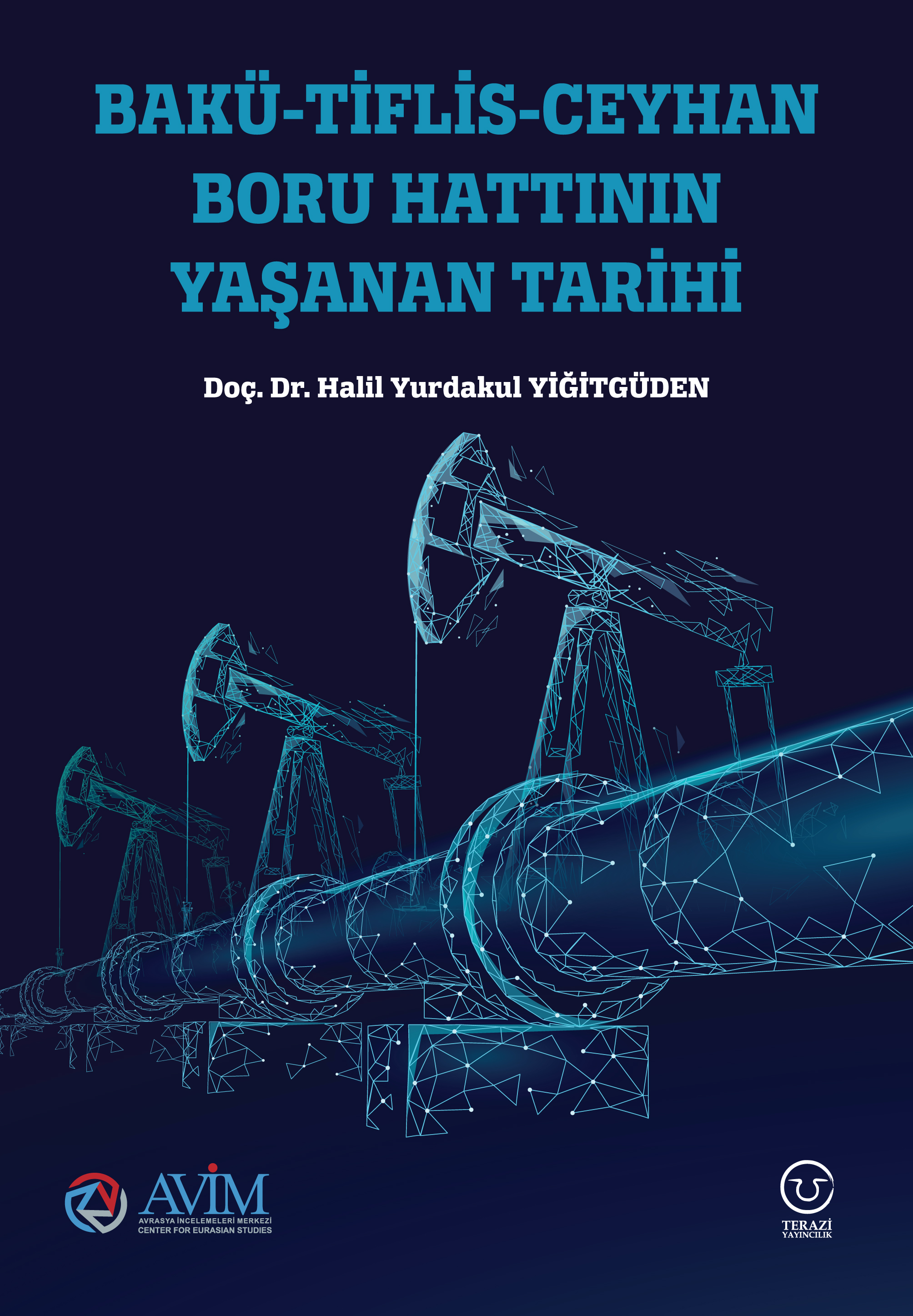
BAKÜ-TİFLİS-CEYHAN BORU HATTININ YAŞANAN TARİHİ -
16.12.2022
INTERNATIONAL SCHOLARS ON THE EVENTS OF 1915 -
07.12.2022
FAKE PHOTOS AND THE ARMENIAN PROPAGANDA -
07.12.2022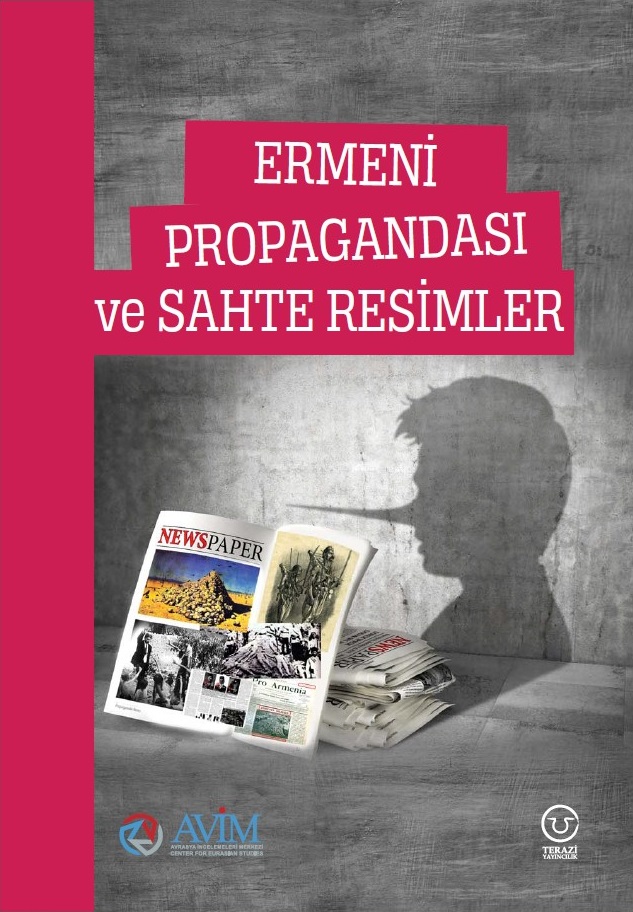
ERMENİ PROPAGANDASI VE SAHTE RESİMLER -
01.01.2022
A Letter From Japan - Strategically Mum: The Silence of the Armenians -
01.01.2022
Japonya'dan Bir Mektup - Stratejik Suskunluk: Ermenilerin Sessizliği -
03.06.2020
Anastas Mikoyan: Confessions of an Armenian Bolshevik -
08.04.2020
Sovyet Sonrası Ukrayna’da Devlet, Toplum ve Siyaset - Değişen Dinamikler, Dönüşen Kimlikler -
12.06.2018
Ermeni Sorunuyla İlgili İngiliz Belgeleri (1912-1923) - British Documents on Armenian Question (1912-1923) -
02.12.2016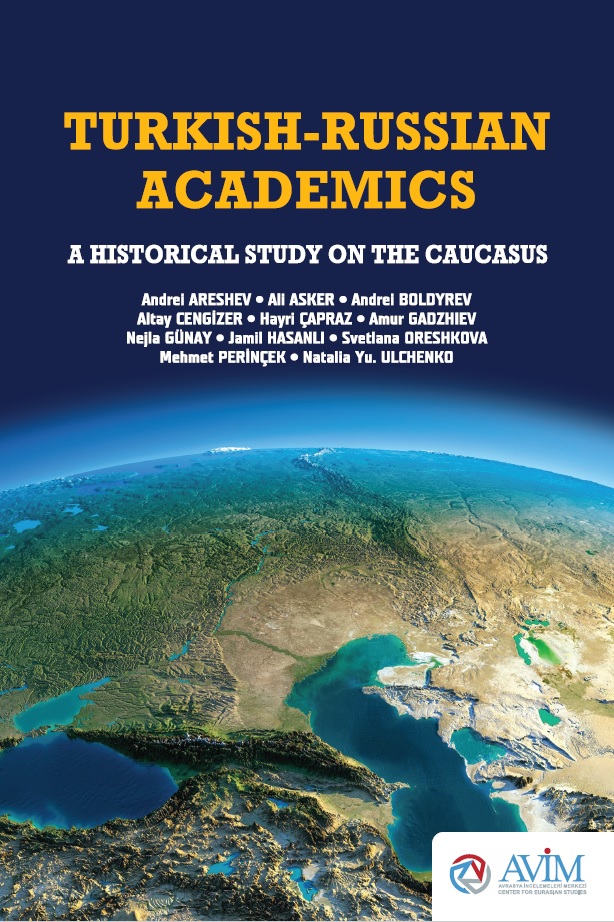
Turkish-Russian Academics: A Historical Study on the Caucasus -
01.07.2016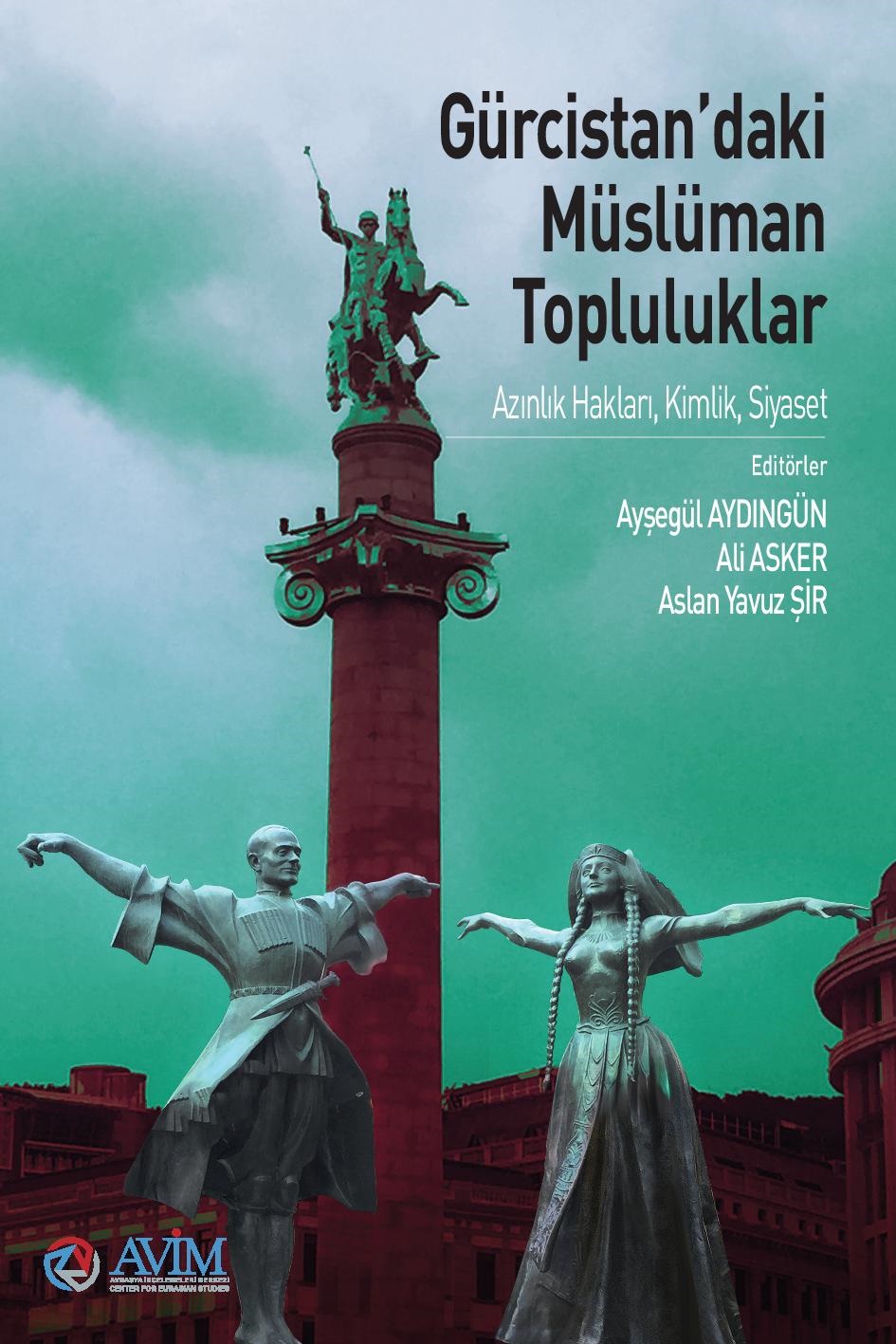
Gürcistan'daki Müslüman Topluluklar: Azınlık Hakları, Kimlik, Siyaset -
10.03.2016
Armenian Diaspora: Diaspora, State and the Imagination of the Republic of Armenia -
24.01.2016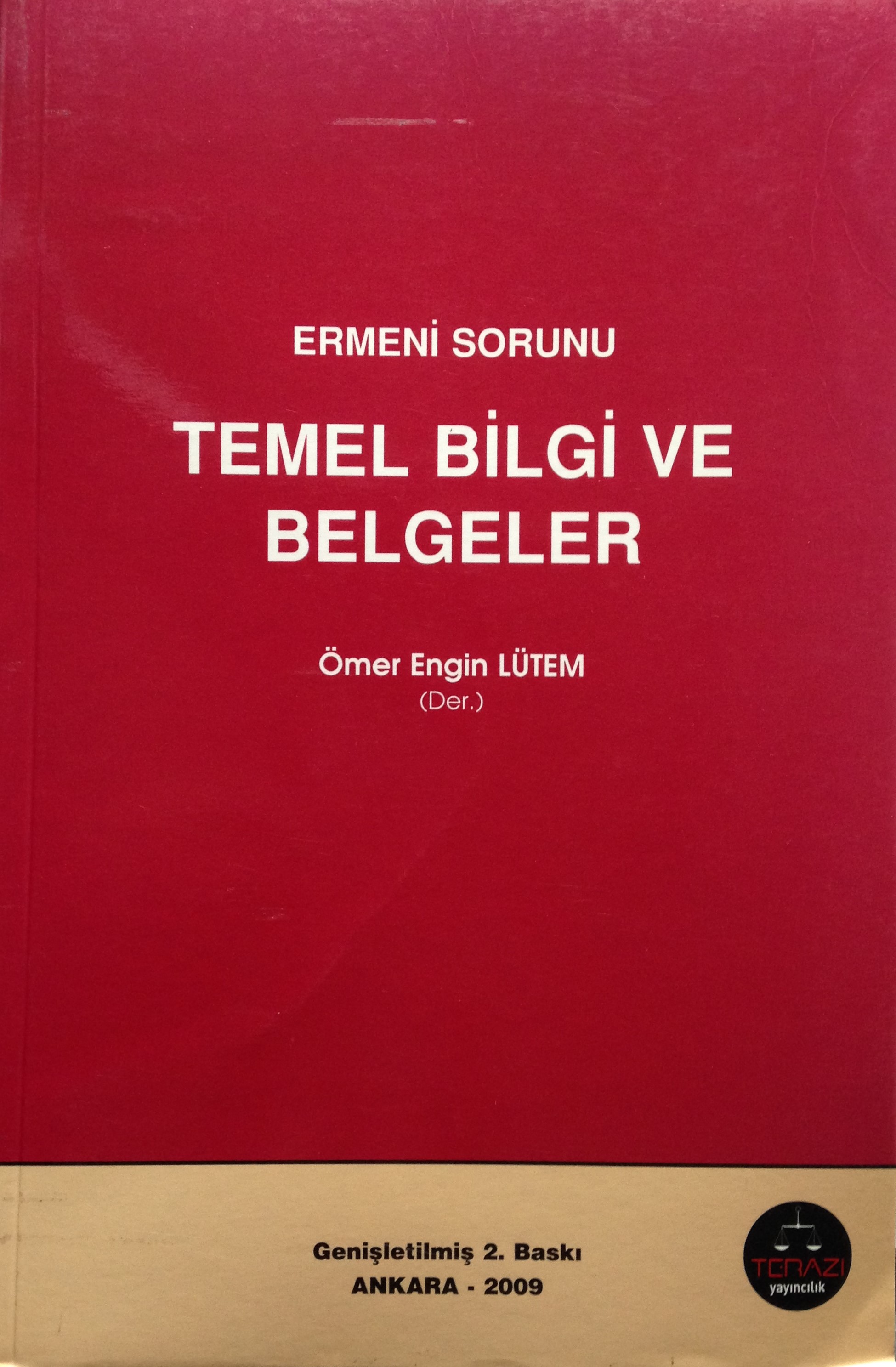
ERMENİ SORUNU - TEMEL BİLGİ VE BELGELER (2. BASKI)
-
AVİM Conference Hall 24.01.2023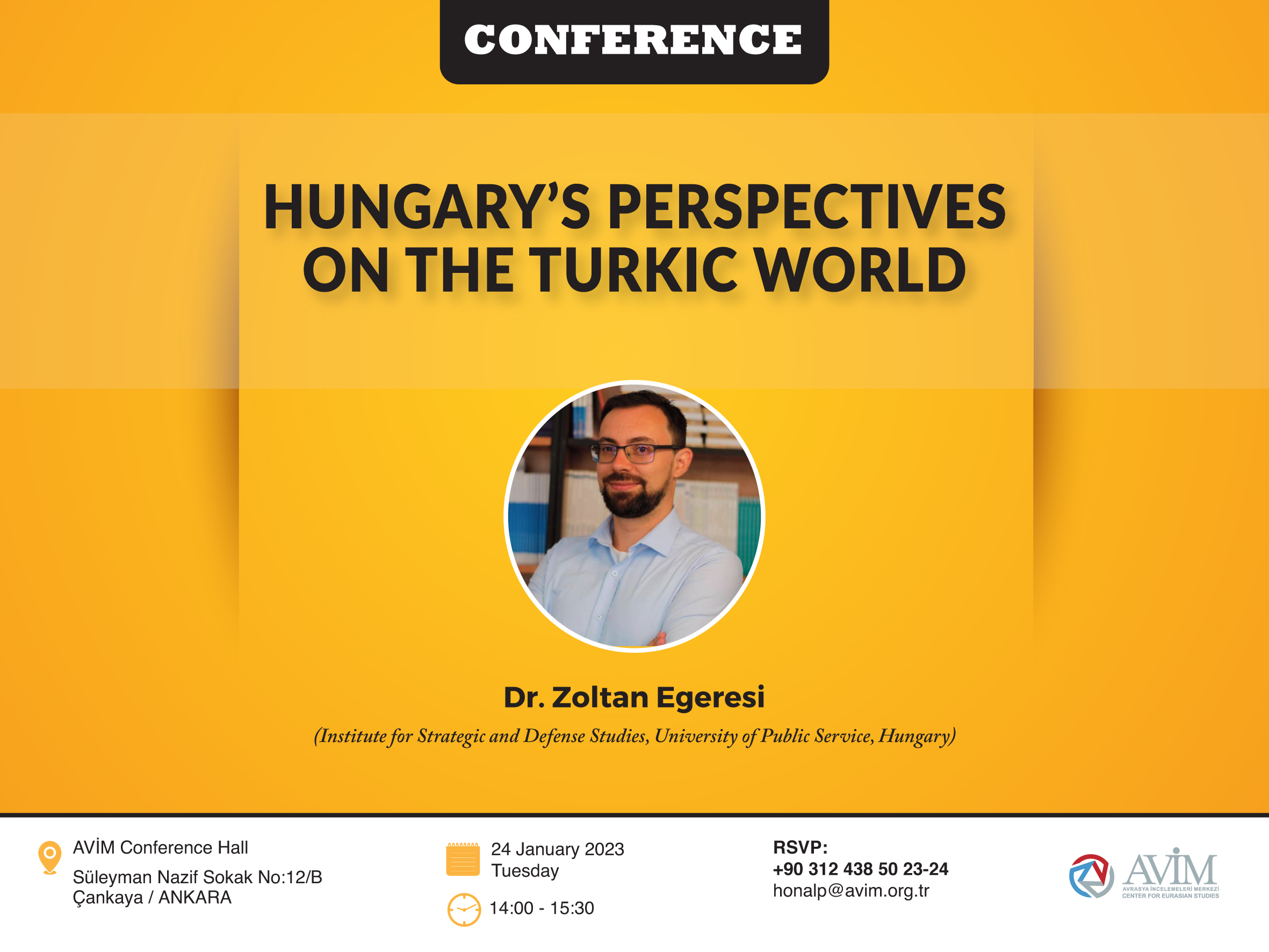
CONFERENCE TITLED “HUNGARY’S PERSPECTIVES ON THE TURKIC WORLD"