

















04.11.2014
SETimes
Prime Minister Antonis Samaras and his coalition partner PASOK have a scant majority in the parliament with 155 votes. They need 180 votes to get their still unnamed candidate elected president to replace President Karolos Papoulias, whose term is expiring next year.
In an effort to block the election of a president, the surging opposition Coalition of the Radical Left (SYRIZA) is forming alliances with parties opposed to the austerity measures that the Samaras government has imposed.
Furious exchanges between the ruling coalition and SYRIZA have ensued at a time when the EU-IMF-ECB troika is requesting the government to conclude about 700 unfinished reforms.
Maintaining a stable government and avoiding broad shifts in political power is critical for Greece, said Antonis Klapsis, the head of research at the Konstantinos Karamanlis Institute for Democracy in Athens.
"The constitution requires a qualified majority for the election in order to prevent the opposition from leading the country to snap elections. This is something that everybody should keep in mind before making their final decisions," Klapsis told SETimes.
But Klapsis also said SYRIZA seems to want national elections at all costs.
"If the country is dragged into elections because of the opposition, most importantly because of SYRIZA's insistence on rejecting any candidate for the presidency, then all the great achievements of the last years which were based on the sacrifices of Greek people may be jeopardised," Klapsis said.
Traditionally, the government has tried to find a neutral presidential candidate suitable to all parties, but this time it faces a popular rival leading in the polls between 6 and 11 percent, and one that promises to reverse the course of austerity if elected.
A recent poll showed that Greeks prefer electing a president, and said it should not be left to the parliament.
Troika analysts said they are worried SYRIZA will renege on the two rescue loan packages even though the party has not explained how it will rule if it comes to power.
Meanwhile, PASOK leader Evangelos Venizelos, who became a deputy prime minister and a foreign minister in return for backing the austerity measures, told his party's MPs to prepare for the government to fall.
"We have to be ready for the possibility that the country's progress will be halted so early elections can take place and that we will have to confront a populist and irresponsible attack," Venizelos said.
Despite that swipe at SYRIZA -- a party Venizelos vowed earlier to never work with -- he now said he would consider joining a coalition if the left wins the next parliamentary elections.
The presidency's prestige as a symbol of national unity will be strengthened if the election is removed from partisan politics, said Stan Draenos, a historian and political analyst in Athens.
"That is hard to do given the tradition of partisanship across the political spectrum driven by a 'winner takes it all' mentality," Draenos told SETimes.
Draenos also said partisan politics is precisely the reason why many advocate direct election of the president.
Caught between the Troika demands and the need to reach out to a frustrated electorate, Samaras issued promises to undo some of the tax increases, pay and pension cuts and worker firings that have decimated popular support for his party.
In a bid to derail SYRIZA, the ruling coalition is also mulling whether to nominate Democratic Left (DIMAR) leader Fotis Kouvelis as a presidential candidate.
Kouvelis served in the administration until pulling out last year in a dispute over the firing of public workers.
But recent polls showed popular support for Kouvelis' party is at 0.5 percent.
The government's efforts are made more difficult given that a prosecutor is investigating claims, made by SYRIZA MPs that entrepreneurs close to the government gathered money to bribe MPs into backing the coalition's presidential candidate.
Samaras felt the necessity to address the public with an opinion piece in Kathimerini.
"Greece is moving forward. There is no going backward. Nobody wants it, nobody can take it. And we will not allow it. The country must elect a new president through the parliament and accelerate the return to growth," he said.
Should the parliament elect the president in Greece? Share your opinion in the comments section.
This content was commissioned for SETimes.com.
By Andy Dabilis for Southeast European Times in Athens
http://www.setimes.com/cocoon/setimes/xhtml/en_GB/features/setimes/features/2014/11/04/feature-01
No comments yet.
- IMF SAYS KAZAKHSTAN CAN SHIELD CURRENCY FROM DEVALUATION Asia - Pacific 04.11.2014
- ARMENIANS VIOLATED CEASEFIRE WITH AZERBAIJAN 253 TIMES IN OCTOBER The Caucasus and Turkish-Armenian Relations 04.11.2014
- IRAK SEEKS CLOSER SECURITY COOPERATION WITH IRAN Iraq 04.11.2014
- RENZI CONTINUES ROW WITH NEW EU COMMISSION CHIEF Europe - EU 04.11.2014
- SAUDI ARABIA VOWS TO REOPEN BAGHDAD MISSION: IRAQ FM Iraq 04.11.2014
-
25.01.2016
THE ARMENIAN QUESTION - BASIC KNOWLEDGE AND DOCUMENTATION -
12.06.2024
THE TRUTH WILL OUT -
27.03.2023
RADİKAL ERMENİ UNSURLARCA GERÇEKLEŞTİRİLEN MEZALİMLER VE VANDALİZM -
17.03.2023
PATRIOTISM PERVERTED -
23.02.2023
MEN ARE LIKE THAT -
03.02.2023
BAKÜ-TİFLİS-CEYHAN BORU HATTININ YAŞANAN TARİHİ -
16.12.2022
INTERNATIONAL SCHOLARS ON THE EVENTS OF 1915 -
07.12.2022
FAKE PHOTOS AND THE ARMENIAN PROPAGANDA -
07.12.2022
ERMENİ PROPAGANDASI VE SAHTE RESİMLER -
01.01.2022
A Letter From Japan - Strategically Mum: The Silence of the Armenians -
01.01.2022
Japonya'dan Bir Mektup - Stratejik Suskunluk: Ermenilerin Sessizliği -
03.06.2020
Anastas Mikoyan: Confessions of an Armenian Bolshevik -
08.04.2020
Sovyet Sonrası Ukrayna’da Devlet, Toplum ve Siyaset - Değişen Dinamikler, Dönüşen Kimlikler -
12.06.2018
Ermeni Sorunuyla İlgili İngiliz Belgeleri (1912-1923) - British Documents on Armenian Question (1912-1923) -
02.12.2016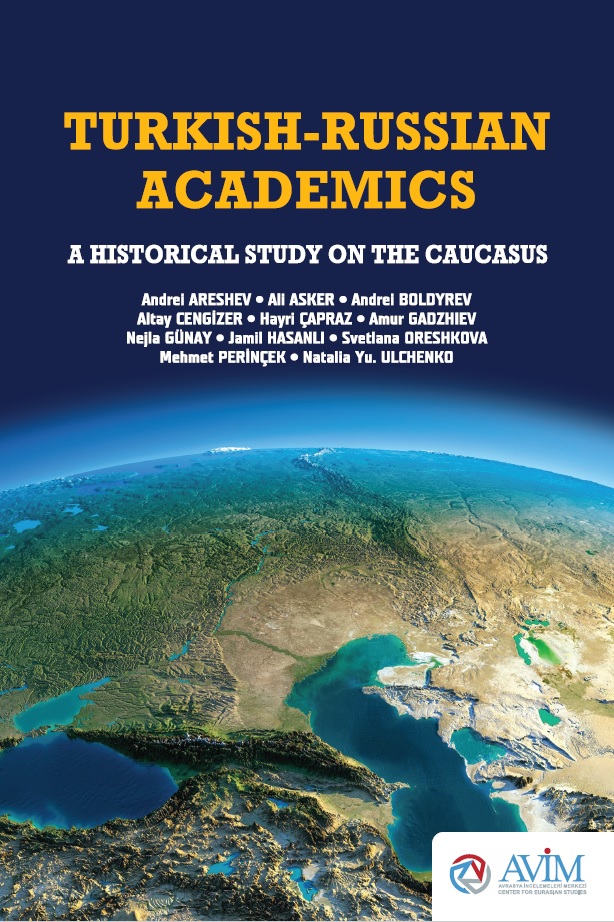
Turkish-Russian Academics: A Historical Study on the Caucasus -
01.07.2016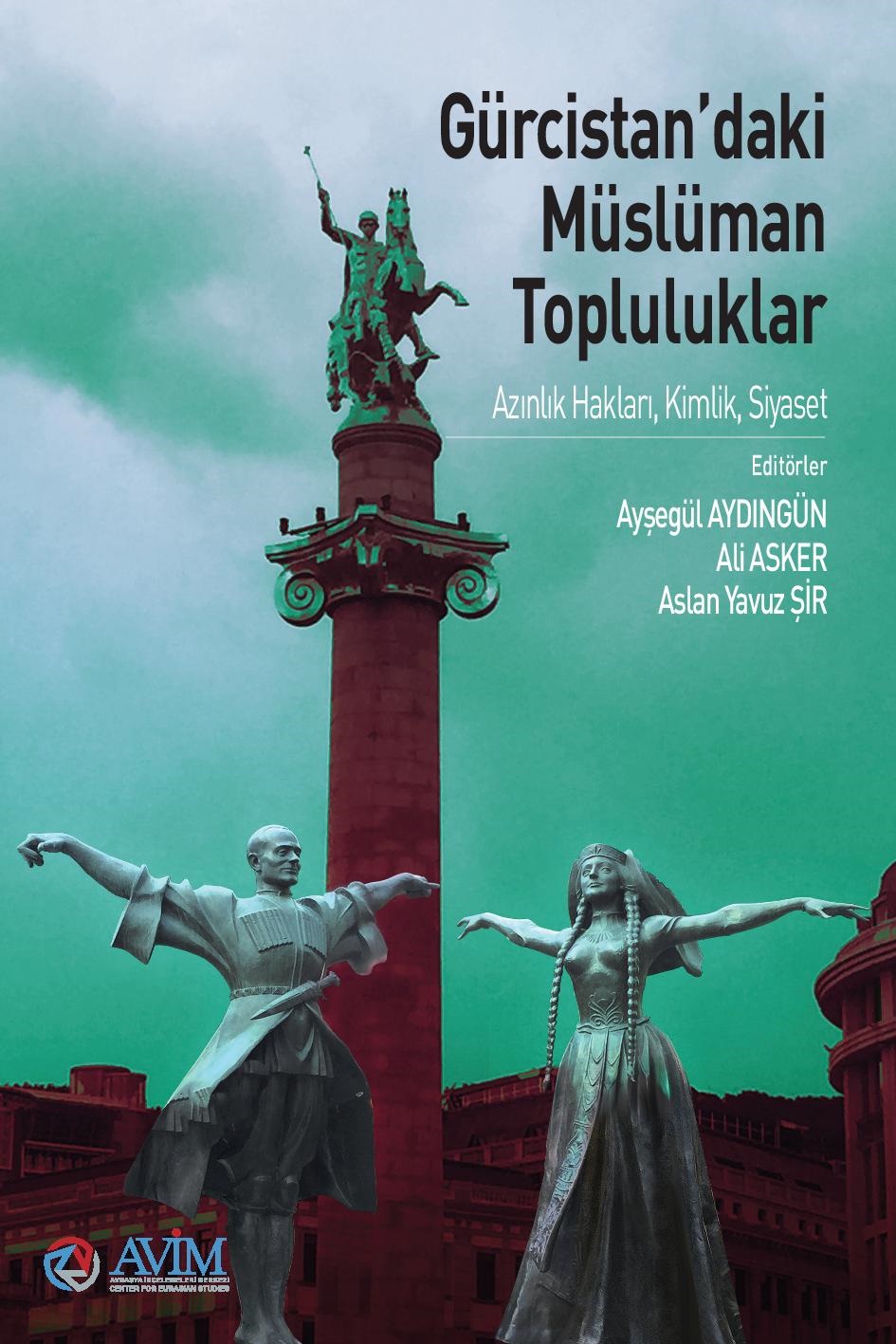
Gürcistan'daki Müslüman Topluluklar: Azınlık Hakları, Kimlik, Siyaset -
10.03.2016
Armenian Diaspora: Diaspora, State and the Imagination of the Republic of Armenia -
24.01.2016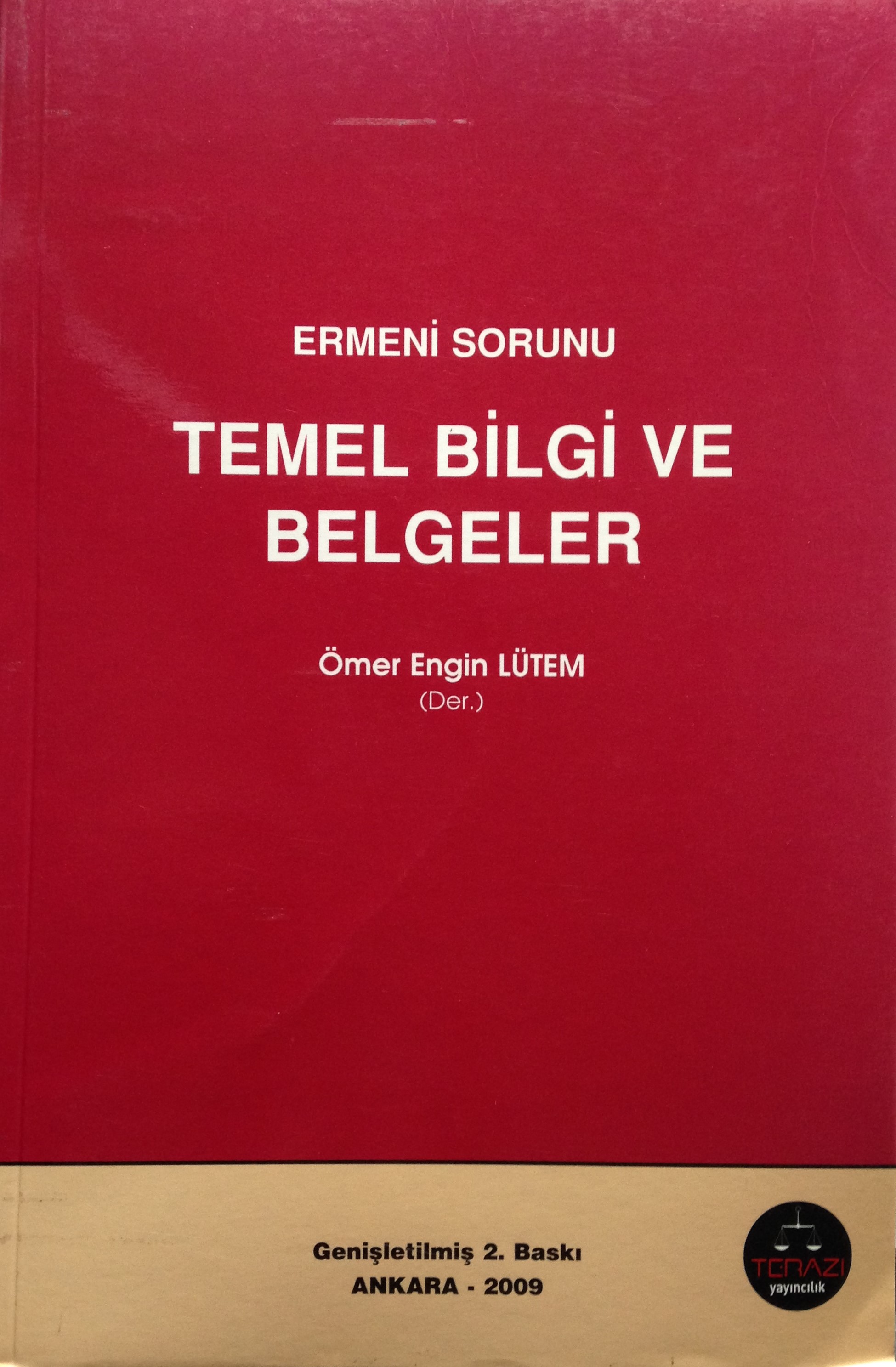
ERMENİ SORUNU - TEMEL BİLGİ VE BELGELER (2. BASKI)

-
AVİM Conference Hall 24.01.2023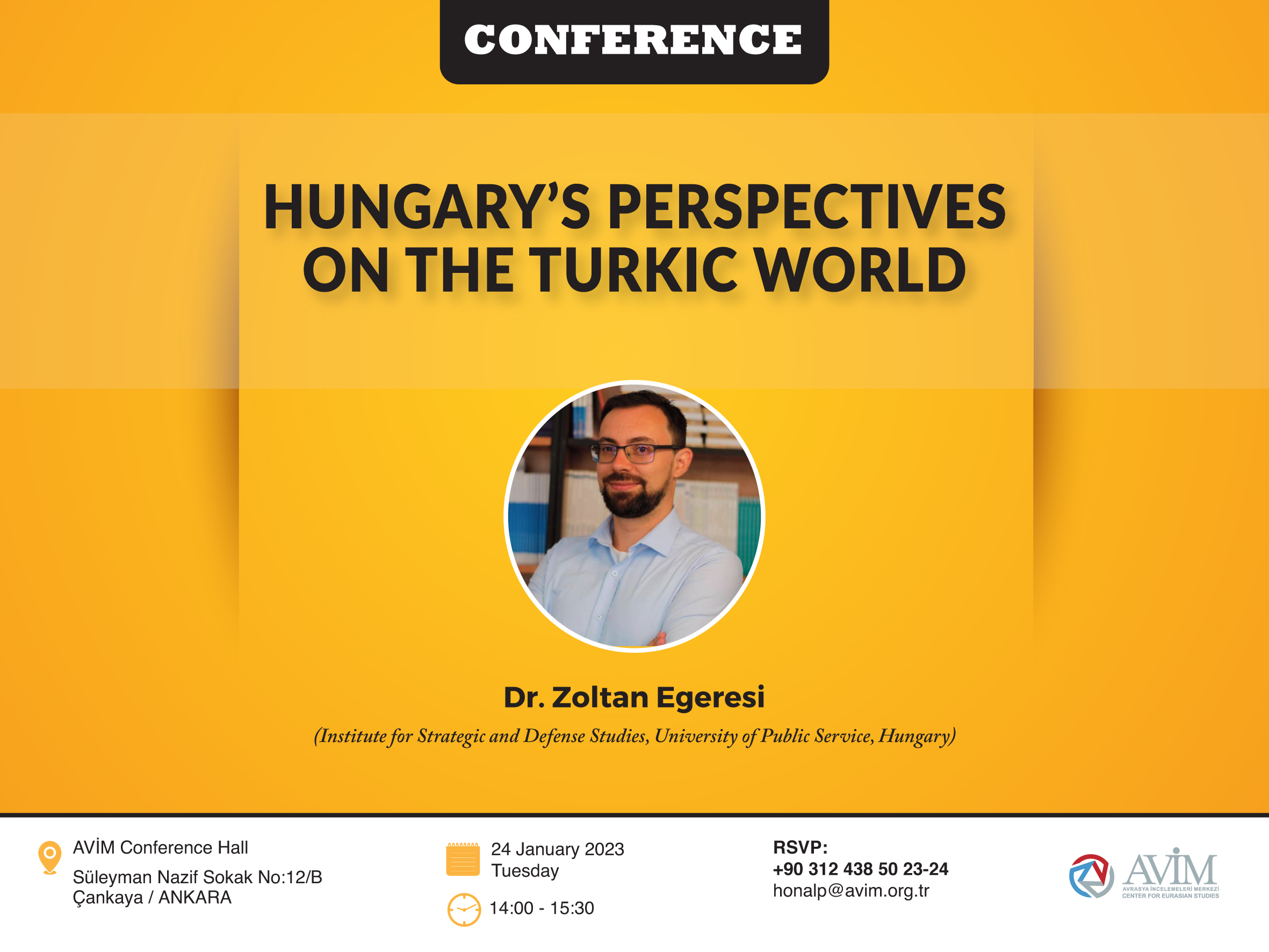
CONFERENCE TITLED “HUNGARY’S PERSPECTIVES ON THE TURKIC WORLD"