

















Bloomberg 05/11/2014
The Kazakh central bank, which has faced questions about devaluing the national currency for a second time this year, can manage the tenge without putting it under “new stress,” the International Monetary Fund said.
“I don’t think a new devaluation will necessarily be a good thing,” Juha Kahkonen, deputy director of the IMF’s Middle East and Central Asia department, said yesterday in an interview in the Kazakh commercial capital of Almaty. “Certainly Kazakhstan has reserves to handle any short-term fluctuations.”
The tenge, closely managed by the central bank, has strengthened in seven of the past eight months against the dollar after a 19 percent devaluation in February. Kazakhstan has no plans to devalue it in response to the falling price of oil, the country’s chief export, and a weaker Russian currency, central bank Chairman Kairat Kelimbetov said Oct. 21.
While Russia is the main factor for pressure on the tenge, “some weakness” in exports to China is also weighing on the currency, Kahkonen said. As the central bank discusses its currency management, it should also be mindful of the high level of dollarization in the Kazakh economy, according to Kahkonen.
‘More Flexibility’
“If the exchange rate moves a lot, it will create issues for borrowers and lenders,” he said, urging the central bank to show more flexibility in steering the tenge. “It’s a gradual process and certainly will take some years.”
The ruble has been plunging as capital flees the country, even after the central bank increased interest rates last week amid a standoff with the U.S. and its allies over the conflict in Ukraine.
The tenge is trading near the strongest level against the ruble in more than four years. It was little changed at 4.1454 against the Russian currency as of 4:30 p.m. in Almaty after gaining 1.3 percent yesterday, according to data compiled by Bloomberg.
There’s “little evidence” that the tenge is overvalued, Jacob Nell and Alina Slyusarchuk, analysts at Morgan Stanley, said today in an e-mailed note, predicting a “gentle pace of appreciation” against the dollar. Kazakhstan’s stronger finances and a better outlook for its oil industry explain why the tenge should appreciate against the ruble, they said.
Better Protection
“We expect Kazakh oil production and exports to grow strongly, while in Russia we see production as broadly flat and exports likely to decline slightly,” they said. “In addition, we see Kazakhstan as having more protection against a lower oil price than Russia.”
A further drop in the price of oil, a continued “sharp weakening” of the ruble and an uptick in the inflation rate are among the main risks for tenge, according to Morgan Stanley, which predicts the Kazakh currency will trade at 179 tenge per dollar by the end of this year and 184 at end-2015.
Kazakhstan’s central bank widened the tenge’s trading corridor in September to allow for more appreciation against the dollar. It pledged to keep the tenge between 188 and 170 per greenback. Its previous target was 185 per dollar, with a range of 3 tenge on either side. The Kazakh currency traded little changed at 180.90 per dollar today.
Kazakhstan is at risk of importing inflation from Russia, which is buying more goods in central Asia, “but so far inflation pressure has been very contained,” Kahkonen said.
Consumer prices rose 7.6 percent in October, the most in almost three years.
The central bank must introduce a single policy rate to “improve the transmission of monetary policy into the real sector,” Kahkonen said.
“There is no single effective interest rate, which the central bank can use to signal its stance on monetary policy,” he said. The regulator also needs to show “flexibility with the exchange rate over time in an orderly fashion, so that in the medium to longer term Kazakhstan can move to inflation targeting.”
No comments yet.
- AZERBAIJAN'S INTERESTS MUST BE CONSIDERED IN RESTORATION OF TURKEY-ARMENIA RELATIONS The Caucasus and Turkish-Armenian Relations 04.11.2014
- IMF PREDICTS ECONOMICS SLOWDOWNS IN CAUCASUS, CENTRAL ASIA Asia - Pacific 04.11.2014
- IRAQ CONFIRMS ISIS MASSACRE OF SUNNI TRIBE Iraq 04.11.2014
- CROATIA TO EXPLORE FOR OIL, GAS IN ADRIATIC The Balkans 04.11.2014
- POLITICIZATION OF TOURISM BY ARMENIA UNACCEPTABLE The Caucasus and Turkish-Armenian Relations 04.11.2014
-
25.01.2016
THE ARMENIAN QUESTION - BASIC KNOWLEDGE AND DOCUMENTATION -
12.06.2024
THE TRUTH WILL OUT -
27.03.2023
RADİKAL ERMENİ UNSURLARCA GERÇEKLEŞTİRİLEN MEZALİMLER VE VANDALİZM -
17.03.2023
PATRIOTISM PERVERTED -
23.02.2023
MEN ARE LIKE THAT -
03.02.2023
BAKÜ-TİFLİS-CEYHAN BORU HATTININ YAŞANAN TARİHİ -
16.12.2022
INTERNATIONAL SCHOLARS ON THE EVENTS OF 1915 -
07.12.2022
FAKE PHOTOS AND THE ARMENIAN PROPAGANDA -
07.12.2022
ERMENİ PROPAGANDASI VE SAHTE RESİMLER -
01.01.2022
A Letter From Japan - Strategically Mum: The Silence of the Armenians -
01.01.2022
Japonya'dan Bir Mektup - Stratejik Suskunluk: Ermenilerin Sessizliği -
03.06.2020
Anastas Mikoyan: Confessions of an Armenian Bolshevik -
08.04.2020
Sovyet Sonrası Ukrayna’da Devlet, Toplum ve Siyaset - Değişen Dinamikler, Dönüşen Kimlikler -
12.06.2018
Ermeni Sorunuyla İlgili İngiliz Belgeleri (1912-1923) - British Documents on Armenian Question (1912-1923) -
02.12.2016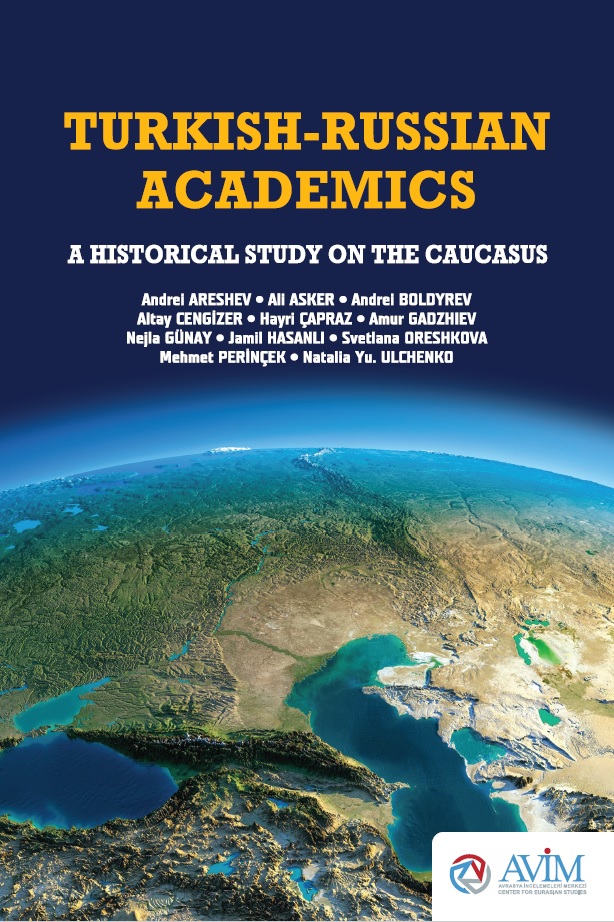
Turkish-Russian Academics: A Historical Study on the Caucasus -
01.07.2016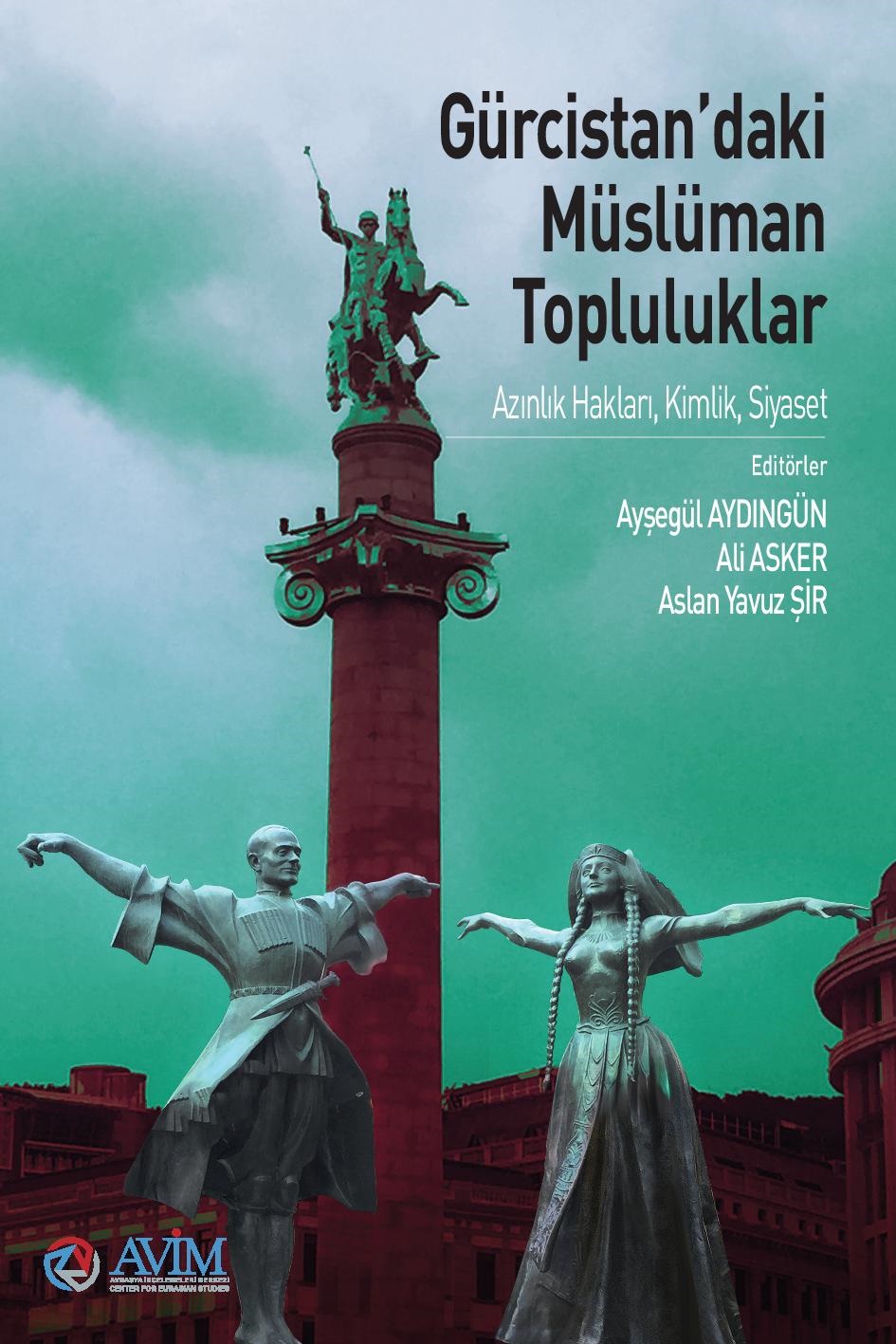
Gürcistan'daki Müslüman Topluluklar: Azınlık Hakları, Kimlik, Siyaset -
10.03.2016
Armenian Diaspora: Diaspora, State and the Imagination of the Republic of Armenia -
24.01.2016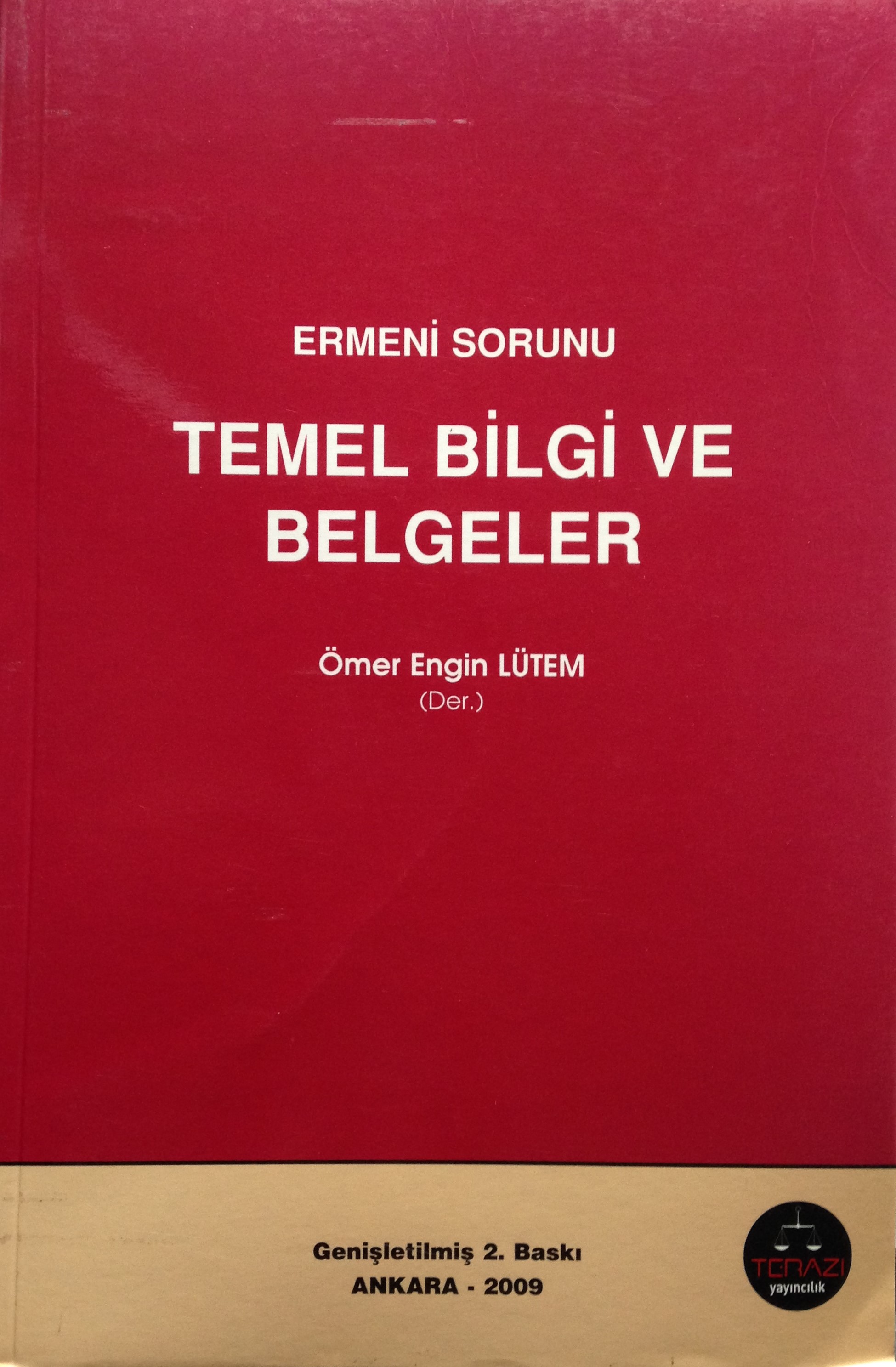
ERMENİ SORUNU - TEMEL BİLGİ VE BELGELER (2. BASKI)
-
AVİM Conference Hall 24.01.2023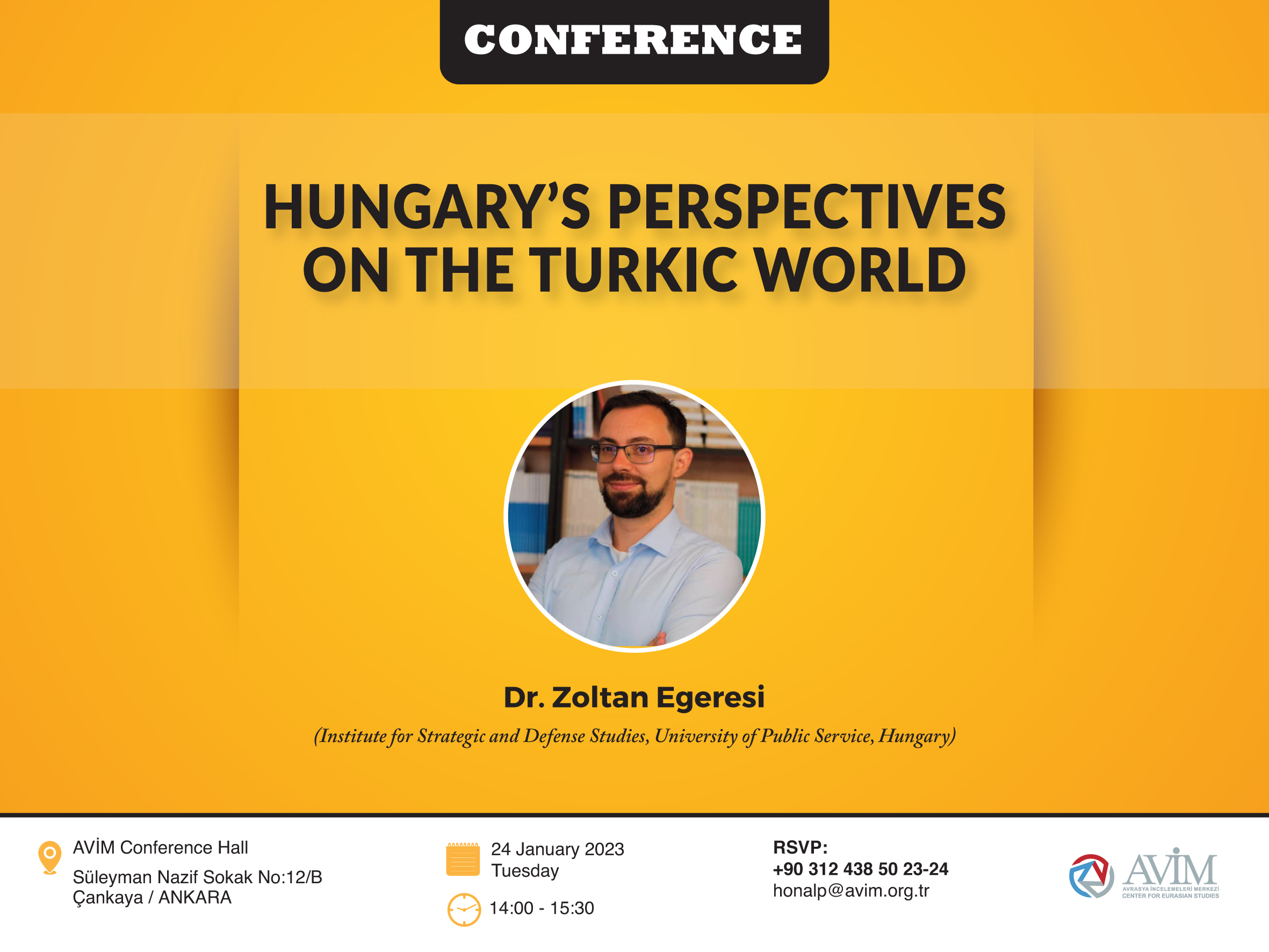
CONFERENCE TITLED “HUNGARY’S PERSPECTIVES ON THE TURKIC WORLD"