

















22 June 2017
APA
There is a lack of security in the South Caucasus region, at the root of which lies the Armenia-Azerbaijan Nagorno-Karabakh conflict, Hikmat Hajiyev, spokesman for Azerbaijan’s Ministry of Foreign Affairs said at an international public forum titled “Armenia’s occupation policy: security in the region and humanitarian disaster.”
The spokesman made a speech on the settlement process of the Nagorno-Karabakh conflict.
The international public conference was co-organized by the Research Center for International Relations and the State Council of Support to Non-Governmental Organizations under the President of the Republic of Azerbaijan in Baku on June 22, APA reported.
Hajiyev noted that the ceasefire should create conditions for a peaceful settlement of the conflict.
“However, Armenia uses the ceasefire regime as an artificial factor. The situation resembles trench warfare and the Second World War,” he said, stressing that Armenia has not changed its strategy over the past 25 years.
“They [Armenians] are trying to prolong the occupation of our lands and ensure that the negotiations of the parties have only a protocol nature,” he said.
Hajiyev added that Azerbaijan stands for substantive talks on the conflict resolution.
He reminded that the presidents of Azerbaijan and Armenia had substantive talks during the Saint Petersburg meeting.
In first place, according to the spokesman, Armenian troops must withdraw from Azerbaijan’s occupied lands.
Hajiyev said that Azerbaijan has been facing a major humanitarian catastrophe throughout the last 25 years, with a million refugees and internally displaced persons.
"The status quo is primarily based on military aggression. The co-chairs of the OSCE Minsk Group visited the region again. There is a public discontent in Azerbaijan about the co-chairs’ visits to the region. They’d better draw conclusions from this,” he added.
The spokesman said that in their statement, the co-chairs called on the sides to hold substantive talks and demonstrate political will.
“The Armenian side should take this into account. As can be inferred from the latest statements by Armenian officials, Armenia does not have a constructive position,” Hajiyev said. “Yesterday the US Department of State also called on the sides to resume substantive talks.”
He went on to say: “The Helsinki Final Act outlines non-use of force, territorial integrity, and people's right to self-determination. Armenian military presence in the occupied lands is a threat of force. Azerbaijan's community must return to Nagorno-Karabakh and the status of Nagorno-Karabakh should be resolved within the territorial integrity of Azerbaijan after the return of the Azerbaijani community. Armenia needs to understand it. Azerbaijan will never accept the violation of its territorial integrity.”
The Nagorno-Karabakh conflict entered its modern phase when the Armenian SRR made territorial claims against the Azerbaijani SSR in 1988.
A fierce war broke out between Azerbaijan and Armenia over the Nagorno-Karabakh region of Azerbaijan. As a result of the war, Armenian armed forces occupied some 20 percent of Azerbaijani territory which includes Nagorno-Karabakh and seven adjacent districts (Lachin, Kalbajar, Aghdam, Fuzuli, Jabrayil, Gubadli and Zangilan), and over a million Azerbaijanis became refugees and internally displaced people.
The military operations finally came to an end when Azerbaijan and Armenia signed a ceasefire agreement in Bishkek in 1994.
Dealing with the settlement of the Nagorno-Karabakh conflict is the OSCE Minsk Group, which was created after the meeting of the CSCE (OSCE after the Budapest summit held in December 1994) Ministerial Council in Helsinki on 24 March 1992. The Group’s members include Azerbaijan, Armenia, Russia, the United States, France, Italy, Germany, Turkey, Belarus, Finland and Sweden.
Besides, the OSCE Minsk Group has a co-chairmanship institution, comprised of Russian, the US and French co-chairs, which began operating in 1996.
Resolutions 822, 853, 874 and 884 of the UN Security Council, which were passed in short intervals in 1993, and other resolutions adopted by the UN General Assembly, PACE, OSCE, OIC, and other organizations require Armenia to unconditionally withdraw its troops from Nagorno-Karabakh.
No comments yet.
- MFA SPOKESMAN: OSCE MG CO-CHAIRS SHOULD DRAW CONCLUSIONS PUBLIC DISCONTENT IN AZERBAIJAN The Caucasus and Turkish-Armenian Relations 22.06.2017
- AFGHANISTAN OPPOSES BORDER FENCING BY PAKISTAN Asia - Pacific 22.06.2017
-
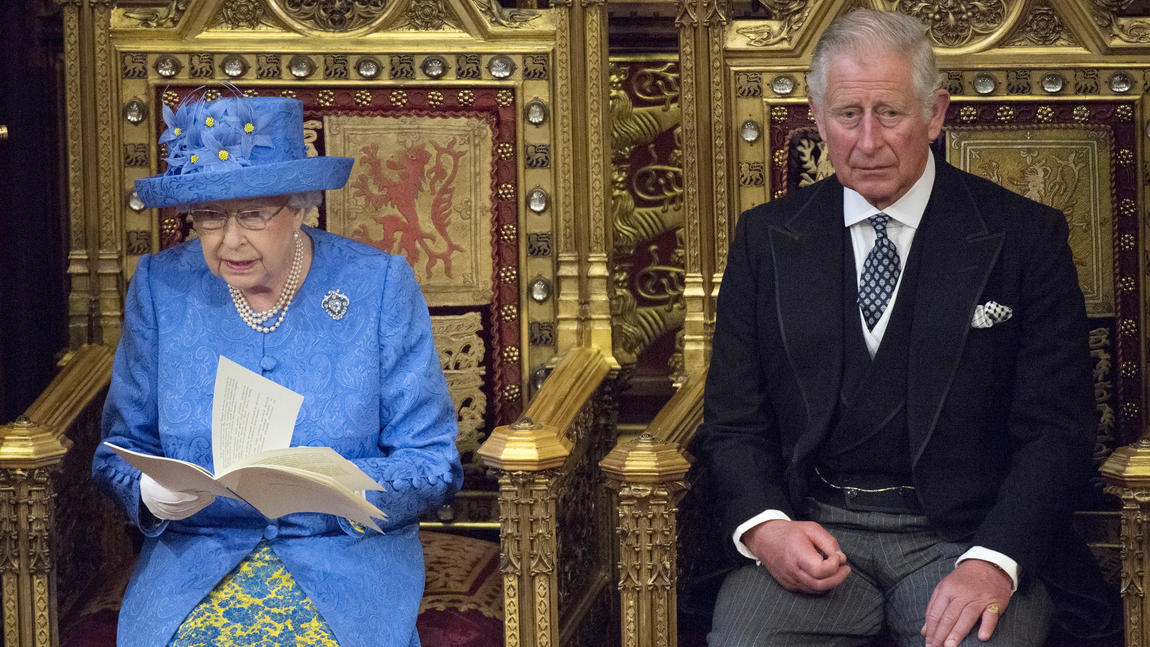 QUEEN ELIZABETH OUTLINES U.K. GOVERNMENT AGENDA IN SCALED-DOWN SPEECH TO PARLIAMENT
Europe - EU
22.06.2017
QUEEN ELIZABETH OUTLINES U.K. GOVERNMENT AGENDA IN SCALED-DOWN SPEECH TO PARLIAMENT
Europe - EU
22.06.2017
- NEW GOVERNMENT OF KOSOVO WILL HAVE FEWER MINISTRIES The Balkans 22.06.2017
- VUCIC'S INAUGURATION: FROM CSTO TO NATO, ROGOZIN TO YEE The Balkans 22.06.2017
-
25.01.2016
THE ARMENIAN QUESTION - BASIC KNOWLEDGE AND DOCUMENTATION -
12.06.2024
THE TRUTH WILL OUT -
27.03.2023
RADİKAL ERMENİ UNSURLARCA GERÇEKLEŞTİRİLEN MEZALİMLER VE VANDALİZM -
17.03.2023
PATRIOTISM PERVERTED -
23.02.2023
MEN ARE LIKE THAT -
03.02.2023
BAKÜ-TİFLİS-CEYHAN BORU HATTININ YAŞANAN TARİHİ -
16.12.2022
INTERNATIONAL SCHOLARS ON THE EVENTS OF 1915 -
07.12.2022
FAKE PHOTOS AND THE ARMENIAN PROPAGANDA -
07.12.2022
ERMENİ PROPAGANDASI VE SAHTE RESİMLER -
01.01.2022
A Letter From Japan - Strategically Mum: The Silence of the Armenians -
01.01.2022
Japonya'dan Bir Mektup - Stratejik Suskunluk: Ermenilerin Sessizliği -
03.06.2020
Anastas Mikoyan: Confessions of an Armenian Bolshevik -
08.04.2020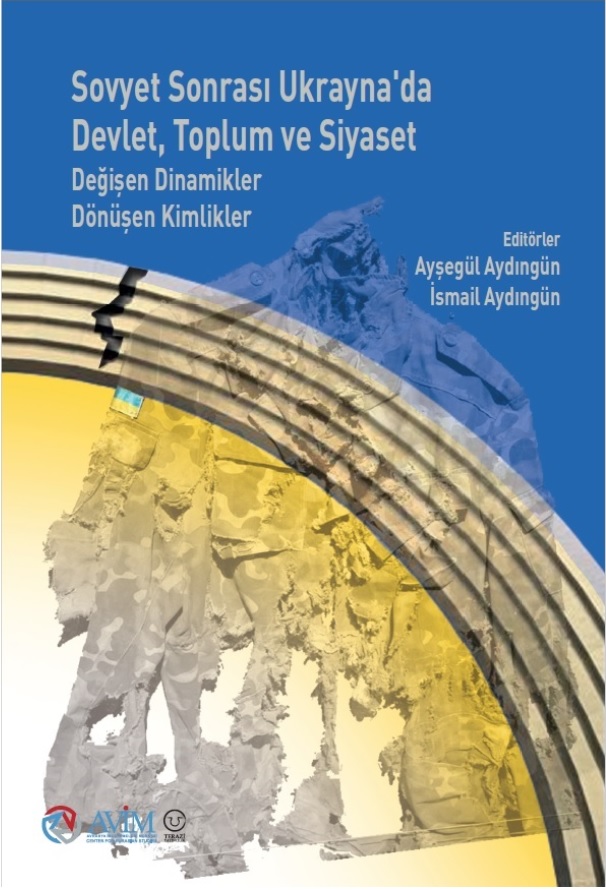
Sovyet Sonrası Ukrayna’da Devlet, Toplum ve Siyaset - Değişen Dinamikler, Dönüşen Kimlikler -
12.06.2018
Ermeni Sorunuyla İlgili İngiliz Belgeleri (1912-1923) - British Documents on Armenian Question (1912-1923) -
02.12.2016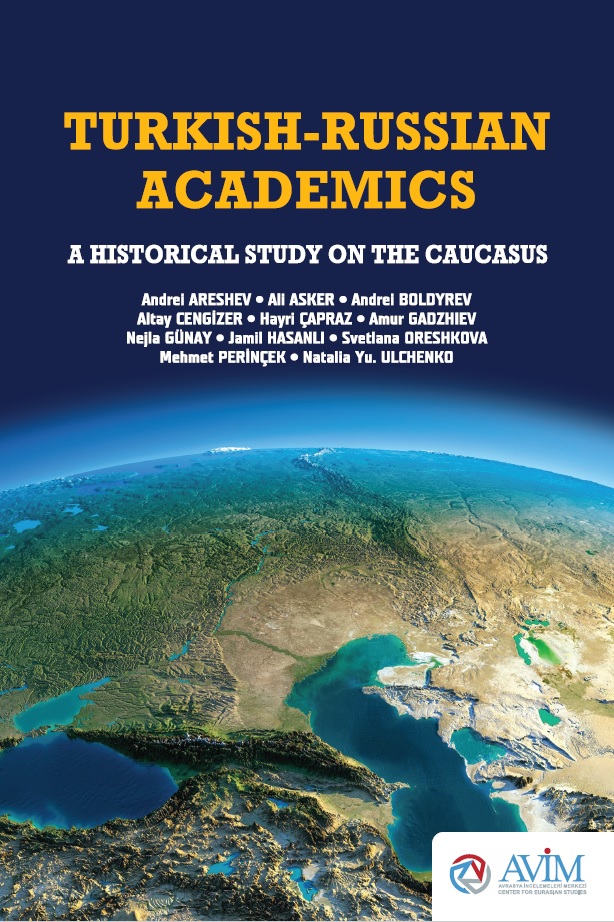
Turkish-Russian Academics: A Historical Study on the Caucasus -
01.07.2016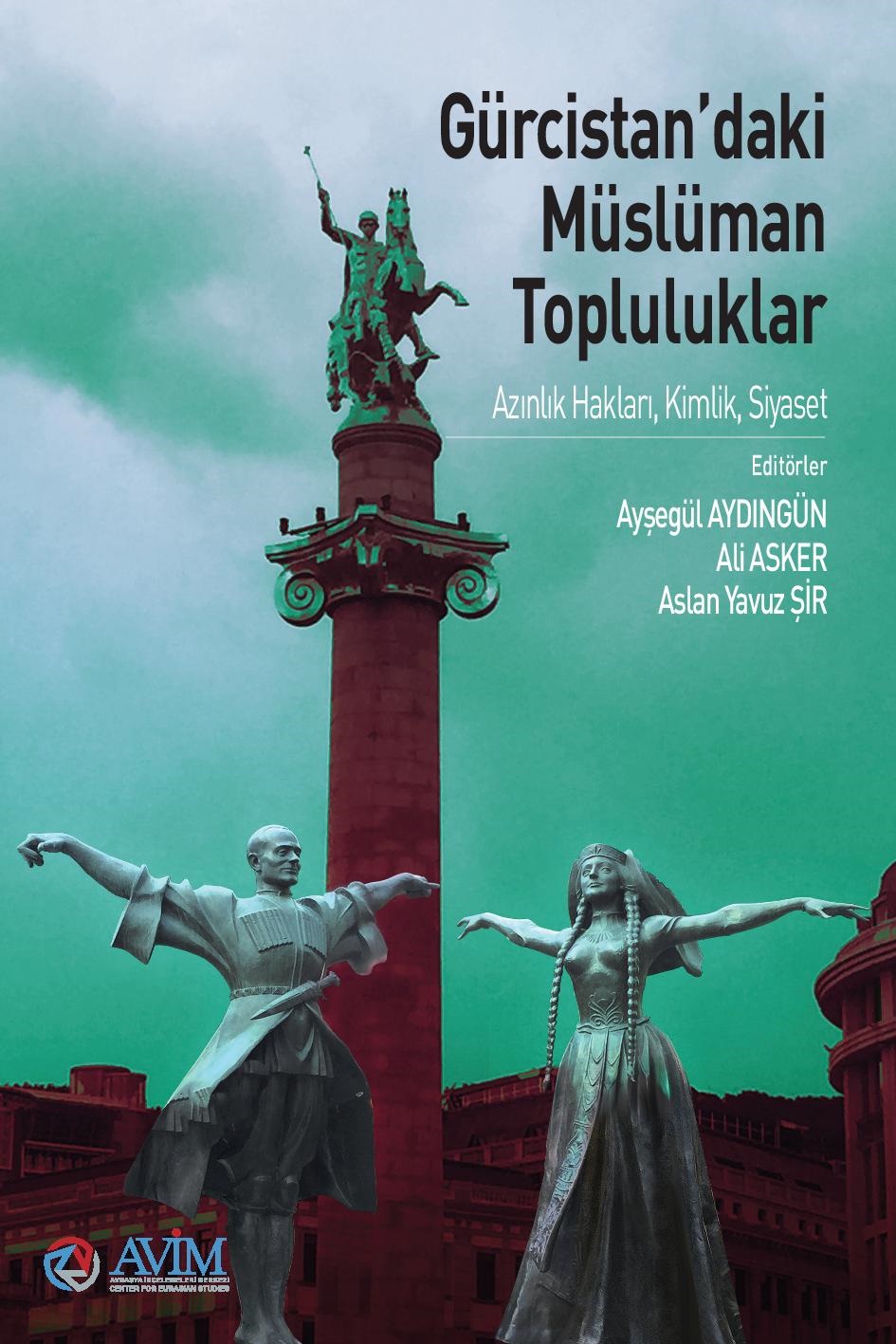
Gürcistan'daki Müslüman Topluluklar: Azınlık Hakları, Kimlik, Siyaset -
10.03.2016
Armenian Diaspora: Diaspora, State and the Imagination of the Republic of Armenia -
24.01.2016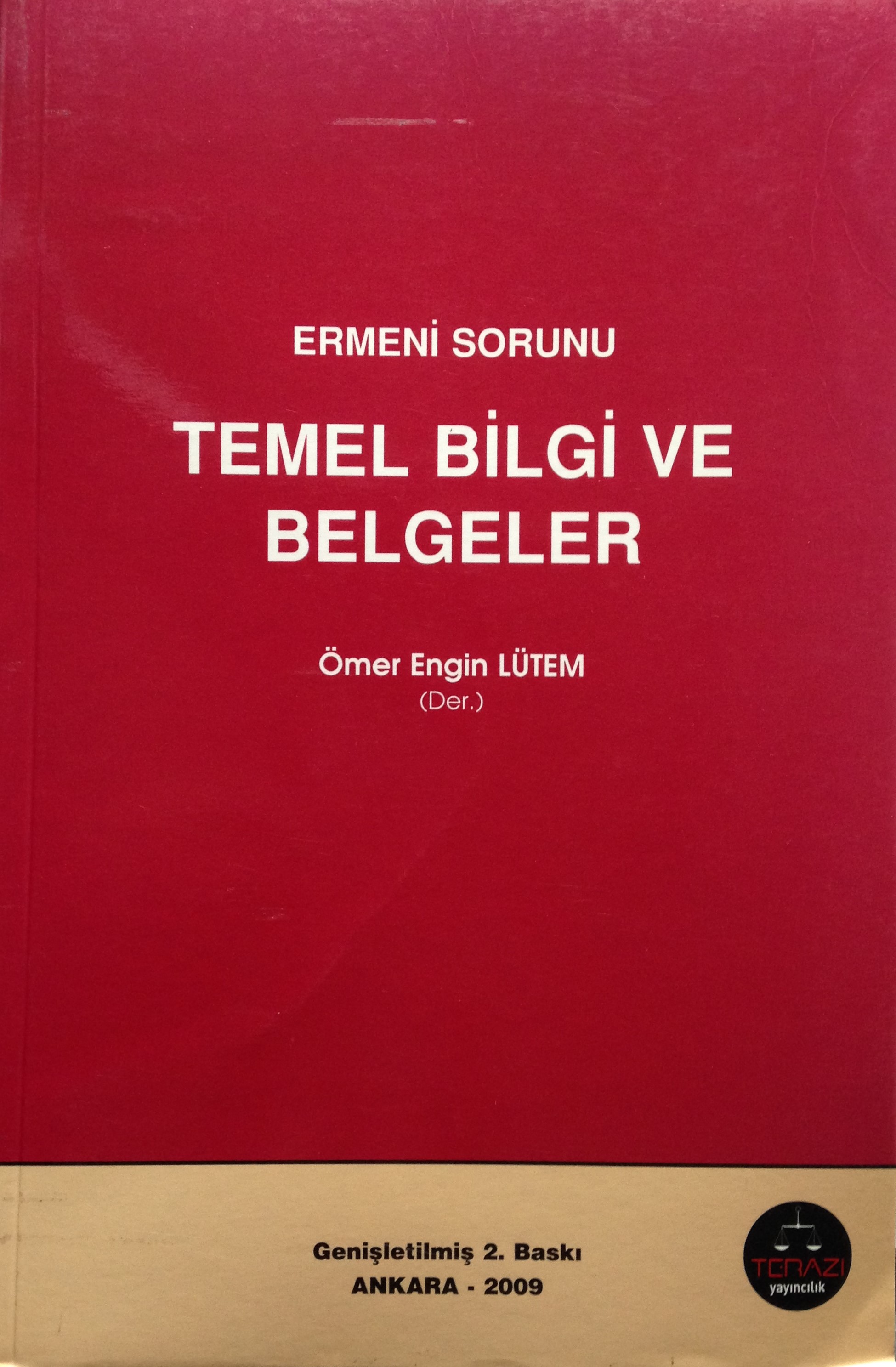
ERMENİ SORUNU - TEMEL BİLGİ VE BELGELER (2. BASKI)
-
AVİM Conference Hall 24.01.2023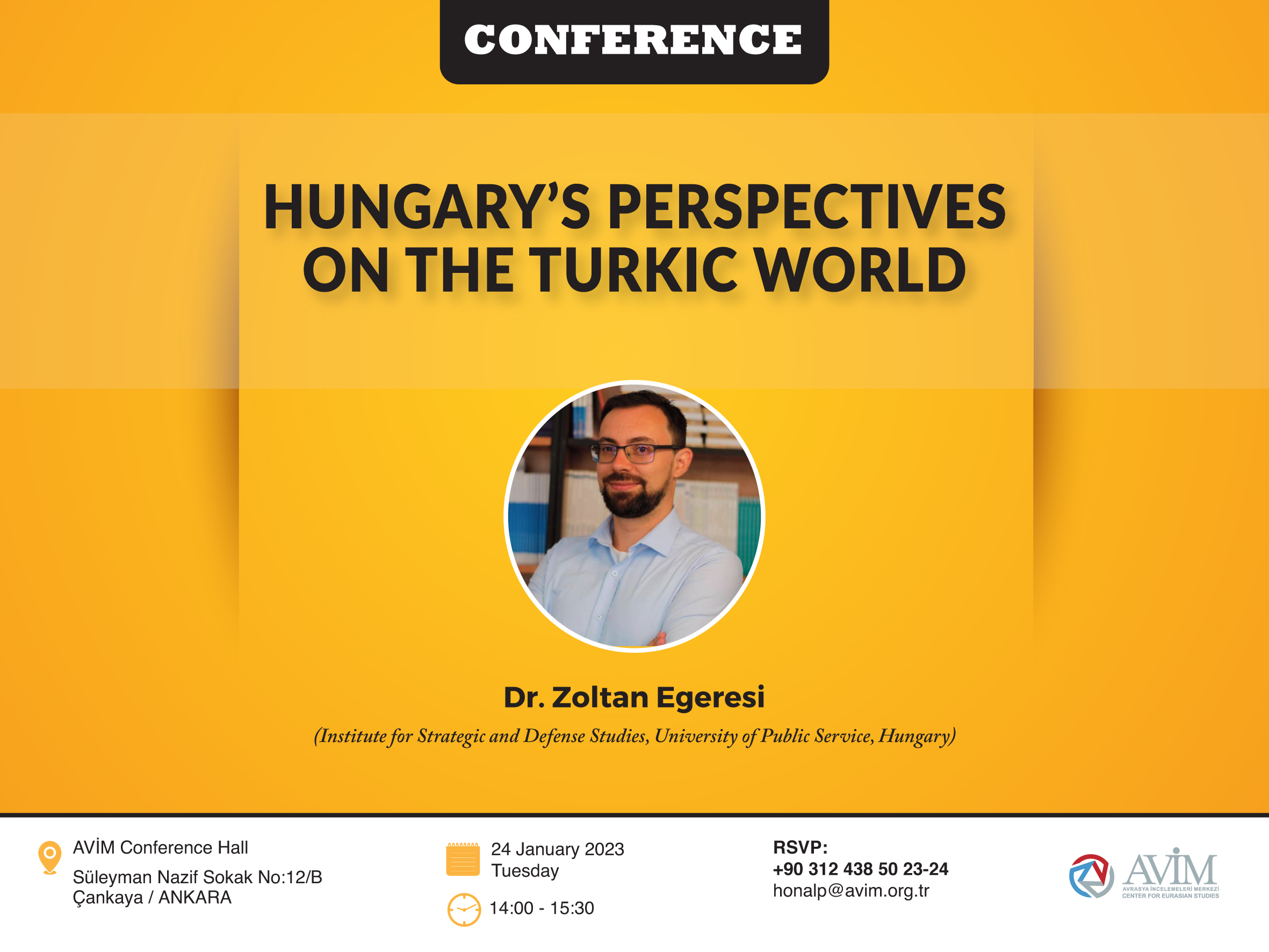
CONFERENCE TITLED “HUNGARY’S PERSPECTIVES ON THE TURKIC WORLD"