
















EuroNews (13 September 2019)
Jean-Claude Juncker, the outgoing President of the European Commission, has said Brexit is a "tragedy" and a "failure" but it is "the failure of Britain, not the European Union." He also said the UK had only ever been "part-time Europeans".
In a wide-ranging and often blunt interview with Euronews' Efi Koutsokosta, Juncker traced the origins of the United Kingdom's marginal decision to leave in a 2016 referendum back to the beginning of the nation's ascension to what was then the European Economic Community in 1975:
"Brexit, from its beginning, has to do with the fact that not a single British government was openly defending and explaining the place of Britain in the European Union.
"If you are telling the people over decades that this is not exactly what we wanted, don’t be surprised if a referendum is answered in a negative way. I was probably the only one who was not surprised by the outcome.
"I expected (the decision to leave) because this “matraquage” – as the French would say – repeating day after day that we are there but we don’t want to be there, is producing obvious results."
When asked in view of the current turmoil in the UK over the issue whether the country should finally leave the EU, Mr Juncker replied that was not up to him:
"That’s a decision to be taken by our British friends. My impression is that they want to leave, according to the result of the referendum. But this is a lose-lose situation. More losses for Britain, but also losses for the rest of the European Union.
"It is a tragedy and it is a failure, but I have to say I don’t think it is mine, because I didn’t decide to have this referendum. I was not intervening in the EU referendum explanation because Prime Minister Cameron asked me not to intervene."
He also pointed out that he always had a good personal relationship with Cameron, who lost the referendum and resigned.
"I met him the day after my appointment and we agreed to work in the best possible conditions," Juncker said.
"But I think it was a major mistake to put such a complicated question to a referendum.
"The withdrawal agreement we have concluded with Prime Minister May is seven or eight hundred pages.
"Did every British citizen participating in the referendum know what this was all about? No."
On the topic of migration, Juncker said neither he nor the European Union ever lost control of the issue.
"Member states lost control. When I was campaigning back in 2014 (to be President of the European Commission), I was bringing the attention of the general public to the migration issue because it was foreseeable that something would happen.
"In 2015, the Commission made proposals as far as resettlement and location are concerned. This was a decision by the Council of interior ministers, but some four or five (member) countries were not accepting to (migrants) that the council was giving to them.
"When I'm having a look in the Hungarian press, the Commission is criticised, but, in fact, the members have to be criticised. They took the decision.
"I was asking member states who were reluctant to take onto their territory children, children being in Europe without parents, without family.
"Do you really think that in Poland there would be demonstrations against the fact that the Polish nation is taking children onto its territory? No.
"We have to remember that if you want the world to become a better place to live, then you have to love the others."
Juncker said he regarded his greatest achievement during his five years as President of the European Commission as keeping Greece in the Eurozone. However, he felt that his role in this had been written out of history in some accounts:
"I'm reading the memoirs of my former colleagues and sometimes I have the impression that I had nothing to do with the answer we brought to the Greek crisis. What we did – against the willingness of more than three or four member states – was to make use of one of the provisions of the treaty saying that the commission is in charge of the general interests of the European Union. That was the mandate.
"Had the commission said 'OK, we are of the opinion that Greece should leave', the Commission would have failed in its most noble mission. We have to – as a Commission – keep the countries together.
"[If] we [would] have accepted that Greece would leave the Euro, that would have been the beginning of the end of the EU."
Juncker went on to speak of his approval of his successor, Ursula Von Der Leyen, but said the process of her appointment was questionable.
"The way she was brought into office was not highly transparent and the European Parliament did not play its role. The parliament was always claiming that only spitzenkandidat should become President of the Commission.
"The European Parliament was accepting the way, that the European Council was directly appointing two vice presidents of the commission and that is not the business of the European Council.
No comments yet.
-
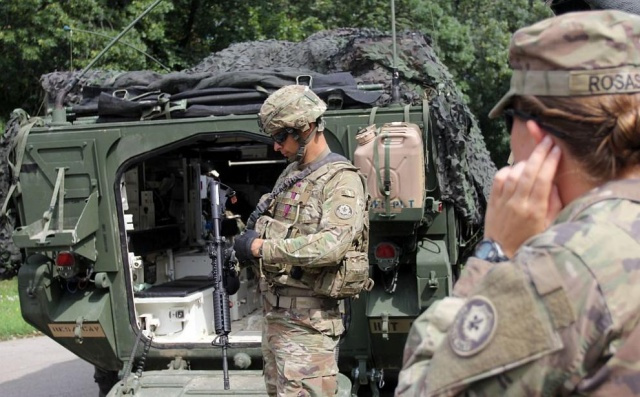 ROMANIA, BULGARIA BOOST DEFENSE BUYS AMID WORRIES ABOUT RUSSIA
The Balkans
16.09.2019
ROMANIA, BULGARIA BOOST DEFENSE BUYS AMID WORRIES ABOUT RUSSIA
The Balkans
16.09.2019
- EU SPECIAL REPRESENTATIVE TO SOUTH CAUCASUS, GEORGIAN PM DISCUSS SITUATION AT OCCUPATION LINE The Caucasus and Turkish-Armenian Relations 16.09.2019
- ARMENIA FM KICKS OFF LITHUANIA VISIT The Caucasus and Turkish-Armenian Relations 16.09.2019
- JEAN-CLAUDE JUNCKER: 'BREXIT IS FAILURE OF BRITAIN, NOT THE EUROPEAN UNION' Europe - EU 16.09.2019
-
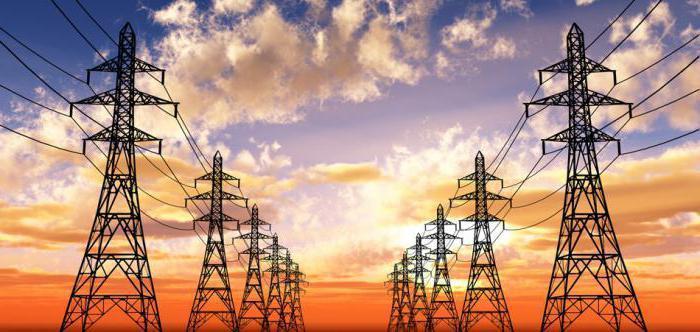 SLOVENIA WELCOMES INCREASING CO-OP WITH AZERBAIJAN IN ENERGY SUPPLY: MINISTRY
The Balkans
16.09.2019
SLOVENIA WELCOMES INCREASING CO-OP WITH AZERBAIJAN IN ENERGY SUPPLY: MINISTRY
The Balkans
16.09.2019
-
25.01.2016
THE ARMENIAN QUESTION - BASIC KNOWLEDGE AND DOCUMENTATION -
12.06.2024
THE TRUTH WILL OUT -
27.03.2023
RADİKAL ERMENİ UNSURLARCA GERÇEKLEŞTİRİLEN MEZALİMLER VE VANDALİZM -
17.03.2023
PATRIOTISM PERVERTED -
23.02.2023
MEN ARE LIKE THAT -
03.02.2023
BAKÜ-TİFLİS-CEYHAN BORU HATTININ YAŞANAN TARİHİ -
16.12.2022
INTERNATIONAL SCHOLARS ON THE EVENTS OF 1915 -
07.12.2022
FAKE PHOTOS AND THE ARMENIAN PROPAGANDA -
07.12.2022
ERMENİ PROPAGANDASI VE SAHTE RESİMLER -
01.01.2022
A Letter From Japan - Strategically Mum: The Silence of the Armenians -
01.01.2022
Japonya'dan Bir Mektup - Stratejik Suskunluk: Ermenilerin Sessizliği -
03.06.2020
Anastas Mikoyan: Confessions of an Armenian Bolshevik -
08.04.2020
Sovyet Sonrası Ukrayna’da Devlet, Toplum ve Siyaset - Değişen Dinamikler, Dönüşen Kimlikler -
12.06.2018
Ermeni Sorunuyla İlgili İngiliz Belgeleri (1912-1923) - British Documents on Armenian Question (1912-1923) -
02.12.2016
Turkish-Russian Academics: A Historical Study on the Caucasus -
01.07.2016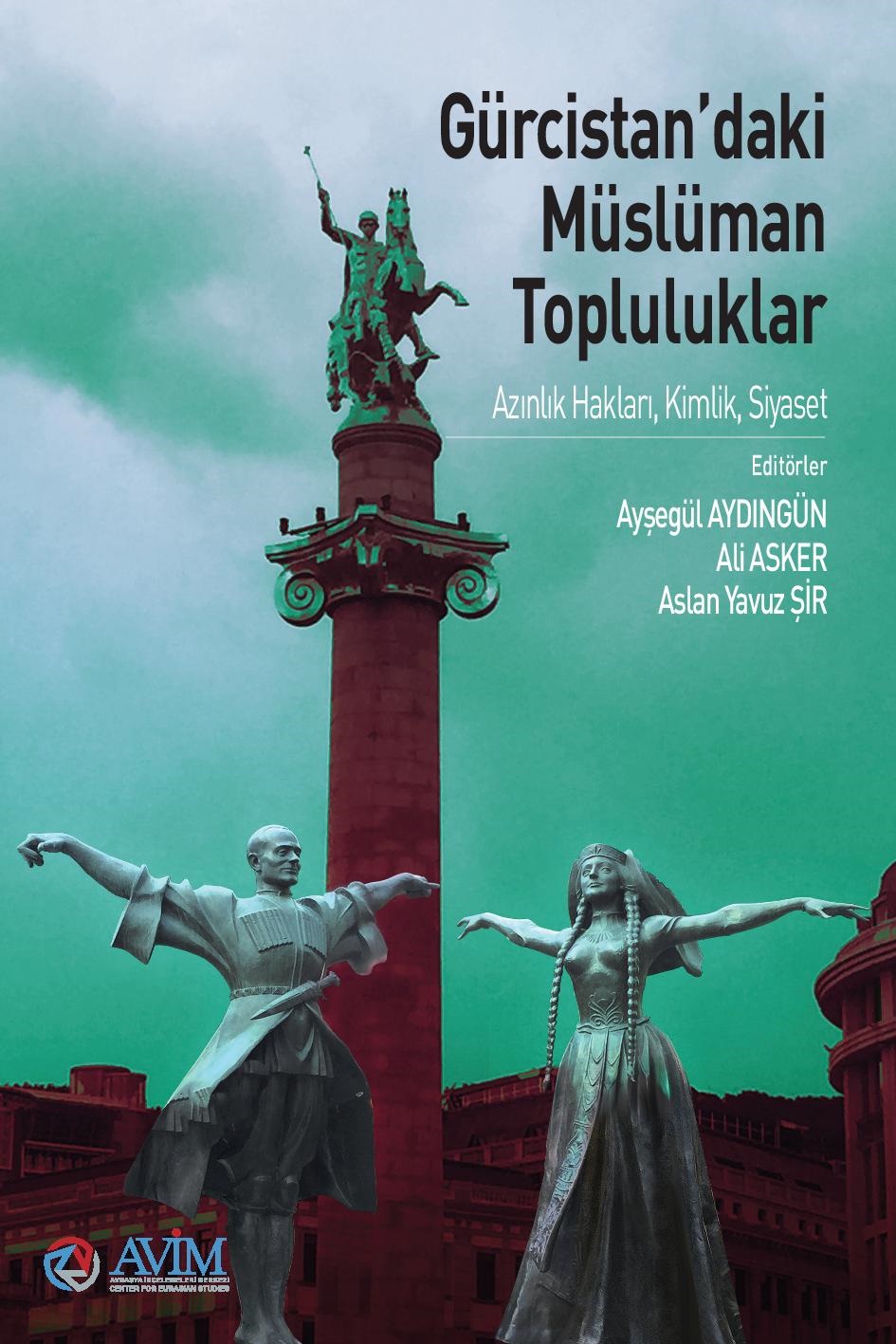
Gürcistan'daki Müslüman Topluluklar: Azınlık Hakları, Kimlik, Siyaset -
10.03.2016
Armenian Diaspora: Diaspora, State and the Imagination of the Republic of Armenia -
24.01.2016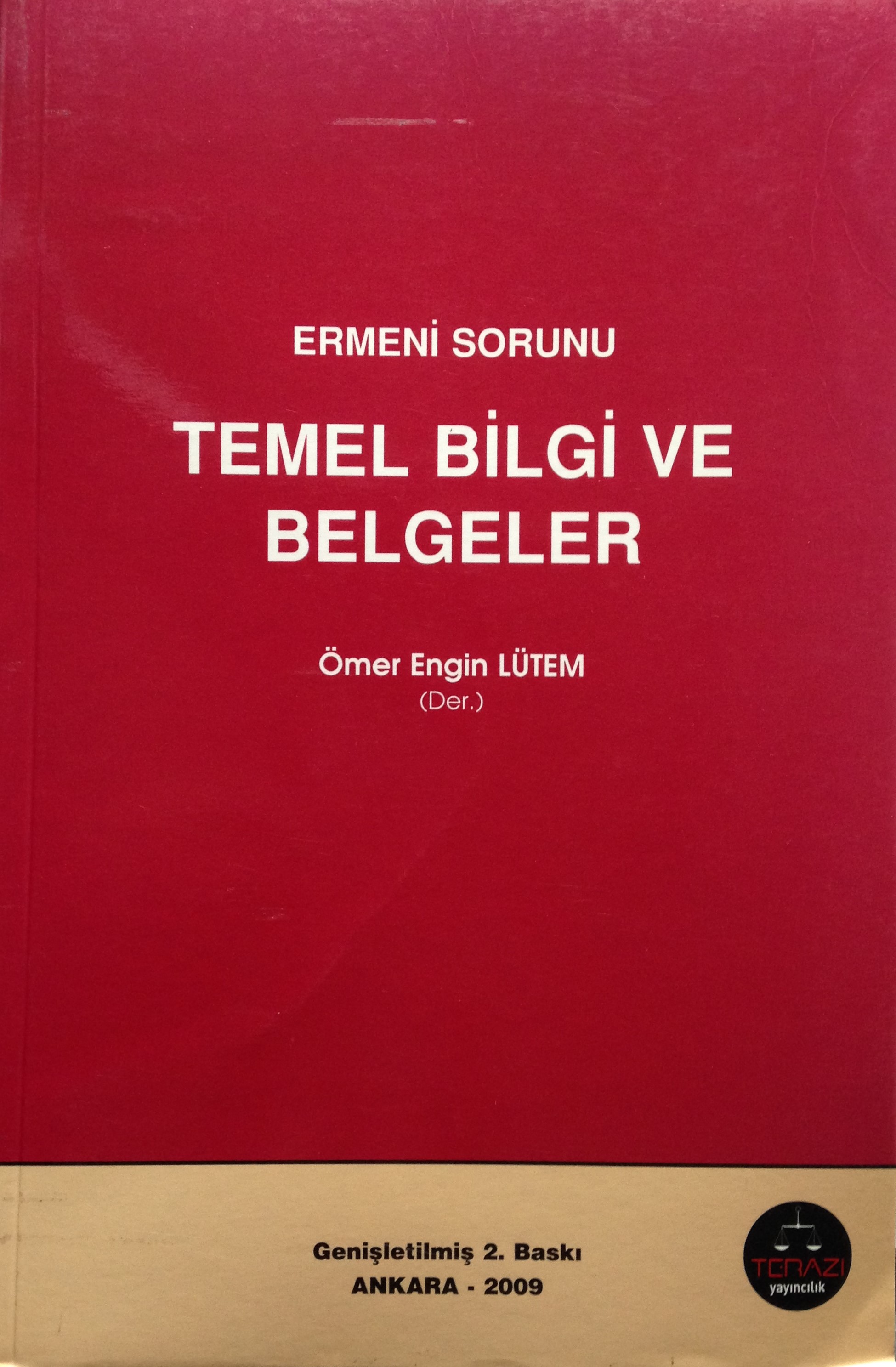
ERMENİ SORUNU - TEMEL BİLGİ VE BELGELER (2. BASKI)

-
AVİM Conference Hall 24.01.2023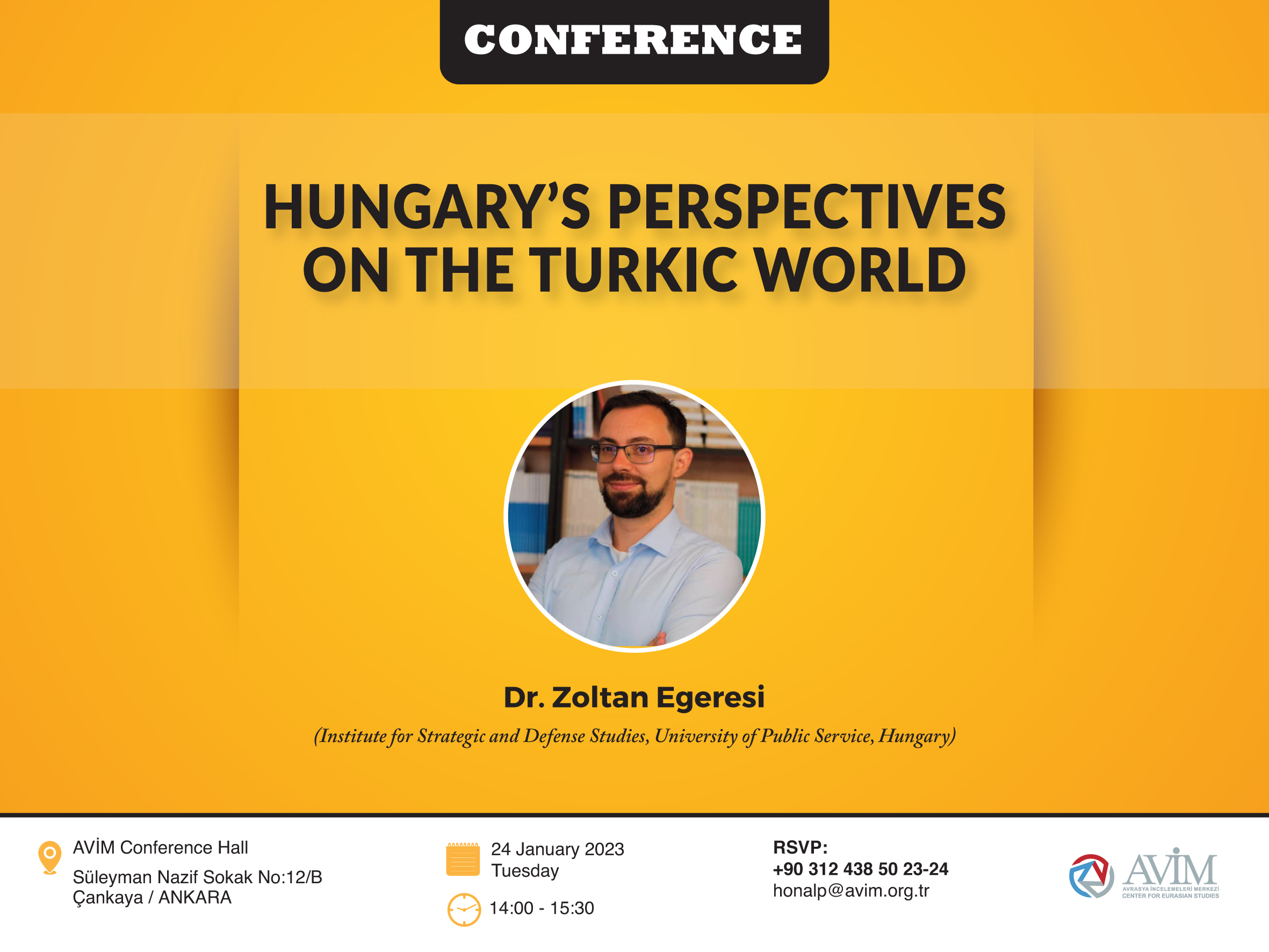
CONFERENCE TITLED “HUNGARY’S PERSPECTIVES ON THE TURKIC WORLD"