

















BBC (28 September 2018)
Italy's populist government has come to an agreement over spending as it tries to "end poverty" with its first budget.
The ruling Five Star and League parties said late on Thursday that they had agreed to set the budget deficit at 2.4% of GDP. They will press ahead with a minimum income for the unemployed.
The decision defies Brussels' demand for Italy to rein in its debt.
It is also a defeat for technocrat economy minister Giovanni Tria, who was pushing for lower spending.
Mr Tria had sought to limit the budget deficit to below 2% of GDP, to avoid adding to Italy's €2.3tn ($2.7tn; £2tn) debt.
But his political colleagues were determined to free up more money to fulfil election promises, which include a basic income, tax cuts and scrapping planned higher retirement ages.
Amid reports that Italy's president had urged Mr Tria not to resign, the budget decision prompted strong criticism from EU Economic Commissioner Pierre Moscovici.
The overnight news hit Italian borrowing costs - with the yield on 10-year government bonds rising above 3%. Meanwhile, the Milan stock exchange fell more than 2% on Friday morning, with several banks seeing a decline of at least 5%.
All eyes were on the "spread" - the gap between Italian and German bond yields - which was at its widest for three weeks.
How is Italy defying the EU?
The budget decision is well short of the EU's deficit limit of 3% of GDP.
But Italy, the third-biggest economy in the eurozone, had promised to cut its debt decisively. The debt stands at 131% of national output, second only to Greece.
Before the populist parties came to power this year, the centre-left government was aiming for a 0.8% budget deficit with a view to balancing its books by 2020.
By appointing a technocrat as finance minister, the League and Five Star had sought to reassure both the financial markets and Brussels.
The 2.4% budget deficit is set for 2019 and the following two years as well. The budget will have to be submitted to the European Commission by mid-October.
Mr Moscovici said the European Commission had "no interest" in triggering a crisis with Italy but added: "We don't have any interest either in Italy flouting the rules and not reducing its debt, which remains explosive".
Servicing such a large debt meant that every euro spent on it was "one euro less on roads, one euro less on education and one euro less on social justice".
League leader Matteo Salvini has questioned why Italy should be shackled by European limits, hampering what he sees as vital reform projects.
They swept to power pledging a series of tax cuts, new social welfare policies and better pensions - all expensive programmes. A minimum basic income for the unemployed is set to cost €10bn alone.
"We, in a decisive manner, with this budget law, will have abolished poverty," Luigi Di Maio, deputy prime minister and leader of the Five Star party, said ahead of Thursday's crunch meeting.
The plans must be approved by the parliament in October.
Among the ambitious plans at election time were:
- A guaranteed basic income for poor families of about €780 a month
- Tax reform for rates of just 15% and 20%, down from 23%-43%, which could cost up to €50bn
- Abolishing plans to raise retirement age over several years, and setting minimum pensions
What will Tria do next?
Mr Tria, who has to implement the budget, is an independent economist. He was appointed as part of the complicated negotiations to form the government (in which the prime minister, Giuseppe Conte, is also an independent).
He believes the debt ratio should be far below the EU 3% limit - initially proposing just 1.6%, which would have somewhat crippled the government's big spending plans.
No comments yet.
- SERBIA TIGHTENS CYBER-SECURITY AS INTERNET CRIME RISES The Balkans 28.09.2018
-
 CHINA AND RUSSIA CALL ON UN TO EASE NORTH KOREA SANCTIONS
Asia - Pacific
28.09.2018
CHINA AND RUSSIA CALL ON UN TO EASE NORTH KOREA SANCTIONS
Asia - Pacific
28.09.2018
-
 KOSOVO’S THACI IN NEW YORK GETS SUPPORT ON DIALOGUE WITH SERBIA
The Balkans
28.09.2018
KOSOVO’S THACI IN NEW YORK GETS SUPPORT ON DIALOGUE WITH SERBIA
The Balkans
28.09.2018
- PUTIN IN TAJIKISTAN FOR CIS SUMMIT Asia - Pacific 28.09.2018
- PASHINYAN, RAHMON DISCUSS ARMENIAN-TAJIK RELATIONS The Caucasus and Turkish-Armenian Relations 28.09.2018
-
25.01.2016
THE ARMENIAN QUESTION - BASIC KNOWLEDGE AND DOCUMENTATION -
12.06.2024
THE TRUTH WILL OUT -
27.03.2023
RADİKAL ERMENİ UNSURLARCA GERÇEKLEŞTİRİLEN MEZALİMLER VE VANDALİZM -
17.03.2023
PATRIOTISM PERVERTED -
23.02.2023
MEN ARE LIKE THAT -
03.02.2023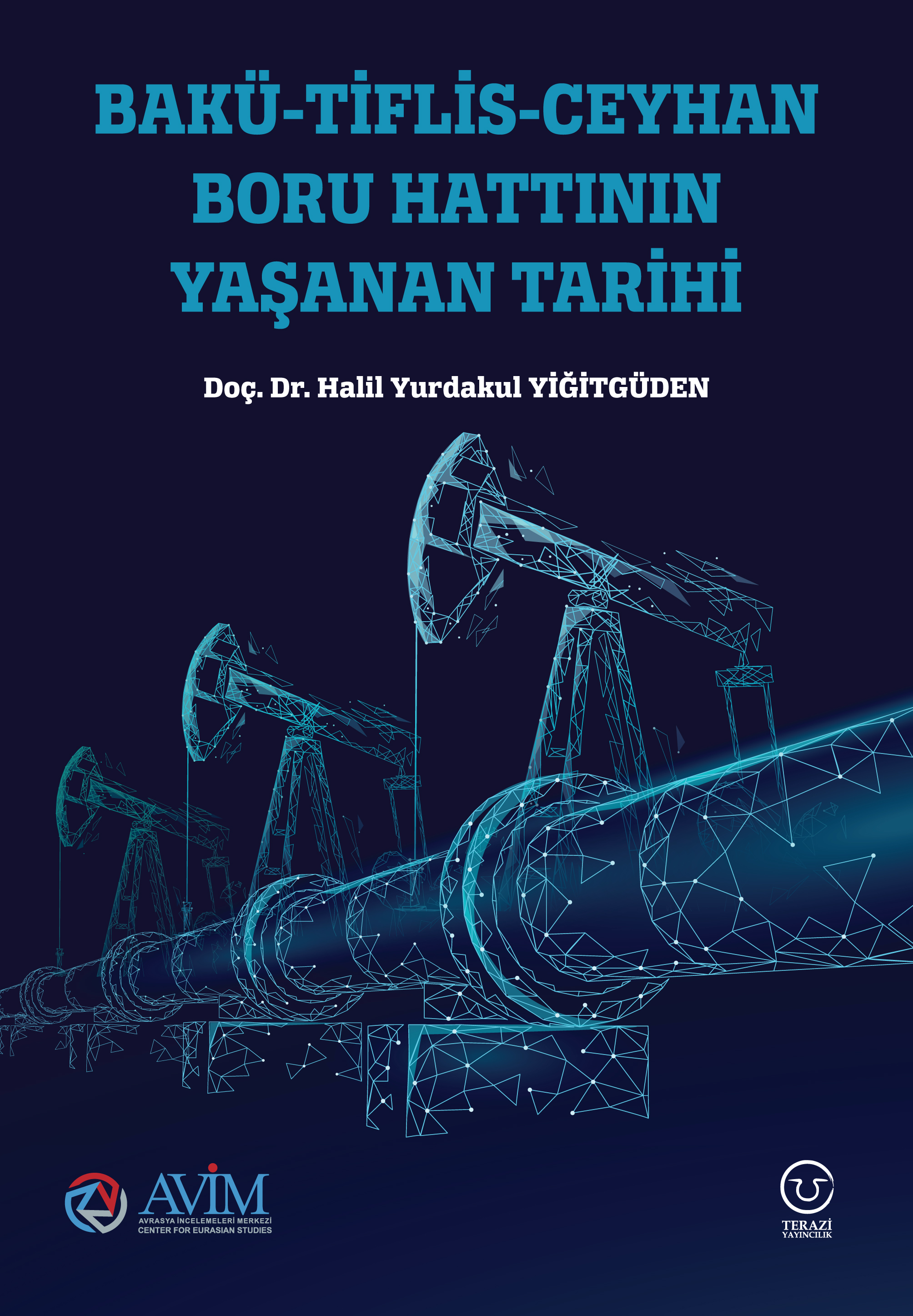
BAKÜ-TİFLİS-CEYHAN BORU HATTININ YAŞANAN TARİHİ -
16.12.2022
INTERNATIONAL SCHOLARS ON THE EVENTS OF 1915 -
07.12.2022
FAKE PHOTOS AND THE ARMENIAN PROPAGANDA -
07.12.2022
ERMENİ PROPAGANDASI VE SAHTE RESİMLER -
01.01.2022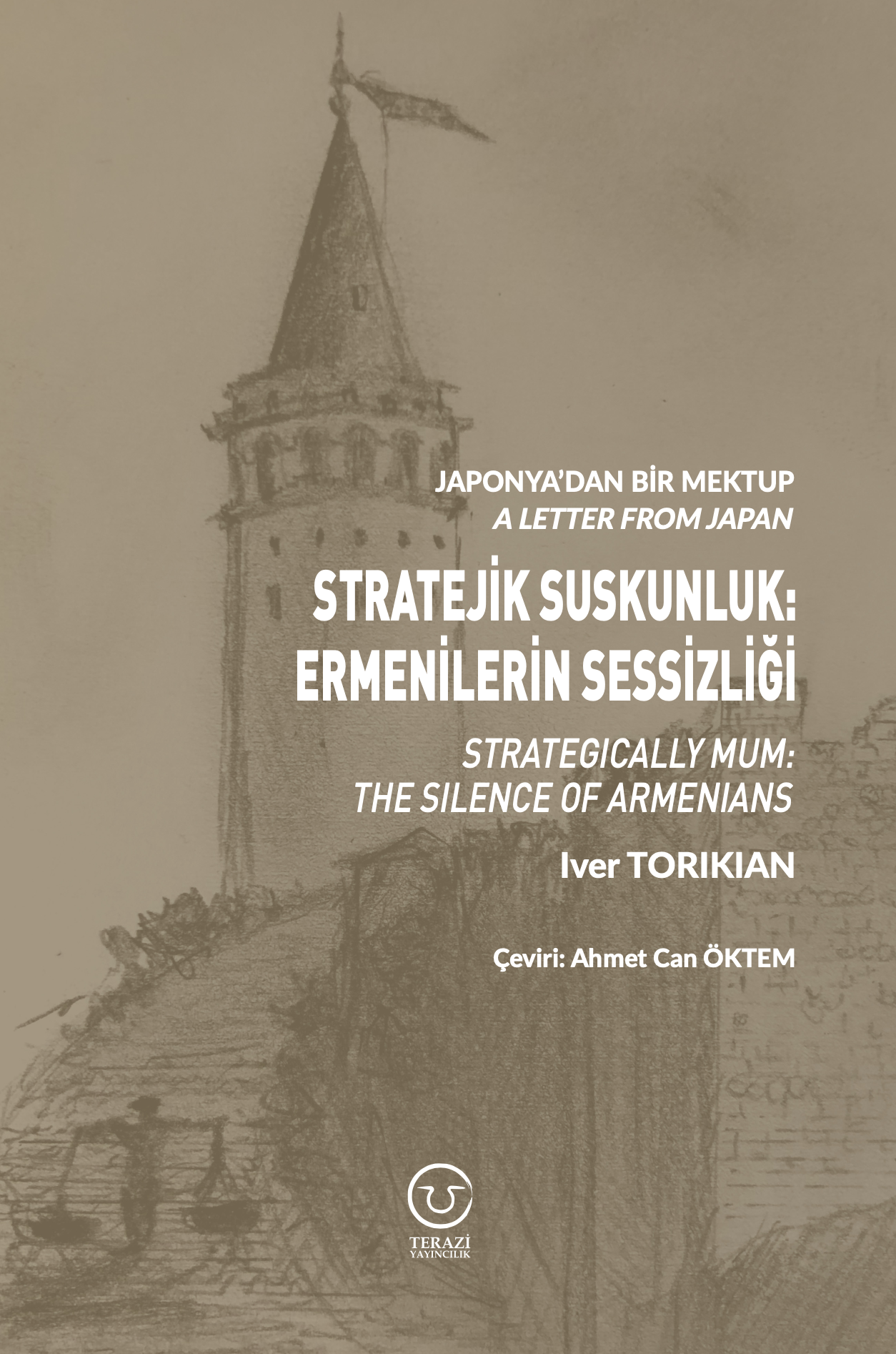
A Letter From Japan - Strategically Mum: The Silence of the Armenians -
01.01.2022
Japonya'dan Bir Mektup - Stratejik Suskunluk: Ermenilerin Sessizliği -
03.06.2020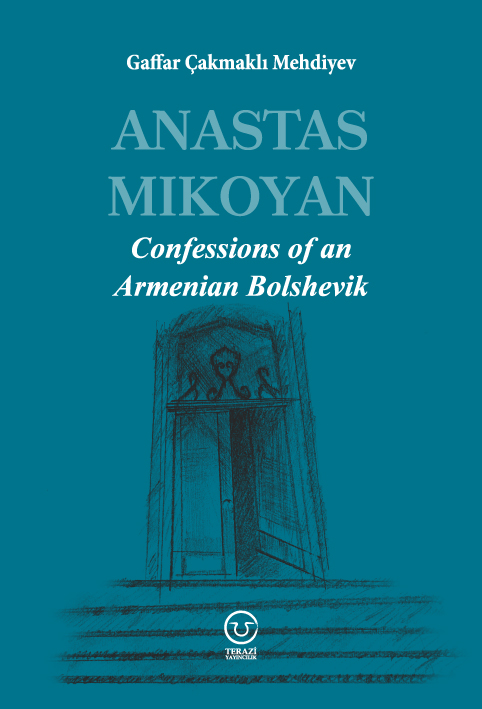
Anastas Mikoyan: Confessions of an Armenian Bolshevik -
08.04.2020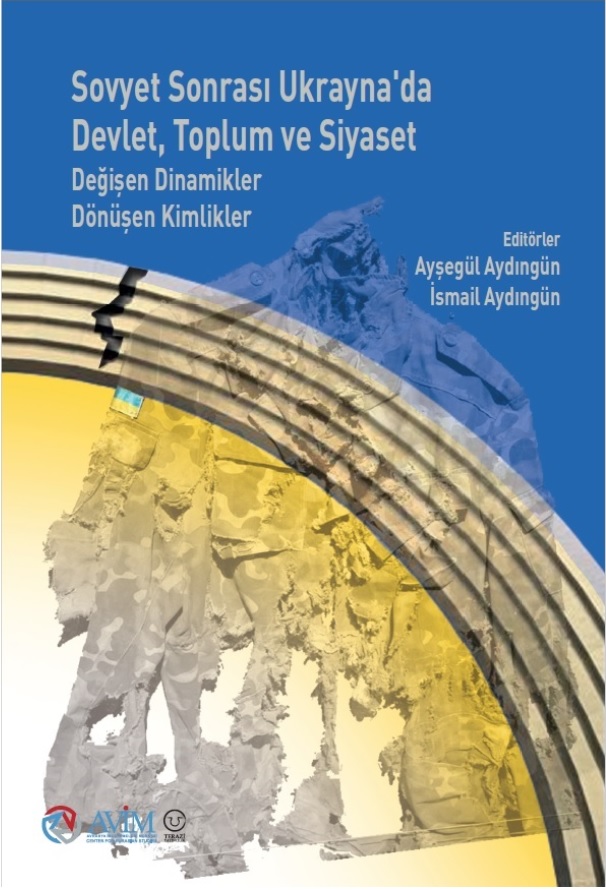
Sovyet Sonrası Ukrayna’da Devlet, Toplum ve Siyaset - Değişen Dinamikler, Dönüşen Kimlikler -
12.06.2018
Ermeni Sorunuyla İlgili İngiliz Belgeleri (1912-1923) - British Documents on Armenian Question (1912-1923) -
02.12.2016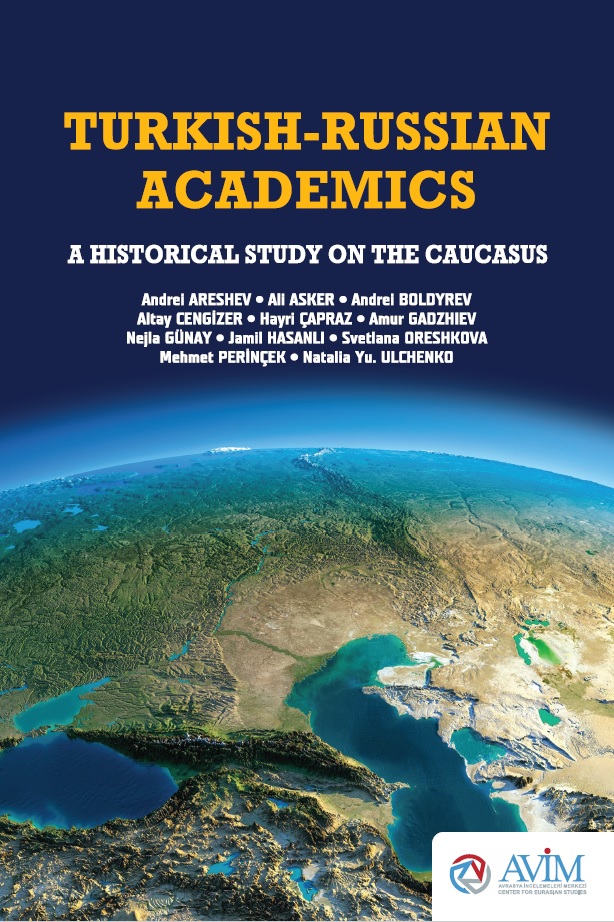
Turkish-Russian Academics: A Historical Study on the Caucasus -
01.07.2016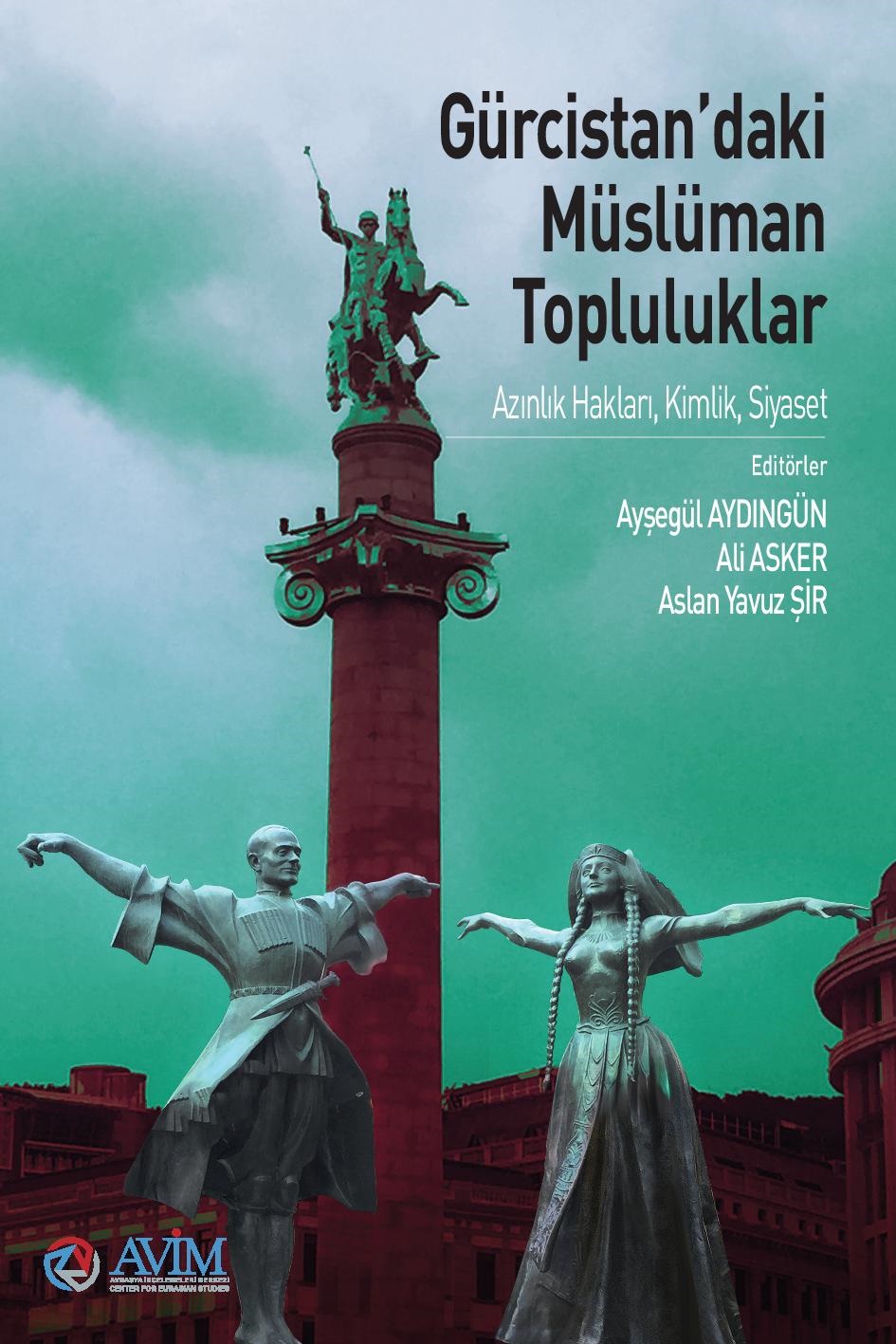
Gürcistan'daki Müslüman Topluluklar: Azınlık Hakları, Kimlik, Siyaset -
10.03.2016
Armenian Diaspora: Diaspora, State and the Imagination of the Republic of Armenia -
24.01.2016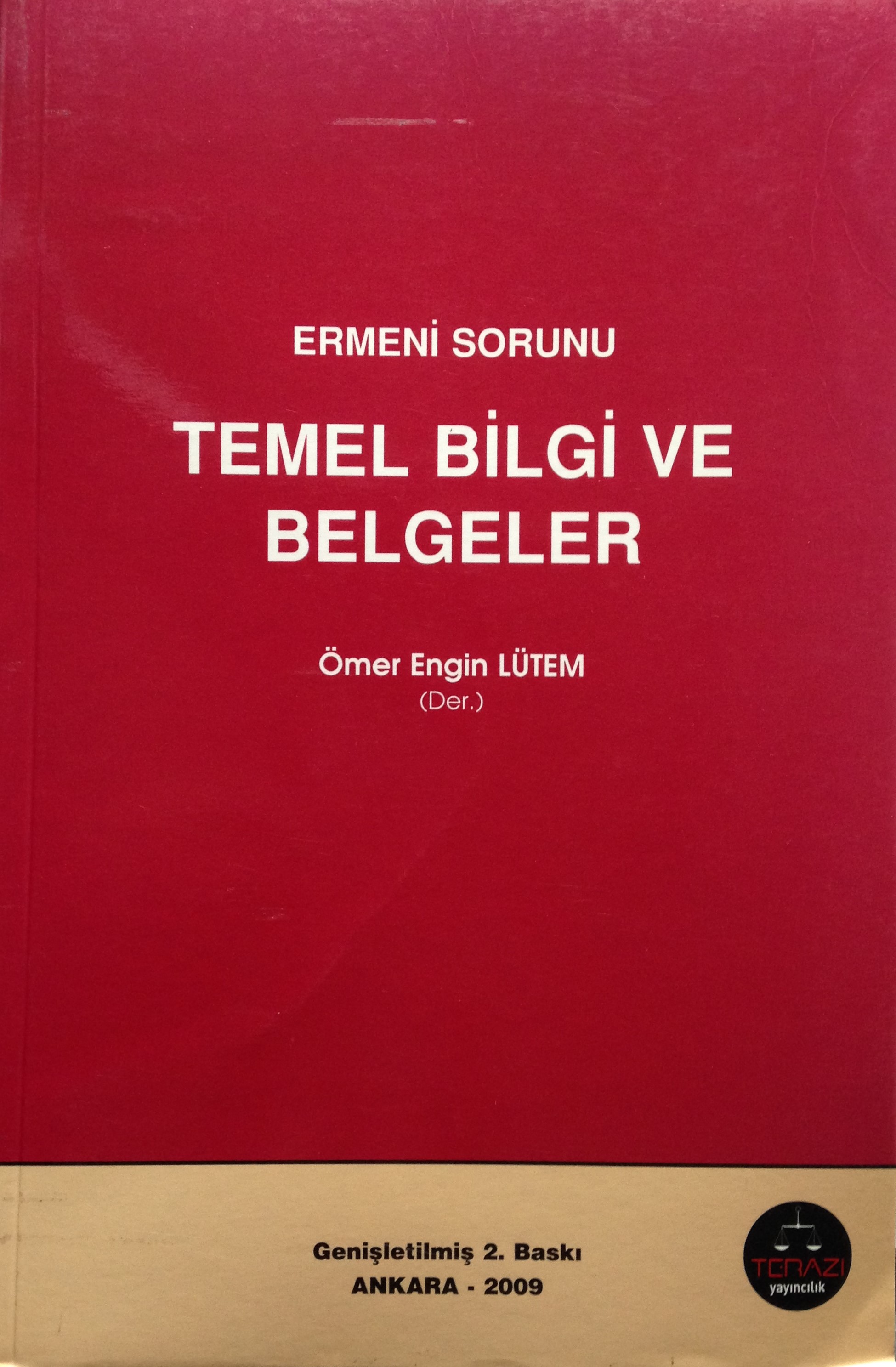
ERMENİ SORUNU - TEMEL BİLGİ VE BELGELER (2. BASKI)

-
AVİM Conference Hall 24.01.2023
CONFERENCE TITLED “HUNGARY’S PERSPECTIVES ON THE TURKIC WORLD"