
















The Guardian (27 September 2018)
China and Russia have broken with the US over the maintenance of sanctions on North Korea, arguing they should be relaxed in view of the “positive development of the past few months”.
The rift became apparent in a session of the UN security council called by the US and chaired by the secretary of state, Mike Pompeo. It suggested that the international consensus over North Korea, which had led to a steady escalation of sanctions since 2006, had stalled in the wake of a flurry of summit diplomacy by Pyongyang, Seoul and Washington.
The security council foreign ministers meeting on Thursday marked the second diplomatic setback for the US in two days, the day after Donald Trump was roundly rebuffed by other world leaders when he sought to gain support for the reimposition of sanctions on Iran.
Pompeo’s task at the security council in maintaining a solidarity over sanctions at a time when the US president has been claiming his summit with Kim Jong-un in Singapore in June represents an historic turning point.
In his own introductory remarks, the secretary of state called it “the first significant diplomatic breakthrough in decades”.
Kim agreed to the “denuclearisation of the Korean peninsula” at the Singapore summit, but the Pyongyang regime interprets the phrase to mean a drawn-out process of multilateral disarmament, not the unilateral dismantling of the North Korean arsenal.
So far it has only begun dismantling a missile engine testing site, which may have become obsolete as North Korean technicians have moved from using liquid fuel to solid fuel for long-range missiles.
In supporting Pompeo’s call for maintaining sanctions, the UK foreign secretary, Jeremy Hunt, gave a more modest assessment of the consequences of Singapore, saying: “We note the lack of concrete steps so far.”
“Action counts for more than assurances,” Hunt said. “Deeds must follow words.”
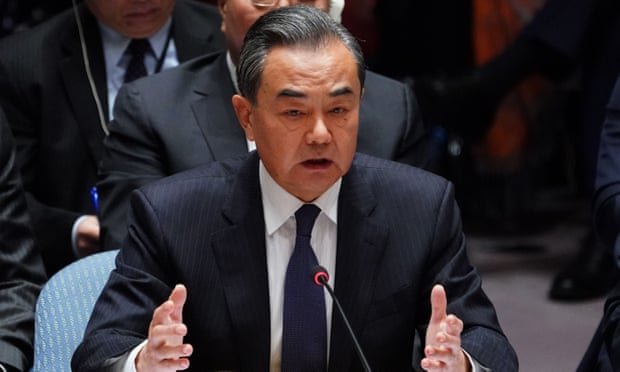
However, Wang Yi, the foreign minister of China, whose cooperation is essential to enforcing sanctions, said that “given the positive developments” China believed the UN “needs to consider invoking in due course this provision to encourage [North Korea] and other relevant parties to move denuclearisation further ahead”.
His Russian counterpart, Sergey Lavrov, backed the call for loosening the sanctions, arguing: “Any negotiation is a two-way street. Steps by the DPRK toward gradual disarmament should be followed by the easing of sanctions.”
Since you’re here…
… we have a small favour to ask. More people are reading the Guardian than ever but advertising revenues across the media are falling fast. And unlike many news organisations, we haven’t put up a paywall – we want to keep our journalism as open as we can. So you can see why we need to ask for your help. The Guardian’s independent, investigative journalism takes a lot of time, money and hard work to produce. But we do it because we believe our perspective matters – because it might well be your perspective, too.
The Guardian is editorially independent, meaning we set our own agenda. Our journalism is free from commercial bias and not influenced by billionaire owners, politicians or shareholders. No one edits our Editor. No one steers our opinion. This is important because it enables us to give a voice to the voiceless, challenge the powerful and hold them to account. At a time when factual, honest reporting is critical, The Guardian helps to provide accurate, timely reporting on our world.
If everyone who reads our reporting, who likes it, helps to support it, our future would be much more secure.
https://www.theguardian.com/world/2018/sep/27/un-security-council-north-korea-sanctions-china-russia-pompeo
No comments yet.
-
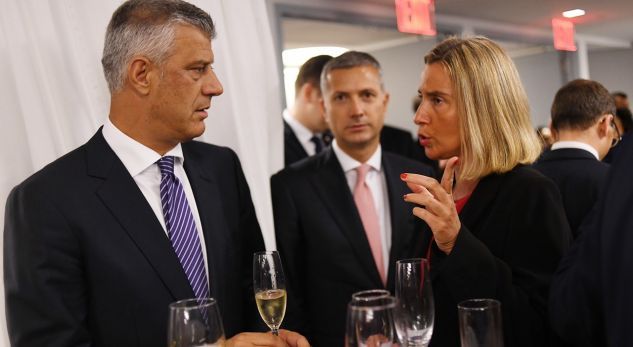 KOSOVO’S THACI IN NEW YORK GETS SUPPORT ON DIALOGUE WITH SERBIA
The Balkans
28.09.2018
KOSOVO’S THACI IN NEW YORK GETS SUPPORT ON DIALOGUE WITH SERBIA
The Balkans
28.09.2018
- RUSSIA, PAKISTAN SIGN MOU ON GAS PIPELINE FROM IRAN Asia - Pacific 28.09.2018
- PASHINYAN, RAHMON DISCUSS ARMENIAN-TAJIK RELATIONS The Caucasus and Turkish-Armenian Relations 28.09.2018
- PUTIN SAYS RUSSIA, AZERBAIJAN BUILDING RELATIONS BASED ON BALANCE OF INTERESTS The Caucasus and Turkish-Armenian Relations 28.09.2018
- EUROPE MUST TACKLE FINANCIAL BUBBLES LOCALLY - ECB'S PRAET Europe - EU 28.09.2018
-
25.01.2016
THE ARMENIAN QUESTION - BASIC KNOWLEDGE AND DOCUMENTATION -
12.06.2024
THE TRUTH WILL OUT -
27.03.2023
RADİKAL ERMENİ UNSURLARCA GERÇEKLEŞTİRİLEN MEZALİMLER VE VANDALİZM -
17.03.2023
PATRIOTISM PERVERTED -
23.02.2023
MEN ARE LIKE THAT -
03.02.2023
BAKÜ-TİFLİS-CEYHAN BORU HATTININ YAŞANAN TARİHİ -
16.12.2022
INTERNATIONAL SCHOLARS ON THE EVENTS OF 1915 -
07.12.2022
FAKE PHOTOS AND THE ARMENIAN PROPAGANDA -
07.12.2022
ERMENİ PROPAGANDASI VE SAHTE RESİMLER -
01.01.2022
A Letter From Japan - Strategically Mum: The Silence of the Armenians -
01.01.2022
Japonya'dan Bir Mektup - Stratejik Suskunluk: Ermenilerin Sessizliği -
03.06.2020
Anastas Mikoyan: Confessions of an Armenian Bolshevik -
08.04.2020
Sovyet Sonrası Ukrayna’da Devlet, Toplum ve Siyaset - Değişen Dinamikler, Dönüşen Kimlikler -
12.06.2018
Ermeni Sorunuyla İlgili İngiliz Belgeleri (1912-1923) - British Documents on Armenian Question (1912-1923) -
02.12.2016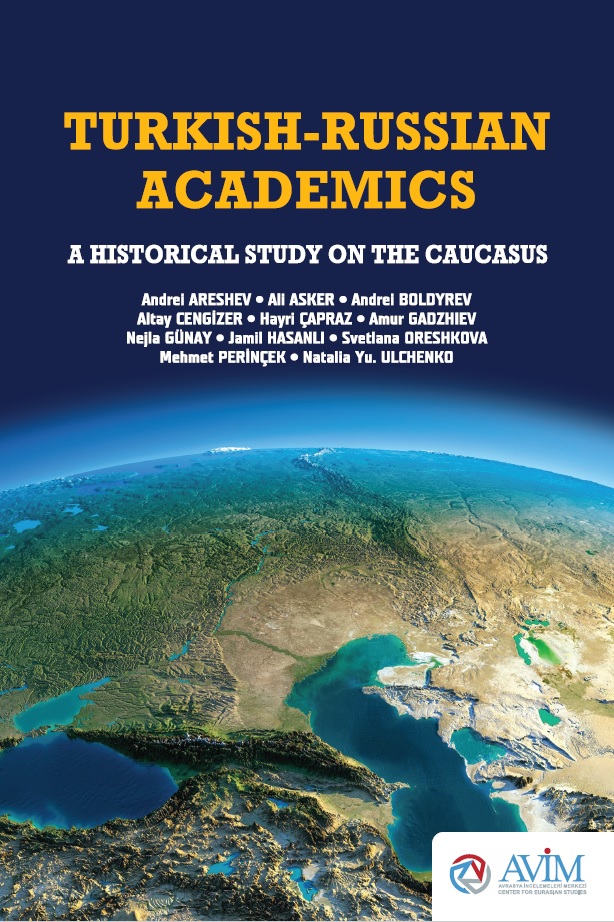
Turkish-Russian Academics: A Historical Study on the Caucasus -
01.07.2016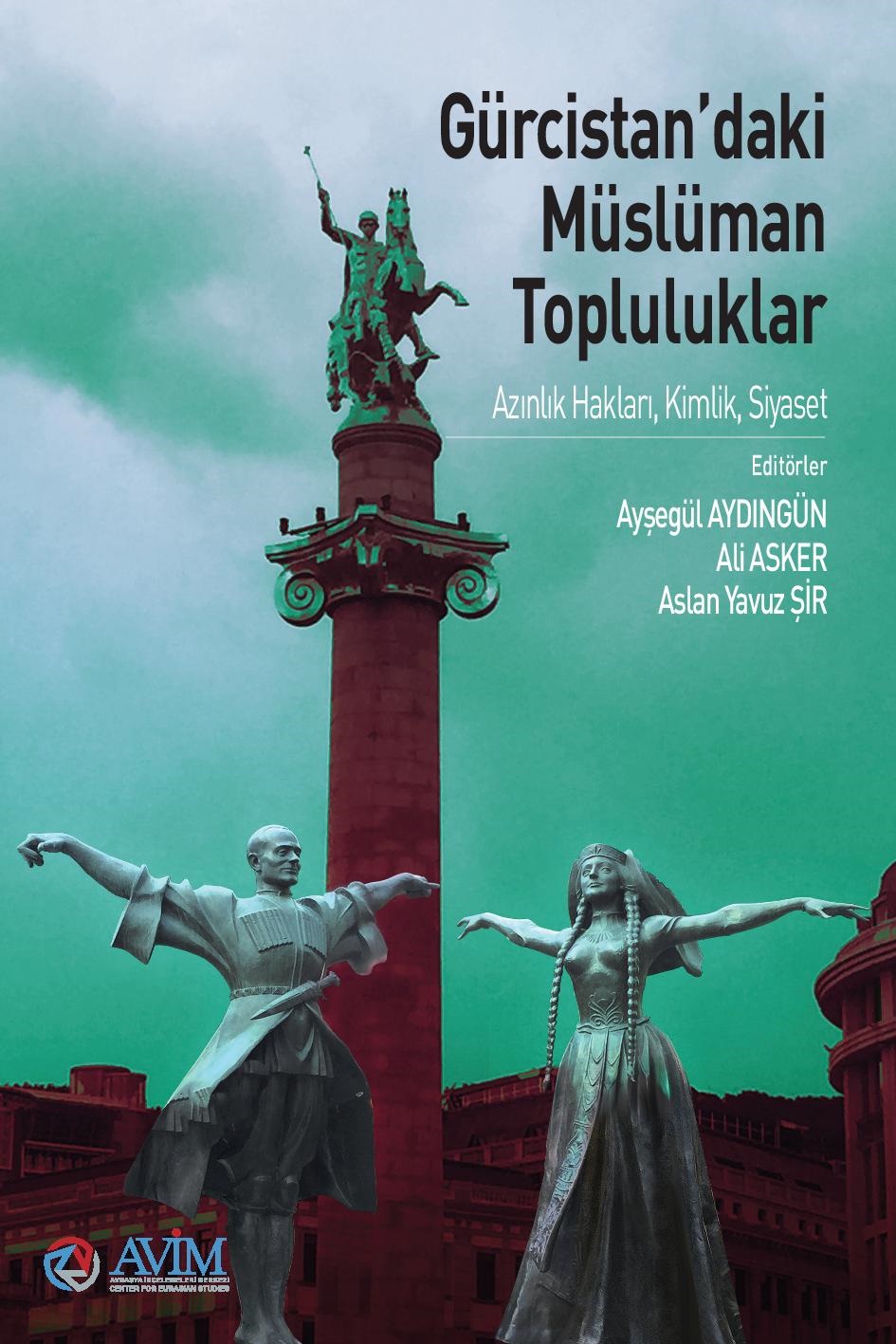
Gürcistan'daki Müslüman Topluluklar: Azınlık Hakları, Kimlik, Siyaset -
10.03.2016
Armenian Diaspora: Diaspora, State and the Imagination of the Republic of Armenia -
24.01.2016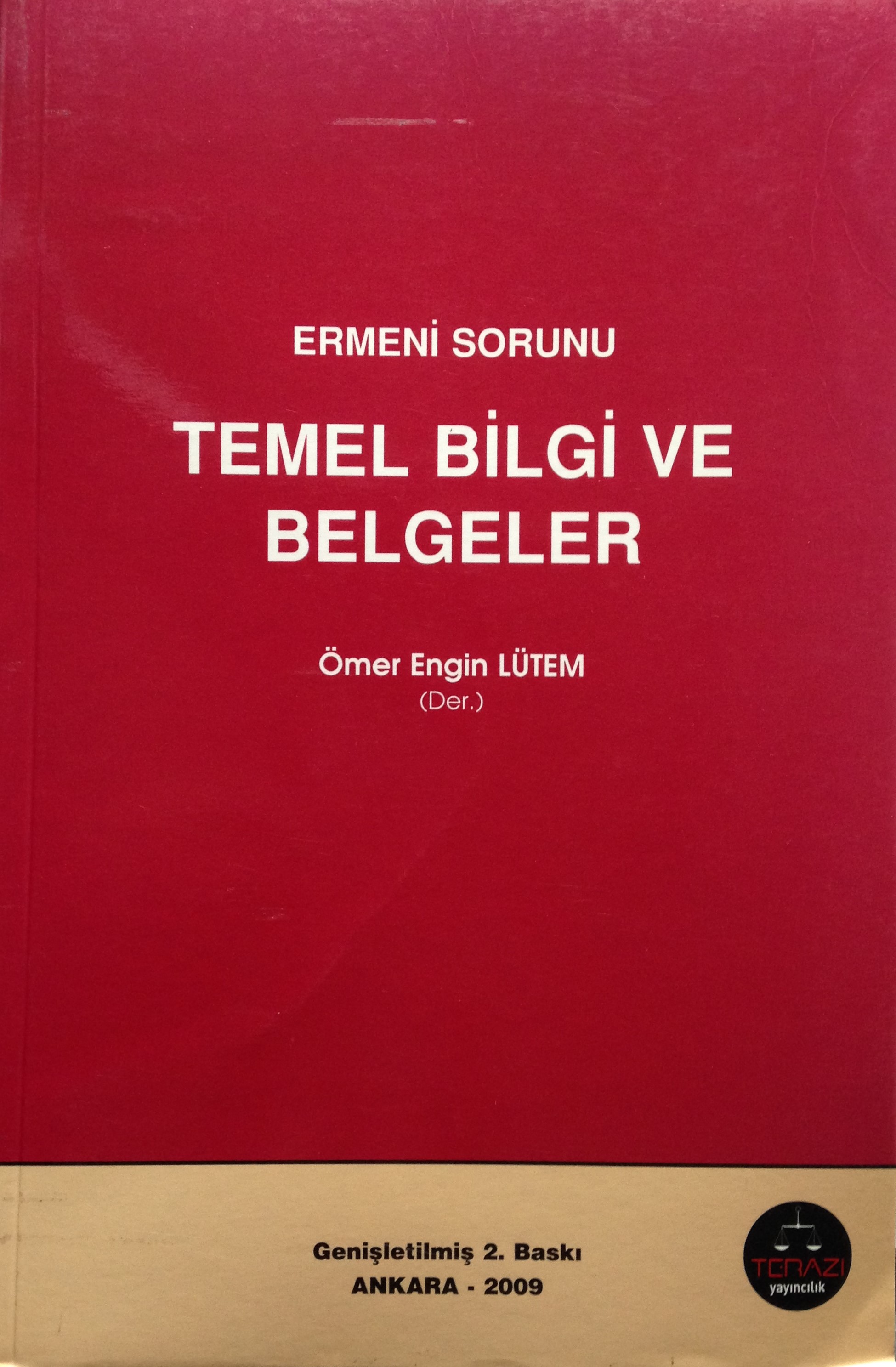
ERMENİ SORUNU - TEMEL BİLGİ VE BELGELER (2. BASKI)
-
AVİM Conference Hall 24.01.2023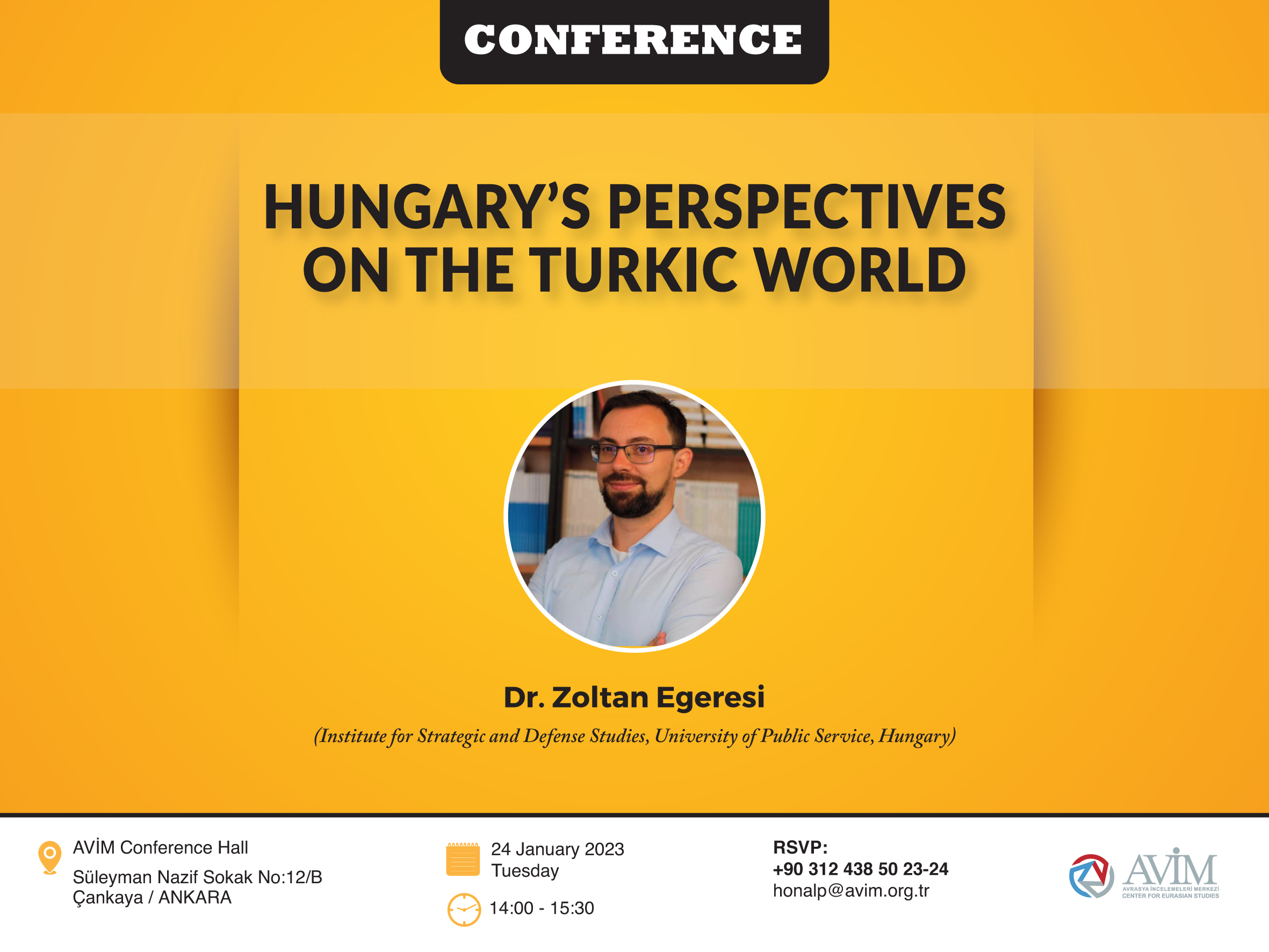
CONFERENCE TITLED “HUNGARY’S PERSPECTIVES ON THE TURKIC WORLD"