
















EurActiv (4 July 2017)
Mariya Gabriel was confirmed Tuesday (4 July) as the next EU digital Commissioner and will become the youngest person ever to take on a top Commission post.
MEPs approved Gabriel, a 38-year-old centre-right Bulgarian MEP, during a European Parliament plenary session, with 517 votes in favour, 77 against and 89 abstentions.
National governments still need to sign off on Gabriel’s candidacy and will vote in written form because it’s faster. One official said the vote will take place before next Tuesday (11 July).
She will take on the role of EU Commissioner for digital society and economy, putting her in control of DG Connect, the Commission’s technology policy arm.
German Commissioner Günther Oettinger left the post in January when he was put in charge of the EU budget.
Gabriel will start the job next week, a Commission official said. The official said her choices for cabinet members are “in flux”.
An aide to Gabriel declined to give any information about her cabinet choices. Gabriel had not yet responded to an emailed request for comment by the time this article was published.
During a Parliament hearing two weeks ago, Gabriel said she would follow Commission President Jean-Claude Juncker’s priorities to set up an EU digital single market through technology policies that apply across the bloc.
Gabriel spoke in French throughout most of the two-and-a-half-hour-long hearing, making only brief comments in Bulgarian and English.
She has been an MEP since 2009 and has worked mostly on security and foreign policy, but not on technology. Other MEPs who were at Gabriel’s hearing said she had prepared well to learn about the Commission’s digital policies, ranging from online platform regulation to encryption.
Gabriel breezes through cozy hearing on way to top EU digital job
Mariya Gabriel, the 38-year-old Bulgarian MEP tipped to become the new EU digital chief, told MEPs during her approval hearing that she wants to “comply” with the European Commission’s policy priorities.
MEPs did not ask Gabriel about reports in Bulgarian media that she paid discounted rent for her apartment in Sofia.
The Commission is in the middle of negotiating a number of its most controversial new technology proposals, including copyright and telecoms laws.
Some MEPs said they were disappointed that Gabriel did not voice her own opinions on those files during her hearing. Estonian Liberal MEP Kaja Kallas told EURACTIV she was worried about who Gabriel’s advisers will be.
“Who are you listening to? It could go very wrong,” Kallas said in an interview.
Andrus Ansip, the EU vice-president who oversees digital single market policies, told EURACTIV last week that Gabriel’s “help is definitely needed” because the Commission is negotiating too many pieces of technology legislation with the Parliament and national governments.
He also said that Gabriel will make it easier for Bulgaria to lead negotiations on technology bills when it takes over the rotating EU Council presidency in January 2018.
Bulgaria has had no EU Commissioner since last December, when former Commission Vice-President Kristalina Georgieva left her post for a job at the World Bank.
Bulgarian Prime Minister Boyko Borissov congratulated Gabriel on Twitter after she was confirmed in the job. Ansip and Juncker also congratulated her.
Ansip: Estonia isn't perfect enough to teach other countries tech
Andrus Ansip told EURACTIV.com in an interview that Estonia’s digital success can’t be copied everywhere and the 2007 cyber security attacks there would have been worse if EU countries hadn’t shared information to help out.
No comments yet.
- CATALONIA PROMISES 'IMMEDIATE' INDEPENDENCE FROM SPAIN POST-REFERENDUM Europe - EU 05.07.2017
- EU URGES CROATIA TO ‘IMPLEMENT’ PIRAN BAY RULING The Balkans 05.07.2017
- GABRIEL CONFIRMED AS NEW EU DIGITAL CHIEF Europe - EU 05.07.2017
-
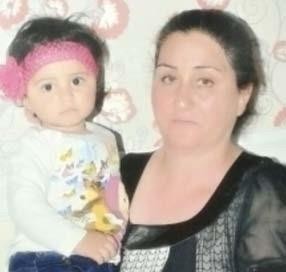 STATEMENT OF THE MINISTRY OF FOREIGN AFFAIRS AND MINISTRY OF DEFENCE OF THE REPUBLIC OF AZERBAIJAN ON THE KILLING OF 2 YEARS OLD GIRL AND HER GRANDMOTHER
The Caucasus and Turkish-Armenian Relations
05.07.2017
STATEMENT OF THE MINISTRY OF FOREIGN AFFAIRS AND MINISTRY OF DEFENCE OF THE REPUBLIC OF AZERBAIJAN ON THE KILLING OF 2 YEARS OLD GIRL AND HER GRANDMOTHER
The Caucasus and Turkish-Armenian Relations
05.07.2017
- AZERBAIJAN SHIPS 733,664 TONNES OF OIL VIA RUSSIA IN H1 The Caucasus and Turkish-Armenian Relations 05.07.2017
-
25.01.2016
THE ARMENIAN QUESTION - BASIC KNOWLEDGE AND DOCUMENTATION -
12.06.2024
THE TRUTH WILL OUT -
27.03.2023
RADİKAL ERMENİ UNSURLARCA GERÇEKLEŞTİRİLEN MEZALİMLER VE VANDALİZM -
17.03.2023
PATRIOTISM PERVERTED -
23.02.2023
MEN ARE LIKE THAT -
03.02.2023
BAKÜ-TİFLİS-CEYHAN BORU HATTININ YAŞANAN TARİHİ -
16.12.2022
INTERNATIONAL SCHOLARS ON THE EVENTS OF 1915 -
07.12.2022
FAKE PHOTOS AND THE ARMENIAN PROPAGANDA -
07.12.2022
ERMENİ PROPAGANDASI VE SAHTE RESİMLER -
01.01.2022
A Letter From Japan - Strategically Mum: The Silence of the Armenians -
01.01.2022
Japonya'dan Bir Mektup - Stratejik Suskunluk: Ermenilerin Sessizliği -
03.06.2020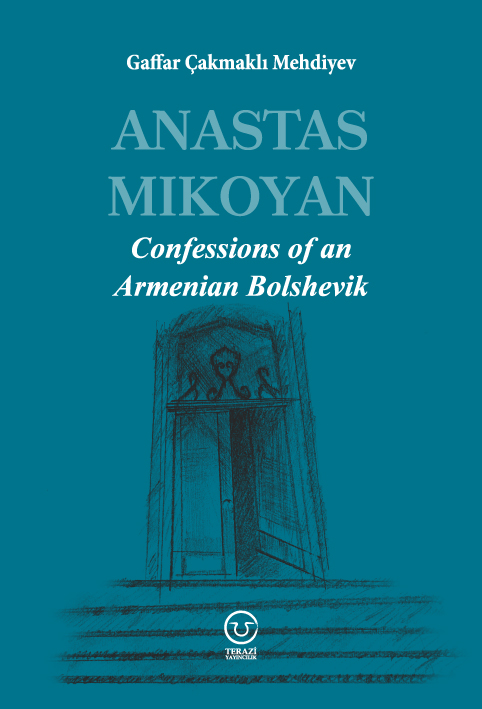
Anastas Mikoyan: Confessions of an Armenian Bolshevik -
08.04.2020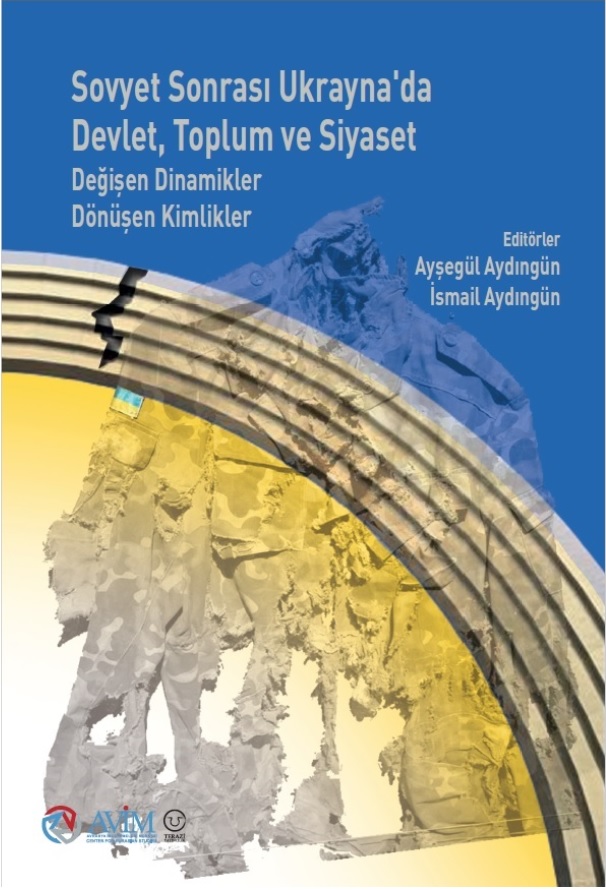
Sovyet Sonrası Ukrayna’da Devlet, Toplum ve Siyaset - Değişen Dinamikler, Dönüşen Kimlikler -
12.06.2018
Ermeni Sorunuyla İlgili İngiliz Belgeleri (1912-1923) - British Documents on Armenian Question (1912-1923) -
02.12.2016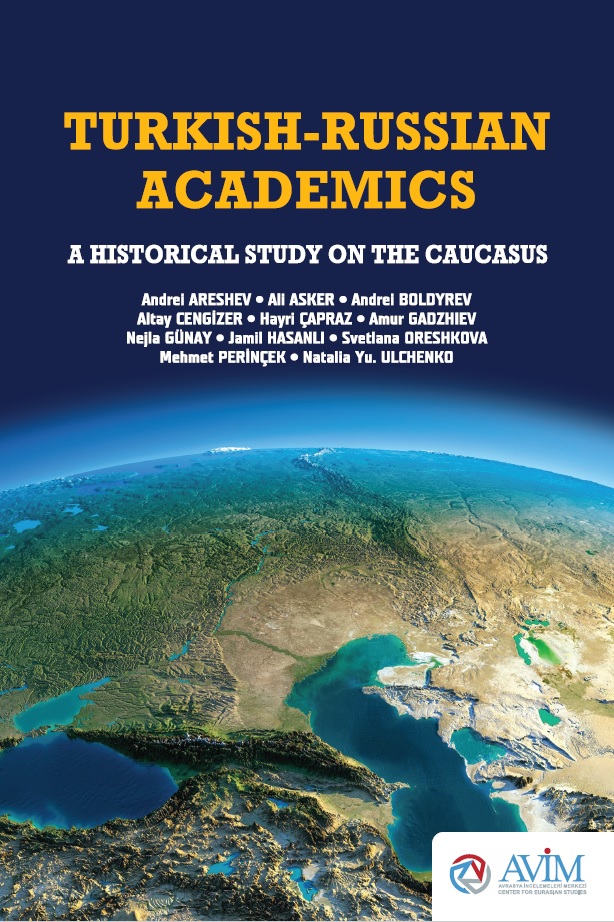
Turkish-Russian Academics: A Historical Study on the Caucasus -
01.07.2016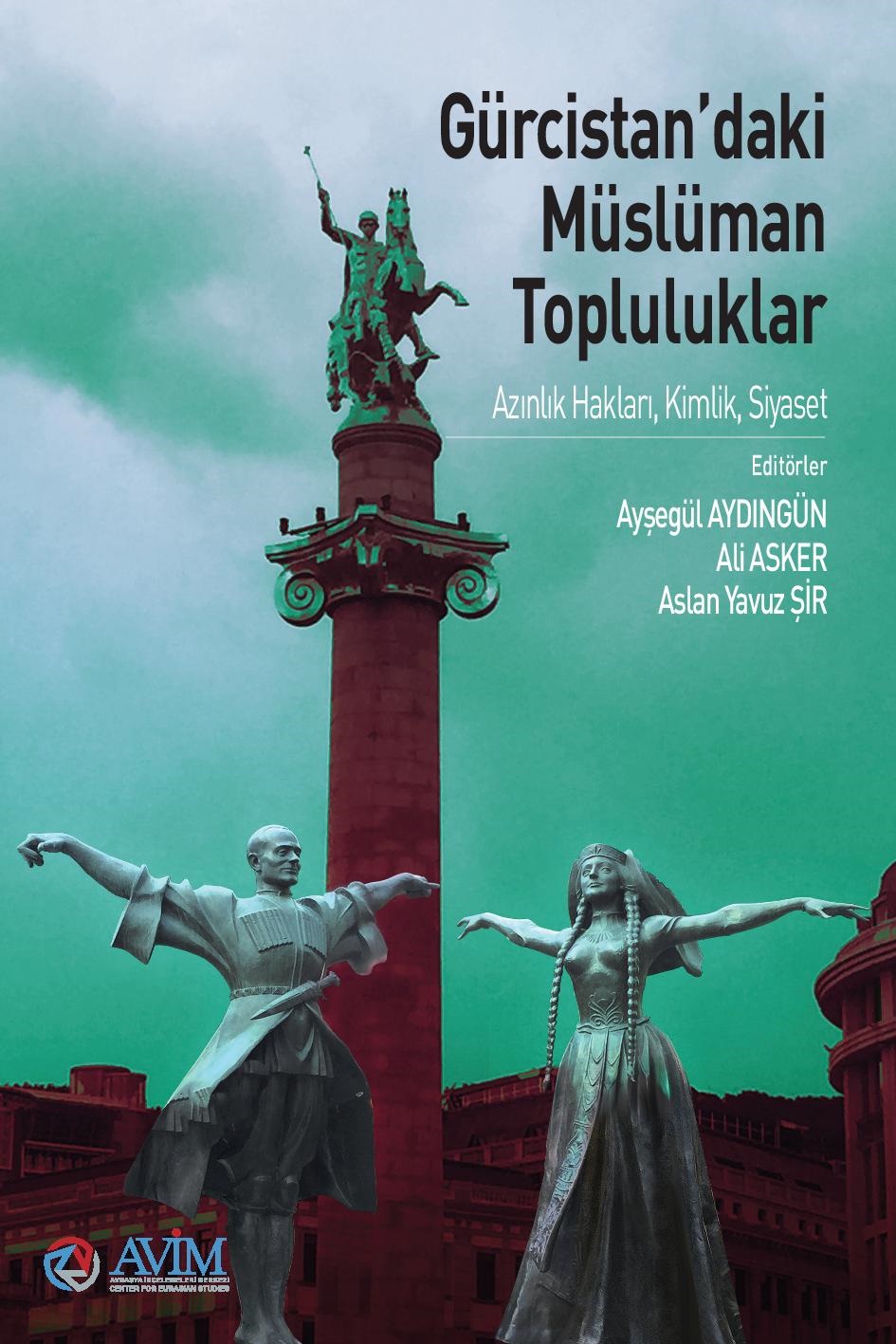
Gürcistan'daki Müslüman Topluluklar: Azınlık Hakları, Kimlik, Siyaset -
10.03.2016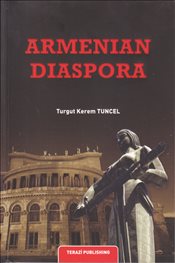
Armenian Diaspora: Diaspora, State and the Imagination of the Republic of Armenia -
24.01.2016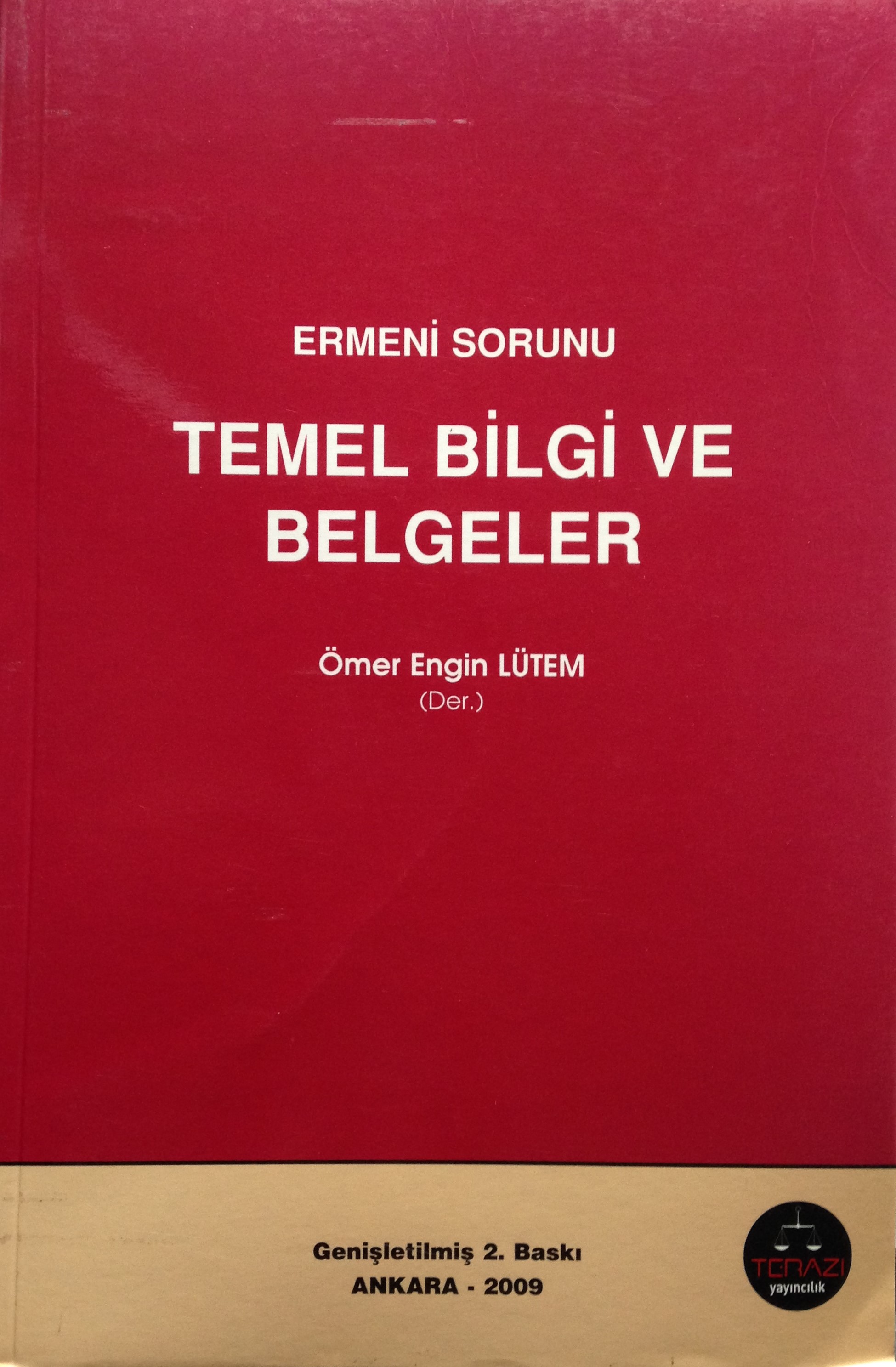
ERMENİ SORUNU - TEMEL BİLGİ VE BELGELER (2. BASKI)


-
AVİM Conference Hall 24.01.2023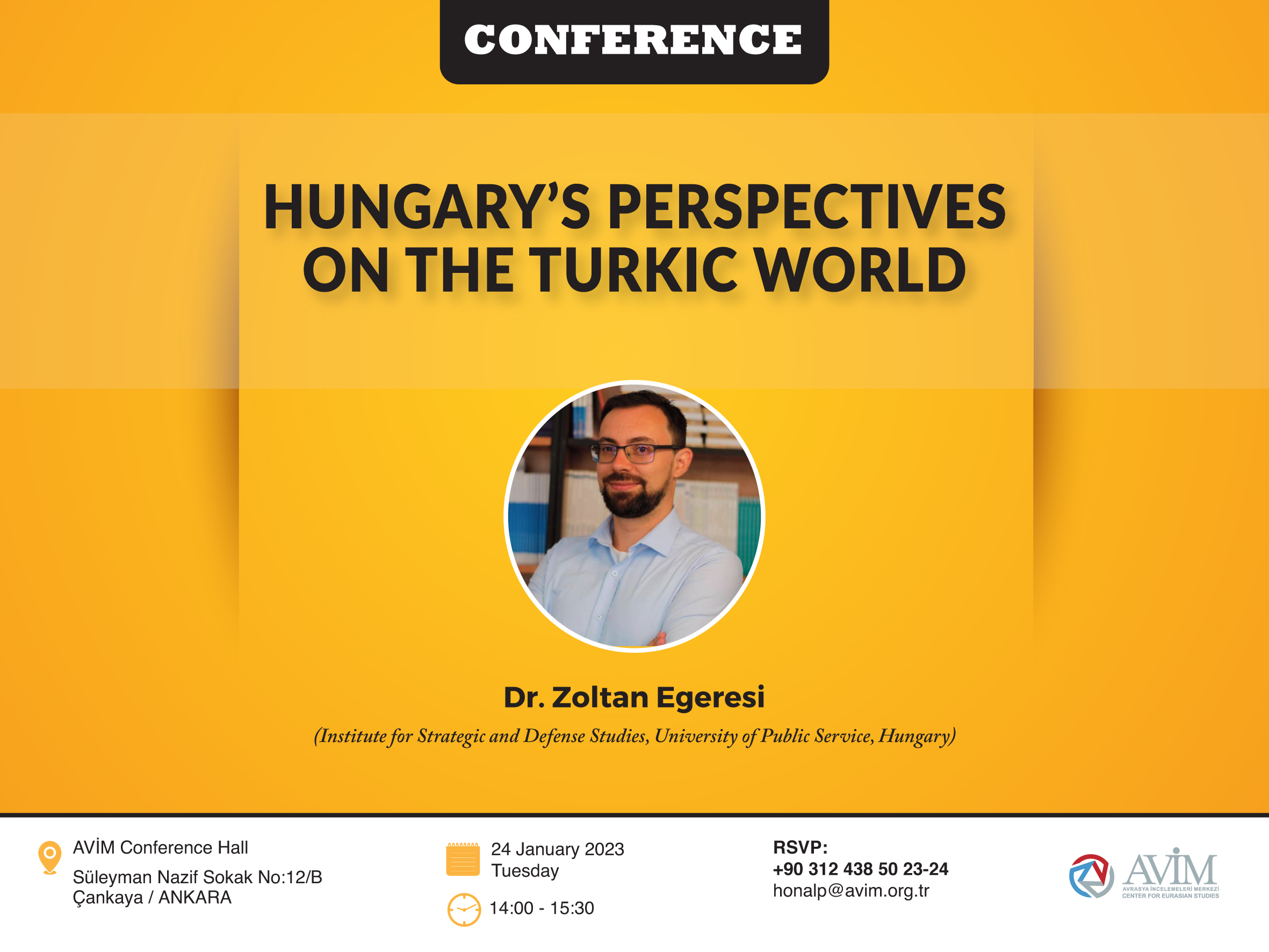
CONFERENCE TITLED “HUNGARY’S PERSPECTIVES ON THE TURKIC WORLD"