
















BBC (8 April 2017)
Police in France have found nearly 3.5 tonnes of weapons, explosives and other material in eight caches handed over by Basque separatist group Eta.
Prime Minister Bernard Cazeneuve said the weapons would be destroyed.
Eta - which says it has now surrendered all its weapons - killed more than 800 people in some 40 years of violence in pursuit of an independent country straddling France and Spain.
Mr Cazeneuve hailed the move but Spain called on Eta to disband.
Eta declared a ceasefire in 2011 but did not disarm.
What is Eta?
Timeline: Eta campaign
IS and Eta: Is terror threat to Europe greater today?
The caches contained 120 firearms, three tonnes of explosives and several thousand rounds of ammunition, a spokesman for the Artisans of Peace, the group which mediated between Eta and the French authorities, said earlier.
Are France and Spain happy?
"The government will not change its position: terrorists cannot expect favourable treatment... much less impunity for their crimes," Spanish Prime Minister Mariano Rajoy said in a statement.
The BBC's Guy Hedgecoe in Madrid says the typically cool response from the Rajoy government shows its determination not to be seen to be giving any ground, as well as reflecting the overall scepticism regarding Eta among the political class in Madrid.
Despite its weak position, Eta and its political supporters now want some kind of concession, such as moving prisoners to Basque jails, our correspondent says - but there is no sign the government will allow this.
The French prime minister said the Eta move was "a decisive step towards the end of Basque separatist terrorism".
"Whether the disarmament is, effectively, total will also be established," Mr Cazeneuve added.
Thousands of people joined a pro-Eta rally in Bayonne to mark "Disarmament Day" on Saturday afternoon.
The handover ceremony - the BBC's Lyse Doucet in Bayonne
A simple ceremony in a city hall ended Eta's campaign for independence. In an elegant, high-ceilinged room, five people sat around a table as early-morning light filtered through the drapes.
Bayonne Mayor Jean-Rene Etchegaray welcomed them to a "moment we have all been waiting for". After a few speeches, French Basque environmentalist Txetx Etcheverry approached the table with a bulky black file. From where I sat, I could see it included photographs as well as text.
The dossier was handed to international witnesses. French security forces discreetly secured the area and the Spanish government raised no objections to the ceremony going ahead.
Ram Manikkalingam of the International Verification Commission called it a "new model of disarmament and verification which emerged from Basque society".
What is Eta?
The group was set up more than 50 years ago in the era of Spanish dictator General Franco, who repressed the Basques politically and culturally.
Eta's goal was to create an independent Basque state out of territory in south-west France and northern Spain.
Its first known killing was in 1968, when a secret police chief was shot dead in the Basque city of San Sebastian.
France and Spain refuse to negotiate with Eta, which is on the EU blacklist of terrorist organisations.
Media captionEta killed hundreds of people over 40 years
How did we get here?
Slowly, and with many false starts.
Eta used parts of south-western France as a base, even though most of its operations were against Spanish targets in Spain. The group has, however, killed some French policemen, but mostly during police raids on members of the group.
Eta's first ceasefire was in 1998, but collapsed the following year. A similar declaration in 2006 only lasted a matter of months, ending when Eta bombed an airport car park, killing two people.
Four years later, in 2010, Eta announced it would not carry out further attacks and in January 2011, it declared a permanent and "internationally verifiable" ceasefire but refused to disarm.
In recent years, police in France and Spain have arrested hundreds of Eta figures and seized many of its weapons.
Eta's political wing, Herri Batasuna, was banned by the Spanish government, which argued that the two groups were inextricably linked.
No comments yet.
- STOP INSISTING ON ASSAD LEADERSHIP: TURKEY TO RUSSIA Asia - Pacific 10.04.2017
- ETA DISARMS: FRENCH POLICE FIND 3.5 TONNES OF WEAPONS Europe - EU 10.04.2017
- KOSOVO’S PRESIDENT WITHDRAWS THE BILL ON THE CREATION OF THE ARMED FORCES The Balkans 10.04.2017
- MCCAIN ARRIVES IN BELGRADE FOR MEETING WITH VUCIC The Balkans 10.04.2017
- FORMER ENERGY MINISTER: BULGARIA SHOULD NOT MISS DEADLINE FOR NEGOTIATIONS WITH GAZPROM The Balkans 10.04.2017
-
25.01.2016
THE ARMENIAN QUESTION - BASIC KNOWLEDGE AND DOCUMENTATION -
12.06.2024
THE TRUTH WILL OUT -
27.03.2023
RADİKAL ERMENİ UNSURLARCA GERÇEKLEŞTİRİLEN MEZALİMLER VE VANDALİZM -
17.03.2023
PATRIOTISM PERVERTED -
23.02.2023
MEN ARE LIKE THAT -
03.02.2023
BAKÜ-TİFLİS-CEYHAN BORU HATTININ YAŞANAN TARİHİ -
16.12.2022
INTERNATIONAL SCHOLARS ON THE EVENTS OF 1915 -
07.12.2022
FAKE PHOTOS AND THE ARMENIAN PROPAGANDA -
07.12.2022
ERMENİ PROPAGANDASI VE SAHTE RESİMLER -
01.01.2022
A Letter From Japan - Strategically Mum: The Silence of the Armenians -
01.01.2022
Japonya'dan Bir Mektup - Stratejik Suskunluk: Ermenilerin Sessizliği -
03.06.2020
Anastas Mikoyan: Confessions of an Armenian Bolshevik -
08.04.2020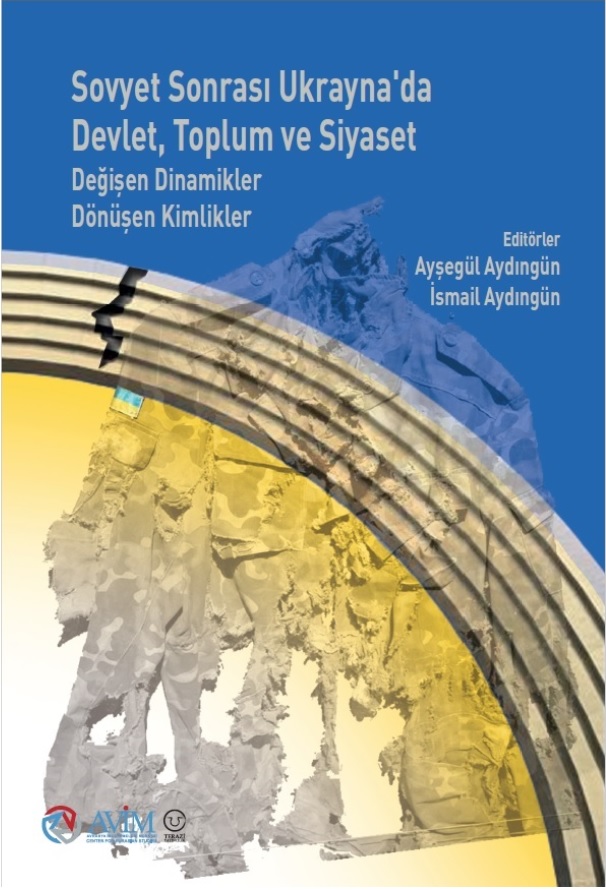
Sovyet Sonrası Ukrayna’da Devlet, Toplum ve Siyaset - Değişen Dinamikler, Dönüşen Kimlikler -
12.06.2018
Ermeni Sorunuyla İlgili İngiliz Belgeleri (1912-1923) - British Documents on Armenian Question (1912-1923) -
02.12.2016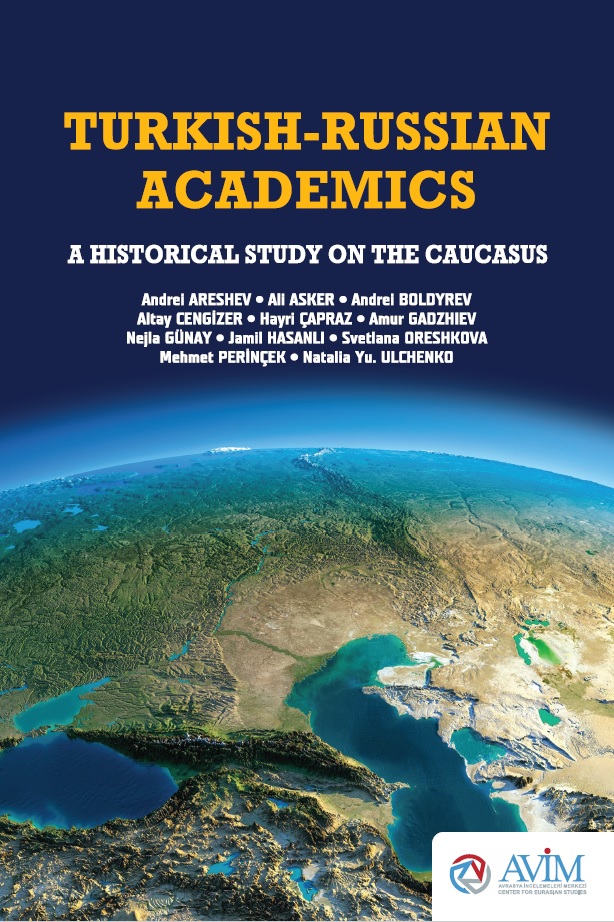
Turkish-Russian Academics: A Historical Study on the Caucasus -
01.07.2016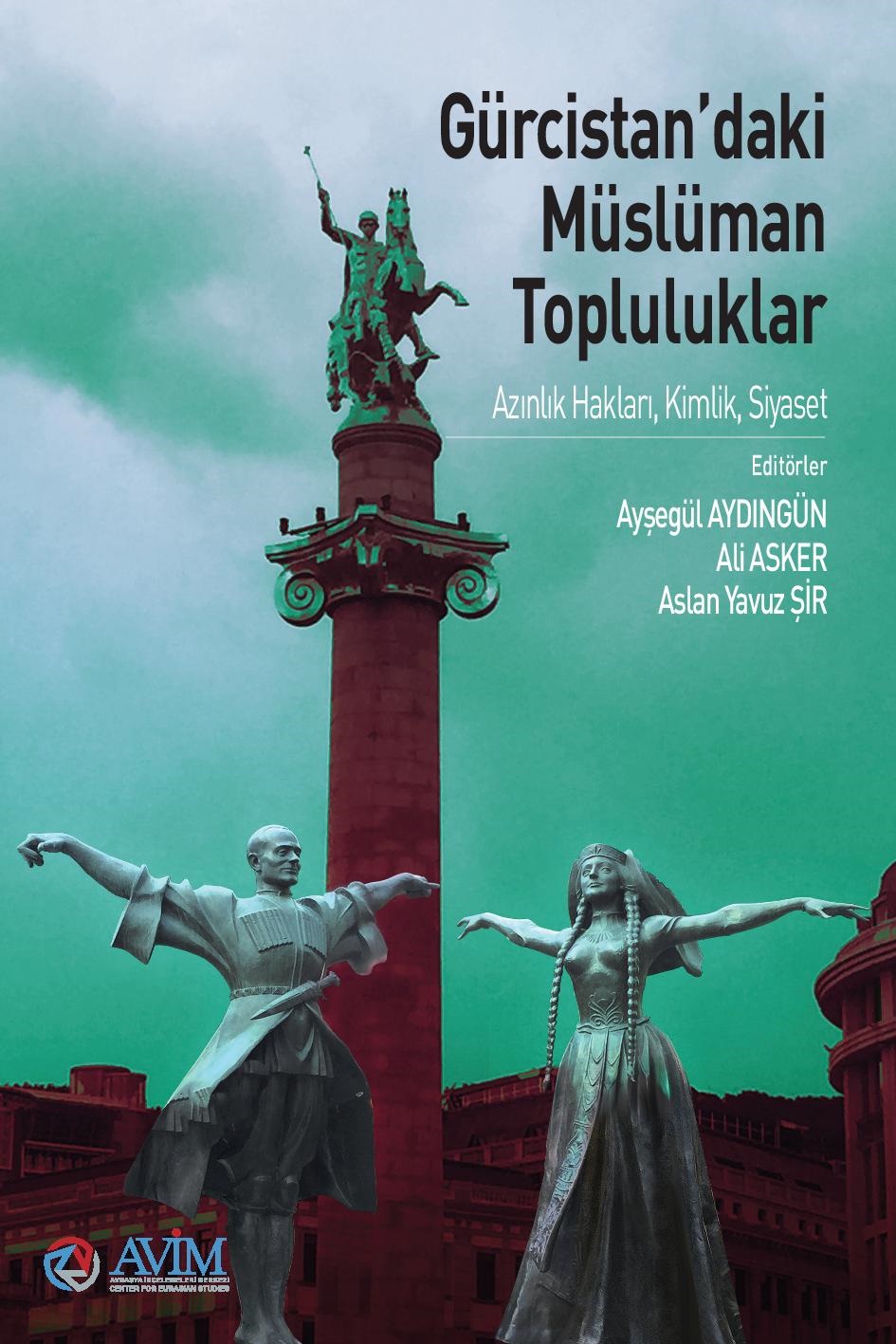
Gürcistan'daki Müslüman Topluluklar: Azınlık Hakları, Kimlik, Siyaset -
10.03.2016
Armenian Diaspora: Diaspora, State and the Imagination of the Republic of Armenia -
24.01.2016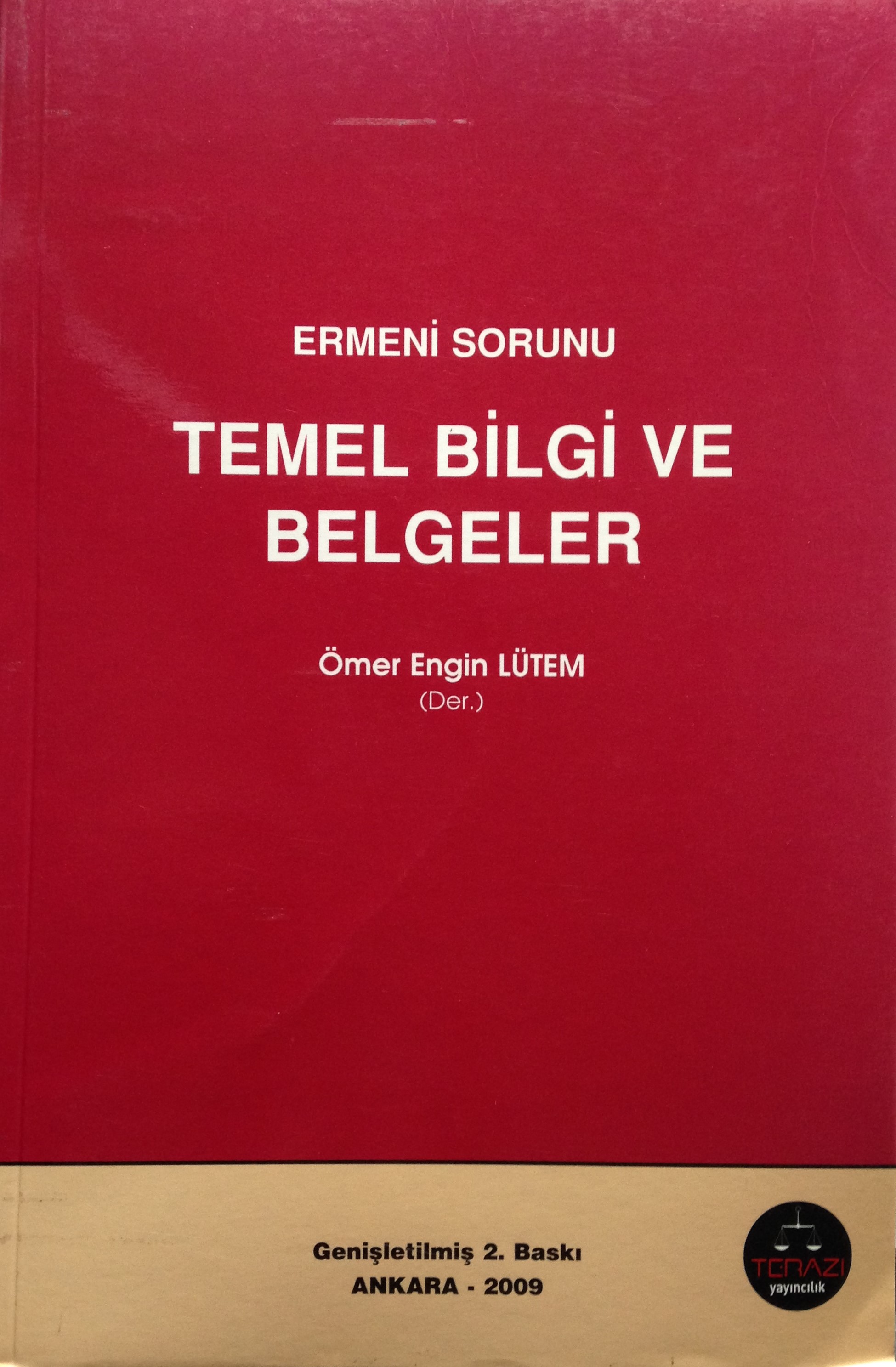
ERMENİ SORUNU - TEMEL BİLGİ VE BELGELER (2. BASKI)



-
AVİM Conference Hall 24.01.2023
CONFERENCE TITLED “HUNGARY’S PERSPECTIVES ON THE TURKIC WORLD"