

















The Diplomat, January 23, 2018
By Catherine Putz
Led by Kazakhstan and Uzbekistan, Central Asia is taking a more active role in engaging with Afghanistan.
Central Asia has always paid attention to the situation in Afghanistan, but it has not always taken a prominent and active role in regional diplomacy. Kazakhstan, soon concluding its presidency of the UN Security Council where it made Afghanistan discussions a priority, and Uzbekistan, which has pivoted from isolation to regional engagement over the past year, are leading the charge to actively involve Central Asia in Afghanistan affairs.
Kazakhstan, the first Central Asian state to win a non-permanent seat on the UN Security Council, prioritized Afghanistan on the Council’s January agenda. Earlier this month, Kazakhstan’s Ambassador to the UN Kairat Umarov led a UNSC delegation to Kabul. It was the body’s first visit to Afghanistan since 2010. The following week, the UNSC held a debate and discussion Afghanistan, notably on building a regional partnership between Afghanistan and Central Asia, linking security and development.
In opening the debate, UN Secretary-General Antonio Guterres welcomed the debate as “a sign of enhanced cooperation between Member States in Central Asia and Afghanistan.” He noted that “the countries of Central Asia have a particularly important role to play” in Afghanistan. The bulk of Guterres’ comments were directed at Central Asia rather than Afghanistan, highlighting developmental progress but commenting that isolation remains a challenge. “[C]ountries in this region can never achieve their full potential alone,” he said. “All are landlocked, and many developed over decades as economically interdependent parts of a larger whole.” Guterres mentioned often-discussed low levels of intra-regional trade since independence. But, “I am heartened over recent signs of change for the better,” Guterres said, going on to mention regional discussions on water management, energy cooperation, and increased regional trade.
Guterres pointed to the upcoming Kabul Process meeting, scheduled for February, as a forum for the Afghan government to lay out its vision for regional peace and security. “With greater regional cooperation and investment, Central Asia and Afghanistan have the potential to become symbols of dialogue, peace, and the promotion of contacts between cultures, religions and civilizations,” he said.
Kazakh Foreign Minister Kairat Abdrakhmanov presented the country’s presidential statement during the January 19 debate, reaffirming the council’s commitment to “to the sovereignty, independence and territorial integrity of Afghanistan and the Central Asian States.” The statement reads like UN statements do, expressing concern about terrorist groups operating in the region and reiterating the importance of increasing women’s participation, for example. But the statement was diligent about inserting Central Asia firmly into each stage of the process. Furthering progress on border management, counternarcotics, economic development, and so on is impractical without Central Asia’s involvement.
Afghan Deputy Foreign Minister Hekmat Khalil Karzai’s remarks pointed out that while Afghanistan has “always recognized the importance of our relations with all regional countries, especially those of Central Asia” during past years, there were “missed opportunities” to elevating the level of regional cooperation.
“Having said that, the past year has seen new dynamism take shape in our cooperation with Central Asian countries,” Karzai said.
That new dynamism has come from Uzbekistan. Under new leadership, Tashkent has redoubled efforts to engage positively with its neighbors, including Afghanistan.
Karzai noted that following the Kabul Process meeting in February, Uzbekistan will play host to a conference on Afghanistan in late March. The joint initiative hopes to serve as a launchpad for negotiations between Kabul and the “armed opposition” (i.e. the Taliban). On the margins of that meeting, the first meeting of the C5+Afghanistan will be held. The C5+1 format — the five Central Asian states plus the United States — was an initiative launched from Washington in the final days of the Obama administration. Bringing together the five Central Asian states and Afghanistan is an extension of the concept which places Central Asia at the core of regional diplomacy rather than at its margins.
The Tashkent Conference on Afghanistan may also come on the tails of the first meeting of the five Central Asian presidents, an initiative which Uzbek President Shavkat Mirziyoyev has been jockeying to arrange. Before heading to New York for the UNSC Afghanistan discussion, Uzbek Foreign Minister Abdulaziz Kamilov paid a visit to Washington. At a reception at the U.S. Library of Congress, Kamilov said the first meeting of the Central Asian presidents should take place in March in Astana and emphasized the importance of the region’s leaders meeting regularly.
The positive impact which changes in Central Asia’s regional dynamics can have on Afghanistan shouldn’t be understated. In both logistics and trade, Central Asia can be a key conduit.
On Monday, the Afghan Ministry of Finance said that based on recent agreements signed by Kabul and Tashkent, Uzbekistan had halved transit fees for Afghan goods. As Tolonews reports, according to Afghan Finance Minister Iklil Hakimi, “until now, Uzbekistan has charged $2,500 USD for every container full of goods that travels through the county, but the fees have dropped to only $1,250 USD.”
The strengthening of trade and transportation links between Afghanistan and Central Asia — boosted also by new airlinks and new rail projects — should yield diplomatic dividends and can contribute positively to regional stabilization.
Achieving peace in Afghanistan is an uphill battle, one fraught with high-minded statements followed by terrorist attacks.
A few days after the UNSC delegation departed and the United States touted the success of its new Afghan strategy in tempting the Taliban to the table, a devastating attack in Kabul over the weekend reverberates as a rebuttal to those who claim progress. The Kabul Process’ second meeting approaches, but cynics can easily point to the many failed peace conferences and negotiating schemes over the past 17 years. At the same time, it cannot hurt for Central Asia to take an active interest in its southern neighbor. While all parties constantly endorse the Afghan-led, Afghan-owned peace concept — few would say Afghanistan can or should do this alone.
No comments yet.
- U.S. ASKS PAKISTAN TO EXPEL TALIBAN LEADERS Asia - Pacific 24.01.2018
-
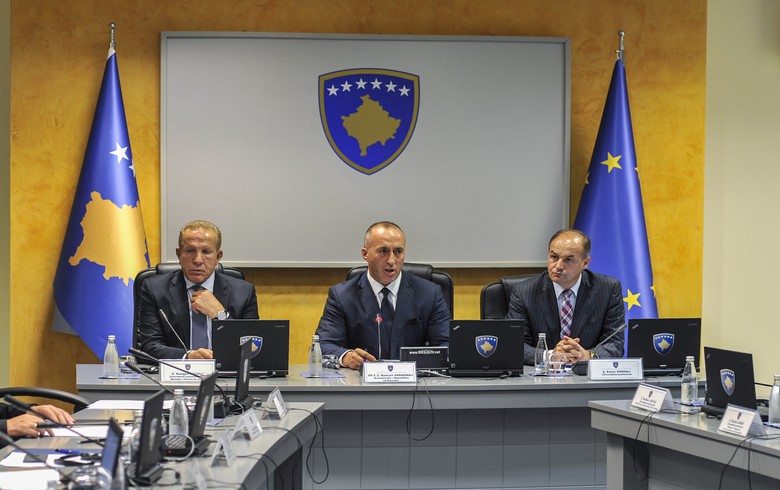 KOSOVO DEPUTY PM VOICES CONCERN OVER EC'S 'SELECTIVE APPROACH' TO INTEGRATION
The Balkans
24.01.2018
KOSOVO DEPUTY PM VOICES CONCERN OVER EC'S 'SELECTIVE APPROACH' TO INTEGRATION
The Balkans
24.01.2018
- AUSTRIA'S STRABAG FILES COMPLAINT WITH CROATIA OVER BRIDGE TENDER The Balkans 24.01.2018
- IRAQ'S TURKMEN BACK TURKISH MILITARY OPERATION IN SYRIA Iraq 24.01.2018
- GEORGIA RECEIVES FIRST SET OF US JAVELIN ANTI-TANK SYSTEMS The Caucasus and Turkish-Armenian Relations 24.01.2018
-
25.01.2016
THE ARMENIAN QUESTION - BASIC KNOWLEDGE AND DOCUMENTATION -
12.06.2024
THE TRUTH WILL OUT -
27.03.2023
RADİKAL ERMENİ UNSURLARCA GERÇEKLEŞTİRİLEN MEZALİMLER VE VANDALİZM -
17.03.2023
PATRIOTISM PERVERTED -
23.02.2023
MEN ARE LIKE THAT -
03.02.2023
BAKÜ-TİFLİS-CEYHAN BORU HATTININ YAŞANAN TARİHİ -
16.12.2022
INTERNATIONAL SCHOLARS ON THE EVENTS OF 1915 -
07.12.2022
FAKE PHOTOS AND THE ARMENIAN PROPAGANDA -
07.12.2022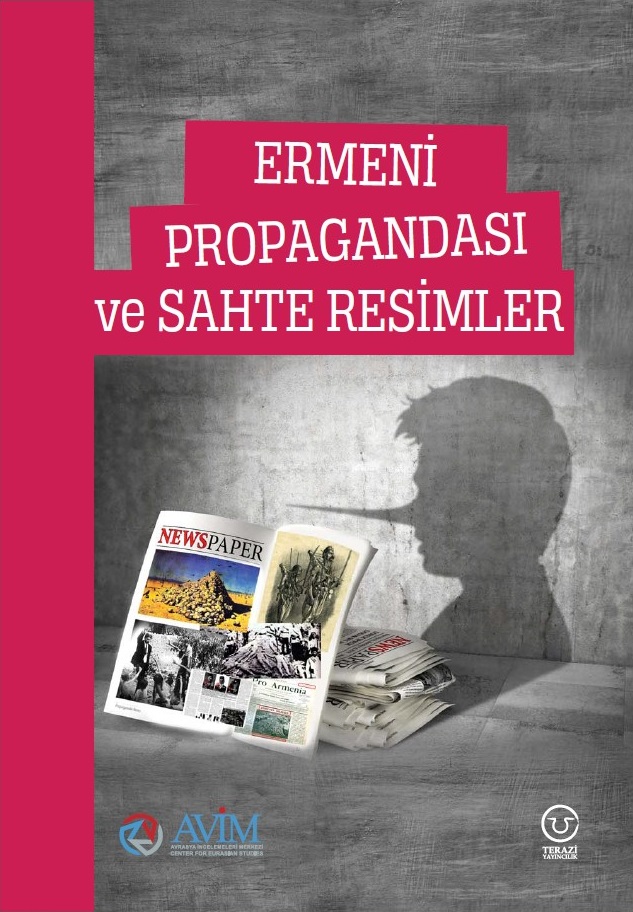
ERMENİ PROPAGANDASI VE SAHTE RESİMLER -
01.01.2022
A Letter From Japan - Strategically Mum: The Silence of the Armenians -
01.01.2022
Japonya'dan Bir Mektup - Stratejik Suskunluk: Ermenilerin Sessizliği -
03.06.2020
Anastas Mikoyan: Confessions of an Armenian Bolshevik -
08.04.2020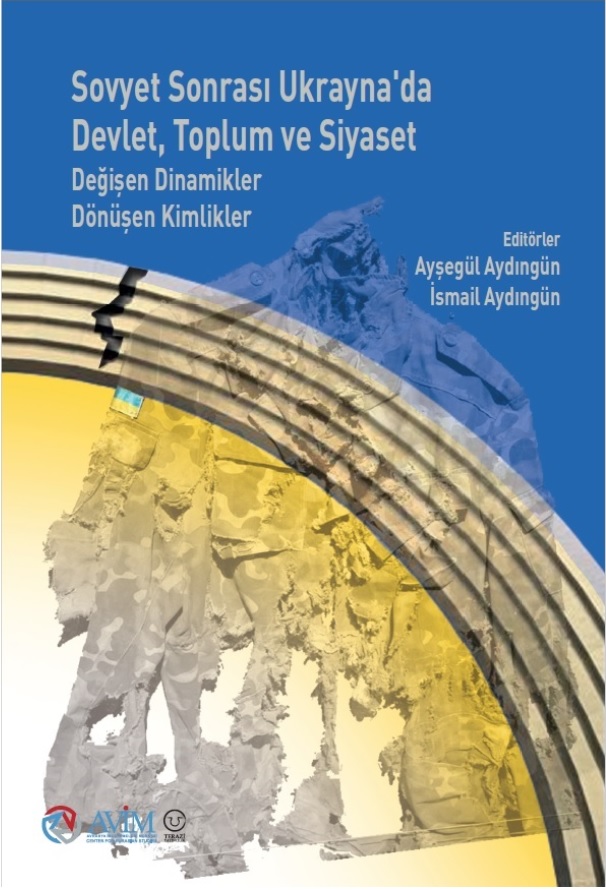
Sovyet Sonrası Ukrayna’da Devlet, Toplum ve Siyaset - Değişen Dinamikler, Dönüşen Kimlikler -
12.06.2018
Ermeni Sorunuyla İlgili İngiliz Belgeleri (1912-1923) - British Documents on Armenian Question (1912-1923) -
02.12.2016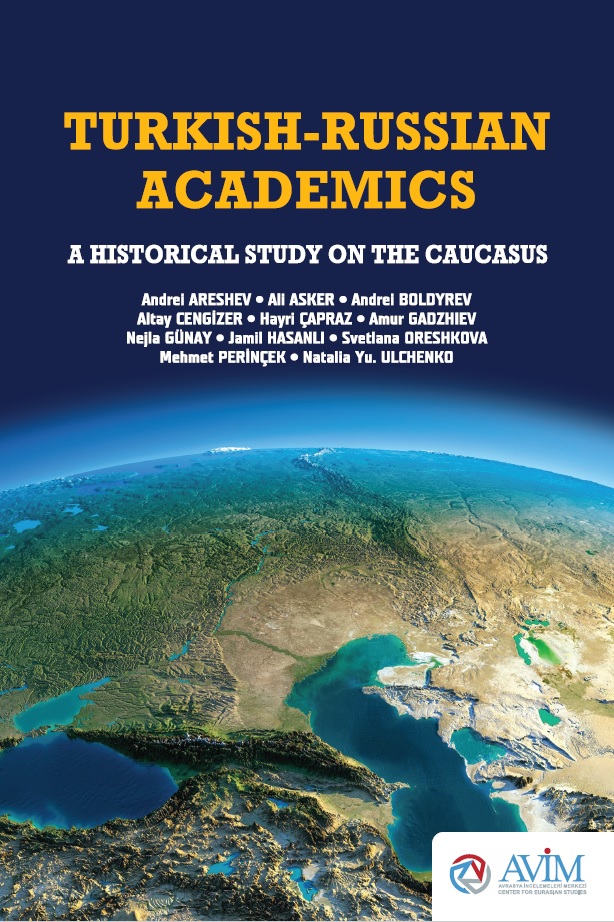
Turkish-Russian Academics: A Historical Study on the Caucasus -
01.07.2016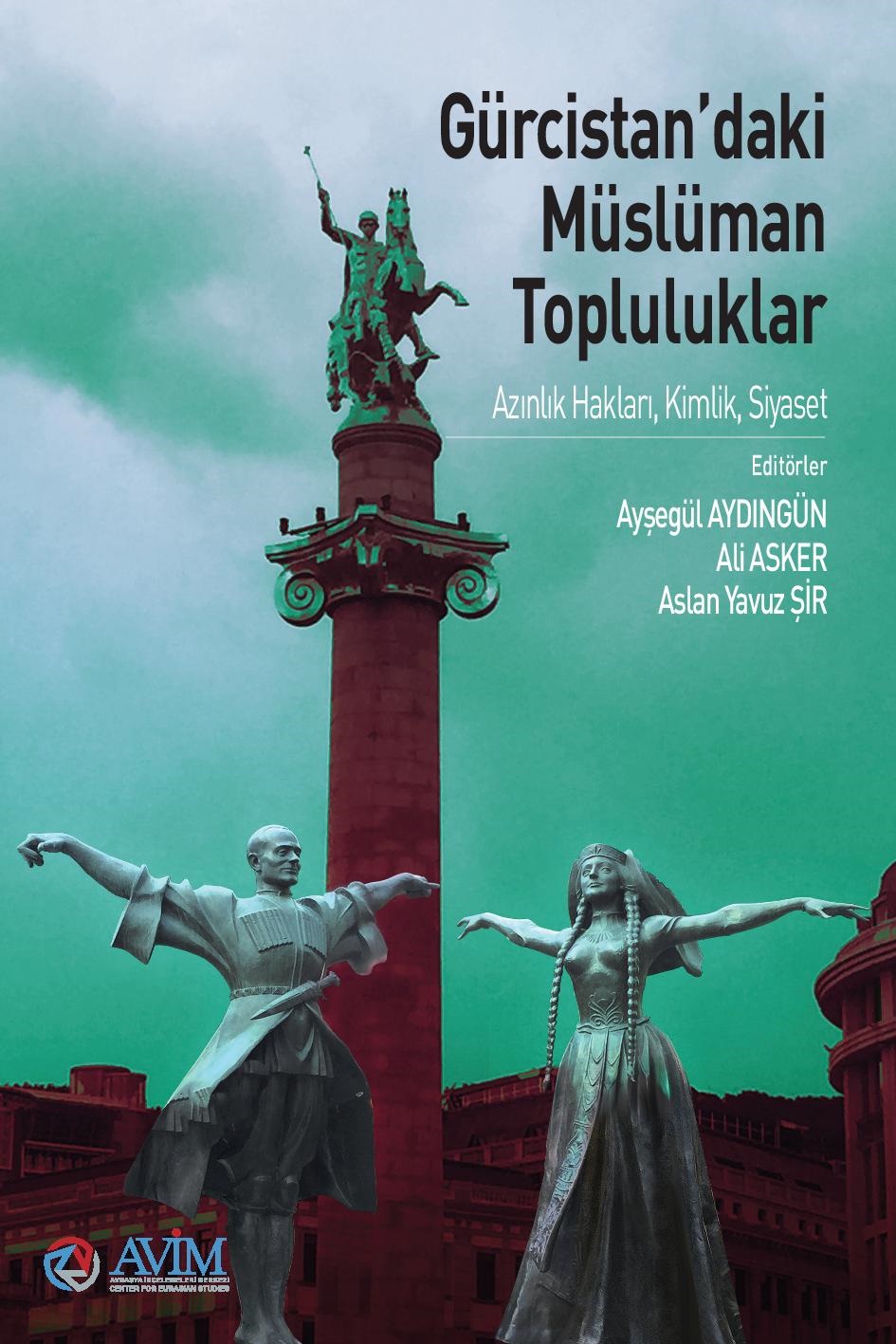
Gürcistan'daki Müslüman Topluluklar: Azınlık Hakları, Kimlik, Siyaset -
10.03.2016
Armenian Diaspora: Diaspora, State and the Imagination of the Republic of Armenia -
24.01.2016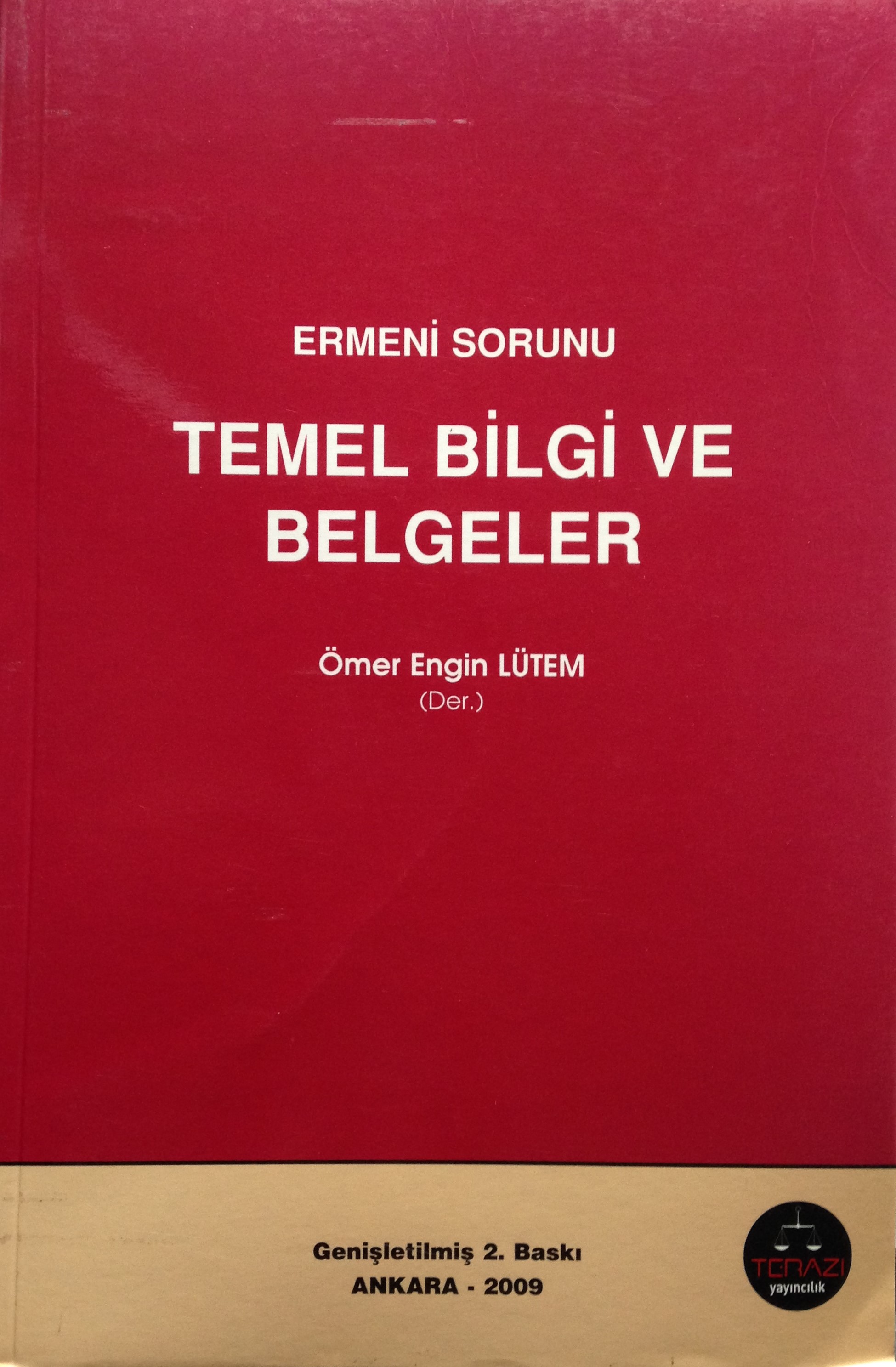
ERMENİ SORUNU - TEMEL BİLGİ VE BELGELER (2. BASKI)
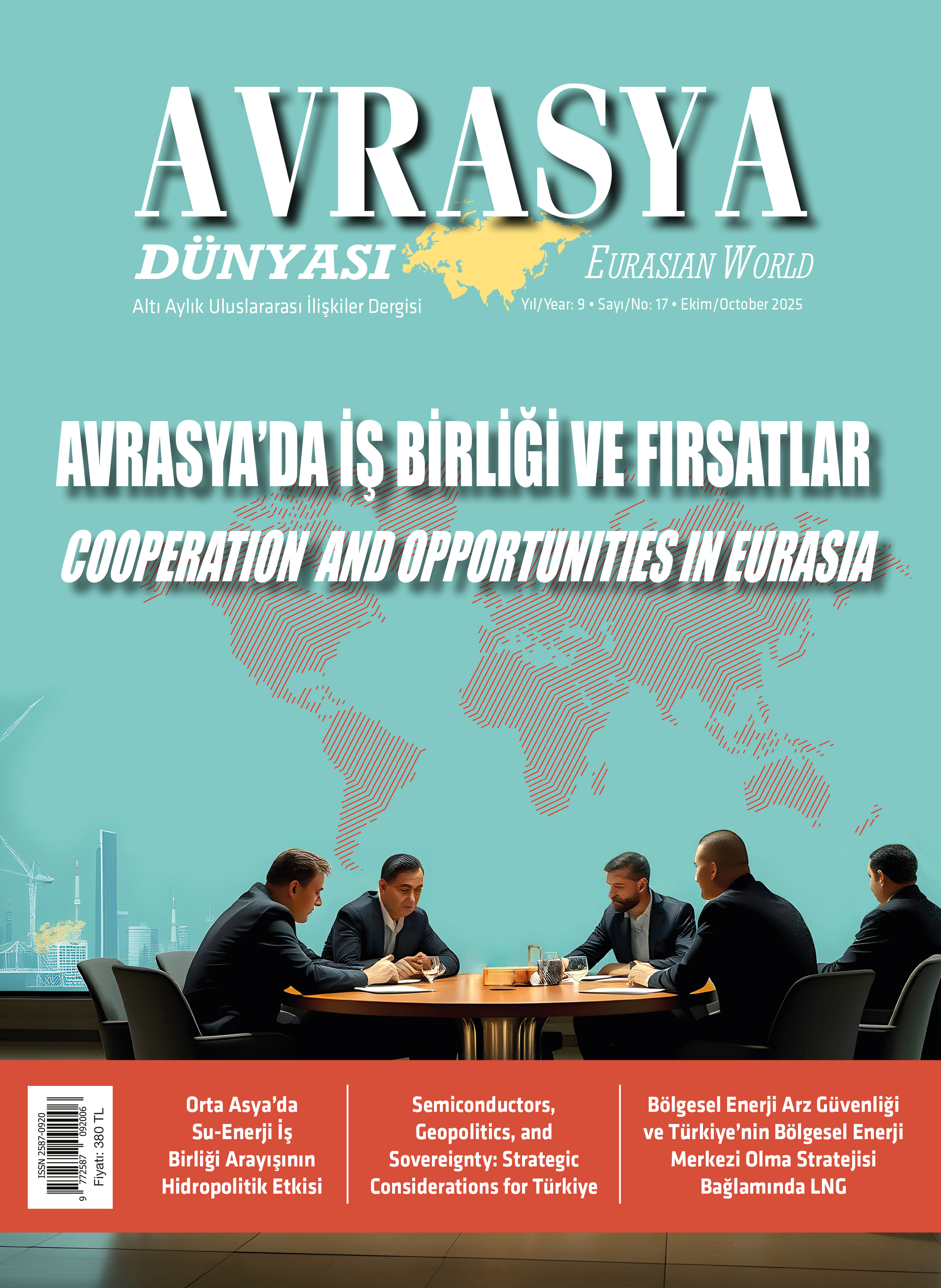


-
AVİM Conference Hall 24.01.2023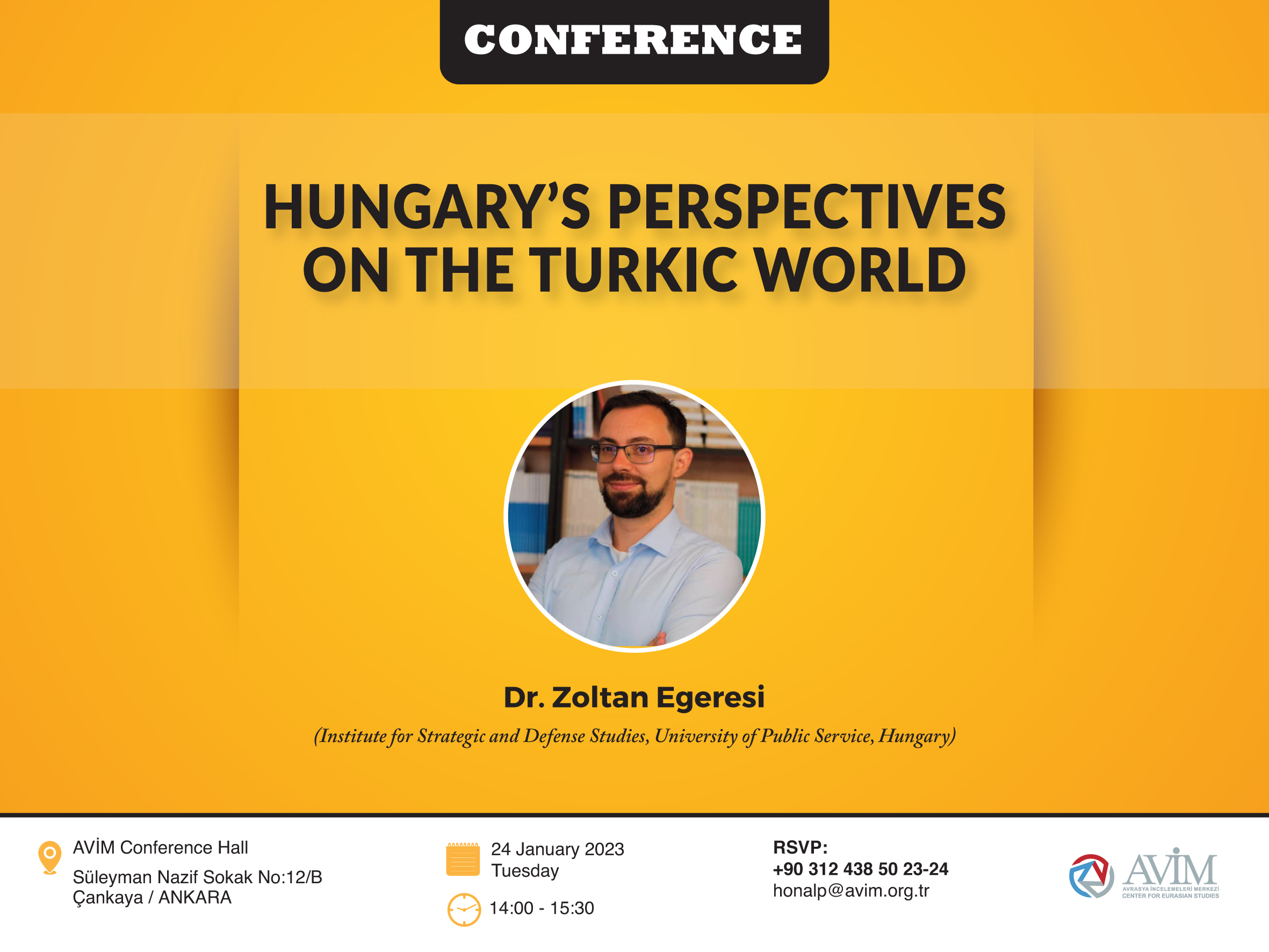
CONFERENCE TITLED “HUNGARY’S PERSPECTIVES ON THE TURKIC WORLD"