














Corridor beyond trade
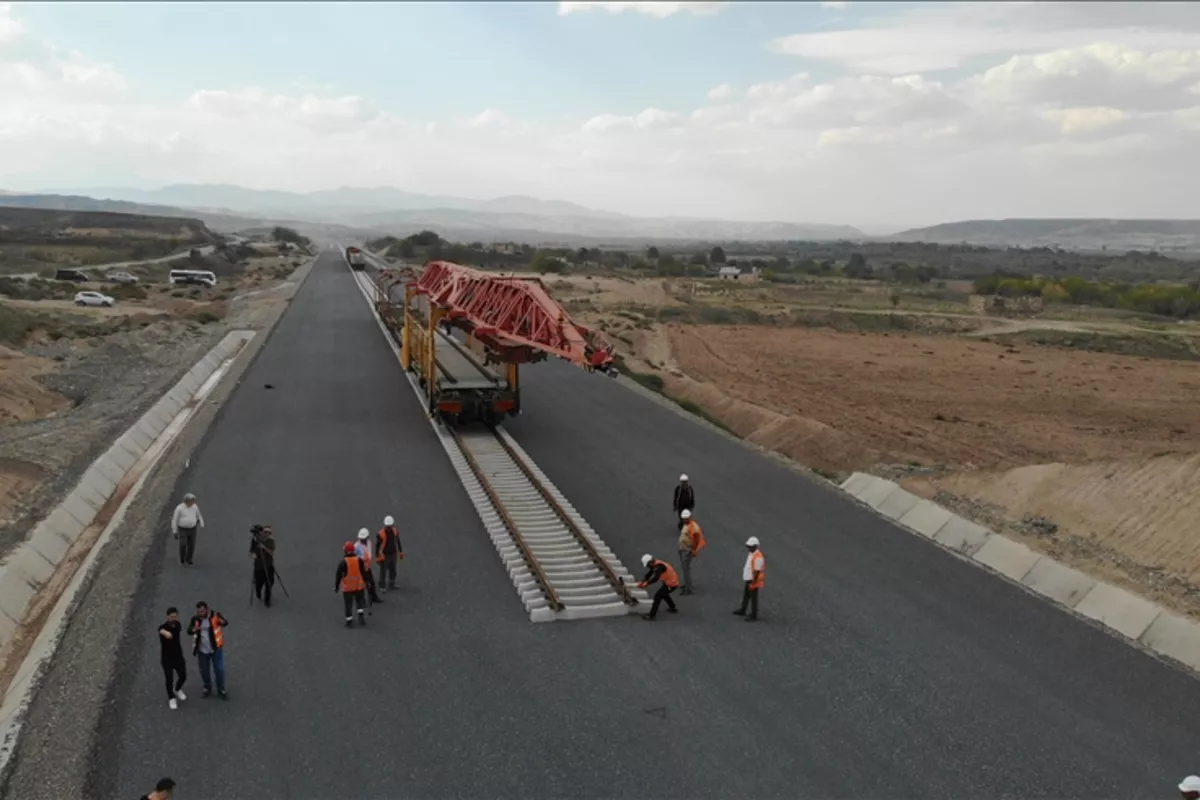
The Zangezur Corridor, often presented as a technical transport link, which is now The Trump Route for International Peace and Prosperity (TRIPP), in fact, is a key component of the broader Middle Corridor that connects Türkiye with the South Caucasus, the Caspian basin, and onward to Central Asia. Framed in this way, it is less a simple shortcut between points on a map than a strategic artery that reconfigures patterns of movement, influence, and interdependence across a wide geography. By anchoring new East–West and East–South routes in and through Türkiye, the project carries implications that reach beyond the South Caucasus to encompass the Balkans as well. This commentary, therefore, approaches the Zangezur Corridor as a geopolitical undertaking whose ultimate significance lies in how it reshapes Türkiye’s regional role and the Balkans' position within an emerging Eurasian connectivity architecture.[1]
Türkiye’s evolving nodal role
Türkiye’s emerging role as a nodal state is closely linked to the way new transport links reposition it at the crossroads of Eurasian connectivity. In this context, the Zangezur Corridor reinforces the Middle Corridor by providing a shorter, more direct land bridge between Türkiye, the South Caucasus, the Caspian basin, and Central Asia, while also easing Nakhchivan’s isolation and binding it more tightly to the wider Turkic geography. By expanding the web of east–west and north–south routes that physically converge on Turkish territory, the project strengthens Türkiye’s capacity to shape traffic flows, standards, and priorities. This fits AVİM’s understanding of “infrastructure diplomacy,” in which control over critical routes supports Türkiye’s strategic autonomy and enhances its political leverage and agenda‑setting power in regional affairs.[2]
Why the Balkans matter in this picture
Building on Türkiye’s evolving nodal role, the Zangezur Corridor’s wider significance becomes apparent when viewed from the Balkans. As East–West and East–South routes increasingly converge on and pass through Türkiye, Balkan countries gain the opportunity for more direct and diversified access to Central Asian and South Caucasian markets, bypassing traditional infrastructural and political bottlenecks farther north.[3]
In practical terms, this connectivity potential dovetails with Türkiye’s deepening engagement in the region, as evidenced by expanding trade volumes, transport and energy projects, and discussions on Balkan peace and cooperation platforms. Such a configuration does not merely use the Balkans as a passageway for non‑regional actors; it creates conditions for the Balkans themselves to move “to the forefront” as active beneficiaries and co‑shapers of the emerging Eurasian connectivity architecture.[4]
Türkiye’s Balkan identity and political change
Against this background, the Zangezur Corridor also intersects with the longer historical and cultural dimensions of Türkiye’s presence in the Balkans. Türkiye’s deep embeddedness in the region – through Ottoman legacies, dense human mobility and contemporary political, economic and societal links – means that connectivity projects radiating from Anatolia are not externally imposed networks, but extensions of an existing Balkan identity dimension in Turkish foreign policy.
When Balkan countries participate in a corridor‑centred Eurasian architecture anchored in Türkiye, they acquire an additional axis of diversification alongside the EU and traditional north‑bound routes, with potential benefits for their strategic autonomy. Politically, the resulting configuration can contribute to a re‑balancing of external influences in the region and encourage more inclusive, regionally owned platforms for dialogue, cooperation, and conflict management.[5]
Risks, sensitivities, and the need for inclusive design
Seen from this wider perspective, however, the Zangezur Corridor also concentrates a set of risks and sensitivities that cannot be ignored. Debates over sovereignty, security guarantees, and the relative weight of alternative or competing routes mean that Armenian, Russian, EU, and other regional actors view the project through different, sometimes conflicting, strategic lenses. From a Balkan perspective, this underscores the importance of avoiding a purely state-centric, exclusivist corridor model that sidelines local communities, economic stakeholders, and civil society – a concern that echoes AVİM’s broader criticism of overly centralized, state-controlled approaches in other policy domains. If the corridor is to fulfil its promise of reinforcing Türkiye’s nodal role while bringing the Balkans “to the forefront,” it must rest on transparent, rules‑based and genuinely multi‑stakeholder governance arrangements that turn connectivity into a shared opportunity rather than a new axis of fragmentation.[6]
*Picture: Caspian Post
[1] “How the Zangezur Corridor Reshapes Türkiye’s Regional Role,” Caspian Post, February 5, 2026, accessed March 12, 2026, https://caspianpost.com/analytics/how-the-zangezur-corridor-reshapes-turkiye-s-regional-role
[2] Teoman Ertuğrul Tulun, “Mapping the Central Asia-Black Sea Axis: Strategic Imperatives amidst New Geopolitical and Economic Realities,” Center for Eurasian Studies (AVİM), No: 2025/11, May 08, 2025, accessed March 12, 2026, https://avim.org.tr/en/Analiz/MAPPING-THE-CENTRAL-ASIA-BLACK-SEA-AXIS-STRATEGIC-IMPERATIVES-AMIDST-NEW-GEOPOLITICAL-AND-ECONOMIC-REALITIES
[3] Teoman Ertuğrul Tulun, “Broken Treaty: Ignored Rights of Turkish Muslim Minority in Greece – Daily Sabah – 12.09.2025,” Center for Eurasian Studies (AVİM), September 15, 2025, accessed March 12, 2026, https://avim.org.tr/Blog/BROKEN-TREATY-IGNORED-RIGHTS-OF-TURKISH-MUSLIM-MINORITY-IN-GREECE-DAILY-SABAH-12-09-2025
[4] Caspian - Alpine Team , “The Zangezur Corridor and the New Architecture of the South Caucasus,” Caspian–Alpine Society, Novemeber 6th, 2025, accessed March 12, 2026, https://caspian-alpine.org/the-zangezur-corridor-and-the-new-architecture-of-the-south-caucasus/
[5] Teoman Ertuğrul Tulun, “Türkiye–Serbia Rapprochement and the Balkan Peace Platform: Testing Balancing Role,” Center for Eurasian Studies (AVİM), No: 2026/14, February 24, 2026, accessed March 12, 2026, https://avim.org.tr/en/Yorum/Turkiye-Serbia-Rapprochement-and-the-Balkan-Peace-Platform-Testing-Balancing-Role
[6] “3 Questions – Importance of Zangezur Corridor for the Region Explained,” Anadolu Agency (AA), Ayşegül Ketenci, 21.12.2022, accessed March 12, 2026, https://www.aa.com.tr/en/analysis/3-questions-importance-of-zangezur-corridor-for-the-region-explained/2769019 ; Hazel Çağan Elbir , “What Zangezur Corridor Promises: Trade, Transit and Trust – Daily Sabah – 19.09.2025,” Center for Eurasian Studies (AVİM), September 19, 2025, accessed March 12, 2026, https://avim.org.tr/Blog/WHAT-ZANGEZUR-CORRIDOR-PROMISES-TRADE-TRANSIT-AND-TRUST-DAILY-SABAH-19-09-2025
© 2009-2025 Center for Eurasian Studies (AVİM) All Rights Reserved
No comments yet.
-
 THE SHATTERING OF REGIONAL ANCHOR FOR STABILITY: THE PASSING OF KING BHUMIBOL ADULYADEJ
Teoman Ertuğrul TULUN 28.11.2016 -
 MONTREUX, CONSTRUCTIVE EURASIANISM, AND BLACK SEA STABILITY: REASSESSING TÜRKİYE’S STRAITS REGIME ON ITS 90TH ANNIVERSARY
Teoman Ertuğrul TULUN 22.07.2026 -
 BEYOND DOUBLE STANDARDS IN THE BALKANS: REBUILDING TRUST IN OSCE ELECTION MONITORING
Teoman Ertuğrul TULUN 18.04.2025 -
 TÜRKİYE IS THE GUARDIAN OF THE MONTREUX CONVENTION REGARDING THE REGIME OF THE STRAITS AND THE BACKBONE OF SECURITY AND STABILITY IN THE BLACK SEA
Teoman Ertuğrul TULUN 03.04.2026 -
 CONSTRUCTIVE EURASIANISM AND COOPERATIVE SECURITY: AVİM’S PERSPECTIVE ON THE BLACK SEA REGION
Teoman Ertuğrul TULUN 10.10.2025
-
 CENTER FOR EURASIAN STUDIES (AVİM) HELD A BRAIN-STORMING MEETING ON THE TOPIC “ EURASIAN PERSPECTIVES- THE VIEWS FROM KAZAKHSTAN AND TURKEY”.
Hande Apakan 25.02.2014 -
 ARMENIAN ECONOMY NEEDS TO BE ABLE TO FISH NOT CHARITIES FROM DIASPORA
AVİM 12.10.2018 -
 ASALA BUZZING ON THE ROAD TO NORMALIZATION BETWEEN TÜRKİYE AND ARMENIA
Hazel ÇAĞAN ELBİR 03.02.2023 -
 FROM SOUTH TO NORTH, MARITIME CORRIDOR: CHABAHAR PORT
Özge Nur ÖĞÜTCÜ 25.05.2016 -
 BOOK REVIEW: ARMENIAN ALLEGATIONS AND FACTS (ERMENİ SUÇLAMALARI VE GERÇEKLER)
Ali Murat TAŞKENT 09.07.2015
-
25.01.2016
THE ARMENIAN QUESTION - BASIC KNOWLEDGE AND DOCUMENTATION -
12.06.2024
THE TRUTH WILL OUT -
27.03.2023
RADİKAL ERMENİ UNSURLARCA GERÇEKLEŞTİRİLEN MEZALİMLER VE VANDALİZM -
17.03.2023
PATRIOTISM PERVERTED -
23.02.2023
MEN ARE LIKE THAT -
03.02.2023
BAKÜ-TİFLİS-CEYHAN BORU HATTININ YAŞANAN TARİHİ -
16.12.2022
INTERNATIONAL SCHOLARS ON THE EVENTS OF 1915 -
07.12.2022
FAKE PHOTOS AND THE ARMENIAN PROPAGANDA -
07.12.2022
ERMENİ PROPAGANDASI VE SAHTE RESİMLER -
01.01.2022
A Letter From Japan - Strategically Mum: The Silence of the Armenians -
01.01.2022
Japonya'dan Bir Mektup - Stratejik Suskunluk: Ermenilerin Sessizliği -
03.06.2020
Anastas Mikoyan: Confessions of an Armenian Bolshevik -
08.04.2020
Sovyet Sonrası Ukrayna’da Devlet, Toplum ve Siyaset - Değişen Dinamikler, Dönüşen Kimlikler -
12.06.2018
Ermeni Sorunuyla İlgili İngiliz Belgeleri (1912-1923) - British Documents on Armenian Question (1912-1923) -
02.12.2016
Turkish-Russian Academics: A Historical Study on the Caucasus -
01.07.2016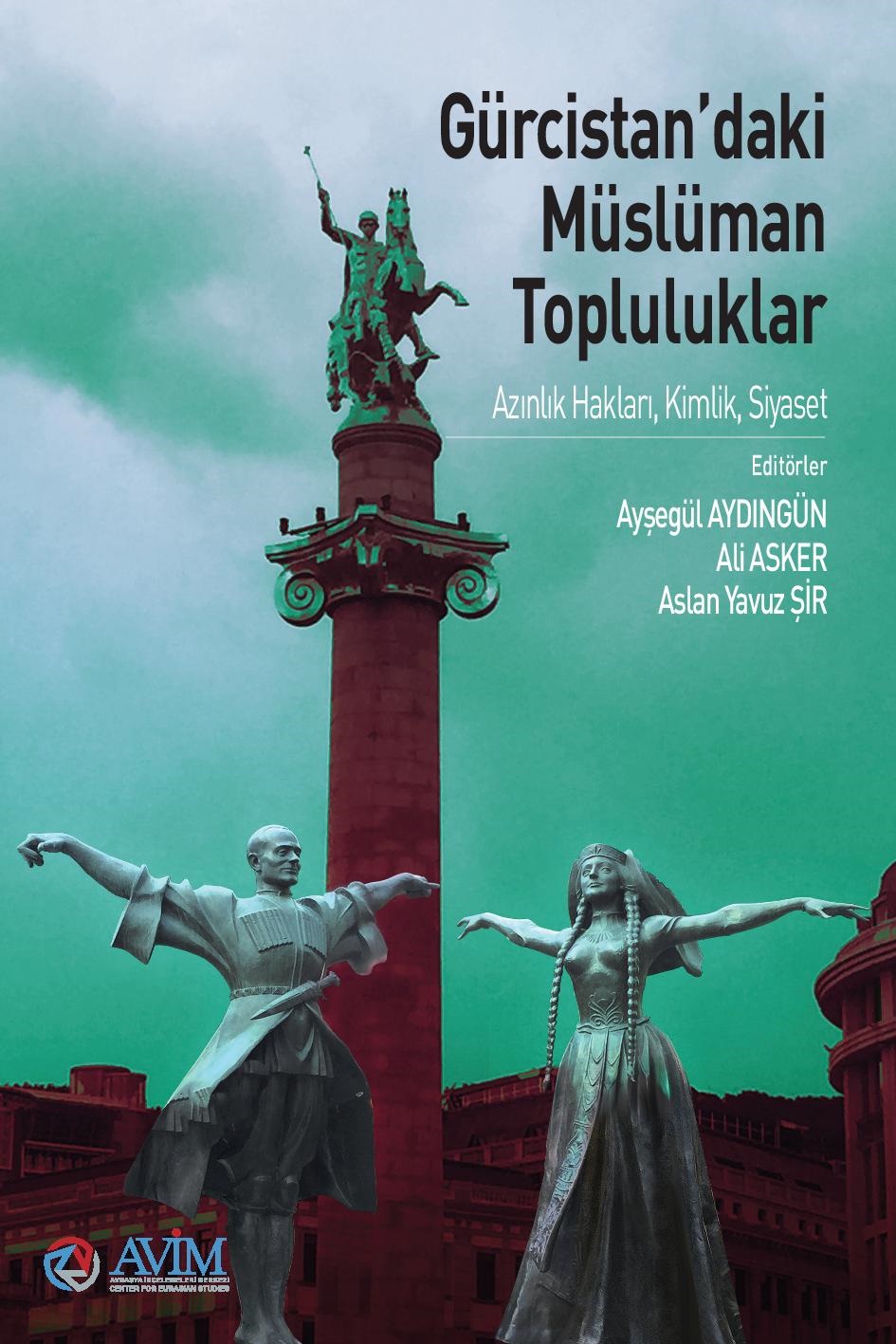
Gürcistan'daki Müslüman Topluluklar: Azınlık Hakları, Kimlik, Siyaset -
10.03.2016
Armenian Diaspora: Diaspora, State and the Imagination of the Republic of Armenia -
24.01.2016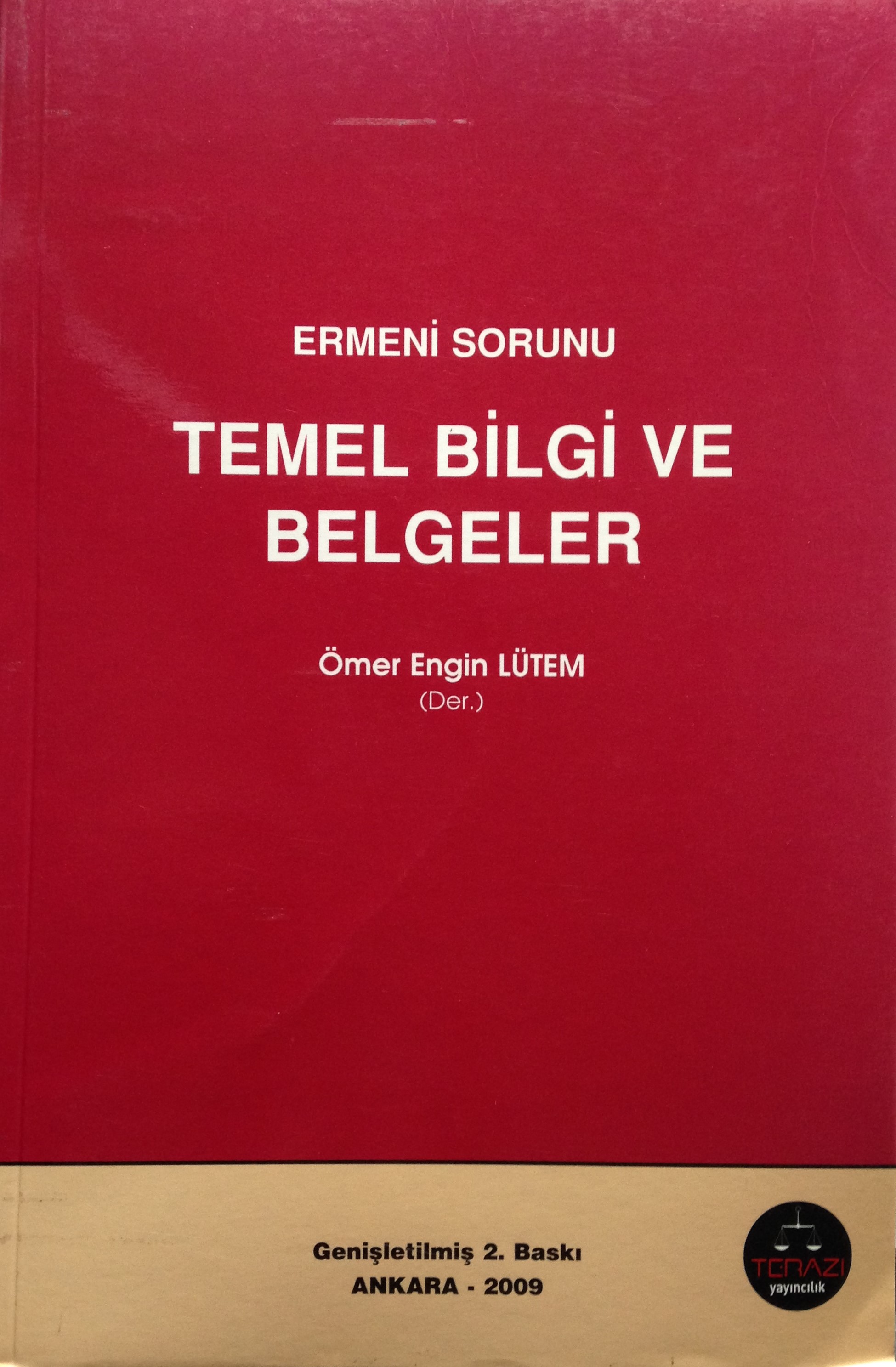
ERMENİ SORUNU - TEMEL BİLGİ VE BELGELER (2. BASKI)
-
AVİM Conference Hall 24.01.2023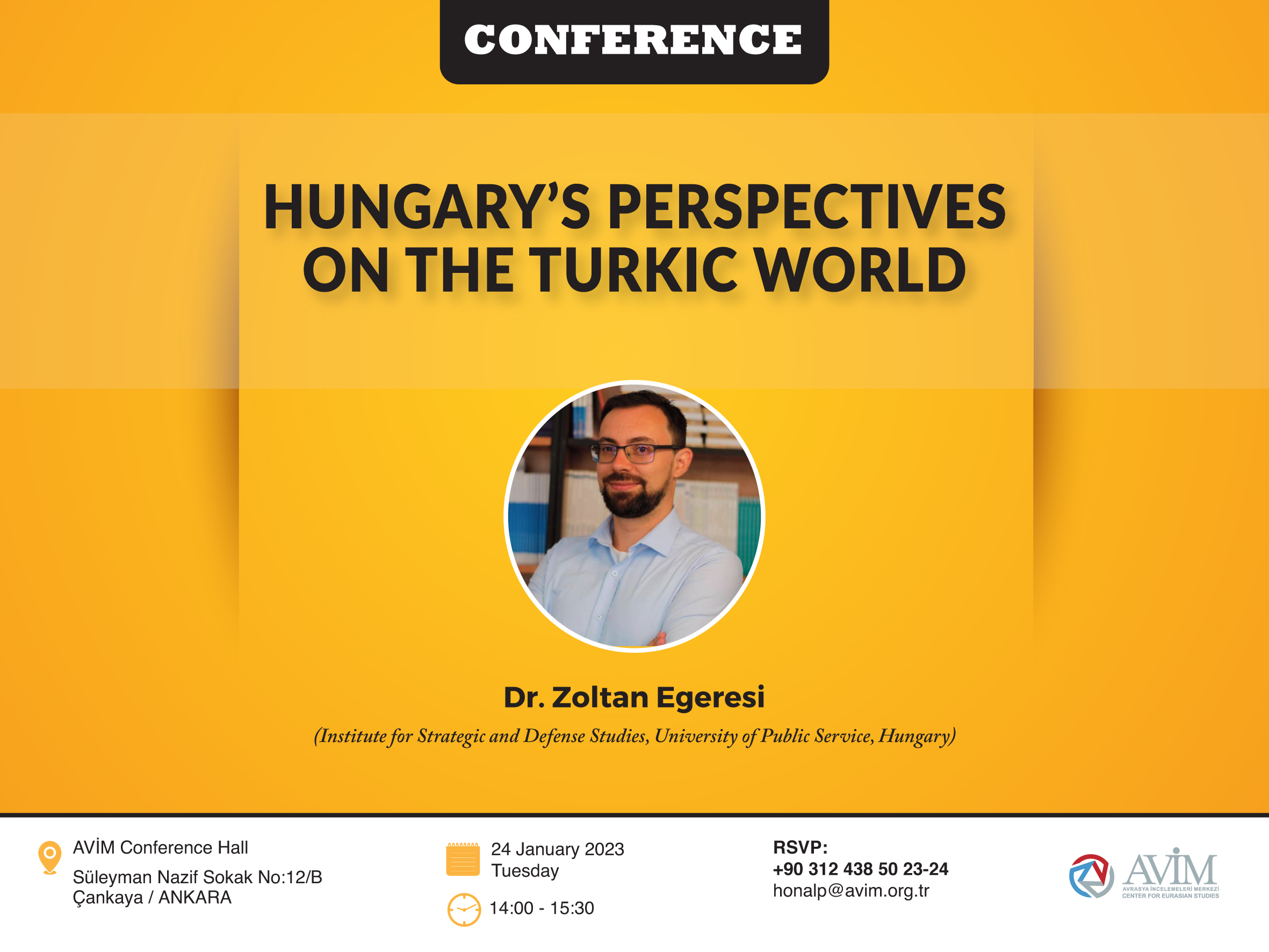
CONFERENCE TITLED “HUNGARY’S PERSPECTIVES ON THE TURKIC WORLD"