

















Deutsche Welle (26 October 2017)
German security forces have largely chosen not to take advantage of a new law allowing them to track potential terrorists with ankle bracelets. Police unions say the tags aren't an effective means of surveillance.
Only two out of 705 people classified by the German security forces as Islamist threats are currently wearing an ankle tag, despite a law introduced in June in the wake of the Berlin Christmas market attack in December 2016.
The figures, published this week by the Süddeutsche Zeitung (SZ) and confirmed by the Interior Ministry, also showed there were 428 people in the "Islamist spectrum," but considered less dangerous.
A spokeswoman for the German Federal Police (BKA) said since the advent of the new law — much trumpeted in January by Interior Minister Thomas de Maiziere and Justice Minister Heiko Maas in the wake of the Christmas attack — they had not filed for a single ankle tag for a potentially dangerous Islamist.
Tunisian Anis Amri, who carried out the Christmas market attack in Berlin, was known to police as a drug dealer
Little faith in the idea
This is partly because surveillance of potential attackers comes under the aegis of the state police, and it is up to state governments to amend the relevant laws – which only Bavaria has yet done. According to the SZ, Bavarian police have now successfully applied for ankle tags for two Islamists. Other states, such as Berlin, have expressed skepticism about implementing the law.
Oliver Malchow, chairman of the police union GdP, said there was little enthusiasm for the measure among German police. Police officers see ankle tags as a useful tool for tracking sex offenders, he said, because they were barred from straying into certain areas, such as near schools or kindergartens, which would set off an alarm.
Would it even work?
But there is little to gain from tracking the location of potentially dangerous Islamists, according to Malchow.
"It's very difficult to define the area where they're not allowed to go, which is the point of ankle tags," he said. "This is a very big intervention just to find out where someone is — an ankle tag is no help in finding out what they're doing there or who they're meeting."
Electronic ankle tags, which use GPS technology, were originally introduced in Germany in 2011 to provide an alternative to incarceration and relieve the prison system. They are generally used to track convicted criminals on parole who have already served a minimum sentence of two years.
Legal obstacles
As laid out in this year's law, the new use raises legal problems since many people classified as Islamists have not committed a crime. To get an ankle tag fixed, the police must present evidence to a judge that a suspect is "very dangerous," as Malchow put it.
"The police must describe why someone presents a concrete danger, and that the ankle tag can prevent that," he said. "It's only even possible when that can be formulated, and a judge agrees."
Then legalese jargon. The word the German domestic intelligence agencies use to categorize the 705 apparently dangerous Islamists is Gefährder — literally, "endangerers" — but that has no legal definition. That means the police is left with the task of assessing risks, tracking individuals and deciding whether affixing a tag to a specific person's ankle would prevent a terrorist attack.
Read more: Preventing terrorism: What powers do German security forces have?
The police has the power to track and if necessary arrest a suspect if they believe a terrorist attack — or any serious crime — is being planned. But in such a case they are permitted to order full surveillance of the suspect, which would mean continually following and observing them, and gathering much more information than an ankle tag could provide.
"When the ankle tags for potential terrorists were introduced, it was clear that the legal obstacles — and that was one of our demands — had to be very high," Malchow said. "It was obvious from the way the law was worded that it would only apply to a handful of people. Ankle tags were always just a complement to the tools already available, and one that was almost never going to be used."
No comments yet.
- VIRTUALLY NO 'DANGEROUS' GERMAN ISLAMISTS WEARING ELECTRONIC ANKLE BRACELETS Europe - EU 27.10.2017
- CNN HOST BOURDAIN HAS MADE HIMSELF ‘A PROPAGANDA TOOL’ TO DISGUISE OCCUPATION OF AZERBAIJANI LANDS BY ARMENIA, SAYS HAJIYEV The Caucasus and Turkish-Armenian Relations 27.10.2017
- MUBARIZ GURBANLI: ARMENIANS CONTINUE TO SPREAD LIES The Caucasus and Turkish-Armenian Relations 27.10.2017
- WHICH EUROPEAN COUNTRIES HAVE THE MOST POWERFUL PASSPORTS? Europe - EU 27.10.2017
- AMBASSADOR MAIOR: ROMANIA IS ENGAGED IN THE RECONSTRUCTION OF EU The Balkans 27.10.2017
-
25.01.2016
THE ARMENIAN QUESTION - BASIC KNOWLEDGE AND DOCUMENTATION -
12.06.2024
THE TRUTH WILL OUT -
27.03.2023
RADİKAL ERMENİ UNSURLARCA GERÇEKLEŞTİRİLEN MEZALİMLER VE VANDALİZM -
17.03.2023
PATRIOTISM PERVERTED -
23.02.2023
MEN ARE LIKE THAT -
03.02.2023
BAKÜ-TİFLİS-CEYHAN BORU HATTININ YAŞANAN TARİHİ -
16.12.2022
INTERNATIONAL SCHOLARS ON THE EVENTS OF 1915 -
07.12.2022
FAKE PHOTOS AND THE ARMENIAN PROPAGANDA -
07.12.2022
ERMENİ PROPAGANDASI VE SAHTE RESİMLER -
01.01.2022
A Letter From Japan - Strategically Mum: The Silence of the Armenians -
01.01.2022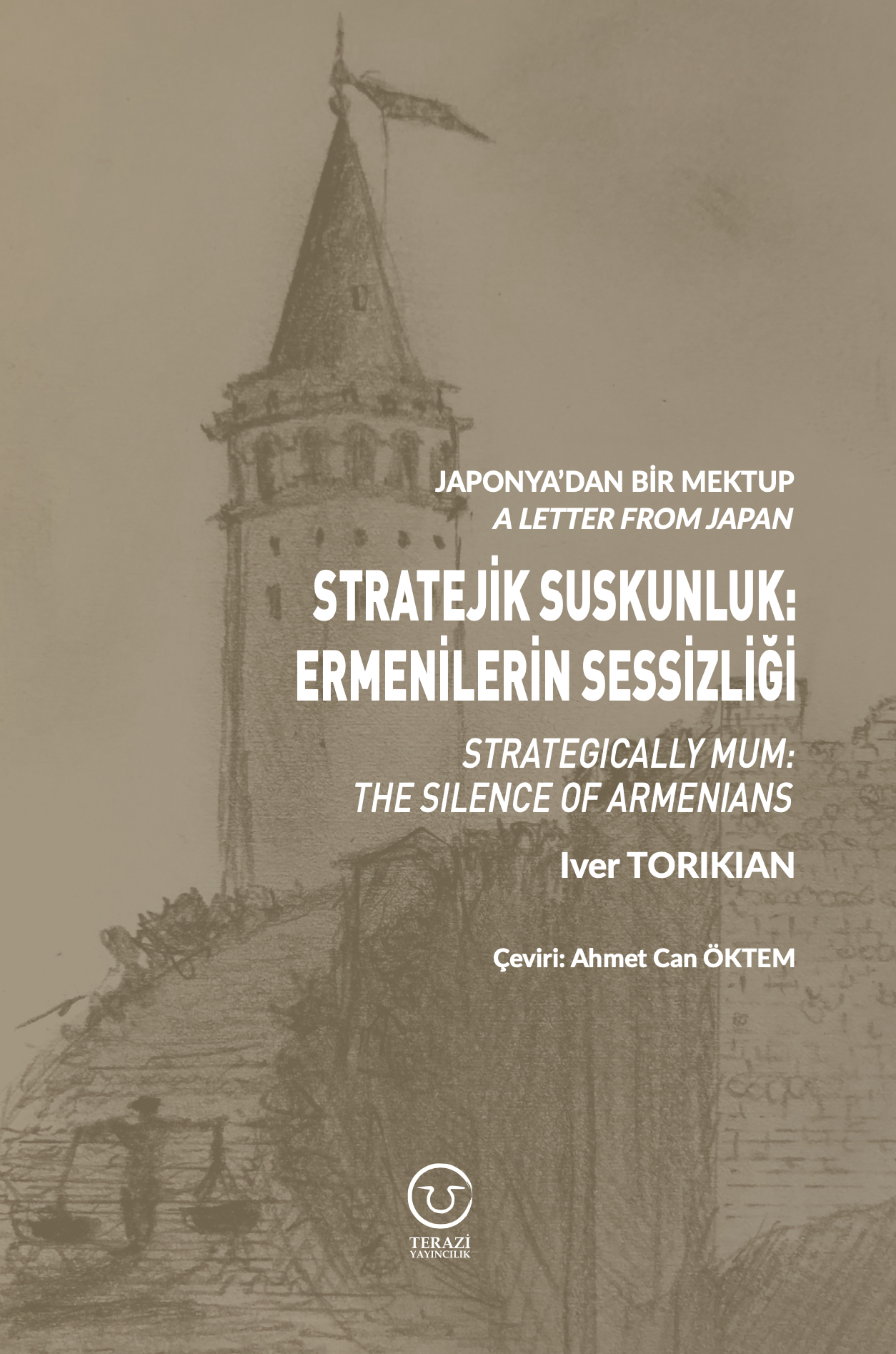
Japonya'dan Bir Mektup - Stratejik Suskunluk: Ermenilerin Sessizliği -
03.06.2020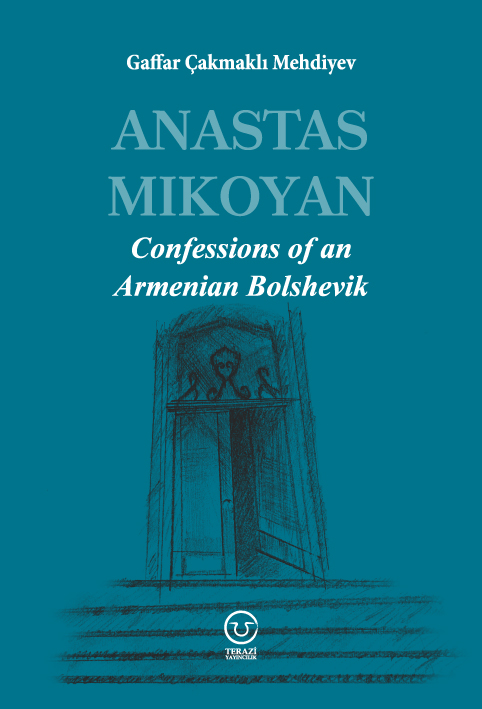
Anastas Mikoyan: Confessions of an Armenian Bolshevik -
08.04.2020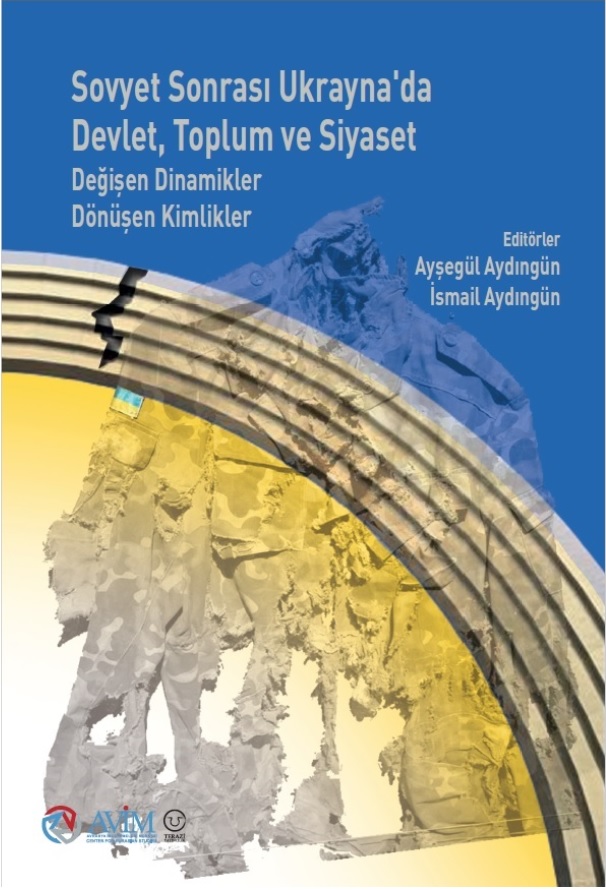
Sovyet Sonrası Ukrayna’da Devlet, Toplum ve Siyaset - Değişen Dinamikler, Dönüşen Kimlikler -
12.06.2018
Ermeni Sorunuyla İlgili İngiliz Belgeleri (1912-1923) - British Documents on Armenian Question (1912-1923) -
02.12.2016
Turkish-Russian Academics: A Historical Study on the Caucasus -
01.07.2016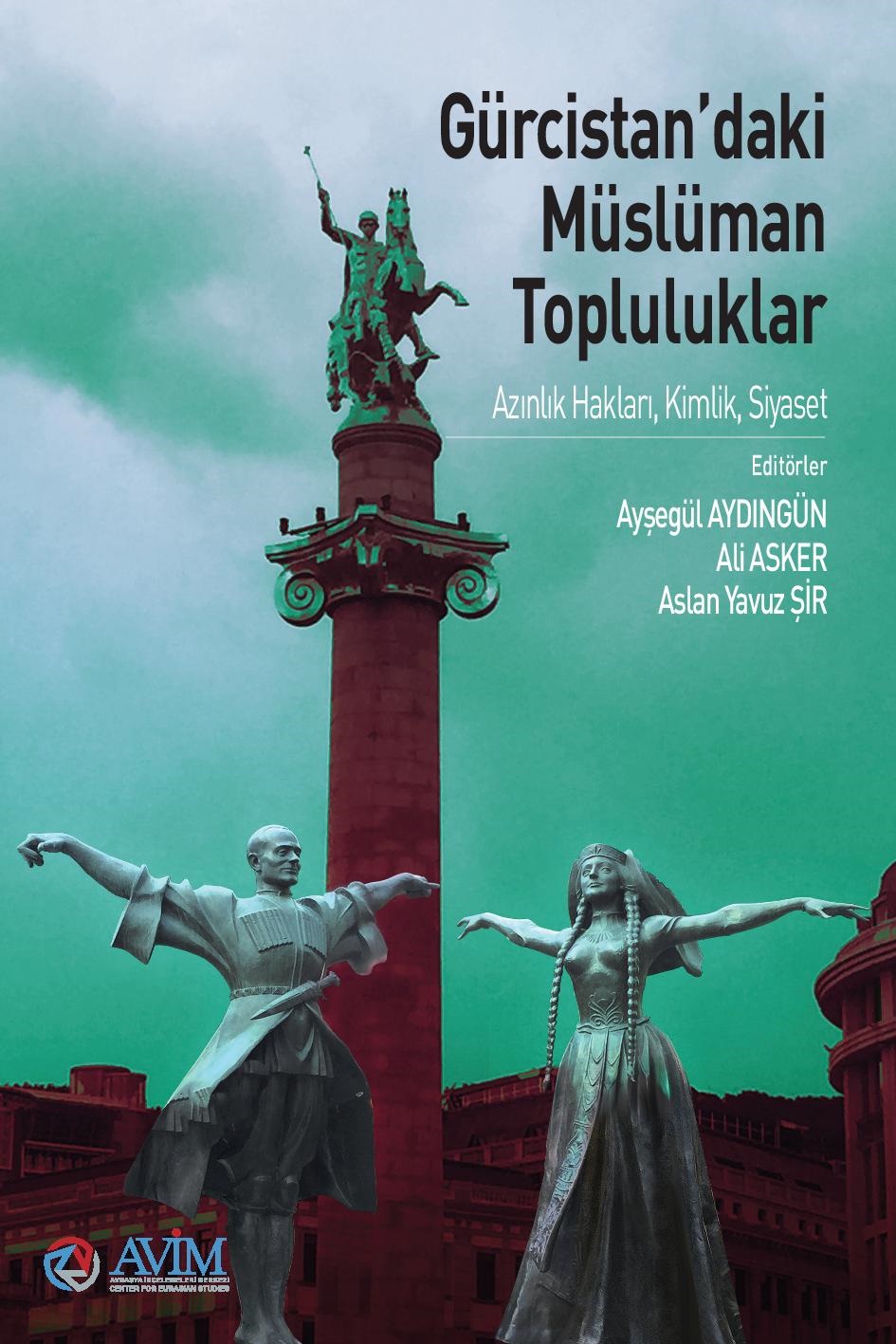
Gürcistan'daki Müslüman Topluluklar: Azınlık Hakları, Kimlik, Siyaset -
10.03.2016
Armenian Diaspora: Diaspora, State and the Imagination of the Republic of Armenia -
24.01.2016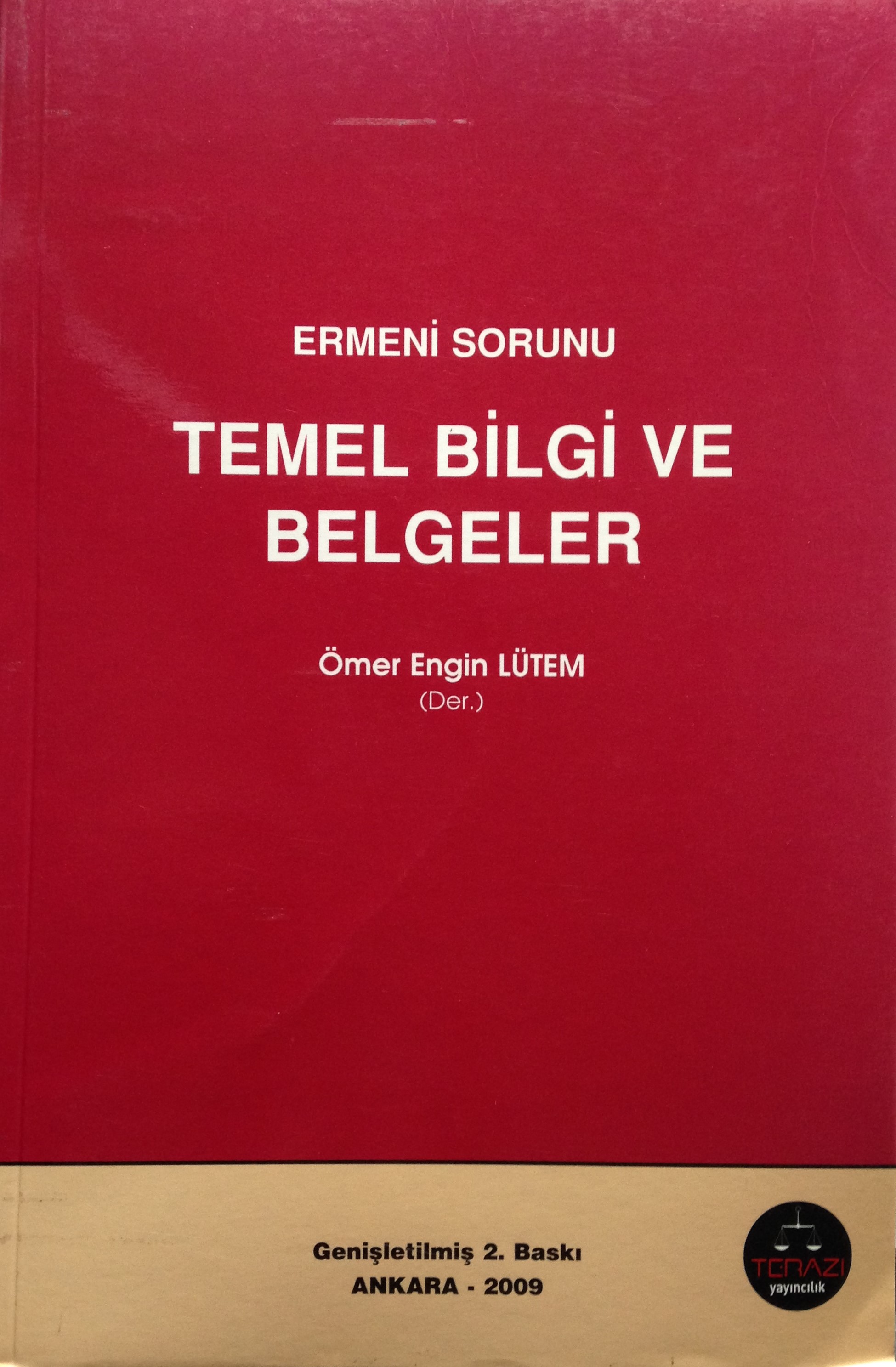
ERMENİ SORUNU - TEMEL BİLGİ VE BELGELER (2. BASKI)



-
AVİM Conference Hall 24.01.2023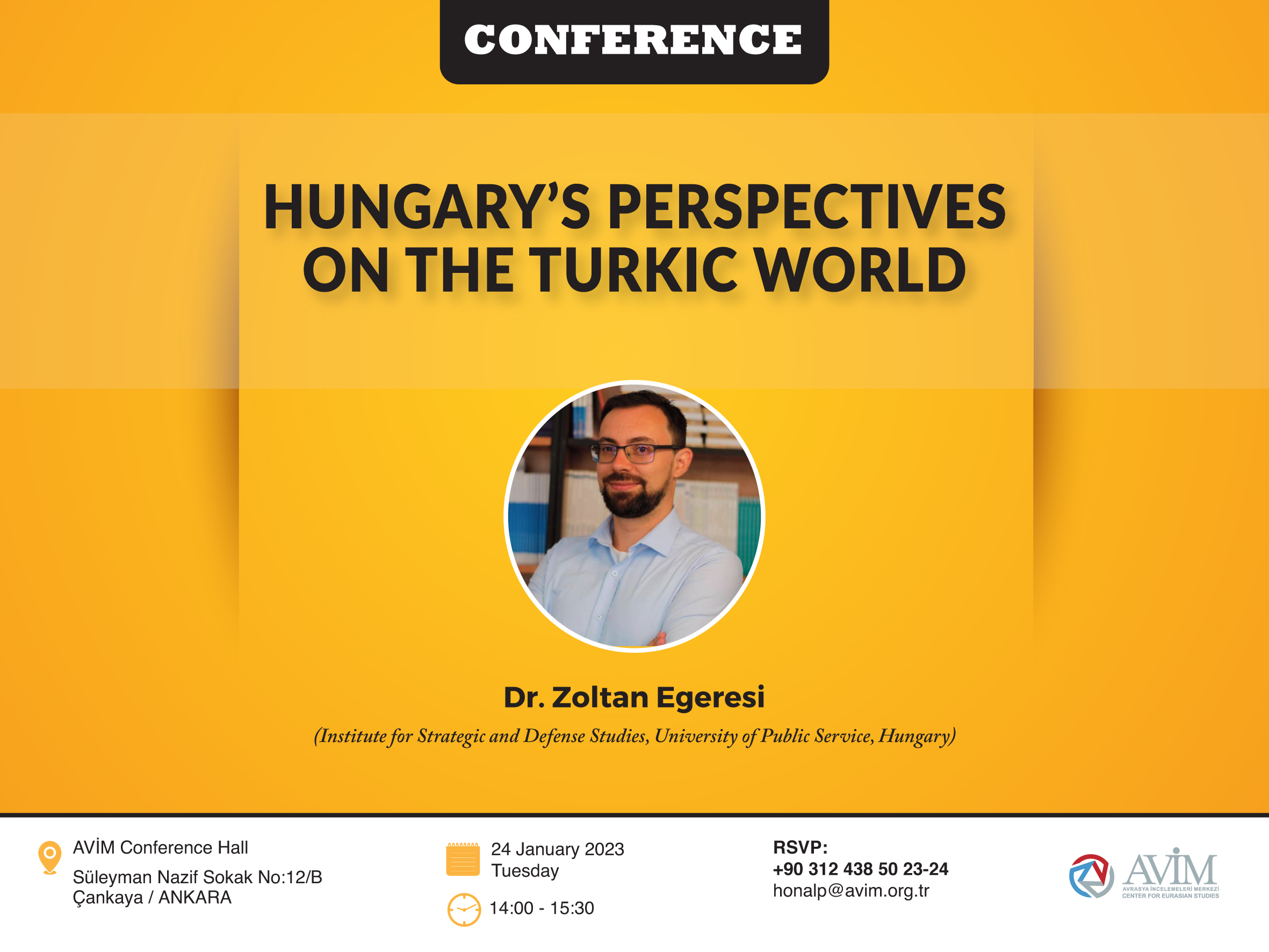
CONFERENCE TITLED “HUNGARY’S PERSPECTIVES ON THE TURKIC WORLD"