
















EurActiv (30 March 2017)
Ahead of France’s presidential election, Ukraine’s experience shows that opinion polls may be skewed by underlying hatred of the ruling classes and institutions. Vadym Omelchenko warns that ultra-conservatism stands to gain in the end.
Vadym Omelchenko is the president of the Gorshenin Institute.
Today, the focus of all those who are following politics has shifted from the US to France. The election outcome there will impact the processes occurring globally. And there are certain trends in the French campaign that are worrying.
Indeed, it is neither competition of economic and social programmes nor the traditional duel between the socialists and the republicans that sets the agenda of the campaign in France.
The agenda of this campaign is the legal proceedings against candidates and their family members. New cases appear every few days and the candidates concerned meet with investigators instead of voters.
A wall of compromising information has been thrown up between the voters and the candidates, and the electorate are disoriented. But does this mean that the supporters of the candidates being denounced will shift to support a candidate that has not been compromised?
It is not a secret that sociological studies are not so efficient today. Methods are outdated and do not match modern levels of communications.
The Brexit campaign and the presidential election in the US were a good illustration of that. In my country, Ukraine, we observed a similar phenomenon for the first time in 2012, when the result of the vote was different from what surveys had been showing by 20 to 30% for some candidates or parties, sometimes even by 40%.
More than that, it was a candidate that was little known, who enjoyed a minor campaign budget and media exposure that won.
It was indeed those candidates that had received high-profile endorsements and which had invested considerable amounts in the campaign and dominated the media spotlight that lost.
The polls had not “seen” the voters of the winning candidates. Actually, they had been “seen”, but they were labelled as undecided.
We examined that layer of people and their motives. It turned out that these people were very different but they shared the same motive: hate.
Hate towards the ruling class and the pressure from its part on the voters. The strength of the pressure was directly proportional to the strength of the reaction. Doesn’t this all sound a bit like the presidential election in the US?
Getting back to France, according to the findings of ODOXA, the number of undecided voters is 43%. We recognise this emotion, this trend. It is hate.
The result will swing towards a candidate exposed to more pressure. And this means, it is most likely that these are François Fillon and Marine Le Pen, unless they leave the race, who will challenge one another in the second round.
The campaign of another major candidate, Emmanuel Macron, is designed almost as if France were detached from the global context.
His team seems not to notice important trends: declining influence of traditional media, deficiency of polling methods and, ultimately, the new agenda where hate and mistrust towards the elites meets sincerity, even though brutal at times.
What is happening now in the electoral campaign in France is quite dangerous. Authority is dismissed and trust in any institution is declining, reaching a critical limit.
It is nihilism that starts dominating when there is a lack of possibility to choose and there a risk that ultra-conservatism will ultimately gain.
Shaking democratic bases is a dangerous game, regardless of the potential gains. However, we are confident that the election will take place and that the choice made will belong to the French people.
No comments yet.
- NIKOLIC VISITS CHINA'S SHANDONG PROVINCE The Balkans 30.03.2017
- THOUSANDS PAY TRIBUTE TO LONDON ATTACK VICTIMS Europe - EU 30.03.2017
-
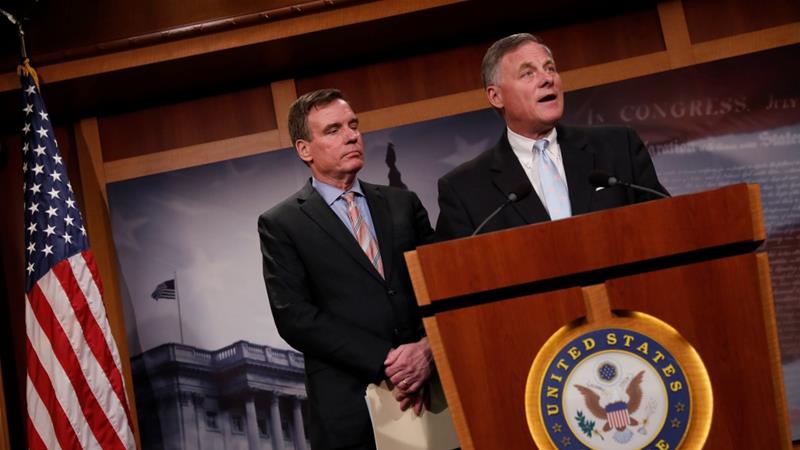 US SENATE COMMITTEE TO QUESTION 20 IN RUSSIA PROBE
Asia - Pacific
30.03.2017
US SENATE COMMITTEE TO QUESTION 20 IN RUSSIA PROBE
Asia - Pacific
30.03.2017
- LONDON STOCK EXCHANGE-DEUTSCHE BOERSE DEAL BLOCKED BY EU Europe - EU 30.03.2017
- IRAQI FORCES BATTLE TO MOSUL MOSQUE, 17 KILLED IN BAGHDAD Iraq 30.03.2017
-
25.01.2016
THE ARMENIAN QUESTION - BASIC KNOWLEDGE AND DOCUMENTATION -
12.06.2024
THE TRUTH WILL OUT -
27.03.2023
RADİKAL ERMENİ UNSURLARCA GERÇEKLEŞTİRİLEN MEZALİMLER VE VANDALİZM -
17.03.2023
PATRIOTISM PERVERTED -
23.02.2023
MEN ARE LIKE THAT -
03.02.2023
BAKÜ-TİFLİS-CEYHAN BORU HATTININ YAŞANAN TARİHİ -
16.12.2022
INTERNATIONAL SCHOLARS ON THE EVENTS OF 1915 -
07.12.2022
FAKE PHOTOS AND THE ARMENIAN PROPAGANDA -
07.12.2022
ERMENİ PROPAGANDASI VE SAHTE RESİMLER -
01.01.2022
A Letter From Japan - Strategically Mum: The Silence of the Armenians -
01.01.2022
Japonya'dan Bir Mektup - Stratejik Suskunluk: Ermenilerin Sessizliği -
03.06.2020
Anastas Mikoyan: Confessions of an Armenian Bolshevik -
08.04.2020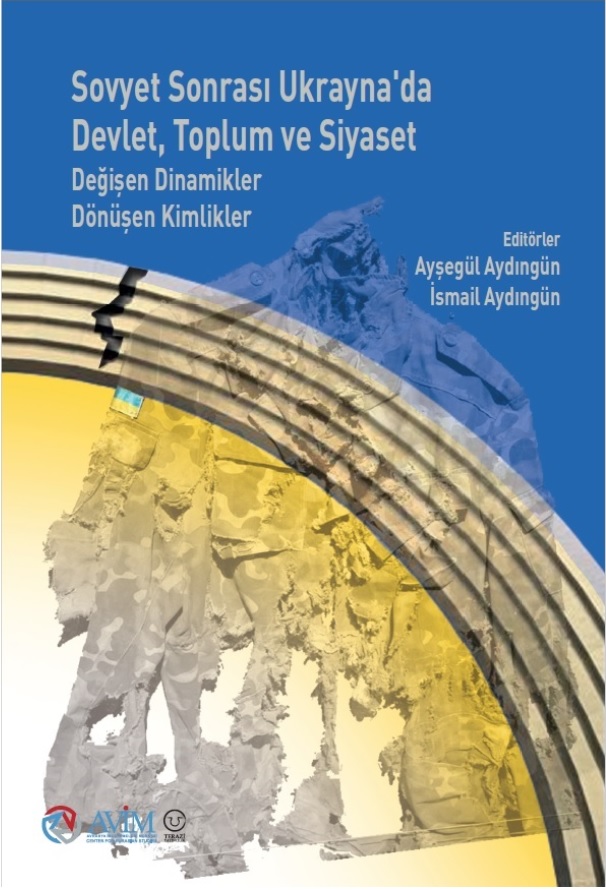
Sovyet Sonrası Ukrayna’da Devlet, Toplum ve Siyaset - Değişen Dinamikler, Dönüşen Kimlikler -
12.06.2018
Ermeni Sorunuyla İlgili İngiliz Belgeleri (1912-1923) - British Documents on Armenian Question (1912-1923) -
02.12.2016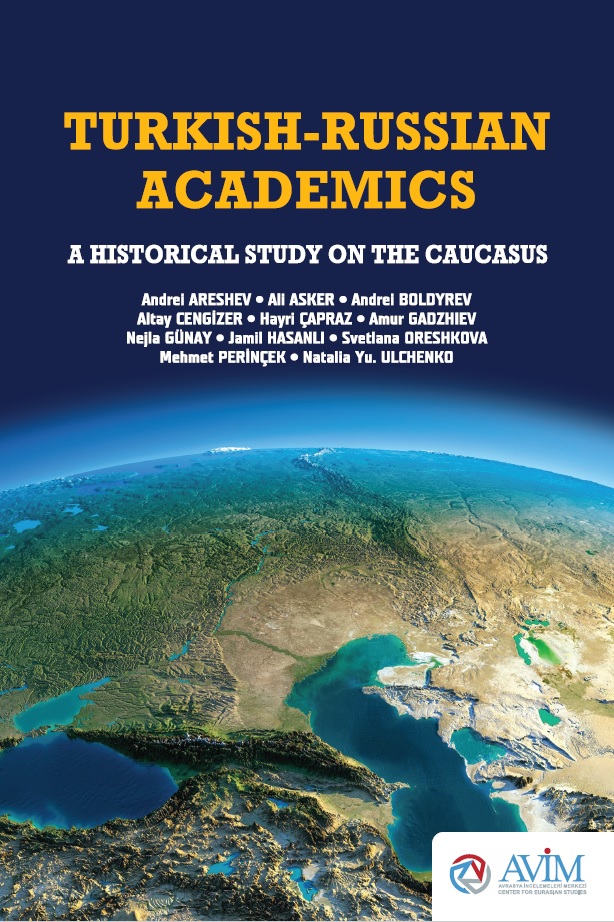
Turkish-Russian Academics: A Historical Study on the Caucasus -
01.07.2016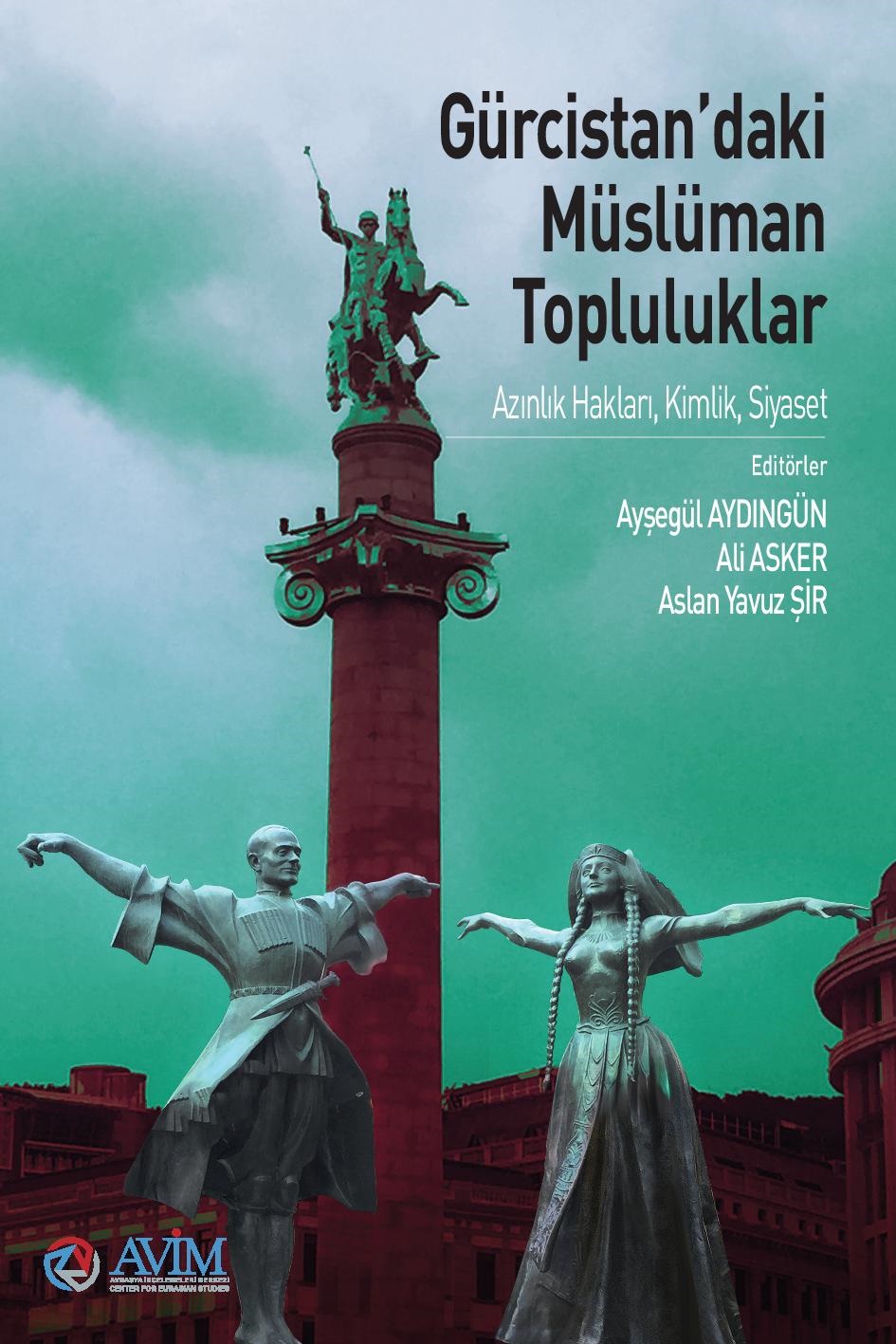
Gürcistan'daki Müslüman Topluluklar: Azınlık Hakları, Kimlik, Siyaset -
10.03.2016
Armenian Diaspora: Diaspora, State and the Imagination of the Republic of Armenia -
24.01.2016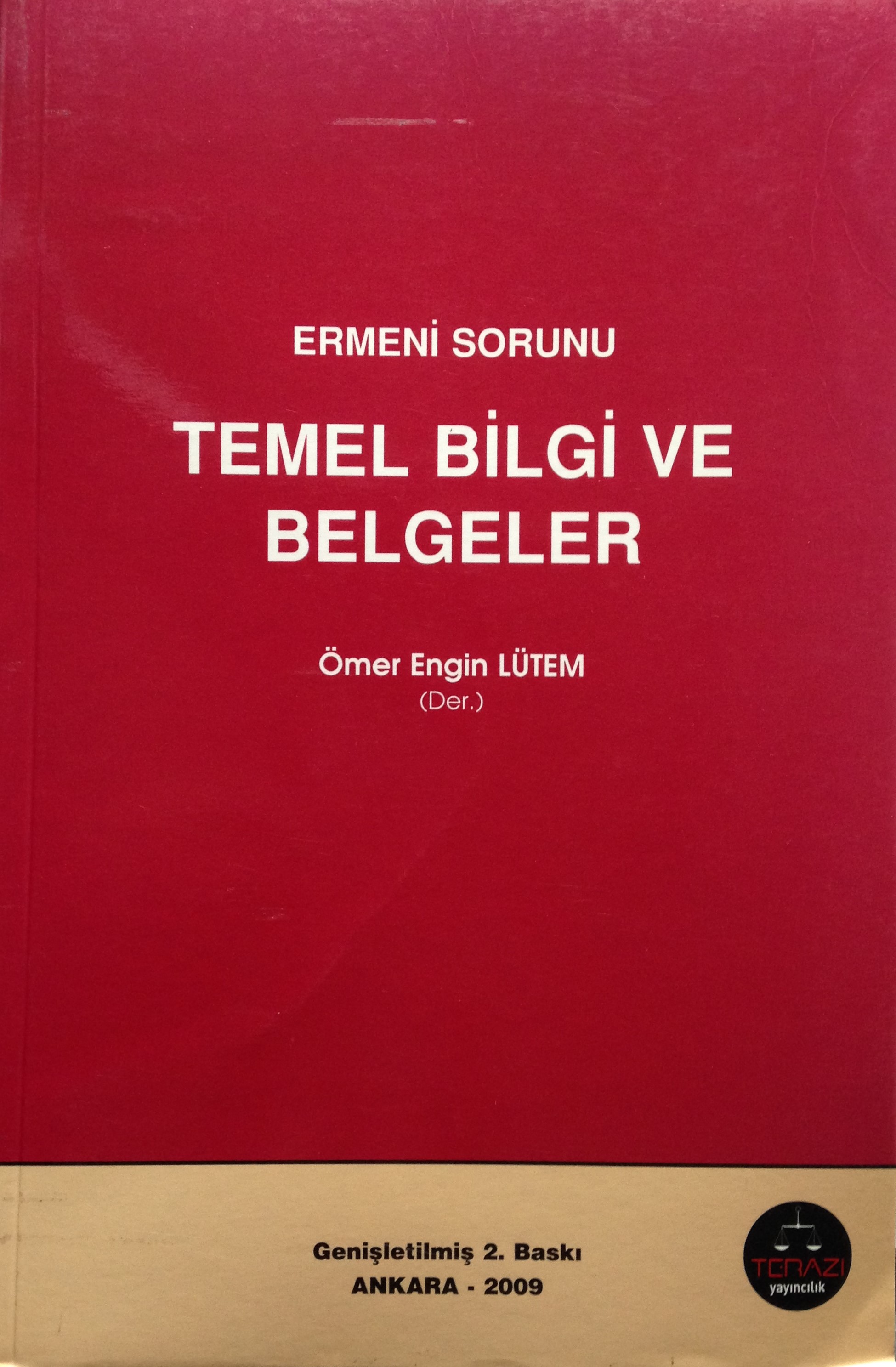
ERMENİ SORUNU - TEMEL BİLGİ VE BELGELER (2. BASKI)


-
AVİM Conference Hall 24.01.2023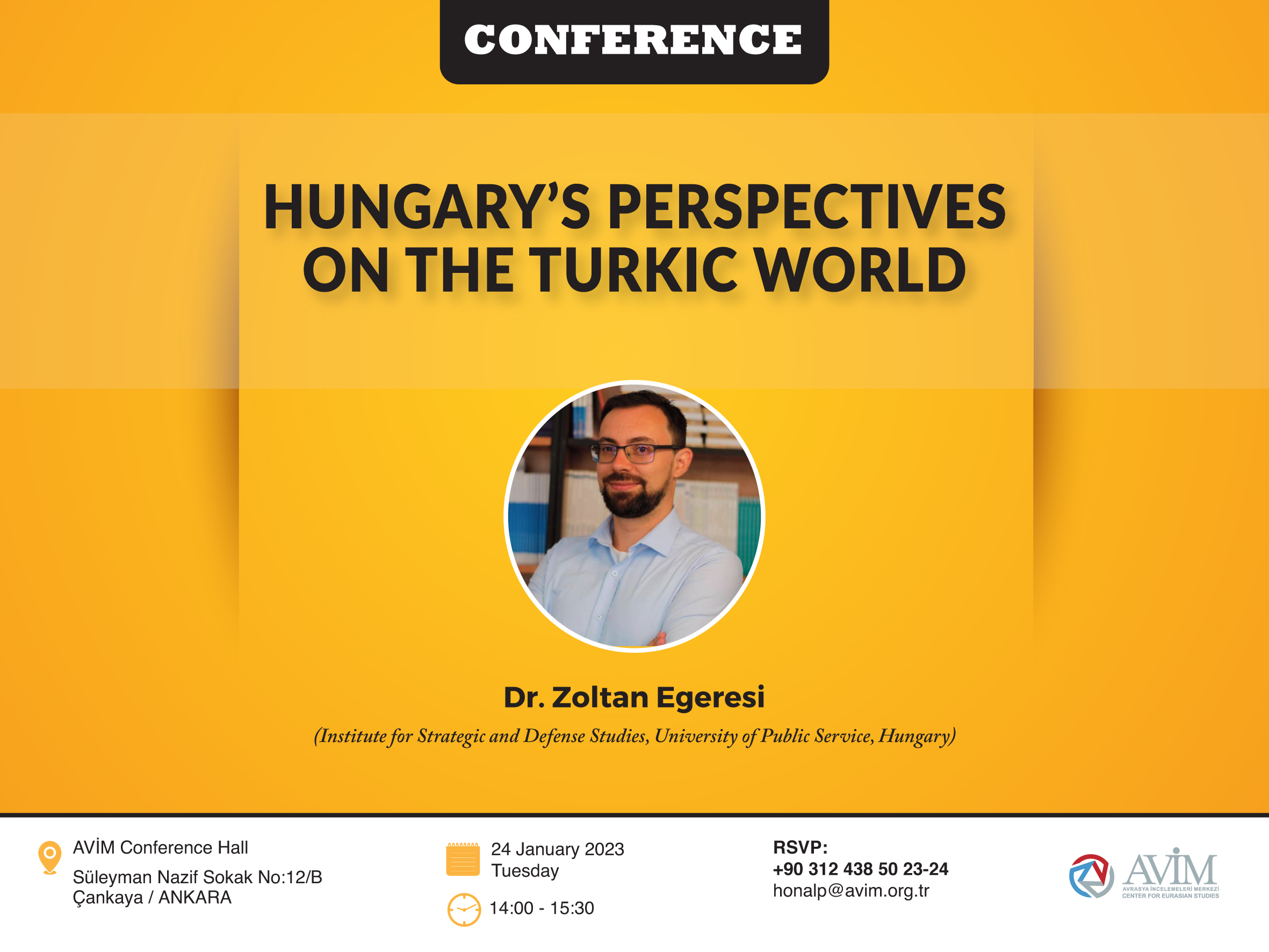
CONFERENCE TITLED “HUNGARY’S PERSPECTIVES ON THE TURKIC WORLD"