

















EurActiv (27 January 2017)
Slovenia’s parliament amended its laws yesterday (26 January) to enable police to seal the country’s borders to most illegal migrants for a limited period in case of a new influx along the so-called Balkan route, sparking condemnation from rights groups.
The amendments were passed by 47 votes to 18 although several humanitarian organisations said they might amount to a violation of human rights.
“Slovenia cannot wait until public order and internal security is in danger,” Interior Minister Vesna Györkös Žnidar told parliament before the vote.
“If the European Union will not find a sustainable and effective solution (to the migration problem), Slovenia has a legitimate right and obligation to use decrees that are necessary to protect its interests,” she added.
Amnesty International said earlier in the day that the new law “is a serious backward step for human rights in Slovenia”.
AMNESTY INTERNATIONAL SLAMS SLOVENIA'S NEW ANTI-MIGRATION LAW
Amnesty International said the Slovenian Parliament should reject amendments to the Aliens Act that, once triggered, would breach international law.
EurActiv.com
The Council of Europe, the continent’s leading human rights organisation, called upon parliament last week to reject the amendments, saying states should ensure that migrants arriving at their borders have access to a procedure enabling them to put forward reasons not to be refused entry.
But Slovenia claims it has to prevent a repeat of a six-month-influx of migrants that ended in March 2016, when several countries to its south closed the main Balkan migrant route.
COUNCIL OF EUROPE CALLS ON SLOVENIA TO AMEND NEW MIGRANT LAW
The Council of Europe, the continent’s leading human rights organisation, called on Slovenia’s parliament to reject some legal changes affecting migrants that the government proposed earlier in January in a set of amendments.
EurActiv.com
In that period Slovenia, the smallest state along the migration corridor, saw almost 500,000 illegal migrants crossing the country on their way to wealthier west European countries.
Centre-left Prime Minister Miro Cerar had said Slovenia would not be able to endure another large influx of migrants, particularly since its northern neighbour Austria and other west European states were closing their doors to migrants.
In what has proved to be a busy week for Ljubljana’s lawmakers, politicians also voted against a measure that would have seen Slovenia become one of the few EU member states to allow local communities to sack their mayors before their term in office ends.
SLOVENIANS TO HOLD SWORD OF DAMOCLES OVER MAYORS
Slovenia is set to become one of the few countries in the European Union where people can sack their mayor before their term in office ends, albeit under strict conditions.
EurActiv.com
Lawmakers rejected the controversial bill in a second round of voting late on Wednesday (25 January).
The proposal had initially been approved in December but was sent back to parliament for a re-vote by the National Council.
The advisory body can neither pass nor reject bills but has the power to demand a new ballot on the same decree.
The council said the proposal would “threaten the stability of local communities” and risked sparking power battles between individuals.
At present only a few members states have laws allowing mayors to be removed including Germany and Poland, where an effort to oust Warsaw’s mayor failed in 2013 due to low turnout in a referendum.
EU HITS POLAND WITH NEW RULE OF LAW DEADLINE, SANCTIONS REMAIN 'IN TOOLBOX'
The EU yesterday (21 December) gave Poland’s rightwing government another two months to reverse changes to its constitutional court or face sanctions, warning they posed a “substantial” challenge to the rule of law.
EurActiv.com
No comments yet.
- MACEDONIA CONSERVATIVES STRUGGLE TO FORM CABINET AT DEADLINE The Balkans 30.01.2017
- DEVOLVED LEADERS TO CALL FOR BREXIT ROLE AT CARDIFF TALKS Europe - EU 30.01.2017
- ALL EYES ON IRAQ OIL Iraq 30.01.2017
- IRANIAN COMPANY KEEN TO INVEST IN ARMENIAN FREE ZONE The Caucasus and Turkish-Armenian Relations 30.01.2017
-
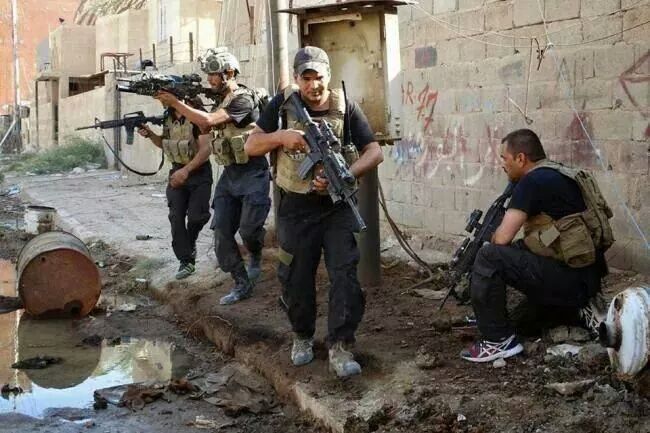 SECURITY FORCES KILL, WOUNDS 16 MEMBERS OF ISLAMIC STATE IN IRAQ
Iraq
30.01.2017
SECURITY FORCES KILL, WOUNDS 16 MEMBERS OF ISLAMIC STATE IN IRAQ
Iraq
30.01.2017
-
25.01.2016
THE ARMENIAN QUESTION - BASIC KNOWLEDGE AND DOCUMENTATION -
12.06.2024
THE TRUTH WILL OUT -
27.03.2023
RADİKAL ERMENİ UNSURLARCA GERÇEKLEŞTİRİLEN MEZALİMLER VE VANDALİZM -
17.03.2023
PATRIOTISM PERVERTED -
23.02.2023
MEN ARE LIKE THAT -
03.02.2023
BAKÜ-TİFLİS-CEYHAN BORU HATTININ YAŞANAN TARİHİ -
16.12.2022
INTERNATIONAL SCHOLARS ON THE EVENTS OF 1915 -
07.12.2022
FAKE PHOTOS AND THE ARMENIAN PROPAGANDA -
07.12.2022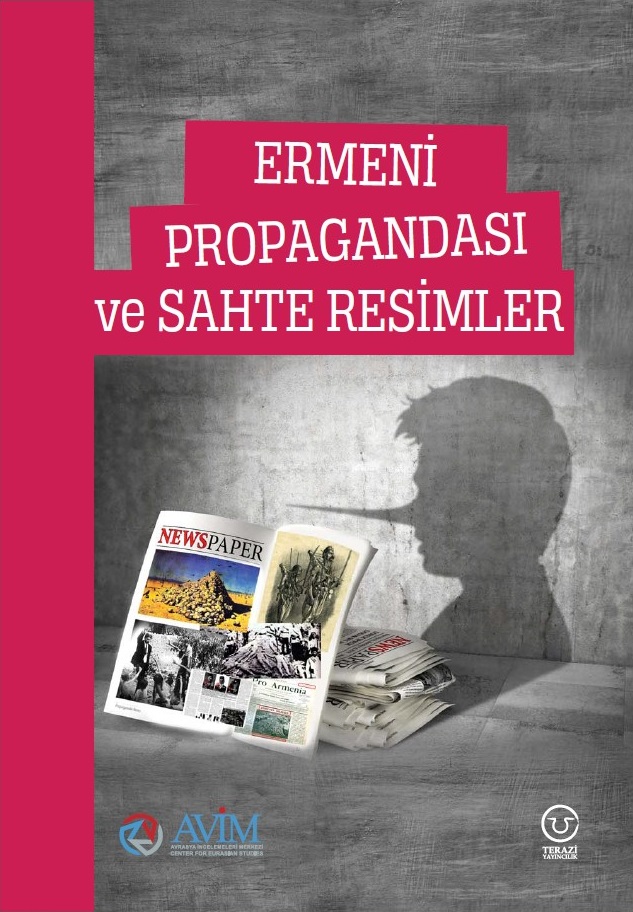
ERMENİ PROPAGANDASI VE SAHTE RESİMLER -
01.01.2022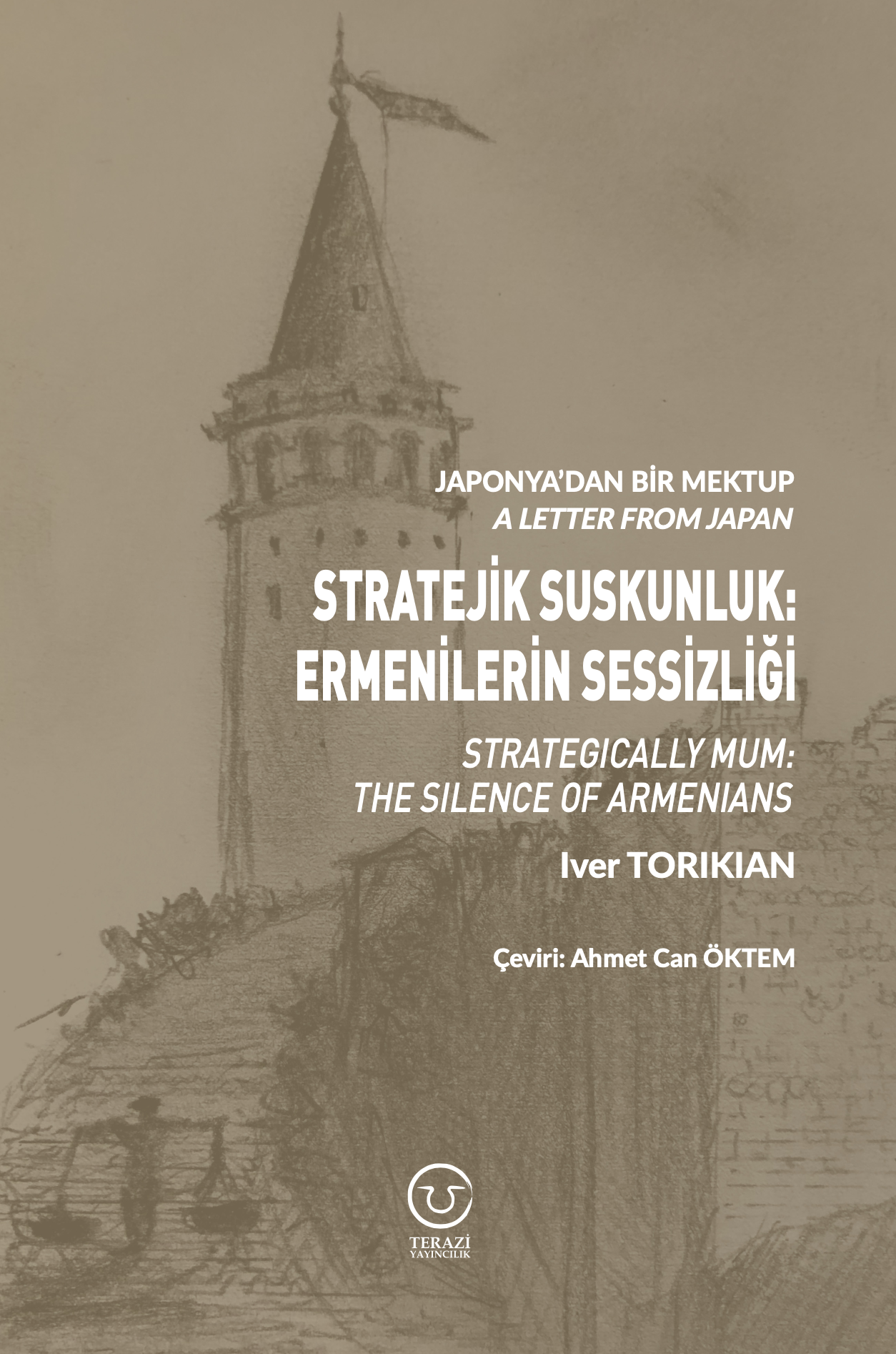
A Letter From Japan - Strategically Mum: The Silence of the Armenians -
01.01.2022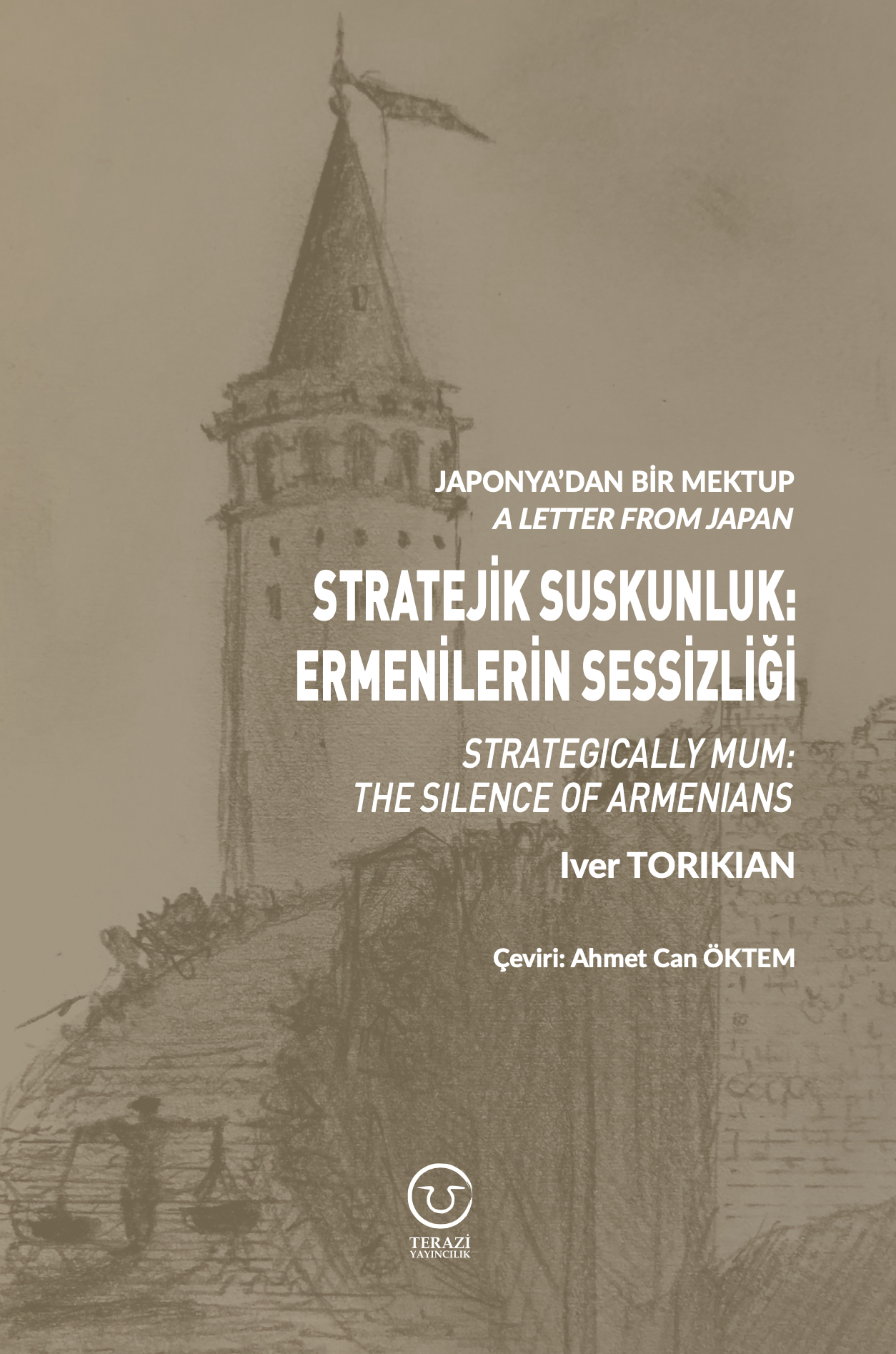
Japonya'dan Bir Mektup - Stratejik Suskunluk: Ermenilerin Sessizliği -
03.06.2020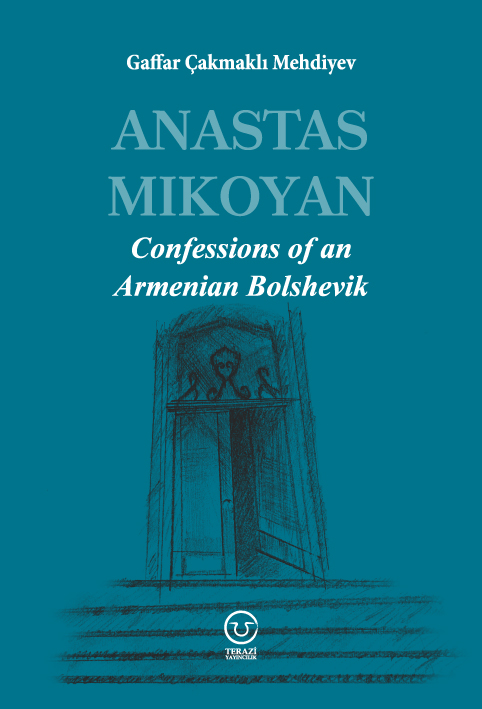
Anastas Mikoyan: Confessions of an Armenian Bolshevik -
08.04.2020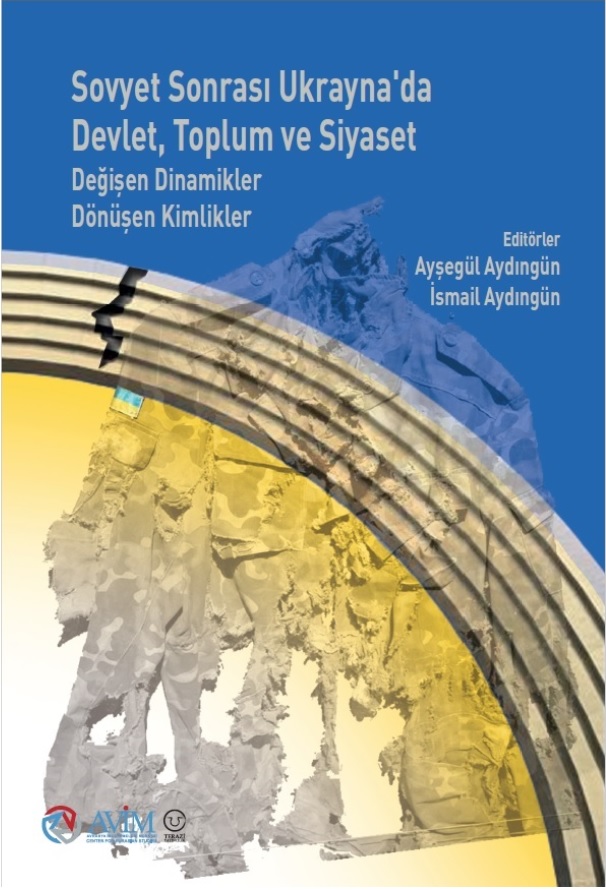
Sovyet Sonrası Ukrayna’da Devlet, Toplum ve Siyaset - Değişen Dinamikler, Dönüşen Kimlikler -
12.06.2018
Ermeni Sorunuyla İlgili İngiliz Belgeleri (1912-1923) - British Documents on Armenian Question (1912-1923) -
02.12.2016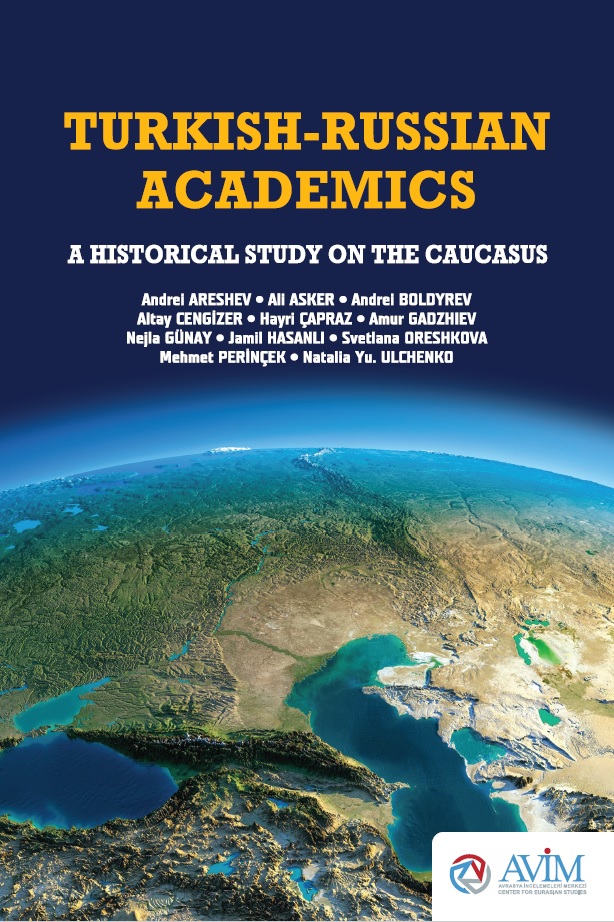
Turkish-Russian Academics: A Historical Study on the Caucasus -
01.07.2016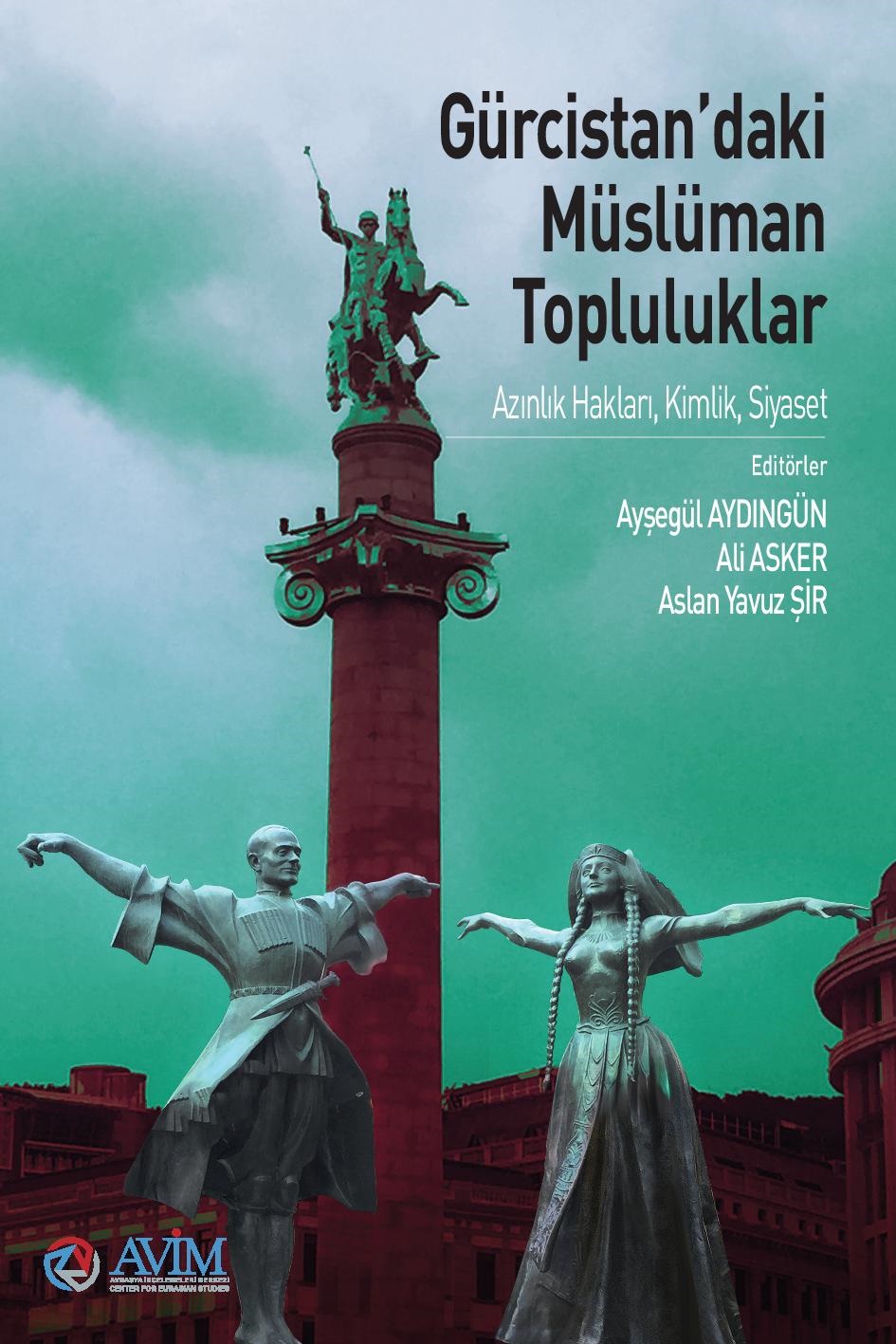
Gürcistan'daki Müslüman Topluluklar: Azınlık Hakları, Kimlik, Siyaset -
10.03.2016
Armenian Diaspora: Diaspora, State and the Imagination of the Republic of Armenia -
24.01.2016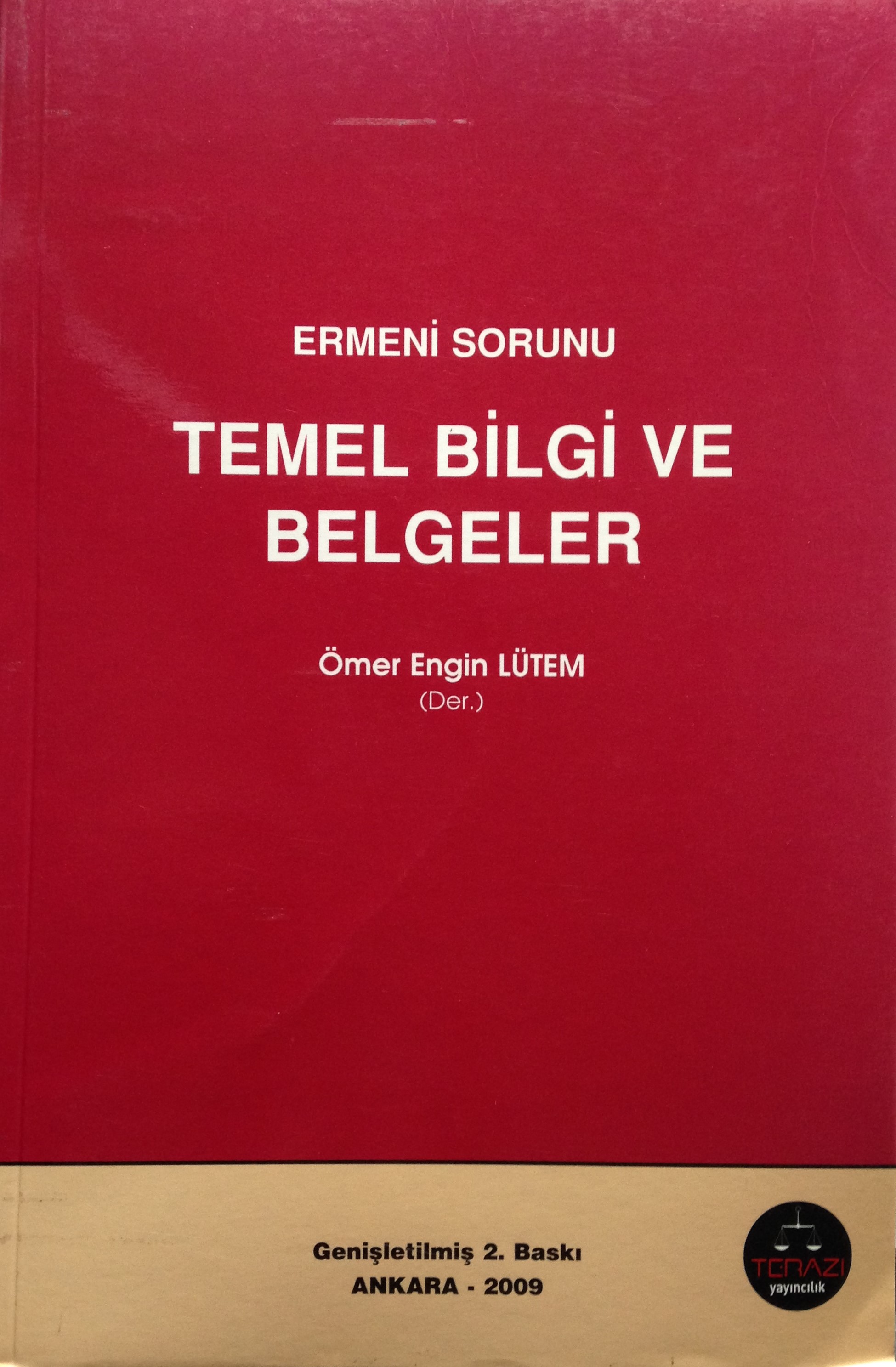
ERMENİ SORUNU - TEMEL BİLGİ VE BELGELER (2. BASKI)

-
AVİM Conference Hall 24.01.2023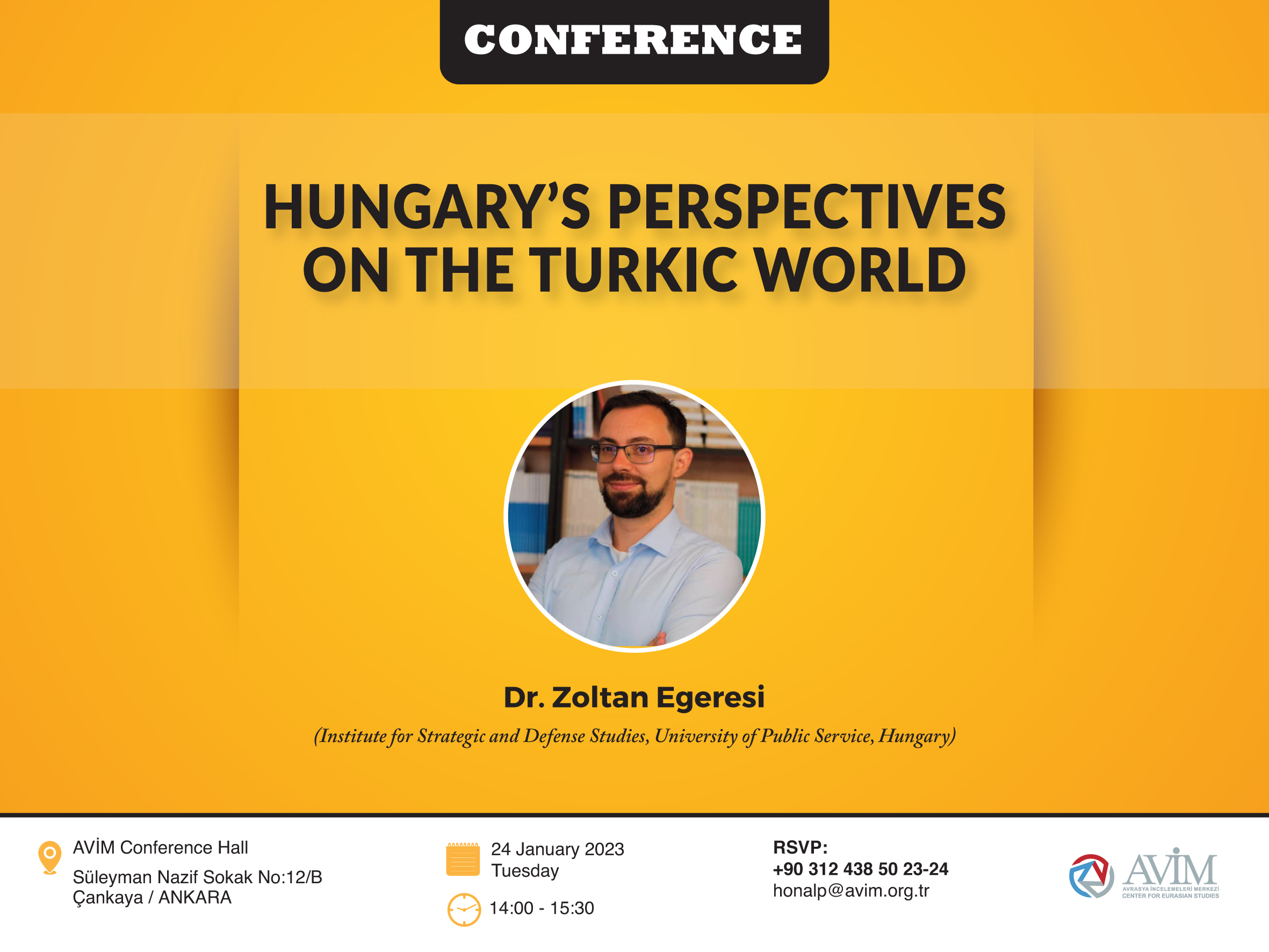
CONFERENCE TITLED “HUNGARY’S PERSPECTIVES ON THE TURKIC WORLD"