

















Dawn, 29 Jan 2017
While addressing the intelligence community in Washington DC, a day after swearing in, he said, “We should’ve kept the oil, when we got out of Iraq”. Regretting the slip up, he then added, “OK, maybe we’ll have another chance.” This is simply outrageous!
With the US budget drained ‘by its involvement in the wars in the Middle East,’ Trump went on to add another dimension. “If we took the oil (then) you wouldn’t have ISIS (today). And we would have had wealth. We have spent right now $6 trillion in the Middle East.”
When asked whether he plans to fix that mistake and claim Iraq’s oil, the president said he would rather not give away his military plans.
Clarifying the scenario later, White House press secretary Sean Spicer stressed: “Trump wants to be sure America is getting something out of it for the commitment and sacrifice it is making.”
This wrongs history. The US still has troops in Germany and Japan but did not take into possession their natural resources.
Taking Iraq’s reserves could be a tough call. After all the United States couldn’t quell Iraq after spending more than $2tr and deploying at one point more than 170,000 troops.
Trump statement brought about a sharp response. Iraq’s oil is the property of Iraqis, Prime Minister Haider al-Abadi underlined. Mr Abadi went to ask, “Did he mean in 2003 or to prevent the terrorists from seizing Iraq’s oil?”
President’s Trump words shook Iraqis. BuzzFeed News quoted a 27-year-old, Iraqi security official as saying: “We kept our ammunition and weapons from the time the Americans left, for fighting ISIS. But once ISIS is gone we will save our weapons for the Americans.”
This debate is not new – and I stand a witness to it. The Iraq war was for oil, many had argued then. “Though most Americans don’t believe this war is about oil, much of the rest of the world does,” Steven Clemmens wrote in The New York Times on April 9, 2003, the same day US troops helped topple the giant statue of former Iraqi ruler Saddam Hussein.
Even people in Washington have been conceding the role of oil in the Iraq (mis)adventure.
Washington insider, the former FED chairman, Alan Greenspan in his 2007 memoirs underlined, “I am saddened that it is politically inconvenient to acknowledge what everyone knows: the Iraq war is largely about oil.”
The commander of US CENTCOM during the Iraq War, General John Abizaid, too agreed in a BBC commentary: “Of course [the Iraq war] is about oil, we can’t deny that.”
Writing for The Guardian on the 11th anniversary of the 2003 Iraq war, Dr Nafeez Ahmed emphasises: “So Saddam’s WMD was not really the issue (behind the Gulf war). The real issue, he argued, is candidly described in a 2001 report on “energy security” – commissioned by then US Vice-President Dick Cheney and published by the Council on Foreign Relations and the James Baker Institute for Public Policy.”
“Eleven years on, there should be no doubt that the 2003 Iraq War was among the first major resource wars of the 21st century. It is unlikely to be the last,” Dr Ahmed underlined.
Rex Tillerson knows it well. Before the 2003 invasion, Iraq’s domestic oil industry was fully nationalized. Some 13 years later, it is largely privatised and utterly dominated by foreign firms.
All this is not out of blue. During the 1973 Arab Oil Embargo, Washington even considered taking over Saudi and other Arab oil fields, British government documents declassified in 2004 revealed.
Though no explicit military plan was mentioned, but the documents do show that British leaders were worried by a conversation between US Secretary of Defense James Schlesinger and Lord Cromer, the British ambassador to the United States. Schlesinger told Cromer then, “It was no longer obvious to him that the US could not use force.”
British Prime Minister Edward Heath too was worried by Schlesinger’s tough talk, as well as hints of military action from the then Secretary of State Henry Kissinger. A British intelligence report then concluded that the United States could opt “for a rapid operation to seize (Arab) oilfields.”
President Trump is now reigniting those fears. And these carry grave consequences. Is Mr Trump aware of those?
No comments yet.
- ARMENIAN DEFENSE MINISTER VIGEN SARGSYAN: ARMENIA HOPES FOR MILITARY COOPERATION WITH US UNDER TRUMP ADMINISTRATION The Caucasus and Turkish-Armenian Relations 30.01.2017
- UPDATE: TENS OF THOUSANDS OF ROMANIANS MARCH AGAINST PRISON PARDONS, CHANGES TO THE CRIMINAL LAW The Balkans 30.01.2017
-
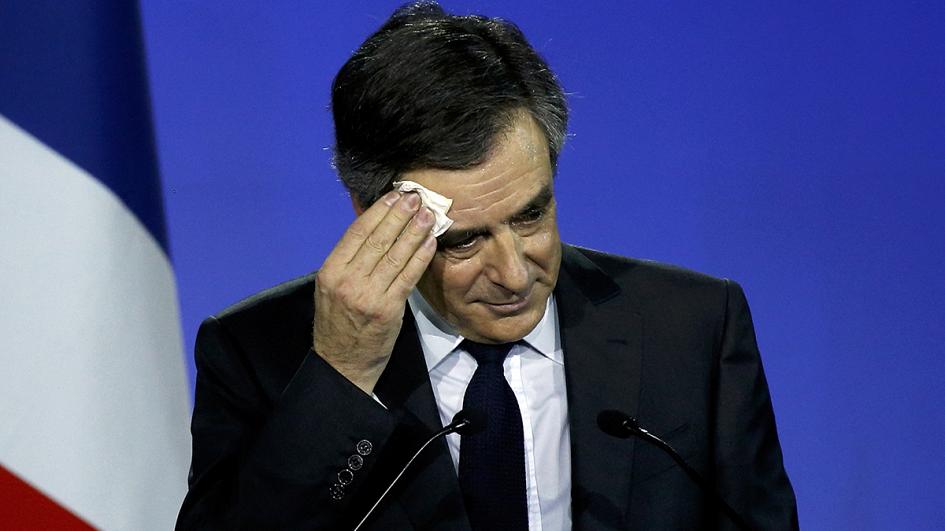 FILLON FIGHTS TO GET CAMPAIGN BACK ON TRACK AFTER "FAKE JOBS" ALLEGATIONS
Europe - EU
30.01.2017
FILLON FIGHTS TO GET CAMPAIGN BACK ON TRACK AFTER "FAKE JOBS" ALLEGATIONS
Europe - EU
30.01.2017
- ALL EYES ON IRAQ OIL Iraq 30.01.2017
- A SYRIAN AND HIS AMERICAN WIFE ARE STUCK IN IRAQ BECAUSE OF TRUMP'S BAN Iraq 30.01.2017
-
25.01.2016
THE ARMENIAN QUESTION - BASIC KNOWLEDGE AND DOCUMENTATION -
12.06.2024
THE TRUTH WILL OUT -
27.03.2023
RADİKAL ERMENİ UNSURLARCA GERÇEKLEŞTİRİLEN MEZALİMLER VE VANDALİZM -
17.03.2023
PATRIOTISM PERVERTED -
23.02.2023
MEN ARE LIKE THAT -
03.02.2023
BAKÜ-TİFLİS-CEYHAN BORU HATTININ YAŞANAN TARİHİ -
16.12.2022
INTERNATIONAL SCHOLARS ON THE EVENTS OF 1915 -
07.12.2022
FAKE PHOTOS AND THE ARMENIAN PROPAGANDA -
07.12.2022
ERMENİ PROPAGANDASI VE SAHTE RESİMLER -
01.01.2022
A Letter From Japan - Strategically Mum: The Silence of the Armenians -
01.01.2022
Japonya'dan Bir Mektup - Stratejik Suskunluk: Ermenilerin Sessizliği -
03.06.2020
Anastas Mikoyan: Confessions of an Armenian Bolshevik -
08.04.2020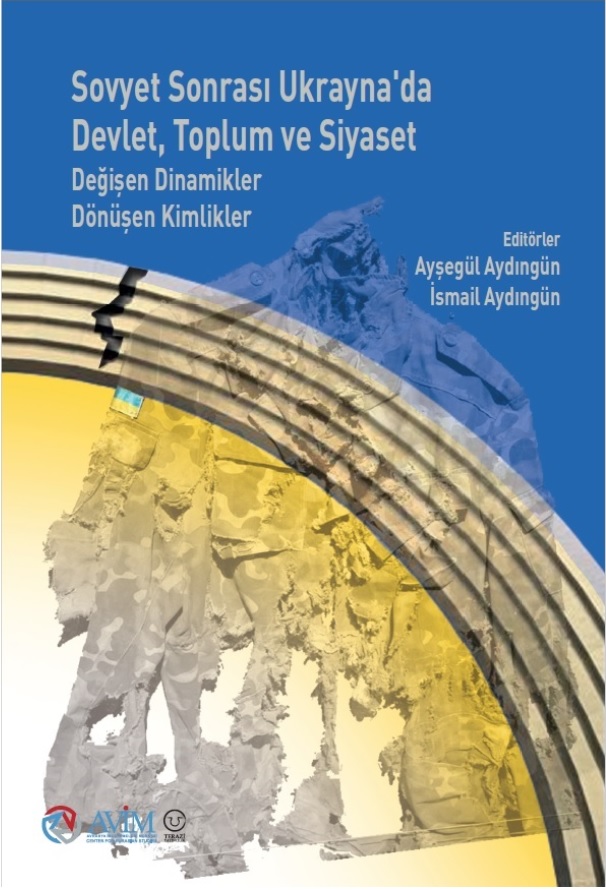
Sovyet Sonrası Ukrayna’da Devlet, Toplum ve Siyaset - Değişen Dinamikler, Dönüşen Kimlikler -
12.06.2018
Ermeni Sorunuyla İlgili İngiliz Belgeleri (1912-1923) - British Documents on Armenian Question (1912-1923) -
02.12.2016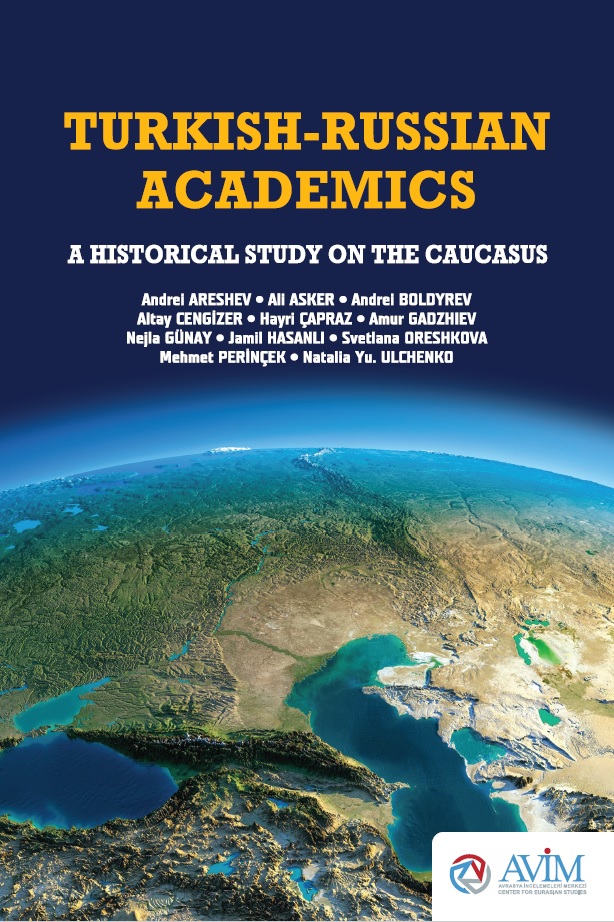
Turkish-Russian Academics: A Historical Study on the Caucasus -
01.07.2016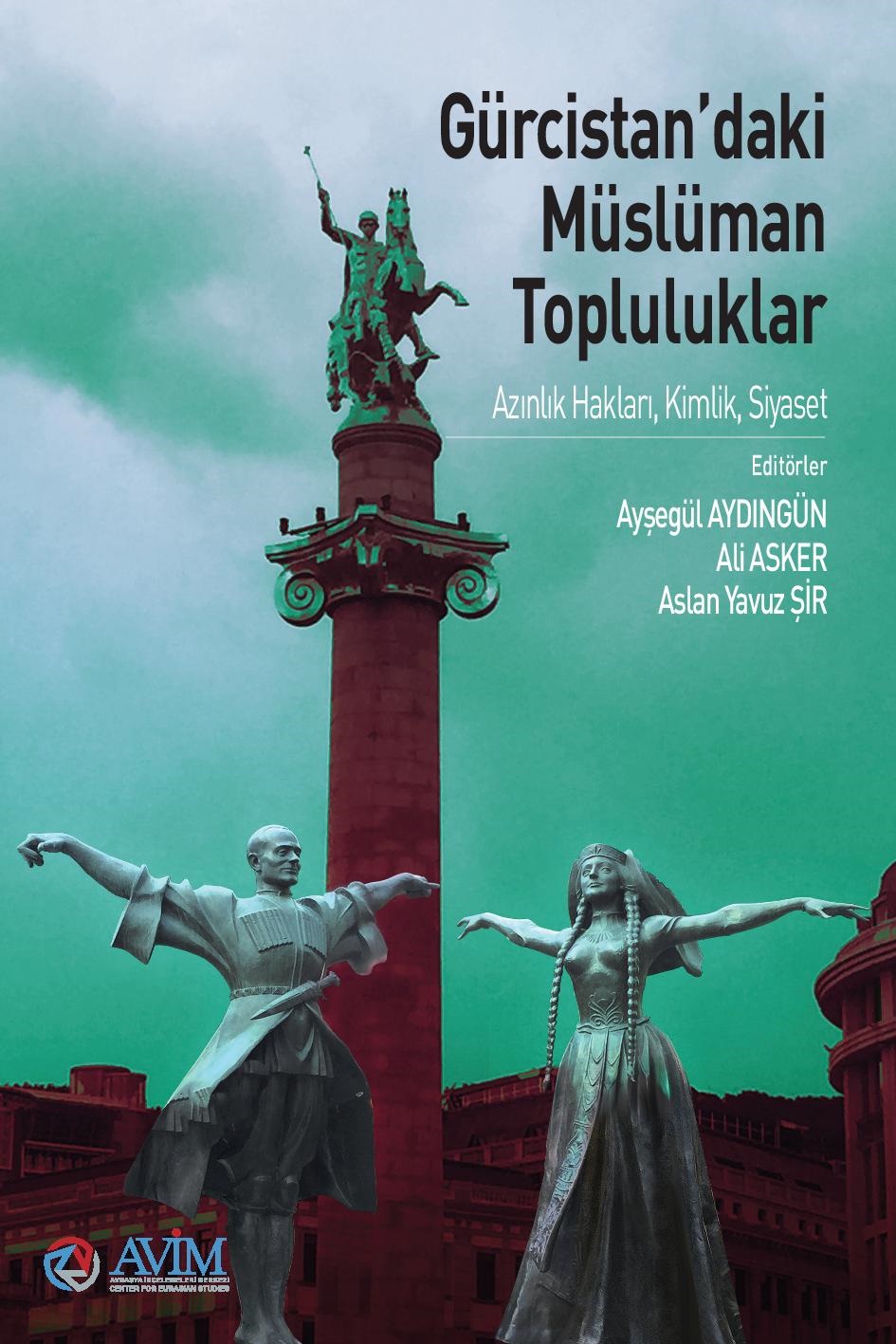
Gürcistan'daki Müslüman Topluluklar: Azınlık Hakları, Kimlik, Siyaset -
10.03.2016
Armenian Diaspora: Diaspora, State and the Imagination of the Republic of Armenia -
24.01.2016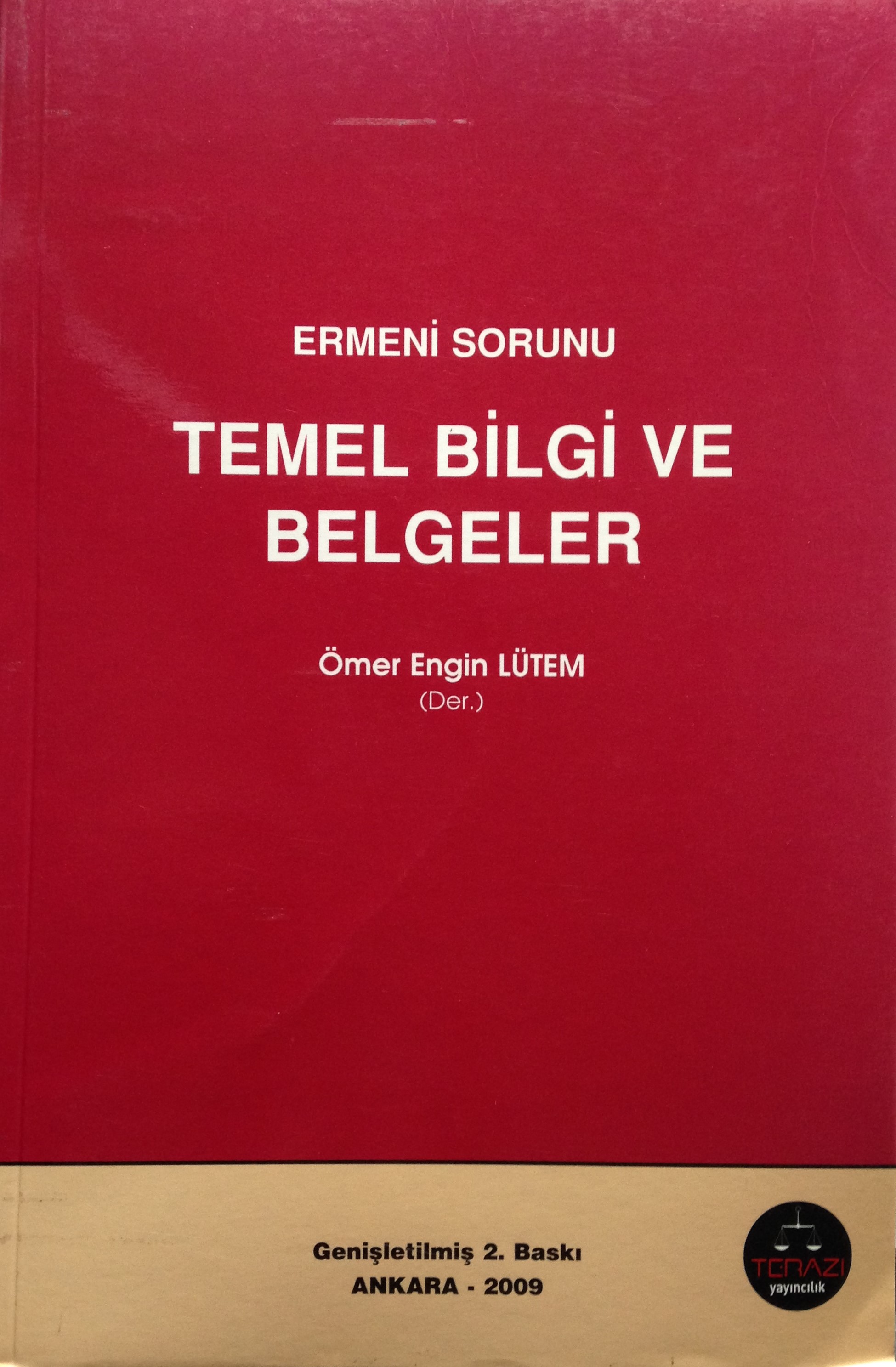
ERMENİ SORUNU - TEMEL BİLGİ VE BELGELER (2. BASKI)


-
AVİM Conference Hall 24.01.2023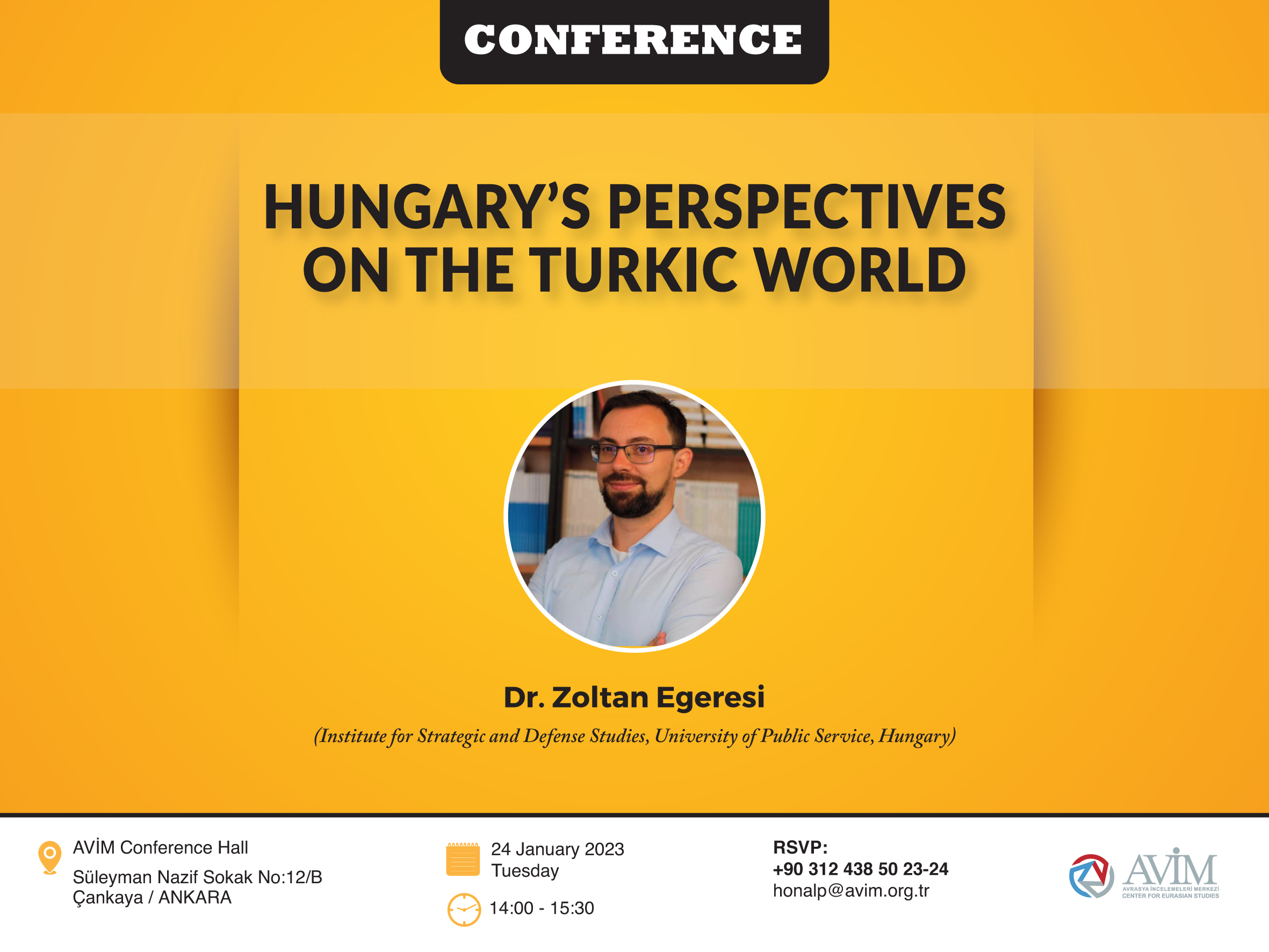
CONFERENCE TITLED “HUNGARY’S PERSPECTIVES ON THE TURKIC WORLD"