
















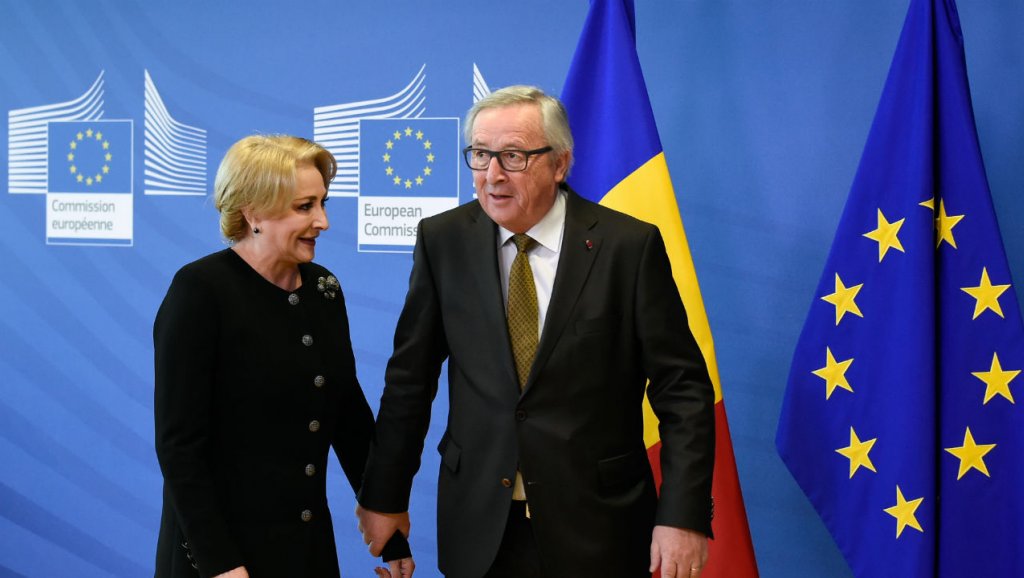
France 24 (1 January 2019)
Brussels is already at loggerheads with the increasingly populist government in Bucharest on multiple fronts and Juncker's comments highlight some of the strains.
Romania will be in charge for the next six months as the European Union faces a series of tricky tests – most notably Brexit, European parliamentary elections, and wrangling over the next budget.
The Eastern European nation, which takes the presidency for the first time as it succeeds Austria, has been one of the EU's most consistently europhile member states since it joined in 2007.
But its left-wing government has recently begun to adopt the sort of nationalist rhetoric expounded by nearby Hungary and Poland.
All three are embroiled in disputes with the EU over controversial reforms that critics say undermine the rule of law.
Liviu Dragnea, head of the ruling Social Democrats (PSD) and widely seen as Romania's most powerful man, has slammed the EU as "unfair", claiming Brussels is seeking to deny Bucharest the "right to hold its own opinions".
Row over amnesty decree
In remarks to Die Welt on December 29, Juncker said that even if Romania was "technically well prepared" for the presidency, the "Bucharest government has not fully understood what it means to preside over the countries of the EU".
The EU presidency "requires a willingness to listen to others and a willingness to put one's own concerns in the background. I have some doubts about this", Juncker said.
One of the main reasons for the cooling of relations between Bucharest and Brussels is the PSD's planned overhaul of Romania's judiciary, which the government says is aimed at clamping down on "abuses" by judges and magistrates.
But the European Commission wants the reforms scrapped, saying they undermine the fight against corruption in one of the EU's most graft-prone states.
EU officials "have the feeling, perhaps justifiably, that these reforms are for the benefit of Dragnea", political scientist Andrei Taranu told AFP.
The government has proposed a criminal amnesty for politicians including Dragnea, who was given a suspended jail sentence for electoral fraud in 2016 and is being investigated in two other criminal cases.
The amnesty decree is expected to be issued soon, with a European source warning that such a step would cross a "red line" for Brussels.
‘Polarised and divided’
Moreover, Romania may find it difficult to speak with a united voice, given the tug-of-war between the government of Viorica Dancila – the third PSD prime minister since 2016 – and centre-right President Klaus Iohannis.
Iohannis, a keen pro-European who has frequently clashed with the government, represents Romania on the European Council.
The PSD won a comfortable election victory in 2016, but quickly sparked the country's biggest wave of protests since the collapse of communism with an attempt to water down anti-corruption laws.
Demonstrations have continued in the capital Bucharest but the PSD still enjoys solid support in poorer and more rural parts of the country, which have benefited from recent rises in wages and benefits.
Political analyst Radu Alexandru describes Romanian society as "very polarised and divided".
As well as being one of the EU's poorest countries, Romania also suffers from huge inequality.
The country has received 32 billion euros in EU cohesion funds, part of which went to supplying running water to 40 percent of rural homes – up from just one percent at the fall of communism in 1989.
But as sociologist Iulian Stanescu of the ICCV research institute points out, "EU membership can't solve everything."
https://www.france24.com/en/20190101-romania-takes-over-eu-presidency-tensions-brussels-juncker
No comments yet.
-
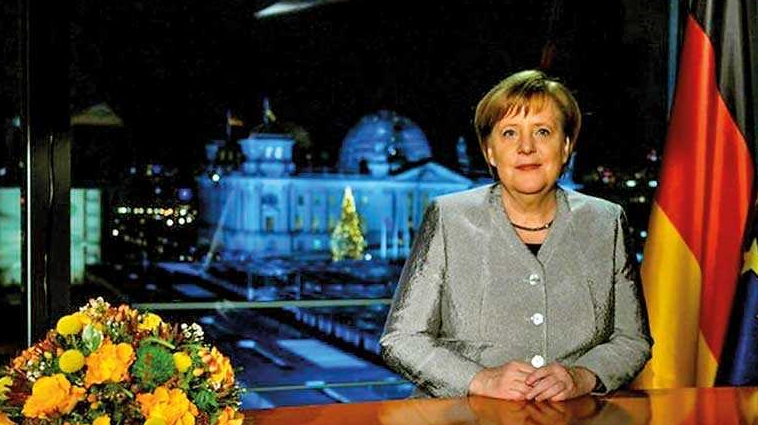 MERKEL URGES DIVIDED GERMANS TO PULL TOGETHER IN 2019
Europe - EU
02.01.2019
MERKEL URGES DIVIDED GERMANS TO PULL TOGETHER IN 2019
Europe - EU
02.01.2019
-
ROMANIA TAKES OVER EU PRESIDENCY AMID STRAINED RELATIONS WITH BRUSSELS
The Balkans
02.01.2019
- MASS GRAVE DISCOVERED IN IRAQ'S NORTHERN KIRKUK PROVINCE Iraq 02.01.2019
- RUSSIA’S GAZPROM LIFTS PRICE OF GAS SUPPLY TO ARMENIA IN 2019 The Caucasus and Turkish-Armenian Relations 02.01.2019
- IRAQ EDUCATION MINISTER RESIGNS AFTER IS BROTHER CLAIMS Iraq 02.01.2019
-
25.01.2016
THE ARMENIAN QUESTION - BASIC KNOWLEDGE AND DOCUMENTATION -
12.06.2024
THE TRUTH WILL OUT -
27.03.2023
RADİKAL ERMENİ UNSURLARCA GERÇEKLEŞTİRİLEN MEZALİMLER VE VANDALİZM -
17.03.2023
PATRIOTISM PERVERTED -
23.02.2023
MEN ARE LIKE THAT -
03.02.2023
BAKÜ-TİFLİS-CEYHAN BORU HATTININ YAŞANAN TARİHİ -
16.12.2022
INTERNATIONAL SCHOLARS ON THE EVENTS OF 1915 -
07.12.2022
FAKE PHOTOS AND THE ARMENIAN PROPAGANDA -
07.12.2022
ERMENİ PROPAGANDASI VE SAHTE RESİMLER -
01.01.2022
A Letter From Japan - Strategically Mum: The Silence of the Armenians -
01.01.2022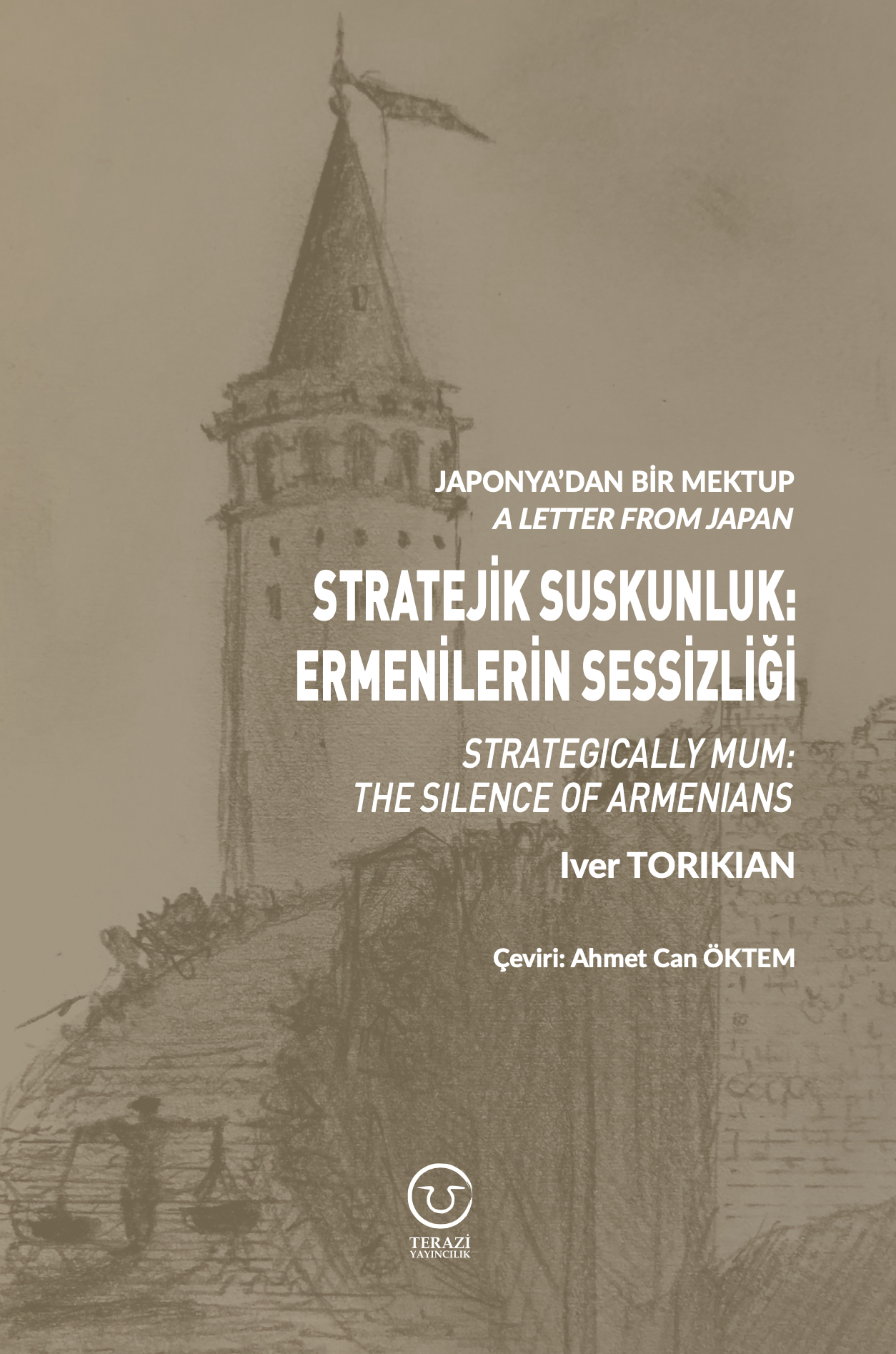
Japonya'dan Bir Mektup - Stratejik Suskunluk: Ermenilerin Sessizliği -
03.06.2020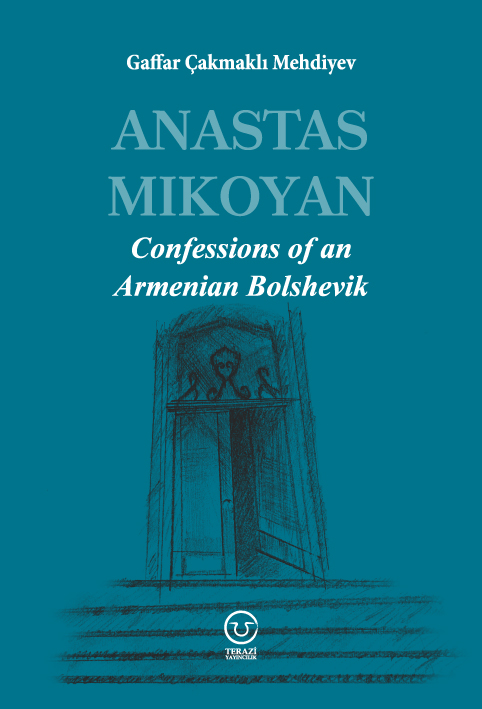
Anastas Mikoyan: Confessions of an Armenian Bolshevik -
08.04.2020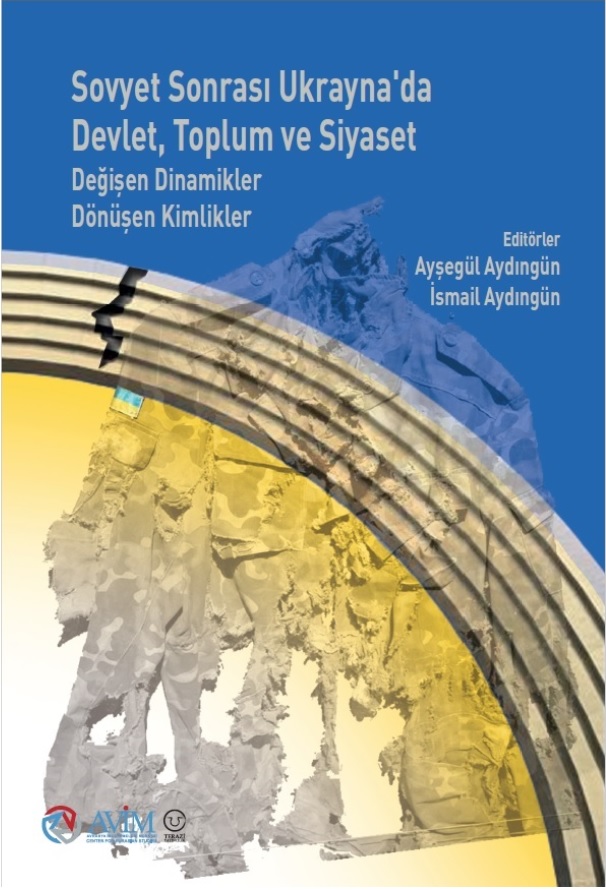
Sovyet Sonrası Ukrayna’da Devlet, Toplum ve Siyaset - Değişen Dinamikler, Dönüşen Kimlikler -
12.06.2018
Ermeni Sorunuyla İlgili İngiliz Belgeleri (1912-1923) - British Documents on Armenian Question (1912-1923) -
02.12.2016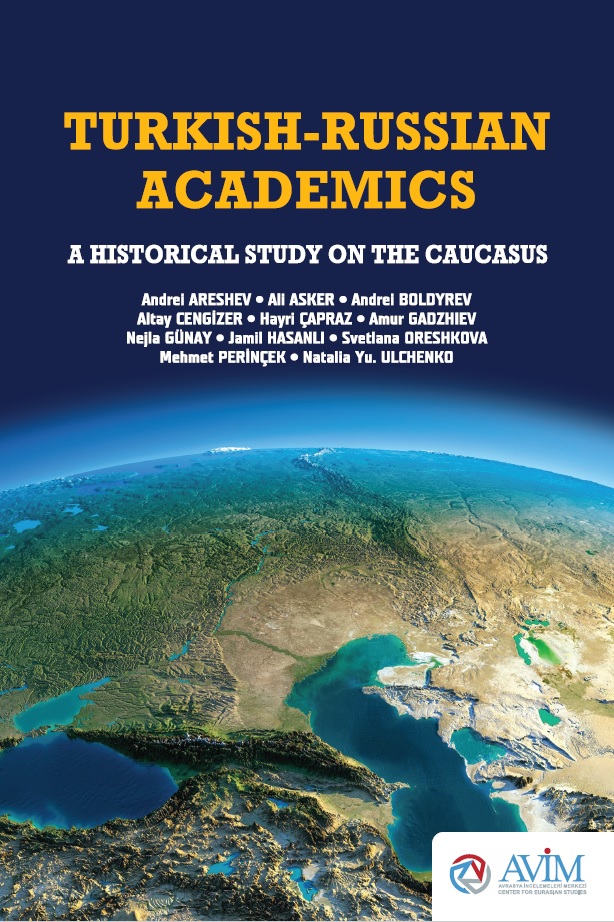
Turkish-Russian Academics: A Historical Study on the Caucasus -
01.07.2016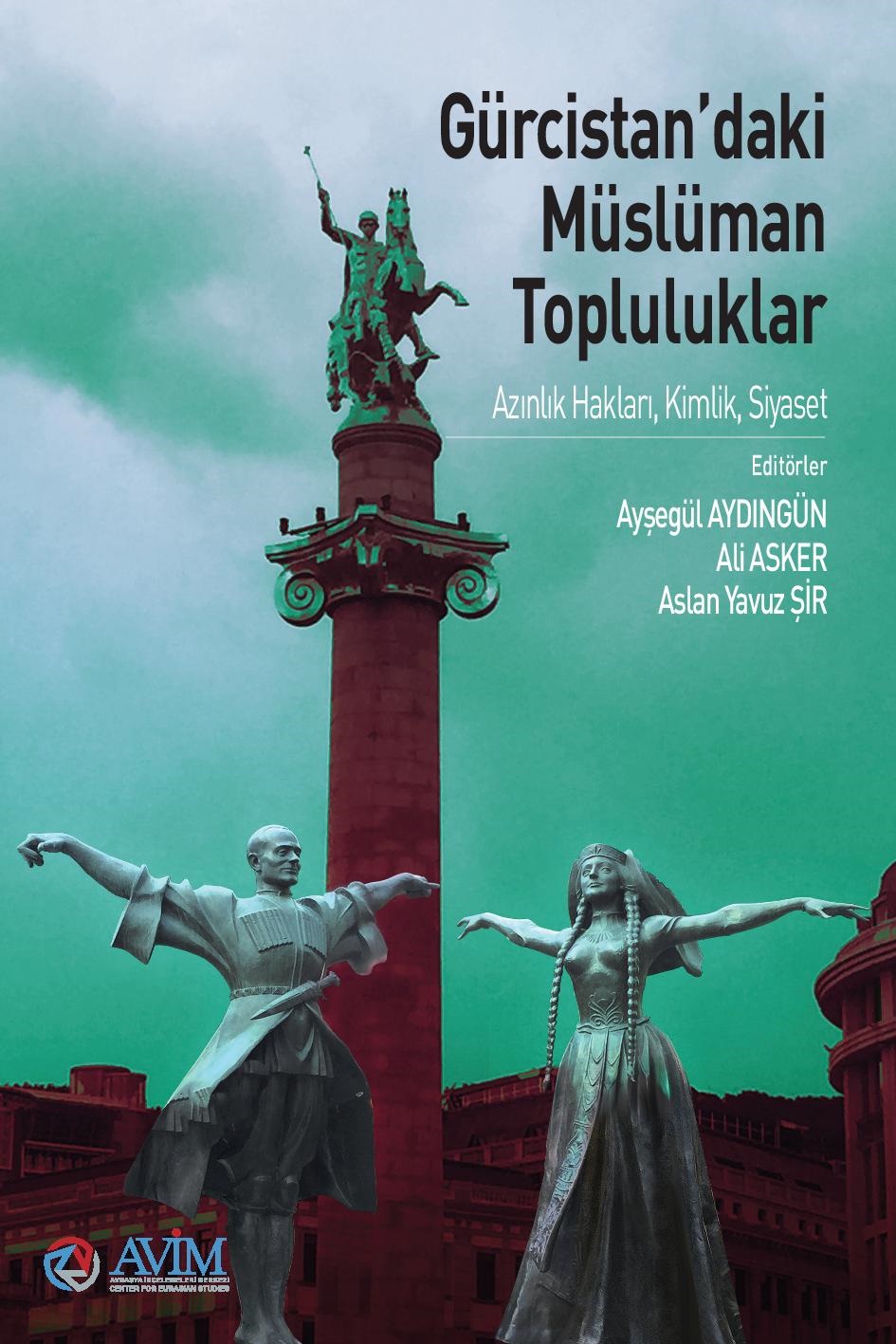
Gürcistan'daki Müslüman Topluluklar: Azınlık Hakları, Kimlik, Siyaset -
10.03.2016
Armenian Diaspora: Diaspora, State and the Imagination of the Republic of Armenia -
24.01.2016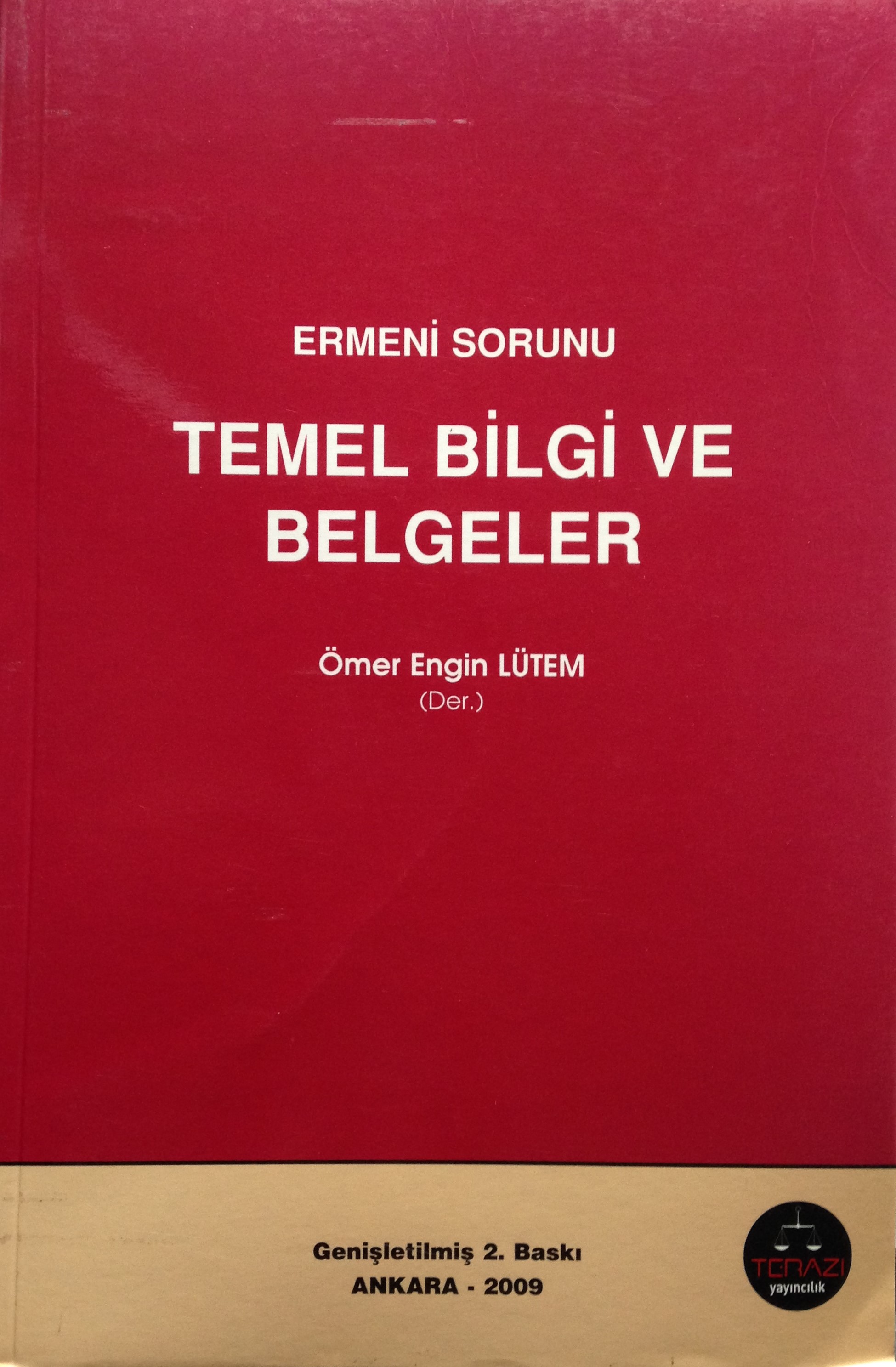
ERMENİ SORUNU - TEMEL BİLGİ VE BELGELER (2. BASKI)


-
AVİM Conference Hall 24.01.2023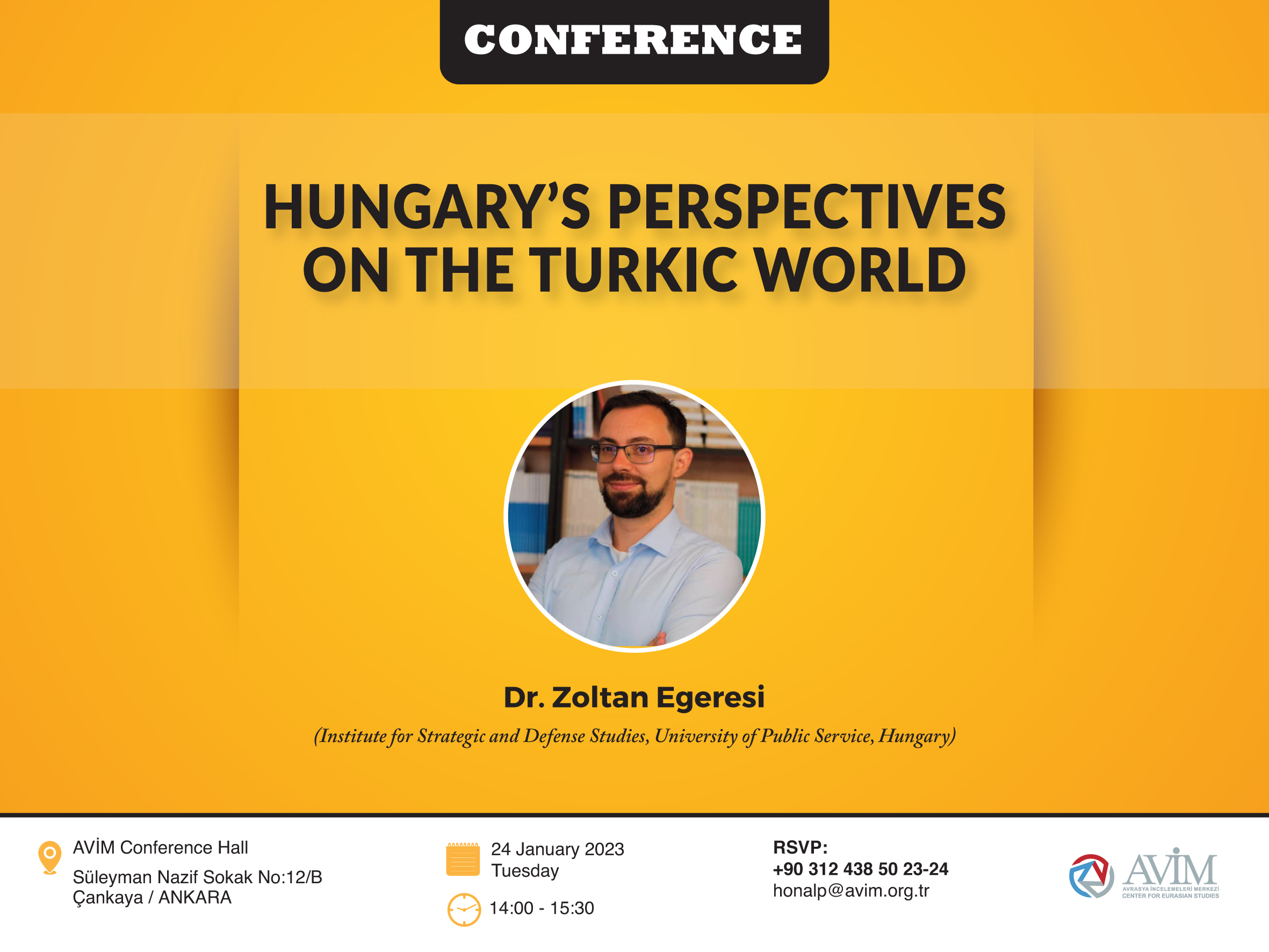
CONFERENCE TITLED “HUNGARY’S PERSPECTIVES ON THE TURKIC WORLD"