

















Reuters (16 February 2017)
Britain should be prepared to scrap all tariffs on imports unilaterally when it leaves the European Union to give consumers and the broader economy a boost, even if it hurts some businesses, economists who favor Brexit said on Thursday.
Britain's government has said it wants to reach a free-trade agreement with the EU when it leaves the bloc, which is likely to happen in just over two years' time, and finance minister Philip Hammond has rejected any unilateral action by Britain.
Britain currently enjoys tariff-free access to EU markets. But if it failed to reach a deal with the bloc, both sides would probably adopt the standard tariffs which the EU imposes on countries that are part of the World Trade Organisation.
Before Britain voted to leave the EU in June, the country's finance ministry estimated this outcome would lead to the economy growing 7.5 percent less than otherwise over 15 years, although its forecasts for a short-term hit have proven wrong.
Economists for Free Trade, a group of academics and business economists that called itself Economists for Brexit before the referendum, reiterated its view that tariffs were self-defeating.
Even if Britain could not retain tariff-free access for exports to the EU, it would not benefit from imposing "tit for tat" tariffs on EU imports, said Patrick Minford, professor of economics at Cardiff University and the group's chair.
"It sounds counter-intuitive, but it's like you get into a fight in the streets, and someone says 'I'm going to do you!' Do you say 'I'm going to do you' ...? I would suggest you walk away," Minford said at a briefing for reporters.
Minford - who was an early supporter of Prime Minister Margaret Thatcher's free market policies in the 1980s - said Britain should use leaving the EU as an opportunity to scrap all import tariffs it is currently obliged to impose on goods from outside the bloc.
This would lower prices for consumers by 8 percent and boost the size of the economy by 4 percent, he estimated.
Before the referendum, Economists for Brexit said the option of resorting to WTO tariffs would be positive for Britain's economy and Thursday's study took the argument further by contemplating Britain having no tariffs at all.
Most academic economists largely see negative consequences for Britain's economy from Brexit, arguing it is much easier to trade with neighboring countries than further afield.
ALSO IN BUSINESS NEWS
Asia shares ease after run of gains; oil lifted by OPEC cut extension hopes
U.S. weekly jobless claims rise less than expected
Finance minister Hammond said in December he opposed unilaterally scrapping tariffs, as it would hurt Britain's bargaining position in trade talks and would be too big a shock to business and to staff employed by less competitive firms.
Britain's large car industry would be vulnerable to a decision to scrap import tariffs if the EU did not do likewise because the bloc imposes a 10 percent duty on cars.
Minford dismissed Hammond as "economically illiterate" and said Britain was flexible enough to cope if some exporters could not compete on world markets and went out of business.
(Reporting by David Milliken; Editing by William Schomberg and Alison Williams)
No comments yet.
-
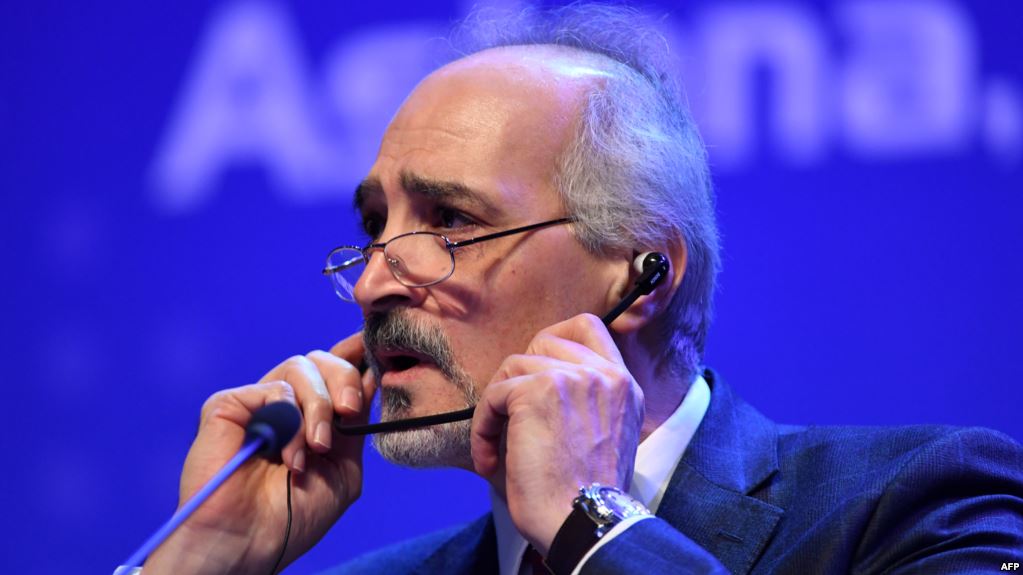 JOINT SESSION ON SYRIA UNDER WAY IN KAZAKHSTAN
Asia - Pacific
17.02.2017
JOINT SESSION ON SYRIA UNDER WAY IN KAZAKHSTAN
Asia - Pacific
17.02.2017
-
 MARTYR DIPLOMATS
The Caucasus and Turkish-Armenian Relations
17.02.2017
MARTYR DIPLOMATS
The Caucasus and Turkish-Armenian Relations
17.02.2017
- DEADLY CAR BOMBING ROCKS IRAQ'S BAGHDAD Iraq 17.02.2017
- PRO-BREXIT ECONOMISTS URGE UK TO UNILATERALLY SCRAP TARIFFS Europe - EU 17.02.2017
- JUNCKER WARNS BREXIT DEAL WILL TAKE LONGER THAN TWO YEARS TO NEGOTIATE Europe - EU 17.02.2017
-
25.01.2016
THE ARMENIAN QUESTION - BASIC KNOWLEDGE AND DOCUMENTATION -
12.06.2024
THE TRUTH WILL OUT -
27.03.2023
RADİKAL ERMENİ UNSURLARCA GERÇEKLEŞTİRİLEN MEZALİMLER VE VANDALİZM -
17.03.2023
PATRIOTISM PERVERTED -
23.02.2023
MEN ARE LIKE THAT -
03.02.2023
BAKÜ-TİFLİS-CEYHAN BORU HATTININ YAŞANAN TARİHİ -
16.12.2022
INTERNATIONAL SCHOLARS ON THE EVENTS OF 1915 -
07.12.2022
FAKE PHOTOS AND THE ARMENIAN PROPAGANDA -
07.12.2022
ERMENİ PROPAGANDASI VE SAHTE RESİMLER -
01.01.2022
A Letter From Japan - Strategically Mum: The Silence of the Armenians -
01.01.2022
Japonya'dan Bir Mektup - Stratejik Suskunluk: Ermenilerin Sessizliği -
03.06.2020
Anastas Mikoyan: Confessions of an Armenian Bolshevik -
08.04.2020
Sovyet Sonrası Ukrayna’da Devlet, Toplum ve Siyaset - Değişen Dinamikler, Dönüşen Kimlikler -
12.06.2018
Ermeni Sorunuyla İlgili İngiliz Belgeleri (1912-1923) - British Documents on Armenian Question (1912-1923) -
02.12.2016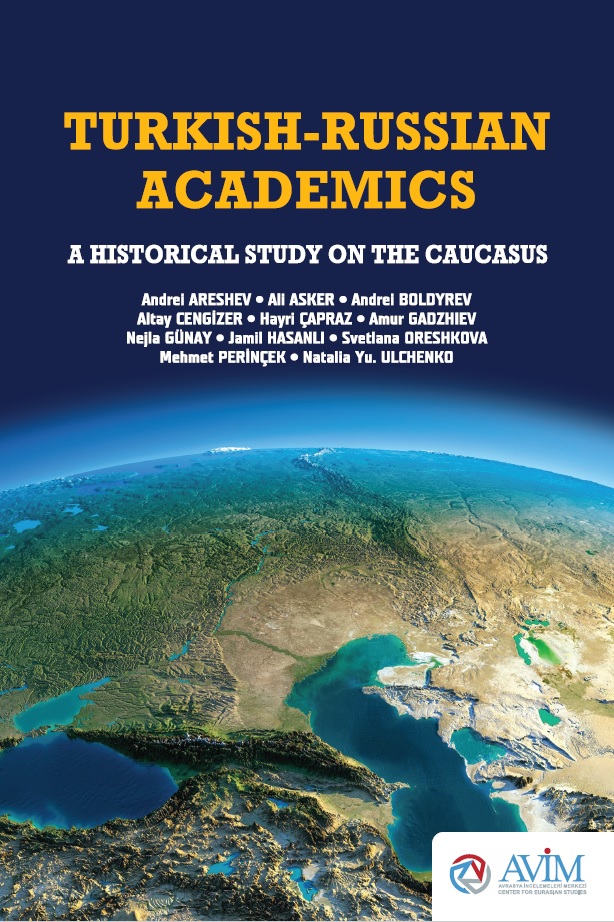
Turkish-Russian Academics: A Historical Study on the Caucasus -
01.07.2016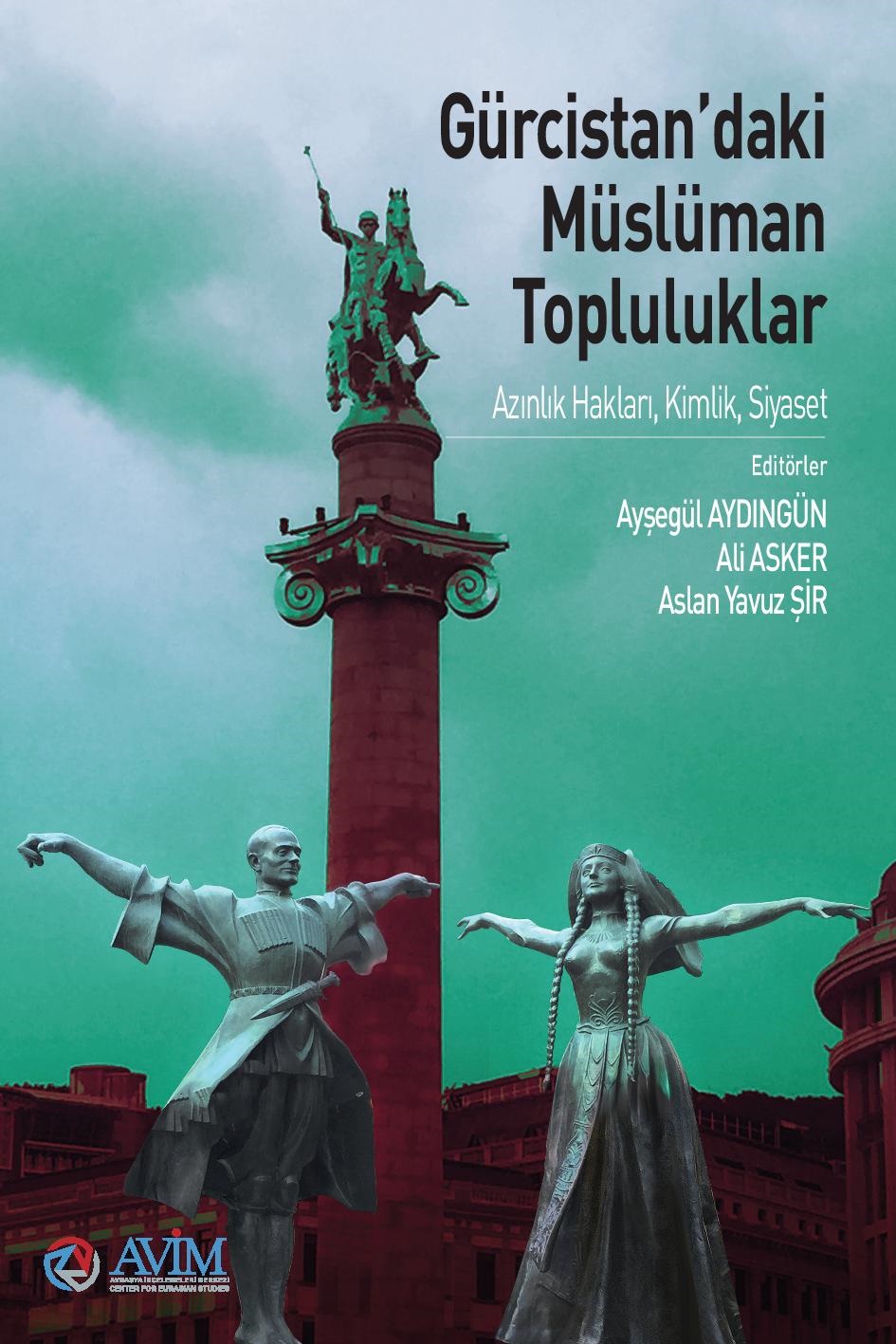
Gürcistan'daki Müslüman Topluluklar: Azınlık Hakları, Kimlik, Siyaset -
10.03.2016
Armenian Diaspora: Diaspora, State and the Imagination of the Republic of Armenia -
24.01.2016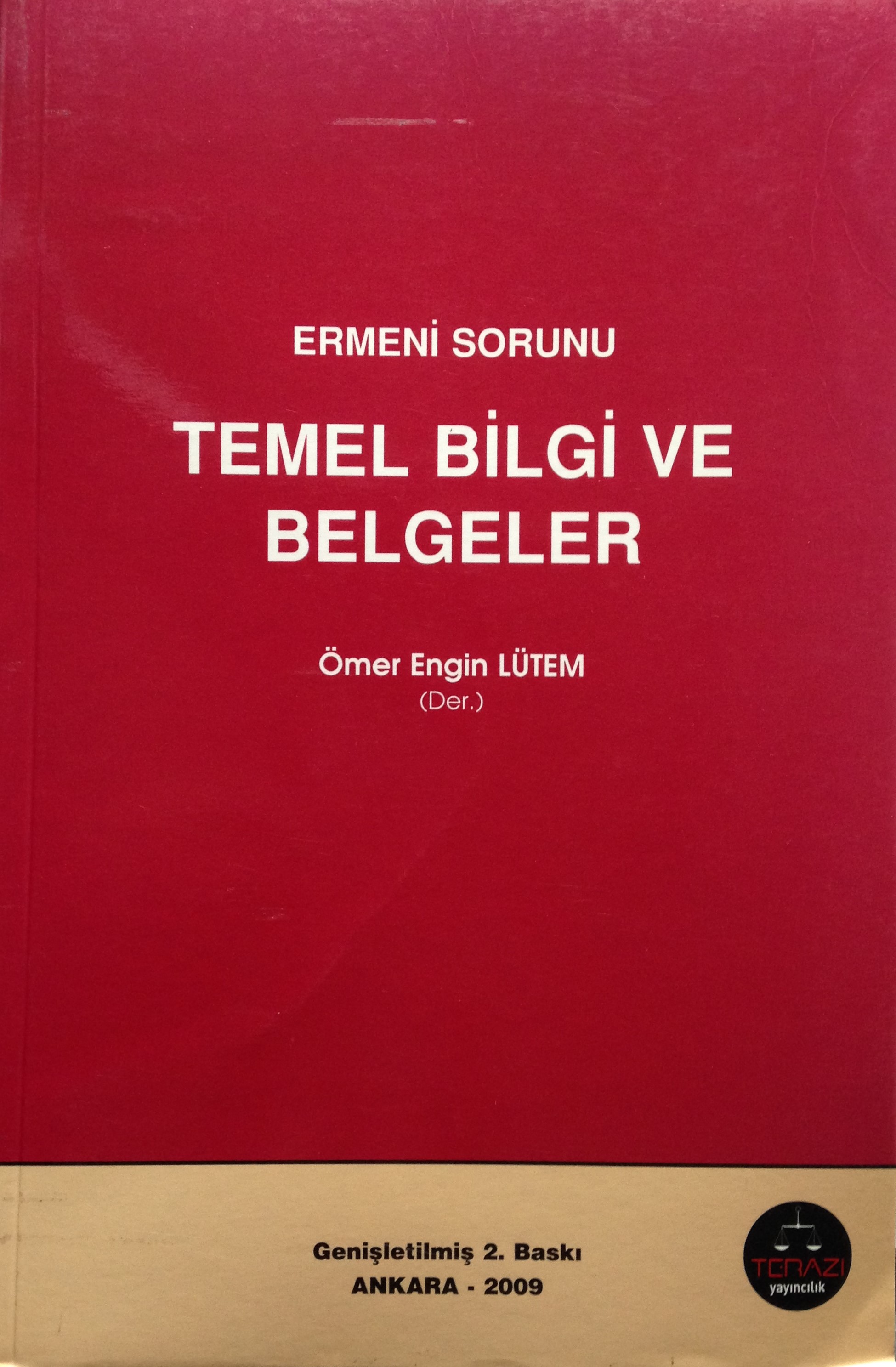
ERMENİ SORUNU - TEMEL BİLGİ VE BELGELER (2. BASKI)


-
AVİM Conference Hall 24.01.2023
CONFERENCE TITLED “HUNGARY’S PERSPECTIVES ON THE TURKIC WORLD"