















Deutsche Welle (17 August 2019)
The EU needs unity where such things as the single currency require it. But it also needs to have respect for the diversity of nation-states and their importance for democracy, says Boris Kalnoky.
Once upon a time, when talk turned to the subject of Europe, it was technical issues about the way the EU worked that were most likely to come up. For example, butter mountains and milk lakes created by Brussels' agricultural subsidies were to be reduced by means of other subsidies paid to farmers for not producing butter and milk. Who could understand all that? But we didn't have to; we could leave it to the technocrats.
All this changed when Europe agreed on common external borders and a single currency. At this point things became political, and the tone became poisonous.
Because money and borders are what actually constitute a state. Hardly anyone really understood the revolutionary consequences back then. A transnational entity took over functions that, until then, had constituted the essence of the nation-state. For the nation-state, little more remained than the role of a provincial administration within a much larger political entity.
Reduced self-determination
European citizens were not given the opportunity to digest this change because it was not really discussed or raised in public discourse before the decision was made. It was only gradually that many realized, "Oops, something serious has changed here." Citizens still elected their governments, but these governments, and therefore the voters, had less and less scope to determine their fate as a society. Many people felt that the EU meant less self-determination.
It is possible to pinpoint precisely the moments of shock when this insight dawned on people. The euro crisis from 2009 onward showed the Greeks that they had no chance of finding any other way out of their plight than the one stipulated by the EU. And the 2015 refugee crisis showed that the stronger EU members were prepared to force societies that did not want any immigrants to let them in simply by instituting a binding refugee redistribution quota through a "majority decision."
This attempt to exercise transnational power against the will of national parliaments and their voters was a wake-up call for those wanting to keep on determining their countries' future paths themselves.
Short period of freedom
And that applies above all to those of us in the eastern part of Europe. We have enjoyed freedom as a society for just a short time, after shaking off the yoke of the transnational entity referred to as the "Eastern Bloc" 30 years ago. We do not want to again give up this freedom to make our own decisions. The resistance to accept refugees by Hungary and other countries in the region has shown the limits of "integration:" Europe is not yet really a "union." The refugee quota policy failed.
How much transnational unity and how much national freedom does the EU need to prevent it falling apart while giving individual societies enough liberty?
Boris Kalnoky writes for several German-language publications
There are areas that require unity because, otherwise, things cannot work. For example: the euro. Those who have it can no longer pursue their own monetary policy. Accepting this requires maturity, or there can be explosive consequences. The same goes for common external borders. People who fail to understand that irresponsible domestic budgetary policy or weak border protection can have serious repercussions not only for their own country but for the entire EU must learn, or else leave the Schengen area or eurozone.
Brussels must show more respect for eastern Europe
It now seems clear that this learning process is not yet over. The logical conclusion is that the EU should not assume even more of the core functions of nation-states without first clarifying the implications in the realm of public discourse. Common unemployment insurance, a European minimum wage, European taxes, a European army with sworn loyalty to the blue flag, majority decisions in which stronger national coalitions can oppress weaker countries — without the possible negative side effects for individual countries being accepted by those countries' societies, such radical steps will at some point end in political explosions. This could, in turn, lead to a weakening rather than a strengthening of Europe.
The EU's motto is "unity in diversity." In political trench warfare, it is often forgotten that "diversity" refers to nation-states. Terms such as "national" and "nation-state" are sometimes used as insults by advocates of a more integrated Europe. There must be much more respect for the diversity of nation-states in Brussels' discourse.
The nation-state is the framework in which democracy can function best. Historically, the EU is mostly associated with prosperity; indeed, it began as an economic union. The frequent talk about the EU standing for solidarity and democracy, while the nation-state stands for nationalism, is ideological nonsense. The EU is a marketplace where democratic member states represent their interests and enter into political trade-offs or compromises according to jointly agreed rules. But they all fight constantly and ruthlessly for their national interests.
And that's a good thing. Because those interests are those of voters and citizens. That is democracy.
Boris Kalnoky, born in 1961, is a Budapest-based Hungarian correspondent for the German daily "Die Welt" and other German-language media.
No comments yet.
-
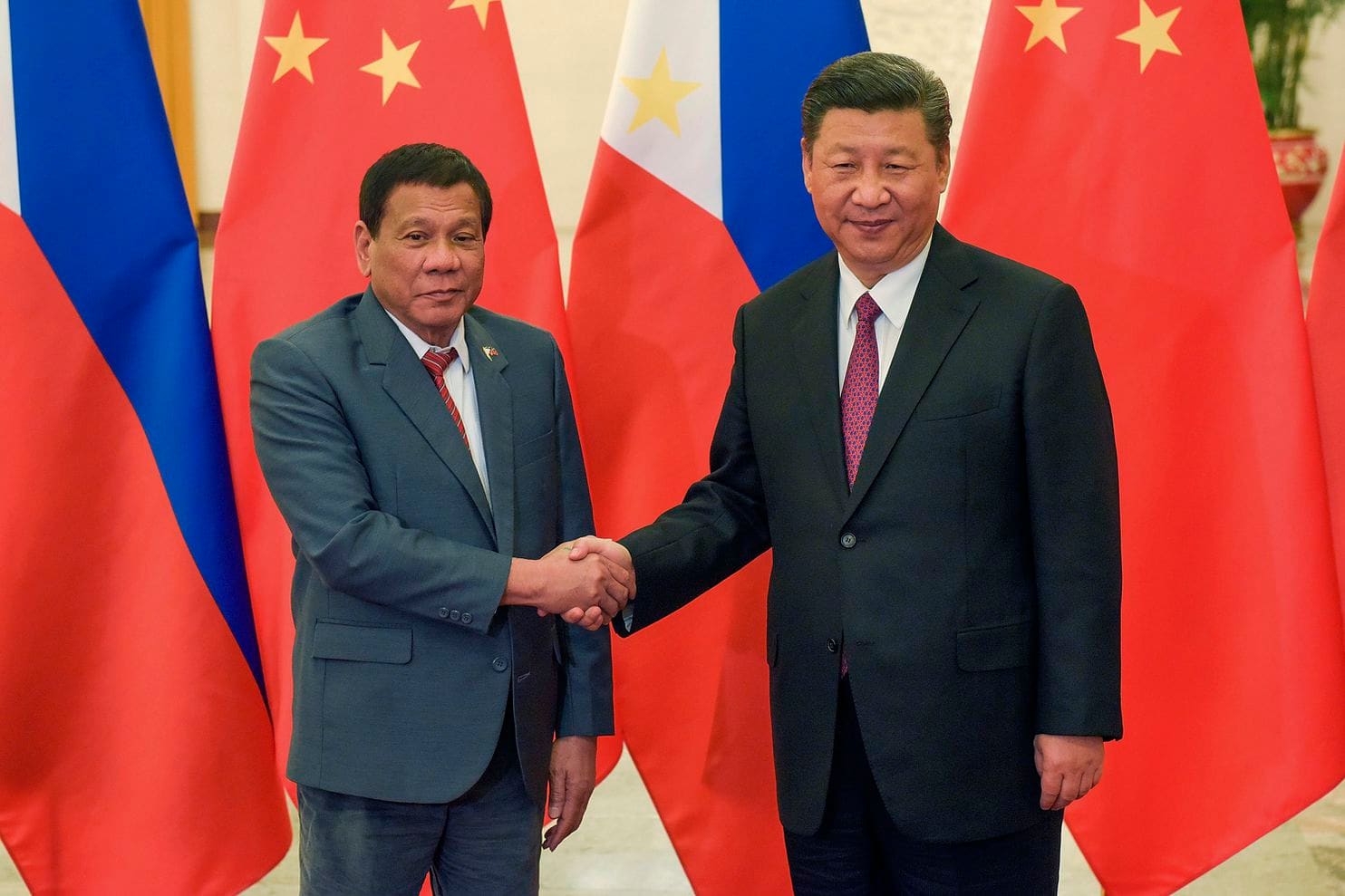 RECENT DEVELOPMENTS SURROUNDING THE SOUTH CHINA SEA
Asia - Pacific
19.08.2019
RECENT DEVELOPMENTS SURROUNDING THE SOUTH CHINA SEA
Asia - Pacific
19.08.2019
- OPINION: THE EU MUST RESPECT THE NATION-STATE Europe - EU 19.08.2019
-
 TURKMENISTAN RECEIVES ORDERS FOR EXPORT OF ITS AGRICULTURAL PRODUCTS
Central Asia
19.08.2019
TURKMENISTAN RECEIVES ORDERS FOR EXPORT OF ITS AGRICULTURAL PRODUCTS
Central Asia
19.08.2019
-
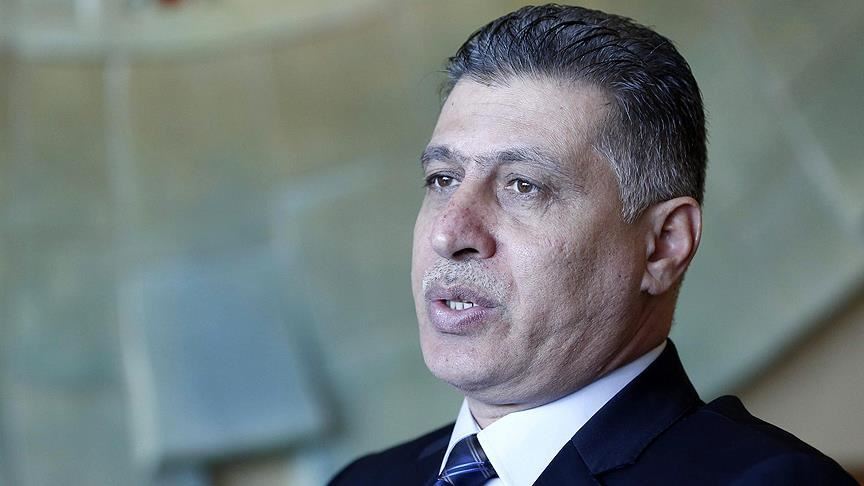 IRAQ: TURKMEN CHIEF URGES GOVT TO HELP DAESH VICTIMS
Iraq
19.08.2019
IRAQ: TURKMEN CHIEF URGES GOVT TO HELP DAESH VICTIMS
Iraq
19.08.2019
-
 53,500 NATIONALS OF BOSNIA AND HERZEGOVNIA LEFT THEIR COUNTRY FOR THE EU!
The Balkans
19.08.2019
53,500 NATIONALS OF BOSNIA AND HERZEGOVNIA LEFT THEIR COUNTRY FOR THE EU!
The Balkans
19.08.2019
-
25.01.2016
THE ARMENIAN QUESTION - BASIC KNOWLEDGE AND DOCUMENTATION -
12.06.2024
THE TRUTH WILL OUT -
27.03.2023
RADİKAL ERMENİ UNSURLARCA GERÇEKLEŞTİRİLEN MEZALİMLER VE VANDALİZM -
17.03.2023
PATRIOTISM PERVERTED -
23.02.2023
MEN ARE LIKE THAT -
03.02.2023
BAKÜ-TİFLİS-CEYHAN BORU HATTININ YAŞANAN TARİHİ -
16.12.2022
INTERNATIONAL SCHOLARS ON THE EVENTS OF 1915 -
07.12.2022
FAKE PHOTOS AND THE ARMENIAN PROPAGANDA -
07.12.2022
ERMENİ PROPAGANDASI VE SAHTE RESİMLER -
01.01.2022
A Letter From Japan - Strategically Mum: The Silence of the Armenians -
01.01.2022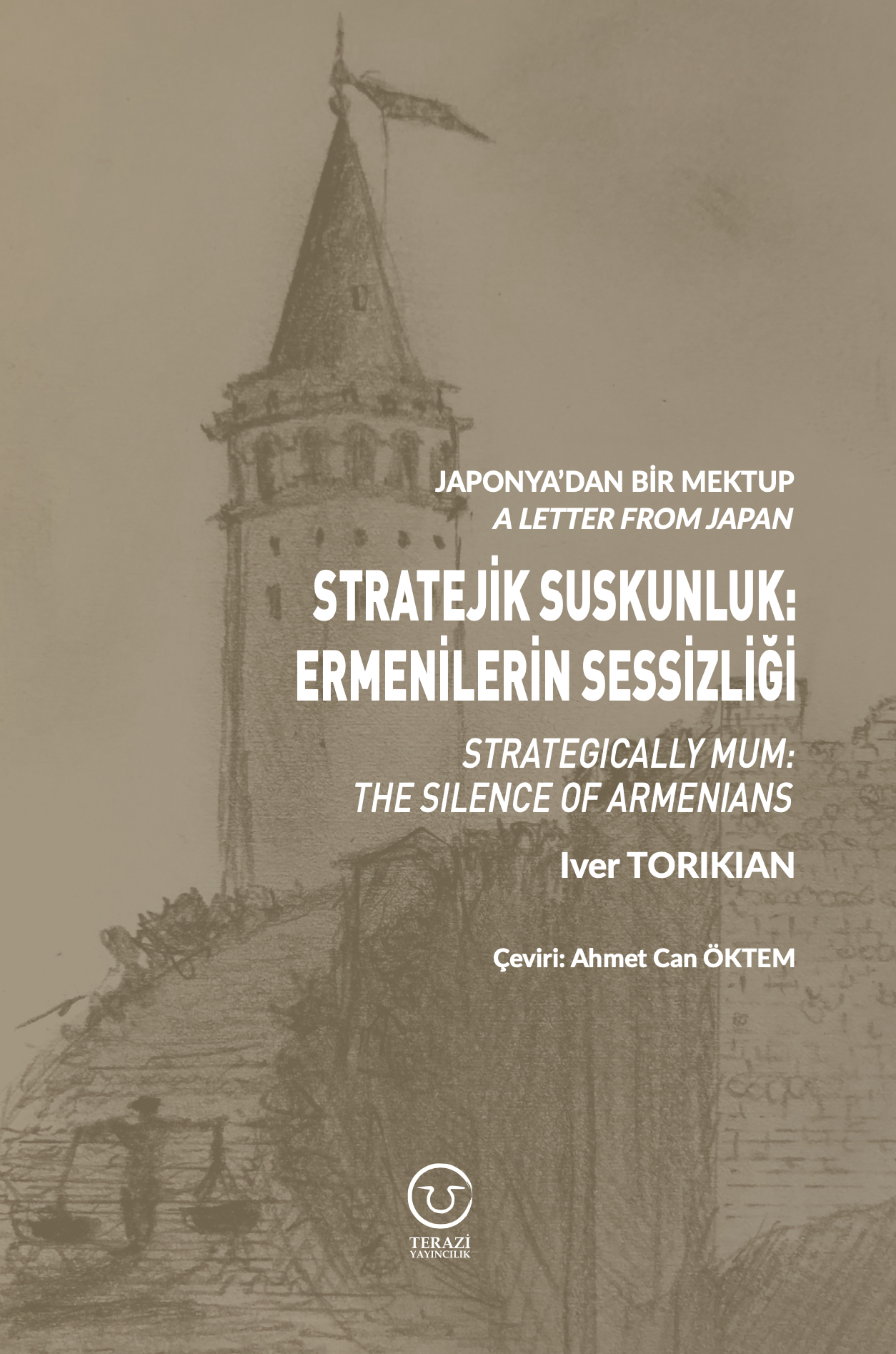
Japonya'dan Bir Mektup - Stratejik Suskunluk: Ermenilerin Sessizliği -
03.06.2020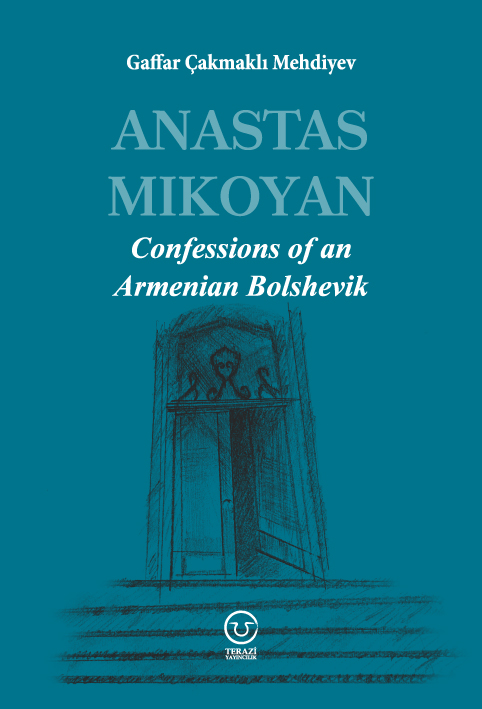
Anastas Mikoyan: Confessions of an Armenian Bolshevik -
08.04.2020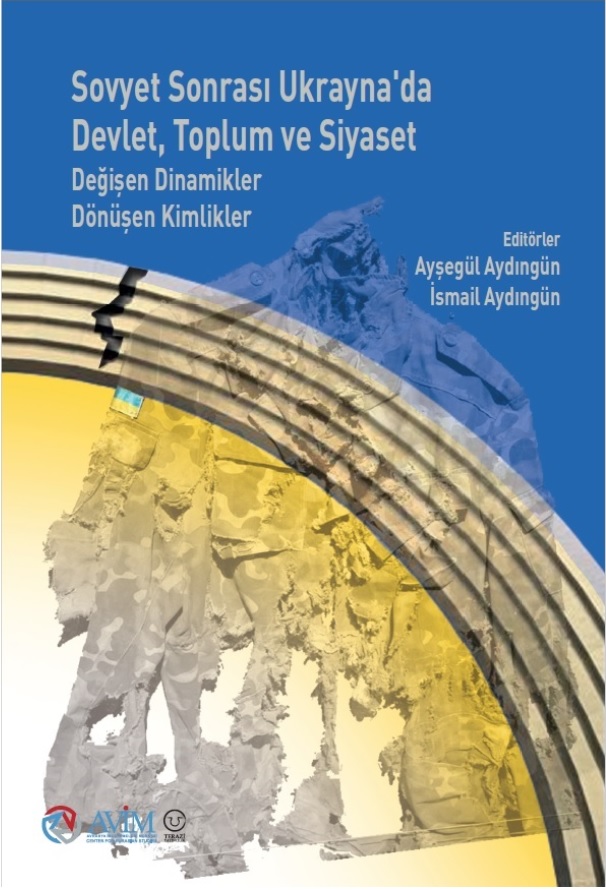
Sovyet Sonrası Ukrayna’da Devlet, Toplum ve Siyaset - Değişen Dinamikler, Dönüşen Kimlikler -
12.06.2018
Ermeni Sorunuyla İlgili İngiliz Belgeleri (1912-1923) - British Documents on Armenian Question (1912-1923) -
02.12.2016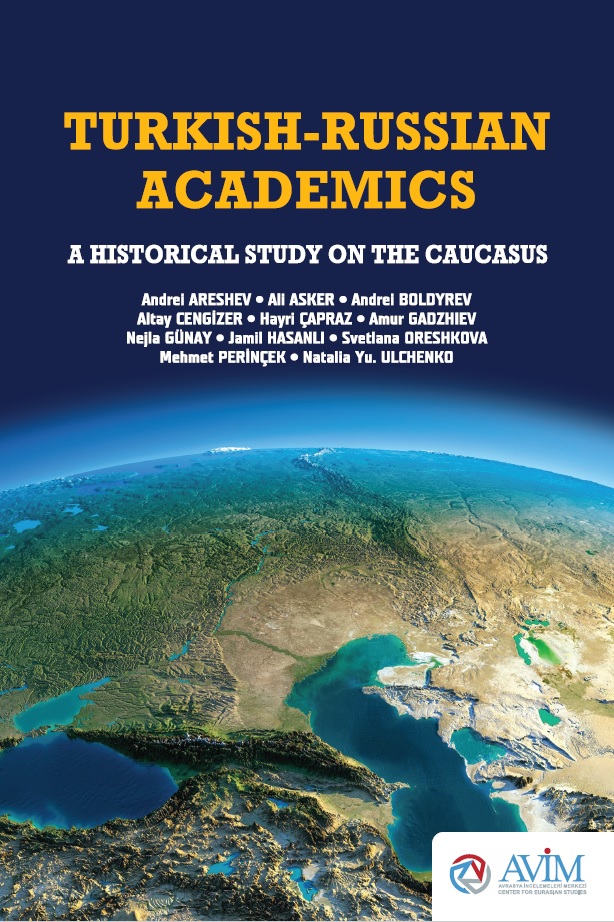
Turkish-Russian Academics: A Historical Study on the Caucasus -
01.07.2016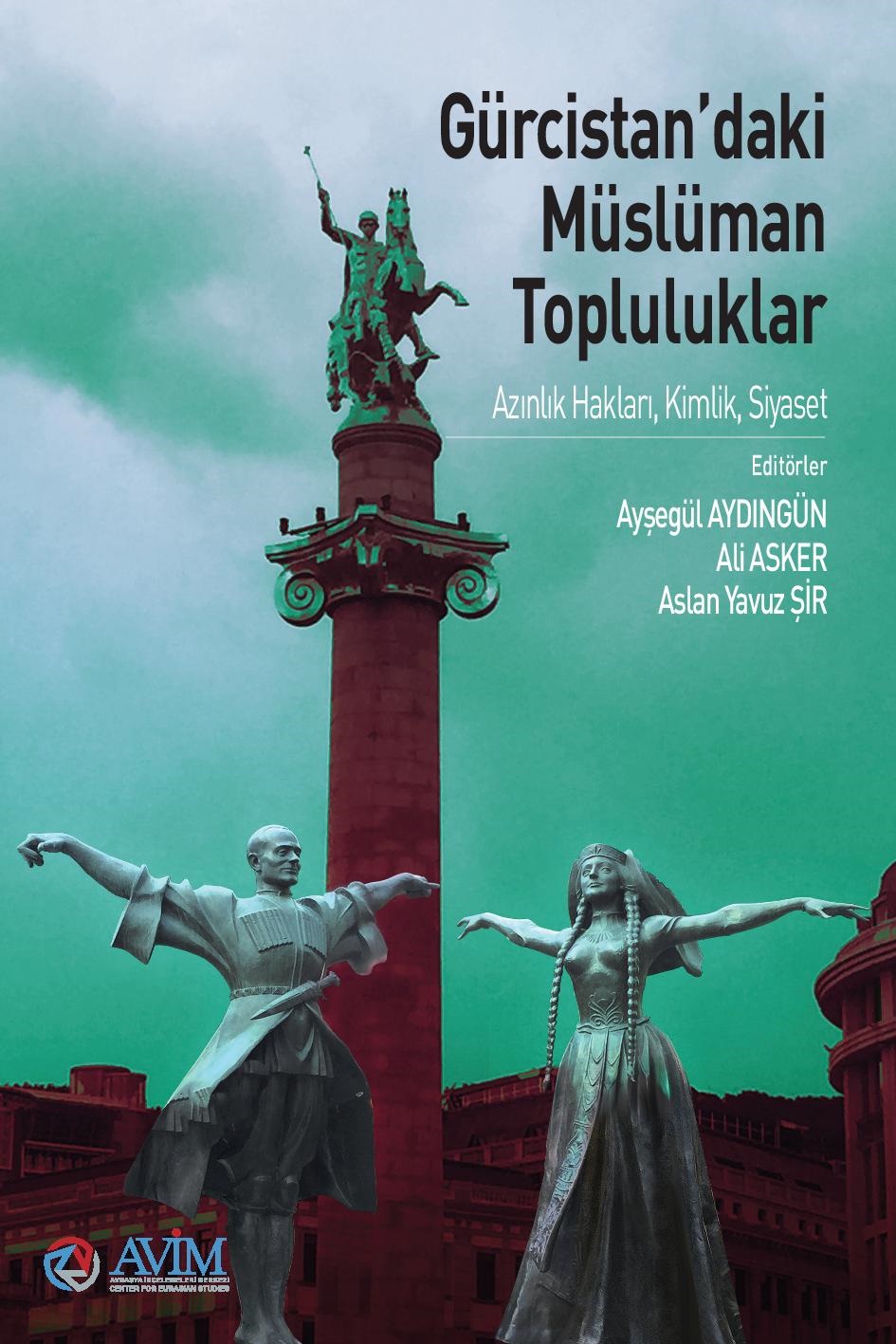
Gürcistan'daki Müslüman Topluluklar: Azınlık Hakları, Kimlik, Siyaset -
10.03.2016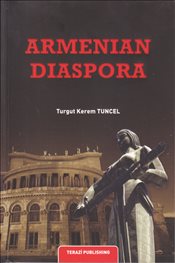
Armenian Diaspora: Diaspora, State and the Imagination of the Republic of Armenia -
24.01.2016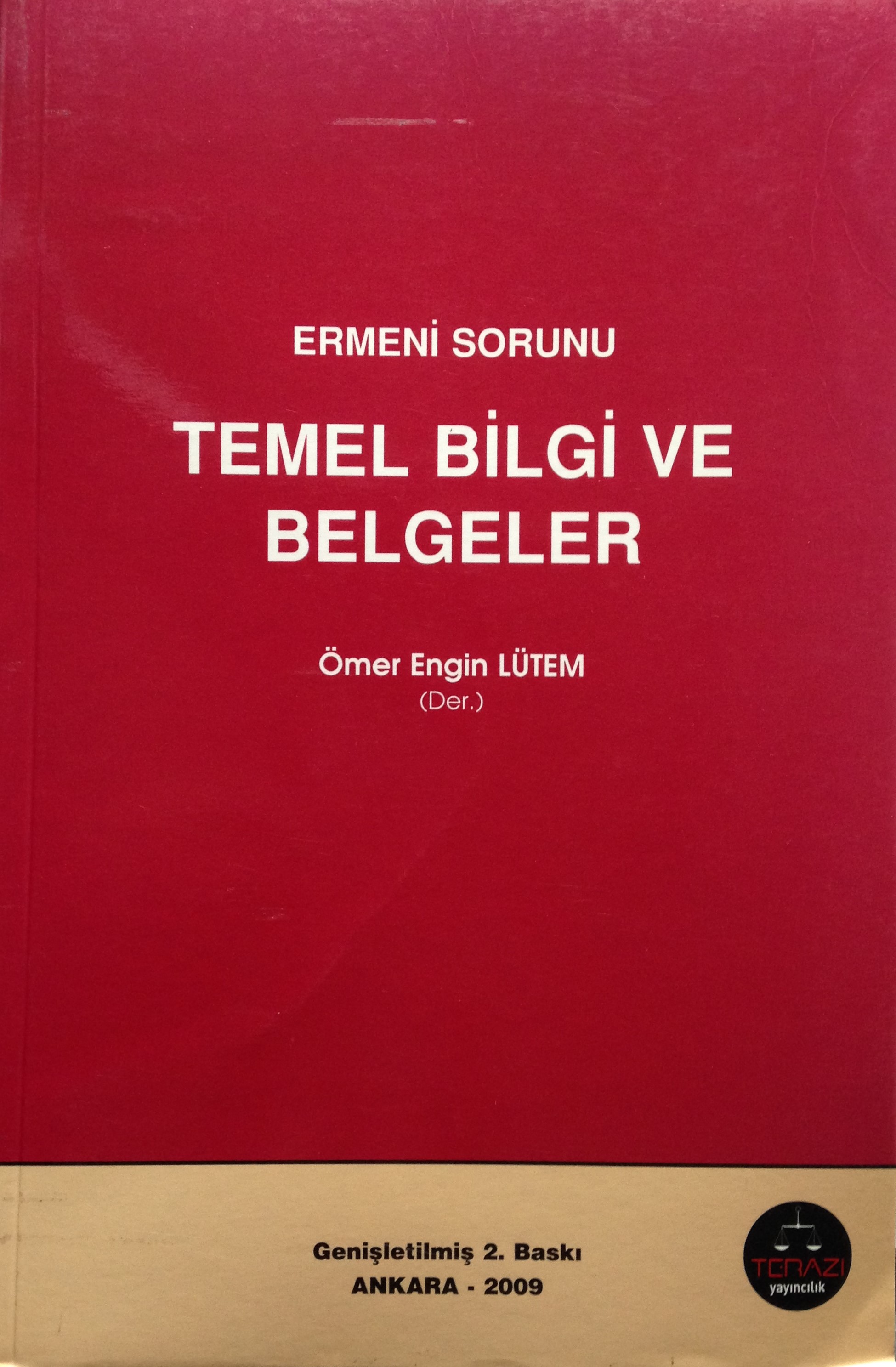
ERMENİ SORUNU - TEMEL BİLGİ VE BELGELER (2. BASKI)

-
AVİM Conference Hall 24.01.2023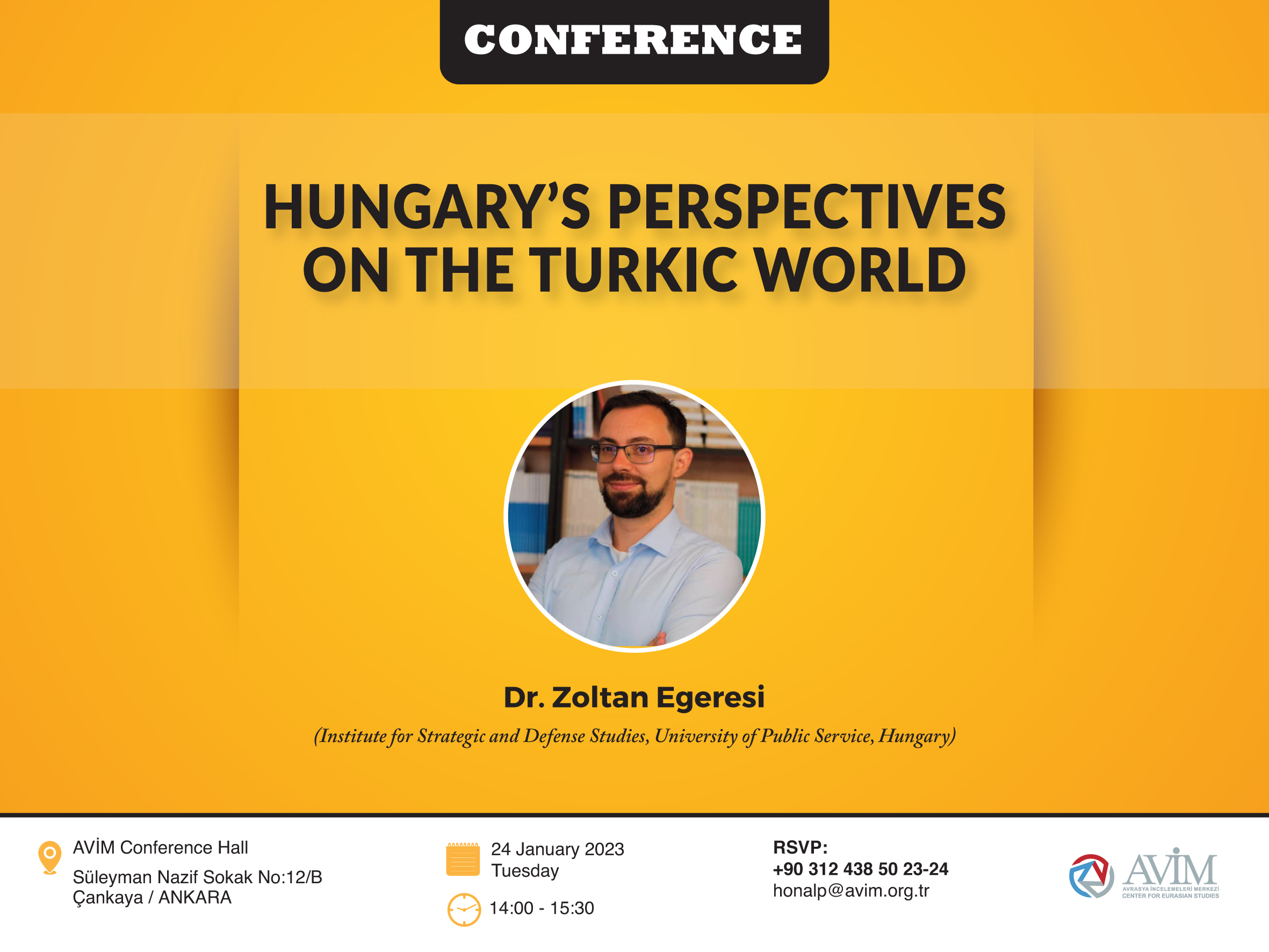
CONFERENCE TITLED “HUNGARY’S PERSPECTIVES ON THE TURKIC WORLD"