

















Russia Today, 24 August 2016
Norway is planning to build a steel fence at its only border crossing point with Russia, citing the necessity to deter refugees, after thousands for asylum seekers entered the Nordic country through the “Arctic route.”
The new fence will be 200 meters long and 3.5 meters high and will stretch from the Storskog-Borisoglebsk border crossing that will also be equipped with new gates, Reuters reports, citing sources in the Norwegian government.
The construction of the fence will be finished in the coming weeks before winter frosts set in to make it harder for illegal migrants to cross into Norway via the forest. The works have already started as old wooden barriers designed to control reindeer herds have been removed from the border.
"The gate and the fence are responsible measures," Deputy Justice Minister Ove Vanebo told Reuters, defending the move.
At the same time, the move provoked criticism from some Norwegian politicians and activist groups that said a fence prevent people fleeing war and persecution from coming to Norway.
"We've an obligation to be a country people can flee to," said Linn Landro, of the Refugees Welcome group in Norway, as quoted by Reuters. "The fence sends a very negative signal, including to Russia because it says that 'we don't trust you,'" he added.
Some politicians also questioned the reasonability of the move as no refugees came to Norway from Russia via the so-called “Arctic Route” this year so far, according to the Norwegian Directorate of Immigration.
"I can't see a need for a fence. There are too many fences going up in Europe today," said Rune Rafaelsen, the mayor of the Soer-Varanger municipality which borders Russia and host the only border crossing between the two countries, told Reuters, referring to Hungary.
The decision to erect a fence on the border was taken in April. At that time, Justice Minister Anders Anundsen said in a press release that the fence will help to ensure better control over those, who enter Norway and the Schengen area.
The decision was taken amid requests from the police in the Finnmark region bordering Russia to build a fence on the Norwegian border with Russia and even to temporarily shut down the Storskog-Borisoglebsk border crossing.
“If the flow of refugees gets out of control, the fence will help,” Katrine Haetta, the police chief for Norway’s Finnmark region, told Norwegian NRK broadcaster at that time.
Now, some Norwegian politicians also say that the move could possibly lead to tensions with Russia and called it an unwelcome echo of the Cold War. Rune Rafaelsen called it a backward step. Norwegians and Russians could cross the border visa-free for short trips so far.
In April, Norwegian authorities said that the security fence with the gate will in a normal situation not represent any noticeable difference for those crossing the border. Tonje Torsgard, Communication Advisor in the Ministry of Justice and Public Security, also told local media that Russian authorities were informed about the measure.
Russia also maintains a 196-kilometer fence on its border with Norway and has not complained about the plans of the Norwegian authorities so far.
Norway's border commissioner, Roger Jakobsen, played down the importance of the move in the context of bilateral relations between Norway and Russia. "We shouldn't make a storm in a teacup out of it," he told Reuters, commenting on the issue.
About 5,500 asylum seekers entered Norway from Russia in 2015, forcing the Nordic country to toughen its immigration rules in December to let it deport asylum seekers to countries deemed “safe,” including Russia.
Many refugees coming into Norway via the “Arctic route” were previously sent back directly at the border. Norway also deported some asylum seekers, who already crossed into the country, back to Russia, but later suspended the measure.
No comments yet.
- DEATH TOLL IN ITALIAN EARTHQUAKE REACHES ALMOST 250 AS RESCUE EFFORT CONTINUES Europe - EU 25.08.2016
- THE IMPACT OF THE IRAN-RUSSIA ALLIANCE Asia - Pacific 25.08.2016
- ‘BLACK WIND, WHITE SNOW: THE RISE OF RUSSIA’S NEW NATIONALISM’ BY CHARLES CLOVER Asia - Pacific 25.08.2016
- NEW CONTROVERSY LOOMING BETWEEN ARMENIA, RUSSIA, OVER FATE OF CONVICTED SOLDIER The Caucasus and Turkish-Armenian Relations 25.08.2016
- FRENCH SUBMARINE BUILDER DCNS SCUPPERED BY LEAKS Europe - EU 25.08.2016
-
25.01.2016
THE ARMENIAN QUESTION - BASIC KNOWLEDGE AND DOCUMENTATION -
12.06.2024
THE TRUTH WILL OUT -
27.03.2023
RADİKAL ERMENİ UNSURLARCA GERÇEKLEŞTİRİLEN MEZALİMLER VE VANDALİZM -
17.03.2023
PATRIOTISM PERVERTED -
23.02.2023
MEN ARE LIKE THAT -
03.02.2023
BAKÜ-TİFLİS-CEYHAN BORU HATTININ YAŞANAN TARİHİ -
16.12.2022
INTERNATIONAL SCHOLARS ON THE EVENTS OF 1915 -
07.12.2022
FAKE PHOTOS AND THE ARMENIAN PROPAGANDA -
07.12.2022
ERMENİ PROPAGANDASI VE SAHTE RESİMLER -
01.01.2022
A Letter From Japan - Strategically Mum: The Silence of the Armenians -
01.01.2022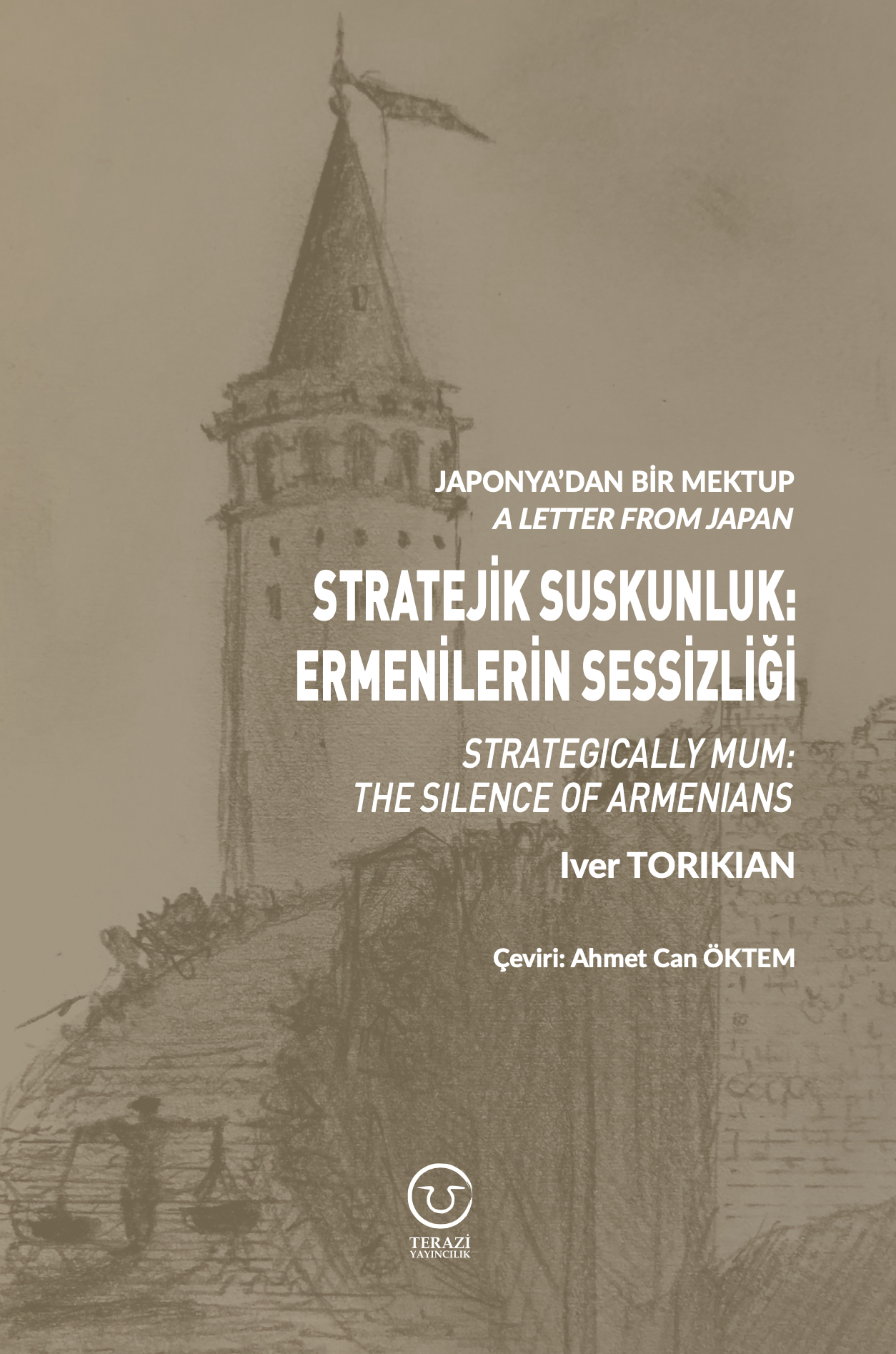
Japonya'dan Bir Mektup - Stratejik Suskunluk: Ermenilerin Sessizliği -
03.06.2020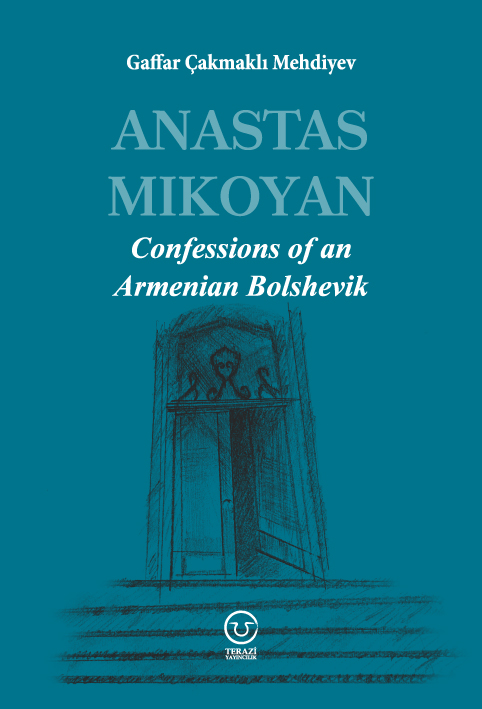
Anastas Mikoyan: Confessions of an Armenian Bolshevik -
08.04.2020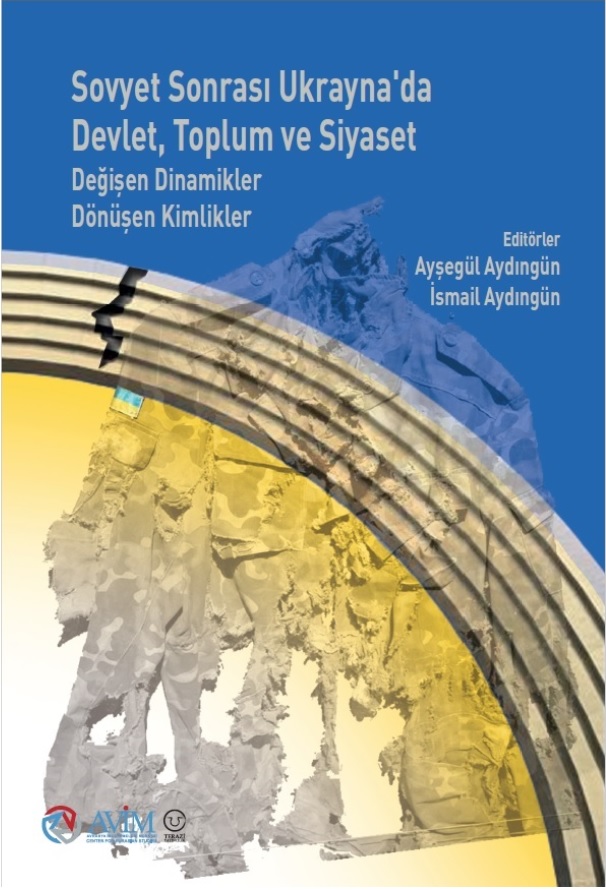
Sovyet Sonrası Ukrayna’da Devlet, Toplum ve Siyaset - Değişen Dinamikler, Dönüşen Kimlikler -
12.06.2018
Ermeni Sorunuyla İlgili İngiliz Belgeleri (1912-1923) - British Documents on Armenian Question (1912-1923) -
02.12.2016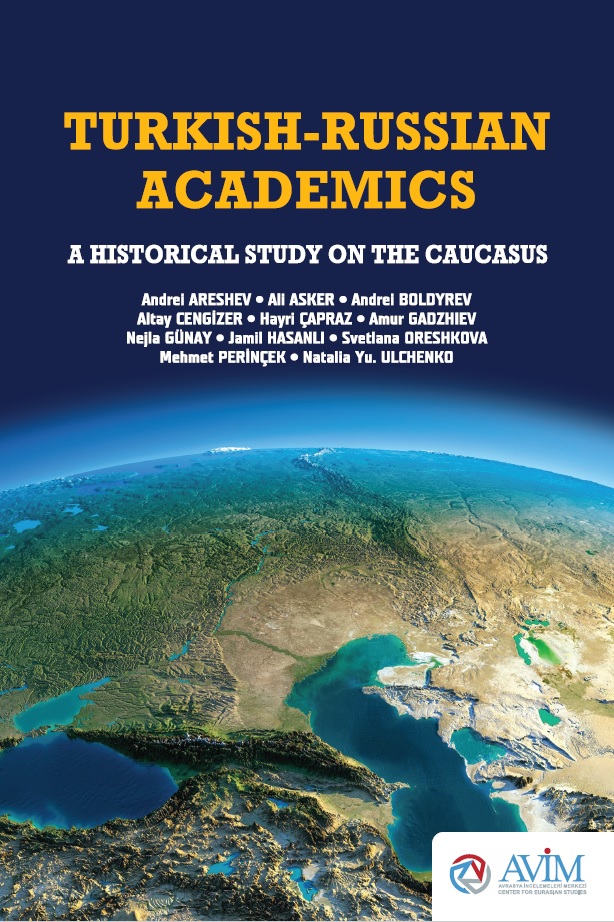
Turkish-Russian Academics: A Historical Study on the Caucasus -
01.07.2016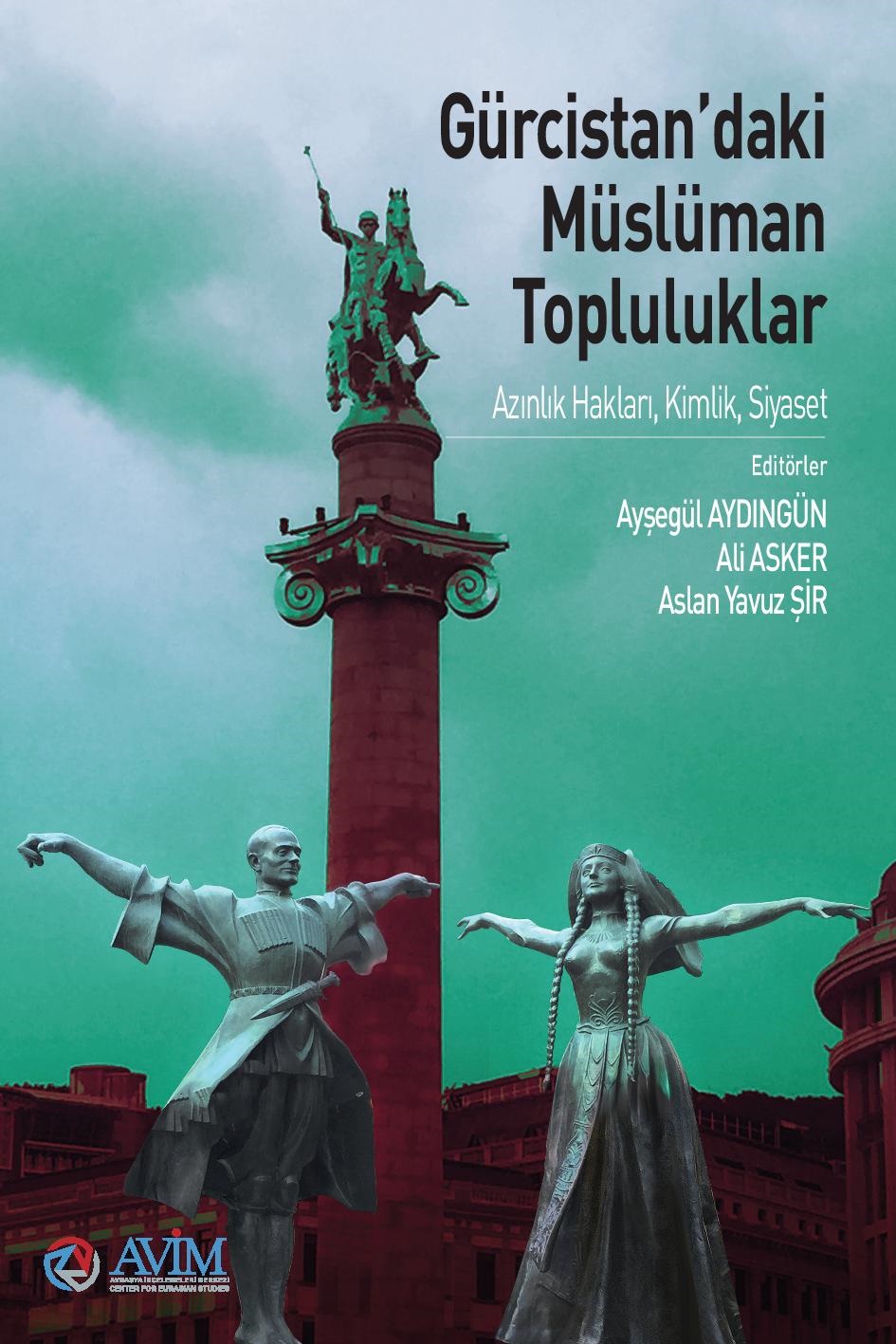
Gürcistan'daki Müslüman Topluluklar: Azınlık Hakları, Kimlik, Siyaset -
10.03.2016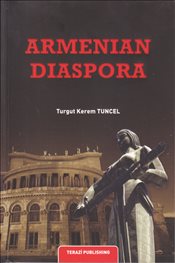
Armenian Diaspora: Diaspora, State and the Imagination of the Republic of Armenia -
24.01.2016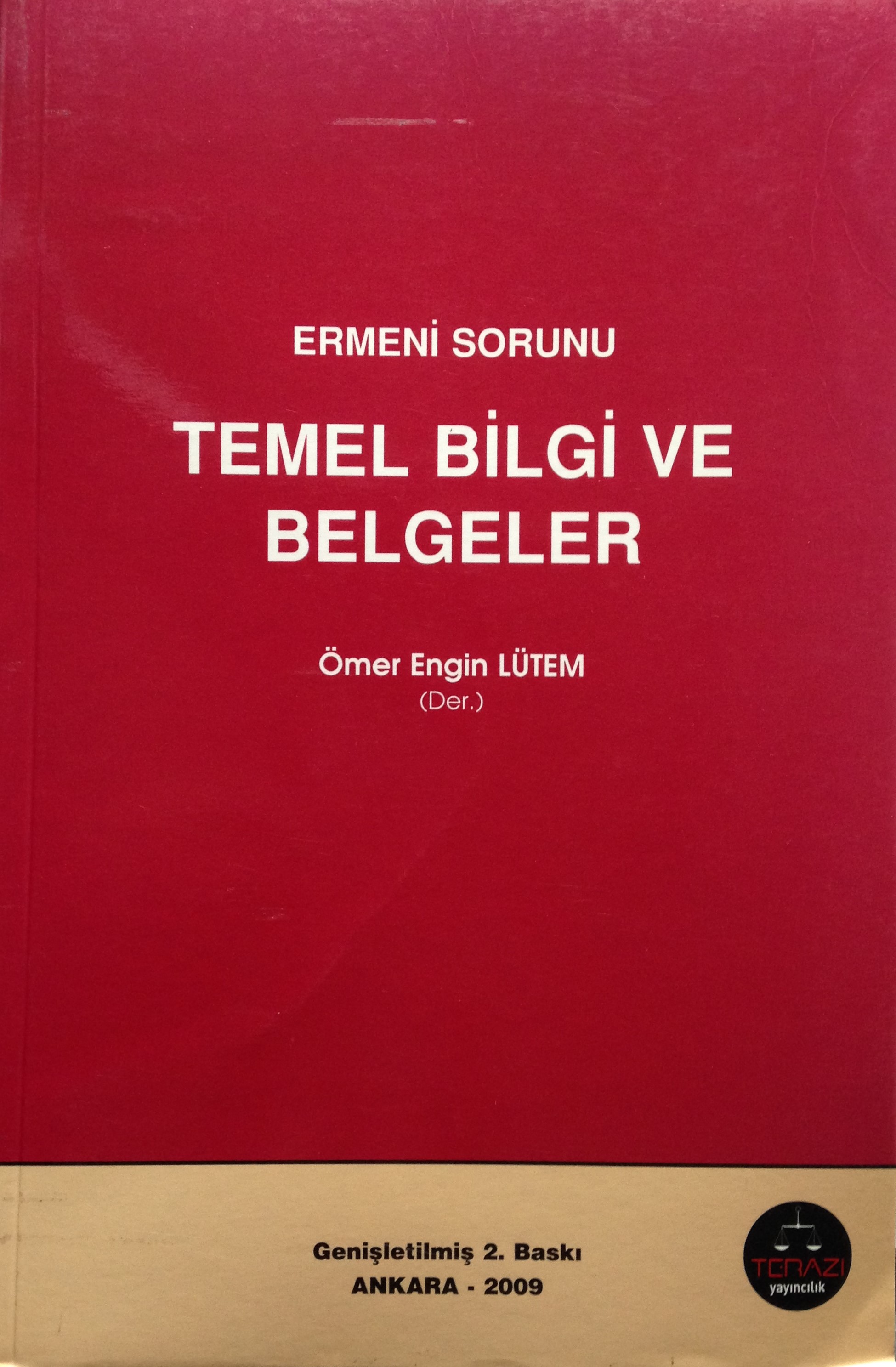
ERMENİ SORUNU - TEMEL BİLGİ VE BELGELER (2. BASKI)

-
AVİM Conference Hall 24.01.2023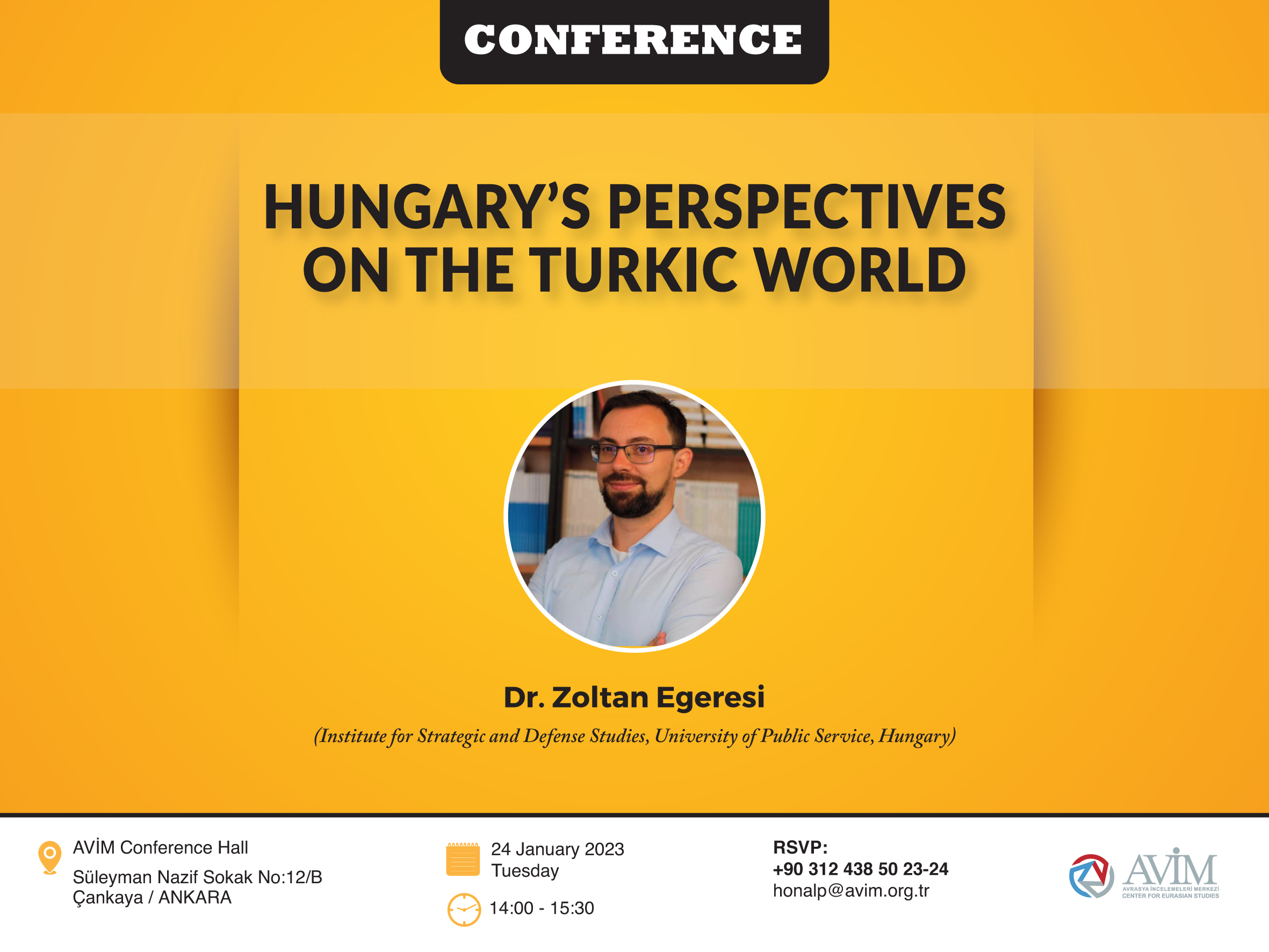
CONFERENCE TITLED “HUNGARY’S PERSPECTIVES ON THE TURKIC WORLD"