

















EurActiv (25 July 2019)
The EU needs more competences to fight money laundry effectively, Vice-President for the Euro Valdis Dombrovskis and Commissioner for Justice Věra Jourová told reporters on Wednesday (24 July), during the presentation of a series of reports on financial crimes.
“We have a problem in Europe. Europol estimates than around 1% of Europe’s wealth is involved in suspect financial activity. That’s the equivalent of the annual EU budget,” Commissioner Jourová said.
“Our analysis suggested that we should pursue a path towards more competences at EU level and a single rule-book based on regulation rather than directives,” to fight money laundering, Vice-President Dombrovskis pointed out.
“Serious money laundering scandals involving a number of banks have highlighted that Europe needs to do more,” Dombrovskis said. “We should have a dedicated anti-money laundering authority in the EU,” he insisted.
Although Vice President Dombrovskis argued that the EU has some of the toughest regulations against money laundering in the world, there is either a lack of or an ineffective compliance with the rules. “These rules need to be vigorously enforced,” Jourová pointed out.
However, increasing the power of the European Banking Authority has proven not to be enough according to the EU’s executive assessment.
The Commission has identified individual transactions, virtual currencies and lack of transparency of beneficial ownership as some of the main areas of risk for money laundering.
The Commission analysis revealed that while is some cases the non-compliance is the result of management issues, “in many others banks simply did not make compliance a priority,” Dombrovskis said.
“They were prioritising some of their other obligations but did not look closely enough where the money comes from, especially following the crisis,” Jourová added.
The situation is even more worrying when the cases involve several countries. “Member states supervisors and Financial Intelligence Units are not always doing enough, especially when it comes to cross-border cooperation,” Commissioner for Justice pointed out.
“This points to the structural problem in the Union’s capacity to prevent the financial system to be used for illegitimate purposes,” Vice-President Dombrovskis argued.
EU watchdog gains new powers to fight money launderers
Member states on Monday (1 April) approved giving new powers to the European Banking Authority (EBA) to fight money laundering and terrorism financing, as part of an improvement of the European supervisory agencies (ESAs).
A task for the incoming Commission
The members of the current Commission preferred not to dig into the possible forms the EU anti-money laundering authority could take. “We do not currently go into details on whether it should take the form of a Banking Authority or is it is some other institution,” Dombrovskis said.
However, the Vice-President pointed out that whatever the form the institution would have, “for a European authority to act more effectively, it would be helpful to have a single rule book based on regulations instead of directives as it is now.”
Currently, these rules have the form of directives which are later transposed in different ways by different member states, making it harder for a European institution to enforce them.
More concrete was Commissioner Jourová who defended the need for the European Banking Authority to have “stronger powers to be able to collect the data and take early action on risky behaviours and act proactive measures.”
Furthermore, the Commissioner for Justice suggested being “more original” and proposed for money laundering crimes to be dealt with by the European Public Prosecutor Office (EPPO).
“When it comes to the last resort action, which is criminal justice, the EPPO should play a more and more important role because this would create a pan-European operating body fighting financial crime,” according to Jourová.
On the external dimension of the anti-money laundry initiative, the Council and the European Parliament take very different approaches on this issue.
Member states rejected the Commission’s blacklist on third countries unwilling to cooperate in the fight against financial crimes, while MEPs call for a stronger stance of the EU in this matter.
“The result is that we are lagging behind as our latest update of the list of high-risk third countries comes from mid-2018,” Jourová regretted.
Member states reject Commission’s blacklist of money launderers
EU member states rejected on Thursday (7 March) the European Commission’s blacklist of countries unwilling to cooperate in the fight against money laundering and terrorism financing, as they blamed the EU executive of not being transparent during the drafting process.
No comments yet.
- MORE EUROPE NEEDED TO FIGHT MONEY LAUNDERING, COMMISSION ARGUES Europe - EU 26.07.2019
-
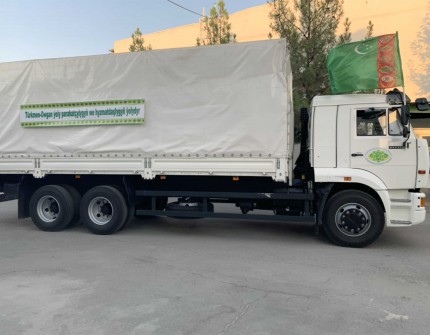 TURKMENISTAN CONTINUES ITS HUMANITARIAN ASSISTANCE TO FRATERNAL AFGHANISTAN
Central Asia
26.07.2019
TURKMENISTAN CONTINUES ITS HUMANITARIAN ASSISTANCE TO FRATERNAL AFGHANISTAN
Central Asia
26.07.2019
-
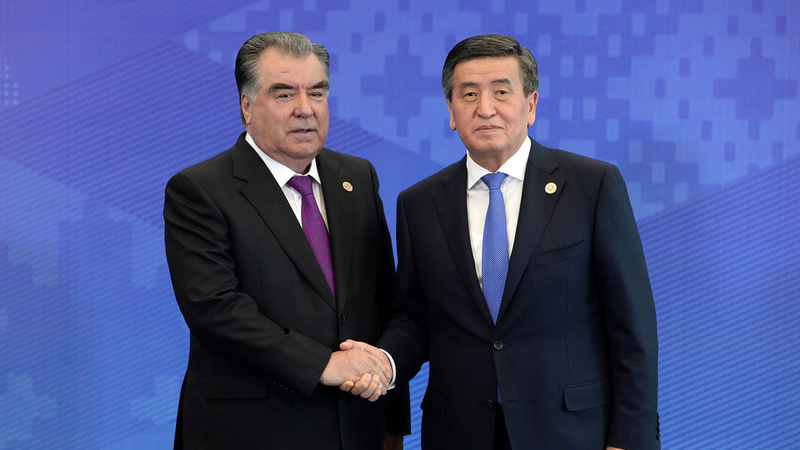 PRESIDENTS OF KYRGYZSTAN, TAJIKISTAN TO MEET WITH CITIZENS OF BORDER VILLAGES
Central Asia
26.07.2019
PRESIDENTS OF KYRGYZSTAN, TAJIKISTAN TO MEET WITH CITIZENS OF BORDER VILLAGES
Central Asia
26.07.2019
- ARMENIAN FOREIGN MINISTER IN TBILISI: URGES GEORGIAN-ARMENIANS TO PARTICIPATE IN GEORGIA'S SOCIAL LIFE AND DEVELOPMENT The Caucasus and Turkish-Armenian Relations 26.07.2019
-
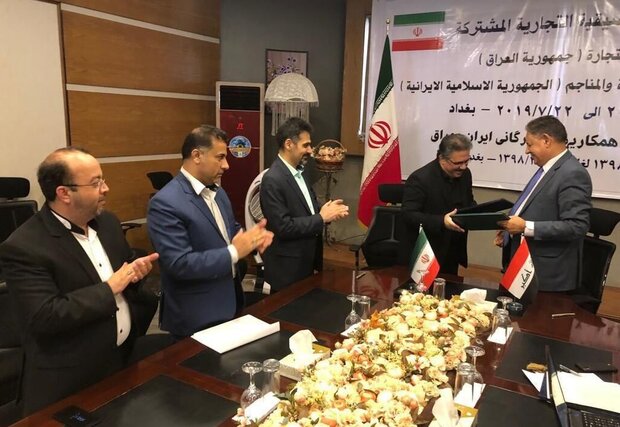 IRAN, IRAQ TO FACILITATE TRADE COOPERATION
Iraq
26.07.2019
IRAN, IRAQ TO FACILITATE TRADE COOPERATION
Iraq
26.07.2019
-
25.01.2016
THE ARMENIAN QUESTION - BASIC KNOWLEDGE AND DOCUMENTATION -
12.06.2024
THE TRUTH WILL OUT -
27.03.2023
RADİKAL ERMENİ UNSURLARCA GERÇEKLEŞTİRİLEN MEZALİMLER VE VANDALİZM -
17.03.2023
PATRIOTISM PERVERTED -
23.02.2023
MEN ARE LIKE THAT -
03.02.2023
BAKÜ-TİFLİS-CEYHAN BORU HATTININ YAŞANAN TARİHİ -
16.12.2022
INTERNATIONAL SCHOLARS ON THE EVENTS OF 1915 -
07.12.2022
FAKE PHOTOS AND THE ARMENIAN PROPAGANDA -
07.12.2022
ERMENİ PROPAGANDASI VE SAHTE RESİMLER -
01.01.2022
A Letter From Japan - Strategically Mum: The Silence of the Armenians -
01.01.2022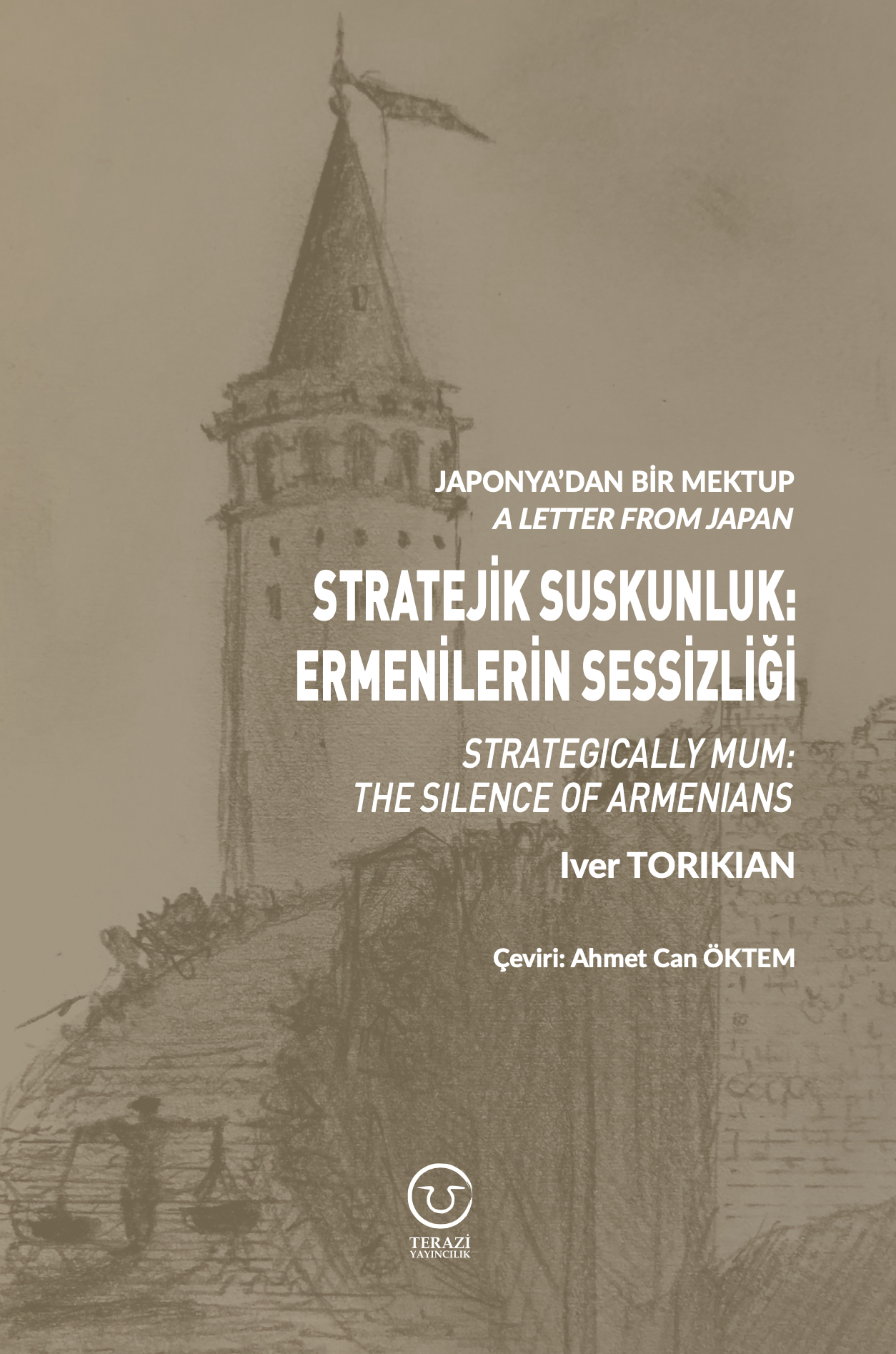
Japonya'dan Bir Mektup - Stratejik Suskunluk: Ermenilerin Sessizliği -
03.06.2020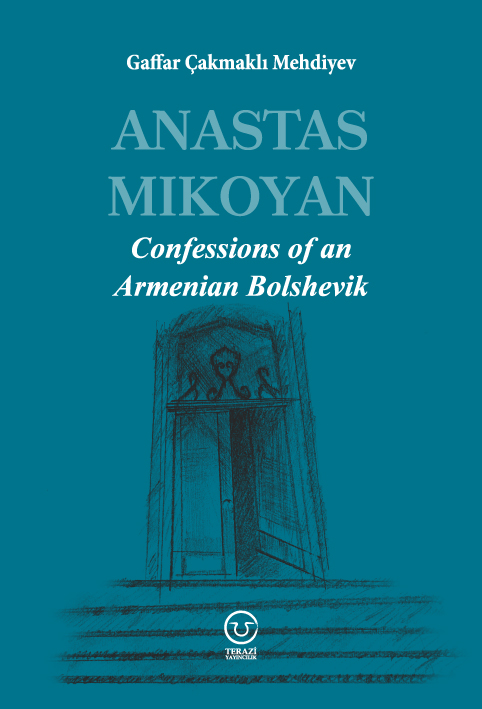
Anastas Mikoyan: Confessions of an Armenian Bolshevik -
08.04.2020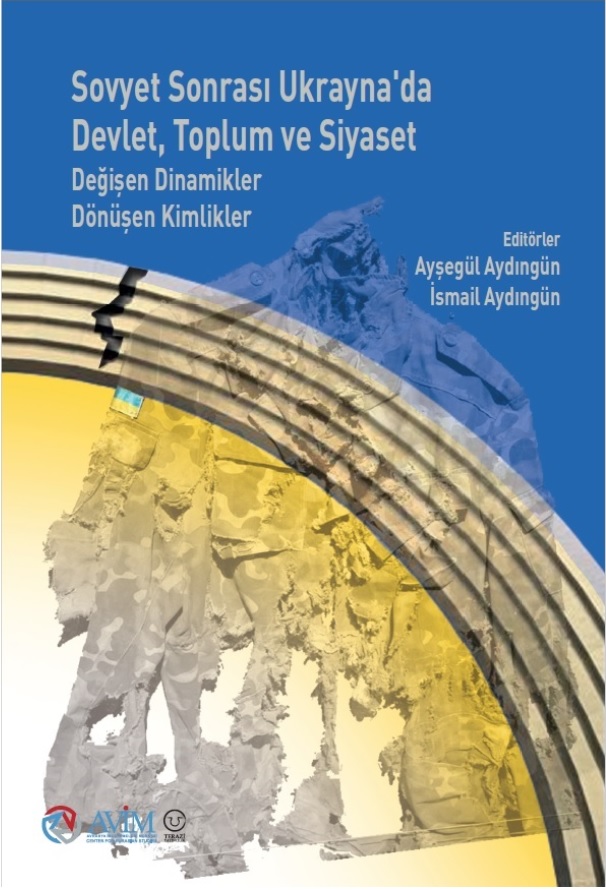
Sovyet Sonrası Ukrayna’da Devlet, Toplum ve Siyaset - Değişen Dinamikler, Dönüşen Kimlikler -
12.06.2018
Ermeni Sorunuyla İlgili İngiliz Belgeleri (1912-1923) - British Documents on Armenian Question (1912-1923) -
02.12.2016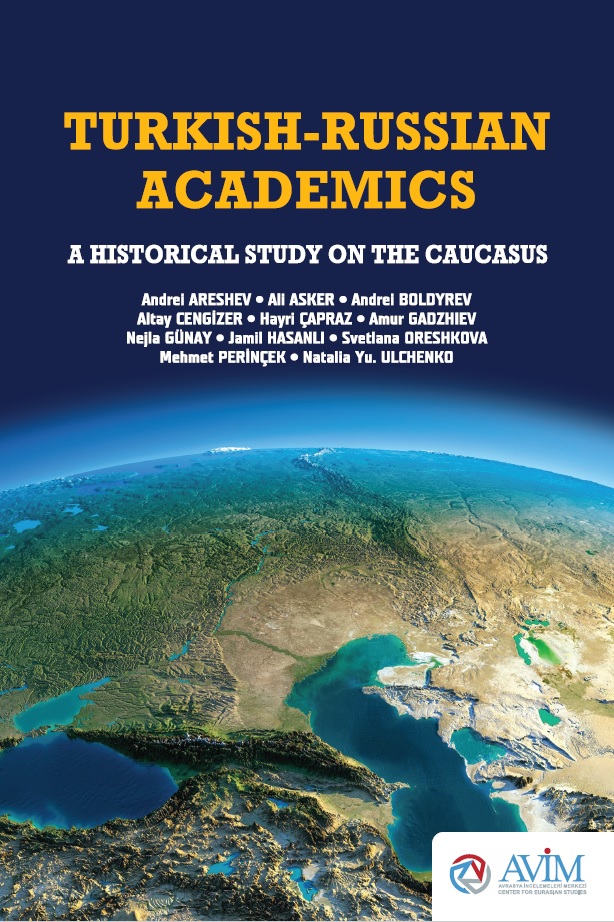
Turkish-Russian Academics: A Historical Study on the Caucasus -
01.07.2016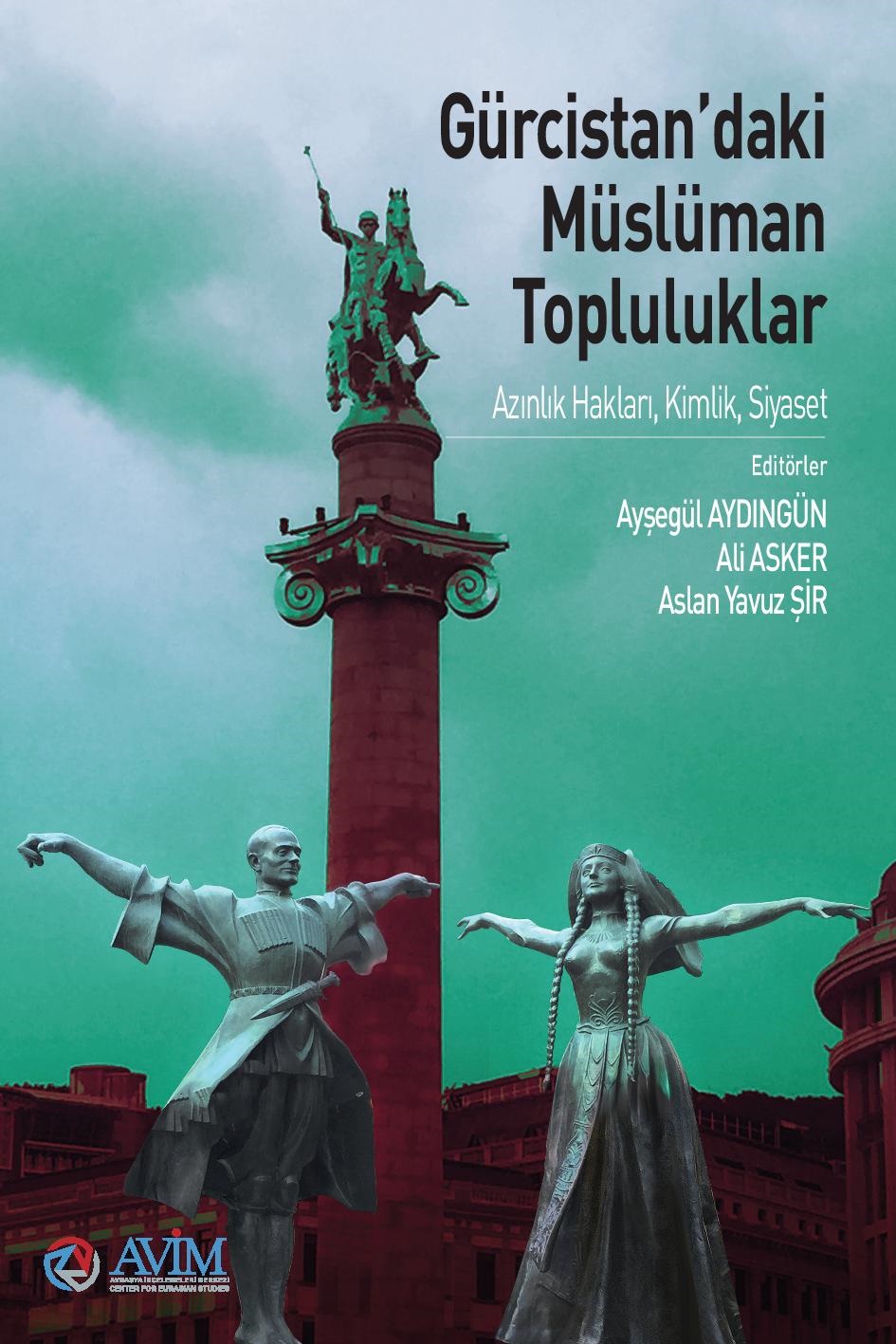
Gürcistan'daki Müslüman Topluluklar: Azınlık Hakları, Kimlik, Siyaset -
10.03.2016
Armenian Diaspora: Diaspora, State and the Imagination of the Republic of Armenia -
24.01.2016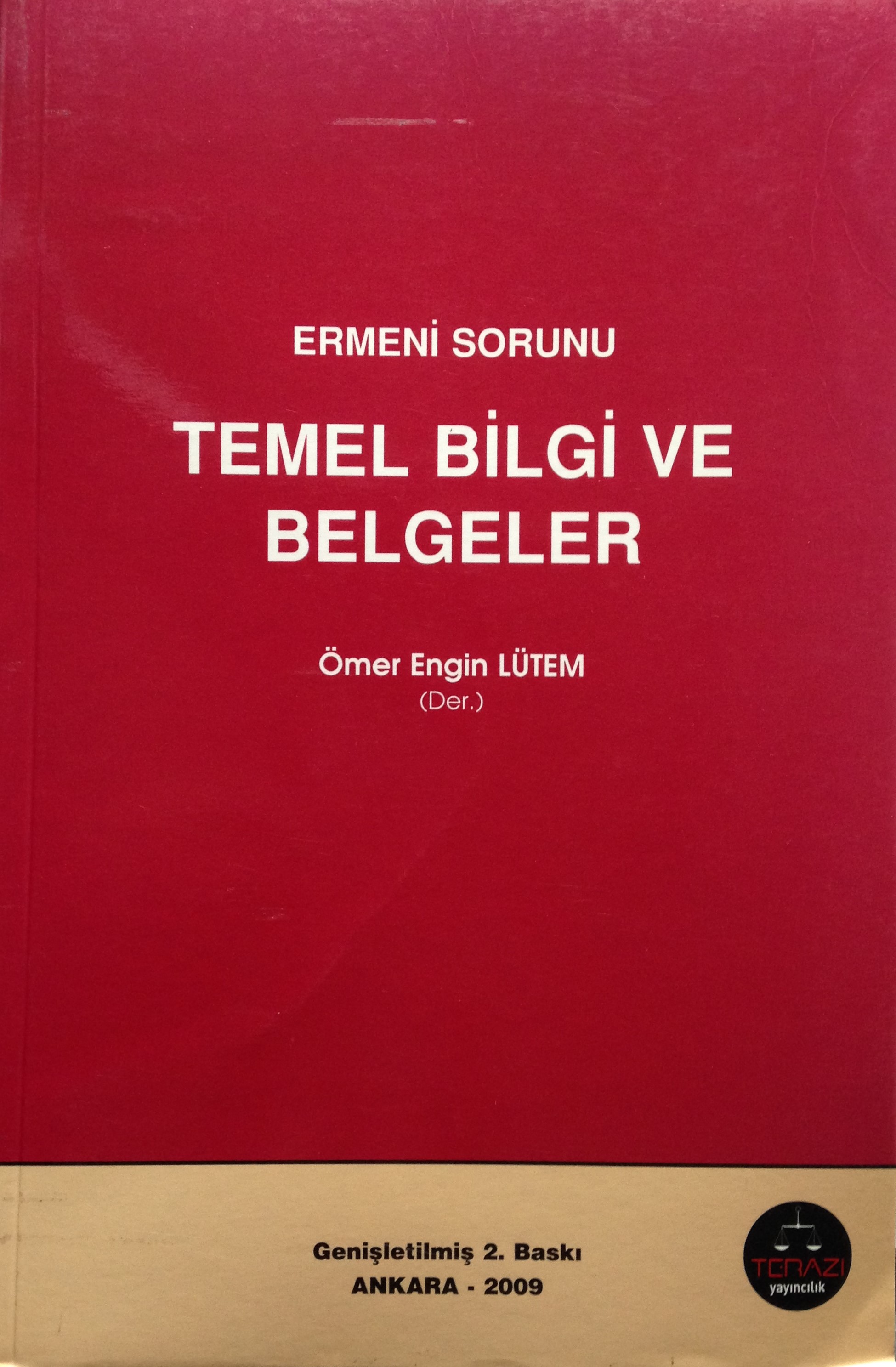
ERMENİ SORUNU - TEMEL BİLGİ VE BELGELER (2. BASKI)
-
AVİM Conference Hall 24.01.2023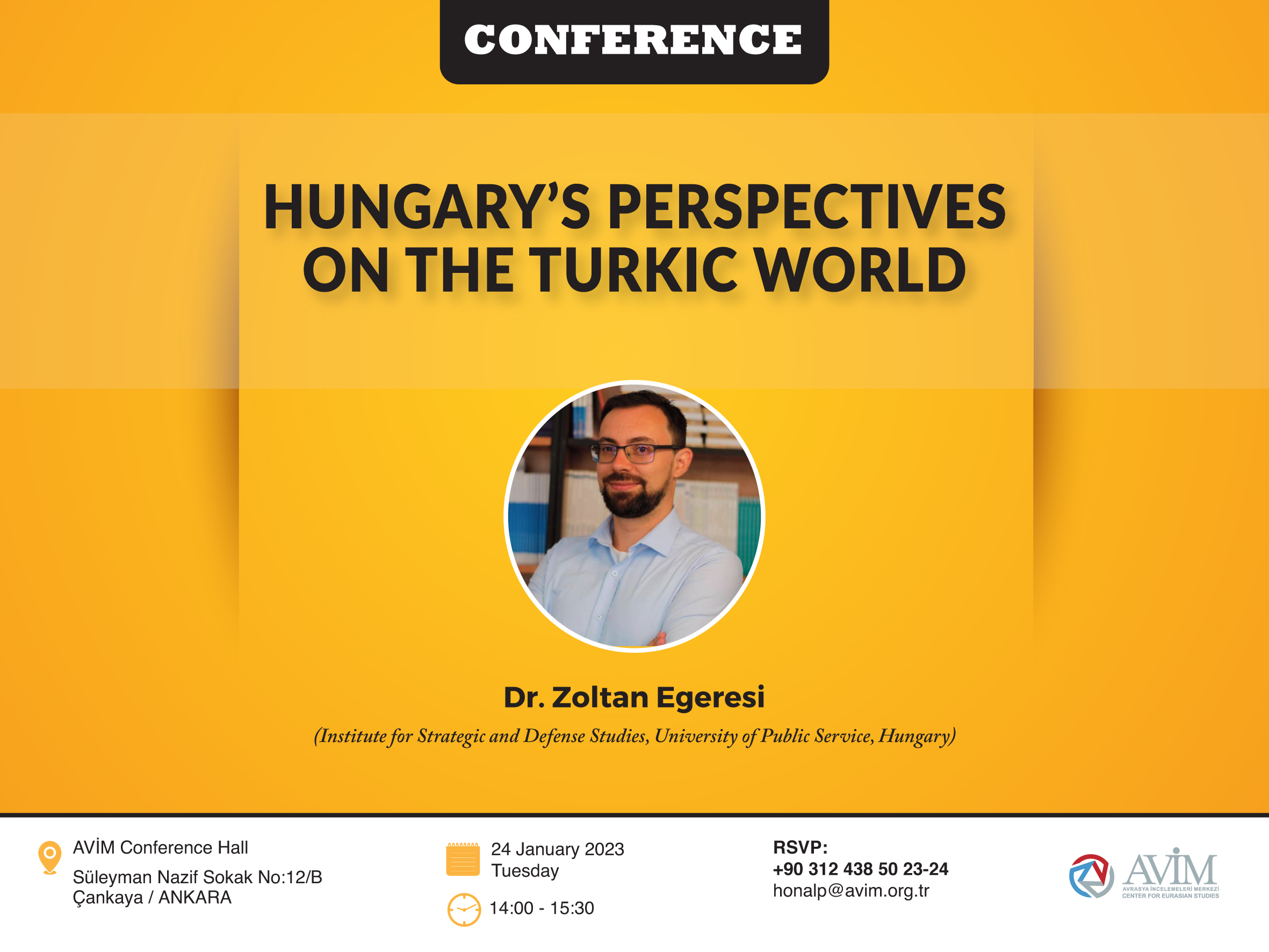
CONFERENCE TITLED “HUNGARY’S PERSPECTIVES ON THE TURKIC WORLD"