

















EurActiv (15 February 2018)
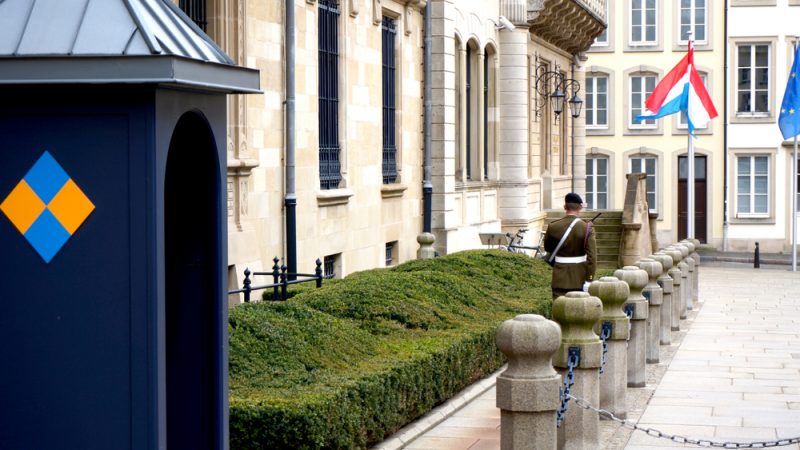
Luxembourg’s national language Letzebuergesch is making a comeback and fighting for official European Union recognition.
Spoken by fewer than 400,000 people and listed as “vulnerable” by the UN cultural and educational body UNESCO, the local vernacular is now being promoted by the government of the tiny Grand Duchy.
Draft legislation went before parliament in early January to help spread “Luxembourgish” – as it is known in English – both at home among the 590,000-strong population and abroad.
“We decided to open negotiations with the European institutions to find agreement on an administrative arrangement” for use of the dialect, the education ministry said in a written response to AFP.
“Concretely, that would mean that every citizen would have the right to address European institutions in Luxembourgish and to receive an answer in the same language.”
Letzebuergesch is listed as “vulnerable” by UNESCO with just 390,000 speakers of the Moselle-Franconian dialect.
But that could be changing.
In 1976, Lex Roth, reputed for his translations from French of Asterix, Tintin and La Fontaine’s Fables, struggled to start classes in Luxembourgish for foreigners.
“Today we have to turn people away,” the 84-year-old said.
Cyprus: Make Turkish an official EU language
Greek-Cypriot President Nicos Anastasiades has asked the Dutch EU Presidency to add Turkish to the bloc’s 24 official languages, in order to boost attempts to reach a reunification agreement on the Mediterranean island.
National language
The country’s national statistics institute (STATEC) classifies it as the main language for 55.8% of the population trailed by Portuguese with 15.7% and French on 12.1%.
By nationality, it is spoken by nine out of every 10 Luxemburgers but only by five% of foreign residents – who make up nearly half the population.
The dialect was not officially recognised as the national language until 1984 and now stands alongside French and German for administrative and legal purposes.
Letzebuergesch is considered to open doors on the local jobs market. But with nearly one in every two workers hailing from abroad – landlocked Luxembourg has borders with France, Belgium and Germany – many are not familiar with it.
“The commercial strength of Luxembourgish comes from a combination of factors – political with the promotion of the language and also the necessity for workers to master the language in everyday situations,” said Nicolas Ragonneau, marketing director at the publisher Assimil.
Tidal wave
Back in 2012, Assimil published a conversation guide to the local dialect that sold 10,000 copies in a year.
“We were very surprised by the sales, a real tidal wave compared to the number of speakers and what’s more for a language under threat of dying out,” said Ragonneau.
Assimil went on to put out two more books on learning the language and a fourth is in the works.
At the Ernster chain of book shops, the number of texts for learning Luxembourgish has soared from just a handful by local publishers to more than 20.
“You can say there is growing demand for language texts,” said Gabi Bisenius, a Luxembourgish content specialist with the chain. “There’s a great willingness from people who do not speak Letzebuergesch to learn it.”
EU offers more language choice to hopeful recruits
The EU has changed the language requirements for its recruitment process. Prospective candidates will now have a wider choice and no longer be limited to just English, French or German during the selection procedure.
That is borne out by a visit to the National Language Institute, a centre for public learning.
“Luxembourgish classes, especially for beginners, are under siege as soon as we open registration,” said the institute’s director Karin Pundel.
Thirty percent more places have been opened for the Luxembourgish courses in the past two years.
A law passed last year grants naturalisation to foreigners who can understand the local language and have lived for five years in the Grand Duchy.
“With the new legislation on nationality now in force, there will probably be even more people registering,” Pundel added.
The institute holds official language tests in Luxembourgish. “For now, we are booked up until July,” Pundel noted.
While the number of Britons enrolling is increasing, raising theories of a Brexit effect, they represent only about five percent of class students.
“I think that quite simply more and more people who come to live in Luxembourg want to integrate and feel at home,” said Pundel.
No comments yet.
- ZAEV: DIGNITY AND IDENTITY 'INDISPENSABLE' IN NAME TALKS WITH GREECE The Balkans 15.02.2018
- BULGARIA’S RULING PARTY SHUNS TREATY OPPOSING VIOLENCE AGAINST WOMEN DUE TO LACK OF SUPPORT The Balkans 15.02.2018
-
 IRAQ'S TIKRIT STILL IN RUINS, THREE YEARS AFTER LIBERATION FROM IS GROUP
Iraq
15.02.2018
IRAQ'S TIKRIT STILL IN RUINS, THREE YEARS AFTER LIBERATION FROM IS GROUP
Iraq
15.02.2018
- ALBANIA C.BANK SAYS AIMS TO REDUCE COUNTRY'S USE OF EURO BY 10 PCT OVER 3-5 YEARS The Balkans 15.02.2018
- DONORS PLEDGE $30BN FOR IRAQ'S POST-ISIL RECONSTRUCTION Iraq 15.02.2018
-
25.01.2016
THE ARMENIAN QUESTION - BASIC KNOWLEDGE AND DOCUMENTATION -
12.06.2024
THE TRUTH WILL OUT -
27.03.2023
RADİKAL ERMENİ UNSURLARCA GERÇEKLEŞTİRİLEN MEZALİMLER VE VANDALİZM -
17.03.2023
PATRIOTISM PERVERTED -
23.02.2023
MEN ARE LIKE THAT -
03.02.2023
BAKÜ-TİFLİS-CEYHAN BORU HATTININ YAŞANAN TARİHİ -
16.12.2022
INTERNATIONAL SCHOLARS ON THE EVENTS OF 1915 -
07.12.2022
FAKE PHOTOS AND THE ARMENIAN PROPAGANDA -
07.12.2022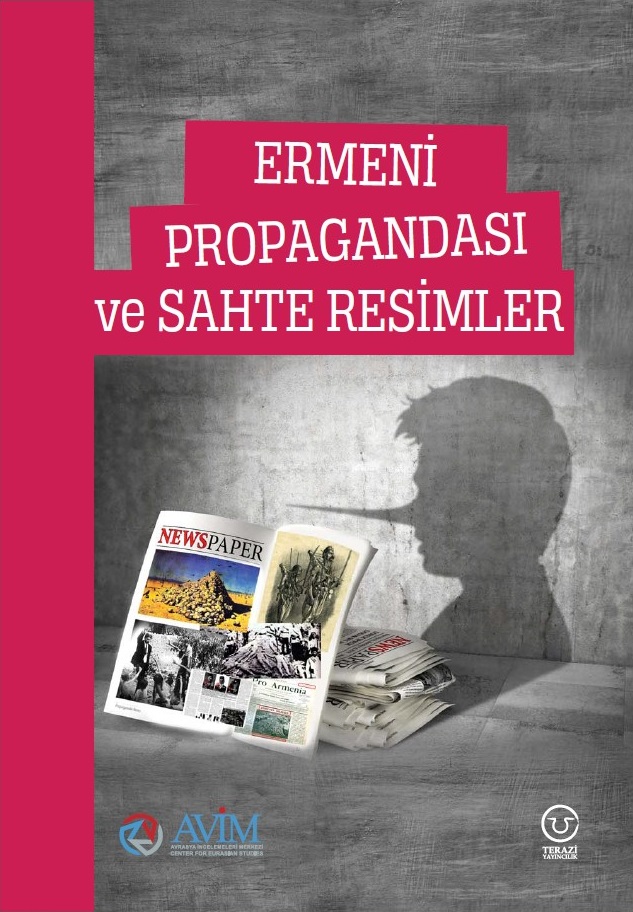
ERMENİ PROPAGANDASI VE SAHTE RESİMLER -
01.01.2022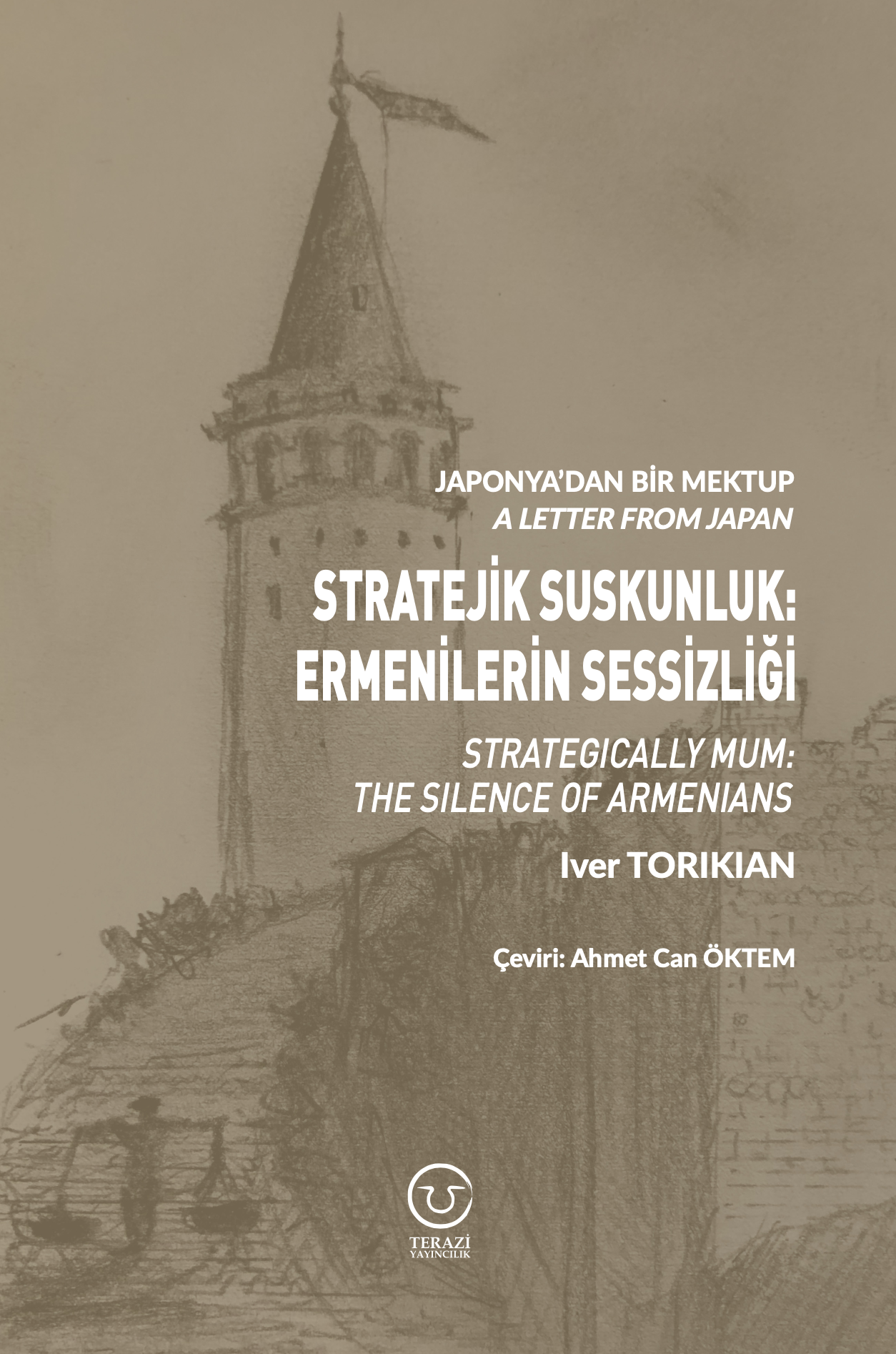
A Letter From Japan - Strategically Mum: The Silence of the Armenians -
01.01.2022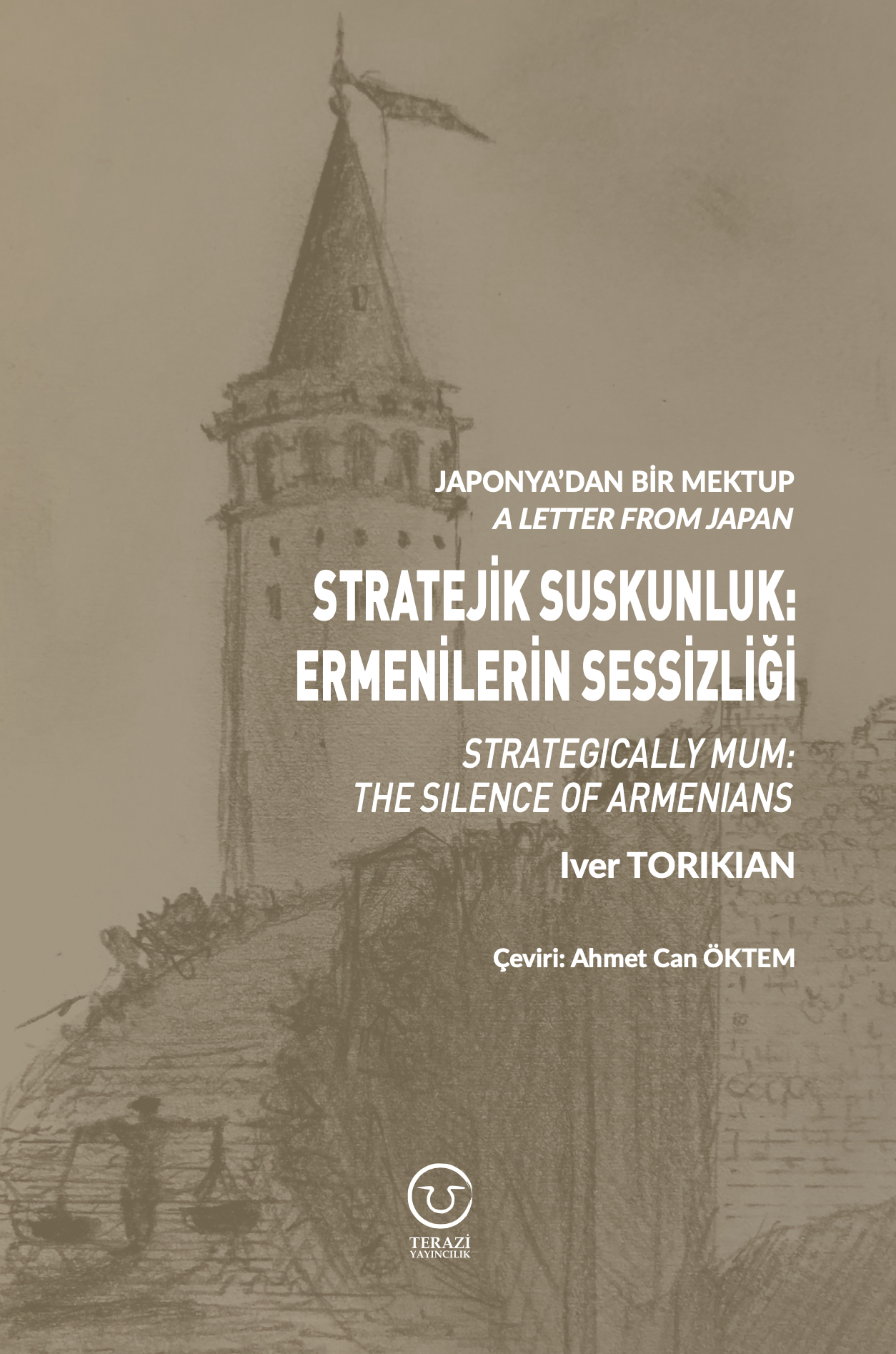
Japonya'dan Bir Mektup - Stratejik Suskunluk: Ermenilerin Sessizliği -
03.06.2020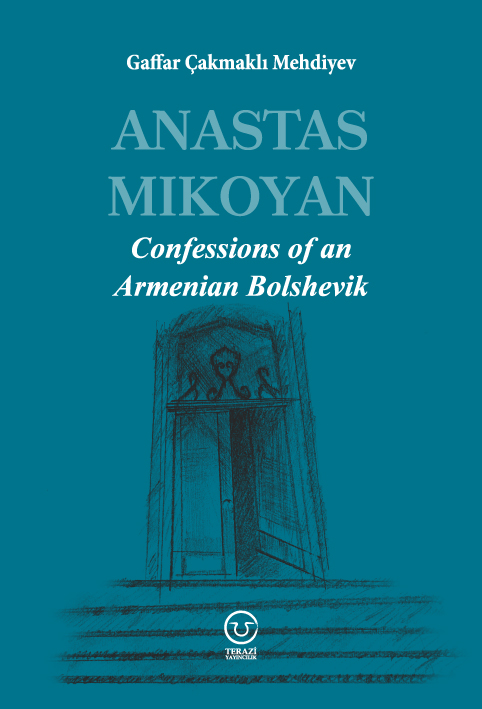
Anastas Mikoyan: Confessions of an Armenian Bolshevik -
08.04.2020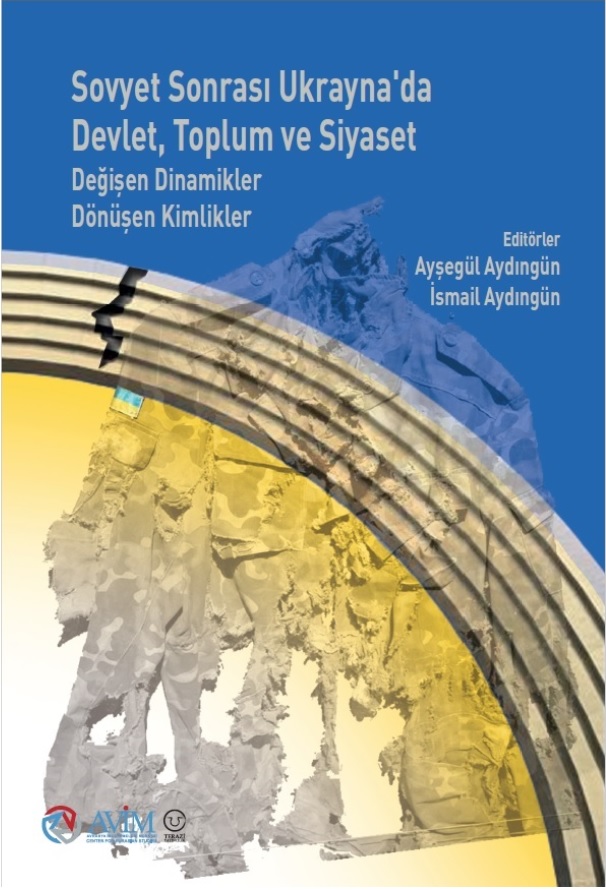
Sovyet Sonrası Ukrayna’da Devlet, Toplum ve Siyaset - Değişen Dinamikler, Dönüşen Kimlikler -
12.06.2018
Ermeni Sorunuyla İlgili İngiliz Belgeleri (1912-1923) - British Documents on Armenian Question (1912-1923) -
02.12.2016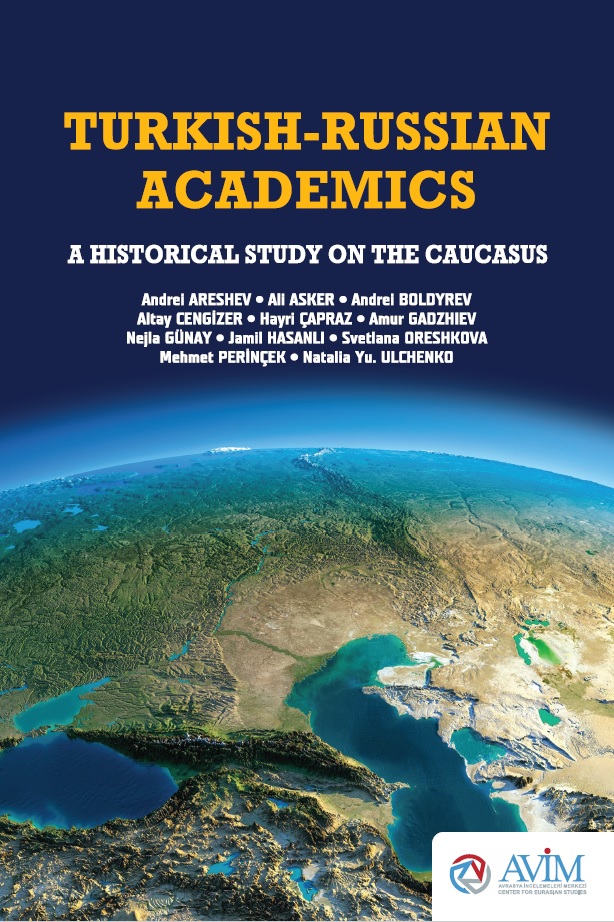
Turkish-Russian Academics: A Historical Study on the Caucasus -
01.07.2016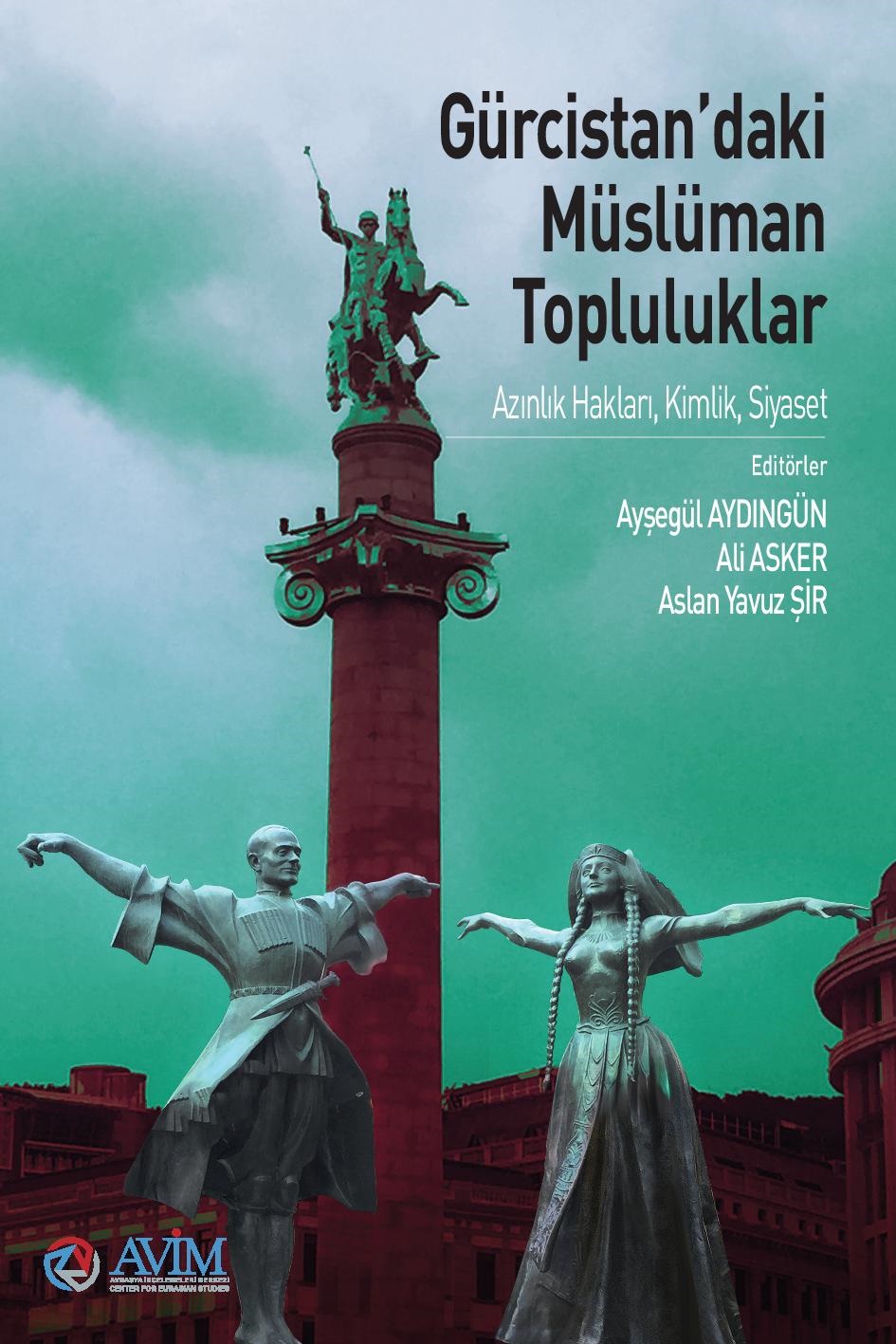
Gürcistan'daki Müslüman Topluluklar: Azınlık Hakları, Kimlik, Siyaset -
10.03.2016
Armenian Diaspora: Diaspora, State and the Imagination of the Republic of Armenia -
24.01.2016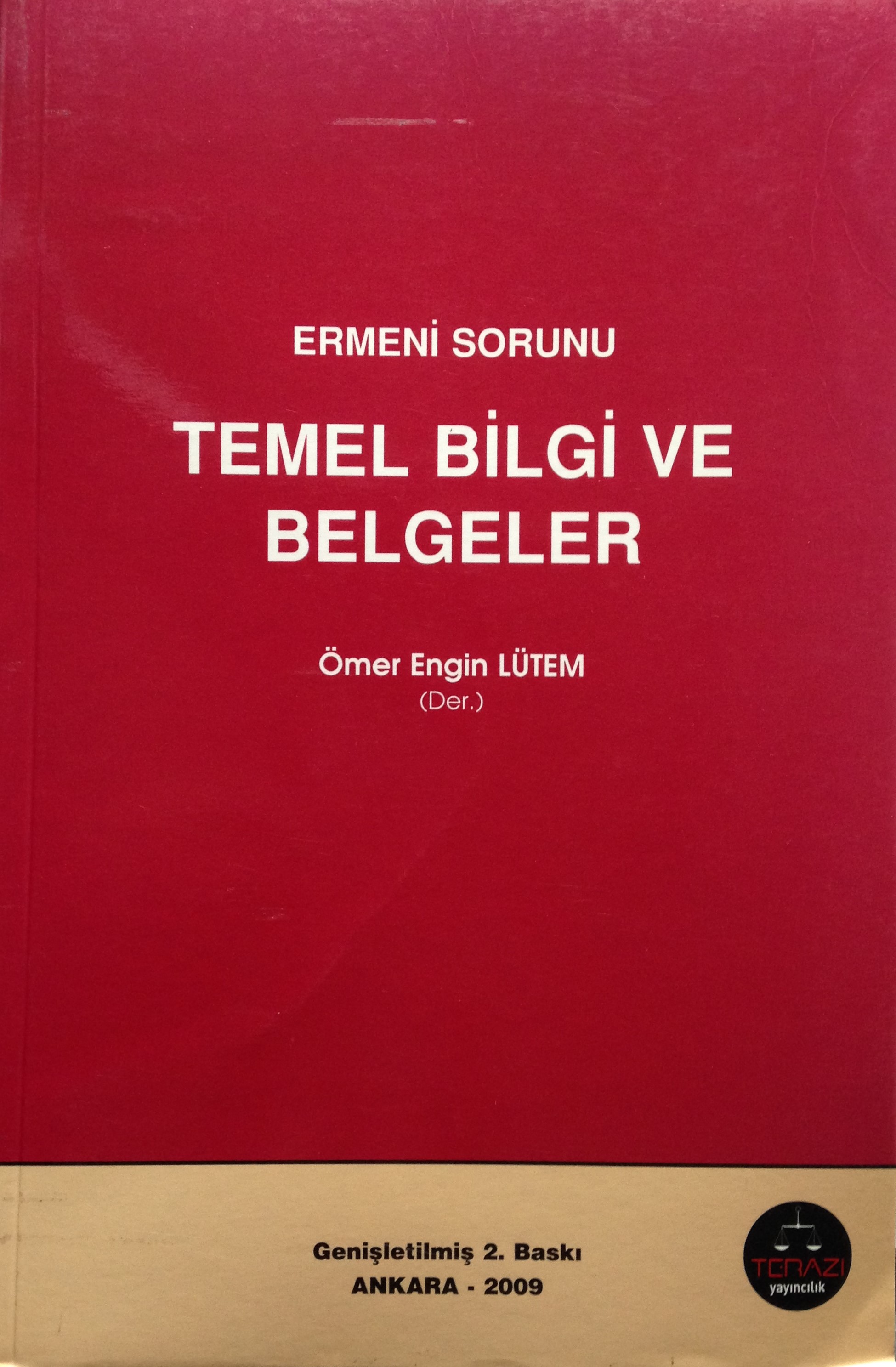
ERMENİ SORUNU - TEMEL BİLGİ VE BELGELER (2. BASKI)
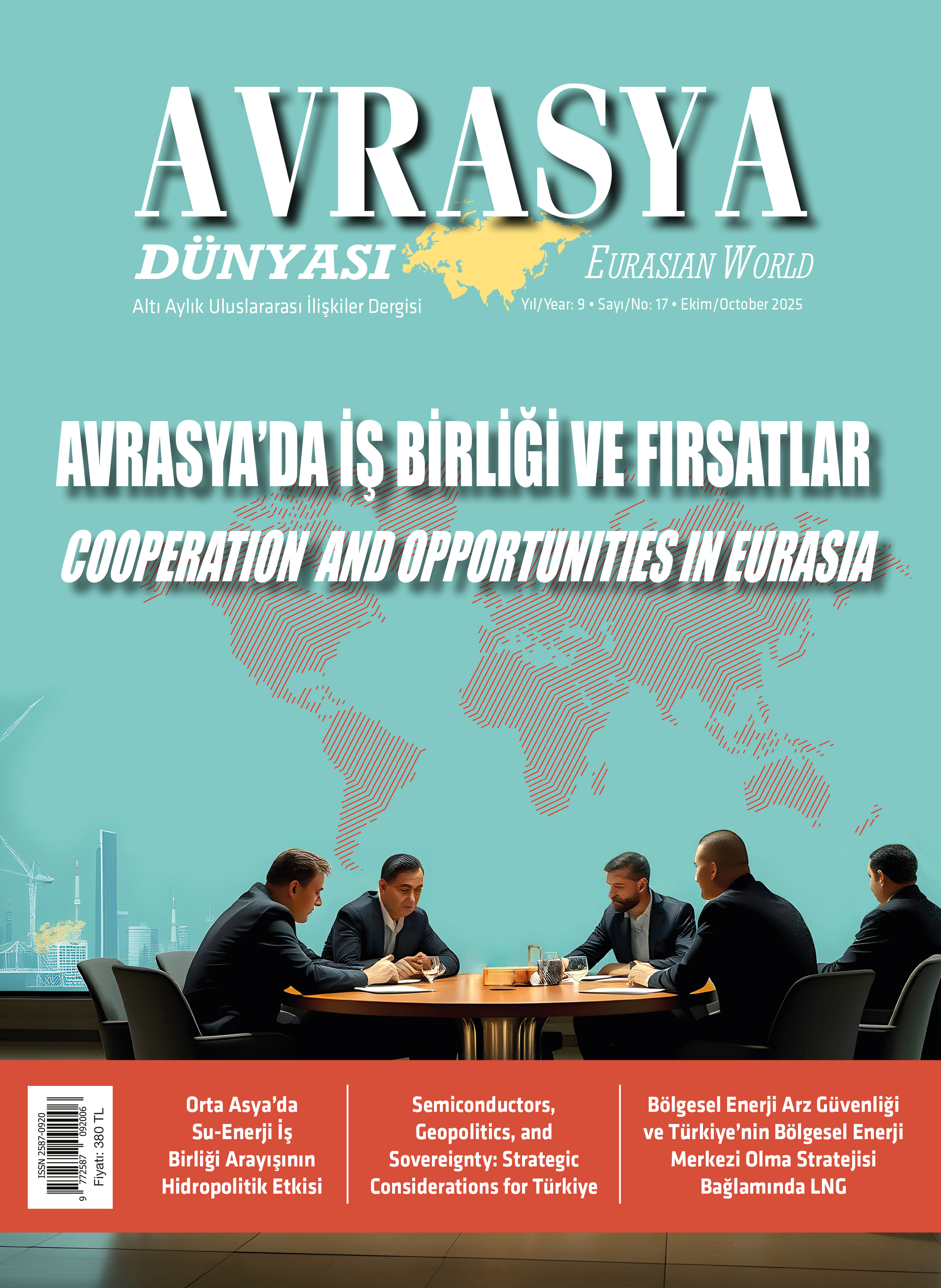


-
AVİM Conference Hall 24.01.2023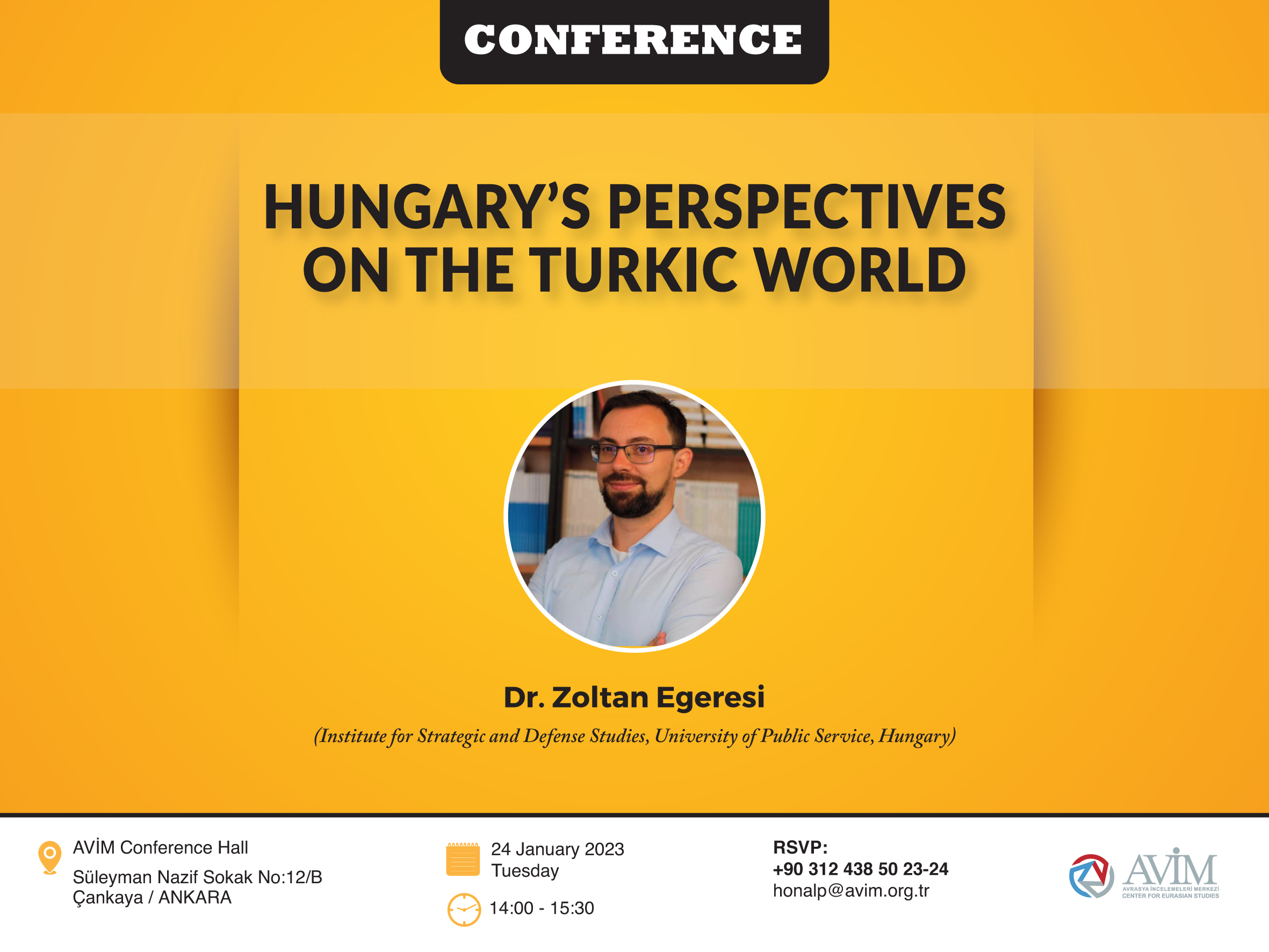
CONFERENCE TITLED “HUNGARY’S PERSPECTIVES ON THE TURKIC WORLD"