
















Reuters, 01 Dec 2016
Iraqi Kurdish food retailer Nuri Barzan was considering closing his warehouse because of the lack of business when the launch of a military campaign to oust Islamic State from their stronghold of Mosul eased his worries.
But with Iraqi forces having recaptured parts of Mosul since October, traders in Kurdish towns have been quick to start supplying shops that are opening again in retaken districts.
"Sales have gone up by 50 percent since the operation started as traders stock up for Mosul," Barzan said, sitting in his warehouse in Kalak, a town just east of Mosul.
His stocks include rice, cooking oil, soap and cornflakes -- goods in high demand in Mosul districts resuming life after two- and-half-years of occupation under Islamic State.
"I was thinking to shut down the shop as the business was very bad but now I am more optimistic," said Barzan, who runs the warehouse with his two sons. "We are still not back where we were before but are hopeful."
It is a welcome development. Unemployment has been on the rise in Kurdistan, an autonomous region in northern Iraq, for two years as oil prices have slumped and the Baghdad government has cut off funding after the Kurdistan Regional Government (KRG) started building a crude pipeline to Turkey.
Abandoned construction sites, shuttered shops and traders sitting idle in their offices had become a frequent sight in Kalak, the rest of Kurdistan and the regional capital Erbil.
Mosul, an Arab city, used to get supplied mainly by traders from the western neighbor Syria shipping Turkish, Iranian and Syrian goods. The militants boosted that route by linking Mosul with its Syrian stronghold Raqqa, while roads to the Kurdish and Iraqi government-held territory had been largely cut off.
"My goods now come from Kalak," said Farhan Mijel, owner of one of the number of groceries which have reopened in eastern suburbs since Iraqi force breached Islamic State defenses.
"I didn't know the traders. They were recommended to me by Kurdish friends," he said. "Beforehand everything I sold came from Syria."
He said the Kurds were offering good prices, allowing him to sell a can of fizzy drink for 250 Iraqi dinars ($0.22), half the 500 dinars under Islamic State when supplies were limited.
In recent days prices have gone up though as civilians are fleeing parts retaken by army due to suicide bombings and rockets blamed on Islamic State.
SOLDIERS, AID WORKERS
The Kurdish economy has also been given a boost by an influx of tens of thousands of soldiers and policemen taking part in the Mosul campaign, and aid workers helping the almost 80,000 civilians who have fled the battle.
"Business is picking up as traders come to buy goods for Mosul," said Moayed Mamand, another Kurdish trader in Kalat.
Like Barzan, he sells mostly food products from Turkey and, in much smaller volumes, from Iran. Only cheese and milk are locally made.
Every morning dozens of trucks start from Kalat and other Kurdish towns to bring anything from water, bread, rice or soap to two camps that are home to more than 40,000 displaced or to army bases.
Other traders serve Mosul shops, talking or bribing their way through army checkpoints.
"The economy had hit bottom but now it's very good," said Ahmed Mohammed, an official in Khabat, a town next to Kalak.
Soldiers -- part of a 100,000 strong force sent to the north -- were flocking to the busy Khabat market.
"We all come here to buy cloths," said Mahmoud Hakim, a soldier sent from Baghdad, while checking out winter coats. "Its much cooler here than in Baghdad."
No comments yet.
- MACEDONIA IS OF SPECIAL INTEREST FOR ALBANIA The Balkans 02.12.2016
- RUSSIA VOWS TO SAVE ALEPPO FROM 'TERRORISTS' Asia - Pacific 02.12.2016
- RUSSIAN PRESIDENT SPOKE OUT DURING ANNUAL ADDRESS AT MOSCOW'S KREMLIN Asia - Pacific 02.12.2016
-
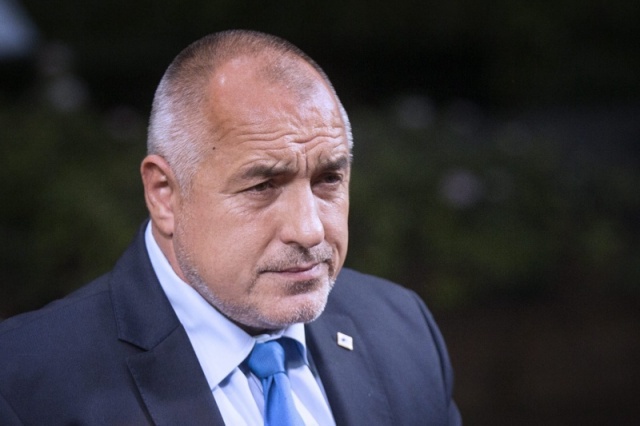 BULGARIA'S BORISOV DISCUSSES READMISSION WITH AFGHANI AUTHORITIES
The Balkans
02.12.2016
BULGARIA'S BORISOV DISCUSSES READMISSION WITH AFGHANI AUTHORITIES
The Balkans
02.12.2016
-
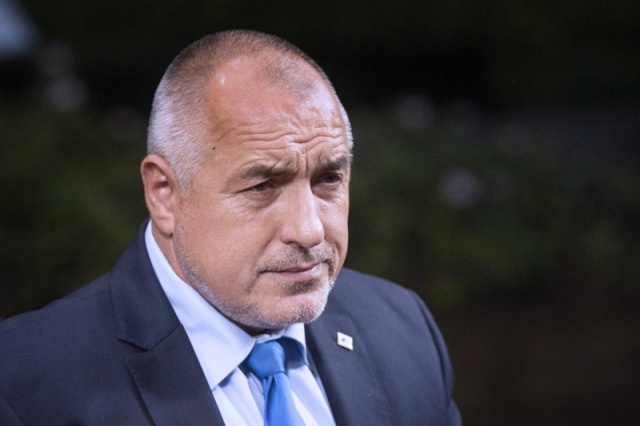 BULGARIA'S BORISOV DISCUSSES READMISSION WITH AFGHANI AUTHORITIES
The Balkans
02.12.2016
BULGARIA'S BORISOV DISCUSSES READMISSION WITH AFGHANI AUTHORITIES
The Balkans
02.12.2016
-
25.01.2016
THE ARMENIAN QUESTION - BASIC KNOWLEDGE AND DOCUMENTATION -
12.06.2024
THE TRUTH WILL OUT -
27.03.2023
RADİKAL ERMENİ UNSURLARCA GERÇEKLEŞTİRİLEN MEZALİMLER VE VANDALİZM -
17.03.2023
PATRIOTISM PERVERTED -
23.02.2023
MEN ARE LIKE THAT -
03.02.2023
BAKÜ-TİFLİS-CEYHAN BORU HATTININ YAŞANAN TARİHİ -
16.12.2022
INTERNATIONAL SCHOLARS ON THE EVENTS OF 1915 -
07.12.2022
FAKE PHOTOS AND THE ARMENIAN PROPAGANDA -
07.12.2022
ERMENİ PROPAGANDASI VE SAHTE RESİMLER -
01.01.2022
A Letter From Japan - Strategically Mum: The Silence of the Armenians -
01.01.2022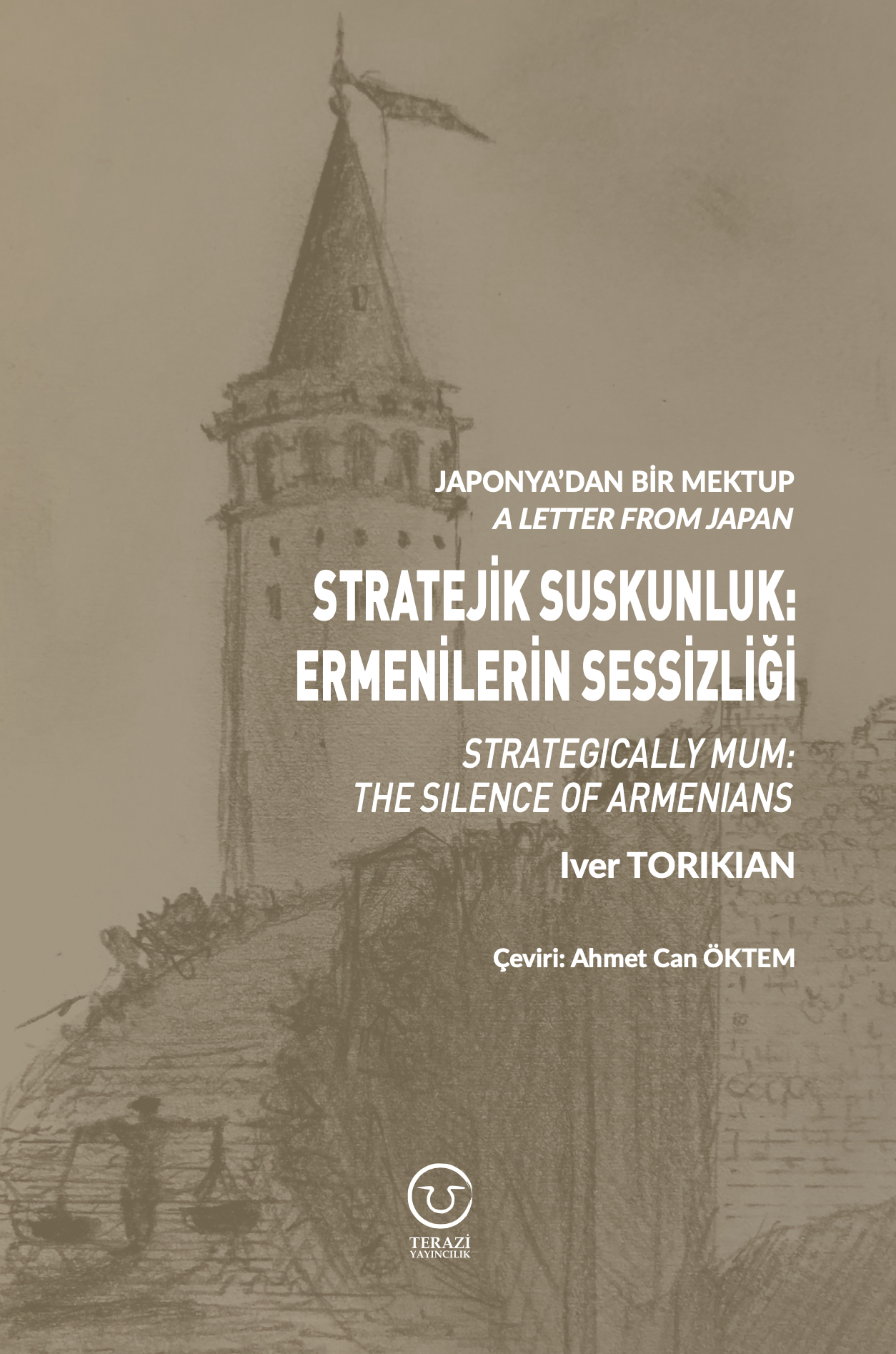
Japonya'dan Bir Mektup - Stratejik Suskunluk: Ermenilerin Sessizliği -
03.06.2020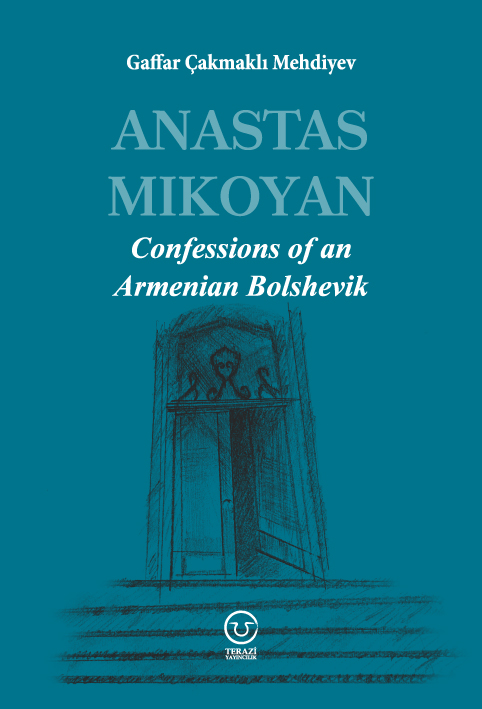
Anastas Mikoyan: Confessions of an Armenian Bolshevik -
08.04.2020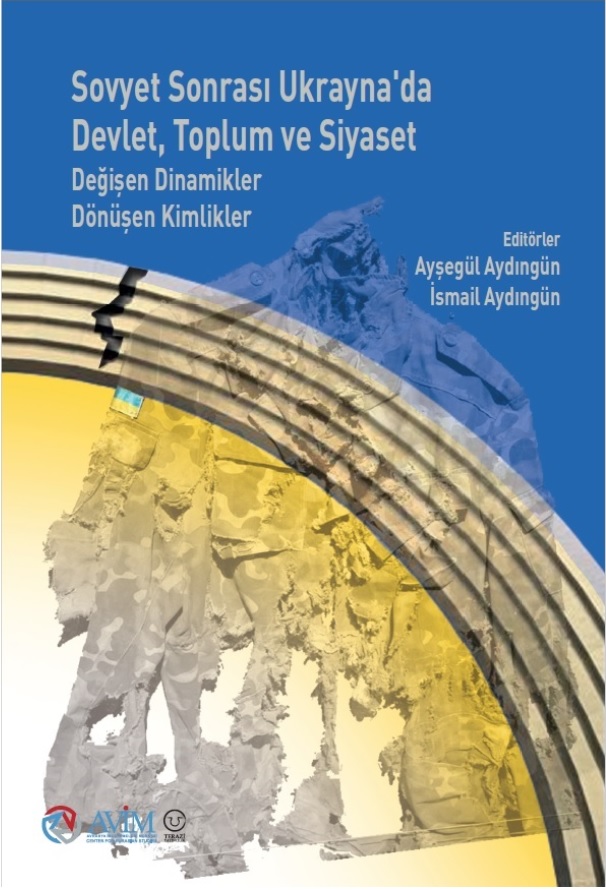
Sovyet Sonrası Ukrayna’da Devlet, Toplum ve Siyaset - Değişen Dinamikler, Dönüşen Kimlikler -
12.06.2018
Ermeni Sorunuyla İlgili İngiliz Belgeleri (1912-1923) - British Documents on Armenian Question (1912-1923) -
02.12.2016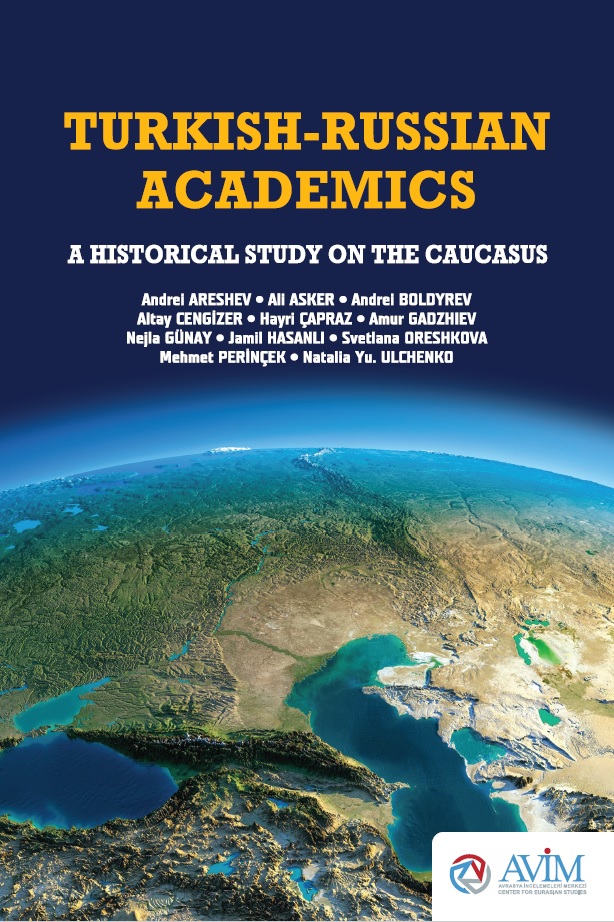
Turkish-Russian Academics: A Historical Study on the Caucasus -
01.07.2016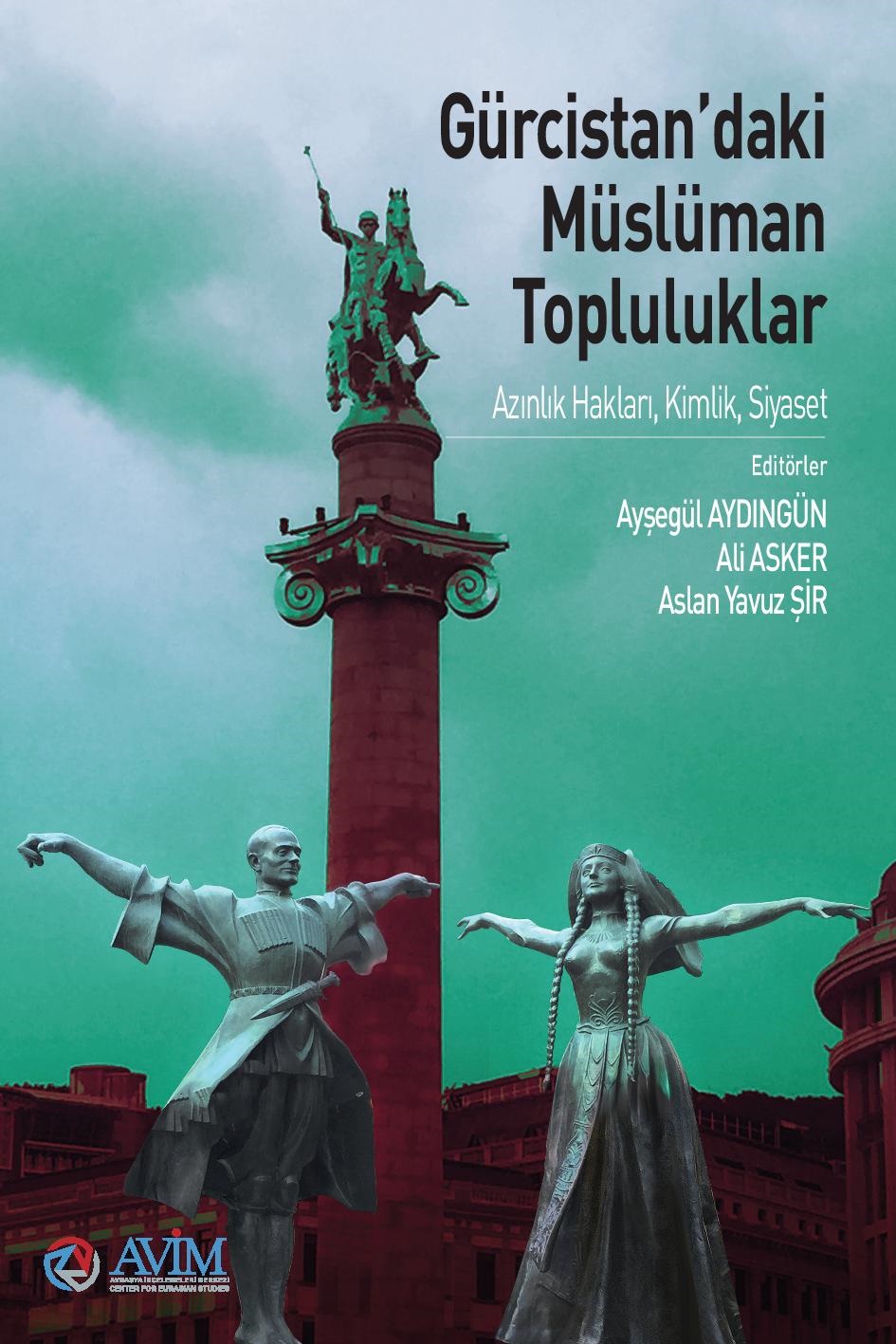
Gürcistan'daki Müslüman Topluluklar: Azınlık Hakları, Kimlik, Siyaset -
10.03.2016
Armenian Diaspora: Diaspora, State and the Imagination of the Republic of Armenia -
24.01.2016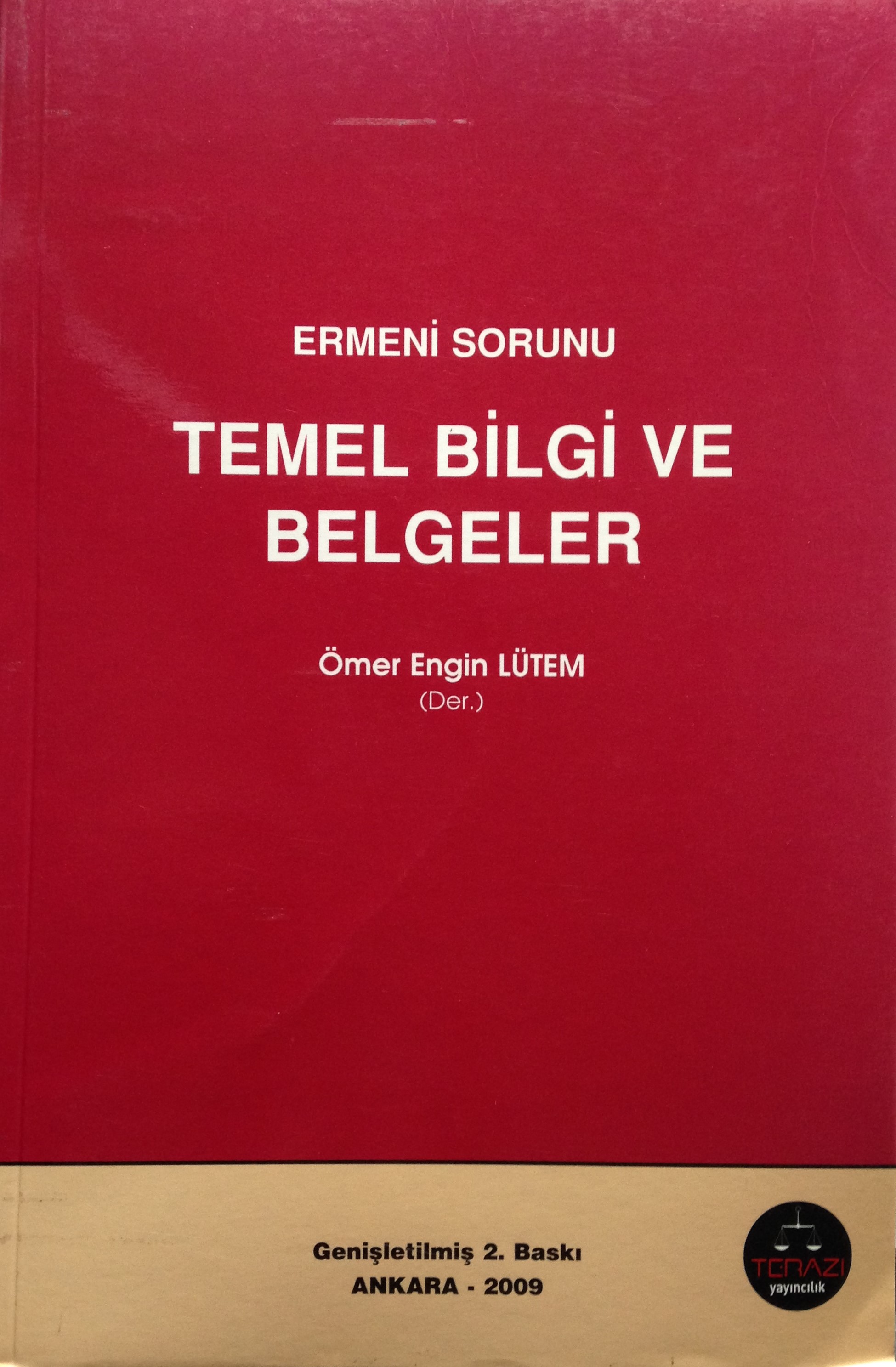
ERMENİ SORUNU - TEMEL BİLGİ VE BELGELER (2. BASKI)


-
AVİM Conference Hall 24.01.2023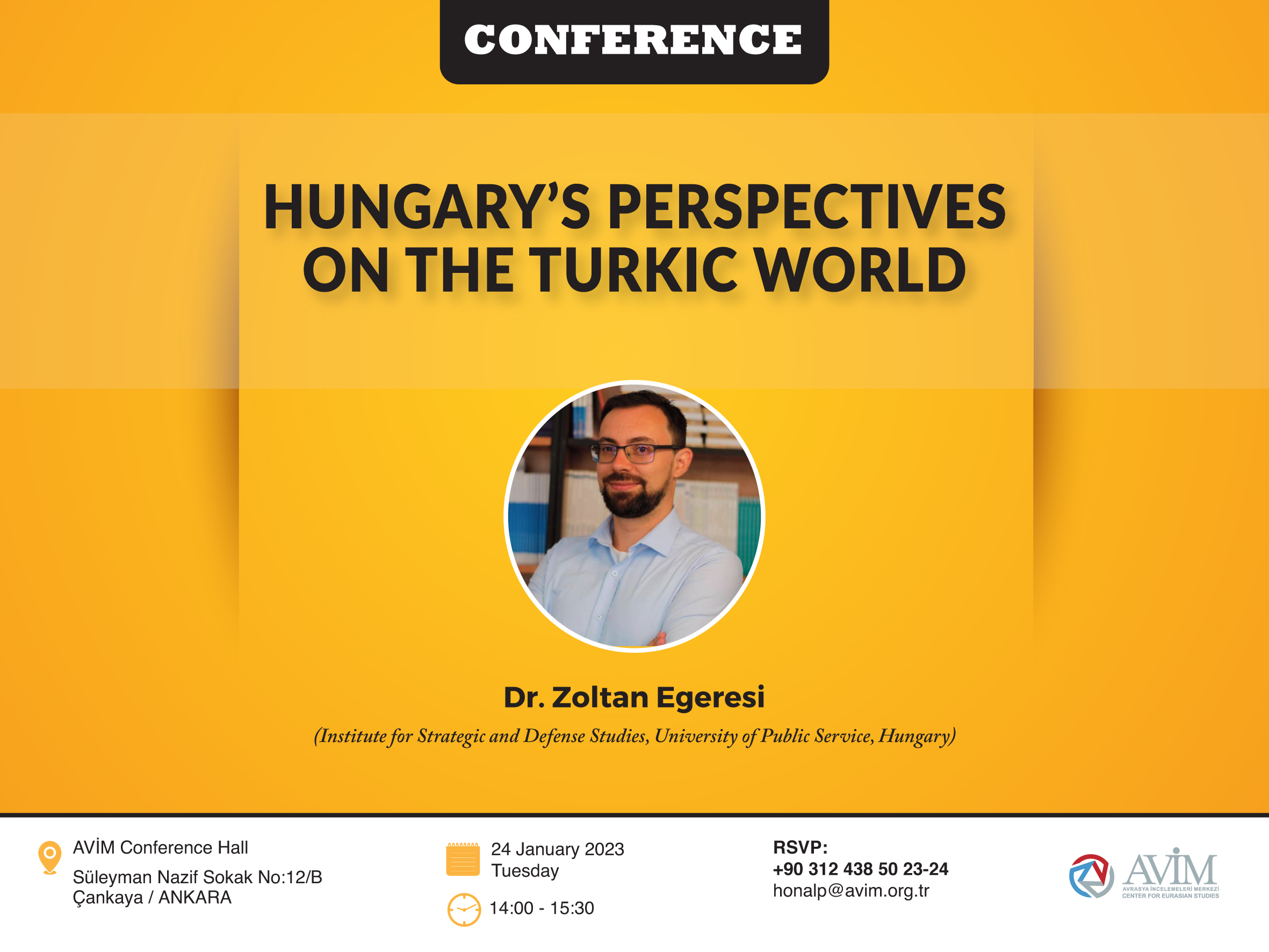
CONFERENCE TITLED “HUNGARY’S PERSPECTIVES ON THE TURKIC WORLD"