

















EU Observer (27 July 2018)
Poland's political masters have extended their control over the supreme court, while continuing to denigrate EU concerns.
The ruling Law and Justice (PiS) party made it easier for itself to name the next supreme court head under an amendment signed by Polish president Andrzej Duda on Thursday (26 July).
Thousands of people protested against the move outside his residence in Warsaw, amid minor clashes with police.
Protests also took place in 14 other towns, including Gdansk, Krakow, Lodz, Poznan, and Wroclaw.
The episode was the latest in a judicial affair which has unfolded in Poland over the past two years.
PiS has purged judges in the constitutional court, forcibly retired supreme court ones, and seized hold of judicial disciplinary panels in what the European Commission has said added up to a "clear risk of a serious breach of the rule of law".
PiS also tried force out Malgorzata Gersdorf, the supreme court president, who became an opposition symbol when she refused to go.
The attack on judicial independence could end in EU sanctions on Poland in what would be a first in European history.
It has already seen the EU court rule that Ireland could halt extraditions there on grounds that Poland no longer guaranteed fair trials.
But those concerns were stood on their head by PiS chairman and de facto Polish leader Jaroslaw Kaczynski on Thursday.
"It's we who are trying to make sure that courts aren't political, that they're objective," he told state broadcaster TVP.
The purge was needed because Poland's judges were loyal to a political "mainstream" of former communists and liberals, he added.
"The representatives of the mainstream in public life were once the Democratic Union [party], later on the SLD [party], then Civic Platform. So if you want to talk about [political] control, then it was by those formations, not the one I represent," Kaczynski said.
"There'll be no new control, but the old one, which was clear for all to see, will be dismantled," he said.
The party chief recently scotched Duda's plan to hold a referendum on updating the Polish constitution in November.
But Kaczysnki told TVP that his "deep reform" of the judiciary ought to be enshrined in Poland's charter in future. "We really do need a new constitution," he said.
EU elections
The EU clash on rule of law comes amid other confrontations - on migrants, press freedom, and electoral reform - as the right-wing PiS tries to entrench its hold on power.
Proposals to carve Poland into 13 new districts for the European Parliament election in 2019, put forward this week, would also give it a louder voice on the EU stage.
The changes would see the threshold for returning MEPs raised to 21 percent in the Warsaw district and up to 16 percent in other ones, leaving only PiS and Civic Platform, the main opposition party, in the running.
The net result would be up to five extra MEPs for Kaczynski in the EU assembly, Polish daily Gazeta Wyborcza calculated.
"We want to win the [EU] elections, but we want a fair fight," Civic Platform senator Piotr Florek said as the Polish upper house prepared to vote on the project.
"Polish people will get better representation in the European Parliament," Jerzy Czerwinski, a PiS senator, averred. "Our voice will count for something in the [EU] parliamentary clubs. I'd rather have strong representation by two groups than by five," he said.
No comments yet.
-
 MARTYRED DIPLOMATS
The Caucasus and Turkish-Armenian Relations
27.07.2018
MARTYRED DIPLOMATS
The Caucasus and Turkish-Armenian Relations
27.07.2018
- TWO KOREAS' FOREIGN MINISTERS TO MEET IN ASEAN FORUM IN SINGAPORE Asia - Pacific 27.07.2018
-
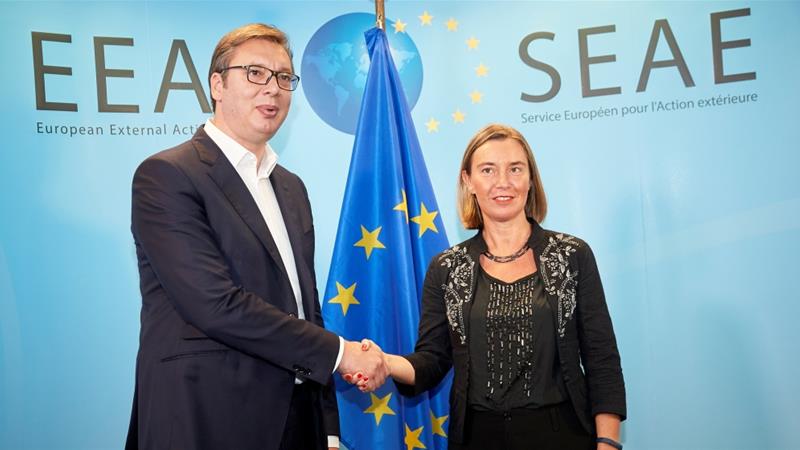 SERBIA PROPOSES TERRITORIAL SWAP WITH KOSOVO
The Balkans
27.07.2018
SERBIA PROPOSES TERRITORIAL SWAP WITH KOSOVO
The Balkans
27.07.2018
- THE STATUS OF RUSSIAN BORDER GUARDS WILL BE CLARIFIED The Caucasus and Turkish-Armenian Relations 27.07.2018
-
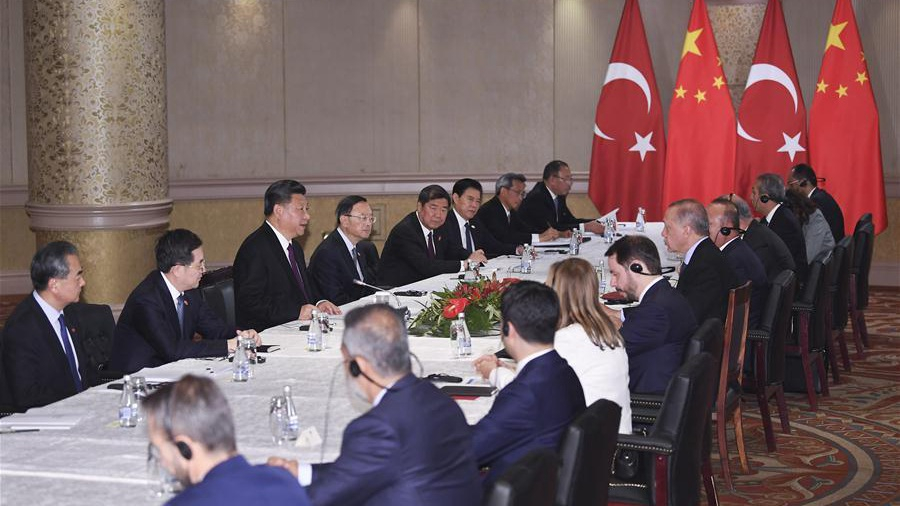 XI: CHINA AND TURKEY ARE NATURAL PARTNERS IN BELT AND ROAD
Asia - Pacific
27.07.2018
XI: CHINA AND TURKEY ARE NATURAL PARTNERS IN BELT AND ROAD
Asia - Pacific
27.07.2018
-
25.01.2016
THE ARMENIAN QUESTION - BASIC KNOWLEDGE AND DOCUMENTATION -
12.06.2024
THE TRUTH WILL OUT -
27.03.2023
RADİKAL ERMENİ UNSURLARCA GERÇEKLEŞTİRİLEN MEZALİMLER VE VANDALİZM -
17.03.2023
PATRIOTISM PERVERTED -
23.02.2023
MEN ARE LIKE THAT -
03.02.2023
BAKÜ-TİFLİS-CEYHAN BORU HATTININ YAŞANAN TARİHİ -
16.12.2022
INTERNATIONAL SCHOLARS ON THE EVENTS OF 1915 -
07.12.2022
FAKE PHOTOS AND THE ARMENIAN PROPAGANDA -
07.12.2022
ERMENİ PROPAGANDASI VE SAHTE RESİMLER -
01.01.2022
A Letter From Japan - Strategically Mum: The Silence of the Armenians -
01.01.2022
Japonya'dan Bir Mektup - Stratejik Suskunluk: Ermenilerin Sessizliği -
03.06.2020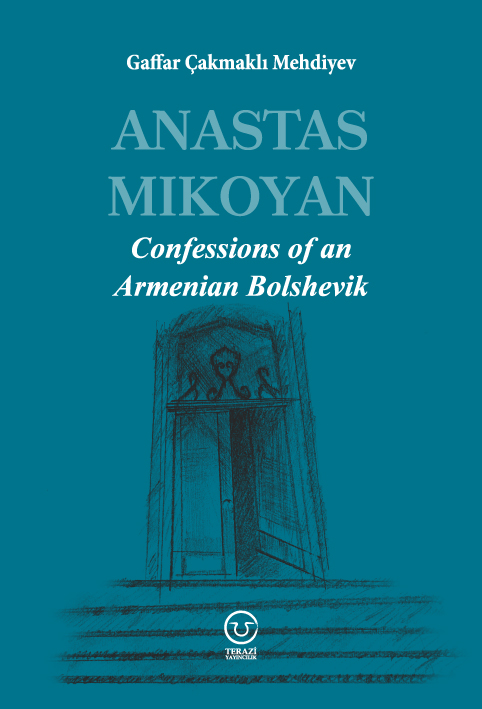
Anastas Mikoyan: Confessions of an Armenian Bolshevik -
08.04.2020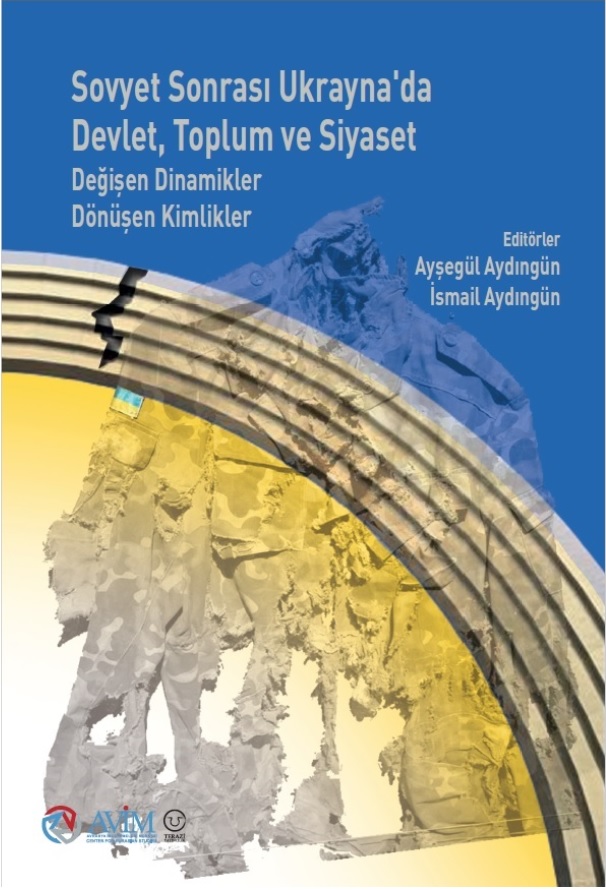
Sovyet Sonrası Ukrayna’da Devlet, Toplum ve Siyaset - Değişen Dinamikler, Dönüşen Kimlikler -
12.06.2018
Ermeni Sorunuyla İlgili İngiliz Belgeleri (1912-1923) - British Documents on Armenian Question (1912-1923) -
02.12.2016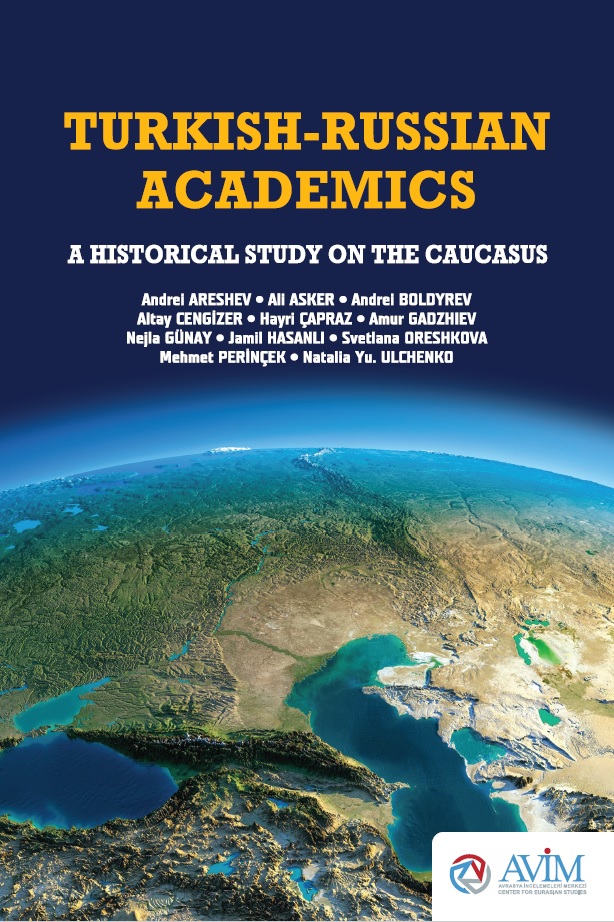
Turkish-Russian Academics: A Historical Study on the Caucasus -
01.07.2016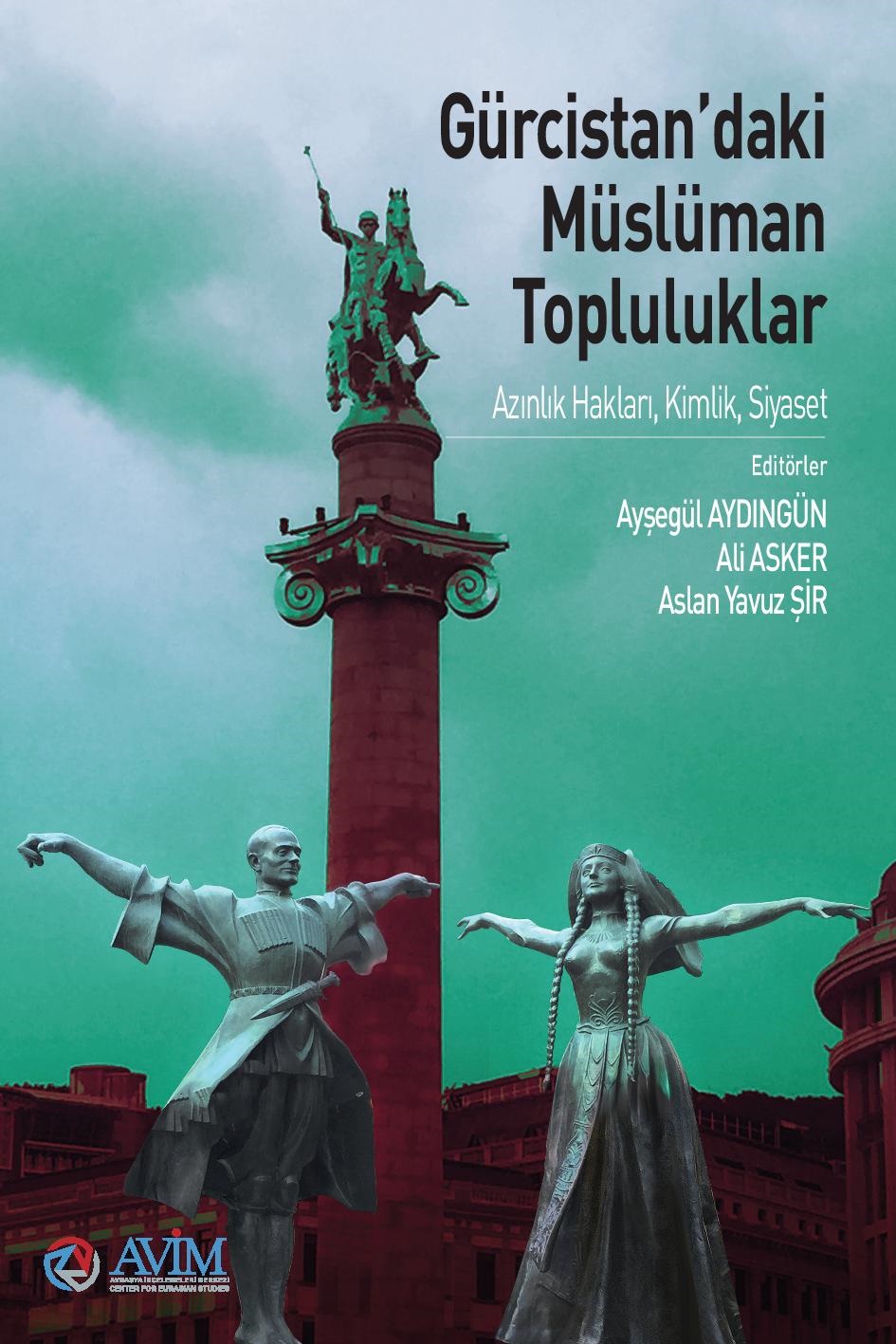
Gürcistan'daki Müslüman Topluluklar: Azınlık Hakları, Kimlik, Siyaset -
10.03.2016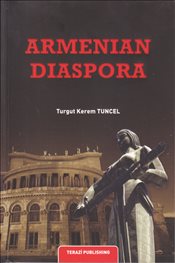
Armenian Diaspora: Diaspora, State and the Imagination of the Republic of Armenia -
24.01.2016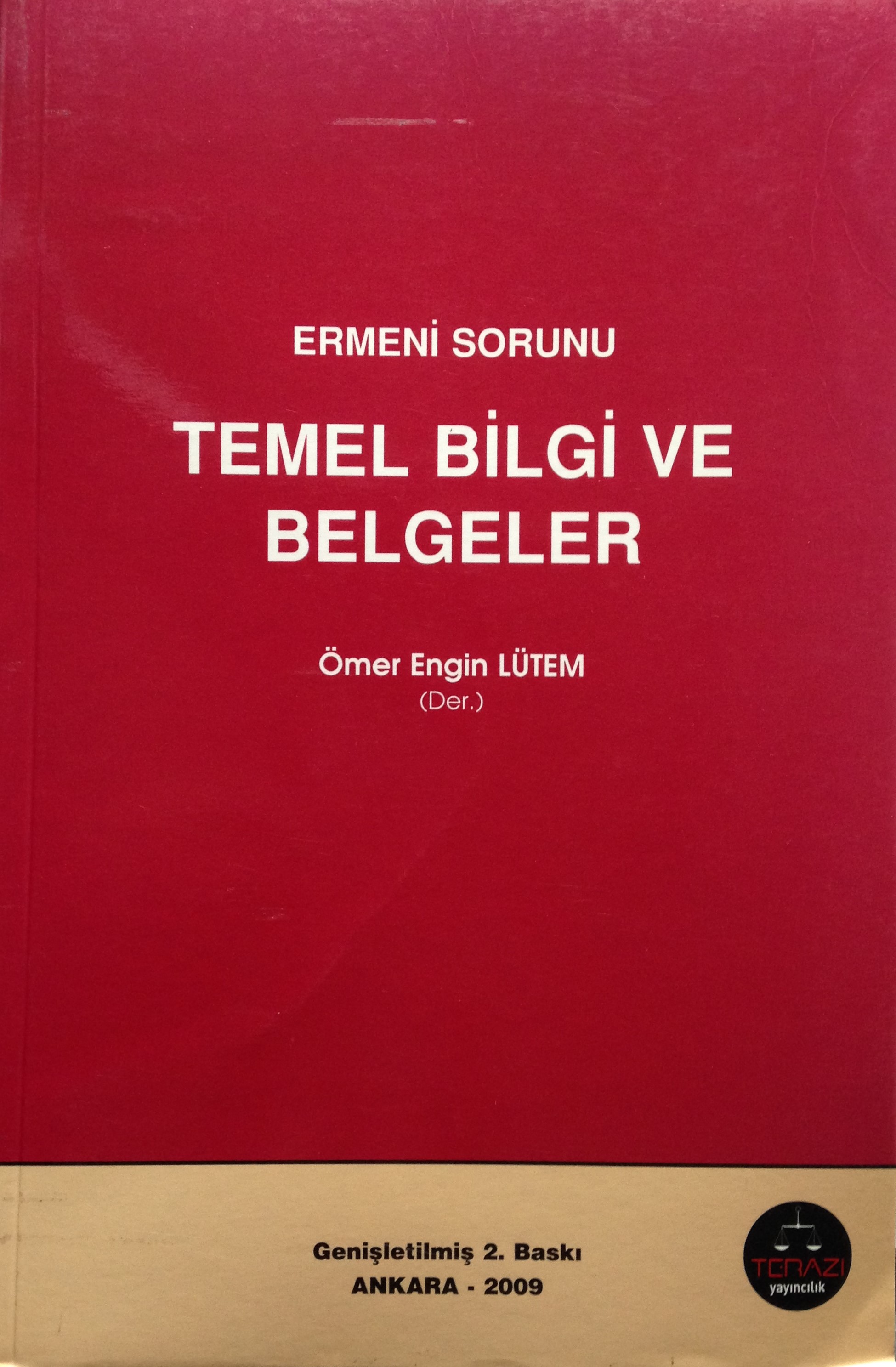
ERMENİ SORUNU - TEMEL BİLGİ VE BELGELER (2. BASKI)

-
AVİM Conference Hall 24.01.2023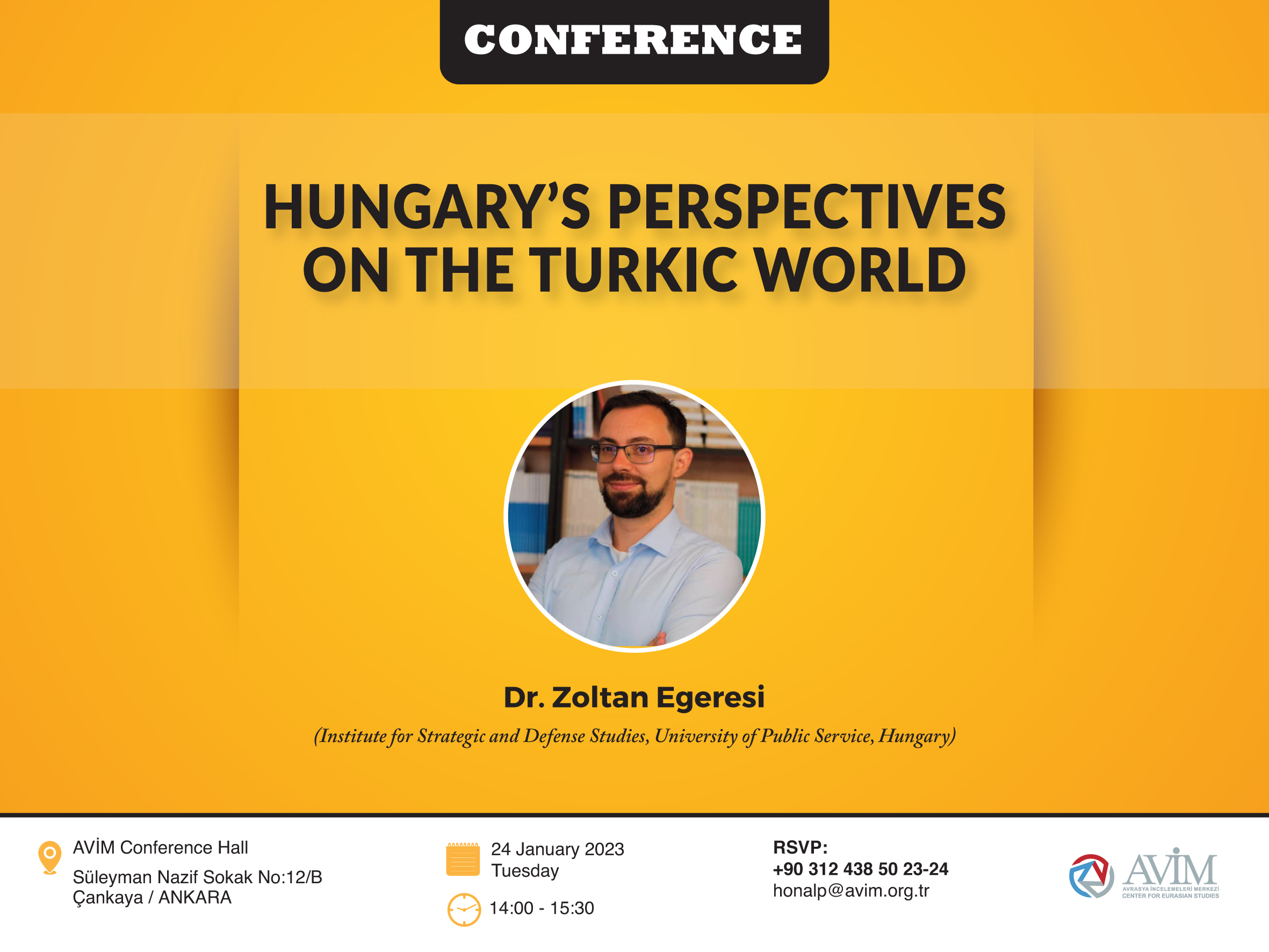
CONFERENCE TITLED “HUNGARY’S PERSPECTIVES ON THE TURKIC WORLD"