

















The Economist, 23 Feb 2018
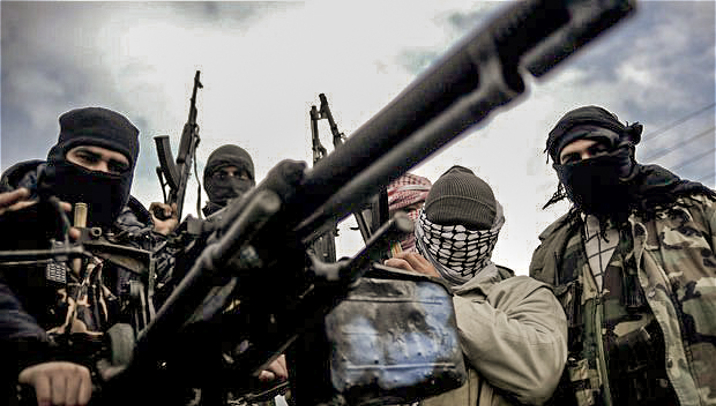
GONE are the days when the black flag fluttered over a third of Iraq and almost half of Syria. Crushed on the battlefield, Islamic State has lost roughly 98% of its self-proclaimed “caliphate”. Some 70,000 of its fighters (who numbered perhaps 100,000 at their peak) are thought to have been killed. But thousands have escaped. Some have remained in Iraq and Syria; others have slipped into Turkey or hooked up with IS affiliates in Egypt, Libya and South-East Asia. Around 10,000 of the group’s foreign fighters are thought to have left the Middle East.
Those intent on continuing to wage jihad will still have the means. IS has quietly stashed millions of dollars across the region. It has invested in businesses in Iraq, bought gold in Turkey and continued to transfer money to its affiliates. “You wouldn’t believe the amount of money that has gone out of IS’ territory,” says a former weapons-dealer involved in transferring the jihadists’ cash. An Iraqi legislator estimates that IS smuggled $400m out of Iraq and Syria during its retreat.
IS built up fat reserves of cash as it gained ground in Iraq and Syria. It sold oil from the fields it captured, taxed and robbed the people it ruled and stole perhaps $500m from Iraqi banks, making it the richest terrorist group in history. In 2015 the caliphate’s GDP was estimated to be $6bn.
The traditional tools used to starve terrorists of funds by blocking foreign donations were of little use. So the American-led coalition against IS bombed the group’s refineries and oil tankers, destroyed its stockpiles of cash and assassinated its money men. The Iraqi government stopped paying the salaries of government officials in IS territory to prevent the jihadists from taking a cut. The strategy worked, up to a point (see chart). The group’s revenue from oil dropped and it was forced to trim the wages of its fighters. But IS was still able to milk the areas under its control. “It became clear that the most important way to address IS financing was to deprive it of territory,” says an American counter-terrorism official.
The jihadists, though, appear to have anticipated their loss of land. Last March the group mandated the use of its own currency in eastern Syria, an order it later extended to currency dealers and money-transfer shops. This allowed IS to hoover up Syrian pounds and American dollars. In Iraq it has bankrolled hundreds of exchange houses. Dozens of these even took part in the Iraqi central bank’s currency auctions in 2014 and 2015, allowing the group to convert Iraqi dinars into dollars, before the government at last cracked down on them.
Currency dealers in Turkish cities that border Syria say IS has been moving large sums of money out of its caliphate since early last year. The money flows through the hawala system, an informal web of money-transfer offices that is cheap, fast and almost impossible to regulate. The network of hawala shops in Syria and Turkey has expanded since the start of the Syrian war, allowing refugees, weapons-dealers, oil-smugglers and rebel groups to move cash in and out of the country.
Transactions involving IS cash, sometimes millions of dollars, can take weeks to complete. The largest are often too big for a single hawala shop to process on its own, so several dealers in Turkey, Europe, Lebanon and the Gulf are involved. The money is difficult to trace. Hawala dealers use the encrypted mobile-chat application WhatsApp to communicate with each other. They rarely keep detailed records of transactions or the names of customers.
Much of the cash has ended up in Turkey, where intelligence officials believe it is being stored by individuals for future operations, invested in gold and used to keep IS sleeper-cells active. “You only need $500 a month to feed and house a cell of two or three people,” says Ahmet Yayla, the former head of counter-terrorism for the Turkish police. Investigations into the deadly attack on a nightclub in Istanbul on January 1st 2017 revealed that IS had established about 100 safe-houses in the city, where police found more than $500,000.
IS has also laundered its cash reserves by investing in legitimate businesses around the region. In Iraq it has used middlemen to buy farms, car-dealerships, hotels and hospitals. Most of the intermediaries are driven by profit rather than ideology, says Renad Mansour of Chatham House, a British think-tank. Many are tribal leaders or businessmen who have worked with the jihadists before, smuggling oil, weapons, goods and people.
Weak institutions and rampant corruption make it hard for Iraq to tackle the problem. Several ministries have tried to block terrorist financing, with little success. Politicians also benefit from the black market. Would-be whistleblowers fear that IS has spies inside the government.
IS also retains the ability to generate cash. It may use its businesses to siphon funds meant for rebuilding the region’s wrecked cities. Extortion, smuggling and kidnapping will remain profitable, as the group shifts its focus from capturing territory to waging an insurgency. New and old money will keep the jihadists in business for years to come.
No comments yet.
-
 EU LEADERS TO CLASH OVER POST-BREXIT BUDGET
Europe - EU
23.02.2018
EU LEADERS TO CLASH OVER POST-BREXIT BUDGET
Europe - EU
23.02.2018
- HAS RUSSIA DEPLOYED LATEST-GENERATION STEALTH WARPLANES IN SYRIA? Asia - Pacific 23.02.2018
- KYRGYZSTAN: ARRESTED MP FOUND TO HAVE KAZAKH CITIZENSHIP Asia - Pacific 23.02.2018
-
 UZBEKISTAN, TURKMENISTAN CAN RESUME DIRECT FLIGHTS
Asia - Pacific
23.02.2018
UZBEKISTAN, TURKMENISTAN CAN RESUME DIRECT FLIGHTS
Asia - Pacific
23.02.2018
- WORK HAS BEGUN ON WHETHER GREECE NEEDS DEBT RELIEF: EU RESCUE FUND HEAD Europe - EU 23.02.2018
-
25.01.2016
THE ARMENIAN QUESTION - BASIC KNOWLEDGE AND DOCUMENTATION -
12.06.2024
THE TRUTH WILL OUT -
27.03.2023
RADİKAL ERMENİ UNSURLARCA GERÇEKLEŞTİRİLEN MEZALİMLER VE VANDALİZM -
17.03.2023
PATRIOTISM PERVERTED -
23.02.2023
MEN ARE LIKE THAT -
03.02.2023
BAKÜ-TİFLİS-CEYHAN BORU HATTININ YAŞANAN TARİHİ -
16.12.2022
INTERNATIONAL SCHOLARS ON THE EVENTS OF 1915 -
07.12.2022
FAKE PHOTOS AND THE ARMENIAN PROPAGANDA -
07.12.2022
ERMENİ PROPAGANDASI VE SAHTE RESİMLER -
01.01.2022
A Letter From Japan - Strategically Mum: The Silence of the Armenians -
01.01.2022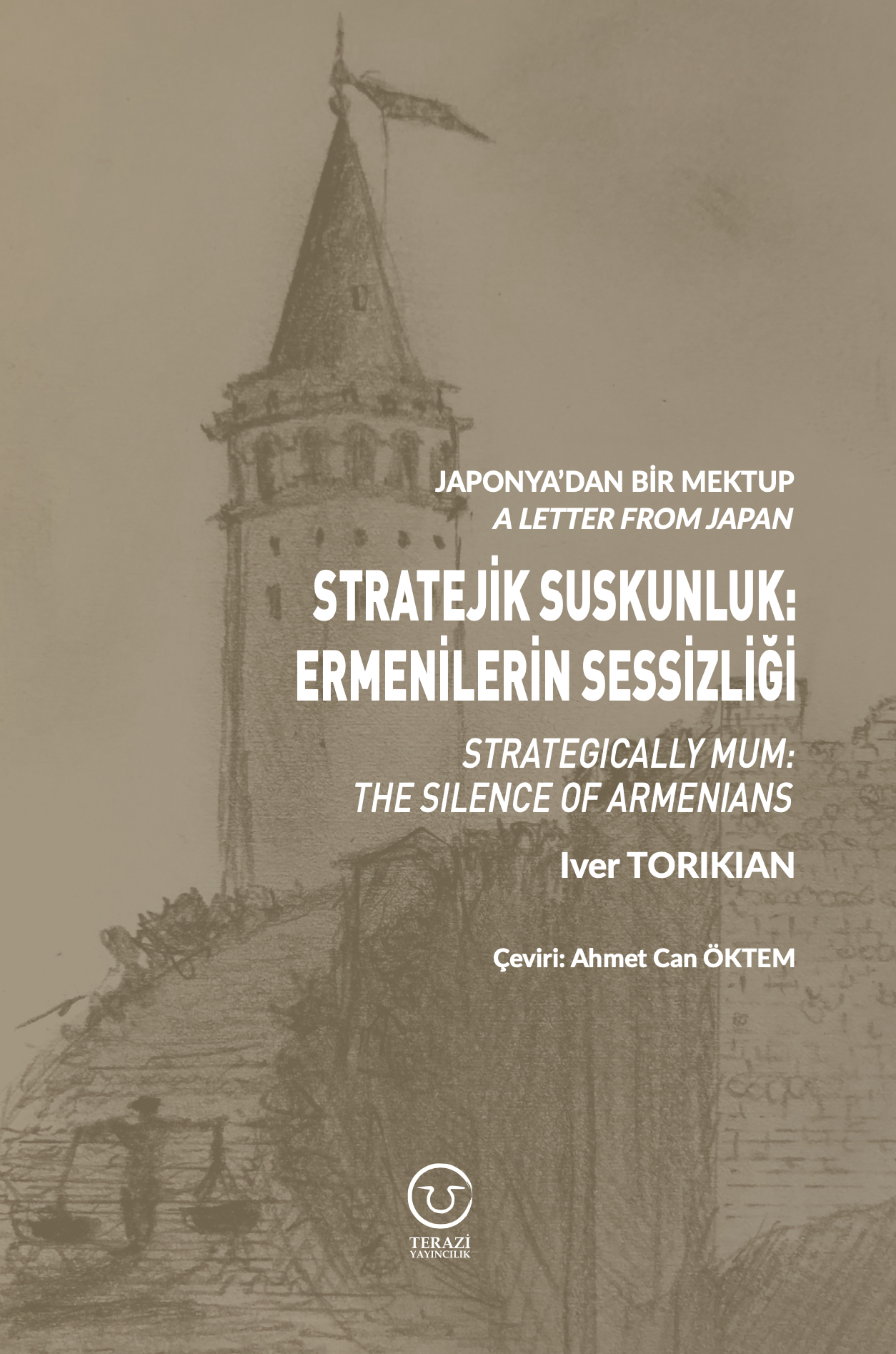
Japonya'dan Bir Mektup - Stratejik Suskunluk: Ermenilerin Sessizliği -
03.06.2020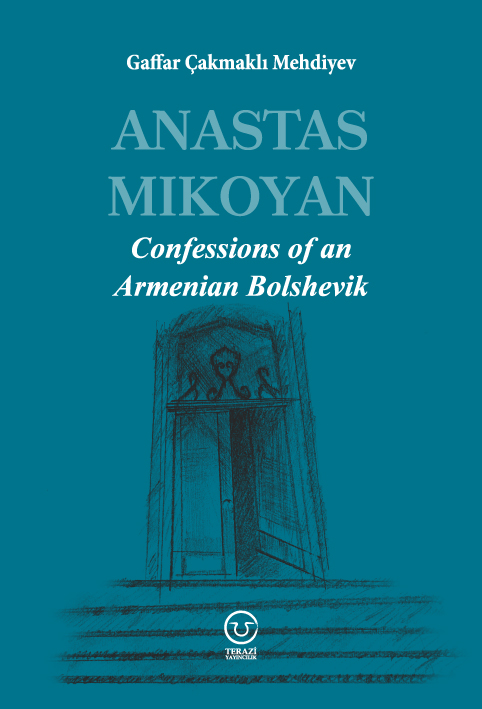
Anastas Mikoyan: Confessions of an Armenian Bolshevik -
08.04.2020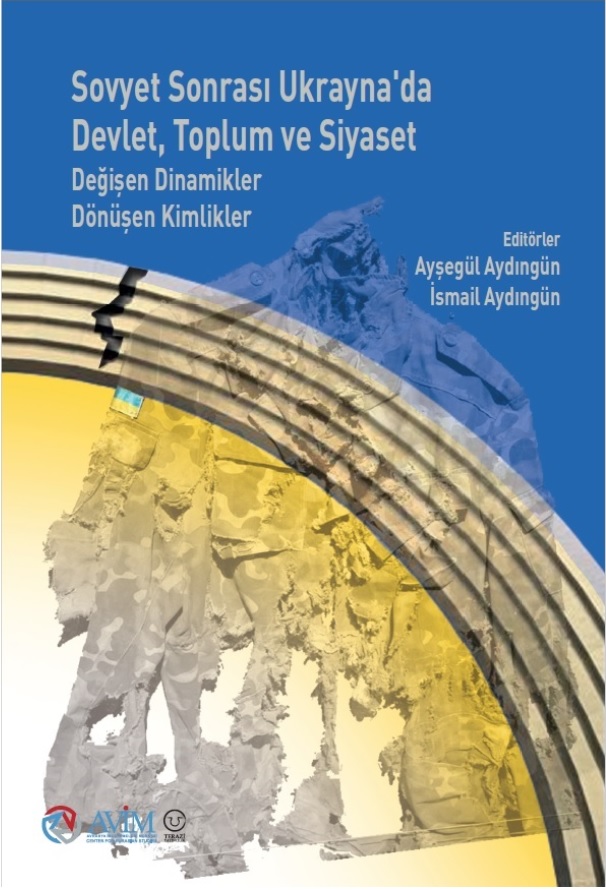
Sovyet Sonrası Ukrayna’da Devlet, Toplum ve Siyaset - Değişen Dinamikler, Dönüşen Kimlikler -
12.06.2018
Ermeni Sorunuyla İlgili İngiliz Belgeleri (1912-1923) - British Documents on Armenian Question (1912-1923) -
02.12.2016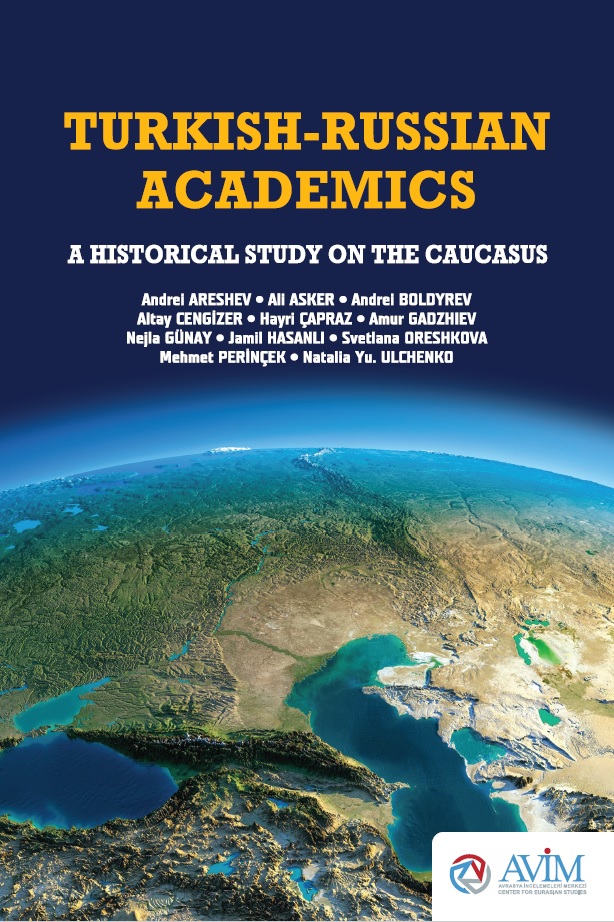
Turkish-Russian Academics: A Historical Study on the Caucasus -
01.07.2016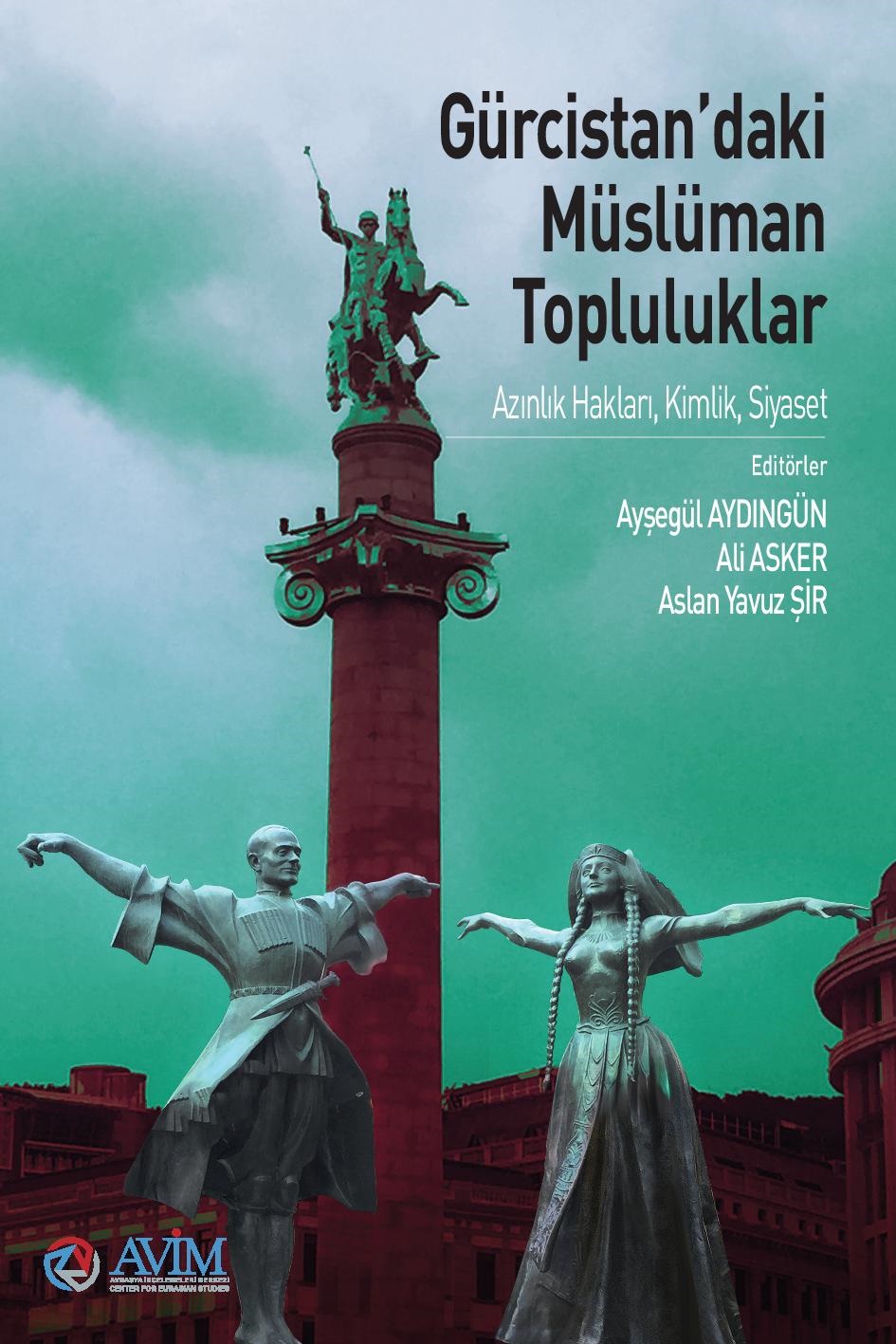
Gürcistan'daki Müslüman Topluluklar: Azınlık Hakları, Kimlik, Siyaset -
10.03.2016
Armenian Diaspora: Diaspora, State and the Imagination of the Republic of Armenia -
24.01.2016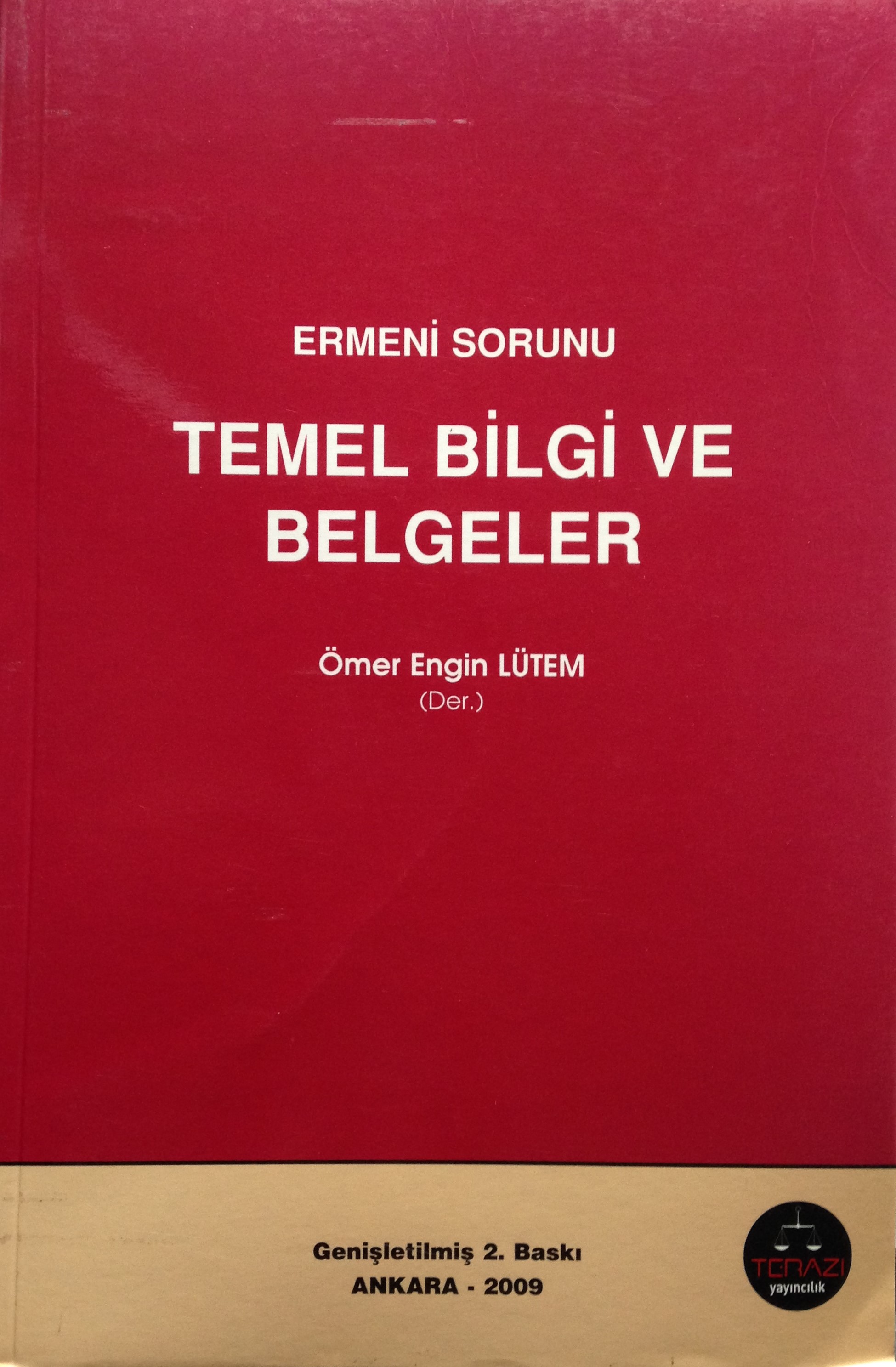
ERMENİ SORUNU - TEMEL BİLGİ VE BELGELER (2. BASKI)
-
AVİM Conference Hall 24.01.2023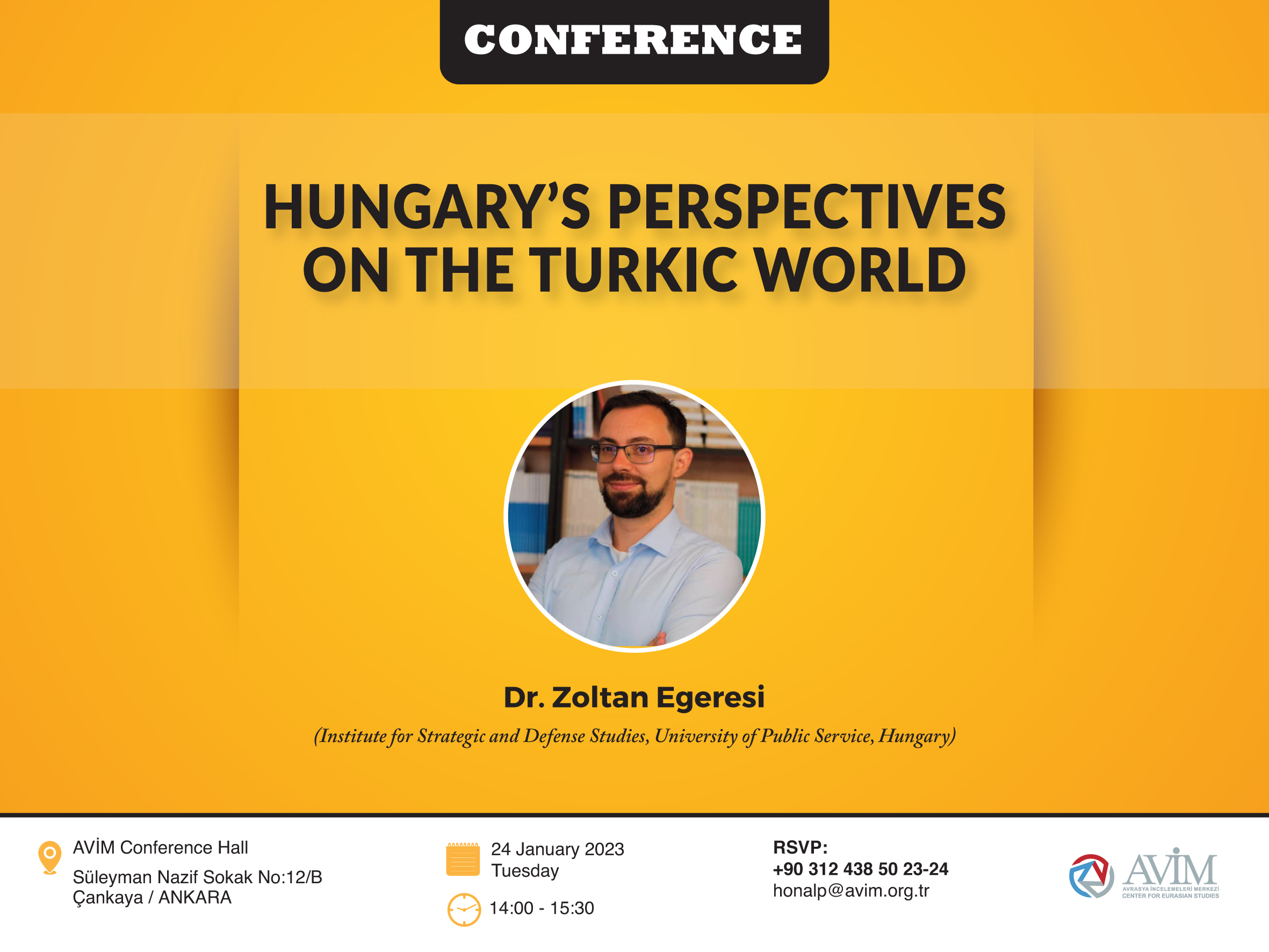
CONFERENCE TITLED “HUNGARY’S PERSPECTIVES ON THE TURKIC WORLD"