

















YourOilandGasNews.com (10 May 2018)
Baghdad’s slow-moving downstream expansion ambitions passed two milestones in late April.
A heavyweight Chinese team signed up to develop the largest greenfield refinery of a plethora put out to tender over the past 18 months – cementing the growing dominance of Chinese companies in federal Iraq’s oil sector and chalking up a rare success in a decade-long drive to attract foreign investment into the sector.
Meanwhile, self-sufficiency was achieved in a key oil product for the first time since the advent of the new regime 15 years ago, attributed in large part to the accelerated rehabilitation under way of refineries in areas liberated from so-called Islamic State (IS) last year.
A joint venture of Beijing-owned defence specialist Norinco Group and compatriot PowerChina on April 28 signed a contract with the Ministry of Oil (MoO) to develop a 300,000 bpd export refinery and petrochemicals complex on the Al-Fao peninsula in Basra Province.
Bids to invest in the project on a build-own-operate (BOO) or build-own-operate-transfer (BOOT) model were first invited in March last year and a winner announced in late January, but the identities of the companies were hitherto unclear.
Norinco has carried out projects elsewhere in the Iraqi oil sector and subsidiary China Zhenhua Oil signed a five-year agreement with the MoO in December to develop part of the giant East Baghdad field near the capital, targeting production of 40,000 bpd.
PowerChina typically focuses on power generation and infrastructure – but ventured into Middle East refining through a deal signed in October by subsidiary Sinohydro to design and build a proposed US$2 billion fuel oil refinery at Ain Sokhna in Egypt.
Two Chinese companies were among only three firms to win upstream licences in Baghdad’s international bid round on April 26, while Beijing-owned PetroChina and China National Offshore Oil Co. (CNOOC) operate the two main oilfields in Missan Province.
The MoO has tendered a series of refining projects since the accession of Oil Minister Jabbar al-Luaibi in August 2016 – in an attempt to reinvigorate a faltering downstream expansion programme initiated in 2007.
However, the majority have thus far failed to find credible investors. The Fao project benefits from its export orientation and closeness to existing infrastructure: a large portion of crude from the major southern fields is piped to the peninsula for export.
The project is also a particular priority for Baghdad, which has long aspired to add value to the country’s crude by developing a major petrochemicals industry. Other downstream schemes on the slate are still suffering delays.
On April 22, a belated four-week extension until June 15 of the deadline for bids to develop a 100,000 bpd refinery at Qayara near Mosul was announced. Documents would be available until May 15 rather than April 1, the ministry said – implying a weak response before the original cut-off.
A long-planned refinery at Nasiriyah in Dhi Qar Province was tendered as a stand-alone BOT/BOOT project in mid-2017 but after missed deadline extensions, the fate of the project is unknown.
Other smaller facilities proposed over the past 18 months likewise remain without investors. The Qayara scheme is one of several hastily put out to bid in the wake of the expulsion of IS from the north and west of federal territory in the second half of last year.
While exports of oil products and chemicals promise a much-needed boost to Baghdad’s finances, downstream development is a priority in the short term primarily for the domestic benefits – providing fuel and powering local services and thereby assuaging popular complaints of a lack of payoff from the country’s bountiful oil endowment.
On April 22, the MoO announced with considerable fanfare the cessation in May for the first time since 2003 of kerosene imports – in light of self-sufficiency having been achieved. The landmark was celebrated in an open letter to Prime Minister Haider al-Abadi signed by al-Luaibi – who is standing in parliamentary elections this month.
Output of the key product was said to have reached 17,894 cubic metres per day in March – equivalent to around 113,000 bpd – partly as the result of a rehabilitation of facilities since the militants’ defeat. Consumption was put at 108,000 bpd.
According to OPEC’s 2017 Annual Statistical Bulletin, total throughput at Iraq’s refineries in 2016 was 449,000 bpd – down from 601,000 bpd three years previously – of which only 34,000 bpd was kerosene. Al-Luaibi announced in January that part of the Baiji refinery – once the country’s largest at 310,000 bpd but located on the strategic Baghdad-Mosul road and severely damaged during the civil conflict – would be rehabilitated to produce around 70,000 bpd by the end of the year.
The ministry’s accelerated drive to improve provision in the restive northern provinces was also evident in a deal signed in February with Kurdistan-based Ranya International to develop a 70,000 bpd refinery near Kirkuk – in an area recaptured in October from Kurdistan Regional Government (KRG) forces, which had seized control in the aftermath of the IS invasion.
This NewsBase commentary is from our DMEA publication. To sign up for your free trial, click this link: http://newsbase.com/publications/dmea-downstream-middle-east-africa
http://www.youroilandgasnews.com/iraq+hails+downstream+progress_148950.html
No comments yet.
- GEORGIA AND ISRAEL LAUNCH FREE TRADE FEASIBILITY STUDY The Caucasus and Turkish-Armenian Relations 11.05.2018
- VIKTOR ORBAN: ERA OF 'LIBERAL DEMOCRACY' IS OVER Europe - EU 11.05.2018
- IRAQ GOES TO THE POLLS Iraq 11.05.2018
-
 EU AND US CLASH ON IRAN: AN EX-SPY'S VIEW
Europe - EU
11.05.2018
EU AND US CLASH ON IRAN: AN EX-SPY'S VIEW
Europe - EU
11.05.2018
- OGNIAN ZLATEV, EC REPRESENTATION IN BULGARIAZ: EUROPEAN COMMISION DOES NOT AIM TO HARM BULGARIAN CARRIERS The Balkans 11.05.2018
-
25.01.2016
THE ARMENIAN QUESTION - BASIC KNOWLEDGE AND DOCUMENTATION -
12.06.2024
THE TRUTH WILL OUT -
27.03.2023
RADİKAL ERMENİ UNSURLARCA GERÇEKLEŞTİRİLEN MEZALİMLER VE VANDALİZM -
17.03.2023
PATRIOTISM PERVERTED -
23.02.2023
MEN ARE LIKE THAT -
03.02.2023
BAKÜ-TİFLİS-CEYHAN BORU HATTININ YAŞANAN TARİHİ -
16.12.2022
INTERNATIONAL SCHOLARS ON THE EVENTS OF 1915 -
07.12.2022
FAKE PHOTOS AND THE ARMENIAN PROPAGANDA -
07.12.2022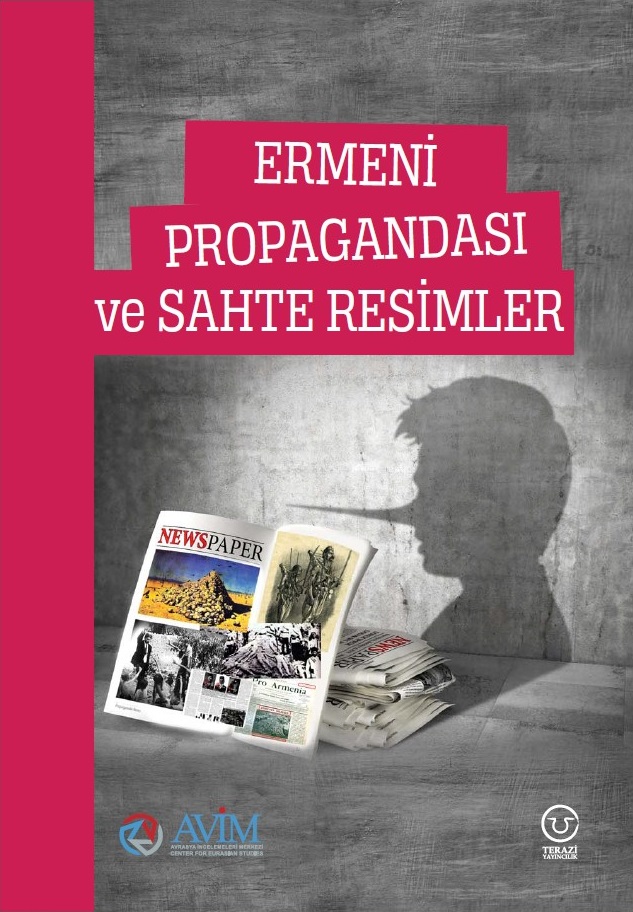
ERMENİ PROPAGANDASI VE SAHTE RESİMLER -
01.01.2022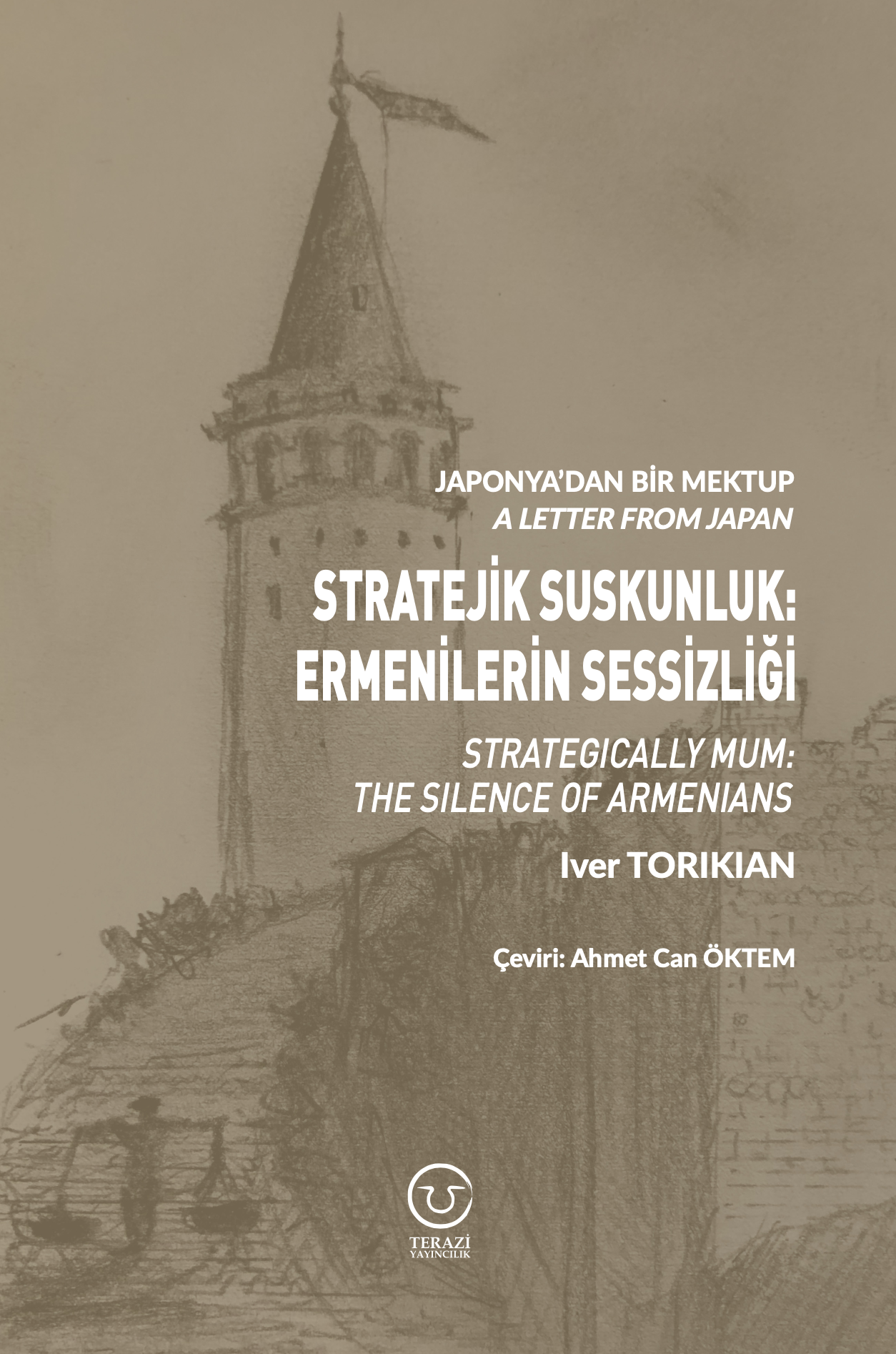
A Letter From Japan - Strategically Mum: The Silence of the Armenians -
01.01.2022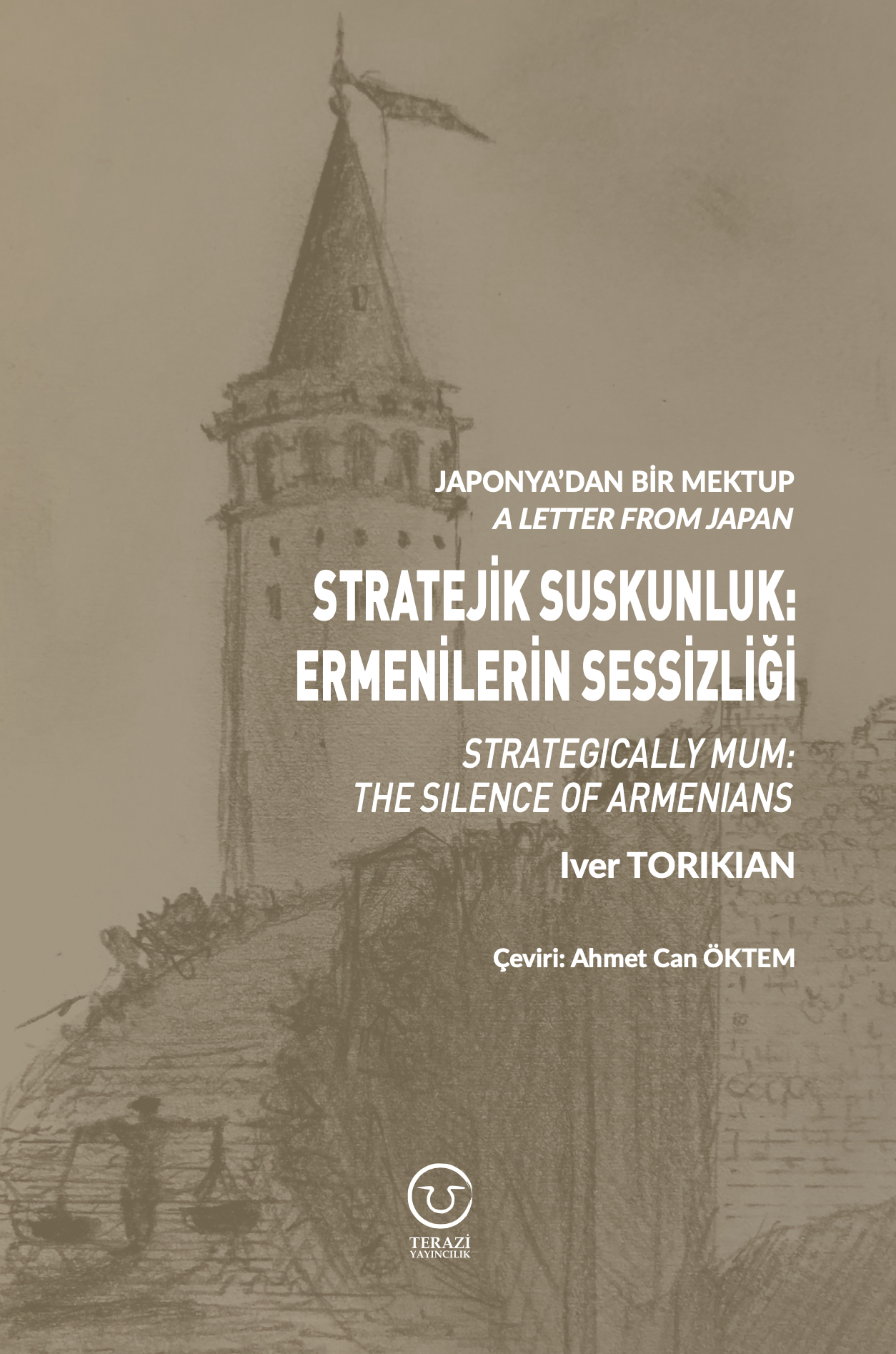
Japonya'dan Bir Mektup - Stratejik Suskunluk: Ermenilerin Sessizliği -
03.06.2020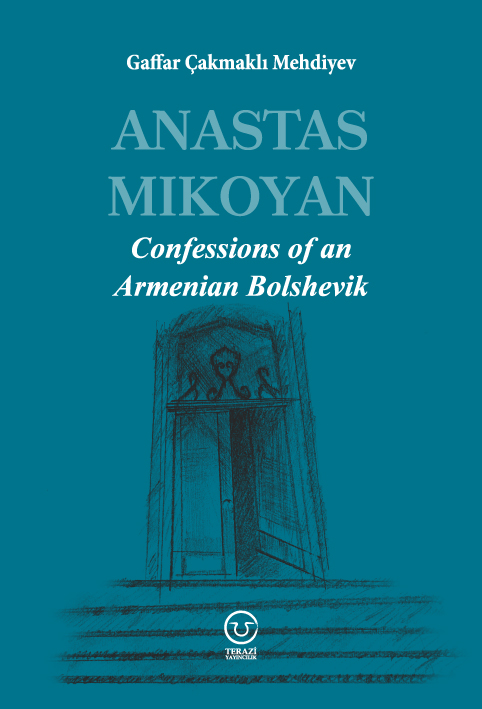
Anastas Mikoyan: Confessions of an Armenian Bolshevik -
08.04.2020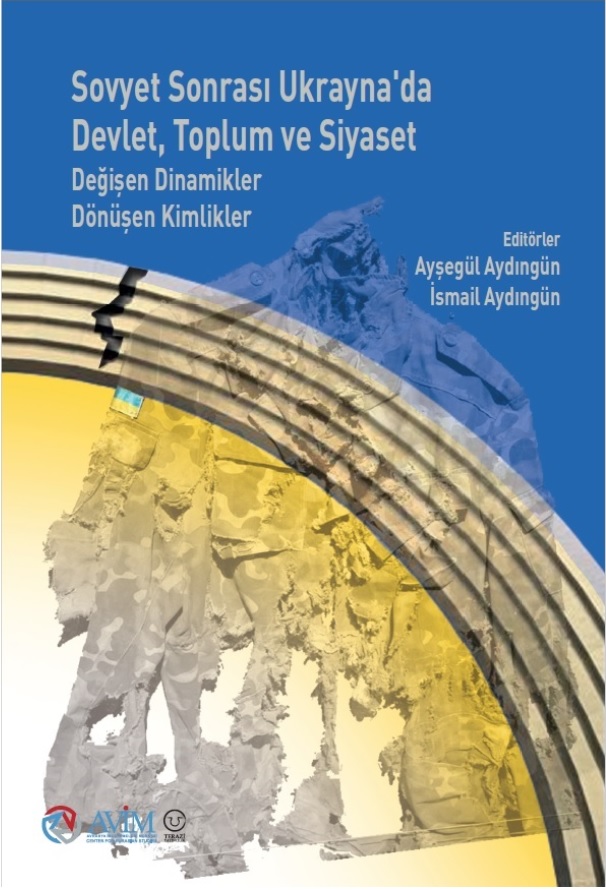
Sovyet Sonrası Ukrayna’da Devlet, Toplum ve Siyaset - Değişen Dinamikler, Dönüşen Kimlikler -
12.06.2018
Ermeni Sorunuyla İlgili İngiliz Belgeleri (1912-1923) - British Documents on Armenian Question (1912-1923) -
02.12.2016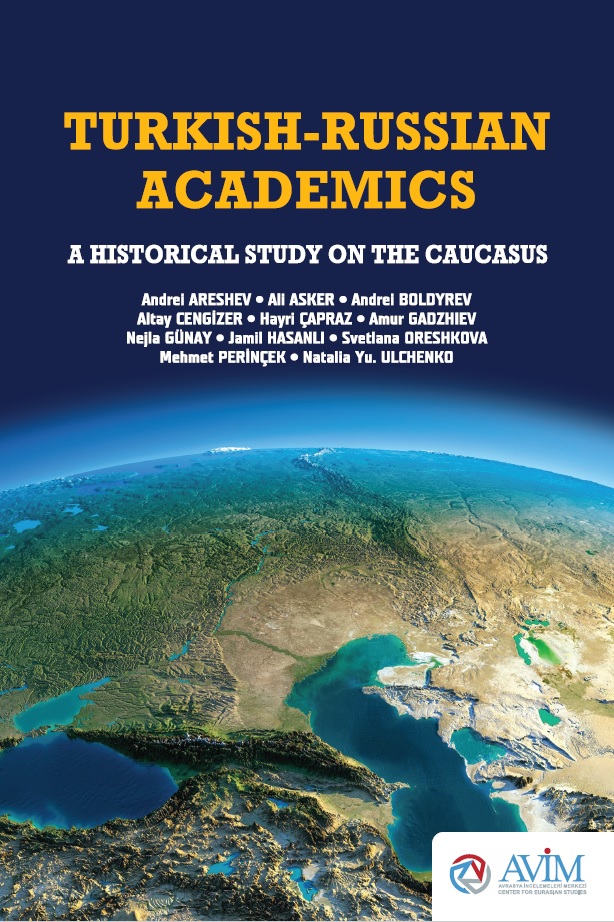
Turkish-Russian Academics: A Historical Study on the Caucasus -
01.07.2016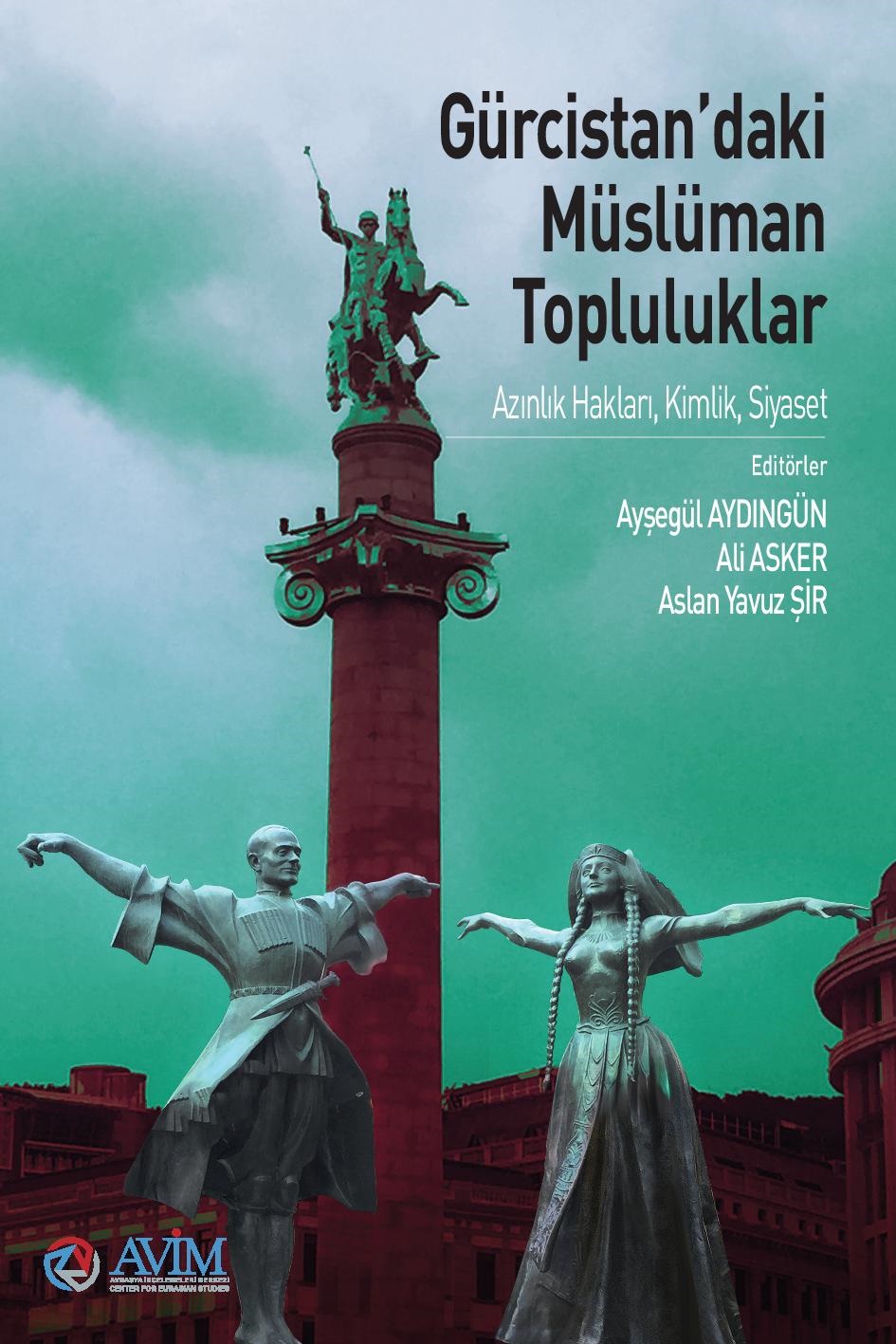
Gürcistan'daki Müslüman Topluluklar: Azınlık Hakları, Kimlik, Siyaset -
10.03.2016
Armenian Diaspora: Diaspora, State and the Imagination of the Republic of Armenia -
24.01.2016
ERMENİ SORUNU - TEMEL BİLGİ VE BELGELER (2. BASKI)


-
AVİM Conference Hall 24.01.2023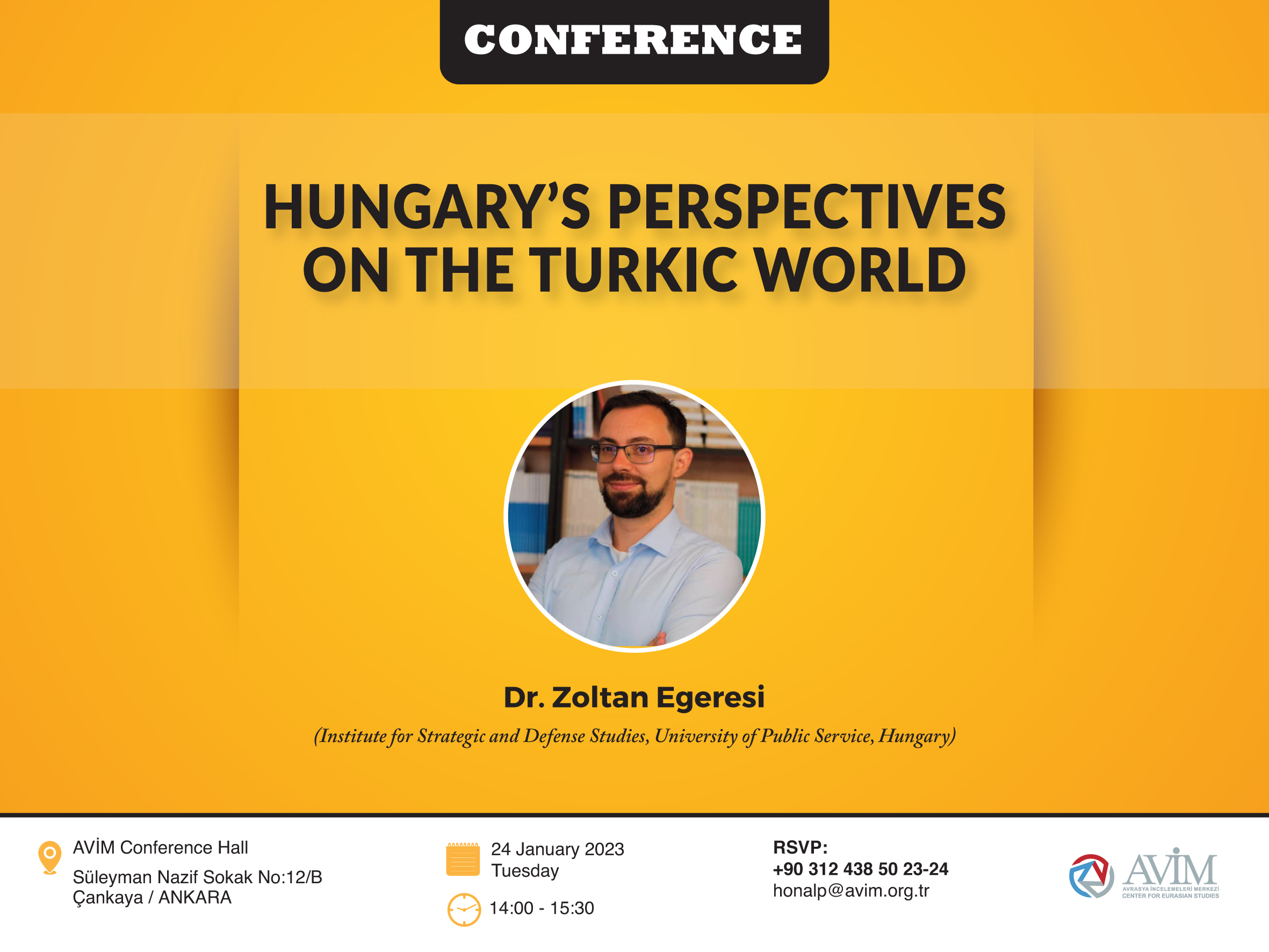
CONFERENCE TITLED “HUNGARY’S PERSPECTIVES ON THE TURKIC WORLD"