

















EurActiv (9 December 2019)
The European Central Bank’s new president Christine Lagarde has announced that the Frankfurt-based institute will soon undertake a strategic review, its first since 2003.
Here is how the ECB’s strategy has developed over the years and what has prompted the decision to reassess it.
The ECB’s overriding mandate is to ensure price stability.
In 2003, its main decision-making body, the governing council, defined that goal as an inflation rate of “just below, but close to” two percent, a level that would encourage investment and employment, while warding off deflation.
Nevertheless, inflation has remained stubbornly low at around one percent, a phenomenon that has left many economists around the world scratching their heads.
Different theories have been put forward as to a possible explanation, from the rise of the casual “gig” economy or the suppression of workers’ earnings through globalisation, to political shocks, such as trade tensions and Brexit.
Inflation, climate in focus
There have been increasing calls for the central bank to rethink the inflation target and the issue is certain to feature highly on the ECB’s review, which is expected to take many months.
At the same time, the ECB is under pressure to do more to tackle climate change and wealthier countries like Germany see the review as a chance to call into question the ECB’s ultra-expansive policy.
They have long argued that the bank’s record-low – and even negative – interest rates, as well as its massive “quantitative easing” bond-buying programme, are detrimental to savers and help accentuate asset price bubbles.
Lagarde pledges to continue with Draghi’s loose monetary stance
Christine Lagarde promised on Wednesday (4 September) to respond with “agility” to the looming financial and economic turbulences once she becomes the president of the European Central Bank in November, while confirming that the current loose monetary stance will continue for a “long period of time.”
The review will be “an ideal opportunity for Christine Lagarde to reflect on the unconventional crisis measures adopted over the past decade,” Pictet Wealth Management strategist Frederik Ducrozet said.
The aim should be “not to ‘reset’ monetary policy, but give it a new launching point for the coming eight years” of her mandate, he said.
A change in the definition of the inflation target to “around” 2%, instead of “just below”, would be “desirable and plausible, if only to make forecasts simpler and more credible,” Ducrozet said.
Meanwhile, environmentalists are lobbying the ECB intensively to green both its own operations and its investments in the wider economy through its bond-buying scheme.
Lagarde acknowledged last week that “the ECB’s mandate is not climate change”, but said climate risks could be built into its economic forecasting and other aspects of its work, such as banking supervision, without compromising the price stability target.
Clearer communication
Until now, ECB meetings have been shrouded in more secrecy than those of other central banks, with an “account” published only weeks later that neither names participants, nor reveals the voting record of individual governing council members.
“We think the bank may move to a more transparent and systematic process of voting on major policy decisions,” said Capital Economics analyst Andrew Kenningham.
The debate has been given fresh urgency following the decision by the ECB’s governing council in September to restart a bond-buying scheme, which led to a rare public row where dissenters aired their grievances in the media.
Lagarde has also vowed to bring the ECB closer to the public by ditching some of the bank’s seemingly impenetrable jargon, where a single word can move markets, but remain incomprehensible to outsiders.
Lagarde has said she wants to “dust off” the bank’s language to help citizens understand “what the ECB is for”.
No comments yet.
- UZBEKISTAN PLANS TO CHAIR SCO IN 2022 Central Asia 09.12.2019
-
 KOSOVO SERB MP CONVICTED OF INCITING ETHNIC HATRED
The Balkans
09.12.2019
KOSOVO SERB MP CONVICTED OF INCITING ETHNIC HATRED
The Balkans
09.12.2019
-
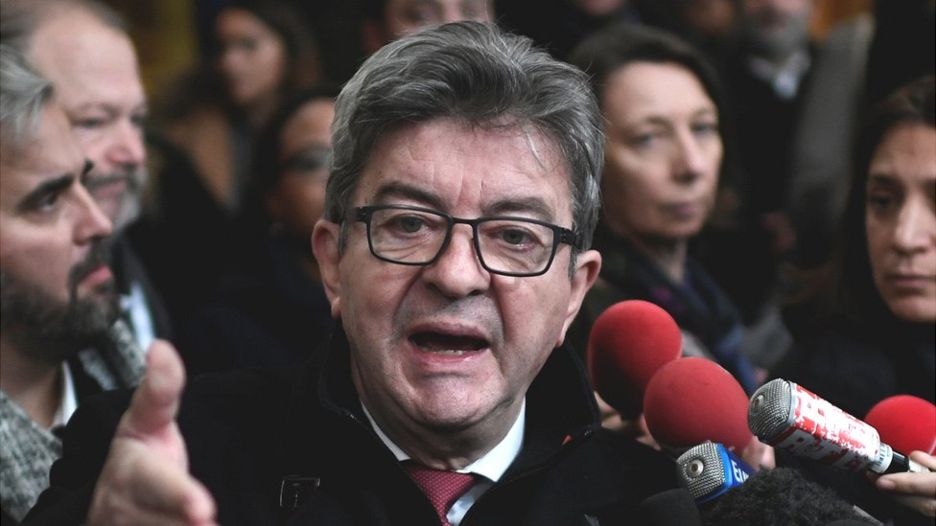 FRENCH FAR-LEFT LEADER MÉLENCHON SENTENCED FOR INTIMIDATION
Europe - EU
09.12.2019
FRENCH FAR-LEFT LEADER MÉLENCHON SENTENCED FOR INTIMIDATION
Europe - EU
09.12.2019
- FINLAND: SANNA MARIN TO BECOME WORLD'S YOUNGEST PRIME MINISTER Europe - EU 09.12.2019
- TURKMENISTAN, AUSTRIA HELD BUSINESS NEGOTIATIONS Central Asia 09.12.2019
-
25.01.2016
THE ARMENIAN QUESTION - BASIC KNOWLEDGE AND DOCUMENTATION -
12.06.2024
THE TRUTH WILL OUT -
27.03.2023
RADİKAL ERMENİ UNSURLARCA GERÇEKLEŞTİRİLEN MEZALİMLER VE VANDALİZM -
17.03.2023
PATRIOTISM PERVERTED -
23.02.2023
MEN ARE LIKE THAT -
03.02.2023
BAKÜ-TİFLİS-CEYHAN BORU HATTININ YAŞANAN TARİHİ -
16.12.2022
INTERNATIONAL SCHOLARS ON THE EVENTS OF 1915 -
07.12.2022
FAKE PHOTOS AND THE ARMENIAN PROPAGANDA -
07.12.2022
ERMENİ PROPAGANDASI VE SAHTE RESİMLER -
01.01.2022
A Letter From Japan - Strategically Mum: The Silence of the Armenians -
01.01.2022
Japonya'dan Bir Mektup - Stratejik Suskunluk: Ermenilerin Sessizliği -
03.06.2020
Anastas Mikoyan: Confessions of an Armenian Bolshevik -
08.04.2020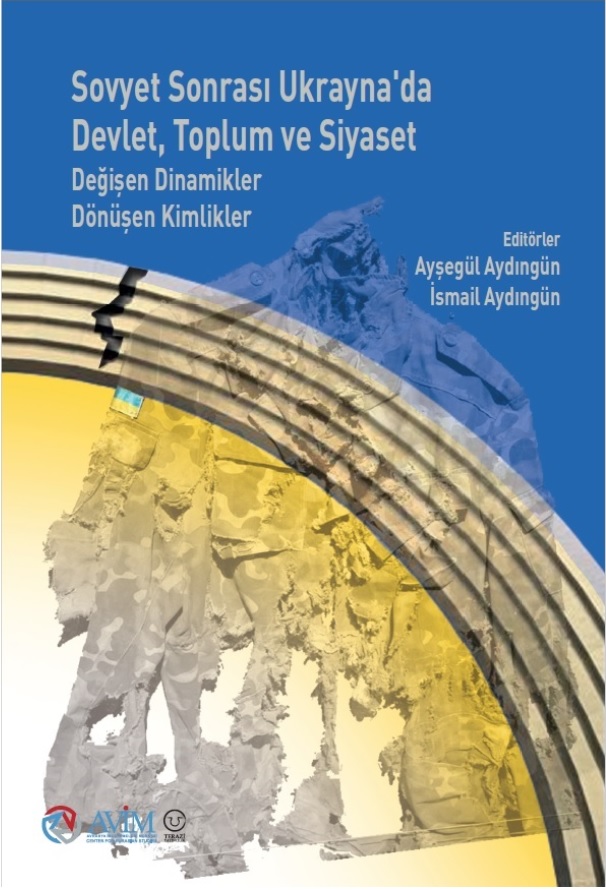
Sovyet Sonrası Ukrayna’da Devlet, Toplum ve Siyaset - Değişen Dinamikler, Dönüşen Kimlikler -
12.06.2018
Ermeni Sorunuyla İlgili İngiliz Belgeleri (1912-1923) - British Documents on Armenian Question (1912-1923) -
02.12.2016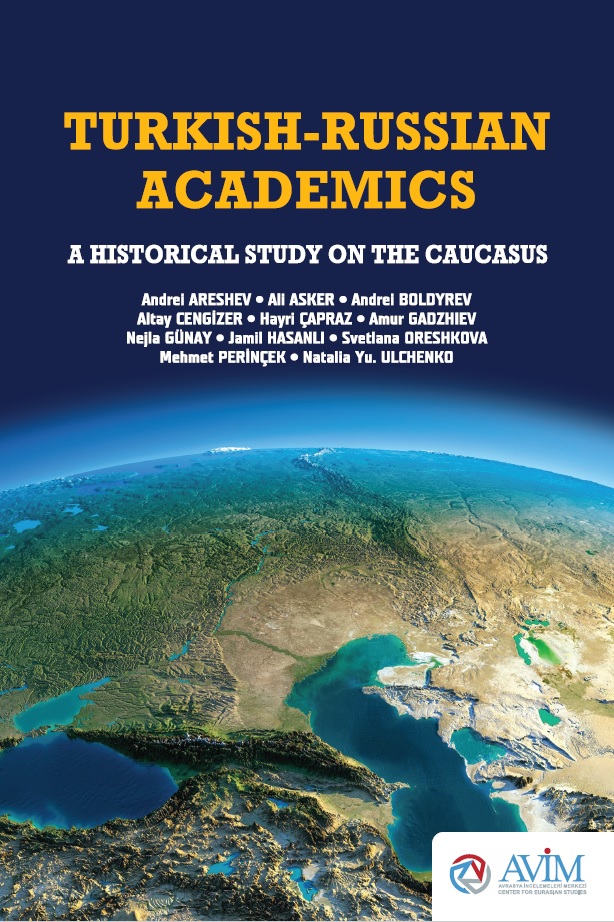
Turkish-Russian Academics: A Historical Study on the Caucasus -
01.07.2016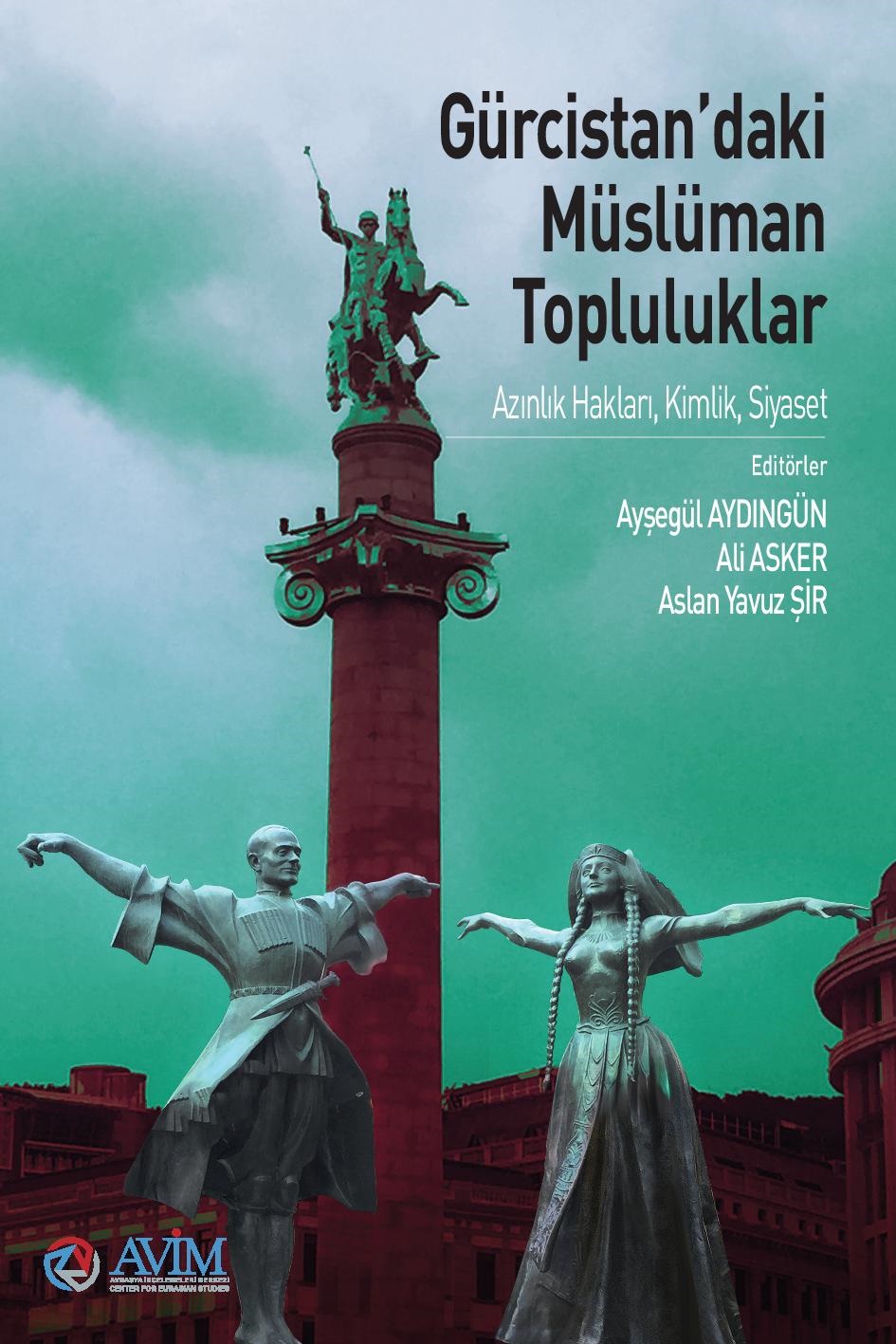
Gürcistan'daki Müslüman Topluluklar: Azınlık Hakları, Kimlik, Siyaset -
10.03.2016
Armenian Diaspora: Diaspora, State and the Imagination of the Republic of Armenia -
24.01.2016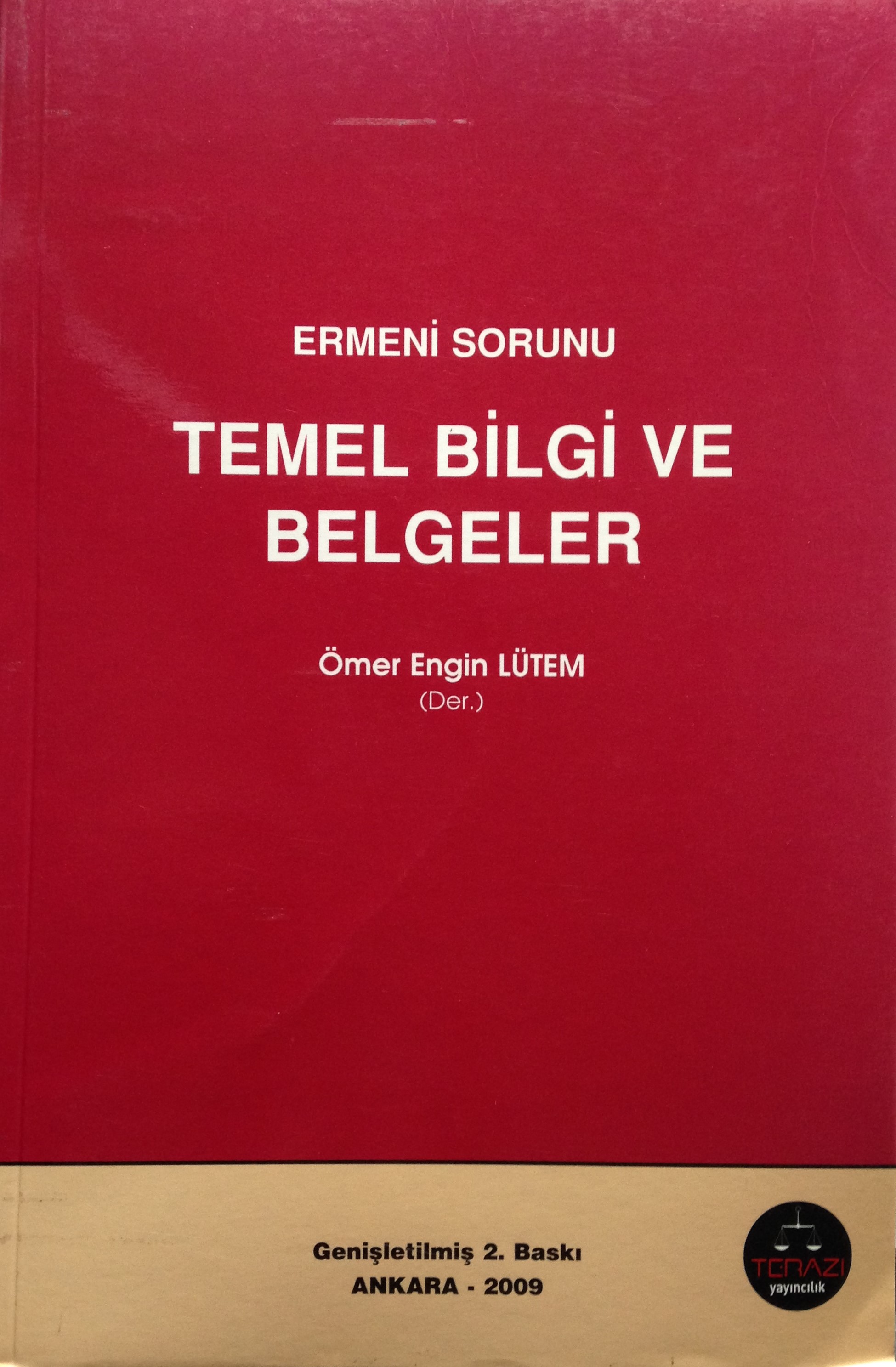
ERMENİ SORUNU - TEMEL BİLGİ VE BELGELER (2. BASKI)

-
AVİM Conference Hall 24.01.2023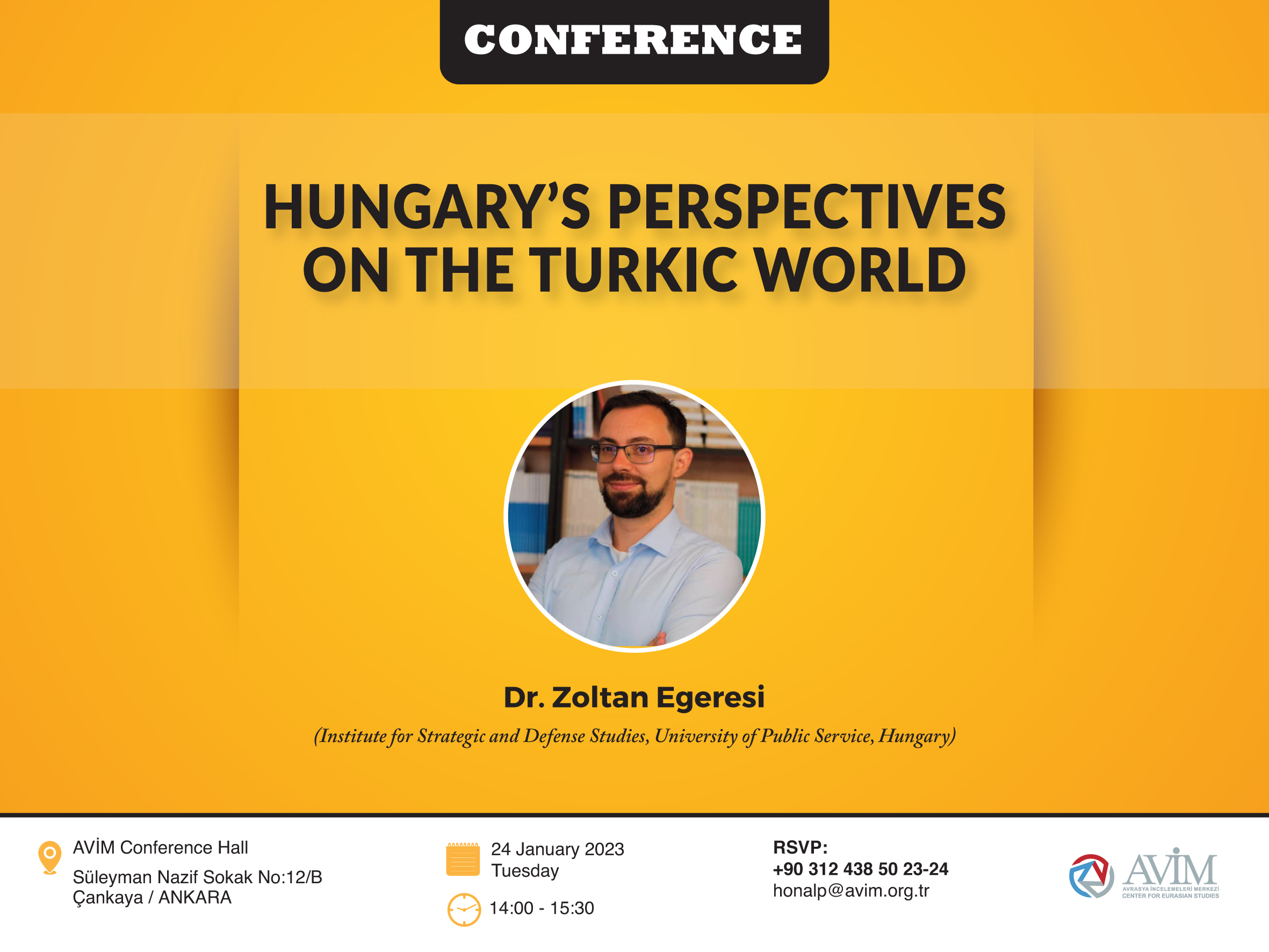
CONFERENCE TITLED “HUNGARY’S PERSPECTIVES ON THE TURKIC WORLD"