














EU Observer (6 December 2019)
Charles Michel, the former prime minister of Belgium has just started as president of the European Council, the EU institution which brings together the leaders of the 28 member states to collectively determine the EU's overall political agenda.
It overlaps with the start of the COP25 in Madrid; this is an interesting coincidence as the influence of fossil companies on the council will to a larger extent determine if the climate focus of the European Commission will succeed or not.
A group of civil society organisations led by the Alliance for Lobbying Transparency and Ethics Regulation is demanding that president Michel challenge the business-as-usual approach of the European Council.
Via an open letter, we have set Michel ten crucial challenges for his term in office to avoid corporate capture and boost ethics and transparency in EU policy making.
The European council is a strong magnet for major corporations and business lobby groups which have the ambition, resources, and networks to influence member state leaders and the presidency.
Michel must ensure that citizens' interests are prioritised over corporate interests throughout the agenda-setting and decision-making of the European Council.
Certain corporate sectors cause particular concern.
Big Tobacco
The EU is a signatory to Article 5.3 of the World Health Organisation's Framework Convention on Tobacco Control which requires that all official dealings with tobacco lobbyists should be kept to a minimum and all contacts should be fully transparent.
But these guidelines are not yet being fully implemented and Michel can play an important role here.
Meanwhile, as governments meet in Madrid for the COP25 climate talks, and even though the vast majority of known coal, oil and gas reserves must be left in the ground if we are to save the planet from climate crisis, alarmingly the fossil fuel industry continues to wield significant political influence across the EU.
And also other industries such as finance, tax avoidance, chemicals, pharmaceuticals, and the arms trade, have also repeatedly been shown to be too close to decision-makers, and have succeeded in weakening regulations and undermining public-interest policy-making.
It is urgent that the European council debates and implements practical measures to reduce the influence of these industries on both EU and national policy-making.
Here, Michel has the opportunity to lead by example.
He and his cabinet could start by adopting the Juncker Commission guideline to "seek to ensure an appropriate balance and representativeness in the stakeholders they meet".
This would involve strictly enforcing a balance between the number of meetings with corporate representatives and those representing public interests (including NGOs, trade unions, academic institutions).
Securing full lobby transparency and boosting ethics
Despite requests to do so, Donald Tusk, the outgoing president of the European council, refused to publish a full and detailed list of the meetings that he and his cabinet had held with lobbyists.
Michel must do things differently and ensure that the lobby transparency practised by his office is in line with the recent suggestions of the European Ombudsman.
He must also ensure that he and his cabinet commit to not meet with, nor attend events organised by, lobbyists who have not joined the EU lobby transparency register.
There is a further way in which the incoming European council president must get his own house in order.
Transparency register
Few people know that the code of conduct for the European council president is substantially weaker than the code of conduct for commissioners.
The notification period, lobby ban, and approval process are all notably weaker. The European council must at the minimum ensure that the president's code of conduct is brought into line with that of the European commission president.
Finally, the 28 member states have a profound responsibility to support a number of provisions to improve ethics and transparency within the EU:
1. The establishment of a strong and legally-binding lobby transparency register across the EU institutions
2. The radical reform of legislative transparency at the Council of the EU
3. Ensuring that president Ursula von der Leyen's proposal for an independent ethics body to operate across the EU institutions is as robust as possible.
While these are technically matters for its sister institution, the council of the EU, European council members and its president can nonetheless lead the way by showing ethical and practical leadership here.
The European council may only hit the headlines when its Brussels' summits run late into the night or when it is required to grant yet another Brexit extension.
However, given that the European council is the EU's primary agenda-setting institution, it deserves our attention and careful scrutiny – and as citizens we deserve its commitment to tackle corporate capture and boost transparency.
Disclaimer
The views expressed in this opinion piece are the author's, not those of EUobserver.
No comments yet.
- TURKMENISTAN, AUSTRIA HELD BUSINESS NEGOTIATIONS Central Asia 09.12.2019
-
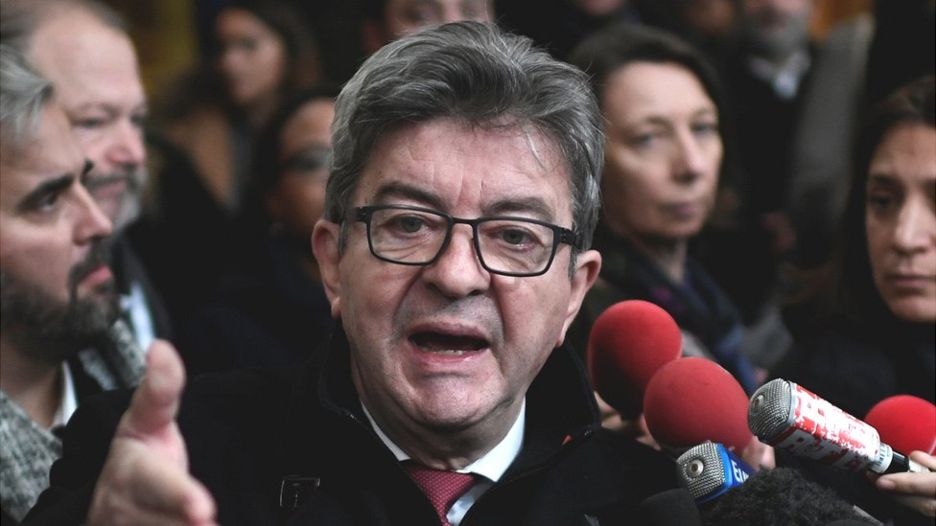 FRENCH FAR-LEFT LEADER MÉLENCHON SENTENCED FOR INTIMIDATION
Europe - EU
09.12.2019
FRENCH FAR-LEFT LEADER MÉLENCHON SENTENCED FOR INTIMIDATION
Europe - EU
09.12.2019
- RUSSIA'S PUTIN ACCUSES BULGARIA OF HOLDING UP TURKSTREAM PIPELINE The Balkans 09.12.2019
-
 KOSOVO SERB MP CONVICTED OF INCITING ETHNIC HATRED
The Balkans
09.12.2019
KOSOVO SERB MP CONVICTED OF INCITING ETHNIC HATRED
The Balkans
09.12.2019
-
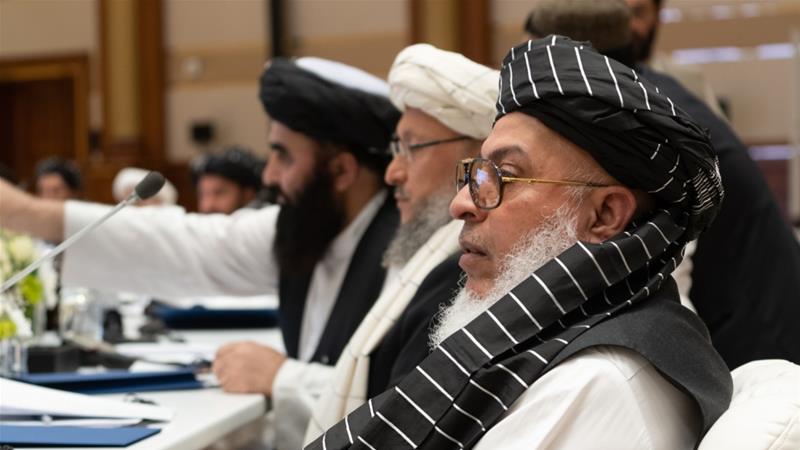 FIRST ROUND OF RESURRECTED US-TALIBAN PEACE TALKS OPEN IN QATAR
Asia - Pacific
09.12.2019
FIRST ROUND OF RESURRECTED US-TALIBAN PEACE TALKS OPEN IN QATAR
Asia - Pacific
09.12.2019
-
25.01.2016
THE ARMENIAN QUESTION - BASIC KNOWLEDGE AND DOCUMENTATION -
12.06.2024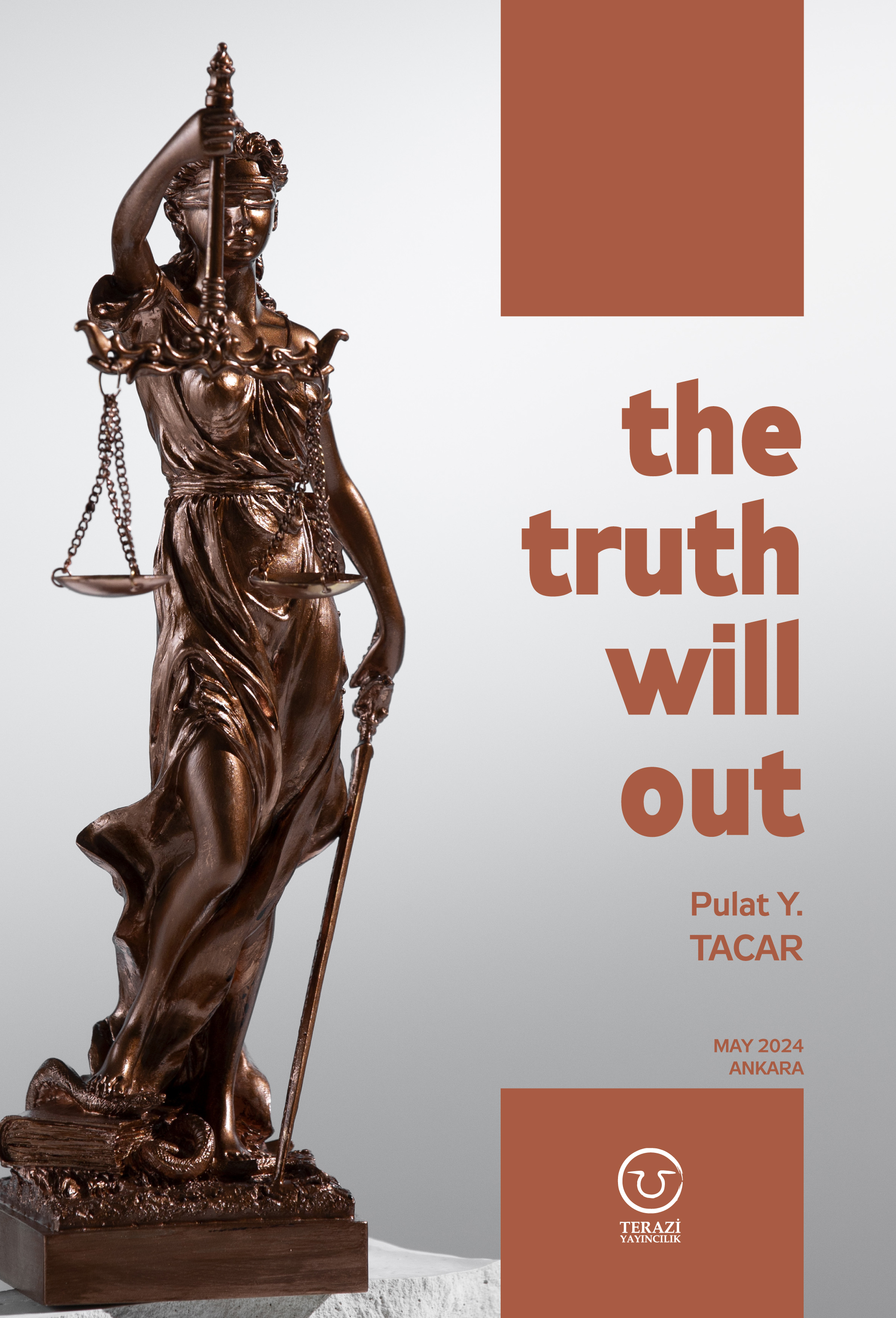
THE TRUTH WILL OUT -
27.03.2023
RADİKAL ERMENİ UNSURLARCA GERÇEKLEŞTİRİLEN MEZALİMLER VE VANDALİZM -
17.03.2023
PATRIOTISM PERVERTED -
23.02.2023
MEN ARE LIKE THAT -
03.02.2023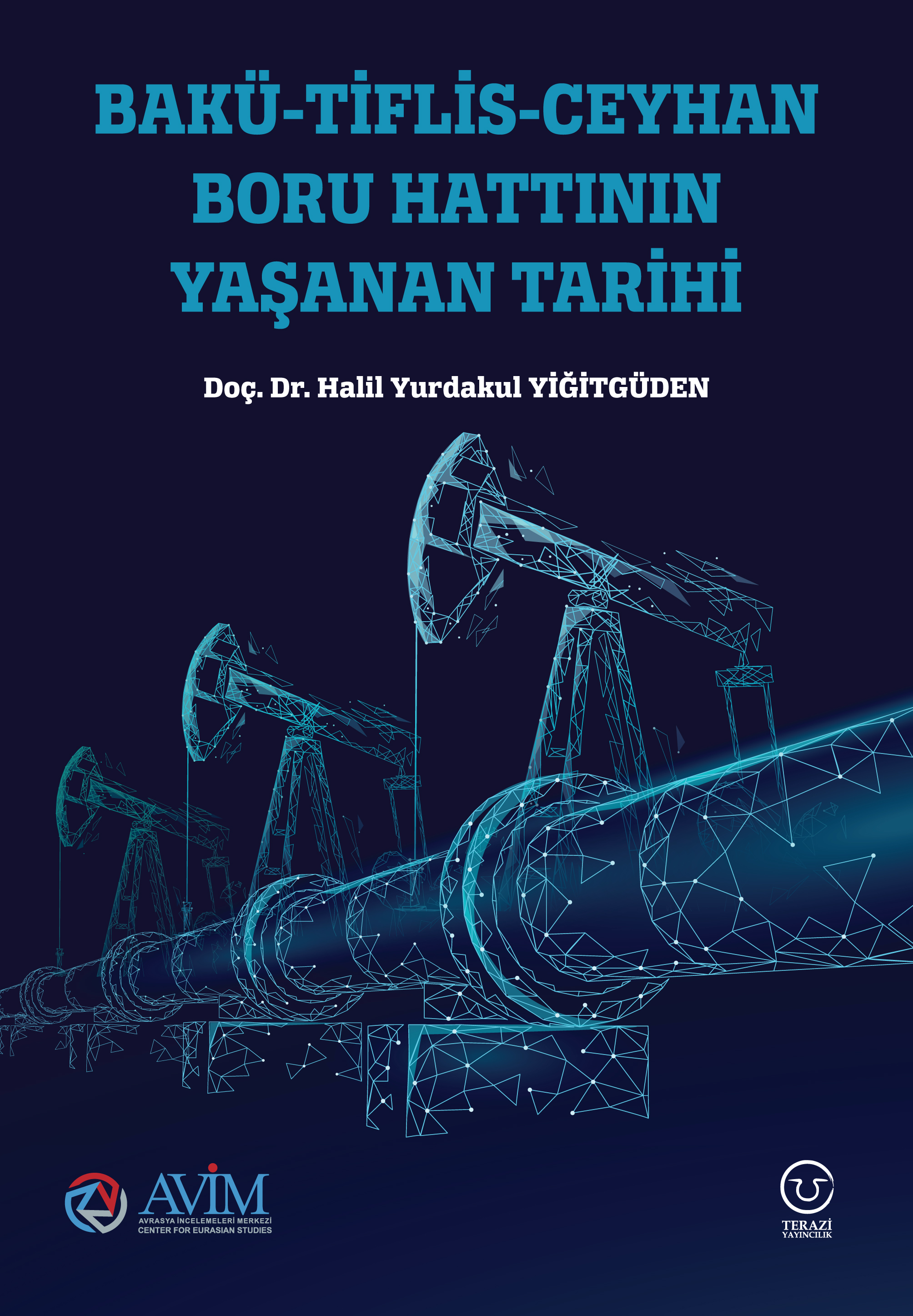
BAKÜ-TİFLİS-CEYHAN BORU HATTININ YAŞANAN TARİHİ -
16.12.2022
INTERNATIONAL SCHOLARS ON THE EVENTS OF 1915 -
07.12.2022
FAKE PHOTOS AND THE ARMENIAN PROPAGANDA -
07.12.2022
ERMENİ PROPAGANDASI VE SAHTE RESİMLER -
01.01.2022
A Letter From Japan - Strategically Mum: The Silence of the Armenians -
01.01.2022
Japonya'dan Bir Mektup - Stratejik Suskunluk: Ermenilerin Sessizliği -
03.06.2020
Anastas Mikoyan: Confessions of an Armenian Bolshevik -
08.04.2020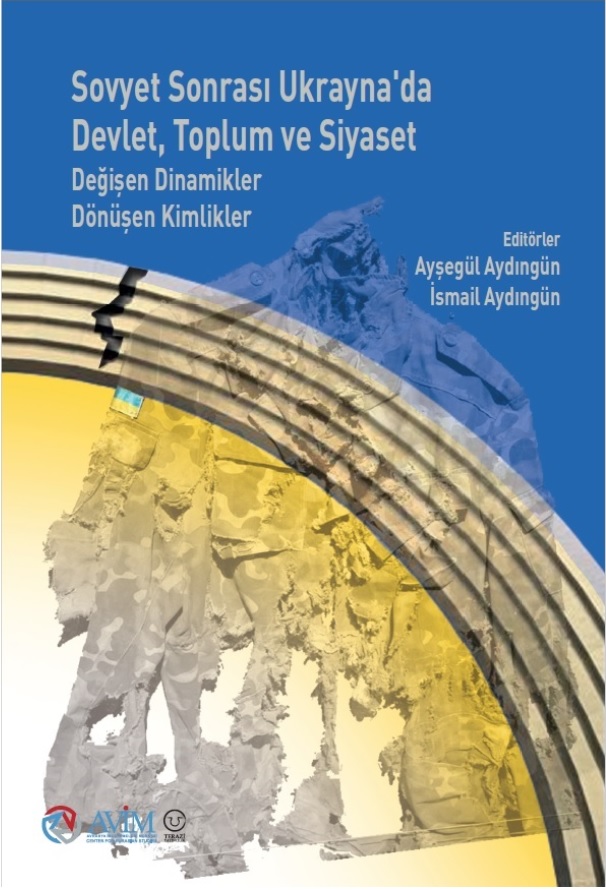
Sovyet Sonrası Ukrayna’da Devlet, Toplum ve Siyaset - Değişen Dinamikler, Dönüşen Kimlikler -
12.06.2018
Ermeni Sorunuyla İlgili İngiliz Belgeleri (1912-1923) - British Documents on Armenian Question (1912-1923) -
02.12.2016
Turkish-Russian Academics: A Historical Study on the Caucasus -
01.07.2016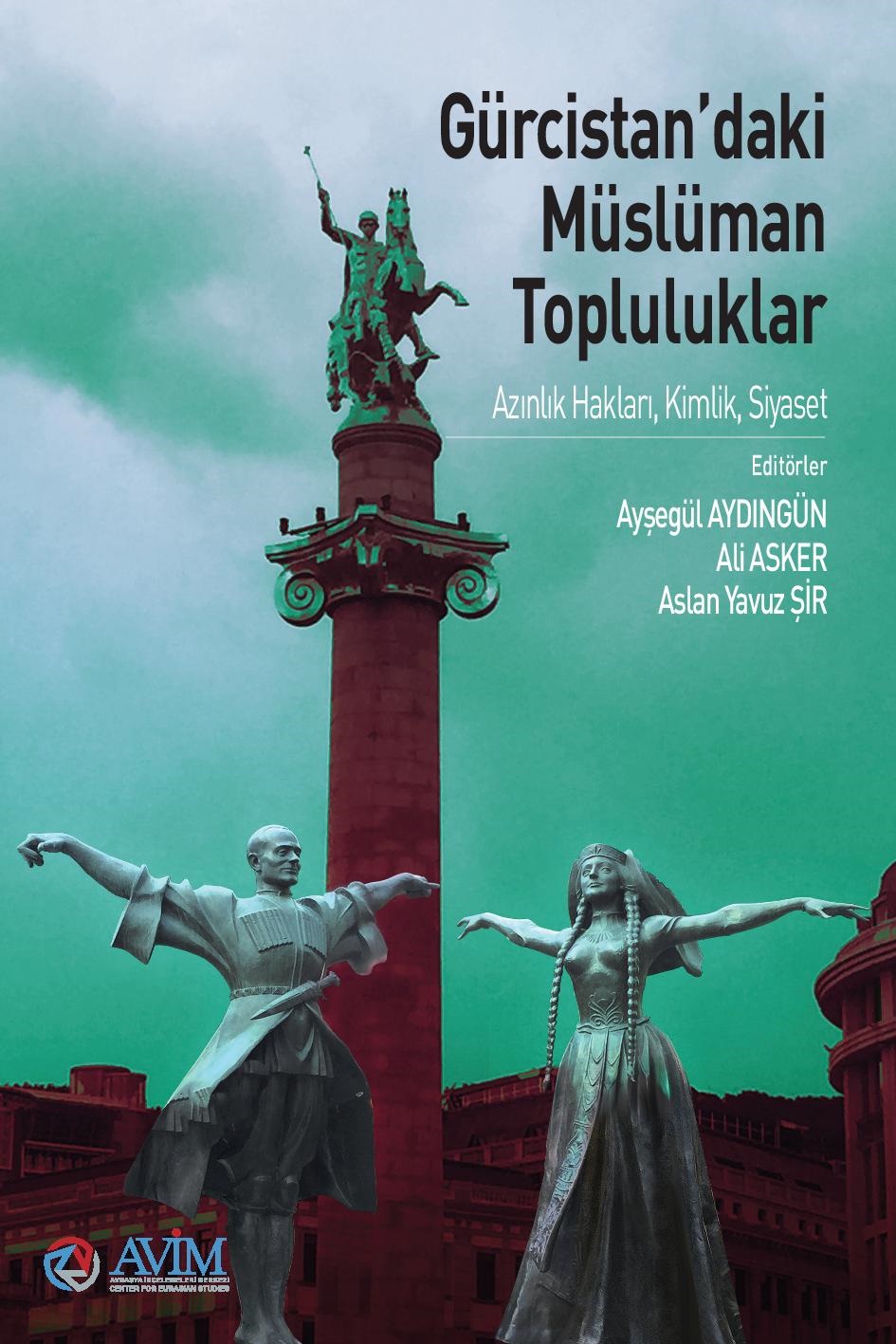
Gürcistan'daki Müslüman Topluluklar: Azınlık Hakları, Kimlik, Siyaset -
10.03.2016
Armenian Diaspora: Diaspora, State and the Imagination of the Republic of Armenia -
24.01.2016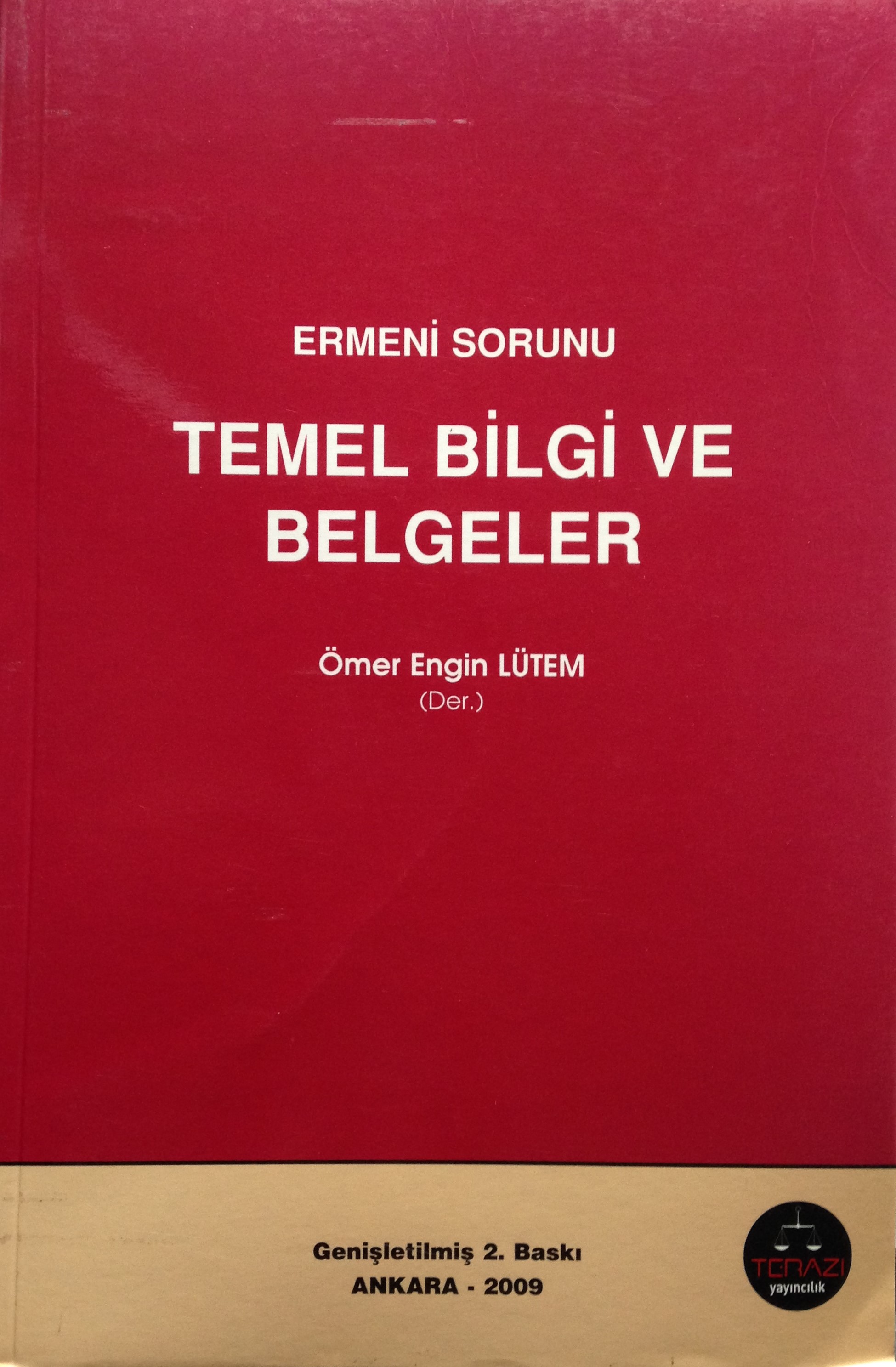
ERMENİ SORUNU - TEMEL BİLGİ VE BELGELER (2. BASKI)
-
AVİM Conference Hall 24.01.2023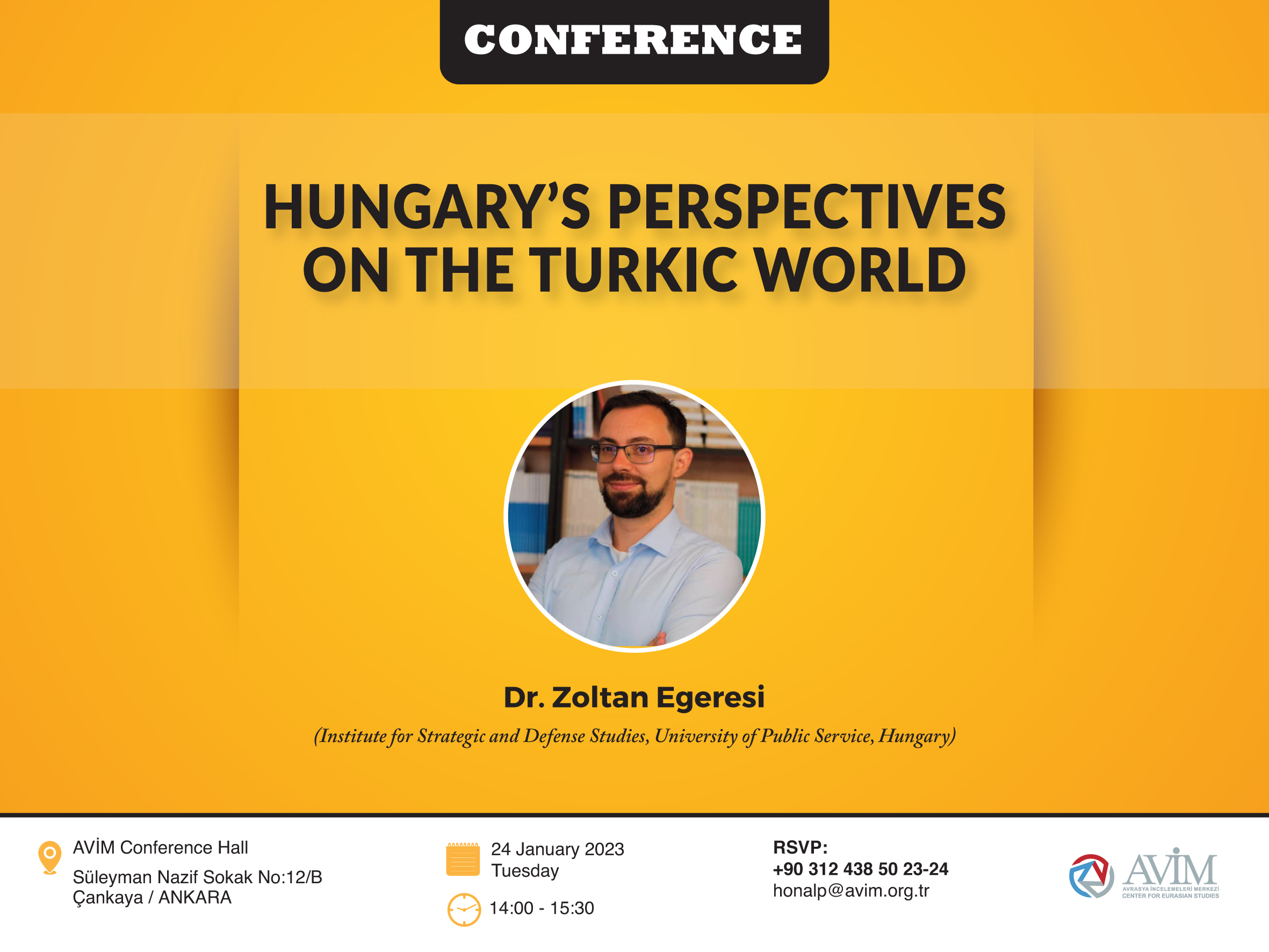
CONFERENCE TITLED “HUNGARY’S PERSPECTIVES ON THE TURKIC WORLD"