

















Defense News, January 23, 2018
Vivek Raghuvanshi
India’s ongoing negotiations with Russia for the $5 billion-plus purchase of five S-400 Triumf long-range surface-to-air missile systems are in deadlock yet again.
Indian Ministry of Defence officials, top brass with Russian arms export agency Rosoboronexport, and Almaz-Antey, the original equipment manufacturer and designer, have failed to reach a settlement on the price, training, service support and transfer of technology of the missiles, a top MoD official said.
“Russia is demanding $5.5 billion for the five [S-400] units, very high training fee and refusing to give technology transfer of three types of guided missiles,” the official said, adding that no plan has yet been offered for service and a spares-support package.
Another MoD official said the final contract is not going to be signed anytime soon, and India will not pay more than $4.5 billion for the systems. He noted that the deal would incorporate a Make in India economic policy in regard to the manufacturing of spares, the guided missiles and a life-time service support package.
Rosoboronexport executives were unavailable for comment.
India and Russia signed an intergovernmental agreement on the sale of the S-400 systems during a bilateral summit in October 2016 in Goa, India, in the presence of Russian President Vladimir Putin and Indian Prime Minister Narendra Modi.
The MoD’s apex procurement body, the Defence Acquisition Council, approved in December 2015 the purchase of five S-400s at a cost of about $4.5 billion.
“The service has already carried out two separate rounds of trails in Russia last year, but our air defense personnel have to undergo robust training to successfully operate S-400 Triumf systems before they are inducted,” a senior Indian Air Force official said.
The Russian-built S-400 systems are capable of intercepting and destroying airborne targets at a distance of up to 400 kilometers (250 miles) and can simultaneously engage up to six targets. Each S-400 comprises tracking and search radar systems, eight launchers, 112 guided missiles, and command and support vehicles.
Another Air Force official said the S-400s will help the service counter ballistic missiles and target stealth aircraft. He added that the system would have three types of guided missiles. He also asserted that an India-owned S-400 would easily overpower Pakistan’s air defense capabilities and prove a match against China’s strategic assets.
India will be the second customer after China to acquire S-400 systems from Russia.
India is currently developing and testing is ballistic missile defense grid that is essentially an anti-missile system. The grids includes indigenously developed Prithvi Air Defence for high-altitude interception (above 75 kilometers) and Advanced Air Defence for low-altitude interception (below 15 kilometers).
In addition, India is developing medium-range surface-to-air missile systems reportedly capable of taking out an incoming missile with its range of more than 70 kilometers.
The state-owned Defence Research and Development Organization is also in talks with Israeli defense companies to develop an anti-cruise missile system, but there are currently no details available.
India is also seeking to develop and acquire systems that can counter ballistic missiles and cover a 2,000- to 5,000-kilometer range.
No comments yet.
- JAGLAND: ARMENIA GOT A NEW CONSTITUTION WITH OUR ASSISTANCE The Caucasus and Turkish-Armenian Relations 24.01.2018
- IS AMERICA PREPARING FOR CONFLICT WITH CHINA? Asia - Pacific 24.01.2018
-
 LESSONS FOR EU FROM THE GREEK TRAGEDY
Europe - EU
24.01.2018
LESSONS FOR EU FROM THE GREEK TRAGEDY
Europe - EU
24.01.2018
- EU'S ENERGY PROJECT LIST DENOUNCED BY UNIMPRESSED MEPS Europe - EU 24.01.2018
- AUSTRIA'S STRABAG FILES COMPLAINT WITH CROATIA OVER BRIDGE TENDER The Balkans 24.01.2018
-
25.01.2016
THE ARMENIAN QUESTION - BASIC KNOWLEDGE AND DOCUMENTATION -
12.06.2024
THE TRUTH WILL OUT -
27.03.2023
RADİKAL ERMENİ UNSURLARCA GERÇEKLEŞTİRİLEN MEZALİMLER VE VANDALİZM -
17.03.2023
PATRIOTISM PERVERTED -
23.02.2023
MEN ARE LIKE THAT -
03.02.2023
BAKÜ-TİFLİS-CEYHAN BORU HATTININ YAŞANAN TARİHİ -
16.12.2022
INTERNATIONAL SCHOLARS ON THE EVENTS OF 1915 -
07.12.2022
FAKE PHOTOS AND THE ARMENIAN PROPAGANDA -
07.12.2022
ERMENİ PROPAGANDASI VE SAHTE RESİMLER -
01.01.2022
A Letter From Japan - Strategically Mum: The Silence of the Armenians -
01.01.2022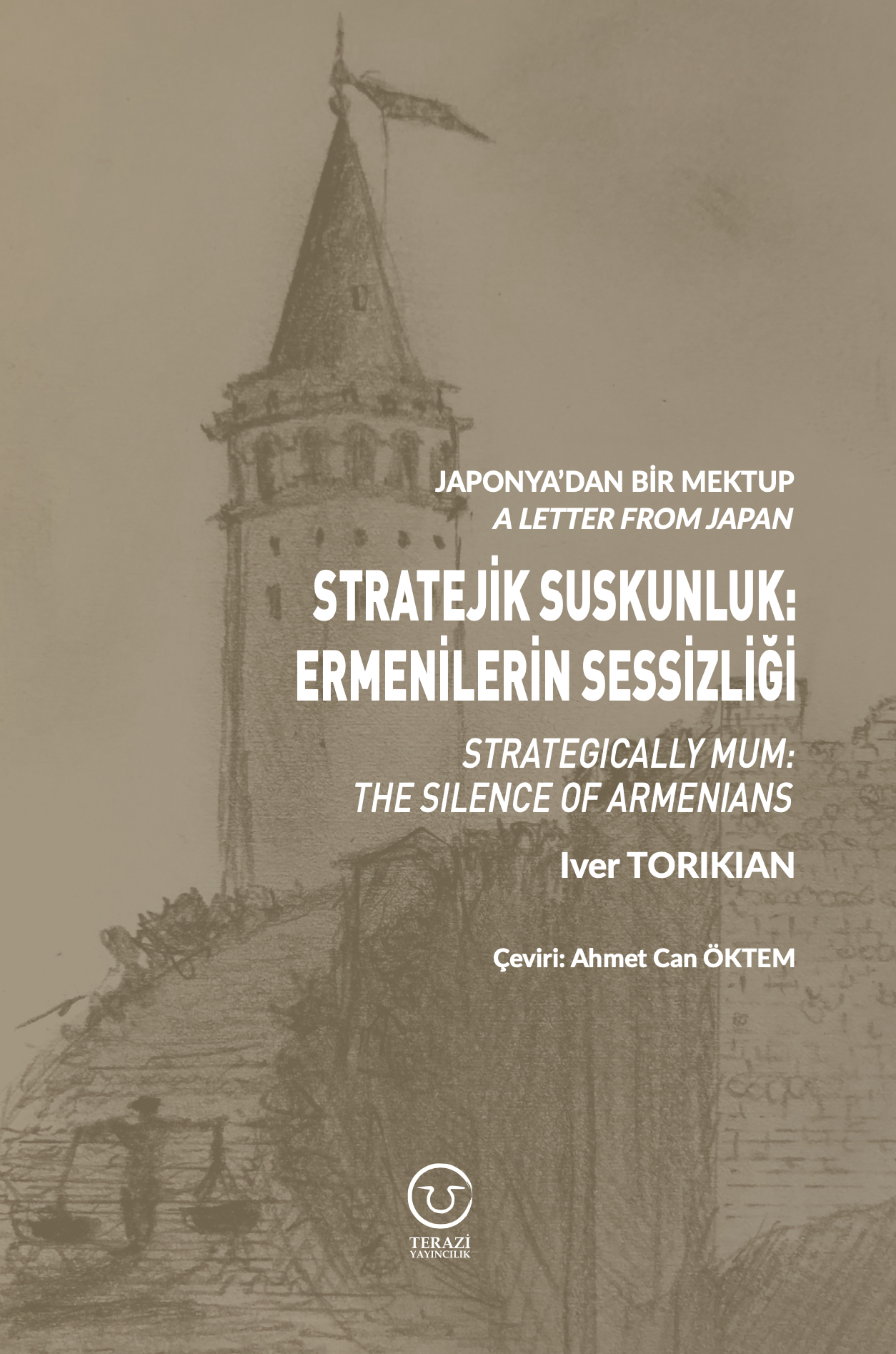
Japonya'dan Bir Mektup - Stratejik Suskunluk: Ermenilerin Sessizliği -
03.06.2020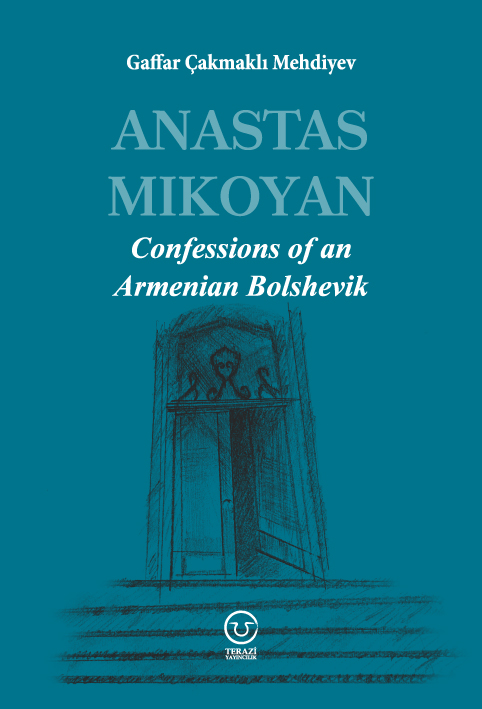
Anastas Mikoyan: Confessions of an Armenian Bolshevik -
08.04.2020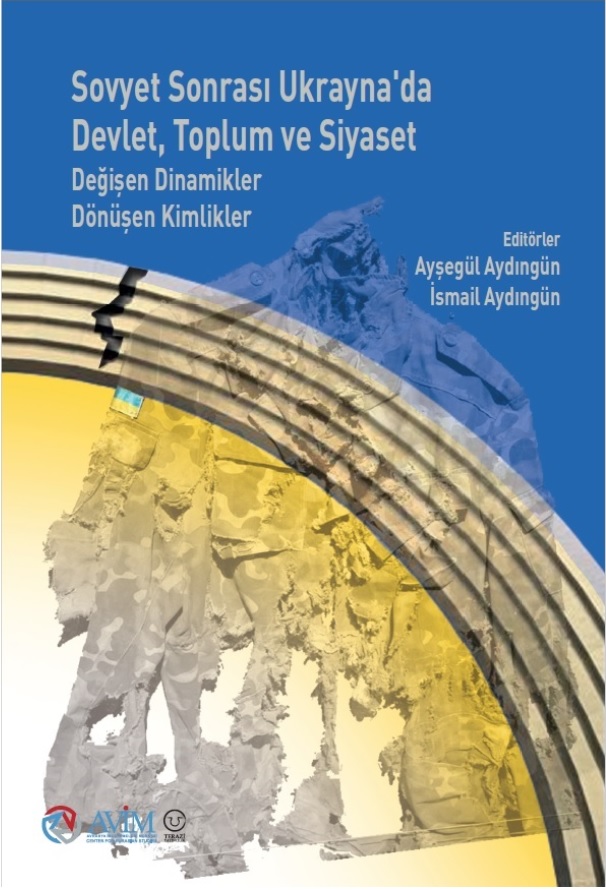
Sovyet Sonrası Ukrayna’da Devlet, Toplum ve Siyaset - Değişen Dinamikler, Dönüşen Kimlikler -
12.06.2018
Ermeni Sorunuyla İlgili İngiliz Belgeleri (1912-1923) - British Documents on Armenian Question (1912-1923) -
02.12.2016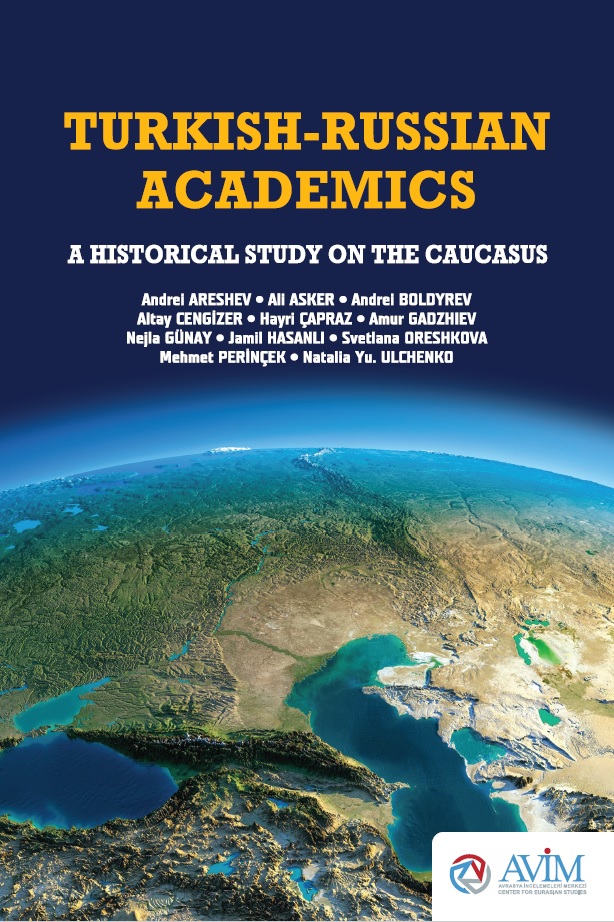
Turkish-Russian Academics: A Historical Study on the Caucasus -
01.07.2016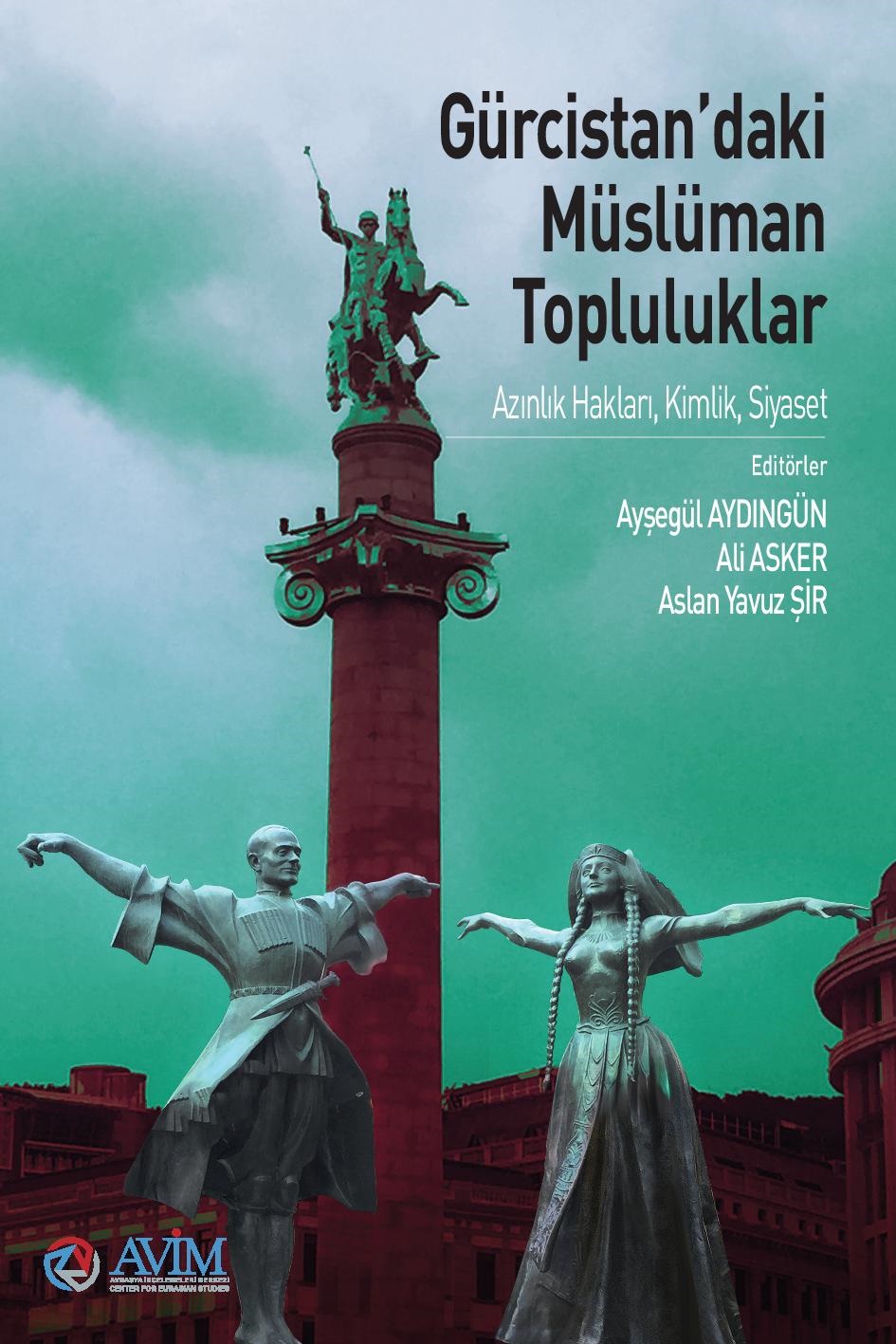
Gürcistan'daki Müslüman Topluluklar: Azınlık Hakları, Kimlik, Siyaset -
10.03.2016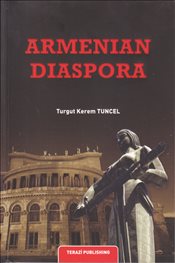
Armenian Diaspora: Diaspora, State and the Imagination of the Republic of Armenia -
24.01.2016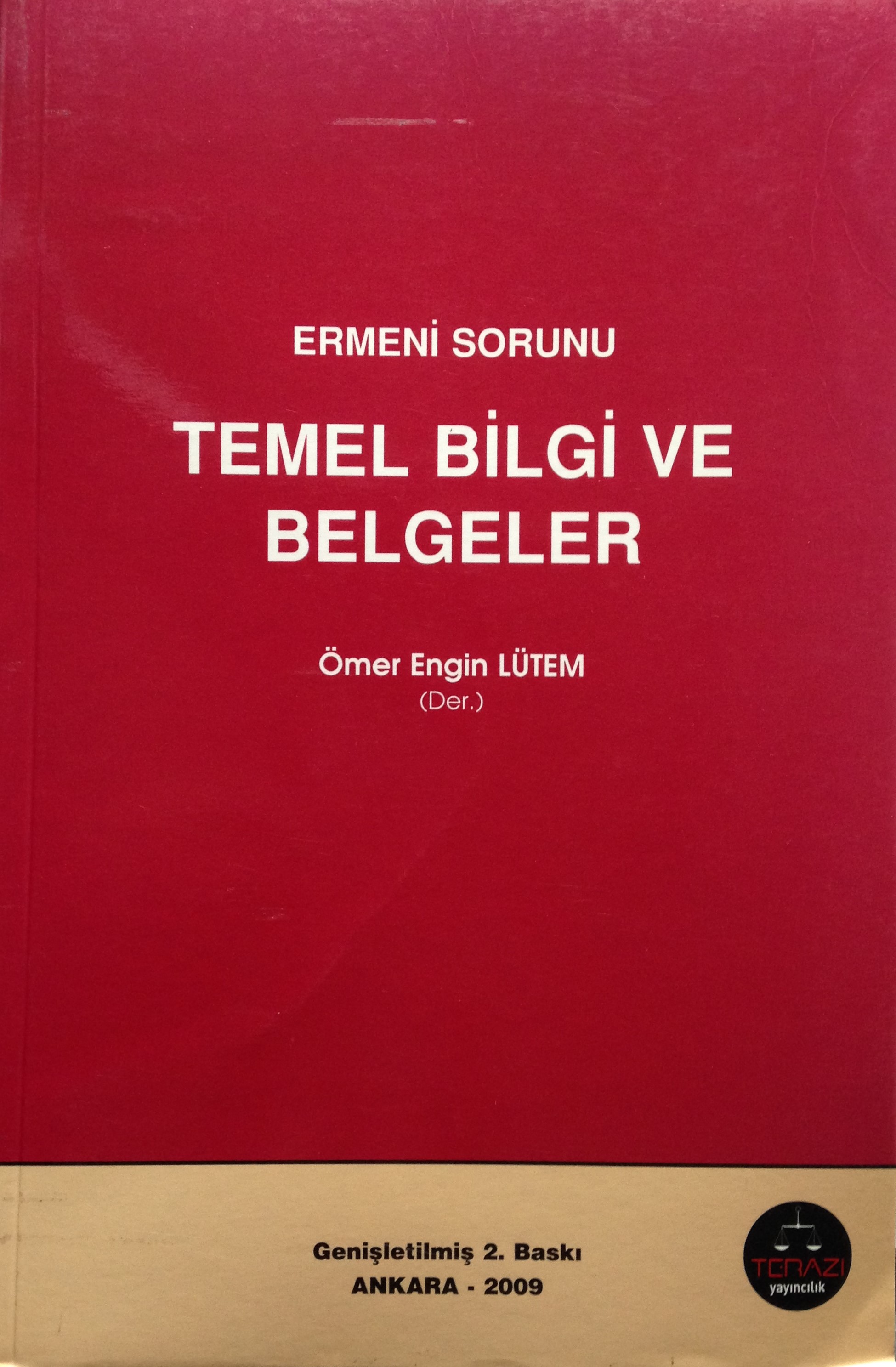
ERMENİ SORUNU - TEMEL BİLGİ VE BELGELER (2. BASKI)


-
AVİM Conference Hall 24.01.2023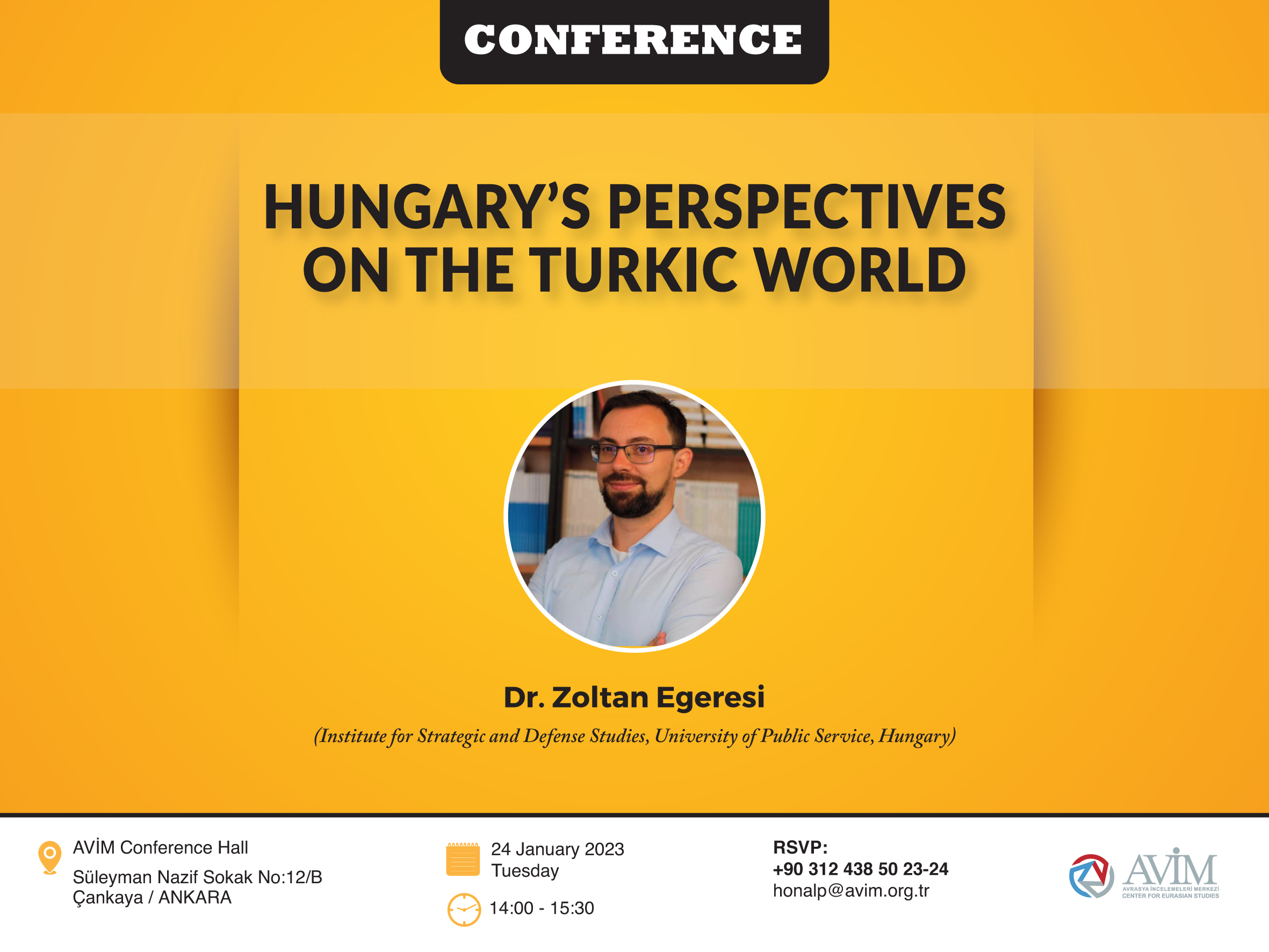
CONFERENCE TITLED “HUNGARY’S PERSPECTIVES ON THE TURKIC WORLD"