

















13.07.2016
EU Observer
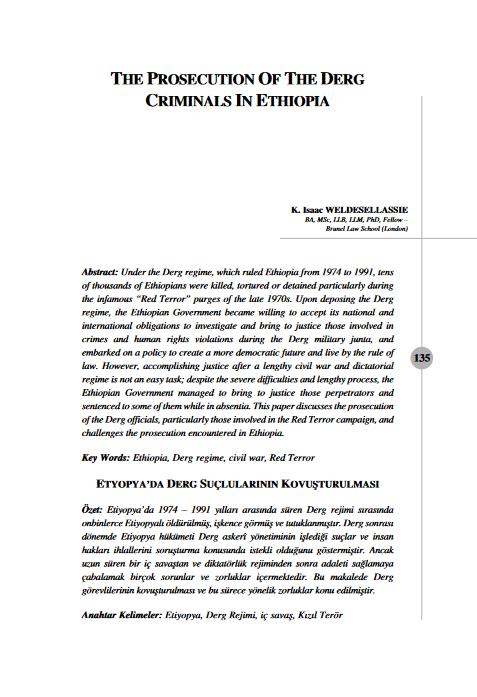
The International Monetary Fund (IMF) has urged France and Italy to continue reforms to boost their fragile economic growth.
In its annual reports on the two countries published on Monday and Tuesday (11-12 July), the IMF also warned that they could be hit by the consequences of Brexit.
"This risk has now materialised," the IMF says about the risk for Italy of the UK's exit from the EU.
The fund noted that, since the 23 June British referendum, Italy's main stock index has fallen by 9 percent and bank equity prices declined by about 25 percent.
For France, the IMF notes that "the risks to the outlook are now firmly on the downside, with much higher uncertainty around financial conditions and political developments in Europe".
Like other EU economies, France's could be affected "through trade, financial, and confidence channels", the IMF said, pointing at risks for French exports to the UK and other EU countries.
France and Italy, which are two of Europe's main economies but also two of its most problematic countries, still have major effort to make to secure their future, the Washington-based institution says.
In France, the recovery is "solidifying", with 1.5 percent growth this year and 1.25 percent forecasted for 2017 - down from 1.5 percent because of uncertainties related to the Brexit vote.
But to the IMF, the "key obstacle" to growth remains the labour market, with an unemployment rate of around 10 percent.
The fund pointed out "two central policy challenges" - the creation of jobs and the sustainability of public finances.
While the European Commission gave France until the end of 2017 to reduce its deficit under 3 percent of GDP, the fund notes that "structural fiscal adjustment is slowing to near zero this year" and that public debt is growing.
In Italy, the economy was ”recovering gradually from a deep and protracted recession", the IMF said.
But it added that "productivity and investment growth are low; the unemployment rate remains above 11 percent … bank balance sheets are strained by very high NPLs [non-performing loans, which are not repaid to banks] and lengthy judicial processes".
It also pointed out that Italy's debt is now around 133 percent of the GDP and that it "limits the fiscal space to respond to shocks".
Because of these internal problems and the consequences of the Brexit vote, the fund has lowered its growth forecasts for Italy, from 1.1 percent to 1 percent this year and from 1.25 percent to 1 percent in 2017.
For Italy, it said, it is "imperative"' reforms are "fully carried out and deepened".
https://euobserver.com/economic/134321
No comments yet.
- ISIS BLOWS UP FIVE OIL WELLS IN IRAQ Iraq 13.07.2016
- IN BERLIN, REFUGEE ORGANIZATIONS BEMOAN "FAILURE OF GOVERNMENTS" Europe - EU 13.07.2016
- LAVROV: TALKS HELD IN BAKU ON KARABAKH CONFLICT TO ALLOW MOVING FORWARD The Caucasus and Turkish-Armenian Relations 13.07.2016
- ARMENIA TRYING TO PREVENT PROGRESS IN KARABAKH CONFLICT SETTLEMENT TALKS The Caucasus and Turkish-Armenian Relations 13.07.2016
- TURKMENISTAN EYES POSSIBILITY OF EXPORTING ELECTRICITY TO PAKISTAN, TAJIKISTAN Asia - Pacific 13.07.2016
-
25.01.2016
THE ARMENIAN QUESTION - BASIC KNOWLEDGE AND DOCUMENTATION -
12.06.2024
THE TRUTH WILL OUT -
27.03.2023
RADİKAL ERMENİ UNSURLARCA GERÇEKLEŞTİRİLEN MEZALİMLER VE VANDALİZM -
17.03.2023
PATRIOTISM PERVERTED -
23.02.2023
MEN ARE LIKE THAT -
03.02.2023
BAKÜ-TİFLİS-CEYHAN BORU HATTININ YAŞANAN TARİHİ -
16.12.2022
INTERNATIONAL SCHOLARS ON THE EVENTS OF 1915 -
07.12.2022
FAKE PHOTOS AND THE ARMENIAN PROPAGANDA -
07.12.2022
ERMENİ PROPAGANDASI VE SAHTE RESİMLER -
01.01.2022
A Letter From Japan - Strategically Mum: The Silence of the Armenians -
01.01.2022
Japonya'dan Bir Mektup - Stratejik Suskunluk: Ermenilerin Sessizliği -
03.06.2020
Anastas Mikoyan: Confessions of an Armenian Bolshevik -
08.04.2020
Sovyet Sonrası Ukrayna’da Devlet, Toplum ve Siyaset - Değişen Dinamikler, Dönüşen Kimlikler -
12.06.2018
Ermeni Sorunuyla İlgili İngiliz Belgeleri (1912-1923) - British Documents on Armenian Question (1912-1923) -
02.12.2016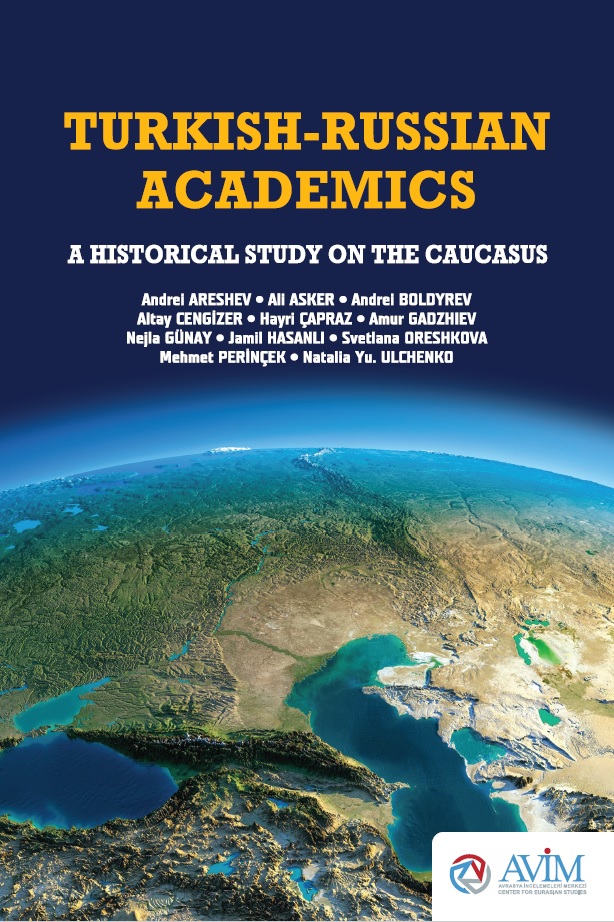
Turkish-Russian Academics: A Historical Study on the Caucasus -
01.07.2016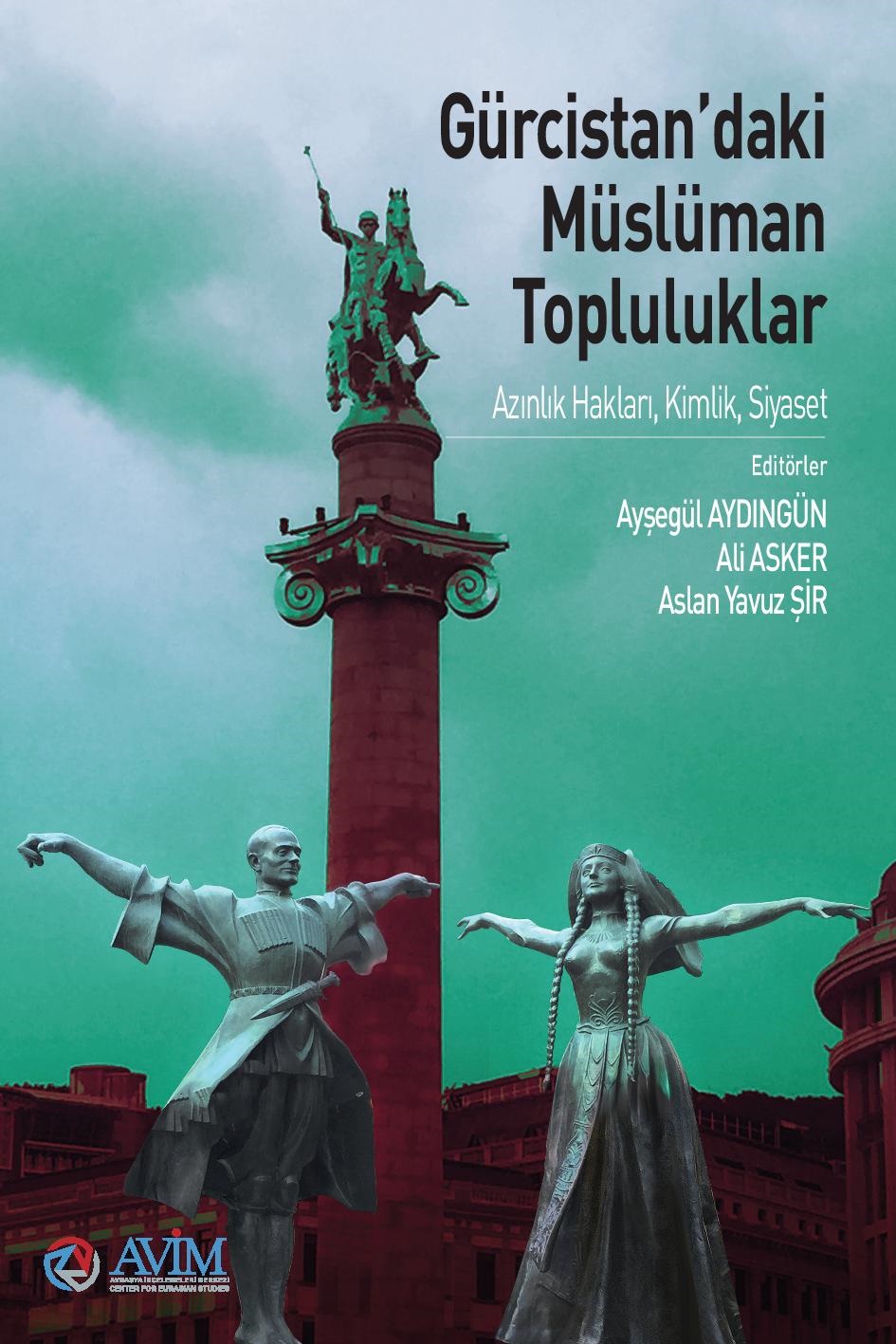
Gürcistan'daki Müslüman Topluluklar: Azınlık Hakları, Kimlik, Siyaset -
10.03.2016
Armenian Diaspora: Diaspora, State and the Imagination of the Republic of Armenia -
24.01.2016
ERMENİ SORUNU - TEMEL BİLGİ VE BELGELER (2. BASKI)

-
AVİM Conference Hall 24.01.2023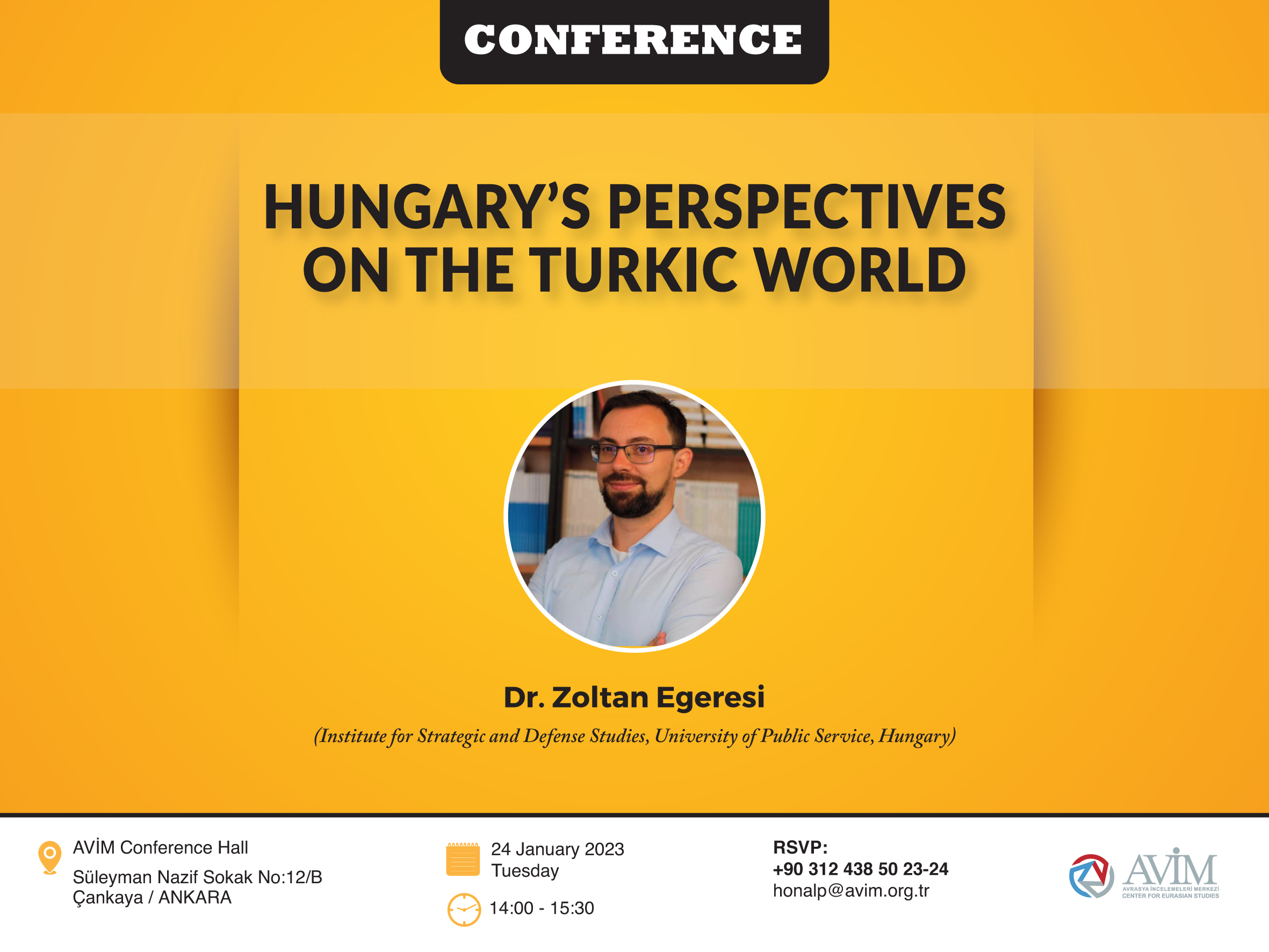
CONFERENCE TITLED “HUNGARY’S PERSPECTIVES ON THE TURKIC WORLD"