

















12.07.2016
DW
Most EU governments have failed to share responsibility in the refugee crisis - and done too little to counter xenophobia, in a crisis that "won't be going away anytime soon," according to leading aid agencies.
Villa Borsig, Germany's picturesque guesthouse surrounded by pristine lawns overlooking a normally tranquil lake, was bustling with police vans and motorbikes on Tuesday morning: Inside, representatives of international aid organizations had gathered to discuss ways out of the current refugee crisis, which, participants agreed, wasn't going to go away anytime soon.
According to UN estimates, more than 65 million people - more than ever before - have fled their homes, many of them children. "Forced migration will remain a megatrend of our time," William Swing, Director General of the International Organization for Migration (IOM), told journalists gathered inside one of the villa's opulent rooms.
But, Swing said, the world was not dealing with a crisis of migration, but rather "a crisis of union and leadership."
"Disgrace" that European governments aren't stepping up
While Germany under Chancellor Angela Merkel had taken the "courageous and visionary decision" to open its borders to those fleeing the turmoil and war in the Middle East, he continued, most European governments had failed to follow her lead. Worse still: They had failed to counter an "unprecedented anti-refugee xenophobia".
Peter Sutherland agreed: It was an "absolute disgrace," the United Nations Special Representative for International Migration said, that the Pope had brought in more refugees on a plane from a Lesbos than the majority of European countries. Rather than sharing the responsibility and taking in migrants, many European governments "are playing up the nationalist card", he added, referring thesurge of anti-refugee sentiment in many European countries, which has boosted populist parties across the continent.
Governments had to understand, Swing added, that large-scale migration was "highly desirable if we have the right policies in place." After all, Europe, given its low birth rates, would in the near future need at some ten million workers, the EU's Commissioner for Migration, Dimitris Avramopoulos said.
"The international community has to agree on how to steer migration," German Foreign Minister Frank-Walter Steinmeier added.
Global database to be set up in Berlin
As a first step, the representatives agreed to set up a global database to better understand and address the movement of refugees and migrants. The database will be established at the German office of the IOM and receive funding from the German government, according to Steinmeier.
Participants, who included representatives of the United Nations refugee aid agency UNHCR, the IOM as well as the Red Cross and Red Crescent, also agreed to cooperate better in the field of targeted information campaigns in the refugees' countries of origin, such as Afghanistan.
The German government, Steinmeier explained, had made "positive experiences" with such campaigns, which target groups of people considered most likely to migrate via social and traditional media. The aim, Steinmeier explained, was to try to counter their "misconceptions" about life in Europe and warn them of the dangers of embarking upon an illegal route.
Participants also agreed on the need to establish regular channels of resettlements, while at the same time calling on countries to "fully respect their obligation under international law to readmit their own nationals."
Calls for more private sector involvement
Germany has in the past struggled to repatriate rejected asylum seekers to such countries as Algeria and Morocco, which have often dragged their feet when it comes to issuing travel passes to their often undocumented citizens.
The representatives also called on the private sector to do more to integrate refugees and migrants: Jobs and employment, they agreed, were important factors for integration. But so far, "business is not doing enough", Peter Sutherland said.
It was also important, Steinmeier added, that migrants learned valuable skills they could put to use once they returned home.
But, he said, “we're not here to tell you that we're close to solving the problem." Rather, he added, "the challenges are likely to grow.”
http://www.dw.com/en/in-berlin-refugee-organizations-bemoan-failure-of-governments/a-19395266
No comments yet.
- RELATIONSHIP WITH RUSSIA "BIGGEST CHALLENGE FOR SERBIA" The Balkans 13.07.2016
- RUSSIA CONSIDERS NUCLEAR AIRCRAFT CARRIER DEAL WITH INDIA AMID GROWING RELATIONS Asia - Pacific 13.07.2016
- IRAQ: THE STRUGGLE BETWEEN PAST AND PRESENT Iraq 13.07.2016
- BULGARIA'S LEFT-WING PARTIES TO JOIN FORCES FOR PRESIDENTIAL VOTE The Balkans 13.07.2016
- IRAQ: DEATHS IN CAR BOMB ATTACK ON MARKET NEAR BAGHDAD Iraq 13.07.2016
-
25.01.2016
THE ARMENIAN QUESTION - BASIC KNOWLEDGE AND DOCUMENTATION -
12.06.2024
THE TRUTH WILL OUT -
27.03.2023
RADİKAL ERMENİ UNSURLARCA GERÇEKLEŞTİRİLEN MEZALİMLER VE VANDALİZM -
17.03.2023
PATRIOTISM PERVERTED -
23.02.2023
MEN ARE LIKE THAT -
03.02.2023
BAKÜ-TİFLİS-CEYHAN BORU HATTININ YAŞANAN TARİHİ -
16.12.2022
INTERNATIONAL SCHOLARS ON THE EVENTS OF 1915 -
07.12.2022
FAKE PHOTOS AND THE ARMENIAN PROPAGANDA -
07.12.2022
ERMENİ PROPAGANDASI VE SAHTE RESİMLER -
01.01.2022
A Letter From Japan - Strategically Mum: The Silence of the Armenians -
01.01.2022
Japonya'dan Bir Mektup - Stratejik Suskunluk: Ermenilerin Sessizliği -
03.06.2020
Anastas Mikoyan: Confessions of an Armenian Bolshevik -
08.04.2020
Sovyet Sonrası Ukrayna’da Devlet, Toplum ve Siyaset - Değişen Dinamikler, Dönüşen Kimlikler -
12.06.2018
Ermeni Sorunuyla İlgili İngiliz Belgeleri (1912-1923) - British Documents on Armenian Question (1912-1923) -
02.12.2016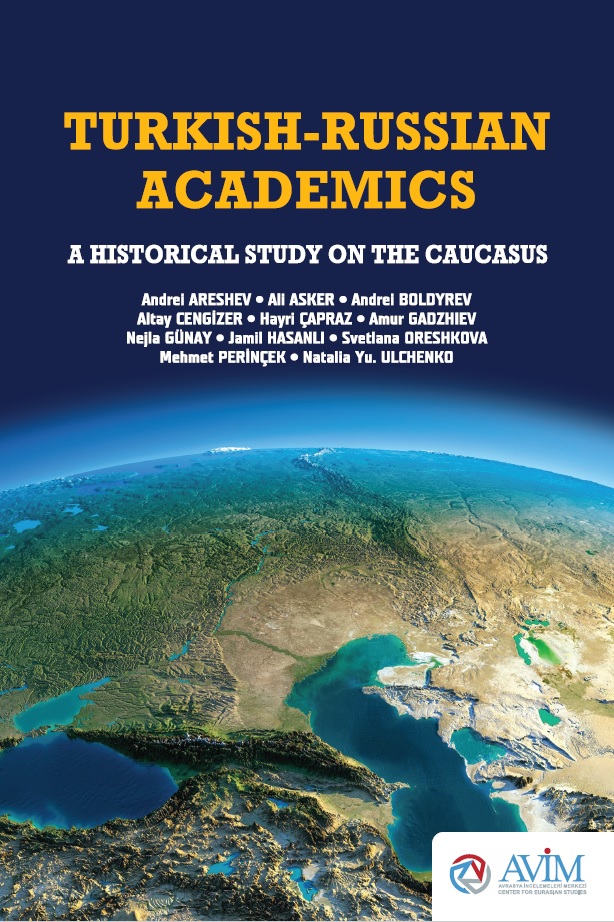
Turkish-Russian Academics: A Historical Study on the Caucasus -
01.07.2016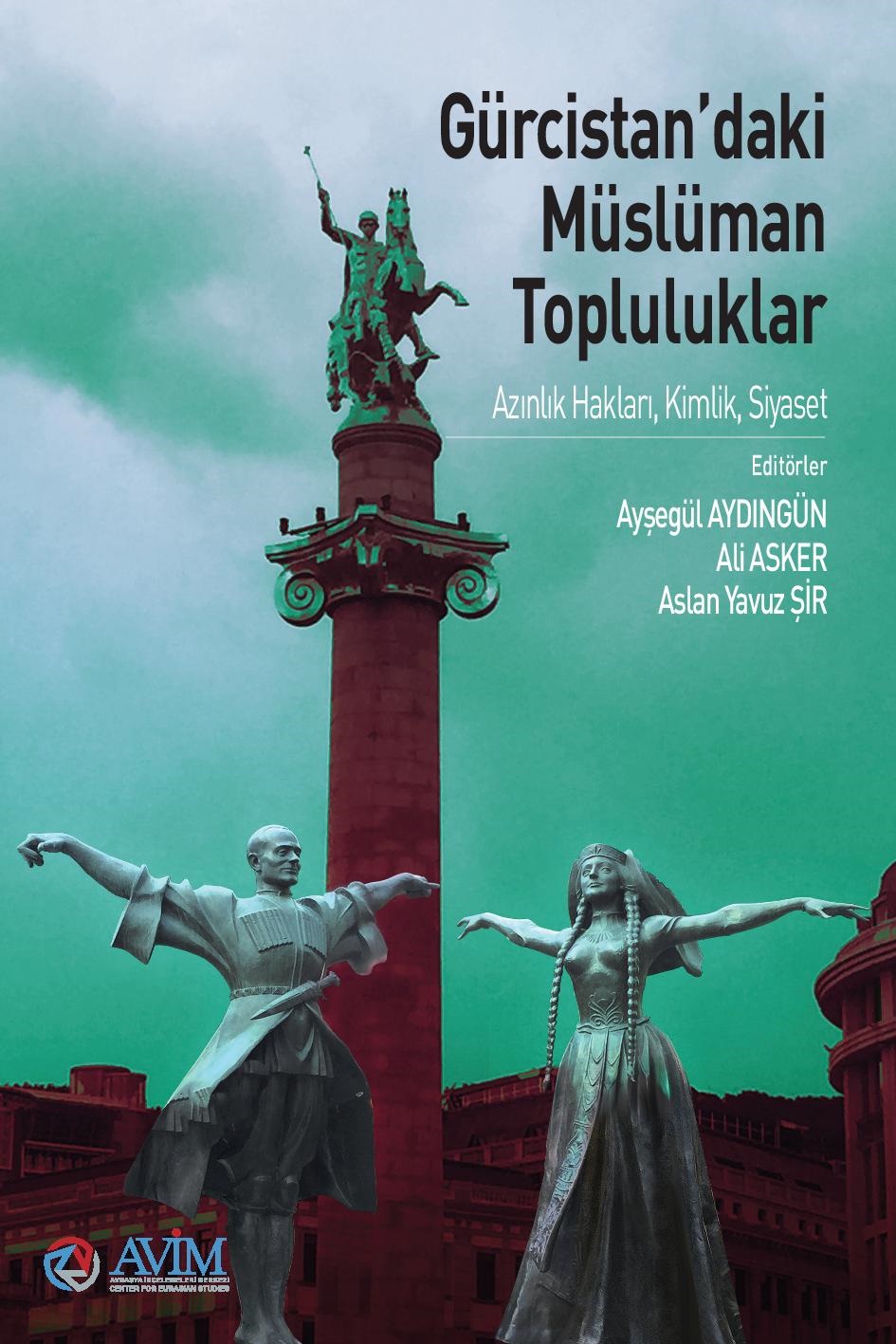
Gürcistan'daki Müslüman Topluluklar: Azınlık Hakları, Kimlik, Siyaset -
10.03.2016
Armenian Diaspora: Diaspora, State and the Imagination of the Republic of Armenia -
24.01.2016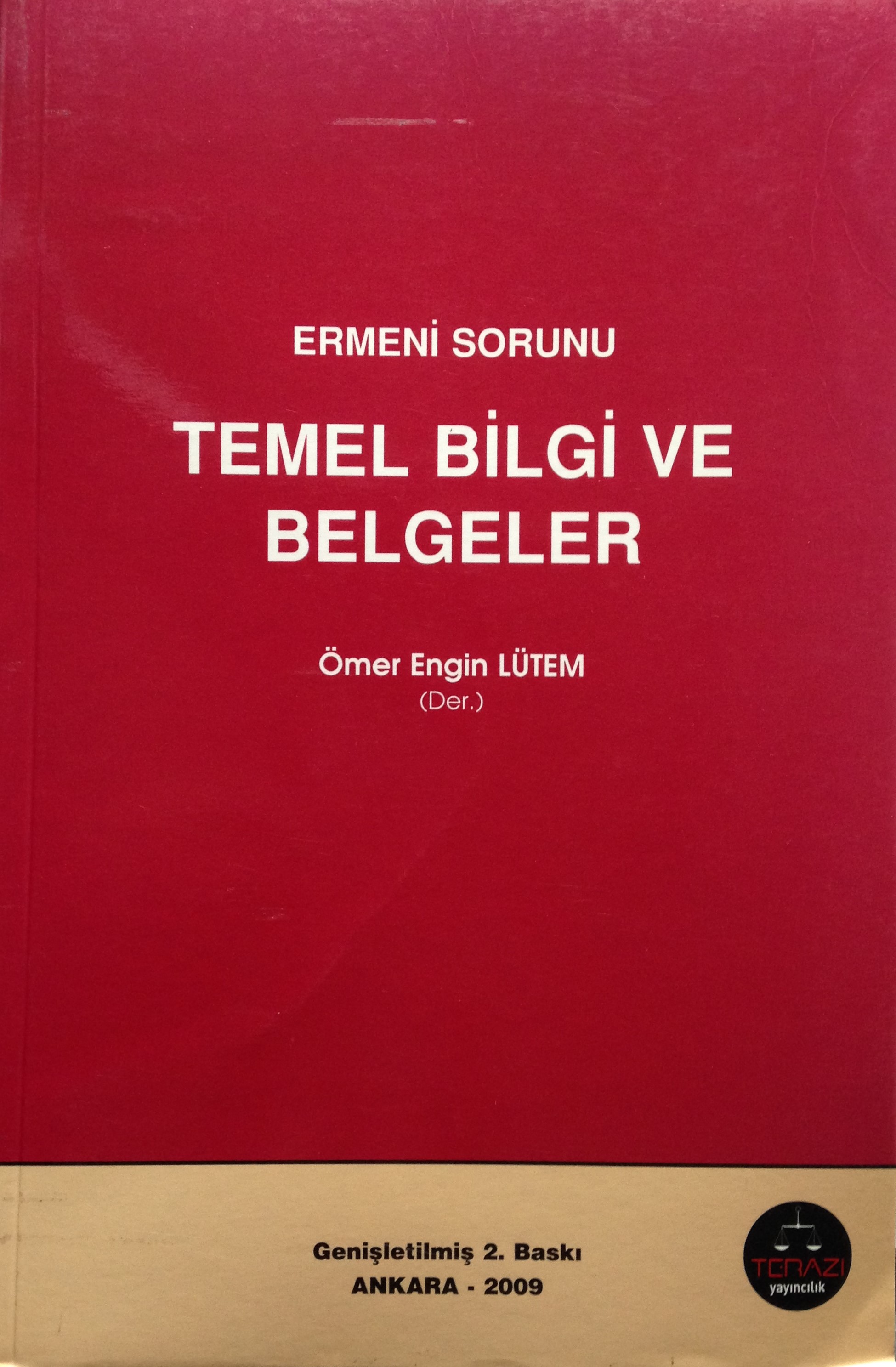
ERMENİ SORUNU - TEMEL BİLGİ VE BELGELER (2. BASKI)

-
AVİM Conference Hall 24.01.2023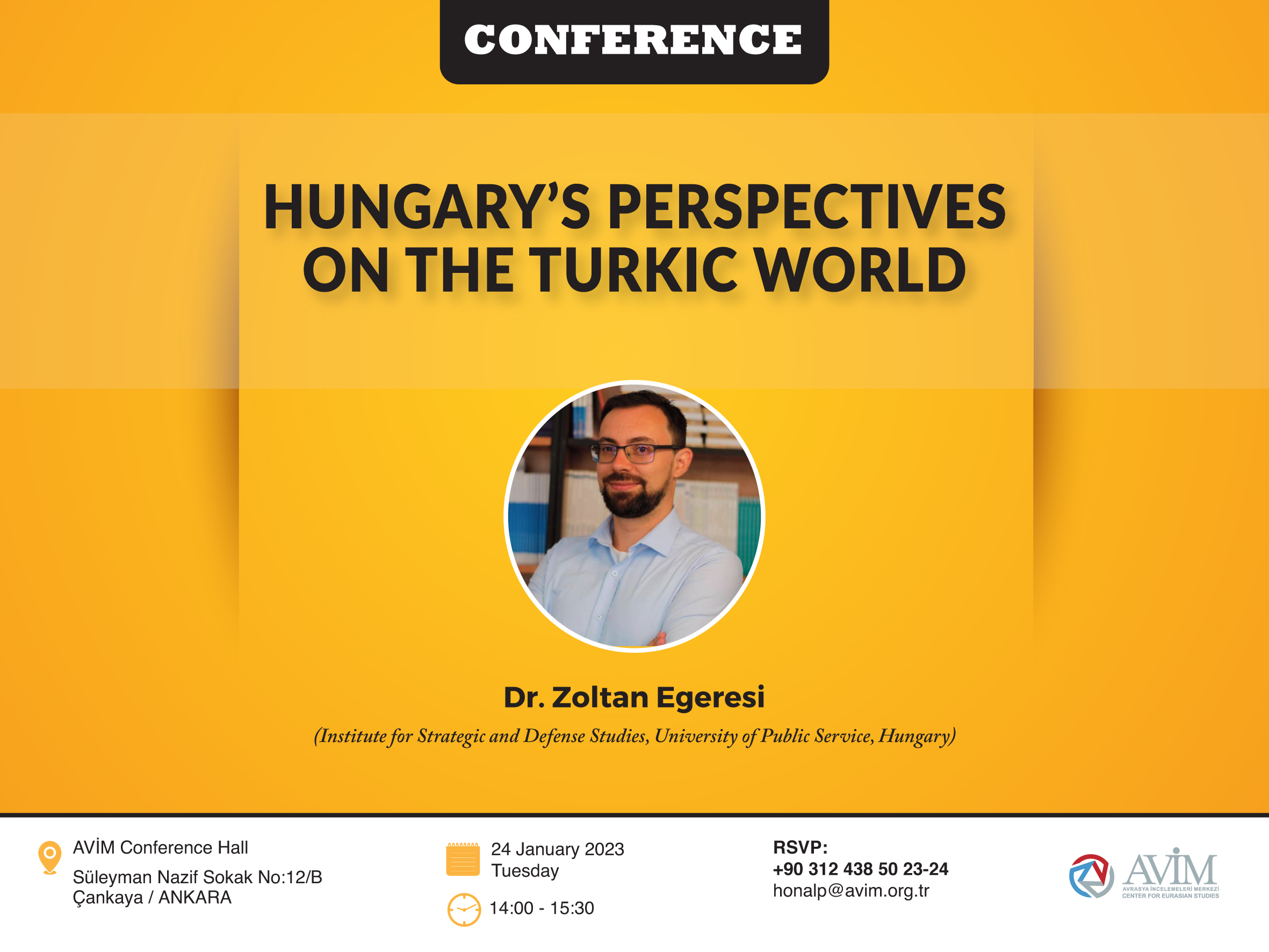
CONFERENCE TITLED “HUNGARY’S PERSPECTIVES ON THE TURKIC WORLD"