
















FT, 29 April 2016
The International Monetary Fund will send a mission to Tajikistan in the next few weeks, in a sign that talks over a bailout package for the former Soviet Union’s poorest country are gaining urgency.
Masood Ahmed, director of the Middle East and Central Asia department at the IMF, told the Financial Times that a Fund delegation would visit Dushanbe, the country’s capital, “in the coming weeks” to “see if we can reach agreement on a programme”.
Tajikistan, a small, mountainous country bordering Afghanistan and China, is in the midst of a growing financial crisis as remittances from migrant workers in Russia — which traditionally account for about half of the country’s GDP — fall sharply due to the collapse in the rouble. Prices for its main export commodities, cotton and aluminium, have also fallen.
“They do face major challenges,” Mr Ahmed said. “Their financial condition has been strained, both because of the returning migrants as well as because of lower prices of cotton and aluminium.”
Tajikistan’s deputy central bank governor told the Financial Times in February that Dushanbe was in talks with the IMF for a bailout worth as much $500m. Mr Ahmed said it was too early to comment on the size of any possible loan.
Tajikistan’s economic woes highlight how the fall in commodity prices and recession in Russia are causing ripples across the economies of the former Soviet Union. In its most recent World Economic Outlook this month, the IMF predicted that economic growth in the Central Asia and the Caucasus region would fall to a two-decade low of just 1.2 per cent this year.
With commodity prices remaining low, a protracted period of economic weakness could test the political grip of authoritarian leaders who have in some cases ruled their countries for more than two decades.
Mr Ahmed predicted that growth across the region over the next five years would be 3.5-4 per cent — less than half the rate of the past decade and a half.
“This is a difficult time both from oil exporters and oil importers. They’ve been hit by a variety of shocks — not just low oil prices but intensifying spillovers that are working their way through Russia, and also the slowdown in China,” he said.
Kazakhstan, the region’s largest economy, is set to grow just 0.1 per cent this year, according to IMF forecasts, while Azerbaijan is predicted to experience a 3 per cent recession — the weakest economic growth for either country since the 1990s.
Mr Ahmed said that Tajikistan would have to “take early and substantial policy actions” in order to secure a bailout from the IMF.
The country’s GDP growth slowed to 3 per cent this year, the weakest since 1997, and the Tajik currency, the somoni, has fallen 40 per cent against the dollar since the start of 2014.
Tajikistan’s banking sector has been weakened by the economic slowdown, with overdue loans rising from less than 15 per cent of total banking sector assets in mid-2014 to 30 per cent at the end of last year, according to the IMF. Talco, the state aluminium plant that is the country’s largest exporter, last week announced it would cut 7 per cent of its workforce.
Mr Ahmed listed three key areas for the Tajik government to address: resolving struggling banks and strengthening banking supervision more generally; removing restrictions on the foreign exchange market; and increasing transparency of state-owned enterprises and integrating them into the government budget.
Some observers have speculated that Dushanbe may turn to China — already its single largest creditor — rather than submit to tough IMF conditions, but Mr Ahmed said the Tajik government had “indicated a determination to address the issues”.
“I do sense a degree of commitment,” he said.
Previous IMF assistance to Tajikistan has been mired in scandal: in 2008 the Fund ordered the country to repay a loan when it discovered that Dushanbe had been misreporting its central bank reserves. Asked if the fund risked creating “moral hazard” by approving further loans to Tajikistan, Mr Ahmed replied: “I want to start from where we are rather than worrying about the history.”
No comments yet.
- RUSSIA'S ECONOMIC BATTLES EXPOSE TURMOIL Asia - Pacific 29.04.2016
- AFGHANISTAN OUTRAGED ABOUT TALIBAN'S PAKISTAN VISIT Asia - Pacific 29.04.2016
- BELGIUM GIVES EVERYONE RADIATION PROTECTION PILLS Europe - EU 29.04.2016
- POPE FRANCIS DECREES THE MARTYRDOM OF 38 MARTYRS OF THE ALBANIAN CATHOLIC CHURCH The Balkans 29.04.2016
- RIGHT-WING PARTIES IN EUROPE Europe - EU 29.04.2016
-
25.01.2016
THE ARMENIAN QUESTION - BASIC KNOWLEDGE AND DOCUMENTATION -
12.06.2024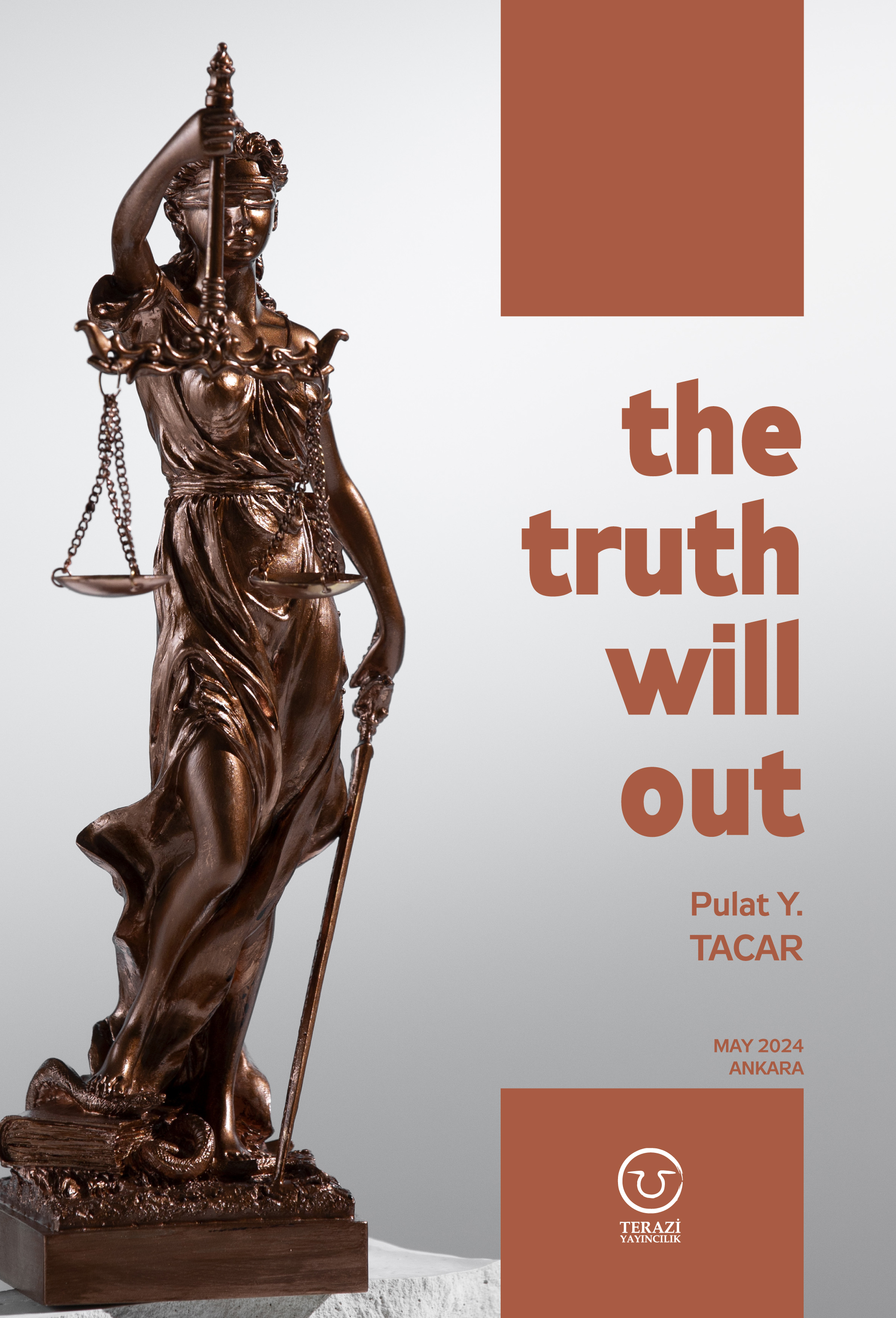
THE TRUTH WILL OUT -
27.03.2023
RADİKAL ERMENİ UNSURLARCA GERÇEKLEŞTİRİLEN MEZALİMLER VE VANDALİZM -
17.03.2023
PATRIOTISM PERVERTED -
23.02.2023
MEN ARE LIKE THAT -
03.02.2023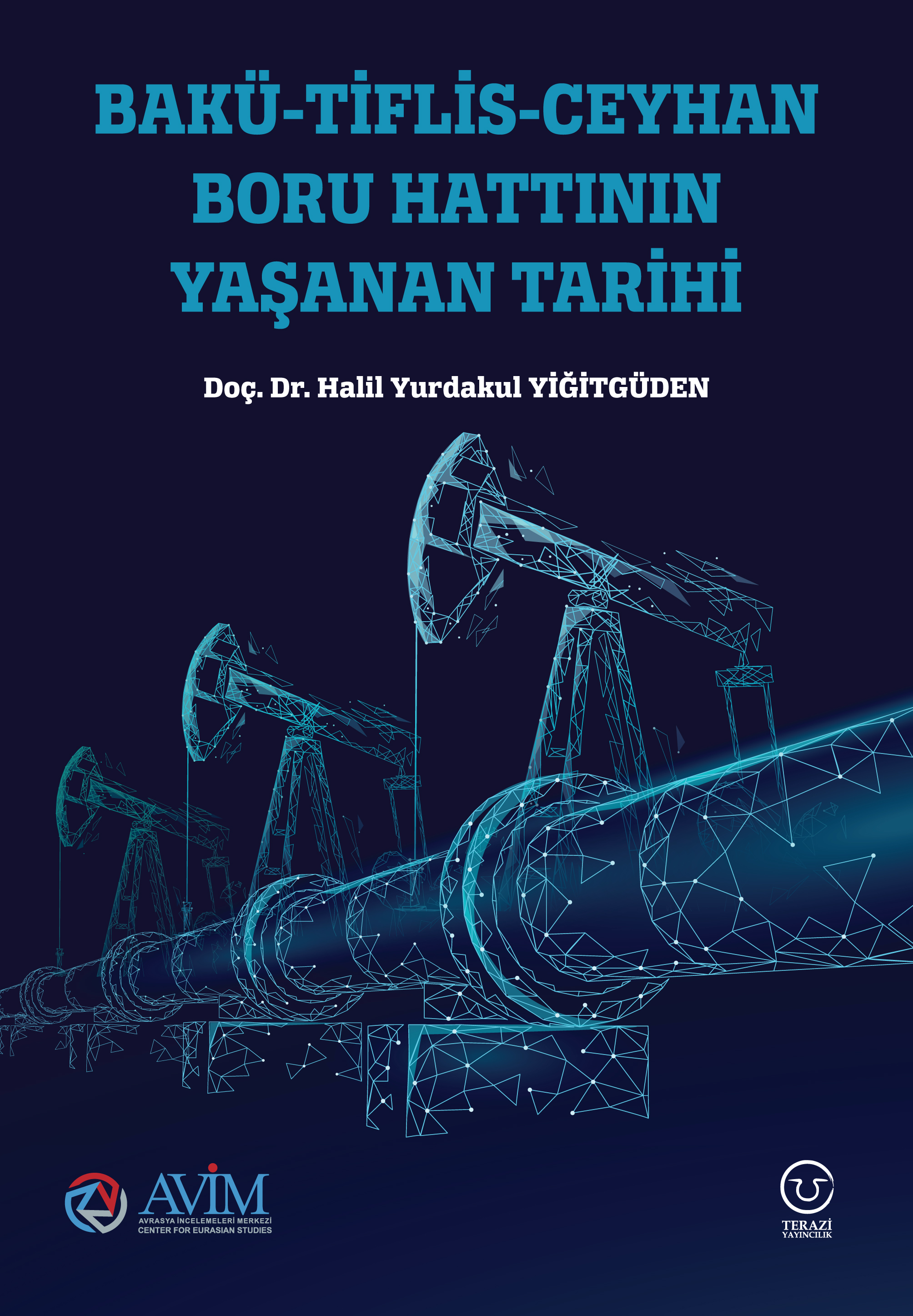
BAKÜ-TİFLİS-CEYHAN BORU HATTININ YAŞANAN TARİHİ -
16.12.2022
INTERNATIONAL SCHOLARS ON THE EVENTS OF 1915 -
07.12.2022
FAKE PHOTOS AND THE ARMENIAN PROPAGANDA -
07.12.2022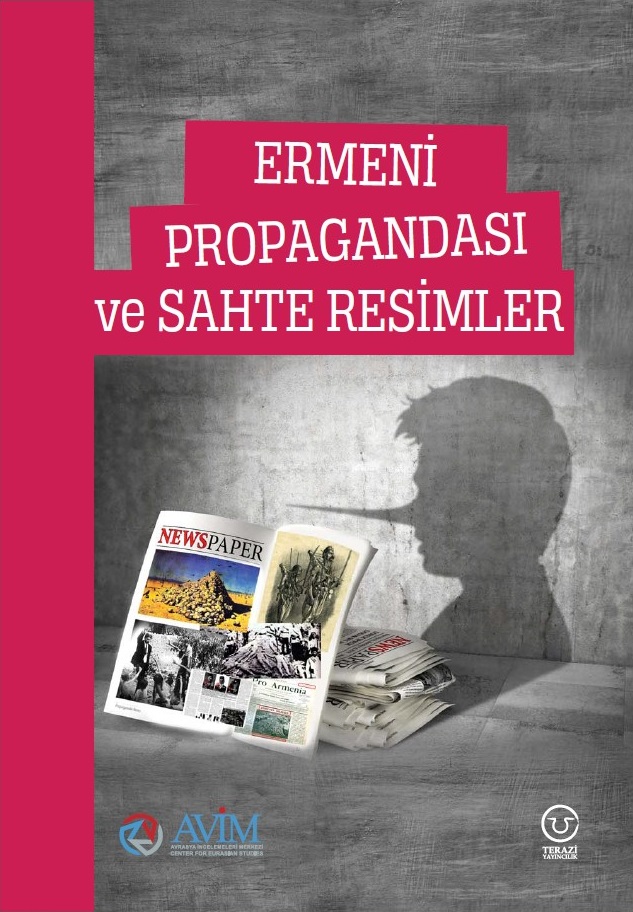
ERMENİ PROPAGANDASI VE SAHTE RESİMLER -
01.01.2022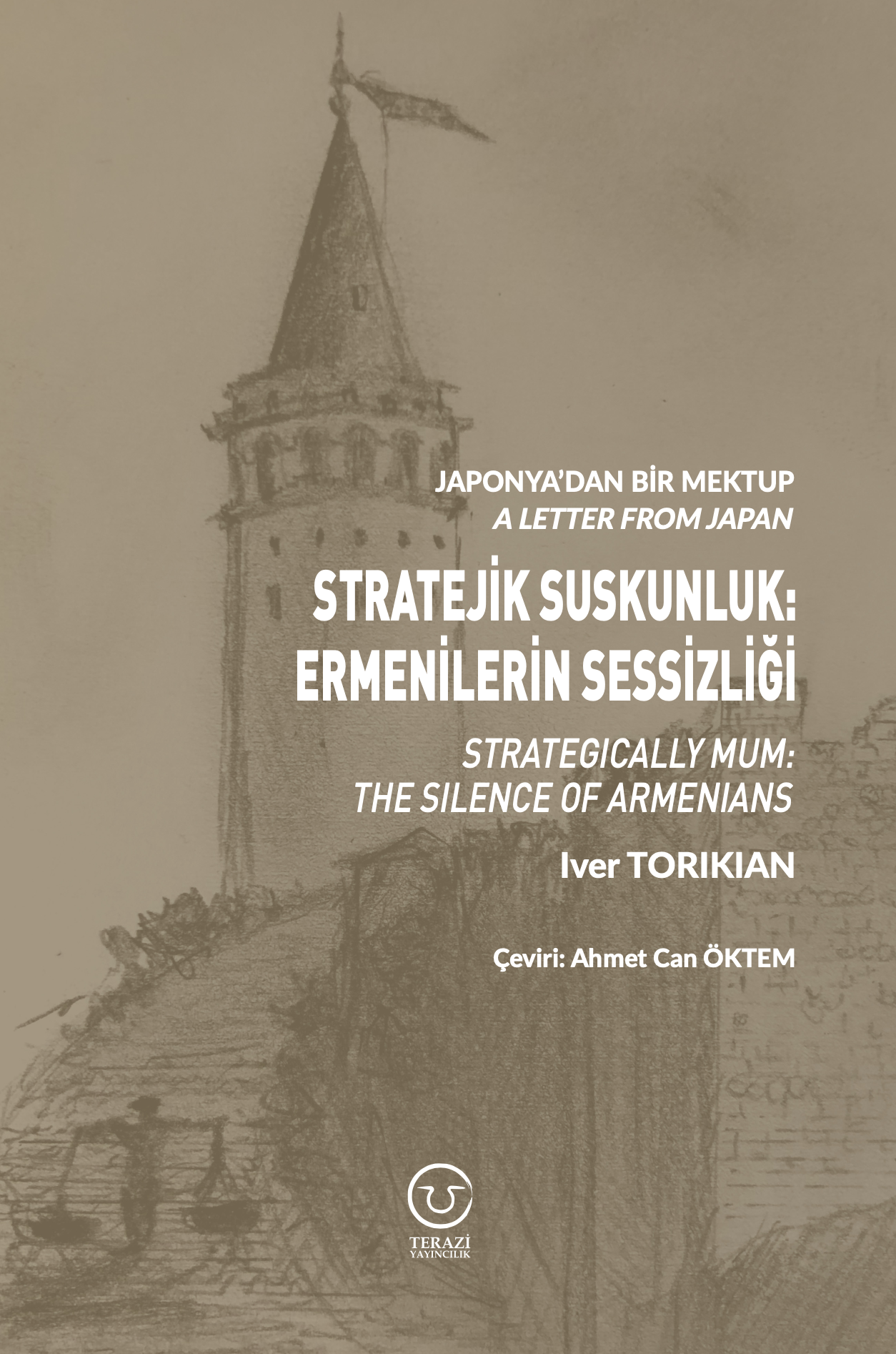
A Letter From Japan - Strategically Mum: The Silence of the Armenians -
01.01.2022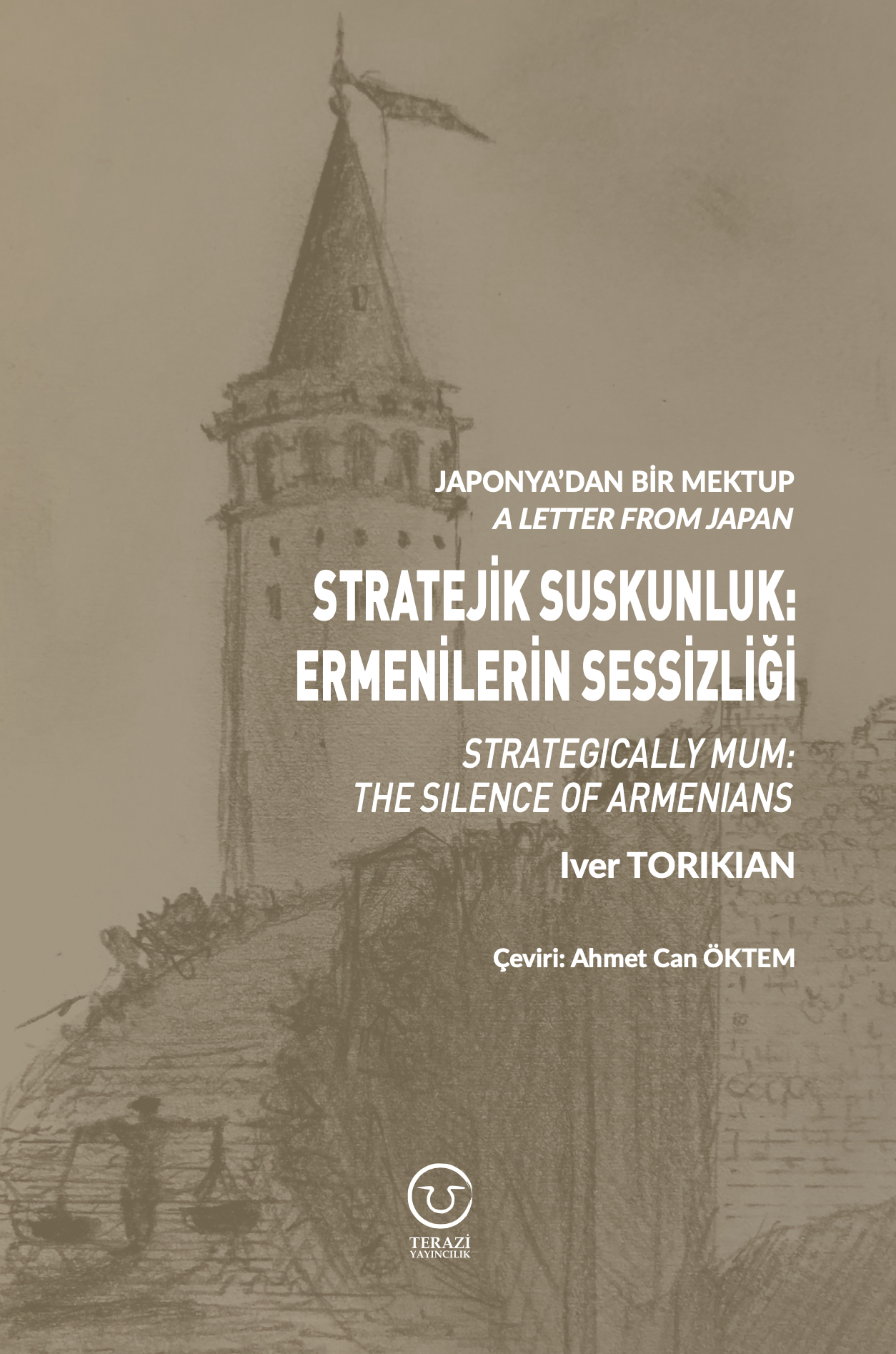
Japonya'dan Bir Mektup - Stratejik Suskunluk: Ermenilerin Sessizliği -
03.06.2020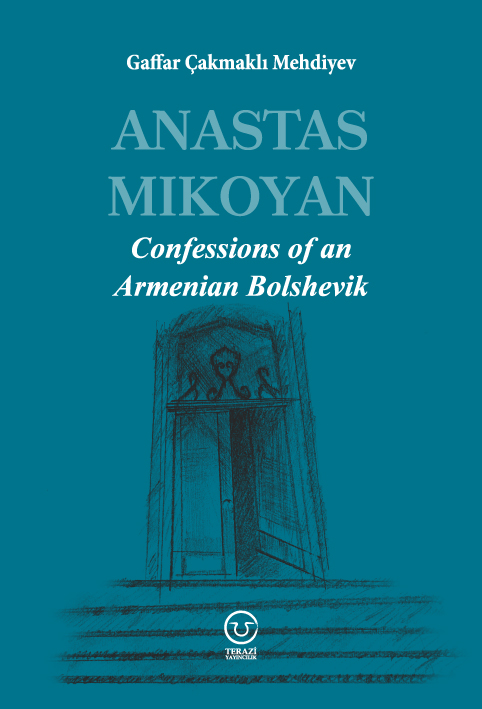
Anastas Mikoyan: Confessions of an Armenian Bolshevik -
08.04.2020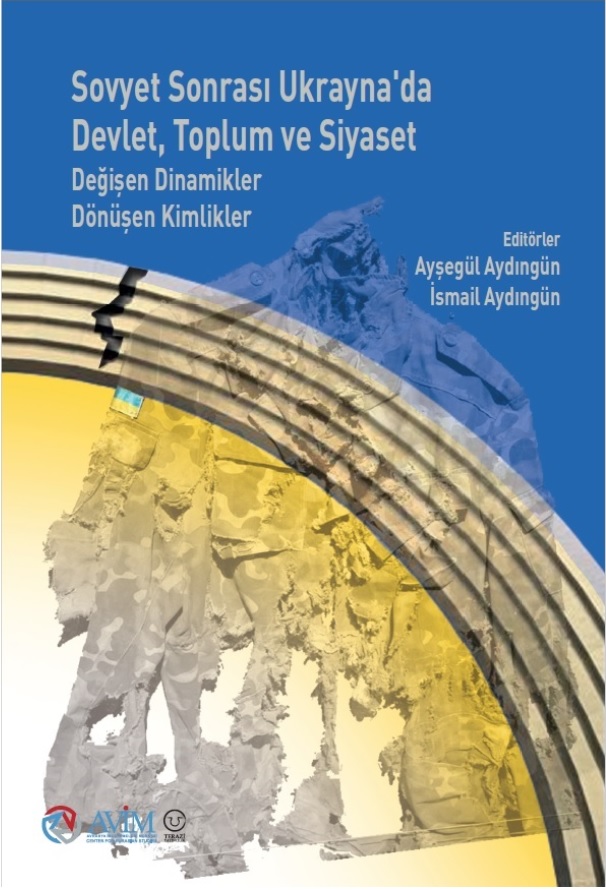
Sovyet Sonrası Ukrayna’da Devlet, Toplum ve Siyaset - Değişen Dinamikler, Dönüşen Kimlikler -
12.06.2018
Ermeni Sorunuyla İlgili İngiliz Belgeleri (1912-1923) - British Documents on Armenian Question (1912-1923) -
02.12.2016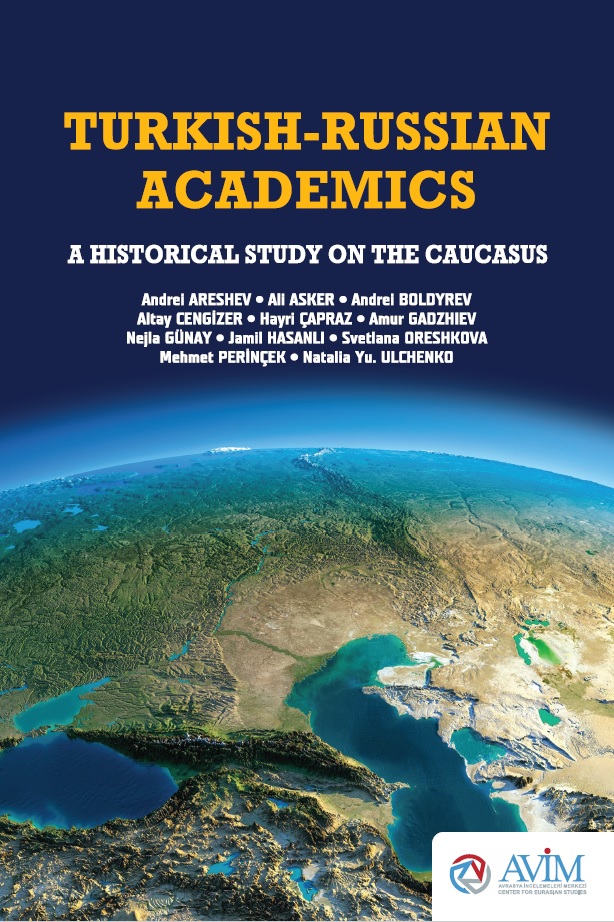
Turkish-Russian Academics: A Historical Study on the Caucasus -
01.07.2016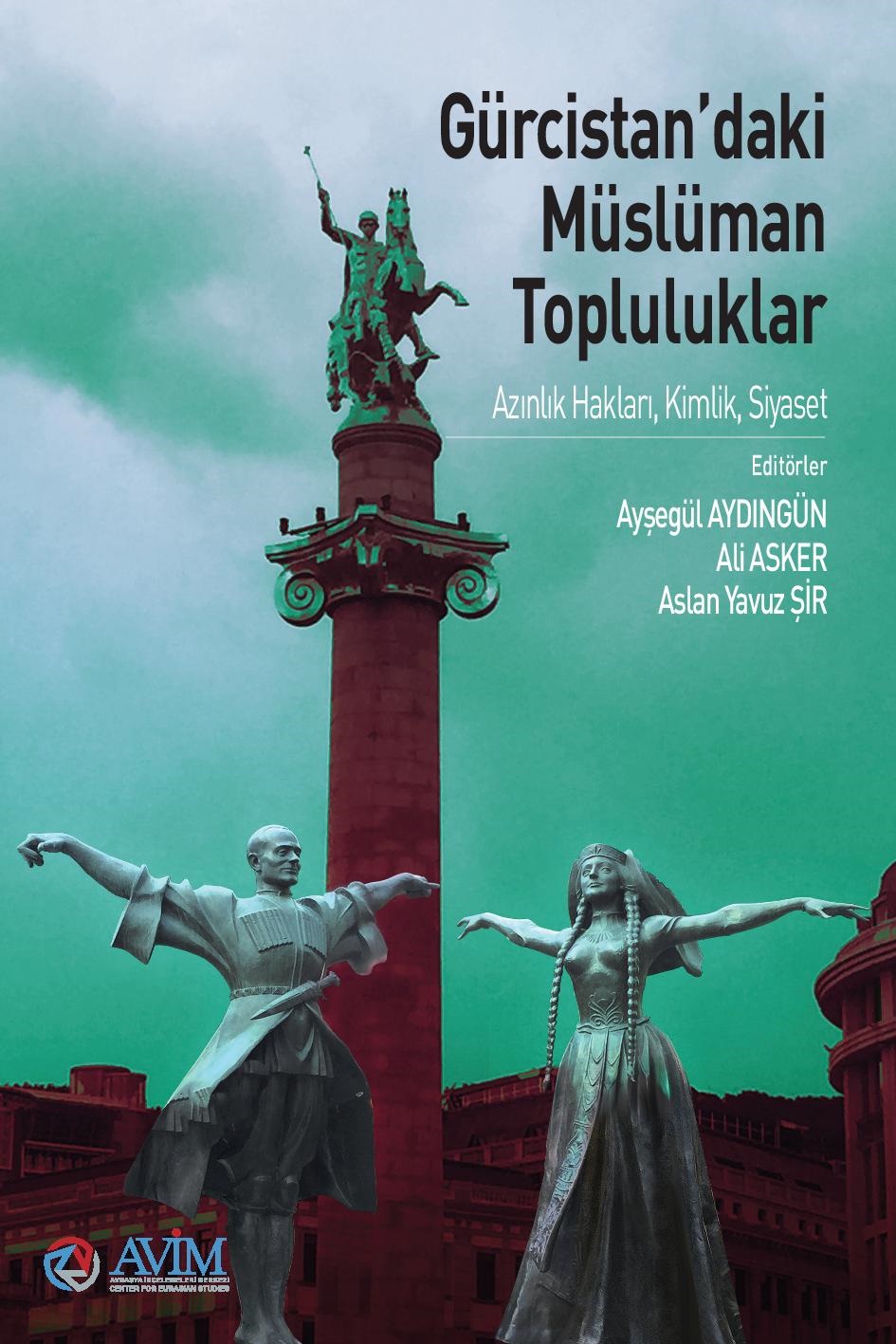
Gürcistan'daki Müslüman Topluluklar: Azınlık Hakları, Kimlik, Siyaset -
10.03.2016
Armenian Diaspora: Diaspora, State and the Imagination of the Republic of Armenia -
24.01.2016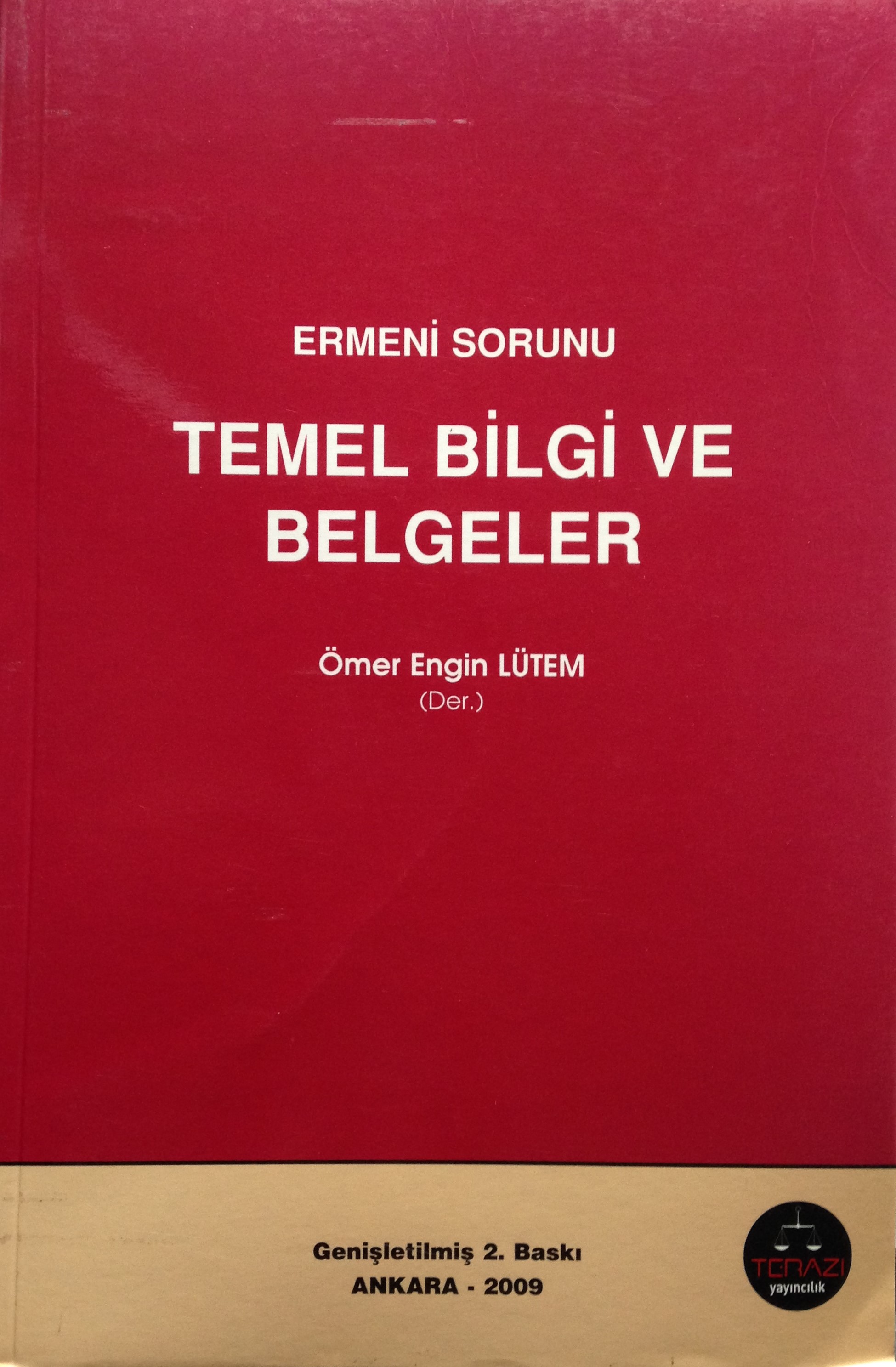
ERMENİ SORUNU - TEMEL BİLGİ VE BELGELER (2. BASKI)
-
AVİM Conference Hall 24.01.2023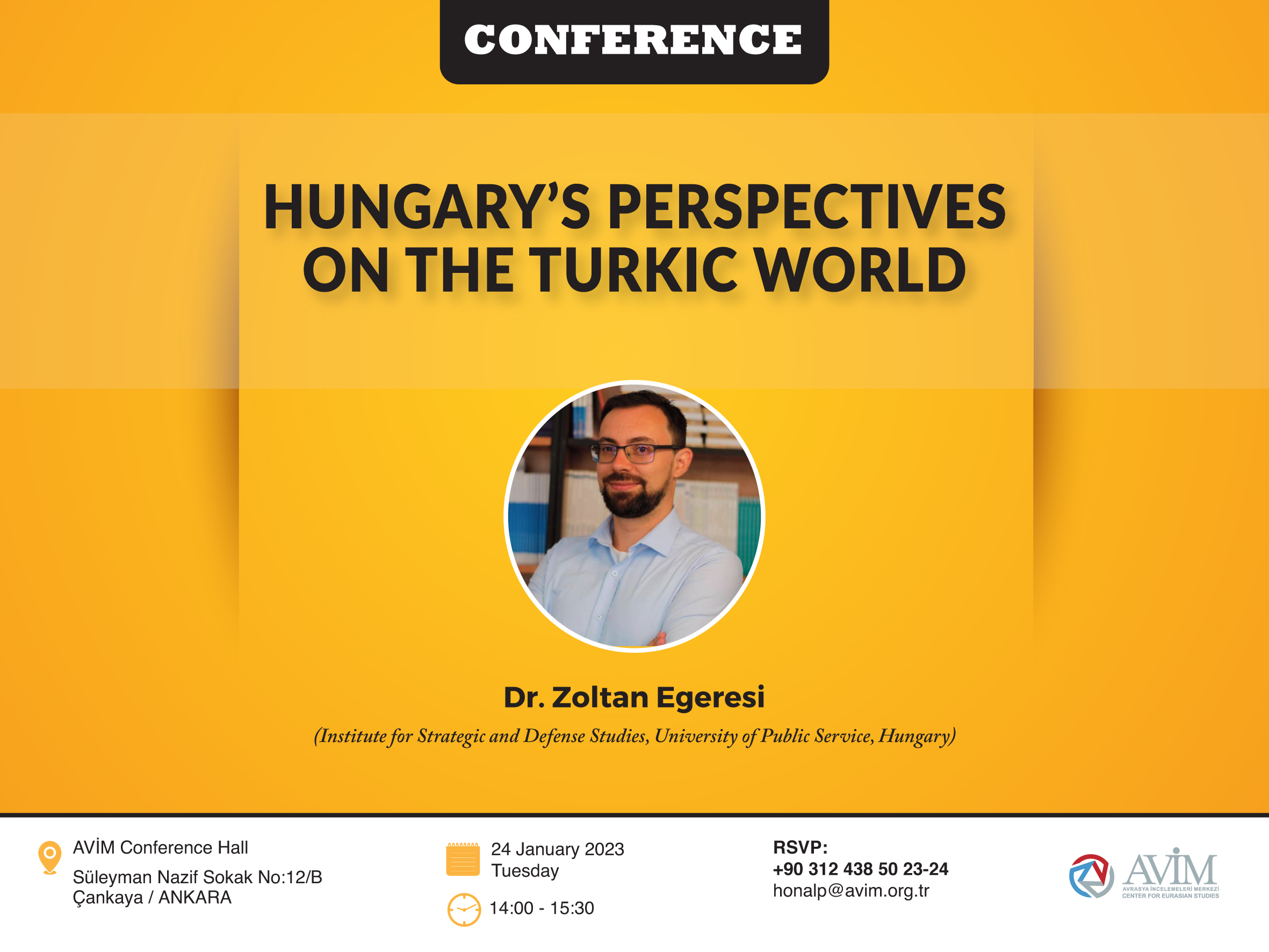
CONFERENCE TITLED “HUNGARY’S PERSPECTIVES ON THE TURKIC WORLD"