

















EurActiv (21 Aralık 2018)
This article is part of our special report Short food supply chains in Europe’s south.
The mayor of Kozani, a city in northern Greece, has decided to ban the “Without intermediaries movement”, which had created a direct link between local farmers and consumers.
Local authorities said the farmers’ market, which has been in place since the last five years, violated existing legislation.
Short food supply chains became popular in Greece following the economic crisis, which forced smallholders and consumers to seek alternative ways of getting food at affordable prices.
At EU level, different forms of short food supply chains (SFSC) have developed in the last years. Advocates say SFSCs are not just about selling local cheap products as they also have positive spillover effects on rural societies, the environment and agrotourism.
Campaigner: Short food supply chain is more than selling local products
Short food supply chains have a multidimensional role to play. They can help revitalise European farms by encouraging young people to work the land, but they also provide cheap and healthy food to consumers and attract tourists, campaigner Geneviève Savigny told EURACTIV.com in an interview.
Local media e-ptolemeos.gr reported that the mayor decided to stop the “Without Intermediaries” movement, and the move came as a surprise, considering that mayor Lefteris Ioannidis is a known environmentalist who has been praised for his progressive policies.
He is one of the few mayors across the country to implement a much-discussed smoking ban in public places. He also warmly welcomed Syrian refugees at the height of the migration crisis.
Agricultural cooperative “Aliakmon” accused both the mayor and vice-mayor Chryssa Athanasiadou, who is a far-left politician, of bowing to the pressure from big businesses in the region and the market.
“It’s a shame. The mayor deprives producers of a significant income and the consumers, from cheap and high-quality products,” said Panagiotis Arnidis, the president of Aliakmon.
Municipality sources explained that according to the existing legislation, these producers should ask for a license to operate and follow a specific authorisation process.
“The producers did nothing and we cannot allow an uncontrollable market operate out there,” the sources said.
According to the existing law, the producers should create non-profit organisations in order to be able to operate and at the same time, prove via an annual report that their activities are based on solidarity towards those in need.
“The choice of conscious non-compliance with the law is not and will not be acceptable,” the local authorities said in a statement.
Farmers in Kozani say that despite the legislative gap, farmers’ markets in other Greek regions are already functioning without any problem. They do not understand why the ban should only apply to them.
Contacted by EURACTIV, Arnidis said local commercial interests and supermarkets were behind the ban. The farmers’ market was organised once per month and the feedback from local consumers has been very positive up-to-date, he said.
But the police was recently sent to the local farmers’ market and imposed a €200 fine on each producer, Arnidis said.
Sources from local authorities denied that they sent the police. According to them, the organised flea market managers did so, by invoking the relevant law.
In the meantime, the Greek parliament recently voted a law on agrotourism, a parameter of short food supply chains, especially for southern Europe’s high-quality products.
“Gastronomy tourism is an integral part of the cultural heritage of different places and a form of leisure tourism,” the law says, making it clear that one of the main activities to promote agrotourism is the purchase of agricultural products directly from the producer.
But the mayor said the movement was against existing legislation. Indeed, while the ministry of agriculture has made a legislative proposal on short food supply chains, the law has not yet been approved by parliament.
No comments yet.
-
 SYRIA CONFLICT: MACRON CRITICISES TRUMP'S WITHDRAWAL DECISION
Europe - EU
25.12.2018
SYRIA CONFLICT: MACRON CRITICISES TRUMP'S WITHDRAWAL DECISION
Europe - EU
25.12.2018
-
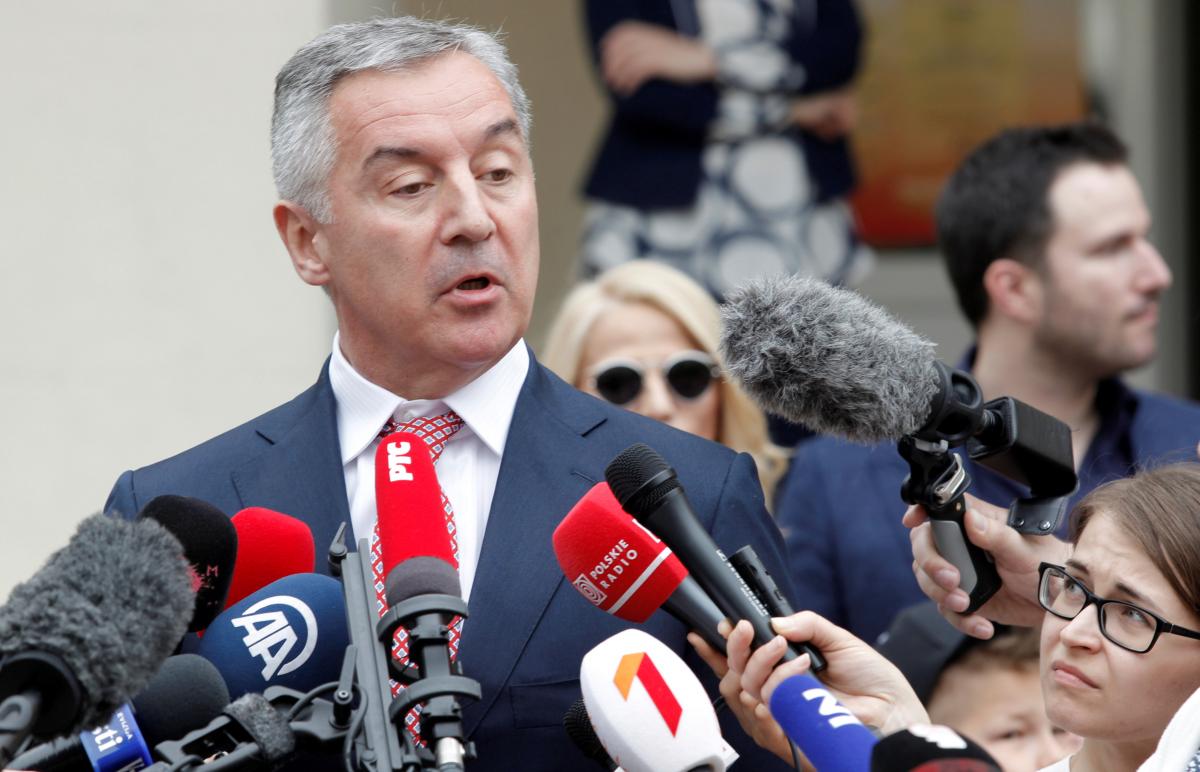 MONTENEGRO TO SEEK AUTOCEPHALY FOR COUNTRY'S ORTHODOX CHURCH
The Balkans
25.12.2018
MONTENEGRO TO SEEK AUTOCEPHALY FOR COUNTRY'S ORTHODOX CHURCH
The Balkans
25.12.2018
- JUNCKER ATTENDS CLOSURE OF GERMANY’S LAST BLACK COAL MINE Europe - EU 25.12.2018
-
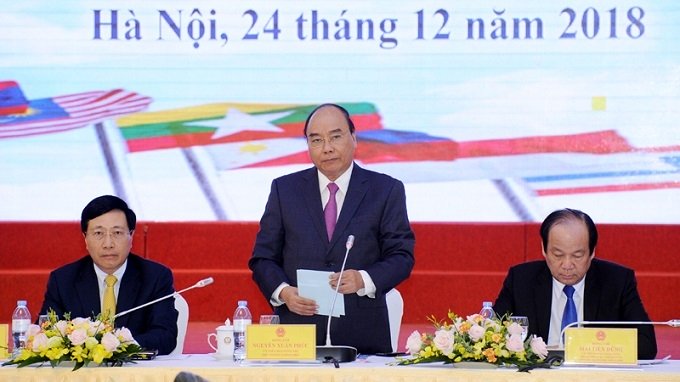 PM: VIETNAM SEES ASEAN AS CORNERSTONE IN ITS MULTILATERAL DIPLOMACY
Asia - Pacific
25.12.2018
PM: VIETNAM SEES ASEAN AS CORNERSTONE IN ITS MULTILATERAL DIPLOMACY
Asia - Pacific
25.12.2018
- SERBIA INCREASINGLY ACTIVE WITHIN NATO’S SCIENCE FOR PEACE AND SECURITY PROGRAMME The Balkans 25.12.2018
-
25.01.2016
THE ARMENIAN QUESTION - BASIC KNOWLEDGE AND DOCUMENTATION -
12.06.2024
THE TRUTH WILL OUT -
27.03.2023
RADİKAL ERMENİ UNSURLARCA GERÇEKLEŞTİRİLEN MEZALİMLER VE VANDALİZM -
17.03.2023
PATRIOTISM PERVERTED -
23.02.2023
MEN ARE LIKE THAT -
03.02.2023
BAKÜ-TİFLİS-CEYHAN BORU HATTININ YAŞANAN TARİHİ -
16.12.2022
INTERNATIONAL SCHOLARS ON THE EVENTS OF 1915 -
07.12.2022
FAKE PHOTOS AND THE ARMENIAN PROPAGANDA -
07.12.2022
ERMENİ PROPAGANDASI VE SAHTE RESİMLER -
01.01.2022
A Letter From Japan - Strategically Mum: The Silence of the Armenians -
01.01.2022
Japonya'dan Bir Mektup - Stratejik Suskunluk: Ermenilerin Sessizliği -
03.06.2020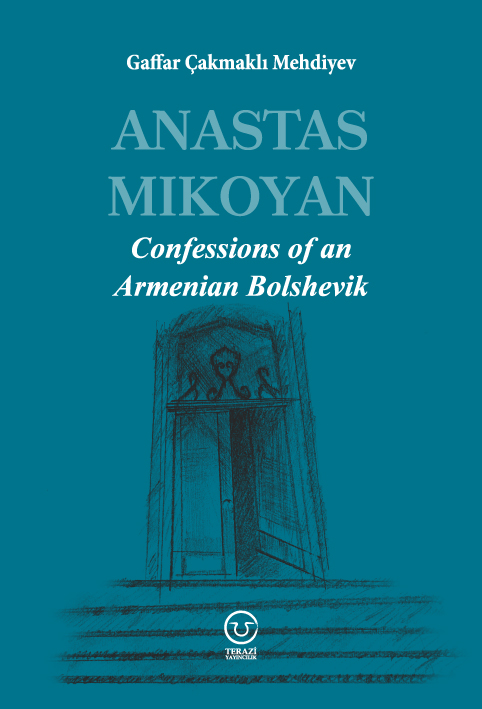
Anastas Mikoyan: Confessions of an Armenian Bolshevik -
08.04.2020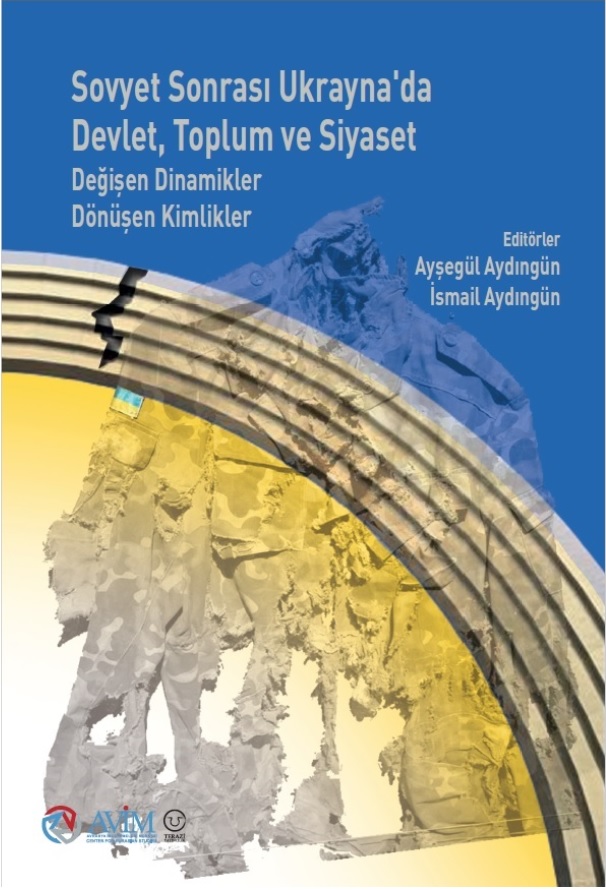
Sovyet Sonrası Ukrayna’da Devlet, Toplum ve Siyaset - Değişen Dinamikler, Dönüşen Kimlikler -
12.06.2018
Ermeni Sorunuyla İlgili İngiliz Belgeleri (1912-1923) - British Documents on Armenian Question (1912-1923) -
02.12.2016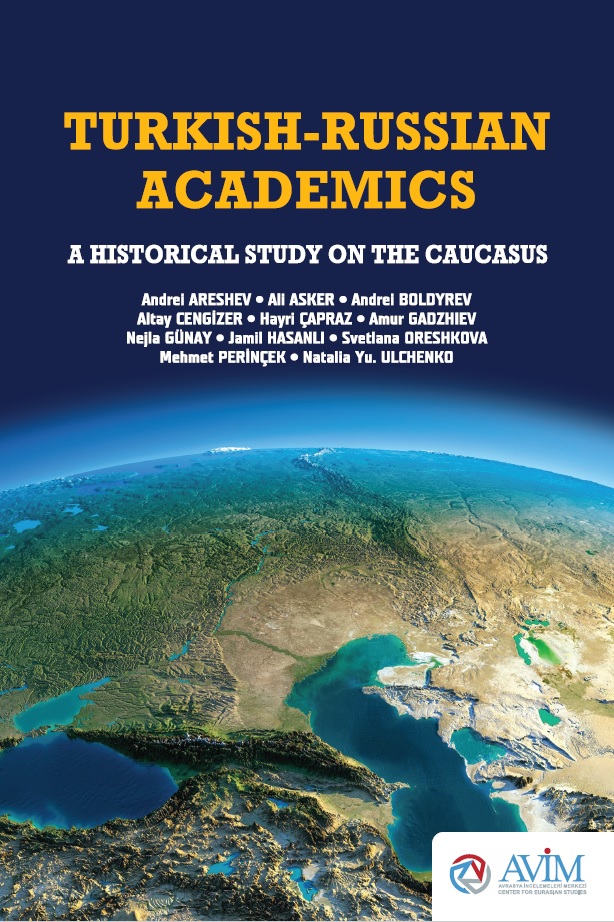
Turkish-Russian Academics: A Historical Study on the Caucasus -
01.07.2016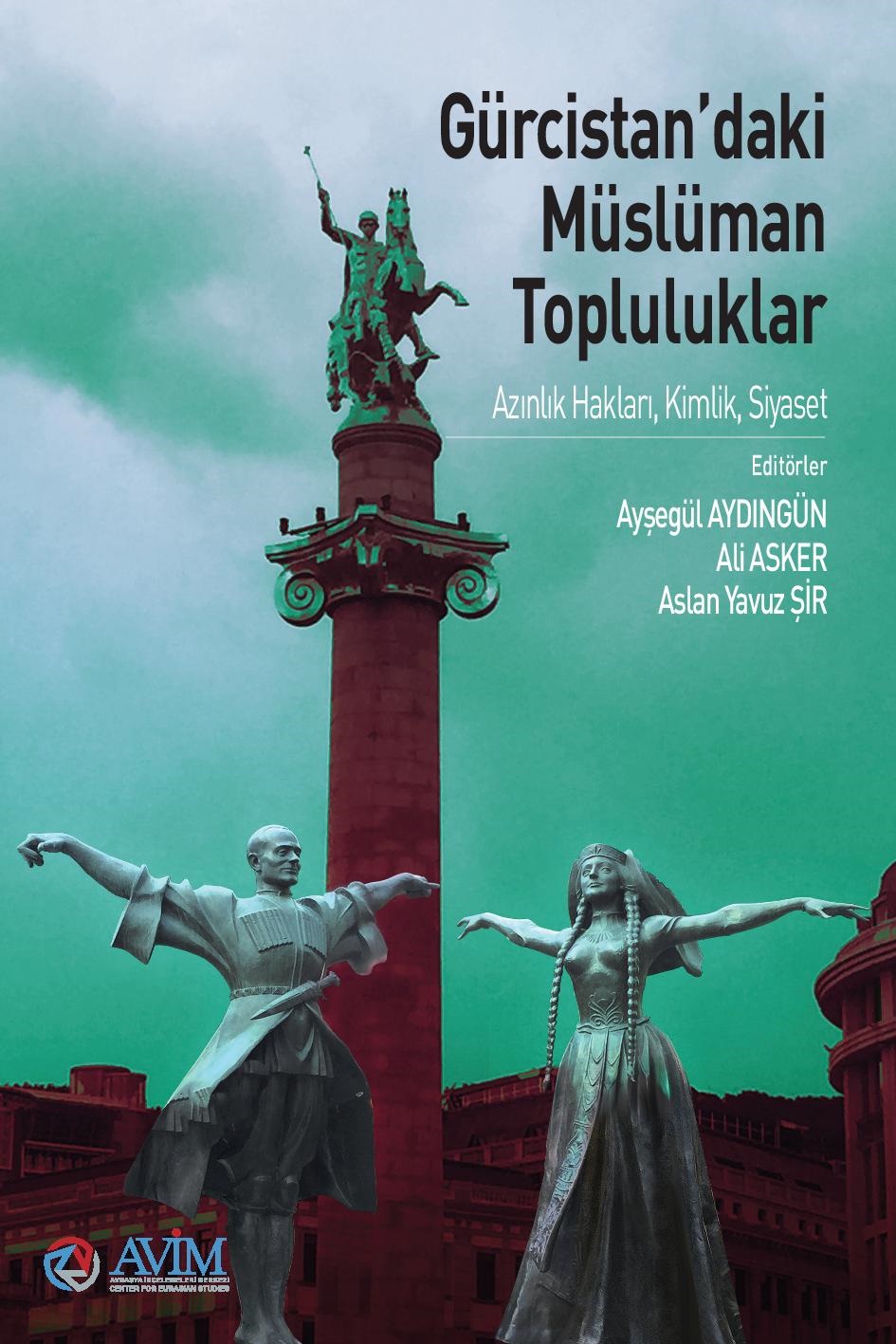
Gürcistan'daki Müslüman Topluluklar: Azınlık Hakları, Kimlik, Siyaset -
10.03.2016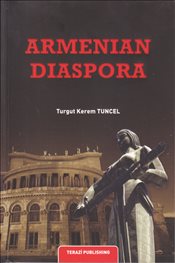
Armenian Diaspora: Diaspora, State and the Imagination of the Republic of Armenia -
24.01.2016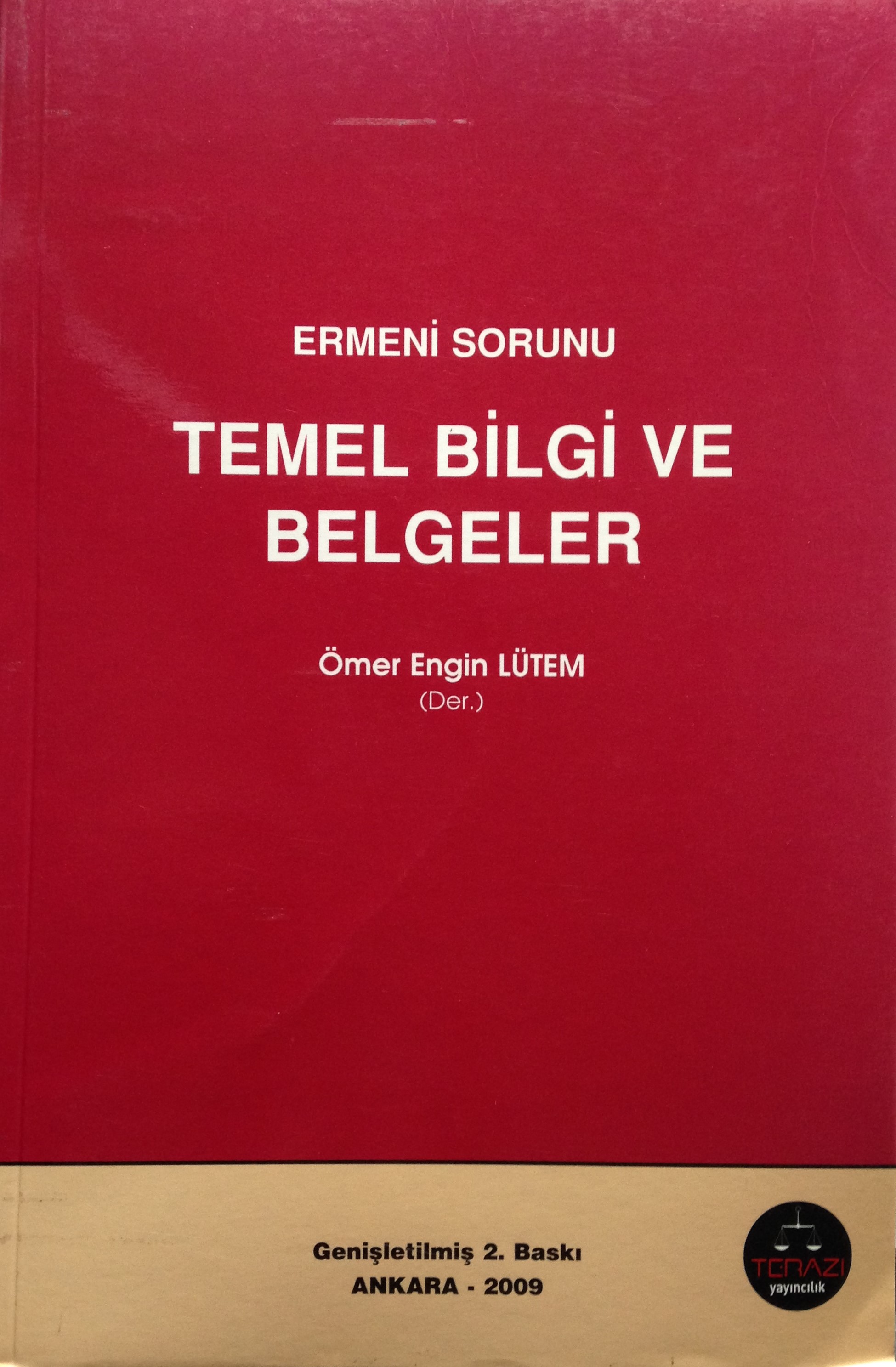
ERMENİ SORUNU - TEMEL BİLGİ VE BELGELER (2. BASKI)

-
AVİM Conference Hall 24.01.2023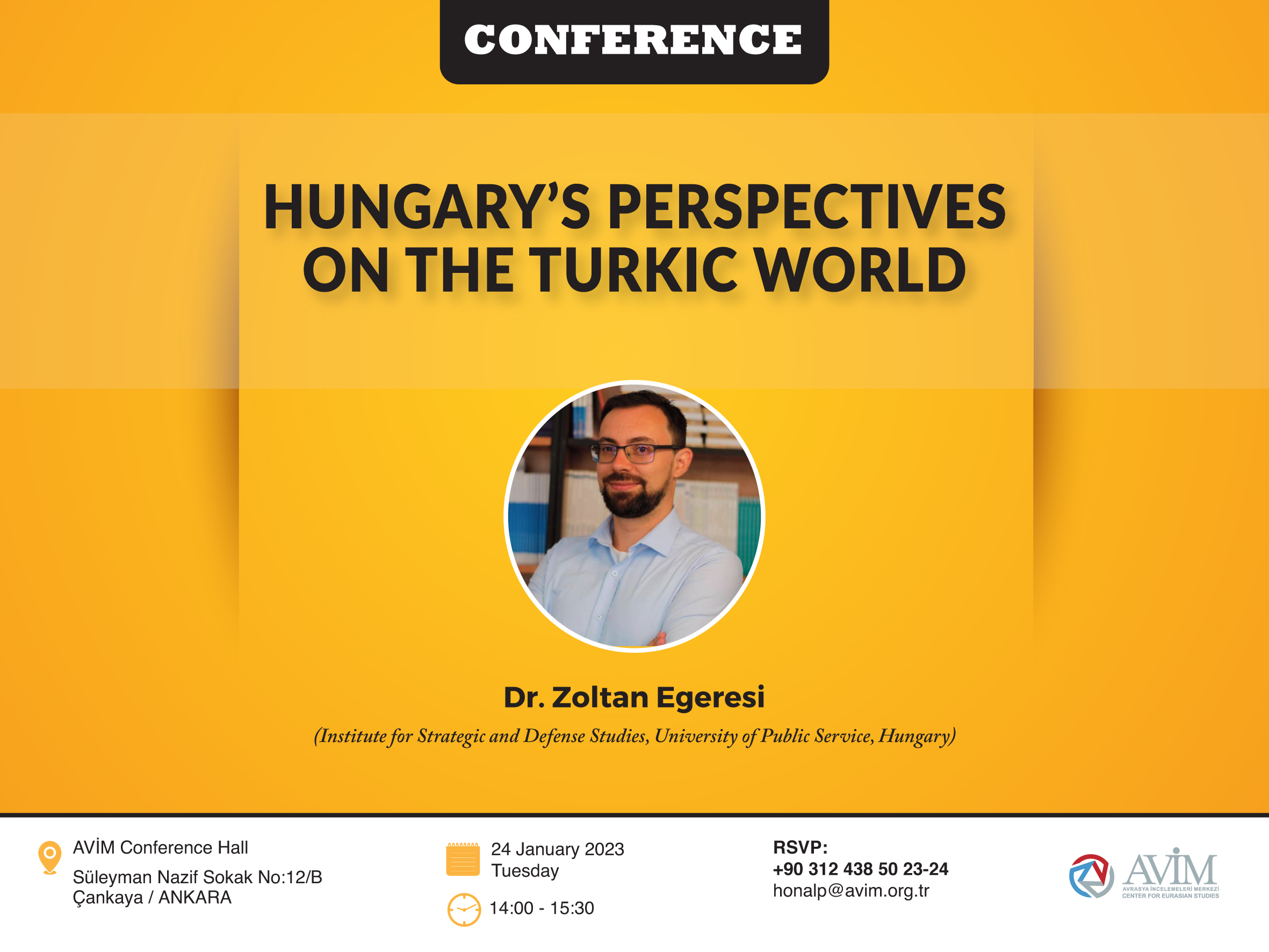
CONFERENCE TITLED “HUNGARY’S PERSPECTIVES ON THE TURKIC WORLD"