

















EurActiv (21 December 2018)
Germany will close its last black coal mine on Friday (21 December), a milestone marking the end of a 200-year-old industry that once fuelled the country’s economic growth but lost the battle against cheaper foreign competitors.
The remaining 1,500 workers of the Prosper-Haniel mine in Bottrop will make their final descent into the pit’s belly, greeting each other one more time with the traditional “Glueck auf, Kumpel”, or “Good luck, buddy”.
The miners will end their shift by bringing up the last chunk of “black gold” and handing it to President Frank-Walter Steinmeier, in a ceremony also to be attended by European Commission chief Jean-Claude Juncker.
A mining choir will sing the miners’ anthem “Steigerlied” and local churches will hold special services in what promises to be a poignant farewell to a historic era in western Germany’s industrial Ruhr heartland.
The 150-year-old deep-shaft colliery, whose galleries were dug by six generations of miners, will then be sealed up for good.
“There’s a deep sadness now that it’s all going to be over soon,” miner Thomas Echtermeyer, 47, told the Bild newspaper.
Although the closure comes amid a growing environmental outcry against coal, the dirtiest fossil fuel, it wasn’t pollution concerns but cheaper imports from abroad that sounded the mine’s death knell.
‘Thanks, buddy’
With its own vernacular, songs, football clubs and masses dedicated to the miners’ patron saint Barbara, mining is woven deeply into the fabric of daily life in the Ruhr region.
Bundesliga clubs in the area, who owe their origins to local mining communities, are marking Prosper-Haniel’s closure with tributes to their shared heritage.
Schalke on Wednesday invited 2,000 miners to their game against Leverkusen.
And on Saturday, Borussia Dortmund players will wear the message “Danke, Kumpel” on their chests, which means both “thanks, buddy” and “thanks, miner”.
In a reminder of the dangers of the job, a 29-year-old man died in another recently shuttered mine in the same state of North Rhine-Westphalia, where dismantling work is ongoing.
The industrial mechanic died from injuries suffered after getting trapped by a heavy door.
No coal exit yet
Dating back to the 19th century, the coal mines, plants and steel mills that once dotted the Ruhr basin were long the beating heart of Germany’s industrial prowess, powering its economic “miracle” after World War II.
At its peak, the mining industry employed some 600,000 people.
But Germany’s dominance in the black-coal market started to wane in the 1960s as foreign rivals made it cheaper to import the raw material.
Today, most of the black coal, also known as hard coal, used in Germany’s coal-fired power plants comes from Russia, the United States, Australia and Colombia.
Chancellor Angela Merkel’s government decided in 2007 to phase out state aid and shutter the last black coal mines by 2018 – giving the workers of Prosper-Haniel 11 years’ notice.
The long preparation has been credited with avoiding large-scale upheaval or angry protests, with many opting for early retirement schemes.
“We made sure nobody was left high and dry,” Michael Vassiliadis, head of the IG BCE mining union, told the DPA news agency.
Some of the pitmen will continue to labour at the Prosper-Haniel site for now to carry out dismantling tasks.
The company in charge of the clean-up will also need people in the years ahead to pump out dirty mine water to avoid it from mixing with groundwater and possibly contaminating drinking water resources.
Germany’s goodbye to black-coal mining is by no means an exit from coal altogether: the fossil fuel still accounts for almost 40% of its energy mix – partly because of Merkel’s decision to ditch nuclear power.
To the dismay of environmentalists, Germany still has numerous open-pit mines that extract lignite or brown coal, which is softer, cheaper and more polluting than black coal.
But it’s an industry increasingly under threat as countries around the world look for ways to phase out fossil fuels to combat climate change.
A government-appointed commission will in February announce a roadmap for exiting coal as part of efforts to make Germany carbon-neutral by 2050.
Germany heads to COP24 without coal-exit plan
Germany is likely to show up empty-handed to the COP24 summit in Poland in December as the country’s coal exit commission has decided to extend its work beyond the original end-of-2018 deadline. EURACTIV’s media partner, Clean Energy Wire, reports.
No comments yet.
-
 THE EURASIAN ECONOMIC UNION TO LAUNCH DIGITAL CURRENCY IN 2020
Asia - Pacific
25.12.2018
THE EURASIAN ECONOMIC UNION TO LAUNCH DIGITAL CURRENCY IN 2020
Asia - Pacific
25.12.2018
-
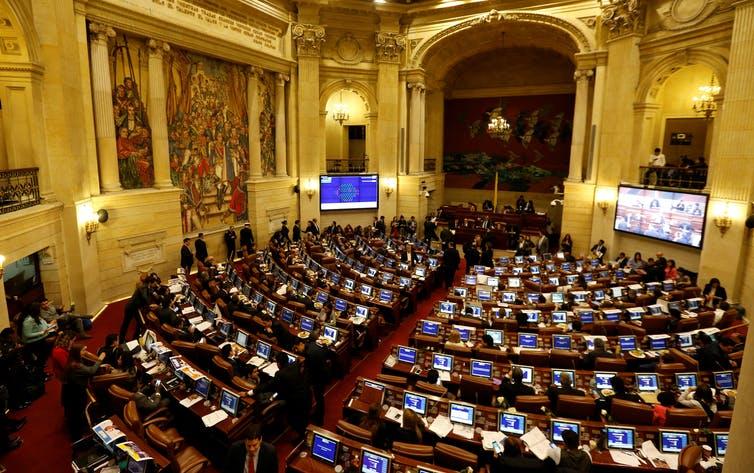 COLOMBIAN PARLIAMENT ADOPTS RESOLUTION ON KARABAKH CONFLICT
The Caucasus and Turkish-Armenian Relations
25.12.2018
COLOMBIAN PARLIAMENT ADOPTS RESOLUTION ON KARABAKH CONFLICT
The Caucasus and Turkish-Armenian Relations
25.12.2018
- GREEK FARMERS FUME AGAINST MAYOR WHO BANNED SHORT FOOD SUPPLY CHAINS Europe - EU 25.12.2018
-
 VIỆT NAM, RUSSIA HOLD POTENTIAL TO BOOST TRADE, INVESTMENT TIES
Asia - Pacific
25.12.2018
VIỆT NAM, RUSSIA HOLD POTENTIAL TO BOOST TRADE, INVESTMENT TIES
Asia - Pacific
25.12.2018
- PEACE TALKS CAN SUCCEED IF AFGHANS ARE INVOLVED: KARZAI Asia - Pacific 25.12.2018
-
25.01.2016
THE ARMENIAN QUESTION - BASIC KNOWLEDGE AND DOCUMENTATION -
12.06.2024
THE TRUTH WILL OUT -
27.03.2023
RADİKAL ERMENİ UNSURLARCA GERÇEKLEŞTİRİLEN MEZALİMLER VE VANDALİZM -
17.03.2023
PATRIOTISM PERVERTED -
23.02.2023
MEN ARE LIKE THAT -
03.02.2023
BAKÜ-TİFLİS-CEYHAN BORU HATTININ YAŞANAN TARİHİ -
16.12.2022
INTERNATIONAL SCHOLARS ON THE EVENTS OF 1915 -
07.12.2022
FAKE PHOTOS AND THE ARMENIAN PROPAGANDA -
07.12.2022
ERMENİ PROPAGANDASI VE SAHTE RESİMLER -
01.01.2022
A Letter From Japan - Strategically Mum: The Silence of the Armenians -
01.01.2022
Japonya'dan Bir Mektup - Stratejik Suskunluk: Ermenilerin Sessizliği -
03.06.2020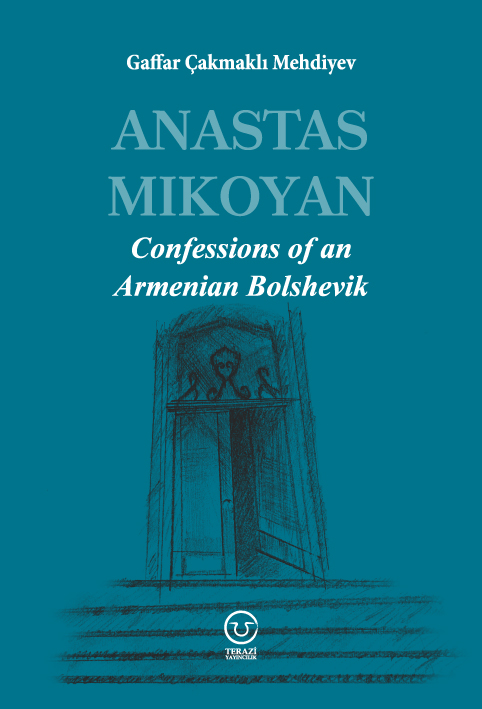
Anastas Mikoyan: Confessions of an Armenian Bolshevik -
08.04.2020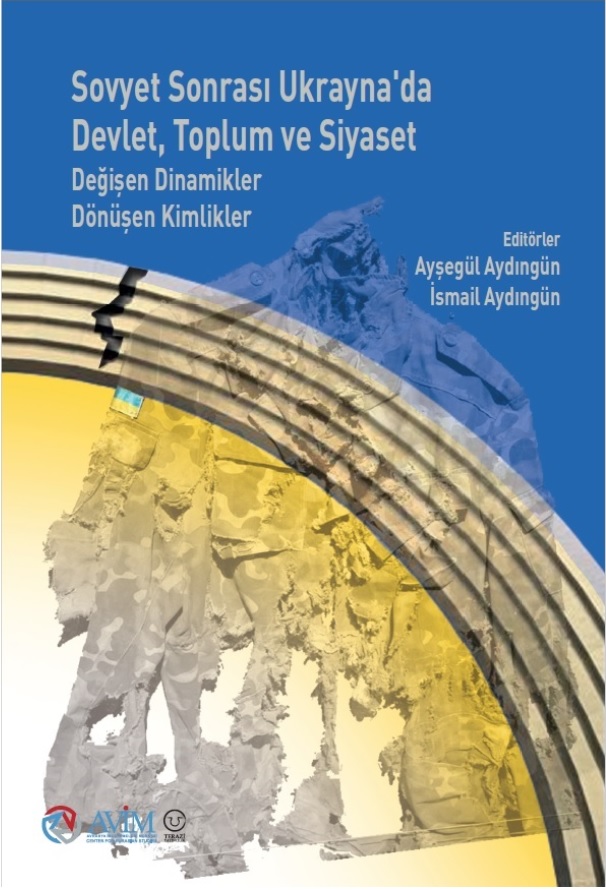
Sovyet Sonrası Ukrayna’da Devlet, Toplum ve Siyaset - Değişen Dinamikler, Dönüşen Kimlikler -
12.06.2018
Ermeni Sorunuyla İlgili İngiliz Belgeleri (1912-1923) - British Documents on Armenian Question (1912-1923) -
02.12.2016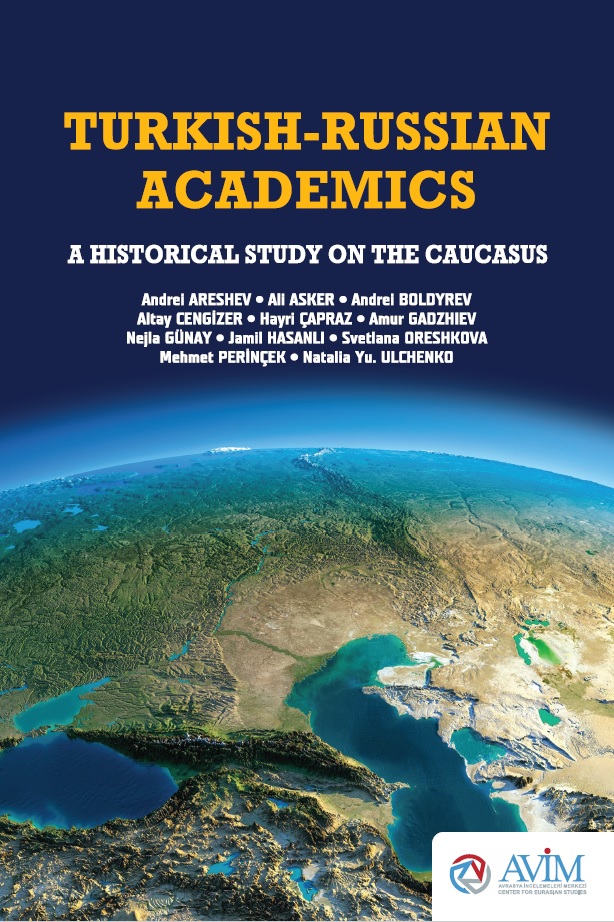
Turkish-Russian Academics: A Historical Study on the Caucasus -
01.07.2016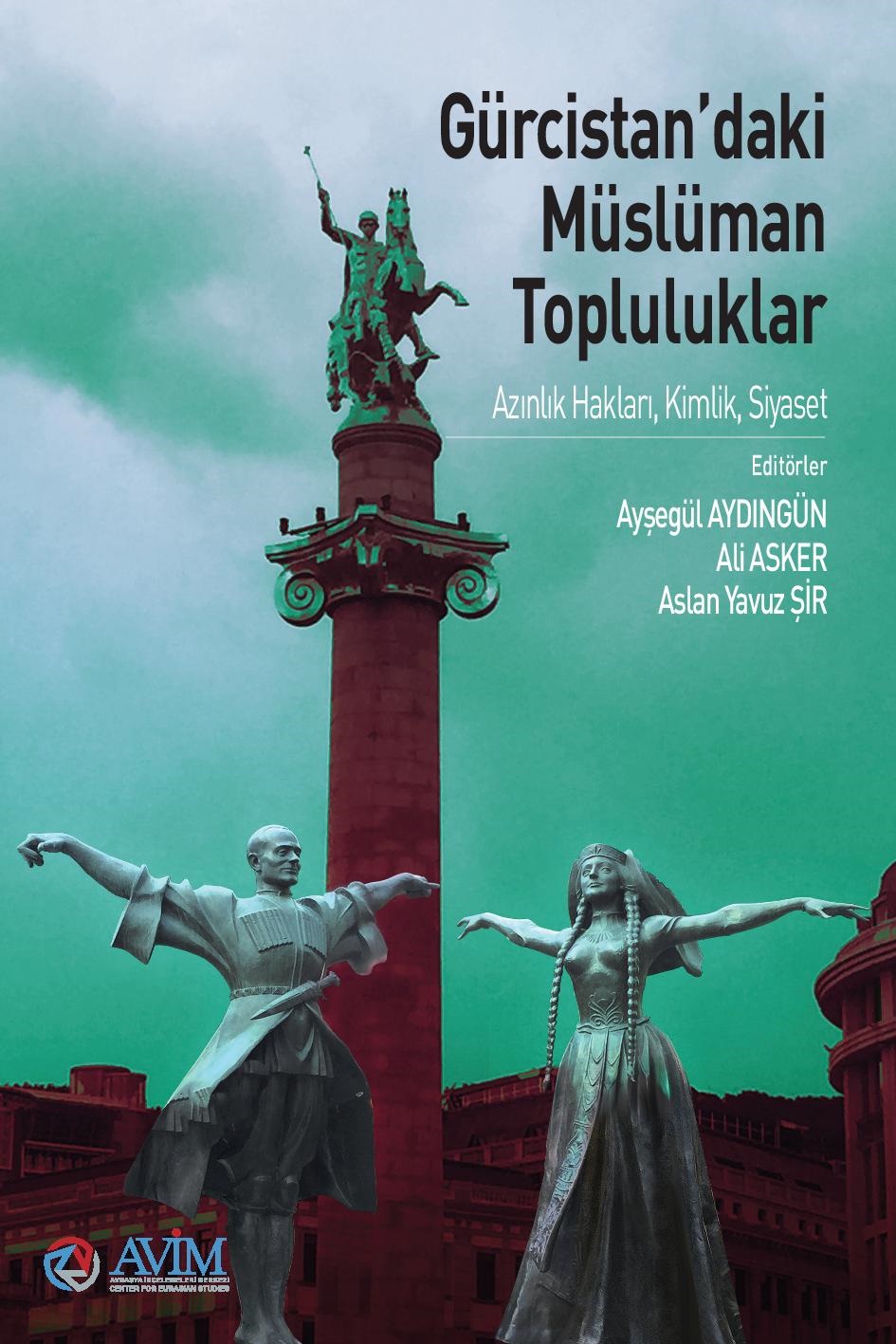
Gürcistan'daki Müslüman Topluluklar: Azınlık Hakları, Kimlik, Siyaset -
10.03.2016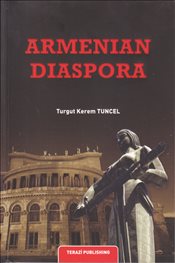
Armenian Diaspora: Diaspora, State and the Imagination of the Republic of Armenia -
24.01.2016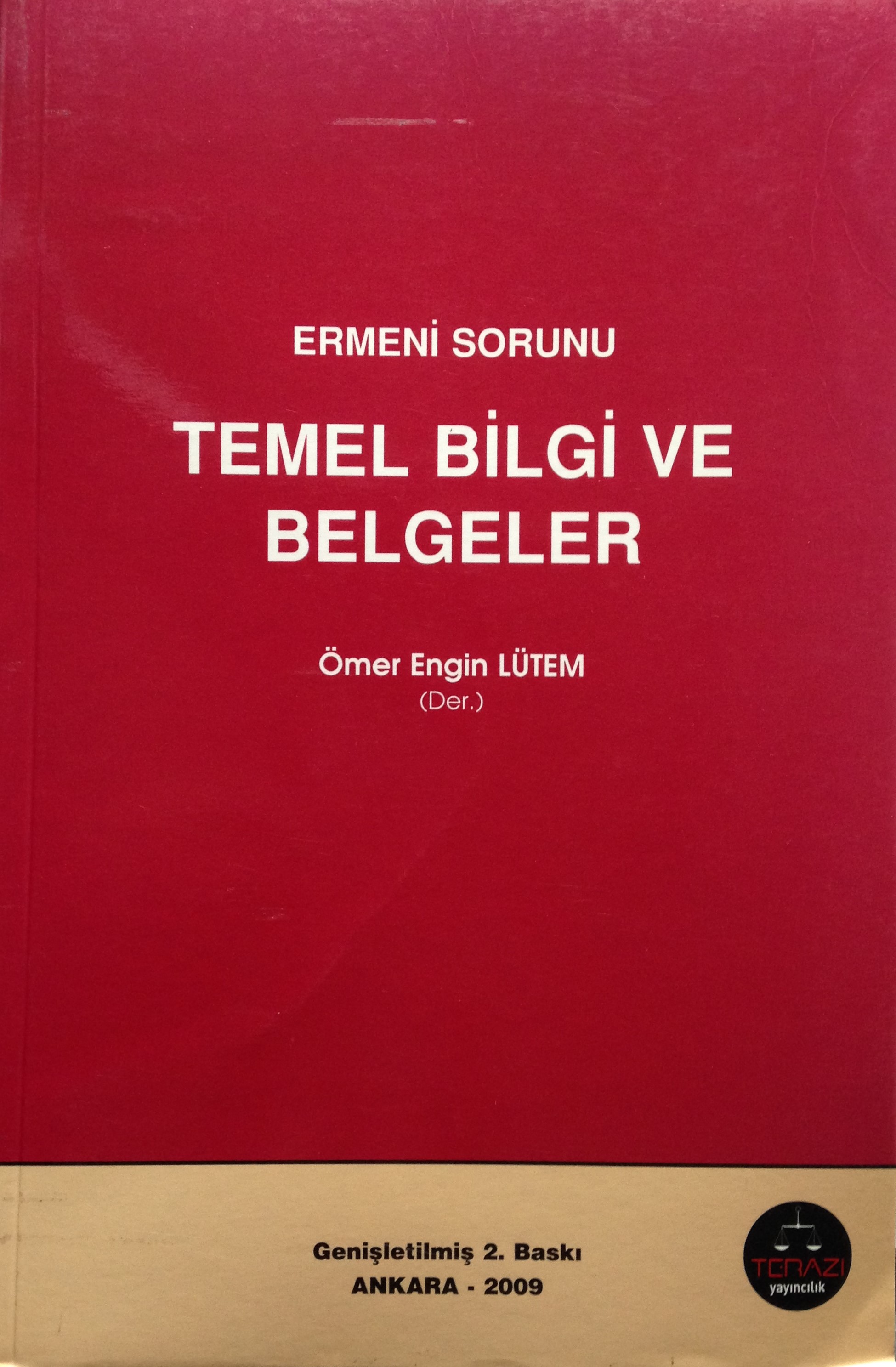
ERMENİ SORUNU - TEMEL BİLGİ VE BELGELER (2. BASKI)
-
AVİM Conference Hall 24.01.2023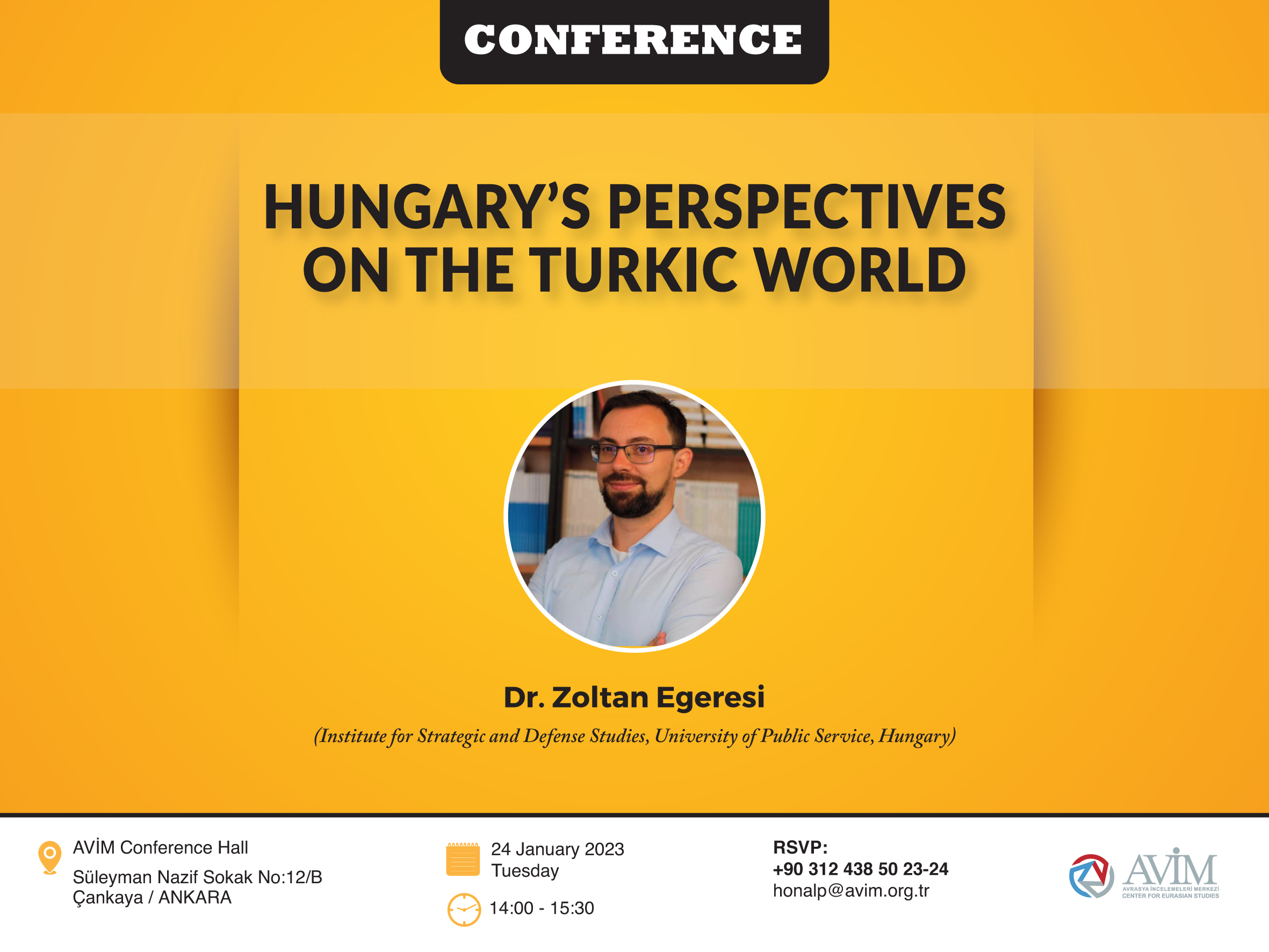
CONFERENCE TITLED “HUNGARY’S PERSPECTIVES ON THE TURKIC WORLD"