

















EurActiv (9 January 2018)
Five days have been scheduled for exploratory talks between the CDU, CSU and SPD to negotiate the formation of a new German government. But even if there is a common declaration at the end of the negotiation marathon, it remains unclear if the parties will agree to form a government coalition. EURACTIV Germany reports.
The SPD branches of North Rhine-Westphalia and Thuringia states have already voiced doubts over the new grand coalition. Here, the vote during the SPD party congress on 21 January will be decisive. If the SPD party base decides against a coalition with the CDU/CSU, the government formation, expected to be concluded until April at the latest, might be in jeopardy again.
“More work, less talk”
“Negotiators have their work cut out for them,” Angela Merkel said before the start of the exploratory talks at the SPD party headquarters, the Willy-Brandt-Haus, in Berlin. All sides seemed to agree that “the mistakes of the Jamaica talks will not be repeated. No Twitter, no announcements on intermediate results, no interviews – simply ‘less talk, more work’,” Horst Seehofer (CSU) told the press.
On the first day of the talks, the aim was to find common ground on the budget leeway for the coming term. Development minister Gerd Müller (CSU) had warned in advance to not only plan for expensive domestic projects but also take into account the upcoming reconstruction conferences for Syria and Iraq. In this issue, according to him, Germany and the EU will be financially stipulated.
German coalition negotiators agree to scrap 2020 climate target
Germany’s would-be coalition partners have agreed to drop plans to lower carbon dioxide emissions by 40% from 1990 levels by 2020, sources familiar with negotiations said on Monday (8 January) – a potential embarrassment for Chancellor Angela Merkel.
For the negotiators, the pressure to succeed is tremendous. Even if the SPD is showing readiness to make concessions, the party has known since the Jamaica talks that up to €45 billion are on hand for “presents”. So if the schwarze Null [‘black zero’, meaning not increasing the budget debt], can be maintained, the CDU might be ready for concessions too. In the end, it will depend on Merkel to convince her party colleagues that the old partner needs new offers.
Old problems, new style
After the first day of the negotiations, the parties involved seem to have made substantial progress in the areas of agriculture, infrastructure and domestic policy.
Europe could become a focal point in the remake of the grand coalition. Both Merkel and Martin Schulz are known as pro-European politicians. Nevertheless, there is unanimity, into which direction Europe should head in the future.
While Schulz argues for creating the “United States of Europe” by 2025, Merkel remains guarded over her vision. Parts of CDU/CSU have already criticised Schulz’s plans as “utopic”. One of the red lines remains the idea of a eurozone reform forward by the French President Emmanuel Macron. An answer by the German government is still pending.
Germany's 'debt clock' counts down for very first time
A “debt clock” in Berlin, run by German tax lobbyists to shame the government into reining in spending, is falling for the first time in its 22-year history.
Another controversial subject is the question of migration policy, especially the issue of family reunification. Before the start of the negotiations, the CSU issued a list of demands on security and migration and insists that the limited protection status will not be prolonged beyond March.
To the SPD, this looks like a factual Obergrenze (“upper limit”) and like a breach of the Geneva Convention on Refugees as well as the right of asylum. Additionally, the SPD opposes the CSU demand to cut the period in which asylum seekers are entitled to get reimbursed for the basic requirements to 15 months from the current three years.
Nevertheless, the negotiators have signalled readiness to compromise. For them, a fresh breeze has to be a shake-up of the German government – more transparency, more discussion, closer to the people. “We are currently in a new era,” the SPD secretary general Lars Klingbeil explained. “And this new era needs a new policy.”
No comments yet.
- EUROPE BECOMES VICTIM OF RUSSIA’S NEWEST OIL STRATEGY Asia - Pacific 09.01.2018
- ALBANIA'S STATE POLICE CHIEF DISMISSED The Balkans 09.01.2018
- MACEDONIA TAKES EMERGENCY MEASURES AGAINST AIR POLLUTION The Balkans 09.01.2018
- RISING NATIONALISM AND THE EU'S SPLIT WITH THE EAST Europe - EU 09.01.2018
- HEAD OF EU DELEGATION HAILS AZERBAIJAN`S EFFORTS TO IMPROVE SOCIAL CONDITIONS OF REFUGEES AND IDPS The Caucasus and Turkish-Armenian Relations 09.01.2018
-
25.01.2016
THE ARMENIAN QUESTION - BASIC KNOWLEDGE AND DOCUMENTATION -
12.06.2024
THE TRUTH WILL OUT -
27.03.2023
RADİKAL ERMENİ UNSURLARCA GERÇEKLEŞTİRİLEN MEZALİMLER VE VANDALİZM -
17.03.2023
PATRIOTISM PERVERTED -
23.02.2023
MEN ARE LIKE THAT -
03.02.2023
BAKÜ-TİFLİS-CEYHAN BORU HATTININ YAŞANAN TARİHİ -
16.12.2022
INTERNATIONAL SCHOLARS ON THE EVENTS OF 1915 -
07.12.2022
FAKE PHOTOS AND THE ARMENIAN PROPAGANDA -
07.12.2022
ERMENİ PROPAGANDASI VE SAHTE RESİMLER -
01.01.2022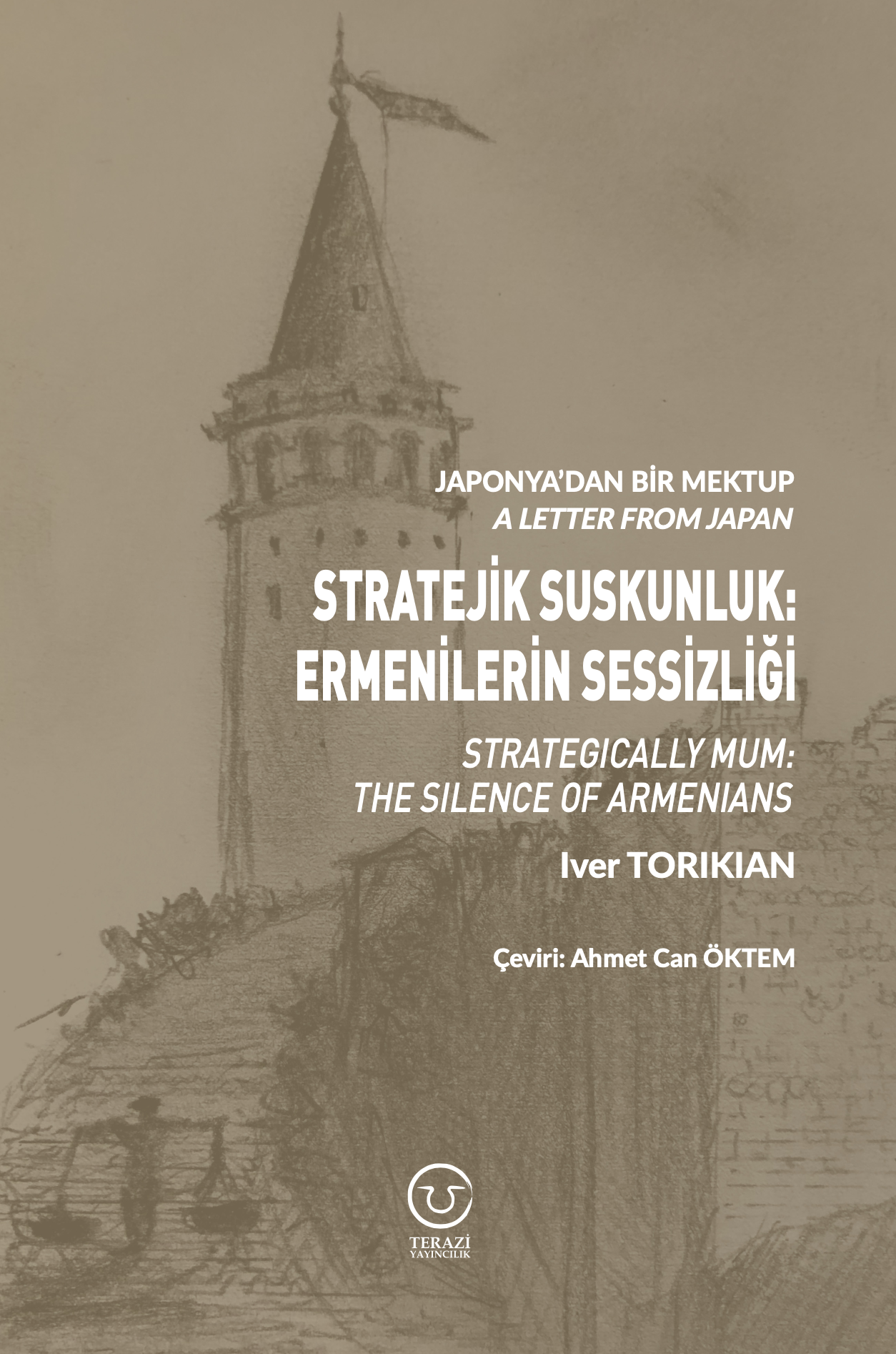
A Letter From Japan - Strategically Mum: The Silence of the Armenians -
01.01.2022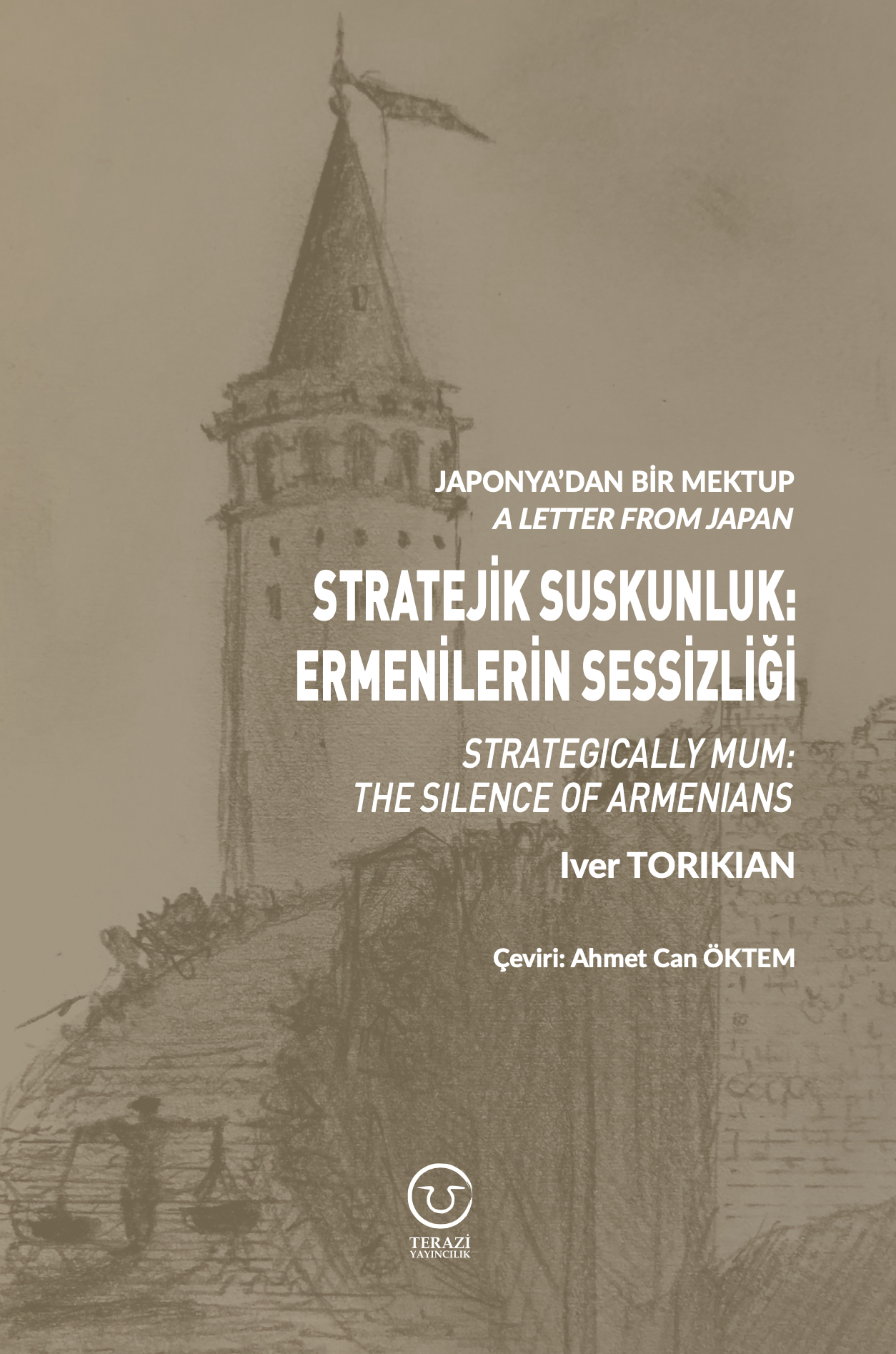
Japonya'dan Bir Mektup - Stratejik Suskunluk: Ermenilerin Sessizliği -
03.06.2020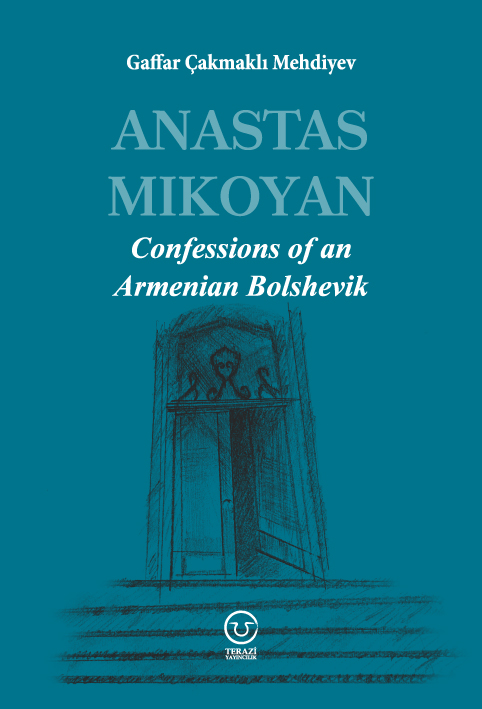
Anastas Mikoyan: Confessions of an Armenian Bolshevik -
08.04.2020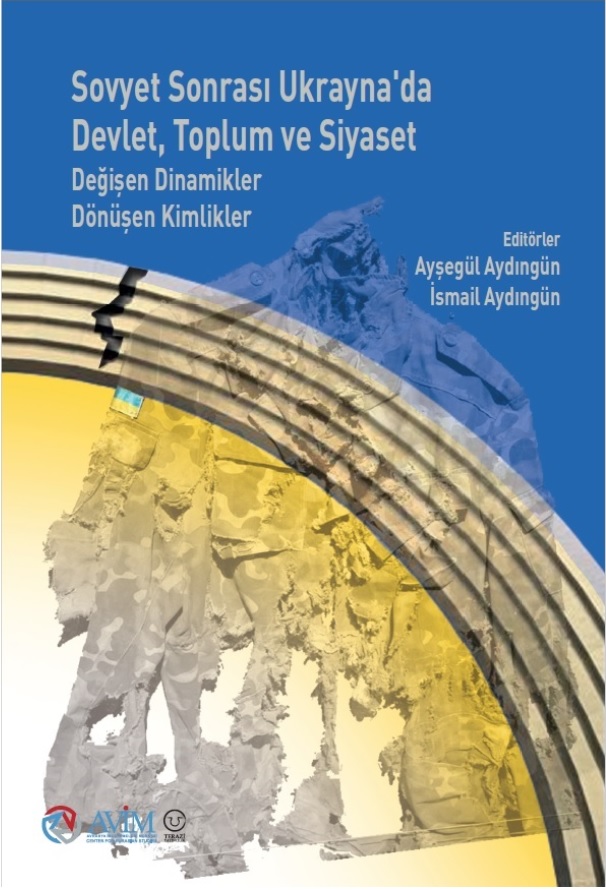
Sovyet Sonrası Ukrayna’da Devlet, Toplum ve Siyaset - Değişen Dinamikler, Dönüşen Kimlikler -
12.06.2018
Ermeni Sorunuyla İlgili İngiliz Belgeleri (1912-1923) - British Documents on Armenian Question (1912-1923) -
02.12.2016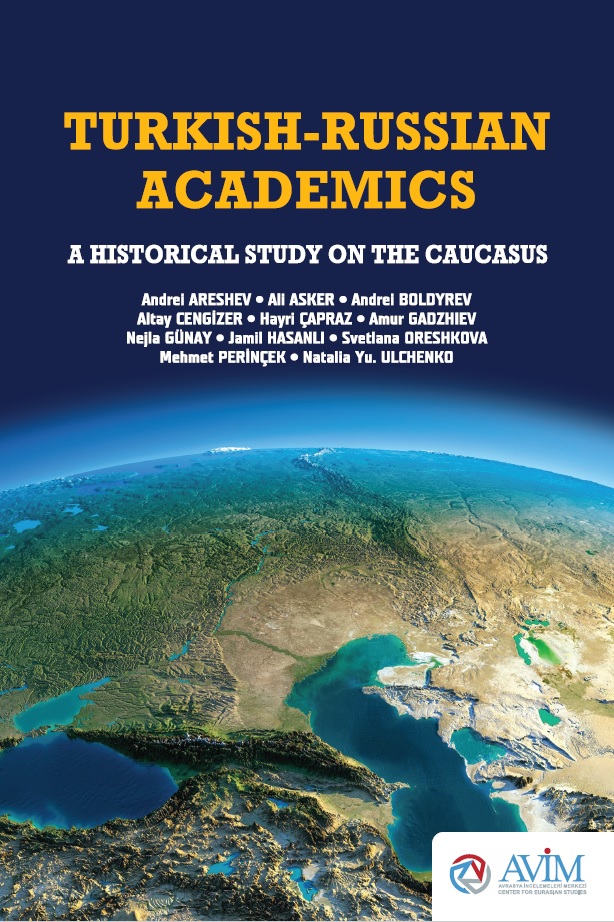
Turkish-Russian Academics: A Historical Study on the Caucasus -
01.07.2016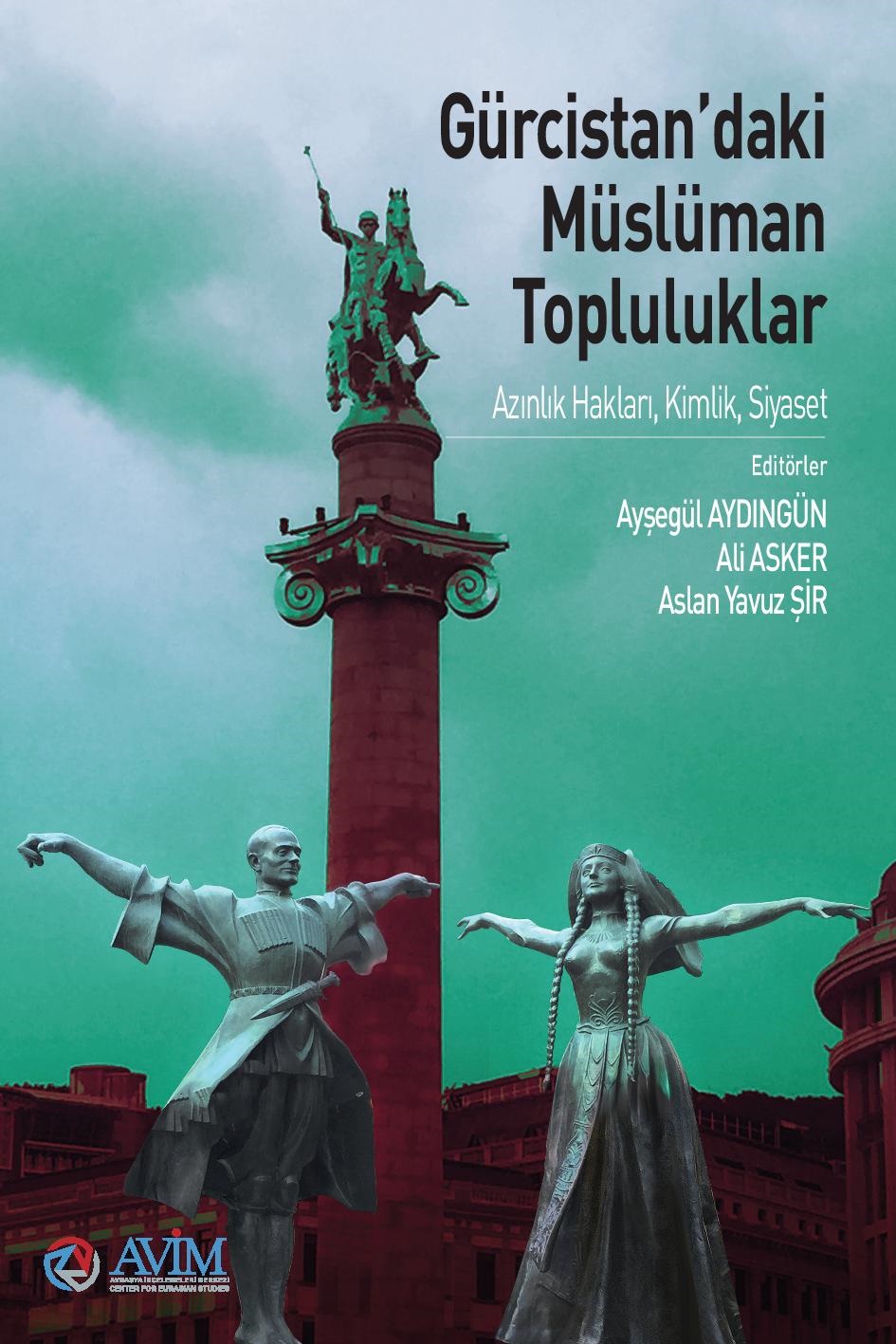
Gürcistan'daki Müslüman Topluluklar: Azınlık Hakları, Kimlik, Siyaset -
10.03.2016
Armenian Diaspora: Diaspora, State and the Imagination of the Republic of Armenia -
24.01.2016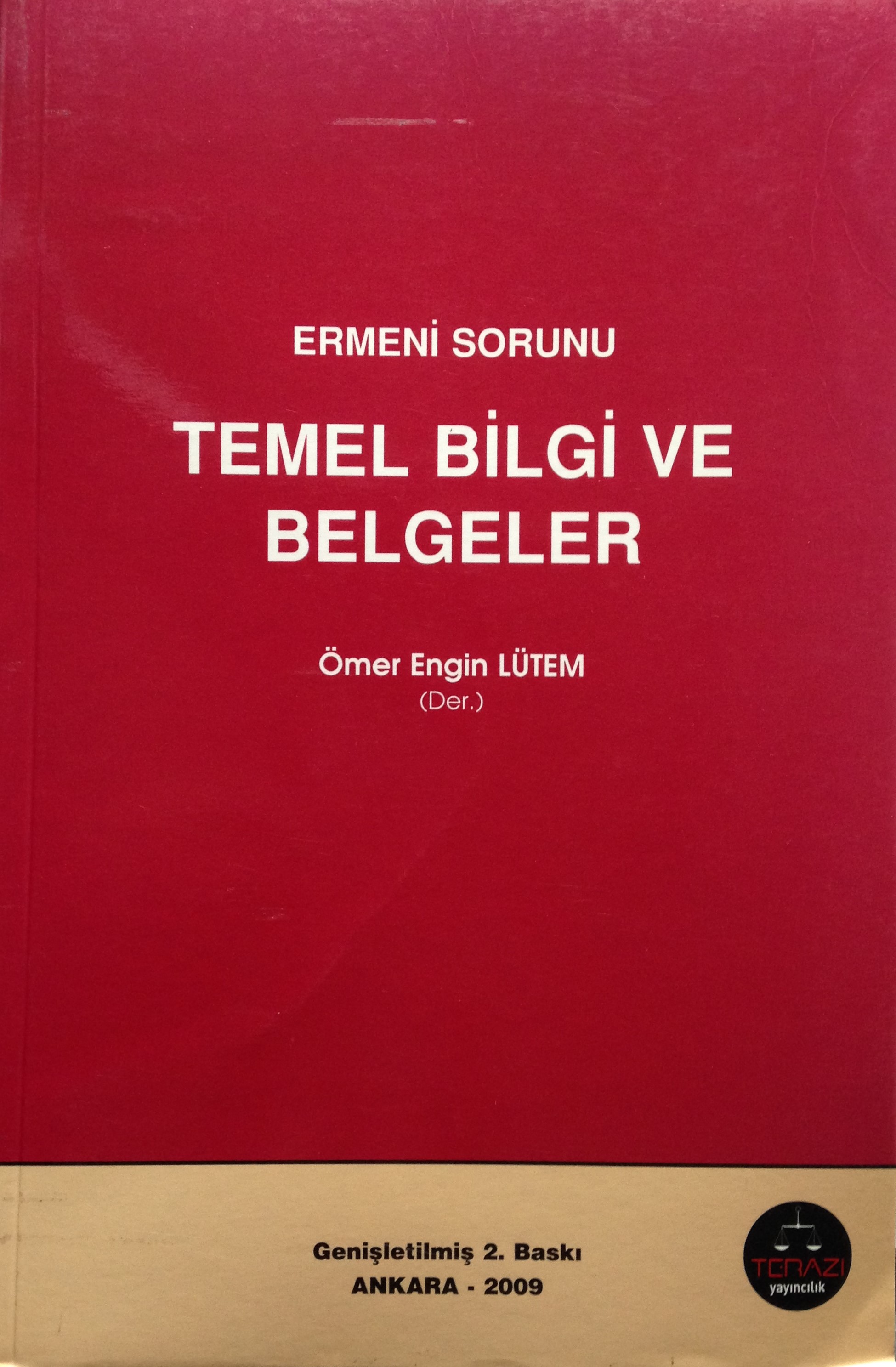
ERMENİ SORUNU - TEMEL BİLGİ VE BELGELER (2. BASKI)
-
AVİM Conference Hall 24.01.2023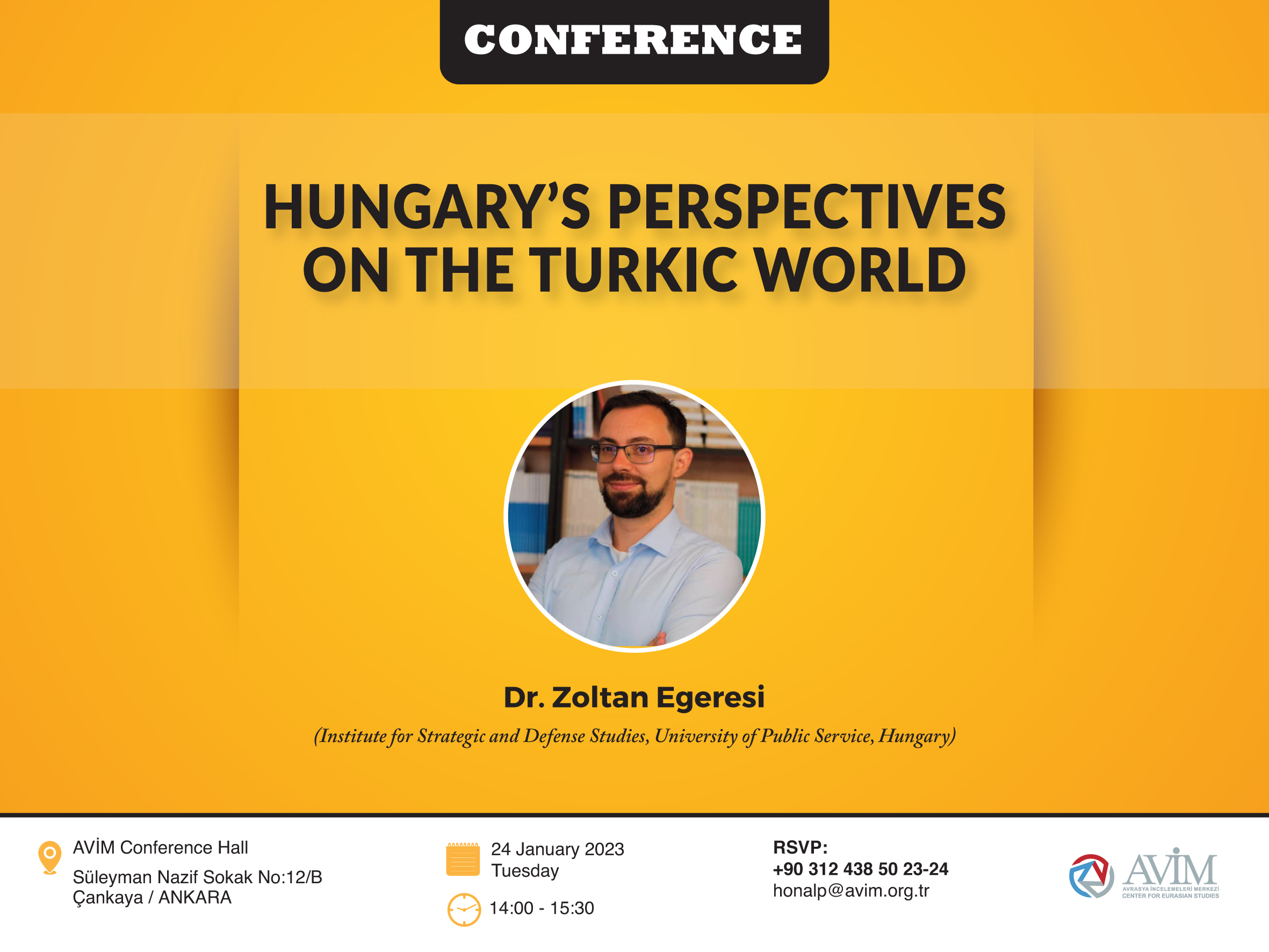
CONFERENCE TITLED “HUNGARY’S PERSPECTIVES ON THE TURKIC WORLD"