

















2 August 2017
By Seba Aghayeva – Trend
In order to expose the Armenian lies about Nagorno-Karabakh, it is enough to hold a census in the occupied region of Azerbaijan, following which it will be found out that nearly 30,000-40,000 people are living there, which is three times less than before the occupation, Elkhan Alasgarov, head of Expert Council of the Baku International Policy and Security Network (Baku Network), said in an interview with CBC TV channel.
“The question is – why did Armenians demand independence and the right to self-determination if 150,000 Armenians were living there when the territory was under Azerbaijan’s control? And now, due to “positive” tendencies, their number has decreased to 30,000-40,000. Are these 30,000-40,000 Armenians going to build an “independent state”? This is a very important question,” noted the expert.
According to him, Armenia itself hasn’t yet decided on the future of the Armenians of Nagorno-Karabakh.
“From time to time, ideas emerge in Yerevan about a possible annexation of Nagorno-Karabakh to Armenia, or about granting the status of self-determination,” said Alasgarov. “Yerevan understands perfectly well that 30,000-40,000 Armenians can’t claim self-determination.”
Otherwise, Armenia will also have to give the right to self-determination to the Kurds living in its own territory, noted the expert.
“The whole path of Armenia’s President Serzh Sargsyan to the highest state position was accompanied by bloody battles, political murders, and confrontation for power,” he said, adding Sargsyan is a political face of today’s Armenia, which has all the features of nationalists, terrorists and criminals.
“After the collapse of the Soviet Union, two countries of the South Caucasus, Azerbaijan and Georgia, fought for their independence, while the Armenian society adhered to another ideology – to prove to the world that the Armenian people faced a “genocide”. Politicians and authorities of Armenia have tried to make the world recognize the “genocide”, as if its recognition by certain political circles of some countries would bring the Armenian people some advantage,” said Alasgarov.
“Another important part of this ideology was Nagorno-Karabakh,” noted the expert, adding that the Armenian authorities have repeatedly held “elections” in the occupied Nagorno-Karabakh region of Azerbaijan, thereby trying to prove something to the whole world.
“These tendencies in the Armenian ideology have led Armenia into the current distressed situation,” he said, adding that there are simply no political forces in Armenia that could change the situation.
“The current political elite of Armenia is a group that is built upon a specific clan principle, and all the important political, economic and military positions are occupied by people from the ‘Karabakh clan’,” said Alasgarov. “It is impossible to talk about any success of this clan, because Armenia is still in a difficult economic and social situation.”
“Of course, the Armenian diaspora forces stand behind all the actions of this clan,” he noted, adding that in order to preserve the power, the military-political leadership in Yerevan needs leverage to influence its people.
The conflict between the two South Caucasus countries began in 1988 when Armenia made territorial claims against Azerbaijan. As a result of the ensuing war, in 1992 Armenian armed forces occupied 20 percent of Azerbaijan, including the Nagorno-Karabakh region and seven surrounding districts.
The 1994 ceasefire agreement was followed by peace negotiations. Armenia has not yet implemented four UN Security Council resolutions on withdrawal of its armed forces from the Nagorno-Karabakh and the surrounding districts.
No comments yet.
- [IRANIAN] PARLIAMENT RATIFIES IRAN-ARMENIA BORDER COOP. AGREEMENT The Caucasus and Turkish-Armenian Relations 03.08.2017
- EXPERT: A CENSUS IN KARABAKH ENOUGH TO EXPOSE ARMENIAN LIES The Caucasus and Turkish-Armenian Relations 03.08.2017
- POLAND REVIVES GERMAN WAR REPARATIONS DEMAND Europe - EU 03.08.2017
-
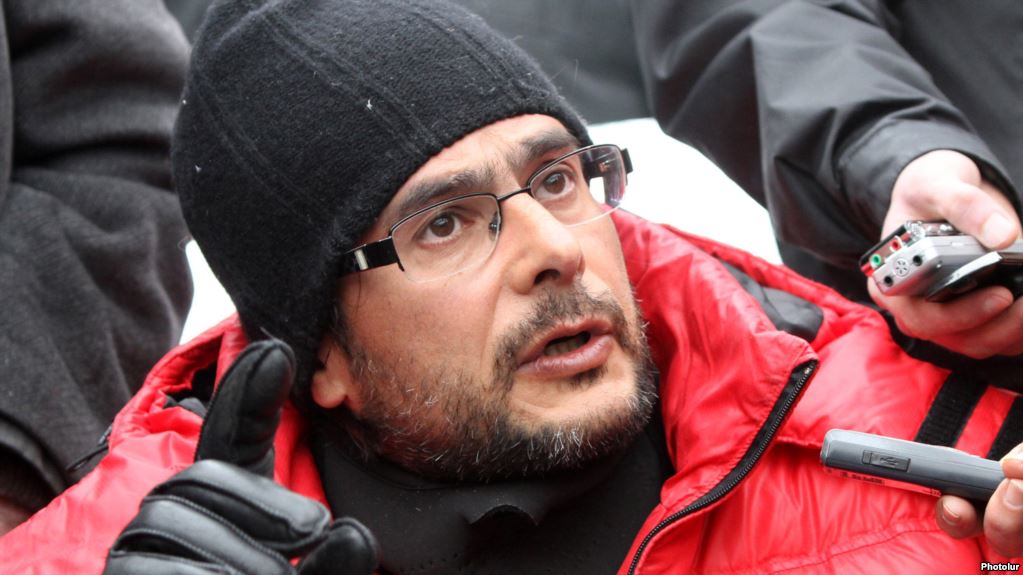 ARMENIAN OPPOSITION POLITICIAN GOES ON TRIAL
The Caucasus and Turkish-Armenian Relations
03.08.2017
ARMENIAN OPPOSITION POLITICIAN GOES ON TRIAL
The Caucasus and Turkish-Armenian Relations
03.08.2017
- ASIAN FORUM TO EXPRESS 'CONCERN' OVER NORTH KOREA Asia - Pacific 03.08.2017
-
25.01.2016
THE ARMENIAN QUESTION - BASIC KNOWLEDGE AND DOCUMENTATION -
12.06.2024
THE TRUTH WILL OUT -
27.03.2023
RADİKAL ERMENİ UNSURLARCA GERÇEKLEŞTİRİLEN MEZALİMLER VE VANDALİZM -
17.03.2023
PATRIOTISM PERVERTED -
23.02.2023
MEN ARE LIKE THAT -
03.02.2023
BAKÜ-TİFLİS-CEYHAN BORU HATTININ YAŞANAN TARİHİ -
16.12.2022
INTERNATIONAL SCHOLARS ON THE EVENTS OF 1915 -
07.12.2022
FAKE PHOTOS AND THE ARMENIAN PROPAGANDA -
07.12.2022
ERMENİ PROPAGANDASI VE SAHTE RESİMLER -
01.01.2022
A Letter From Japan - Strategically Mum: The Silence of the Armenians -
01.01.2022
Japonya'dan Bir Mektup - Stratejik Suskunluk: Ermenilerin Sessizliği -
03.06.2020
Anastas Mikoyan: Confessions of an Armenian Bolshevik -
08.04.2020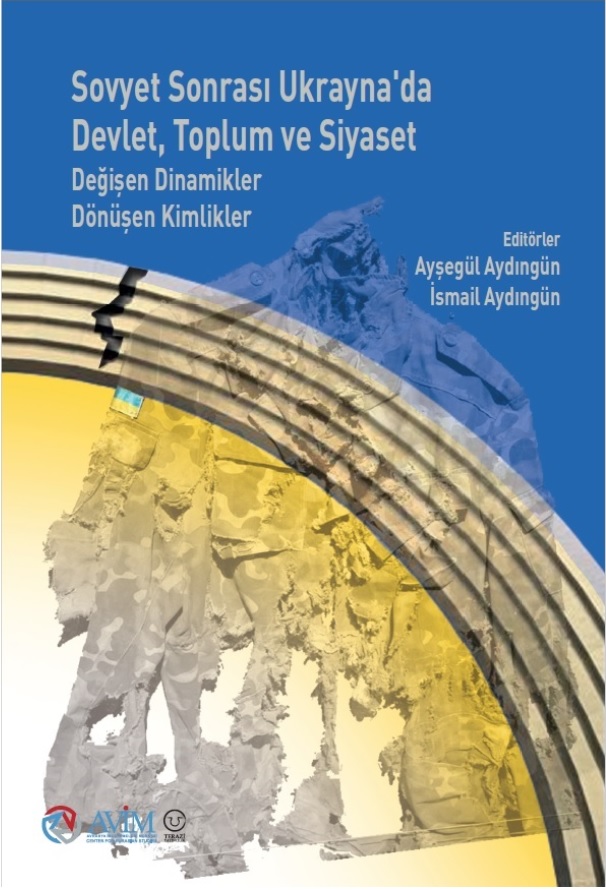
Sovyet Sonrası Ukrayna’da Devlet, Toplum ve Siyaset - Değişen Dinamikler, Dönüşen Kimlikler -
12.06.2018
Ermeni Sorunuyla İlgili İngiliz Belgeleri (1912-1923) - British Documents on Armenian Question (1912-1923) -
02.12.2016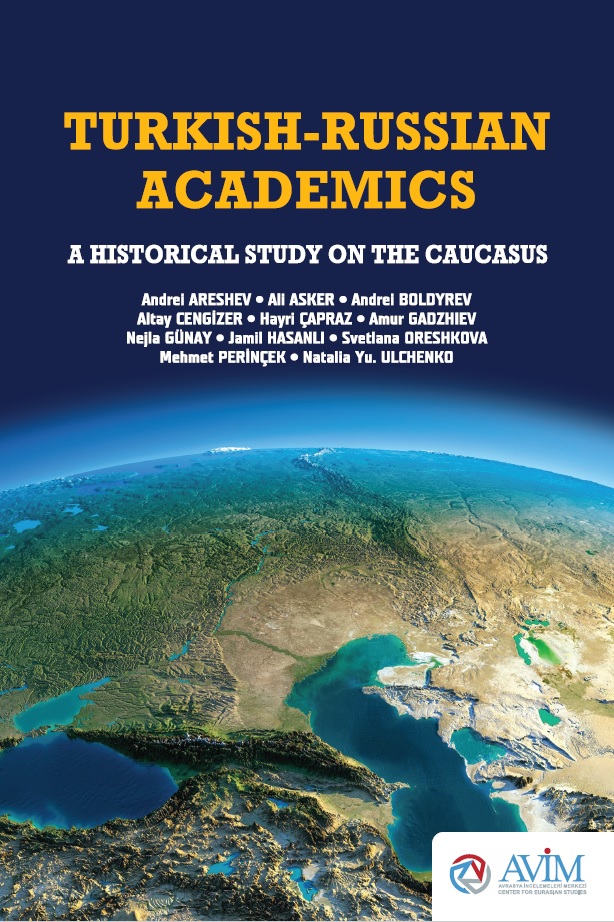
Turkish-Russian Academics: A Historical Study on the Caucasus -
01.07.2016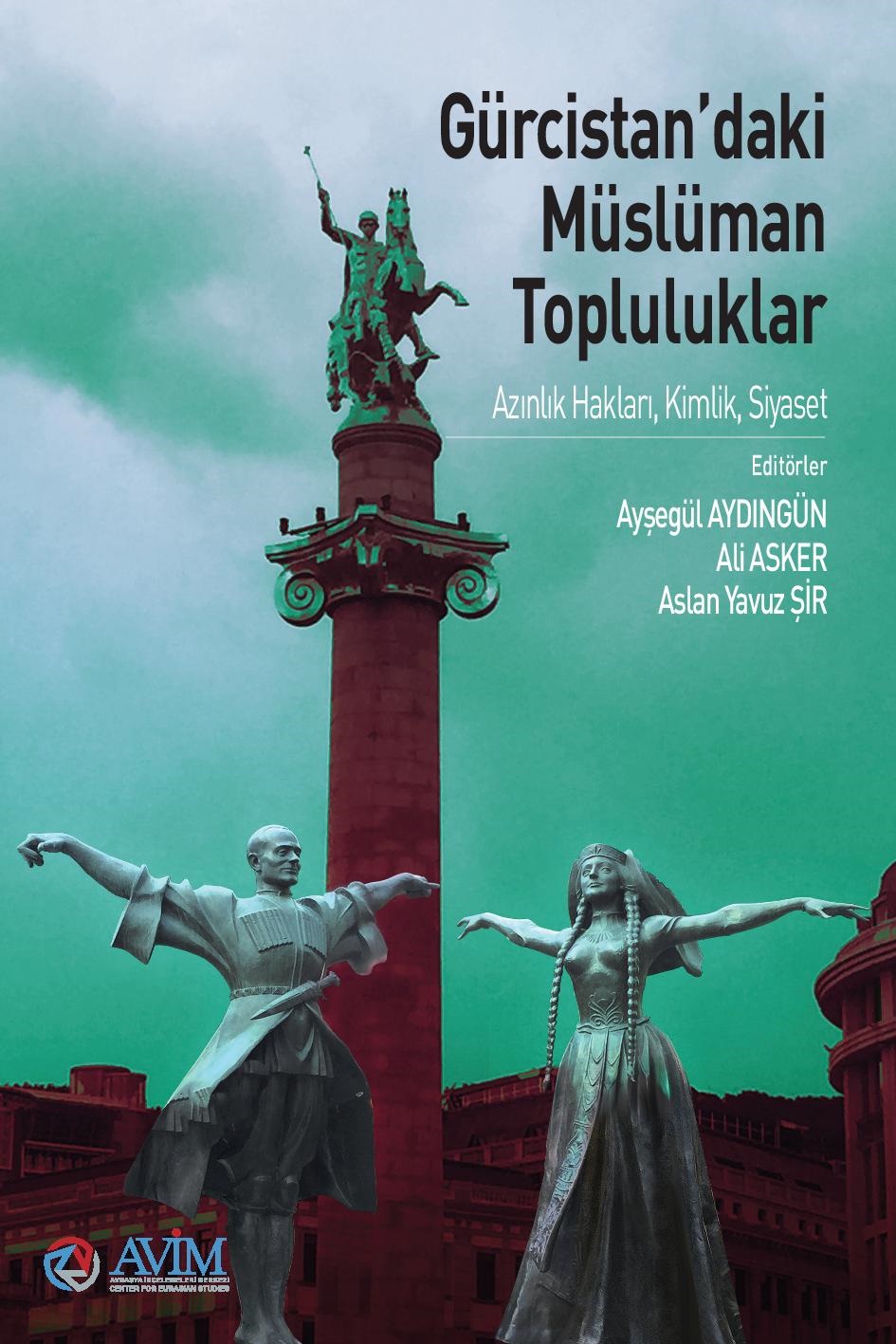
Gürcistan'daki Müslüman Topluluklar: Azınlık Hakları, Kimlik, Siyaset -
10.03.2016
Armenian Diaspora: Diaspora, State and the Imagination of the Republic of Armenia -
24.01.2016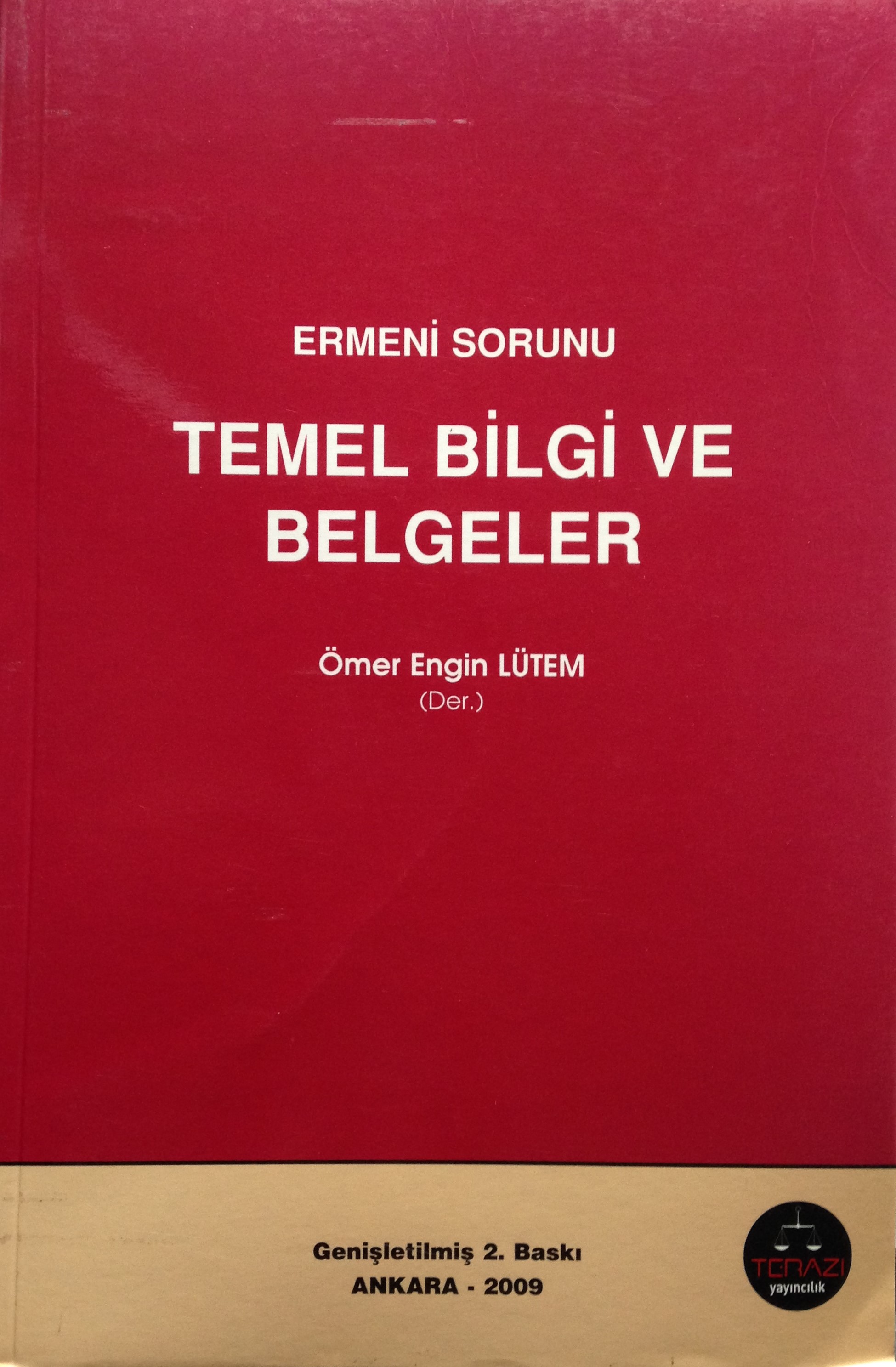
ERMENİ SORUNU - TEMEL BİLGİ VE BELGELER (2. BASKI)
-
AVİM Conference Hall 24.01.2023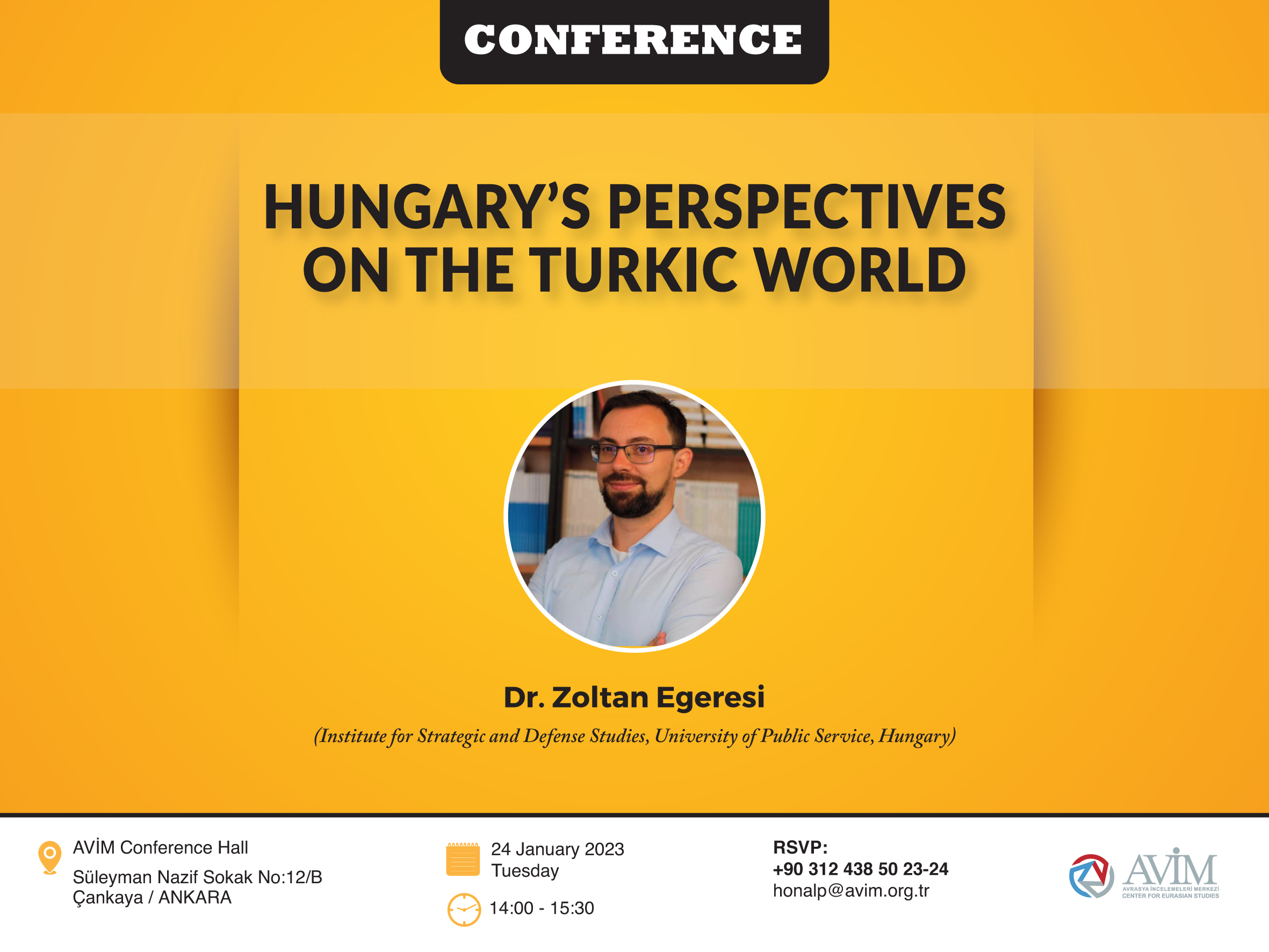
CONFERENCE TITLED “HUNGARY’S PERSPECTIVES ON THE TURKIC WORLD"