

















The Jamestown Foundation (11 February 2025)
Paul Goble
Three developments over the past month highlight an important new reality in geopolitics. First, Russian forces occupy a significant lithium deposit in eastern Ukraine, meaning Russia now has greater reserves of that rare earth mineral than the United States (Window on Eurasia, January 16). Second, the United States has established sanctions on a Russian lithium mining facility near Murmansk that the People’s Republic of China (PRC) is helping Moscow develop (The Barents Observer, August 1, 2024, January 16). Third, Washington and Kyiv have been discussing a deal in which the United States will continue to support Ukraine with its defense needs in exchange for Kyiv’s agreement to give the United States access to Ukrainian rare earth deposits (Reuters, February 5; Kyiv Independent, February 7). Control of access to rare earth minerals is critical to the development of the most advanced technologies, and the denial, or at least dominance, of such access to others now lies behind the strategic thinking of major powers.
That reality may be most clearly evident regarding Ukraine, where the Russian invasion continues. It extends, however, far beyond that country and increasingly involves Central Asia, where the contest between the East and West has been intensifying not only because of the PRC’s dominance in the rare earth field but also because of Beijing’s expansion into Central Asia. This region contains many of the largest, but as of yet underdeveloped, rare earth fields in the world, but its governments need outside help to develop the rare earth sector (U.S. Department of the Interior, March 2018; Cabar.asia, March 29, April 3, 2024; Daryo, February 8). While some consider that the PRC is so far ahead in Central Asia that it cannot be challenged, the stakes in this competition are so great that the United States and European Union have begun to challenge it and are having some success. The United States and European Union can offer greater investment and expertise with fewer strings attached than the PRC and its ally Russia. Central Asian states want to diversify foreign investment in this sector lest the PRC use an exclusive position to dominate them in ways they believe they can avoid by incorporating additional partnerships, which may countervail the PRC’s presence (see EDM, June 13, 2024).
No comments yet.
-
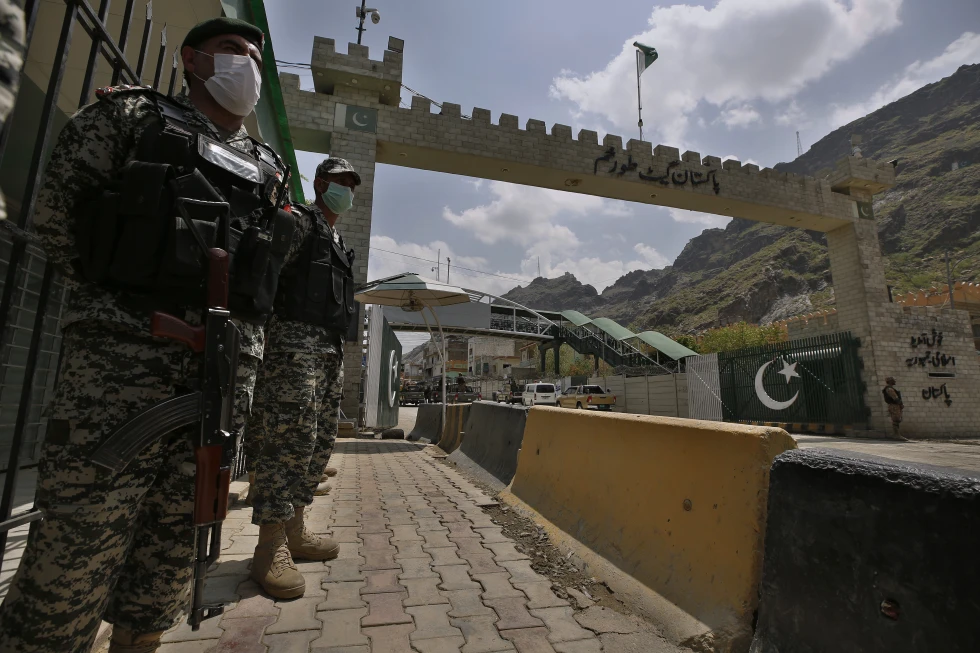 AFGHAN AND PAKISTANI FORCES TRADE FIRE AT THE BORDER AS A KEY CROSSING REMAINS CLOSED
Asia - Pacific
03.03.2025
AFGHAN AND PAKISTANI FORCES TRADE FIRE AT THE BORDER AS A KEY CROSSING REMAINS CLOSED
Asia - Pacific
03.03.2025
-
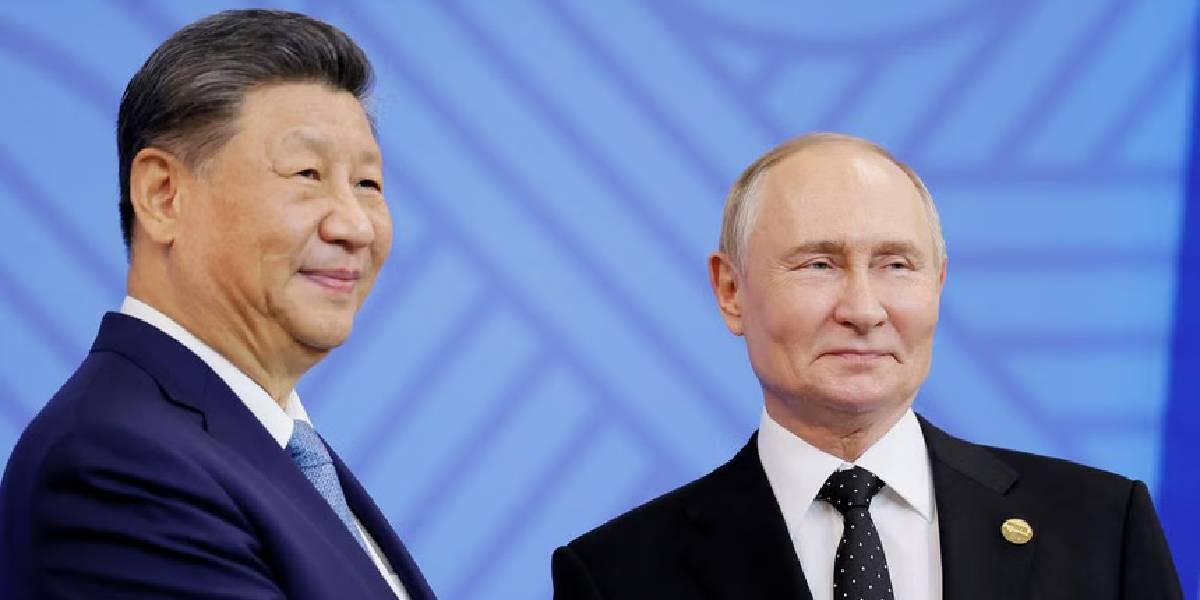 CHINA AND RUSSIA SHOULD STRENGTHEN COORDINATION IN INTERNATIONAL AFFAIRS, XI SAYS
Asia - Pacific
03.03.2025
CHINA AND RUSSIA SHOULD STRENGTHEN COORDINATION IN INTERNATIONAL AFFAIRS, XI SAYS
Asia - Pacific
03.03.2025
- ARMENIA-TURKEY BORDER “MARGARA” CHECKPOINT NOW OPERATED SOLELY BY ARMENIAN BORDER GUARDS The Caucasus and Turkish-Armenian Relations 03.03.2025
-
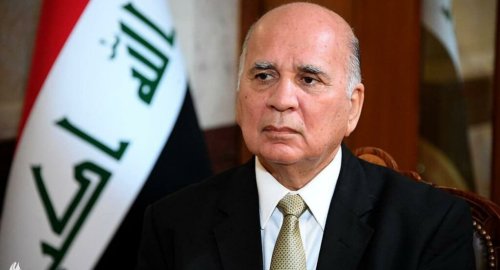 IRAQ'S FOREIGN MINISTER ARRIVES IN CAIRO
Iraq
03.03.2025
IRAQ'S FOREIGN MINISTER ARRIVES IN CAIRO
Iraq
03.03.2025
-
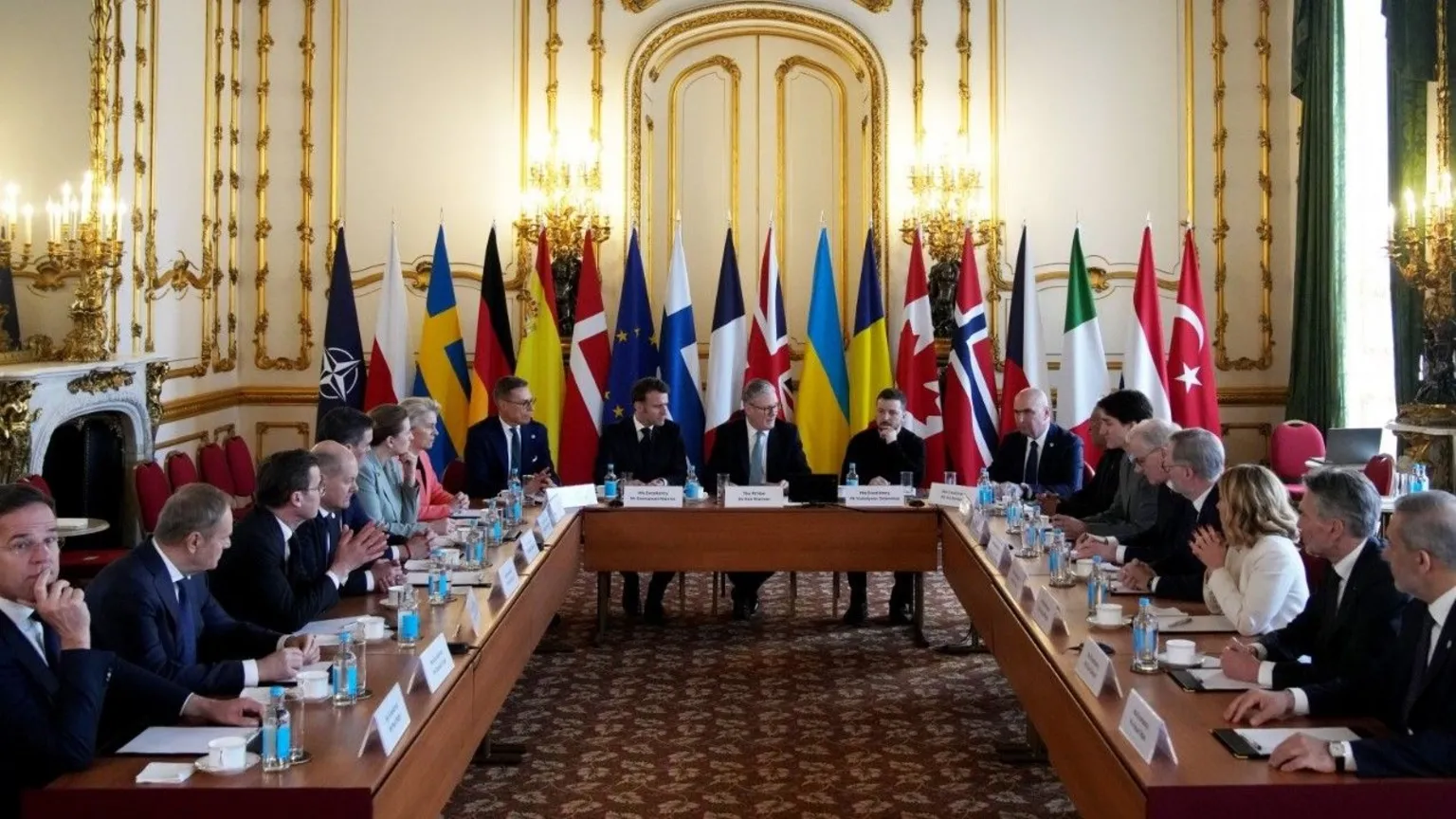 STARMER ANNOUNCES 'COALITION OF THE WILLING' TO GUARANTEE UKRAINE PEACE
Europe - EU
03.03.2025
STARMER ANNOUNCES 'COALITION OF THE WILLING' TO GUARANTEE UKRAINE PEACE
Europe - EU
03.03.2025
-
25.01.2016
THE ARMENIAN QUESTION - BASIC KNOWLEDGE AND DOCUMENTATION -
12.06.2024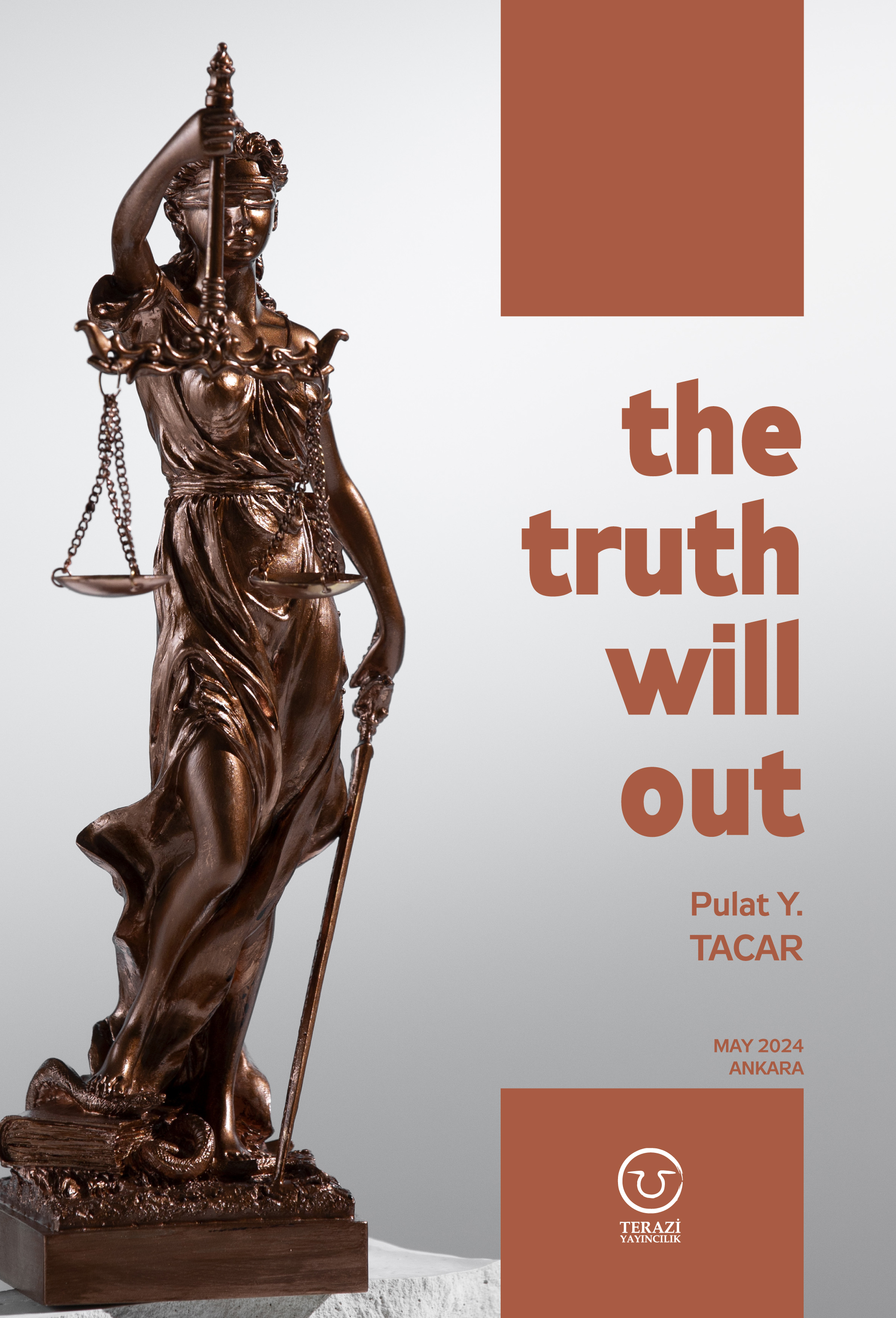
THE TRUTH WILL OUT -
27.03.2023
RADİKAL ERMENİ UNSURLARCA GERÇEKLEŞTİRİLEN MEZALİMLER VE VANDALİZM -
17.03.2023
PATRIOTISM PERVERTED -
23.02.2023
MEN ARE LIKE THAT -
03.02.2023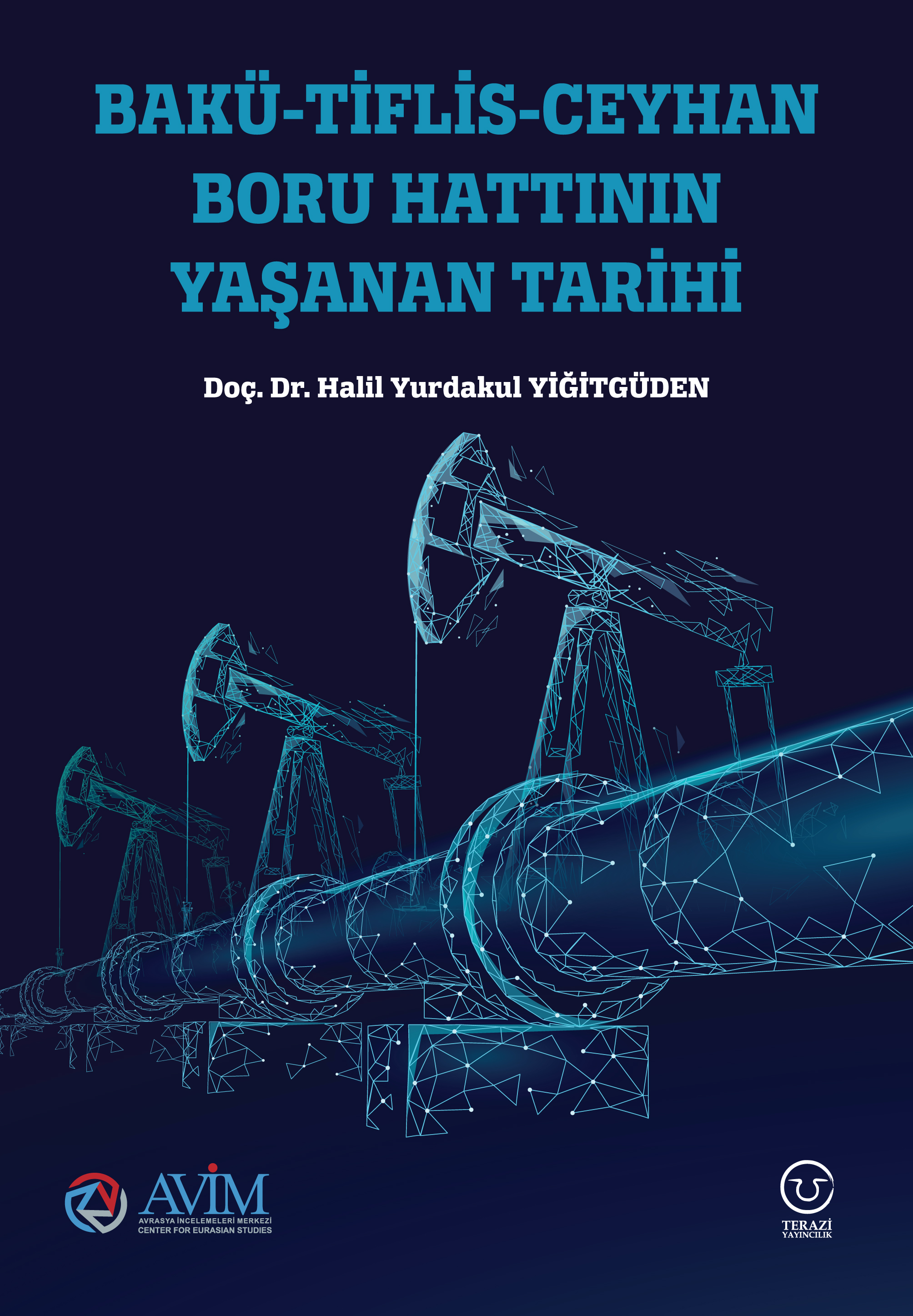
BAKÜ-TİFLİS-CEYHAN BORU HATTININ YAŞANAN TARİHİ -
16.12.2022
INTERNATIONAL SCHOLARS ON THE EVENTS OF 1915 -
07.12.2022
FAKE PHOTOS AND THE ARMENIAN PROPAGANDA -
07.12.2022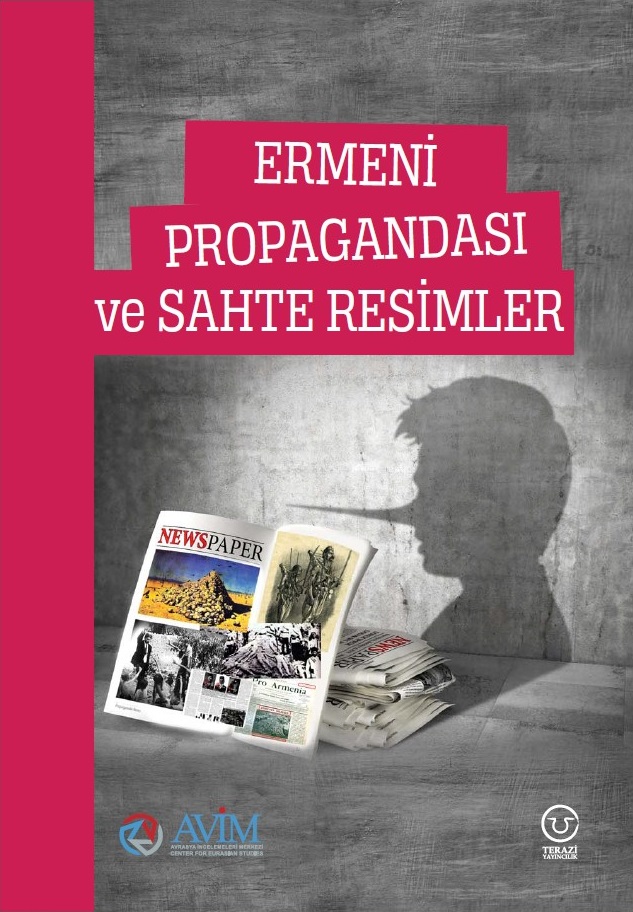
ERMENİ PROPAGANDASI VE SAHTE RESİMLER -
01.01.2022
A Letter From Japan - Strategically Mum: The Silence of the Armenians -
01.01.2022
Japonya'dan Bir Mektup - Stratejik Suskunluk: Ermenilerin Sessizliği -
03.06.2020
Anastas Mikoyan: Confessions of an Armenian Bolshevik -
08.04.2020
Sovyet Sonrası Ukrayna’da Devlet, Toplum ve Siyaset - Değişen Dinamikler, Dönüşen Kimlikler -
12.06.2018
Ermeni Sorunuyla İlgili İngiliz Belgeleri (1912-1923) - British Documents on Armenian Question (1912-1923) -
02.12.2016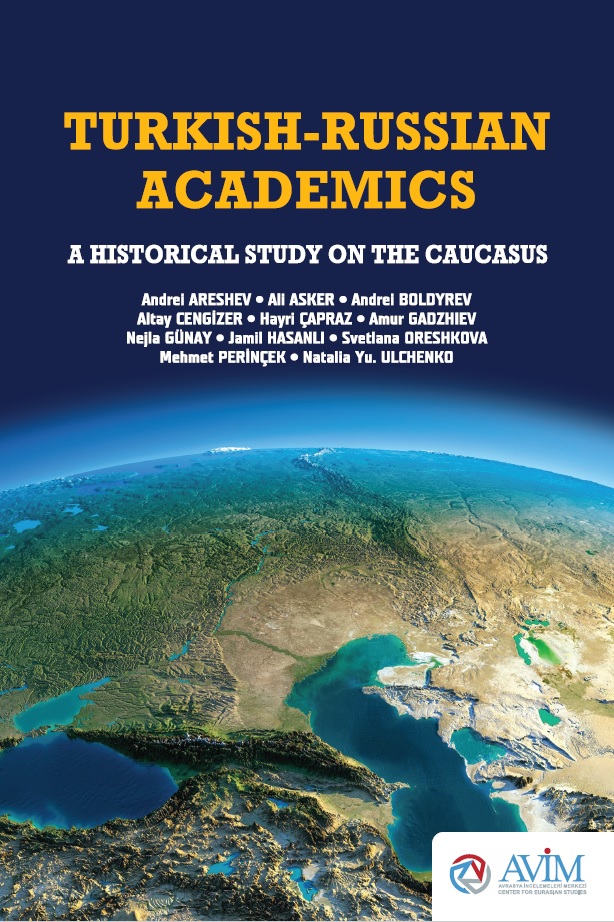
Turkish-Russian Academics: A Historical Study on the Caucasus -
01.07.2016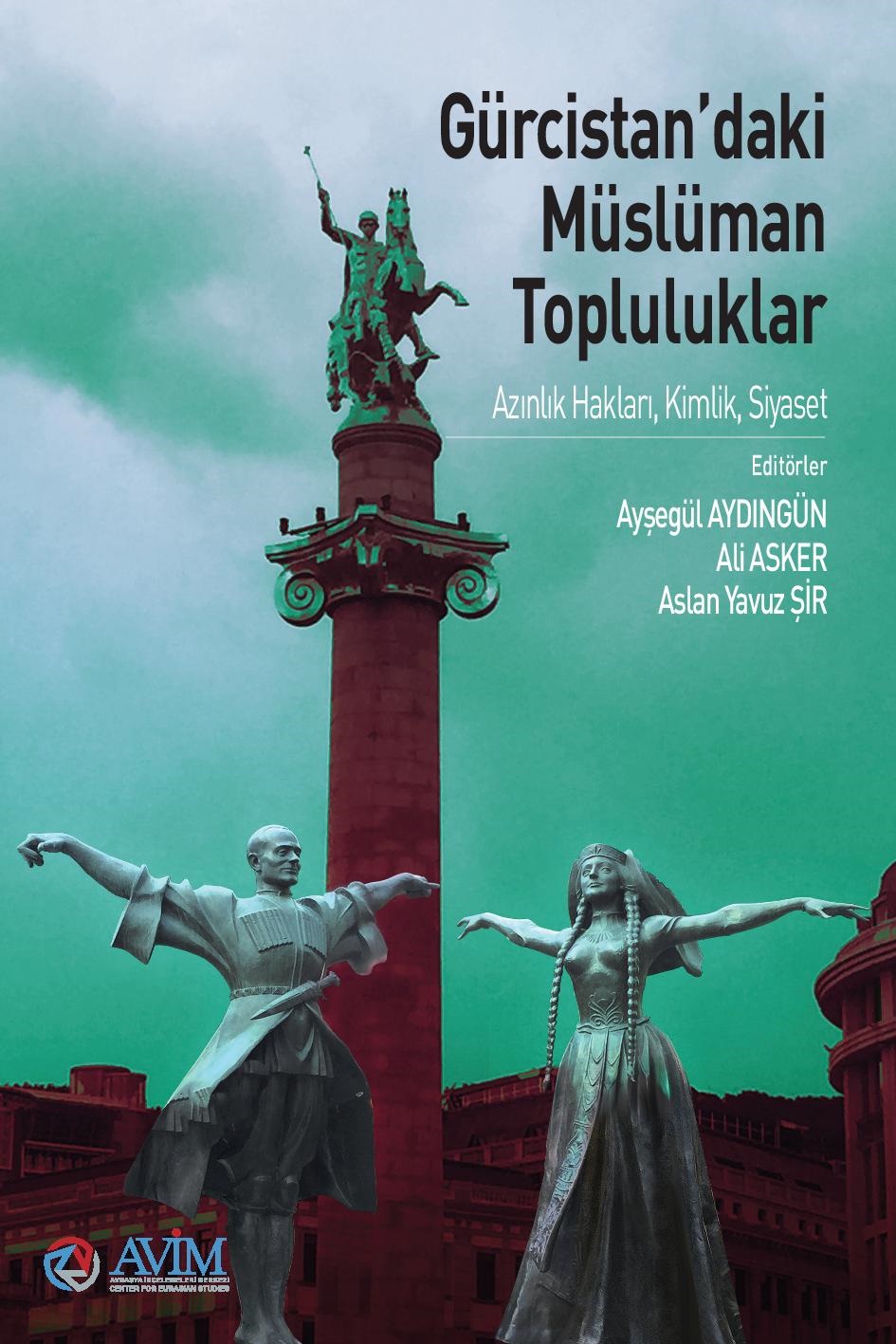
Gürcistan'daki Müslüman Topluluklar: Azınlık Hakları, Kimlik, Siyaset -
10.03.2016
Armenian Diaspora: Diaspora, State and the Imagination of the Republic of Armenia -
24.01.2016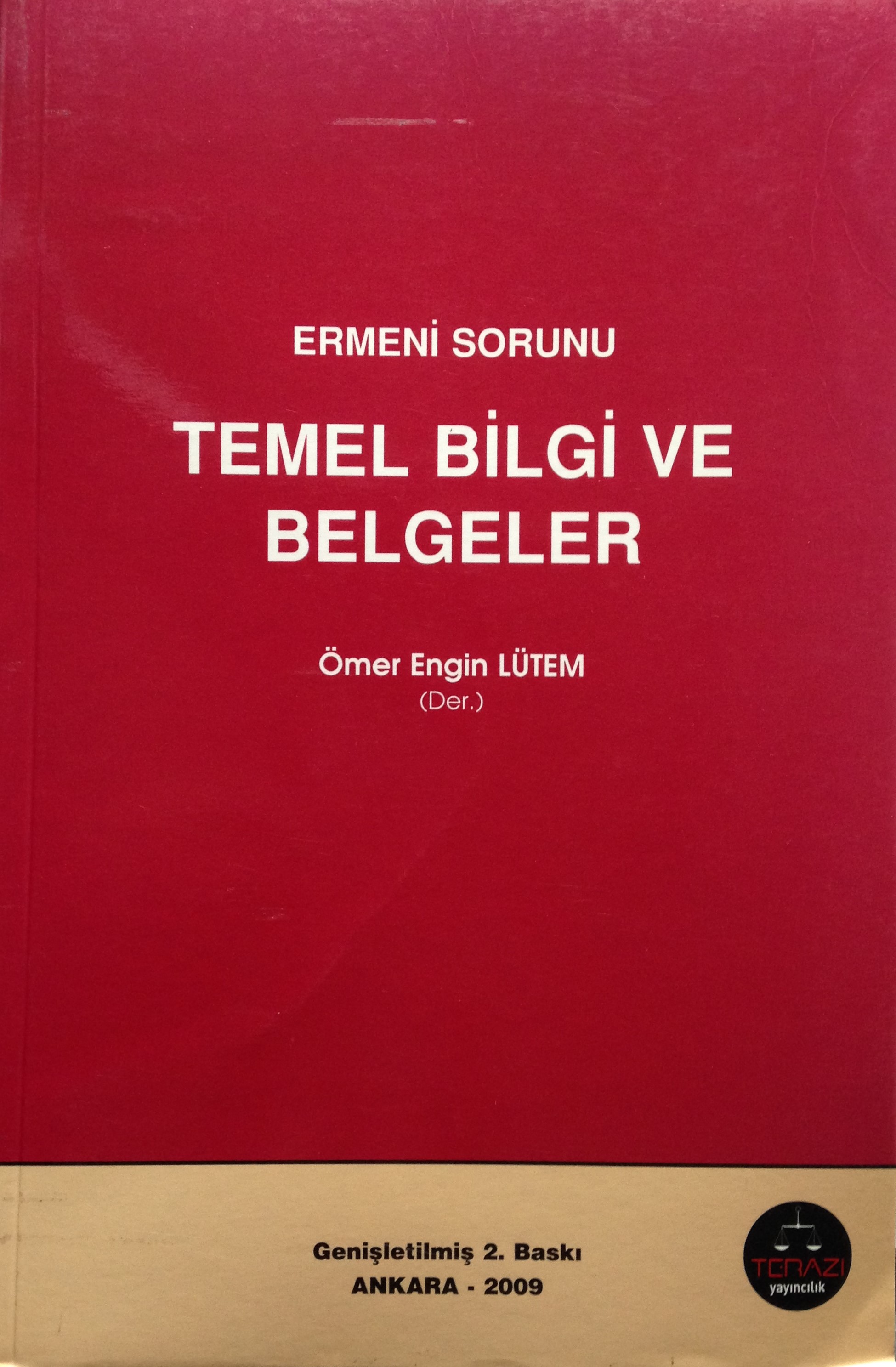
ERMENİ SORUNU - TEMEL BİLGİ VE BELGELER (2. BASKI)
-
AVİM Conference Hall 24.01.2023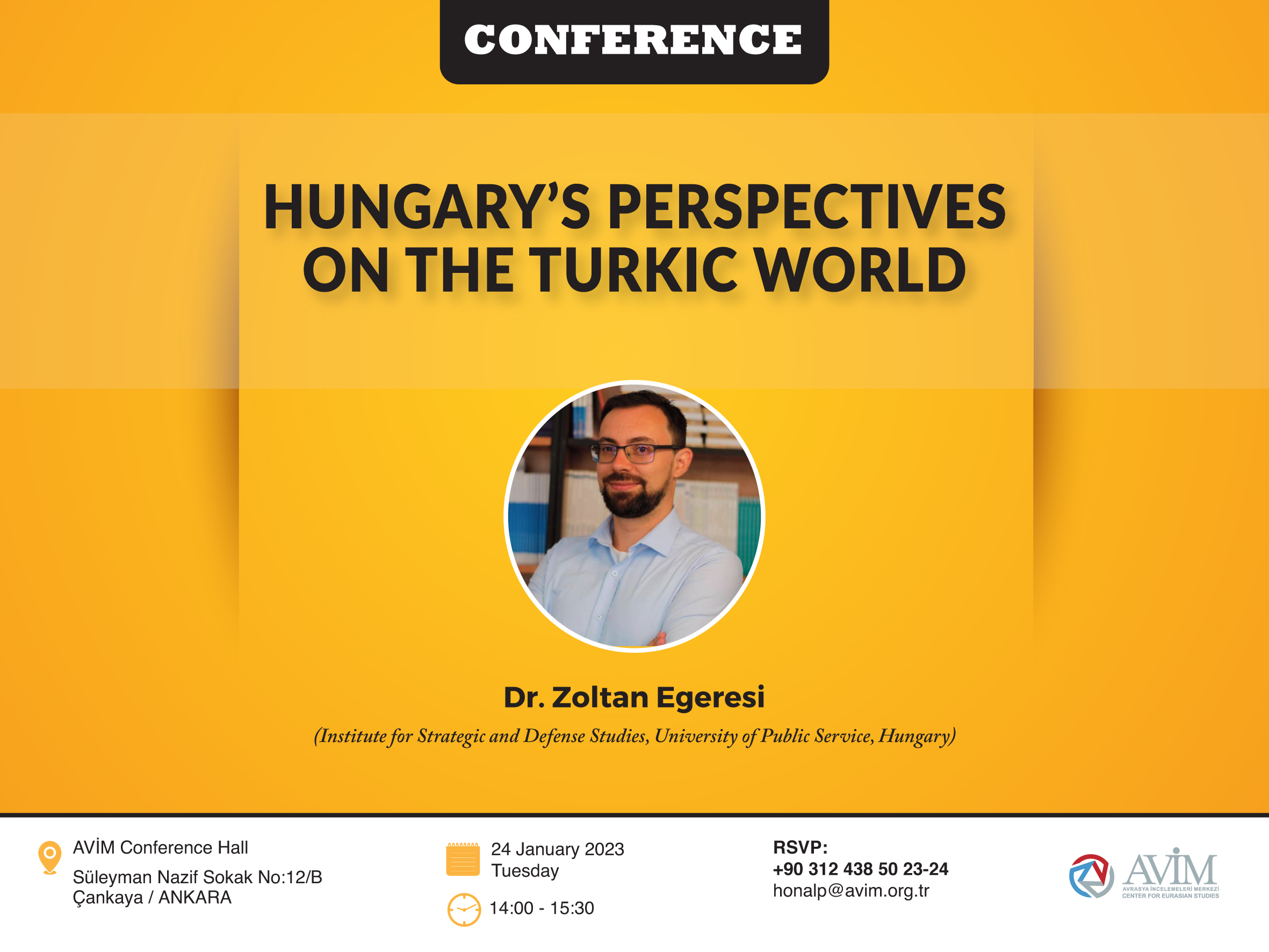
CONFERENCE TITLED “HUNGARY’S PERSPECTIVES ON THE TURKIC WORLD"