

















France 24 (16 October 2018)
Perched like a vast flying saucer on a central Bulgarian mountainside, Buzludzha is a brutalist concrete monument that was built to glorify communism nearly 40 years ago.
The striking circular building has been left to fall victim to vandalism and decay, as Bulgaria has been eager to forget its communist past, but now western experts want to preserve it as a heritage site.
The 70-metre (230-foot) high structure -- made of 70,000 tonnes of concrete, 3,000 tonnes of reinforced steel and 40 tonnes of glass -- looks like it is hovering at around 1,400 metres above sea level.
It has a 40-metre-wide ceremonial hall with room for 400 people and was covered from floor to ceiling in mosaics depicting the history of Bulgaria's communist party.
Inaugurated in 1981, it fell into disrepair following the collapse of the Iron Curtain in 1989 and now lies empty and crumbling.
In recent years, only the most adventurous foreign tourists have visited the isolated spot, prompting local authorities to lock it up to prevent any accidents.
Nevertheless, experts from cultural heritage organisation Europa Nostra visited the site last month and have urged the Bulgarian authorities to rescue what they believe is "a masterpiece of architecture, engineering and art".
Endangered site
Europa Nostra listed it as one of the most endangered heritage sites in Europe this year.
During the Cold War era, the communist party claimed that the red glass stars on top of a tower that is part of the complex could be seen as far as Romania to the north and Greece to the south.
"With its brutalist style, it is a genuine architectural achievement of the 20th century," said Laurent Levi-Strauss, of Europa Nostra and a former deputy chief of UNESCO's Cultural Heritage division.
For British architect Graham Bell, Buzludzha is "an unbelievable building, unbelievably impressive and unbelievably sad in the way it is deteriorating.
"This monument is part of European cultural heritage, but most of Europe doesn't know it exists," Bell said.
The experts are convinced that what remains of the building could -- and should -- be saved.
Following their visit, they called for "urgent action" to stop the decay. And they proposed giving the site national protected status, which would allow EU funds to be used for its rescue.
"It is good that Europe cares about it as Bulgaria doesn't," Buzludzha's 89-year-old architect, Georgy Stoilov, told AFP.
Indeed, the cash-strapped local authorities never regarded Buzludzha as much of a priority and saw little point in the upkeep of a site that had such bad connotations.
It was Bulgarian architect, Dora Ivanova, born a year after the fall of the regime, who has been responsible for the revival in interest in Buzludzha.
'Explaining history'
She came across the monument on the internet while she was at university in Germany and started a campaign for its conservation four years ago.
"It's not possible that such an amazing piece of architecture is in such bad condition. It is a part of Bulgarian history whether we like it or not," Ivanova said.
She said her aim was to conserve the building, rather than restore it, "as restoring it would be to glorify communism". "I just want to explain history," she added.
Part of her project would use three-dimensional projection mapping to show what the missing parts of the mosaics might have looked like.
And Ivanova also suggests offering augmented reality self-guided tours.
Europa Nostra's Levi-Strauss conceded that it would be difficult to restore Buzludzha to its former glory given the controversy surrounding its past.
But that should not prevent the authorities from making use of it for "educational purposes, for conferences and concerts," he said.
Tourism expert Rumen Draganov suggested that Buzludzha could also help boost tourism to a region already known for its Thracian tombs and famous rose gardens.
https://www.france24.com/en/20181016-bulgaria-urged-save-communist-era-architectural-masterpiece
No comments yet.
- FM MNATSAKANYAN PRESENTS ARMENIA'S NEW GOVERNMENT’S PRIORITIES AT EASTERN PARTNERSHIP MINISTERIAL MEETING The Caucasus and Turkish-Armenian Relations 16.10.2018
-
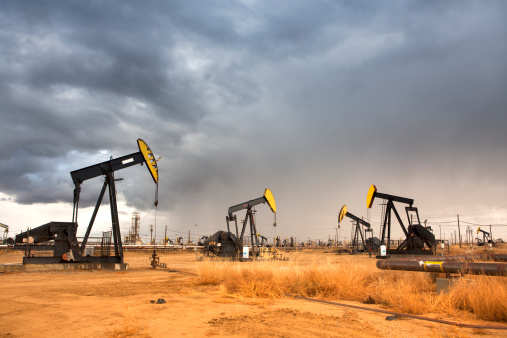 IRAQ PLANS TO INCREASE Q1 2019 OIL EXPORTS TO 4 MLN BPD -OIL MINISTER
Iraq
16.10.2018
IRAQ PLANS TO INCREASE Q1 2019 OIL EXPORTS TO 4 MLN BPD -OIL MINISTER
Iraq
16.10.2018
-
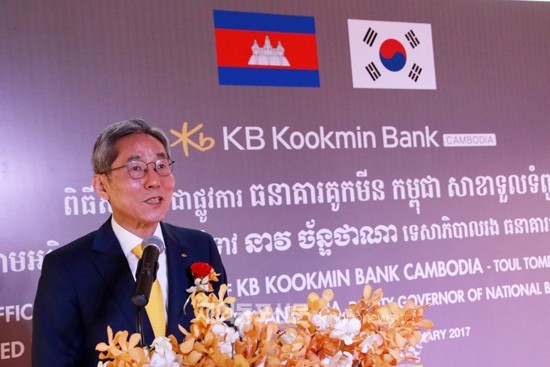 ‘NEW SOUTHERN POLICY’ ENCOURAGES FINANCIAL COMPANIES TO LOOK TO SOUTHEAST ASIA
Asia - Pacific
16.10.2018
‘NEW SOUTHERN POLICY’ ENCOURAGES FINANCIAL COMPANIES TO LOOK TO SOUTHEAST ASIA
Asia - Pacific
16.10.2018
- BREXIT: THERESA MAY PROPOSES UK-WIDE CUSTOMS BACKSTOP Europe - EU 16.10.2018
- BULGARIA URGED TO SAVE COMMUNIST-ERA ARCHITECTURAL 'MASTERPIECE' The Balkans 16.10.2018
-
25.01.2016
THE ARMENIAN QUESTION - BASIC KNOWLEDGE AND DOCUMENTATION -
12.06.2024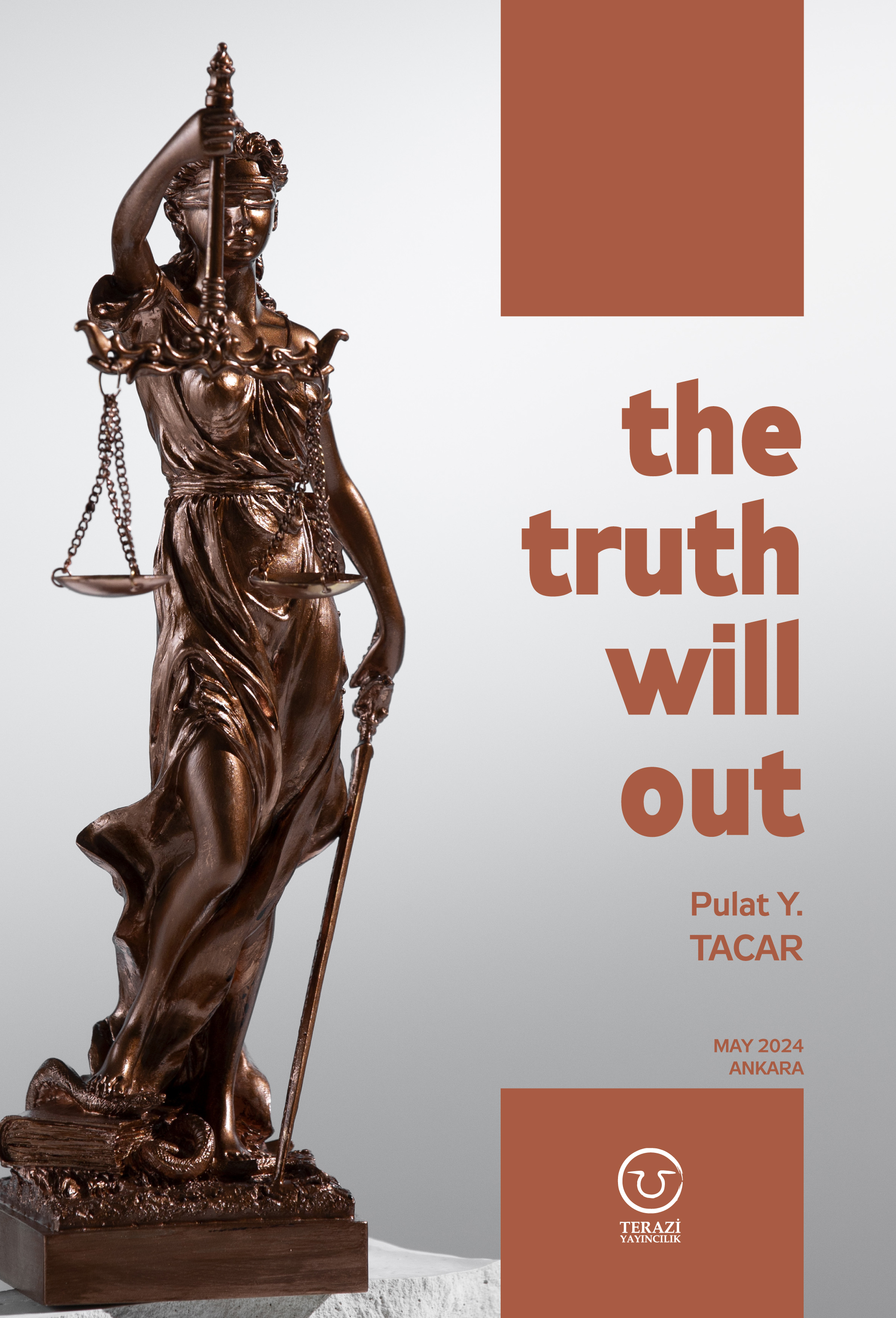
THE TRUTH WILL OUT -
27.03.2023
RADİKAL ERMENİ UNSURLARCA GERÇEKLEŞTİRİLEN MEZALİMLER VE VANDALİZM -
17.03.2023
PATRIOTISM PERVERTED -
23.02.2023
MEN ARE LIKE THAT -
03.02.2023
BAKÜ-TİFLİS-CEYHAN BORU HATTININ YAŞANAN TARİHİ -
16.12.2022
INTERNATIONAL SCHOLARS ON THE EVENTS OF 1915 -
07.12.2022
FAKE PHOTOS AND THE ARMENIAN PROPAGANDA -
07.12.2022
ERMENİ PROPAGANDASI VE SAHTE RESİMLER -
01.01.2022
A Letter From Japan - Strategically Mum: The Silence of the Armenians -
01.01.2022
Japonya'dan Bir Mektup - Stratejik Suskunluk: Ermenilerin Sessizliği -
03.06.2020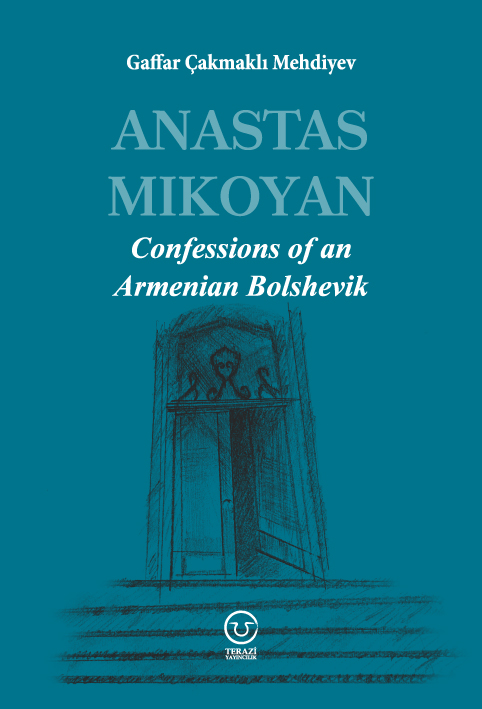
Anastas Mikoyan: Confessions of an Armenian Bolshevik -
08.04.2020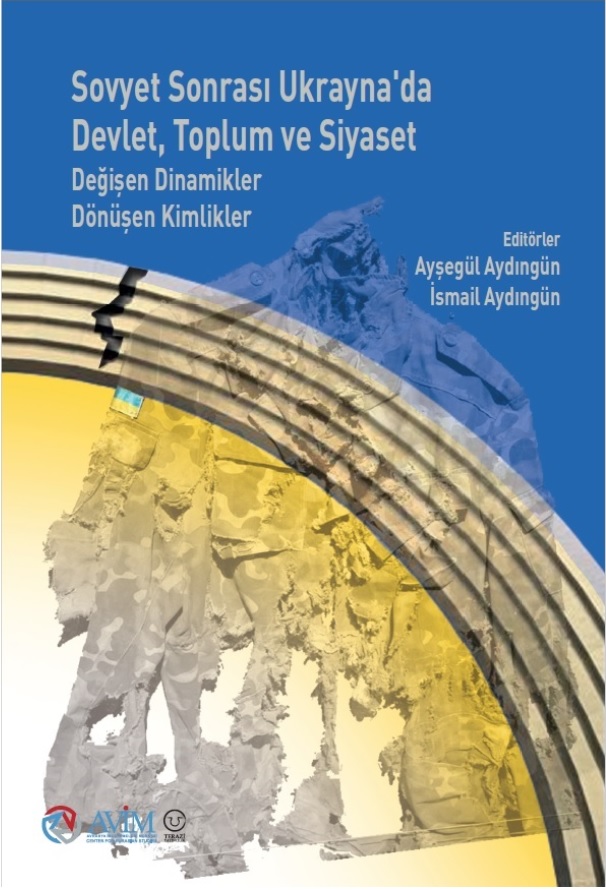
Sovyet Sonrası Ukrayna’da Devlet, Toplum ve Siyaset - Değişen Dinamikler, Dönüşen Kimlikler -
12.06.2018
Ermeni Sorunuyla İlgili İngiliz Belgeleri (1912-1923) - British Documents on Armenian Question (1912-1923) -
02.12.2016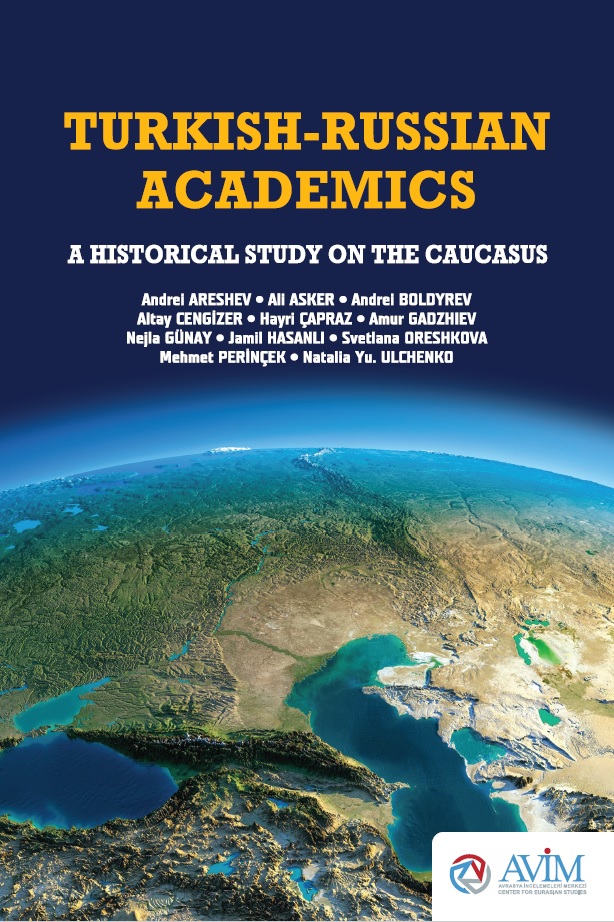
Turkish-Russian Academics: A Historical Study on the Caucasus -
01.07.2016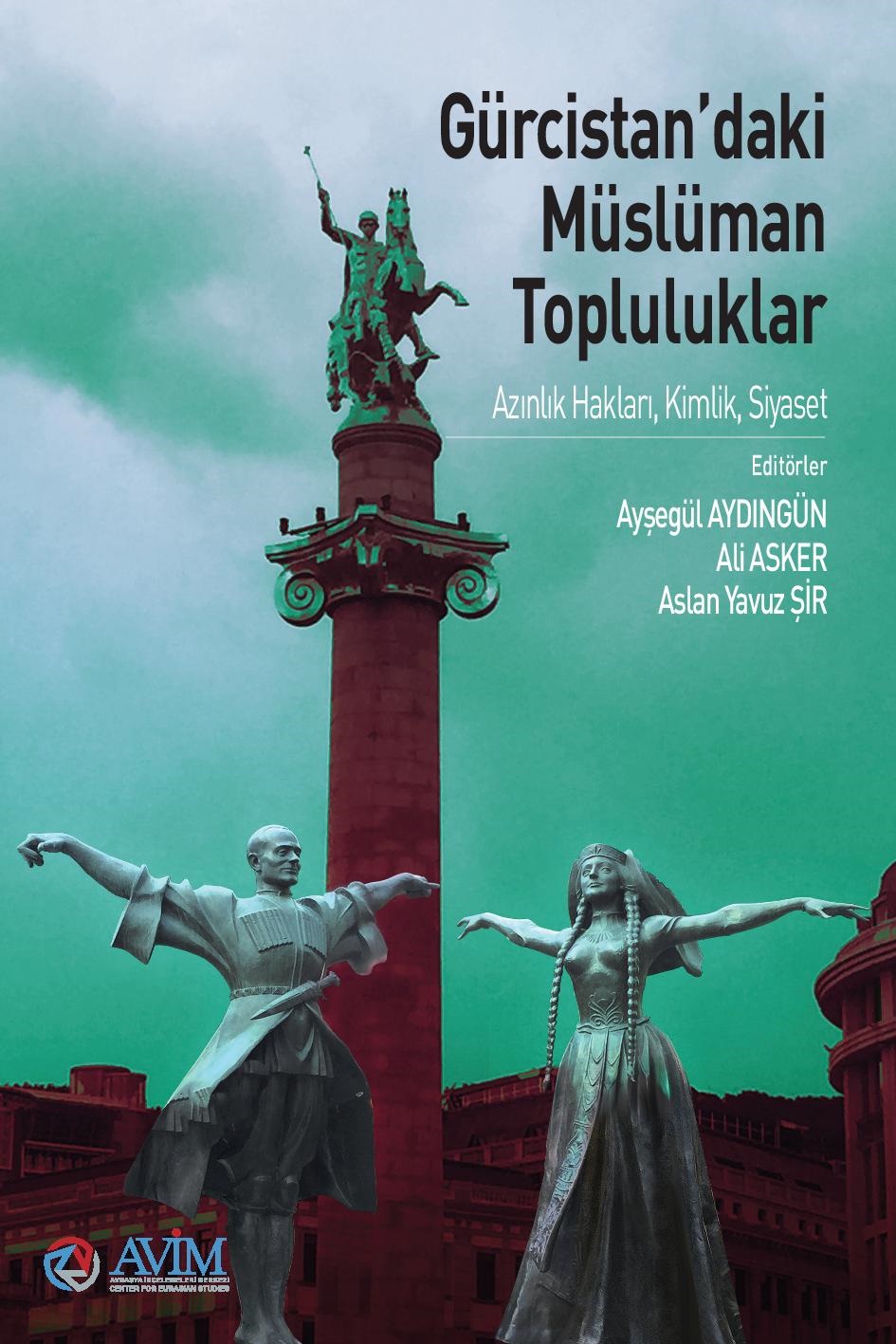
Gürcistan'daki Müslüman Topluluklar: Azınlık Hakları, Kimlik, Siyaset -
10.03.2016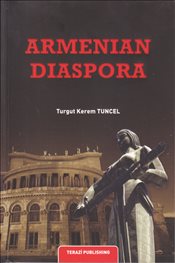
Armenian Diaspora: Diaspora, State and the Imagination of the Republic of Armenia -
24.01.2016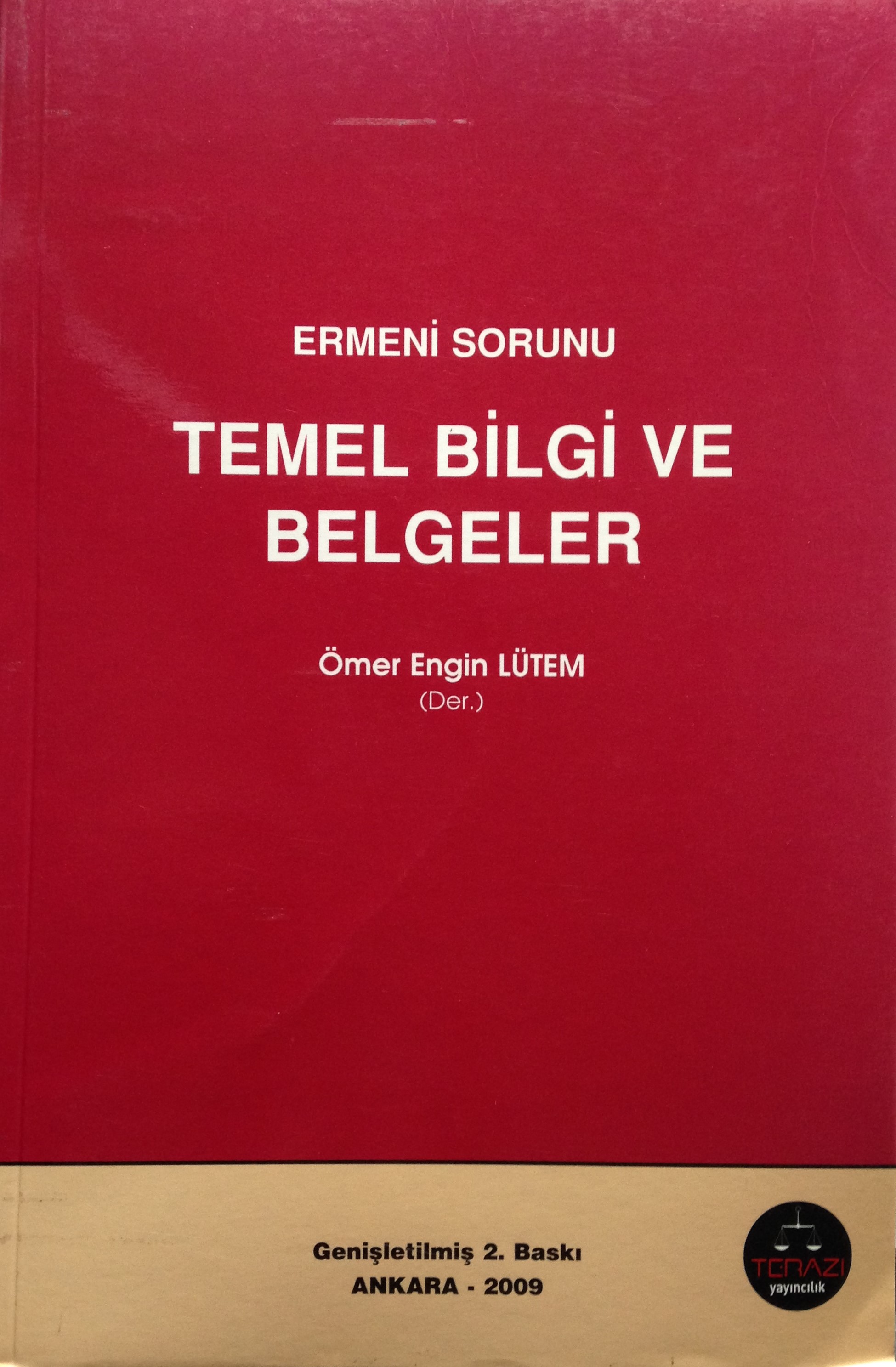
ERMENİ SORUNU - TEMEL BİLGİ VE BELGELER (2. BASKI)
-
AVİM Conference Hall 24.01.2023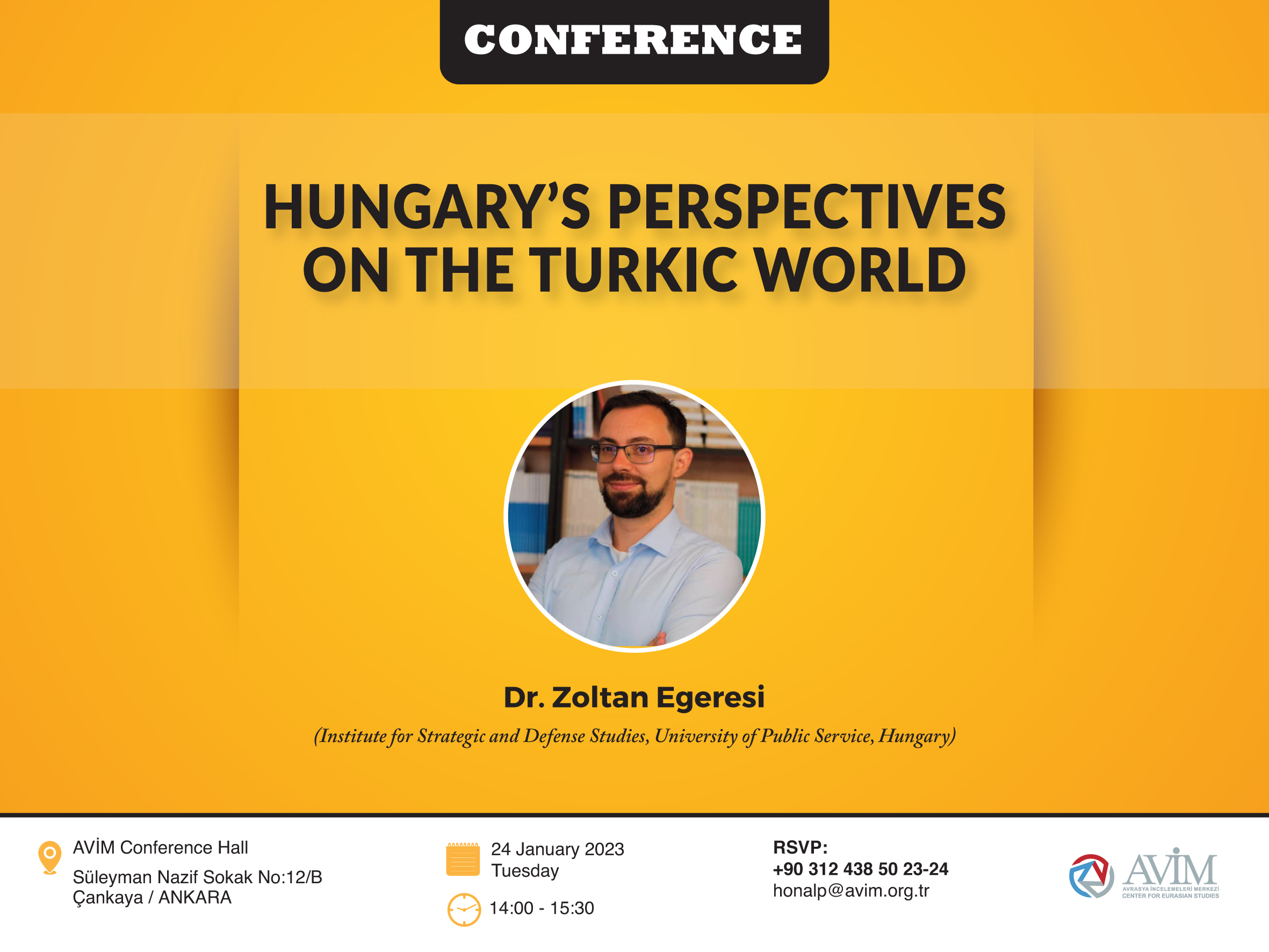
CONFERENCE TITLED “HUNGARY’S PERSPECTIVES ON THE TURKIC WORLD"