

















Art Newspaper, 27 September 2016
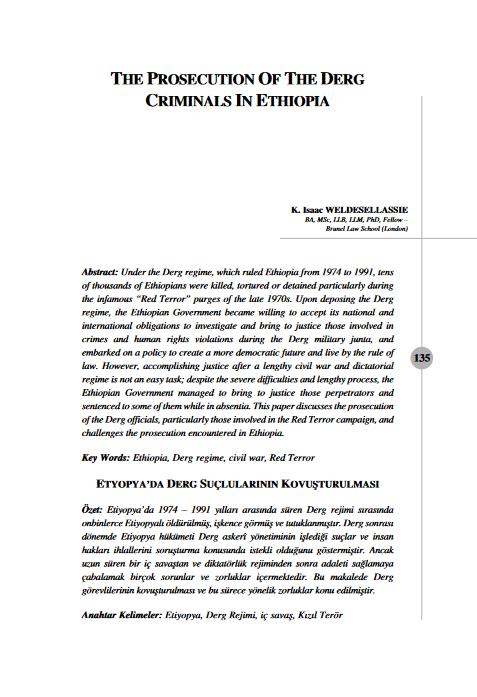
Few outsiders can imagine the challenges of creating a new museum in Iraq. Just a week before the Basrah Museum was scheduled to open inside a converted former palace of Saddam Hussein today (27 September) most of the collection had yet to arrive from Baghdad.
The Basrah Museum has been planned for eight years and will join the National Museum in Baghdad as one of the most important institutions in Iraq. For the first time in a generation, the people of southern Iraq will have their own museum—a great achievement under extremely difficult circumstances.
Evacuated to Baghdad
The city’s old museum, in Basra’s historic centre, was looted during the first Gulf War in 1991 and damaged during the 2003 invasion. Fortunately, much of the collection had already been evacuated to Baghdad. The museum’s former director, Mudhar Abd Alhay, was shot dead amid communal violence in 2005.
Three years later, Alhay’s successor, Qahtan Alabeed, took up the dream of re-establishing a museum in Basra. The British Army and the British Museum agreed to help create a new museum with proper security, climate control, regular opening hours and modern displays. The plan was to take over the 1990 Lakeside Palace, which had been used by the British Army after the overthrow of Saddam.
Progress has been slow, largely because of fundraising problems in Iraq. At an early stage, the Basra Provincial Council promised a $3m contribution but, because of budgetary problems, the funds were never provided. Most of the funding has been supplied by the UK-based Friends of Basrah Museum. The charity, founded by John Curtis, a former keeper at the British Museum, has raised nearly £500,000, largely through contributions from the oil company BP.
The museum still lacks the funds to open fully. Alabeed has decided instead to launch the project piecemeal, beginning with a gallery dedicated to the history of the Basra region from around BC300 to the 19th century. The remaining three spaces—which cover Sumer, Babylon and Assyria—are expected to open in the next few years. The museum estimates the project will cost an additional £450,000 to complete. A grant under consideration by the UK’s Cultural Protection Fund would provide the necessary funds; a decision is expected in late November.
Unexpected challenges
Alabeed’s latest challenge has been to secure the artefacts. For years, the old museum’s collection has been in the stores of the National Museum in Baghdad, controlled by the State Board of Antiquities and Heritage. After prolonged negotiations, officials agreed to loan 550 objects to Basra, including some from the city’s original collection. They will join 160 items, mainly Ottoman objects, that never left the city.
Transporting the objects to Basra—500km away by road—is yet another obstacle. Authorities must approve the works’ transfer and provide a military escort. The shipment was put on hold because of the Eid al-Adha holidays. Alabeed now expects the objects to arrive just a week before the planned opening. “That hardly gives us much time to put hundreds of objects into showcases,” he says.
Even after the works have arrived, there will be more difficulties to face. Many of the artefacts are small (including 150 coins) and will only partially fill the 400 sq. m gallery. Yet Alabeed’s vision remains ambitious. Disappointed with the quality of the loans, he is lobbying the culture minister to upgrade them after the museum opens.
Alabeed has also recruited 40 volunteers to assist the museum, a rarity in the Middle East. He hopes that the institution’s education facility will become “a cultural centre” for the region. And he plans to make up for the museum’s lack of archaeological material by encouraging excavations to provide additional finds for display.
The State Board of Antiquities and Heritage is due to fund the museum’s daily operations. Although there is still some communal violence in the Basra region, Isil does not operate there, and Alabeed says the area is relatively safe for Iraq. Steel doors have been installed and vulnerable windows blocked to safeguard the collection.
No comments yet.
- ROC (TAIWAN) REGRETS THAT IT HAS NOT BEEN INVITED TO ONCE AGAIN TAKE PART IN THE ICAO ASSEMBLY Asia - Pacific 28.09.2016
- ISLAMIC CLERIC SHOT DEAD IN RUSSIA'S NORTH CAUCASUS Asia - Pacific 28.09.2016
- KOSOVO’S ARMY IS STILL BEING BLOCKED BY POLITICAL DECISIONS The Balkans 28.09.2016
- ARMENIAN PARLIAMENT ADOPTS DRAFT OF NEW GOVERNMENT STRUCTURE The Caucasus and Turkish-Armenian Relations 28.09.2016
- IRAN, KAZAKHSTAN TO BOOST CO-OP IN ENERGY SECTOR Asia - Pacific 28.09.2016
-
25.01.2016
THE ARMENIAN QUESTION - BASIC KNOWLEDGE AND DOCUMENTATION -
12.06.2024
THE TRUTH WILL OUT -
27.03.2023
RADİKAL ERMENİ UNSURLARCA GERÇEKLEŞTİRİLEN MEZALİMLER VE VANDALİZM -
17.03.2023
PATRIOTISM PERVERTED -
23.02.2023
MEN ARE LIKE THAT -
03.02.2023
BAKÜ-TİFLİS-CEYHAN BORU HATTININ YAŞANAN TARİHİ -
16.12.2022
INTERNATIONAL SCHOLARS ON THE EVENTS OF 1915 -
07.12.2022
FAKE PHOTOS AND THE ARMENIAN PROPAGANDA -
07.12.2022
ERMENİ PROPAGANDASI VE SAHTE RESİMLER -
01.01.2022
A Letter From Japan - Strategically Mum: The Silence of the Armenians -
01.01.2022
Japonya'dan Bir Mektup - Stratejik Suskunluk: Ermenilerin Sessizliği -
03.06.2020
Anastas Mikoyan: Confessions of an Armenian Bolshevik -
08.04.2020
Sovyet Sonrası Ukrayna’da Devlet, Toplum ve Siyaset - Değişen Dinamikler, Dönüşen Kimlikler -
12.06.2018
Ermeni Sorunuyla İlgili İngiliz Belgeleri (1912-1923) - British Documents on Armenian Question (1912-1923) -
02.12.2016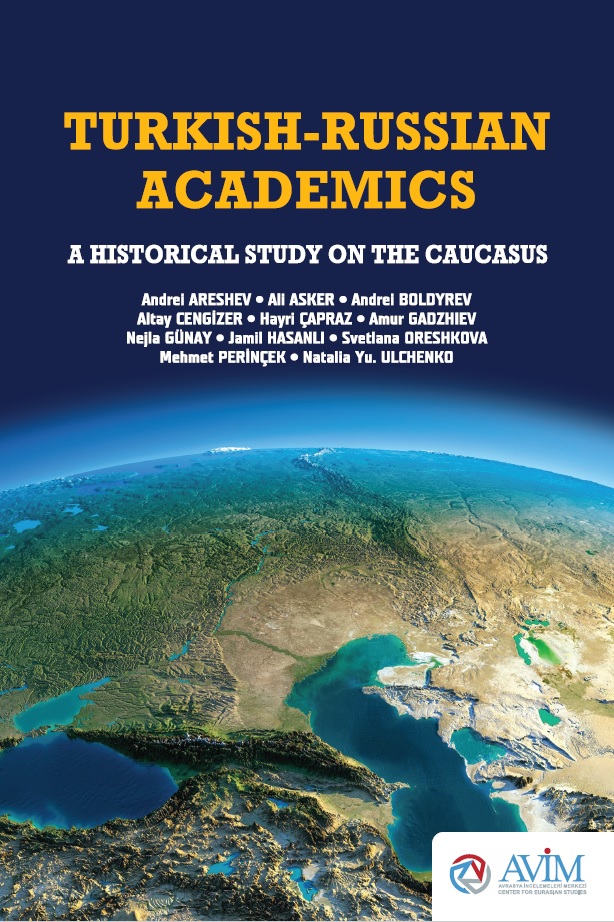
Turkish-Russian Academics: A Historical Study on the Caucasus -
01.07.2016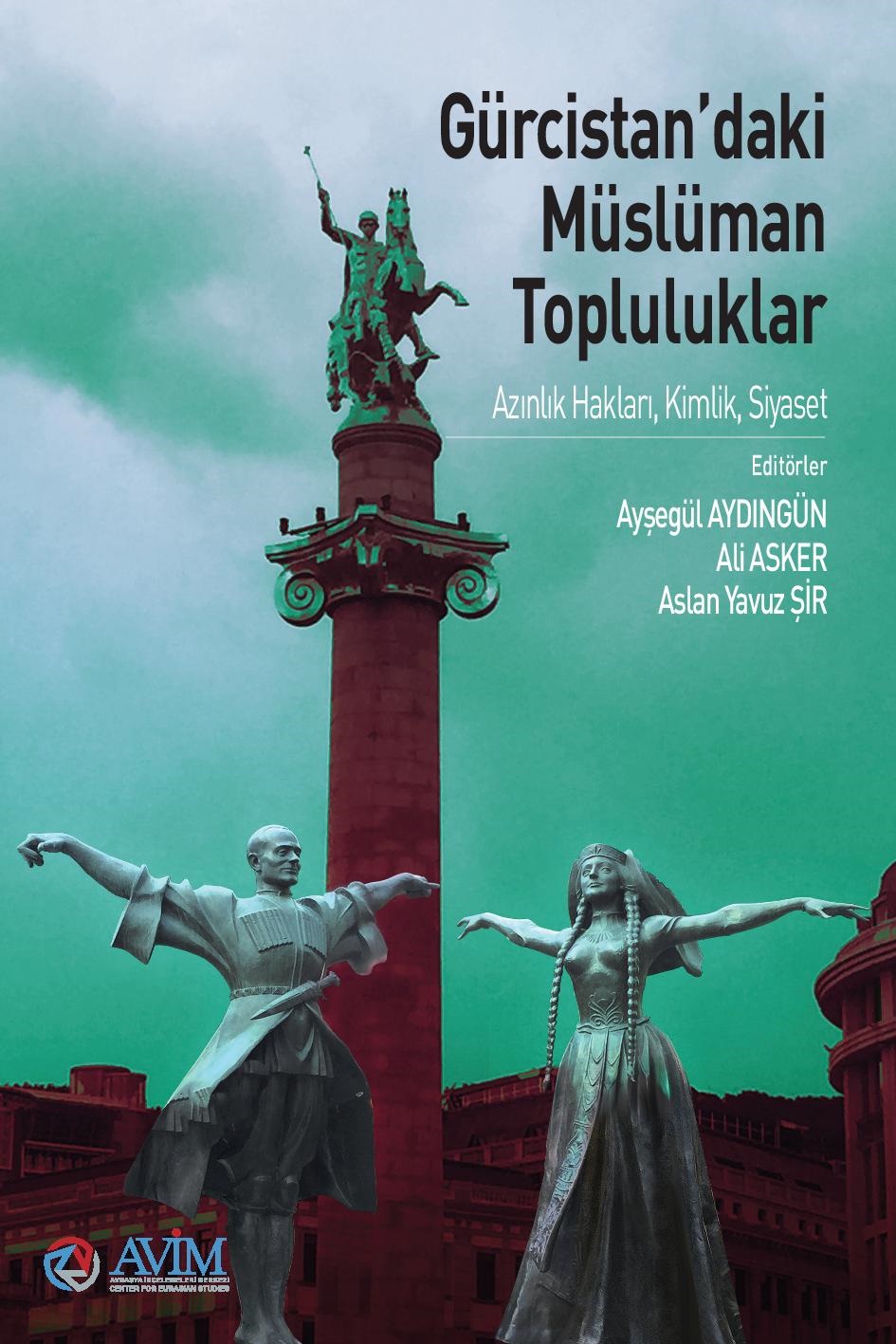
Gürcistan'daki Müslüman Topluluklar: Azınlık Hakları, Kimlik, Siyaset -
10.03.2016
Armenian Diaspora: Diaspora, State and the Imagination of the Republic of Armenia -
24.01.2016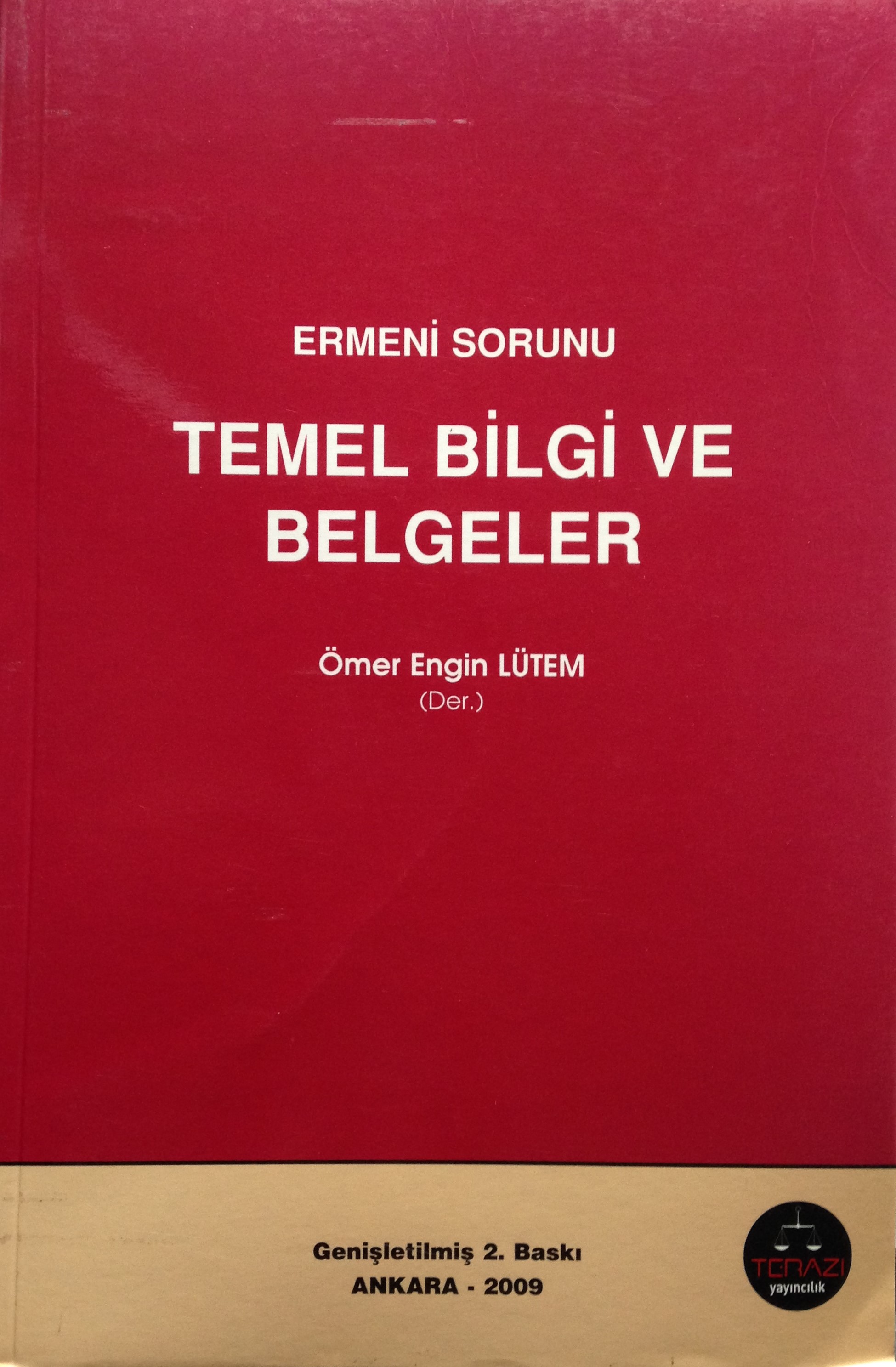
ERMENİ SORUNU - TEMEL BİLGİ VE BELGELER (2. BASKI)


-
AVİM Conference Hall 24.01.2023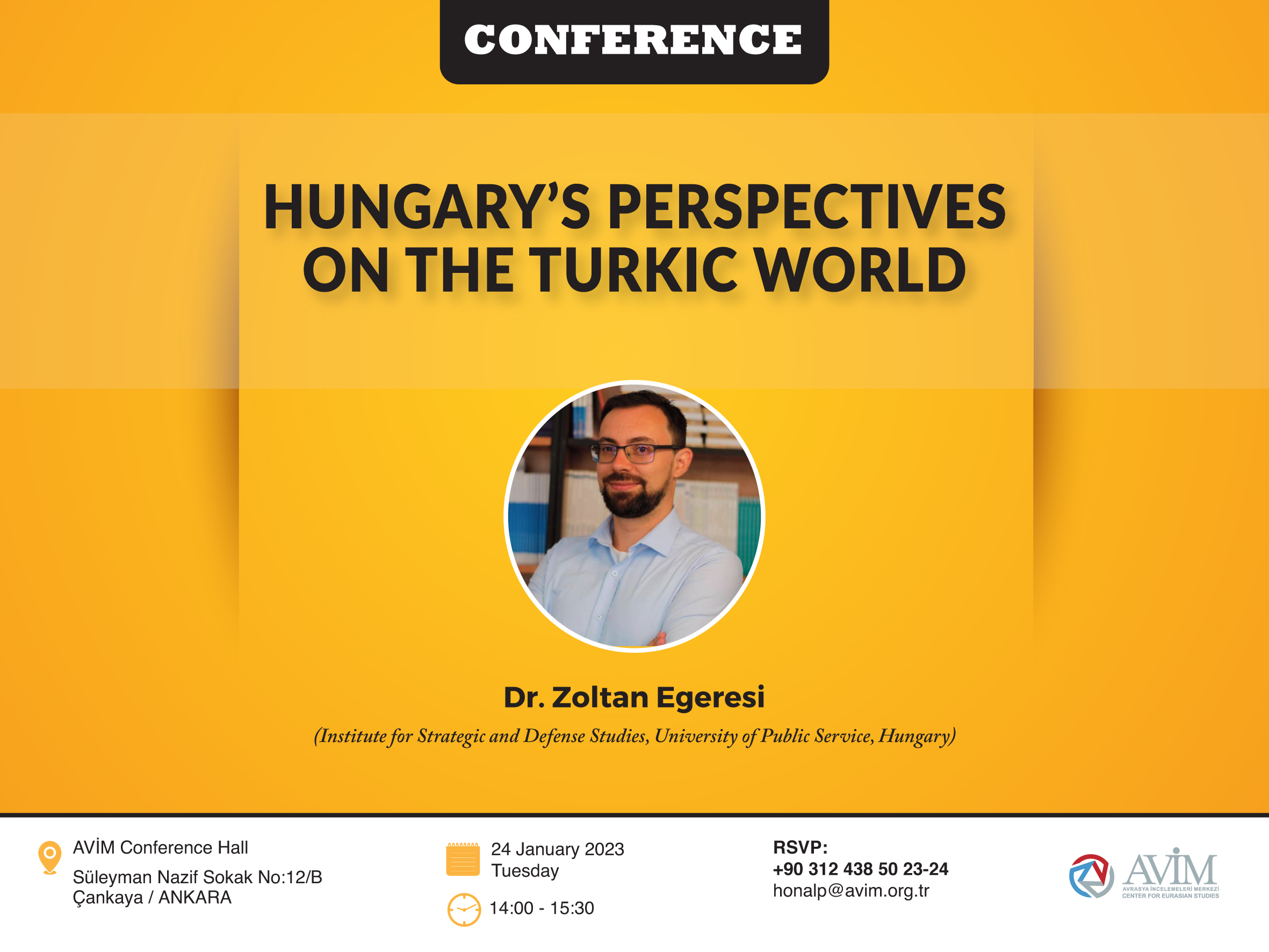
CONFERENCE TITLED “HUNGARY’S PERSPECTIVES ON THE TURKIC WORLD"