

















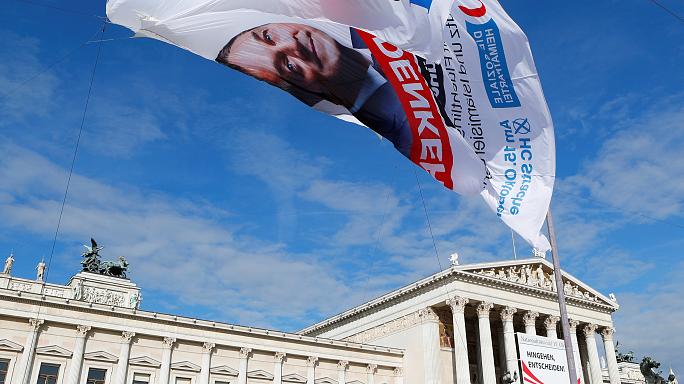
EuroNews (12 October 2017)
What are the hot topics ahead of the poll? Are voters allowed to take selfies in the election booth? What are “flying electoral authorities”? Everything you need to know about the vote in Austria.
Austria is holding a snap general election on Sunday, October 12. It comes after the coalition between the Social Democratic Party of Austria (SPÖ) and the Austrian People’s Party (ÖVP) fell apart in mid-May .
For now, polls predict an election victory for the conservative ÖVP and its 31-year-old leader Sebastian Kurz.
For the right-populist FPÖ and the SPÖ it looks like a neck-and-neck race for second place, according to polls.
The parties
ÖVP, SPÖ and FPÖ are the three strongest parties in Austria.
In total, however, there at 10 parties, plus a further six that are own represented in certain federal states.
Austrian People’s Party (ÖVP), candidate for the position of chancellor: Sebastian Kurz
Freedom Party of Austria (FPÖ), candidate for the position of chancellor: Heinz-Christian Strache
Social Democratic Party of Austria (SPÖ), candidate for the position of chancellor: Christian Kern
The Greens – The Green Alternative (GRÜNE)
The New Austria and Liberal Forum (NEOS)
Communist Party of Austria (KPÖ)
Free List Austria (FLÖ)
Peter Pilz’s List (PILZ)
Liste Roland Düringer (GILT)
The Whites (WEIßE)
The hot topics
Due to strong support for Austria’s right-wing populists, immigration is the prevailing topic in the Austrian election campaign.
There has been a scandal about smear campaigns on Facebook, which has implicated the former head of SPÖ’s election campaign and been a key issue in media coverage in the run-up to the vote.
Other issues that are highlighted in the electoral programmes include unconditional basic incomes, the EU’s trade deal with Canada, Europe, border controls, more direct democracy, energy and education reform and gay marriage.
The voting system
Austria’s parliament has 183 MPs members are elected for five-year terms.
A four percent hurdle applies. This means a party in Austria must receive four percent of the votes on a national level or win at least one direct election in a constituency in order to enter parliament.
Voting is not compulsory.
All citizens aged 16 years or above are eligible to vote. In total 6.4 million people are entitled to cast their ballots.
With a special card voting is possible at any polling station but without it you have go to the one near your home.
Four votes
Each voter has not only one, but four votes in the legislative election: one for a party and one for so-called preferential candidates in the constituency, federal state and on a national level.
The importance of postal votes
Postal votes could play a decisive role. First results are available from 5 pm because many rural polling stations close at noon. The postal votes are counted after 5 pm. Especially in case of a head-to-head race between the big parties these voices could be decisive.
What is a flying electoral commission?
Anyone who cannot go to a polling station due to physical limitations may apply to be visited by a special electoral board. This election committee “flies”, for example, to nursing homes, hospitals or even prisons and is free of charge.
Who cannot vote …
… can also get someone to assist them. But watch out! Anyone who pretends to be blind or disabled can be fined with up to 218 euros.
Hashtag?
nrw17 is the keyword under which users share opinions, articles, images and videos in social networks.
Selfies, paper plane and dogs
These are all theoretically allowed in the voting booth. The right to vote in Austria only forbids someone to publish a photo showing how someone voted against their will. The ballot paper may be folded to a paper plane, as long as it fits into the envelope and the ballot box. Dogs are not expressly prohibited in the election booth.
No comments yet.
- IN A SEA OF UNCERTAINTY, ONE COMPANY SETS ITS BREXIT COURSE Europe - EU 13.10.2017
- CSTO ABOUT KARABAKH CONFLICT SETTLEMENT The Caucasus and Turkish-Armenian Relations 13.10.2017
- MEETING BETWEEN THE PRESIDENTS OF AZERBAIJAN AND ARMENIA TO BE HELD IN GENEVA NEXT WEEK The Caucasus and Turkish-Armenian Relations 13.10.2017
- POST-SOVIET MILITARY BLOC TO HOLD DRILLS IN TAJIKISTAN IN NOVEMBER Asia - Pacific 13.10.2017
-
AUSTRIA’S PARLIAMENTARY ELECTION EXPLAINED
Europe - EU
13.10.2017
-
25.01.2016
THE ARMENIAN QUESTION - BASIC KNOWLEDGE AND DOCUMENTATION -
12.06.2024
THE TRUTH WILL OUT -
27.03.2023
RADİKAL ERMENİ UNSURLARCA GERÇEKLEŞTİRİLEN MEZALİMLER VE VANDALİZM -
17.03.2023
PATRIOTISM PERVERTED -
23.02.2023
MEN ARE LIKE THAT -
03.02.2023
BAKÜ-TİFLİS-CEYHAN BORU HATTININ YAŞANAN TARİHİ -
16.12.2022
INTERNATIONAL SCHOLARS ON THE EVENTS OF 1915 -
07.12.2022
FAKE PHOTOS AND THE ARMENIAN PROPAGANDA -
07.12.2022
ERMENİ PROPAGANDASI VE SAHTE RESİMLER -
01.01.2022
A Letter From Japan - Strategically Mum: The Silence of the Armenians -
01.01.2022
Japonya'dan Bir Mektup - Stratejik Suskunluk: Ermenilerin Sessizliği -
03.06.2020
Anastas Mikoyan: Confessions of an Armenian Bolshevik -
08.04.2020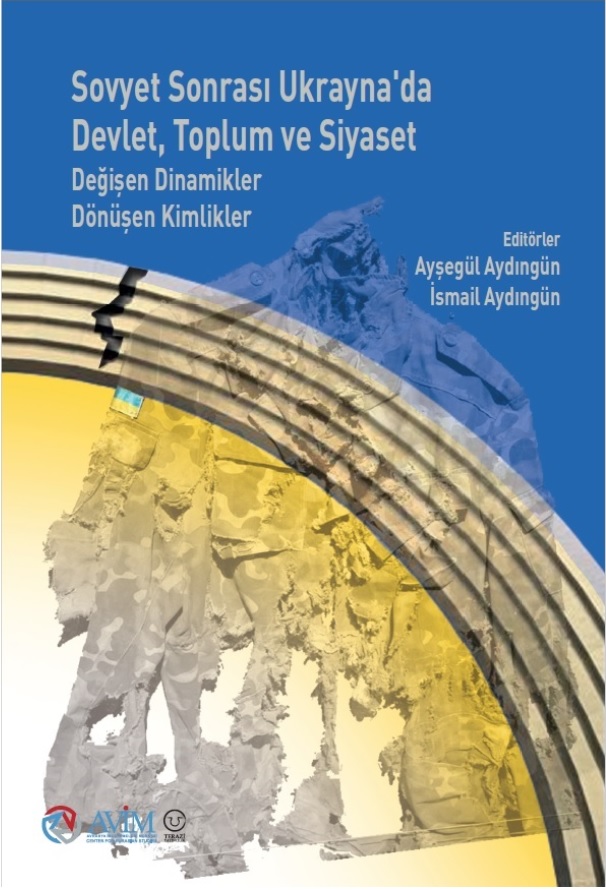
Sovyet Sonrası Ukrayna’da Devlet, Toplum ve Siyaset - Değişen Dinamikler, Dönüşen Kimlikler -
12.06.2018
Ermeni Sorunuyla İlgili İngiliz Belgeleri (1912-1923) - British Documents on Armenian Question (1912-1923) -
02.12.2016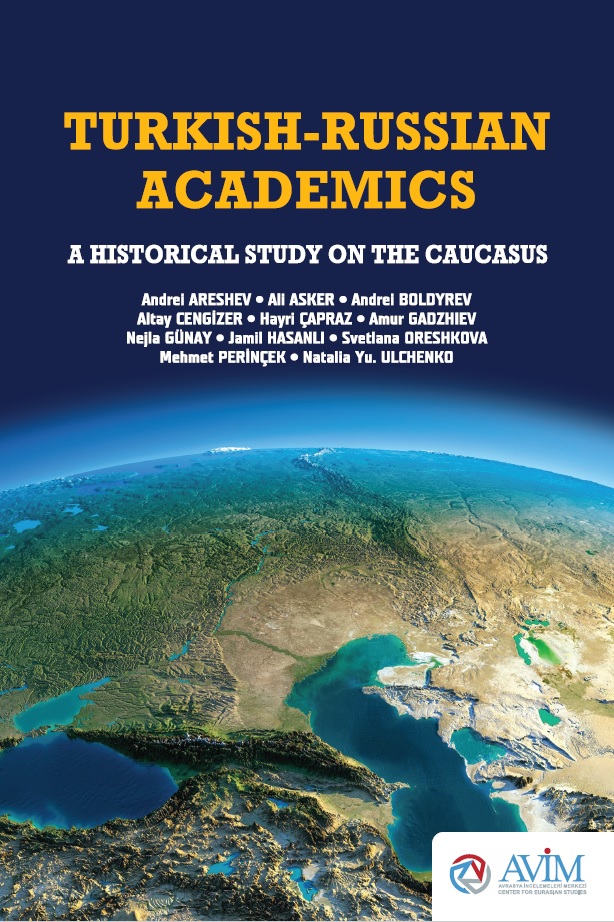
Turkish-Russian Academics: A Historical Study on the Caucasus -
01.07.2016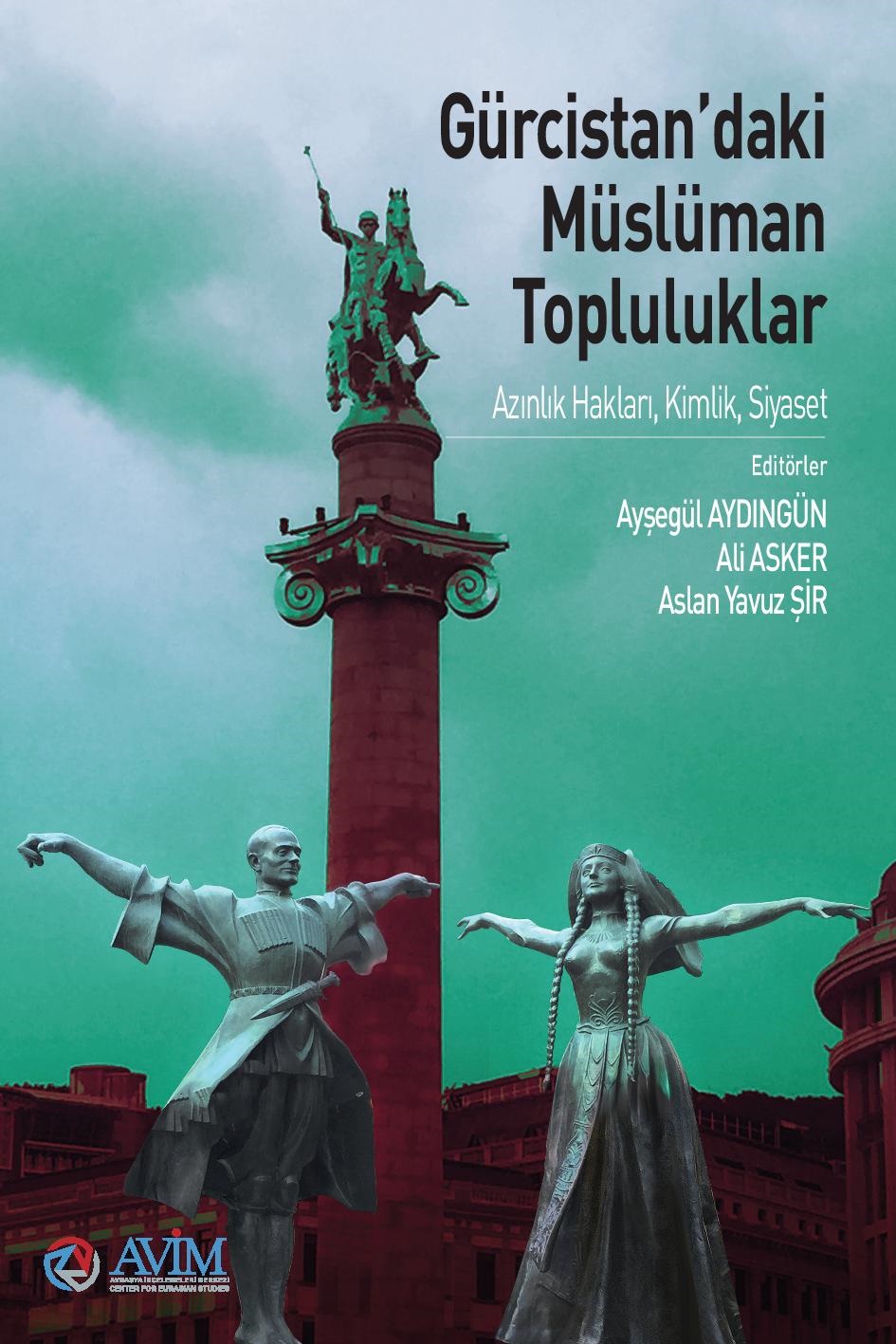
Gürcistan'daki Müslüman Topluluklar: Azınlık Hakları, Kimlik, Siyaset -
10.03.2016
Armenian Diaspora: Diaspora, State and the Imagination of the Republic of Armenia -
24.01.2016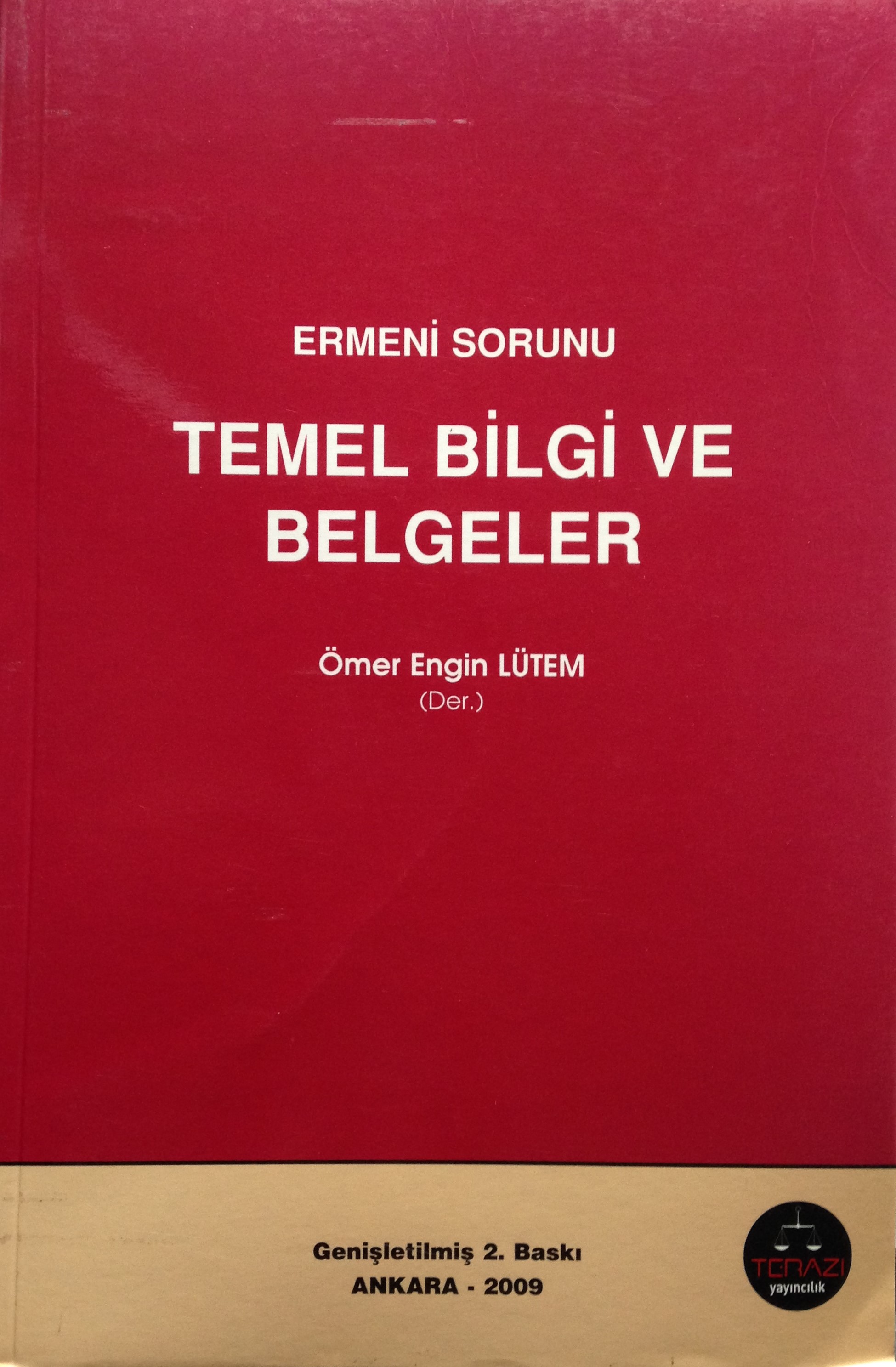
ERMENİ SORUNU - TEMEL BİLGİ VE BELGELER (2. BASKI)

-
AVİM Conference Hall 24.01.2023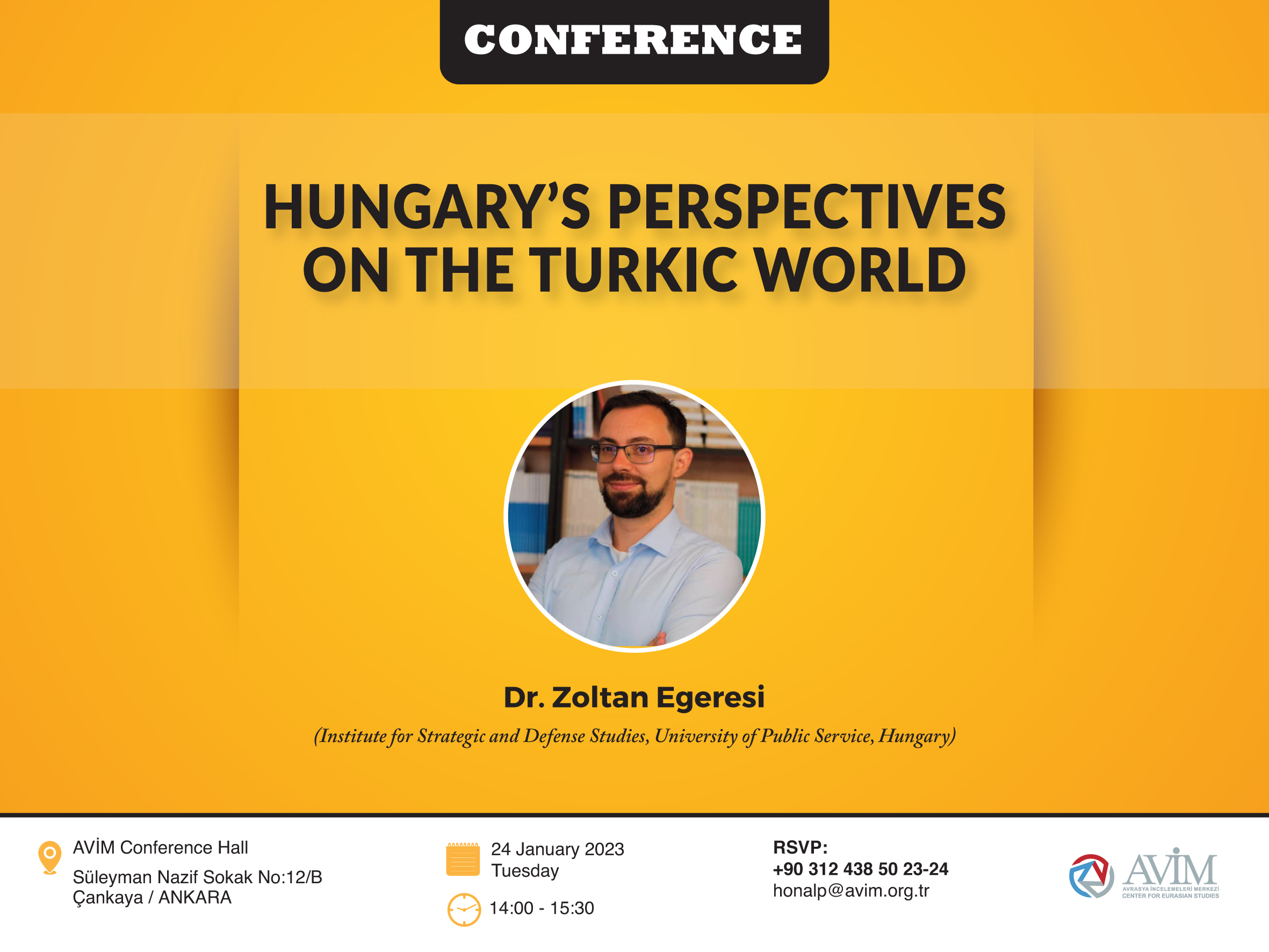
CONFERENCE TITLED “HUNGARY’S PERSPECTIVES ON THE TURKIC WORLD"